Authentic Italian Carbonara Recipe: The Only Guide You'll Ever Need
Your Carbonara Roadmap
Let's get this out of the way first. If your carbonara recipe has cream, garlic, onions, or peas in it, you haven't made carbonara. You've made a lovely creamy pasta dish, sure. But it's not the traditional Italian carbonara recipe. It's something else. I learned this the hard way, getting a gentle but firm correction from a Roman chef after proudly serving my "carbonara" to him years ago. It was a good lesson in respecting culinary tradition.
The beauty of a true traditional Italian carbonara lies in its stark simplicity. It's a dish built on poverty and ingenuity, transforming a handful of basic, shelf-stable ingredients into something magical and rich. The magic isn't in adding more stuff; it's in the precise technique of emulsification. That's the real secret. Getting a silky, creamy sauce without a drop of cream. It sounds tricky, but once you understand the why behind each step, it becomes almost foolproof.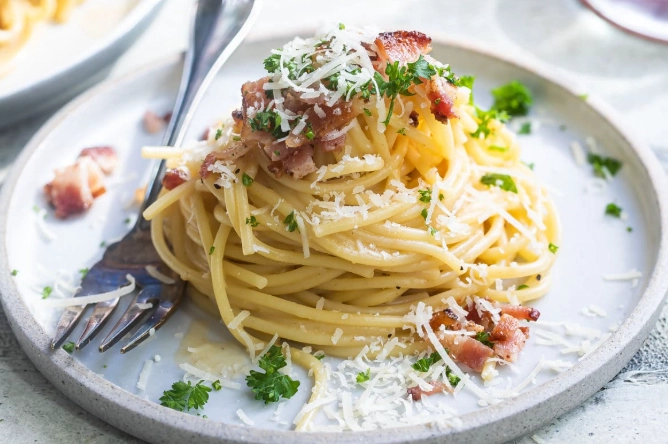
At its heart, the authentic carbonara formula is an equation: high-quality cured pork fat + starchy pasta water + eggs + hard cheese + black pepper = creamy perfection. The creaminess comes solely from the emulsion of fat, starch, and egg, not from dairy. This is non-negotiable in Rome.
The Carbonara Philosophy: Less is More
Before we touch a single ingredient, we need to get into the mindset. Italian cooking, especially Roman cooking, is often about making a lot from a little. Carbonara is the poster child for this. It's believed to have origins in the mid-20th century, possibly influenced by Allied soldiers bringing eggs and bacon to Rome. Locals combined these with their staple pasta and pecorino cheese, and a legend was born.
The philosophy is restraint. Every ingredient has a specific, irreplaceable job. Add one extra thing, and the balance collapses. The goal is to highlight the flavor of each component, not bury it. So when you're searching for that perfect carbonara recipe traditional Italian style, you're really searching for a lesson in minimalism and technique.
The Holy Quintet: Your 5 Essential Ingredients
Here’s where we separate the authentic from the adaptation. You only need five things. Not six. Five. Sourcing the right ones is 80% of the battle for a perfect traditional carbonara recipe.
| Ingredient | The Authentic Choice | The Common Substitute (and the compromise) | Why the Authentic One Wins |
|---|---|---|---|
| Cured Pork | Guanciale | Pancetta or Smoked Bacon | Guanciale (from the pig's cheek) has a higher fat content and a more delicate, sweet, and funky flavor. It renders beautifully, creating the flavorful fat base of the entire sauce. Pancetta works in a pinch, but bacon (especially smoked) will completely change the flavor profile to something more American breakfast than Roman trattoria. |
| Cheese | Pecorino Romano | Parmigiano-Reggiano (Parmesan) or a mix | Pecorino is made from sheep's milk. It's sharper, saltier, and tangier than cow's milk Parmesan. This punch is necessary to cut through the richness of the egg and fat. Using only Parmesan can make the sauce taste flat and one-dimensional. Many Romans use a mix (e.g., 2/3 Pecorino, 1/3 Parmigiano) to balance saltiness and umami. |
| Eggs | Fresh, High-Quality Eggs (often whole eggs + extra yolks) | Any eggs | The eggs are the sauce. Their quality directly impacts color and flavor. Using 1 whole egg + 1 extra yolk per person creates a richer, yellower, and more stable emulsion than using 2 whole eggs. The extra yolk adds fat and lecithin, which is a natural emulsifier. This is a pro tip for a foolproof sauce. |
| Pasta | Spaghetti or Rigatoni | Any long or short pasta | Spaghetti is the classic. Its long shape holds the sauce well. Rigatoni is a popular Roman choice because the sauce gets trapped inside the tubes. The key is using a pasta shape with a rough surface (like spaghetti alla chitarra or bronze-die extruded pasta) to help the sauce cling. Avoid very thin or smooth pasta. |
| Pepper | Freshly Cracked Black Pepper | Pre-ground pepper | This isn't just a garnish; it's a core flavor component. The spicy, aromatic oils in freshly cracked pepper are essential. Toasting it lightly in the rendered guanciale fat unlocks its full potential. Pre-ground pepper has lost most of its aroma and will taste dusty. |
See? Simple list. But each choice matters intensely. Now, about that guanciale. I know it can be hard to find. I've had to mail-order it before. Is it worth the hassle? For your first few attempts to truly understand the authentic flavor, absolutely. Once you've got the taste in your head, you can make compromises, but you'll always know what you're missing.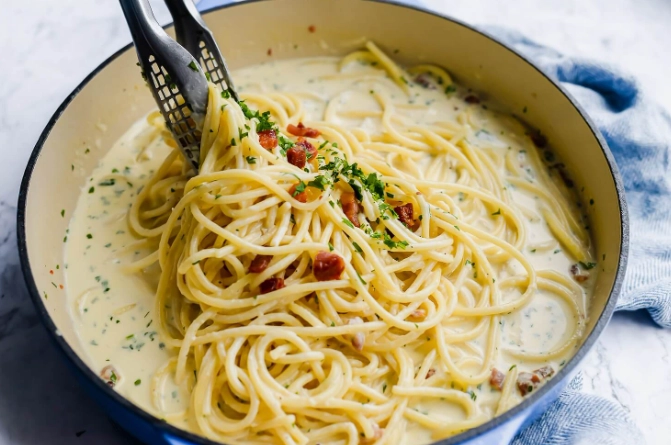
Let's talk about the elephant in the room: cream. Why is it such a crime? Because it's a crutch. Adding cream bypasses the need for skillful emulsion. It creates a one-note, heavy, milky sauce that drowns the other flavors. The authentic sauce is light, almost frothy, and each bite has the distinct pop of pepper, the salt of pecorino, and the umami of guanciale. Cream muffles all of that. If you like creamy pasta, make alfredo. Let carbonara be carbonara.
The Step-by-Step: It's All About Temperature Control
This is where most people panic and end up with scrambled egg pasta. Don't panic. The key is understanding that you're making a custard, not scrambling eggs. You're gently cooking the eggs with residual heat, not direct flame.
Step 1: Prep is Everything (Mise en Place)
Cube your guanciale into little lardons (about 1/4 inch thick). Grate your pecorino (and parmigiano if using) very finely so it melts easily. Crack your eggs into a large, room-temperature bowl—this is crucial. A cold bowl will shock the eggs. For two people, I use 2 whole eggs + 1 extra yolk. Add all the grated cheese and a hefty amount of freshly cracked black pepper to the eggs. Whisk it all together until it's a homogeneous, grainy paste. No need to add salt yet—the guanciale and pecorino are very salty.
Step 2: Render the Guanciale, Toast the Pepper
In a cold, large skillet (not non-stick if possible, you want fond), add the guanciale. Turn the heat to medium-low. Let the fat render slowly. You're not frying it to a crisp; you want it golden, slightly crispy on the edges, but still tender. This takes patience—maybe 8-10 minutes. In the last minute, add another big crack of black pepper directly to the fat and let it sizzle for 30 seconds. Then, turn off the heat. Leave the guanciale and all that glorious fat in the pan.
This is a good moment to breathe.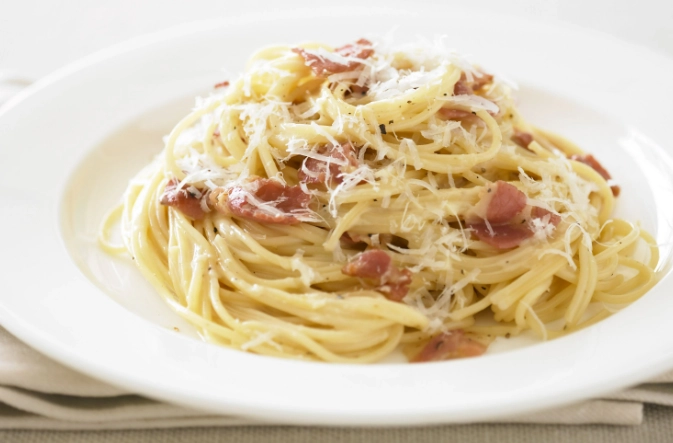
Step 3: Cook the Pasta & Save the Gold
While the pork renders, cook your pasta in a large pot of well-salted water. It should taste like the sea. Cook it 1-2 minutes less than the package says for al dente. Right before you drain it, scoop out about 1 1/2 cups of the starchy pasta water. This liquid gold is your emulsifier and sauce thinner. Set it aside.
Step 4: The Emulsification Dance (The Critical Part)
Drain the pasta. Immediately add the hot, dripping-wet pasta to the skillet with the guanciale and fat. Toss it vigorously. The goal is to coat every strand in the fat. Now, take that skillet off the stove entirely. Move it to a trivet or cold burner. This removes it from any residual heat that could scramble your eggs.
Let it cool for just 30-45 seconds. Now, grab your bowl of egg-cheese mixture. Slowly pour about 1/4 cup of the hot pasta water into the egg mixture while whisking constantly. This tempers the eggs, gently raising their temperature without cooking them. Now, pour this tempered egg mixture over the pasta in the skillet.
Working quickly, toss and stir the pasta with tongs. Add more pasta water, a splash at a time, until the sauce forms a creamy, silky consistency that coats the pasta. It should look glossy and luxurious, not thick and gloppy, not thin and watery. The heat from the pasta and skillet will gently cook the eggs into a velvety sauce. If it looks too wet, keep tossing; the starch will thicken it. If it's too thick, add more water.
My biggest mistake early on? I didn't let the pan cool enough. I poured the egg mix onto piping hot pasta still in the hot pan and got instant, fine scrambled eggs. It was edible, but it was grainy, not smooth. That 30-second cooldown is your best friend.
Step 5: Serve Immediately
Plate it right away in warm bowls. Top with an extra crack of pepper and maybe a light dusting of pecorino. Do not let it sit. The sauce will continue to thicken and can become gluey. Carbonara waits for no one.
Answering Your Carbonara Questions (The FAQ Part)
Can I make carbonara for a crowd?
It's tricky. The emulsification process is best done in a single skillet serving 4 people max. For more, I'd recommend setting up a station: have your egg/cheese mix ready, your guanciale cooked and kept warm, and your pasta drained. Combine them in batches in a large, warm (not hot) serving bowl, adding pasta water as you go. It's more work, but it's the only way to avoid a big bowl of scramble.
What do I do with leftovers?
Honestly, it's not great reheated. The sauce breaks and becomes oily. Carbonara is truly a "make and eat" dish. If you must, try reheating it very gently in a skillet with a tiny splash of water, stirring constantly. But manage your expectations.
Is there a "correct" cheese ratio?
This sparks debate even in Italy. The Academia Barilla, a respected authority on Italian cuisine, often cites the traditional Roman use of Pecorino Romano. However, many modern chefs and home cooks, even in Rome, blend Pecorino with Parmigiano-Reggiano to temper the former's saltiness. A 50/50 or 70/30 (pecorino/parmigiano) split is common. I prefer a 2:1 ratio of pecorino to parmigiano. Start with all pecorino, then experiment.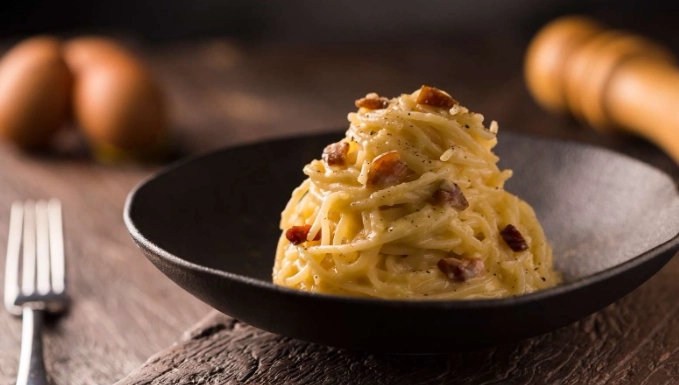
Why is my sauce watery/grainy/oily?
These are the three common fails. Watery: You added too much pasta water too fast, or your pasta wasn't starchy enough. Use less water to cook the pasta so it's starchier. Grainy: The eggs scrambled. Your pan/pasta was too hot when you added the egg mix. Cool it down more next time. Oily: The emulsion broke, meaning the fat separated. This happens if you added cold ingredients to the hot pan or didn't toss vigorously enough to create the emulsion. Tempering the eggs with pasta water first helps prevent this.
Where can I learn more about authentic Roman cooking?
For a deep dive into the cuisine of Lazio (the region Rome is in), resources from Italian culinary institutions are invaluable. The Accademia Italiana della Cucina documents and protects traditional Italian recipes. Their bulletins and historical notes are a treasure trove. For a more modern but still rigorous take, the recipes and guides from Gambero Rosso, Italy's leading food and wine publication, are excellent references.
Beyond the Classic: Variations (The Italian Way)
Even within Italy, you'll find subtle twists. Purists will scoff, but they exist and are delicious.
Carbonara with Zucchini Blossoms: In late spring, Romans might add a few sautéed zucchini blossoms for a touch of sweetness and color. It's seasonal and lovely.
Carbonara with Black Pepper Cream (almost a contradiction): Some chefs make a "cream" by blending toasted black peppercorns with a little pasta water, then using that to temper the eggs. It amplifies the pepper flavor without changing the texture much.
The key with any variation is that it should enhance the core flavors, not mask them. Adding mushrooms, asparagus, or seafood? That's a different pasta dish inspired by carbonara. And that's fine! Just don't call it a traditional Italian carbonara recipe.
Cooking is about joy, after all.
The Final Takeaway
Mastering the authentic carbonara is a rite of passage for any home cook interested in Italian food. It teaches you about ingredient quality, the science of emulsions, and the beauty of minimalist cooking. It's surprisingly quick to make but demands your full attention.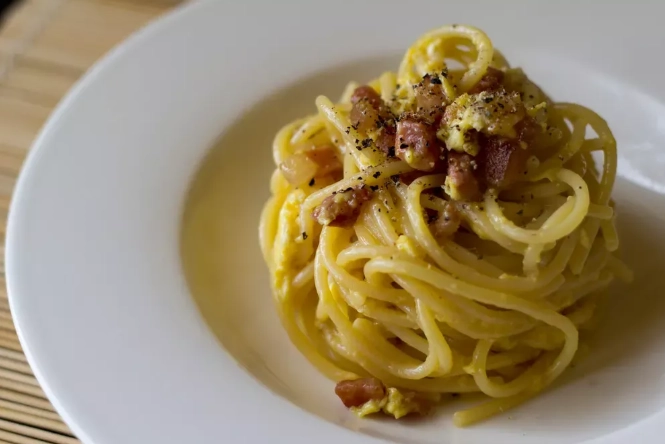
Forget the cream. Embrace the guanciale. Respect the pepper. Whisk with confidence. And when you finally nail that silky, glossy, perfect sauce that clings to every strand of spaghetti, you'll understand why Romans guard this recipe so fiercely. It's not just pasta; it's a perfect, simple piece of edible history.
Now go grab those eggs and get cooking. You've got this.
Related Articles
The Five Italian Spices: A Complete Guide to Flavor & Tradition
A Complete Guide to the Traditional Southern Italian Christmas Dinner Feast
Authentic Italian Cuisine Recipes: From Classics to Regional Secrets
4 Famous Italian Pastas: Types, History & Cooking Guide
Easy Braciole Recipe: Authentic Italian Beef Rolls Made Simple