Authentic Italian Carbonara Recipe: The Only Guide You'll Ever Need
Quick Navigation
- The Soul of the Dish: Understanding Real Carbonara
- The Non-Negotiable Ingredients for an Authentic Carbonara
- The Method: Where the Magic (or Disaster) Happens
- The Most Common Carbonara Crimes (And How to Avoid Them)
- The Step-by-Step Authentic Carbonara Recipe
- Answering Your Carbonara Questions
- Why This Authentic Recipe Matters
Let's get one thing straight right from the start. If your carbonara recipe has cream, garlic, onions, or peas in it, you're not making carbonara. You're making a perfectly nice creamy pasta dish, but it's not the real deal from Rome. I learned this the hard way, thinking I was a pro after years of making my "carbonara" with a splash of cream to be safe. Then I went to a tiny trattoria in Trastevere and had my mind blown. The sauce was creamy, yes, but it was a rich, silky, cheesy, peppery creaminess that came from eggs and cheese alone, clinging to the pasta in the most magical way. No cream in sight. That's the authentic Italian carbonara recipe we're after.
So why is it so hard to find a genuine guide? Because the recipe is deceptively simple. Just a handful of ingredients. But that means there's nowhere to hide. Every step, every choice matters. Get one thing wrong, and you end up with scrambled egg pasta or a greasy, clumpy mess. This guide is about getting it gloriously, perfectly right.
The Soul of the Dish: Understanding Real Carbonara
Carbonara isn't just a recipe; it's a piece of culinary history from Rome. Its origins are debated (some say it came from coal miners, or "carbonari"), but its modern form is a masterpiece of Italian "cucina povera"—poor kitchen—turning a few humble, shelf-stable ingredients into something sublime. The goal is a warm, emulsified sauce where rendered pork fat, starchy pasta water, cheese, and egg yolks come together to coat each strand of pasta without the eggs cooking into solid curds. It's alchemy on a plate.
The Non-Negotiable Ingredients for an Authentic Carbonara
You can't substitute your way to an authentic carbonara recipe. Each component brings a specific flavor and function. Compromise here, and you've started down the wrong path.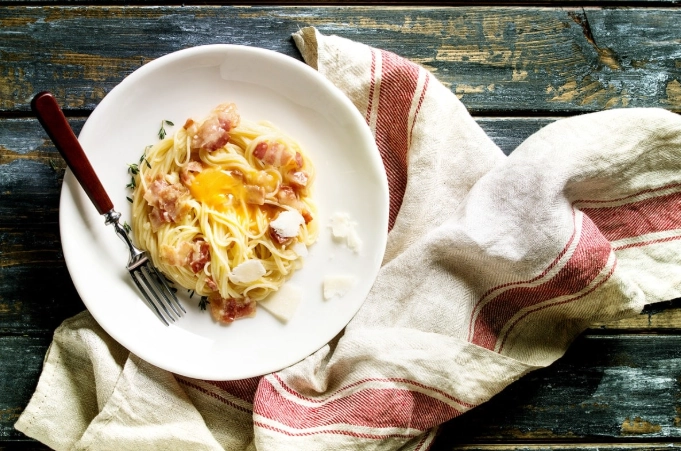
Guanciale (Not Pancetta, Definitely Not Bacon)
This is the hill I will die on. Guanciale is cured pork jowl. It's fattier, more flavorful, and has a more unctuous, gelatinous quality than pancetta (pork belly). When you render guanciale, the fat becomes this fragrant, savory liquid gold that forms the base of your sauce. Pancetta can work in a pinch, but it's leaner and saltier. Bacon? Forget it. It's smoked, which adds a flavor completely foreign to a traditional carbonara. The smokiness overpowers the delicate cheese and egg. Finding guanciale might require a trip to a proper Italian deli or a good online butcher, but it's the single biggest step towards authenticity. Trust me, the difference is night and day.
Pecorino Romano (A hard sheep's milk cheese)
Parmigiano-Reggiano is a glorious cheese, but it's not the primary cheese for a carbonara authentic to Rome. Pecorino Romano is sharper, saltier, and tangier. It provides the necessary bite and salinity that cuts through the fat. Some Roman chefs use a mix of Pecorino and Parmigiano for a more rounded flavor, but purists often stick with 100% Pecorino. If you can only find one, make it the Pecorino. Grate it fresh, finely. None of the pre-grated stuff that's coated in anti-caking agents—it won't melt properly into your sauce.
Eggs (The Emulsifier)
Large, fresh, preferably organic eggs. The standard ratio is one whole egg plus one extra yolk per person. The extra yolk adds richness and helps create a smoother, creamier emulsion. The eggs must be at room temperature when you mix them to prevent them from seizing when they hit the hot pasta.
Black Pepper (A Key Flavor, Not a Garnish)
Freshly cracked black pepper is a starring ingredient, not an afterthought. You toast it in the pan with the rendered guanciale fat to unlock its aromatic oils. It should be coarse, providing little bursts of heat and fragrance. The name "carbonara" might even relate to "pepe," or pepper, resembling coal dust.
Pasta (The Vehicle)
Spaghetti is the classic choice, and it works beautifully. But rigatoni or bucatini are also very traditional Roman choices. Bucatini, that thick spaghetti-like pasta with a hole running through it, is fantastic because the sauce gets inside the tube. The key is to use a high-quality, bronze-die extruded pasta. It has a rougher surface that grips the sauce like a dream. And for heaven's sake, salt your pasta water generously—it should taste like the sea. This is the only chance to season the pasta itself.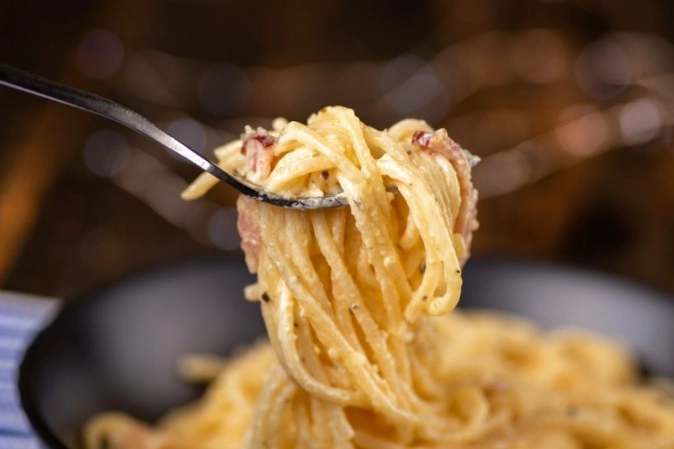
The Method: Where the Magic (or Disaster) Happens
This is the sequence that separates a good carbonara from a failed one. Read this twice before you even turn on the stove.
- Prep is 90% of the battle. Cube your guanciale into 1/2-inch lardons. Grate all your Pecorino Romano. Crack your eggs and extra yolks into a large, room-temperature bowl (this will be your mixing bowl). Add all the grated cheese and a very generous amount of cracked black pepper to the eggs. Whisk it all together until a thick, grainy paste forms. No cooking yet. Set this bowl aside, far from the stove.
- Cook the guanciale. In a large pan (big enough to eventually hold all the pasta), cook the guanciale over medium-low heat. You want to render the fat slowly and get the pieces crispy and golden, but not burnt or desiccated. This takes patience—maybe 10-15 minutes. Once crisp, turn off the heat. Use a slotted spoon to remove the crispy bits to a paper towel. You now have a pan of beautiful, warm pork fat. Leave it in the pan.
- Toast the pepper. Add another big crack of black pepper directly to the warm fat in the pan. Let it sizzle for 15 seconds. This toasts it and infuses the fat.
- Cook the pasta. In your heavily salted boiling water, cook your pasta. But here's the secret: cook it one minute LESS than the package says for al dente. It will finish cooking in the sauce.
- The critical transfer. The moment the pasta is done, you need to move fast. Using tongs, lift the pasta directly from the pot and transfer it into the pan with the guanciale fat. Do NOT drain it in a colander. You want it dripping wet with starchy pasta water. This water is the secret weapon for your sauce. If using a short pasta like rigatoni, reserve at least 1 1/2 cups of the pasta water before draining.
- Emulsify. Toss the pasta vigorously in the pan with the fat off the heat. The starchy water and fat will start to create a creamy, loose emulsion. Let it cool for just 30-45 seconds. If the pan is too hot, you'll scramble the eggs in the next step.
- The final, nerve-wracking mix. Take the pan off any residual heat source (move it to a cold burner if you have to). Now, pour your room-temperature egg and cheese mixture into the pan. Immediately start tossing, stirring, and lifting the pasta with fervor. The goal is to coat every strand with the mixture, using the residual heat of the pasta and pan to gently thicken it into a creamy, silky sauce. If it looks too thick or clumpy, add a splash of the reserved pasta water, a tablespoon at a time, and keep tossing. The sauce should flow and coat, not sit in a glob.
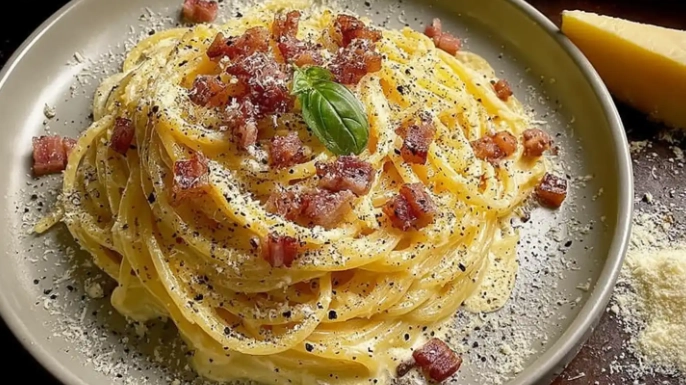
- Finish. Once the sauce is glossy and creamy, stir in the reserved crispy guanciale pieces. Give it one final toss. Serve immediately in warm bowls with an extra crack of pepper and a light dusting of Pecorino on top.
The Most Common Carbonara Crimes (And How to Avoid Them)
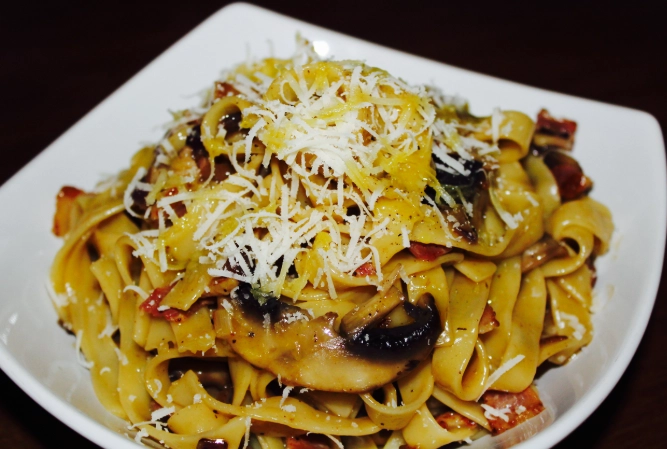
Let's be blunt about where most recipes, even in nice restaurants, go wrong. Avoiding these pitfalls is what will make your carbonara stand out as truly authentic.
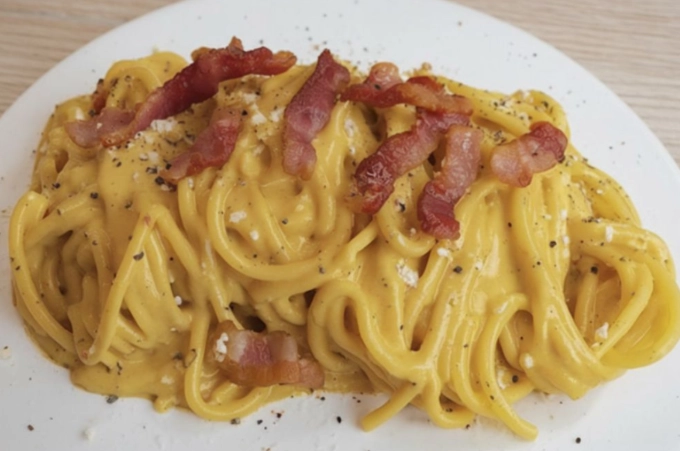
- Adding Cream, Milk, or Any Dairy. This is the cardinal sin. Cream is a crutch used to guarantee a creamy texture without mastering the emulsion technique. It completely changes the flavor profile, making it heavier and masking the beautiful, sharp saltiness of the Pecorino. A real Italian carbonara recipe never includes it.
- Using the Wrong Cheese. Pre-grated cheese or using only mild Parmigiano will give you a bland, less complex sauce. Pecorino is essential.
- Cooking the Eggs. Applying direct heat after adding the egg mixture is a recipe for pasta with bits of omelette. The residual heat is sufficient.
- Not Using Pasta Water. The starchy water is the glue that binds the fat, cheese, and eggs into a smooth sauce. Draining your pasta in a colander wastes this liquid gold.
- Underseasoning. Between the salty Pecorino, the salted pasta water, and the guanciale, you might think you don't need more salt. You're probably right. But undersalting the pasta water itself is a disaster. Taste the water—it should make you wince a little.
The Step-by-Step Authentic Carbonara Recipe
Here it is, all in one place. Print this, stick it on your fridge.
| Ingredient | Quantity (for 4 people) | Notes |
|---|---|---|
| Guanciale | 150-200g (5-7 oz) | Cut into 1/2-inch lardons. Pancetta is a distant second choice. |
| Pecorino Romano | 100g (1 cup, finely grated) | Freshly grated from a block. Parmigiano mix is optional. |
| Large Eggs | 4 whole eggs + 2 extra yolks | Room temperature. The extra yolks are key for luxury. |
| Black Pepper | 2+ tsp, freshly cracked | Be generous. You'll toast some in the fat. |
| Spaghetti or Bucatini | 400g (14 oz) | Bronze-die pasta is best. Salt the water heavily. |
| Salt | For pasta water | As mentioned, like the sea. |
Method Recap in Brief: 1) Make egg/cheese/pepper paste. 2) Render guanciale until crisp, remove pieces, toast pepper in fat. 3) Cook pasta very al dente, save water. 4) Transfer pasta to fat pan, toss to emulsify with a little pasta water. 5) OFF HEAT, add egg mixture and toss like crazy until creamy. Add pasta water to loosen. 6) Stir in crispy guanciale and serve instantly.
That's it. No cream, no garlic, no peas. Just perfection.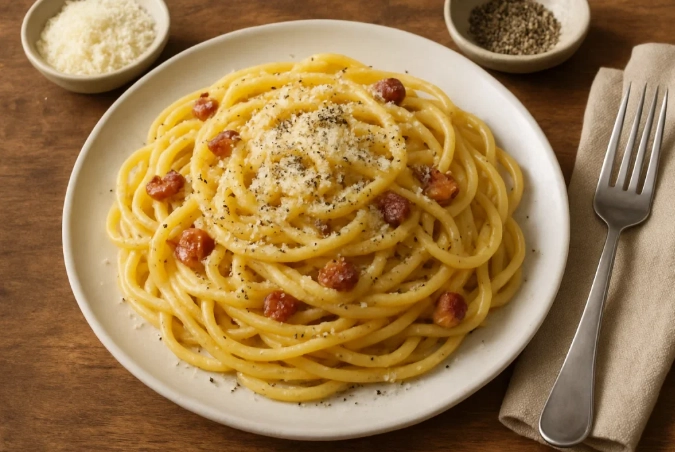
Answering Your Carbonara Questions
"Carbonara is a dish that demands respect for its simplicity. The few ingredients must be of the highest quality, and the technique must be precise. When done right, it is a testament to the elegance of Roman cooking." – This sentiment is echoed by many Italian culinary authorities, including those documenting traditional recipes for preservation.
Why This Authentic Recipe Matters
It might seem pedantic to insist on guanciale and Pecorino and no cream. But cooking traditional dishes correctly is a way of respecting their culture and history. When you make this authentic Italian carbonara recipe, you're connecting with a specific place and tradition. You're tasting Rome. The Italian Ministry of Agricultural, Food and Forestry Policies even lists and promotes traditional agri-food products to protect their authenticity. While carbonara itself isn't a PDO product, its core ingredients like Pecorino Romano are. Seeking out the real thing is part of the joy.
More practically, once you master this method, you unlock a technique—the pasta water emulsion—that you can use in other sauces (like Cacio e Pepe or a simple butter and cheese sauce). It makes you a better cook.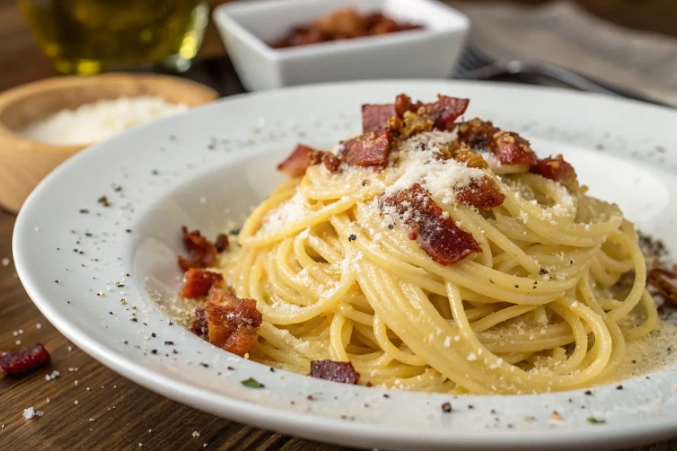
So, ditch the cream. Hunt down that guanciale. Grate that Pecorino. And get ready to make the best, most authentic carbonara of your life. It's not just dinner; it's an experience.
Give it a try this week. Come back and tell me how it went. I promise, once you go authentic, you'll never go back to the creamy imitation.
Related Articles
What are the 4 Classic Italian Dishes? A Food Lover's Guide
Easy Traditional Italian Wedding Soup Recipe - Authentic & Simple
Ultimate Guide to Homemade Italian Sausage Recipe (Sweet & Spicy)

Authentic Italian Christmas Cookie Recipes to Bake at Home
Authentic Italian Pasta Recipes: A Complete Cooking Guide