Authentic Italian Pizzelle Recipe: Crispy, Classic & Easy
Quick Navigation
- The Heart of the Matter: Your Pizzelle Iron
- The Authentic Recipe for Italian Pizzelle: Ingredients Deep Dive
- Step-by-Step: Making the Batter and Baking
- Shaping, Storing, and Serving Your Masterpieces
- Frequently Asked Questions (The Stuff That Really Bugs People)
- Troubleshooting Common Pizzelle Problems: A Quick Guide
- Taking Your Pizzelle to the Next Level
Let's talk about pizzelle. You know, those beautiful, snowflake-like cookies that seem to show up at every Italian holiday gathering? They're crisp, they're delicate, and they taste like a little piece of tradition. For years, I thought making them was some kind of secret culinary art, reserved for nonnas with decades of experience. Turns out, it's not. With the right recipe for Italian pizzelle and a bit of practice, anyone can make them. And I mean anyone—my first batch was a complete disaster, but we'll get to that later.
What makes a pizzelle a pizzelle? It's that distinctive pattern, pressed in by a special iron, and that light, anise or vanilla-scented crispness that melts on your tongue. They're often called Italian waffle cookies, and that's a pretty good description. But they're their own unique thing. The history is deep, tracing back to the Abruzzo region, and they're tied to all sorts of celebrations. The "Pizzelle" entry on Wikipedia gives a nice overview of their origins, which is always fun to know when you're making something so traditional.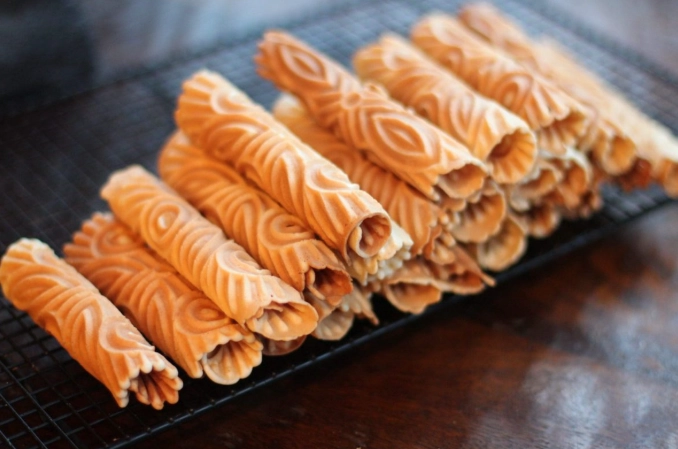
So, why is finding a good, reliable recipe for Italian pizzelle so important? Because not all recipes are created equal. Some are too cakey, some are too brittle, and some just taste... off. The goal is that perfect balance: sturdy enough to hold its shape (maybe even to roll into a cannoli shell!), but delicate enough to shatter pleasingly with each bite. That's what we're after here.
The Heart of the Matter: Your Pizzelle Iron
You can't make pizzelle without the iron. It's the non-negotiable tool. This is where a lot of people get hung up, so let's break it down.
You have two main choices: electric pizzelle makers and stovetop irons. The electric ones are by far the most common now. They plug in, have thermostat controls, and are generally more consistent for beginners. Brands like Villaware or Cuisinart are popular. The stovetop ones are the old-school, cast-iron monsters. They go directly on your gas or electric burner. They require more skill to manage the heat, but some purists swear by the results. I use an electric one because, frankly, I don't have the confidence for a stovetop model.
Heating your iron properly is the single most important step before you even mix your batter. For electric models, plug it in and turn it to the medium-high setting. It can take a good 10-15 minutes to reach a stable, even heat. A drop of water should sizzle and evaporate instantly on the plate. Don't rush this. A lukewarm iron is a sticky-iron disaster waiting to happen.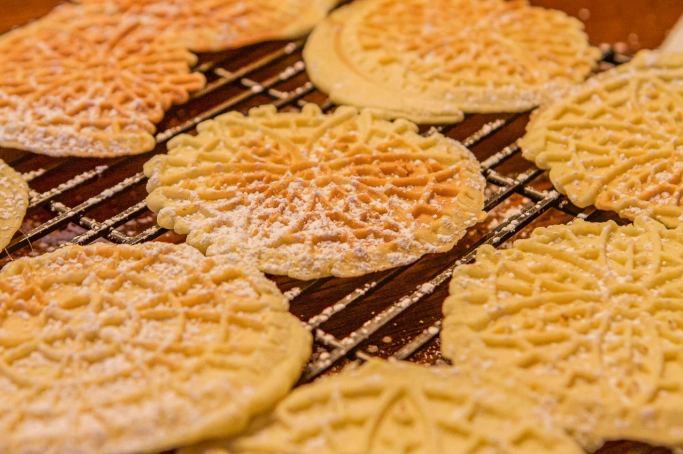
Seasoning a New Iron (or Re-seasoning an Old One)
Most new electric irons come with a non-stick coating, but it's still a good idea to season them. For cast iron stovetop irons, it's mandatory.
- Make sure the iron is completely clean and dry.
- Heat it up.
- Using a folded paper towel, carefully rub a very thin, even layer of a high-smoke-point oil (like canola or vegetable oil) onto both cooking plates.
- Let it "bake" on for a few minutes, then wipe off any excess oil with a clean paper towel.
- Repeat this process 2-3 times. This builds up a protective, natural non-stick layer.
You shouldn't need to wash your iron with soap and water after each use. Once it's cooled completely, just brush off any crumbs with a soft brush or dry cloth. If batter gets baked on, heat the iron slightly to soften it, then gently scrape it off with a wooden or silicone tool—never metal!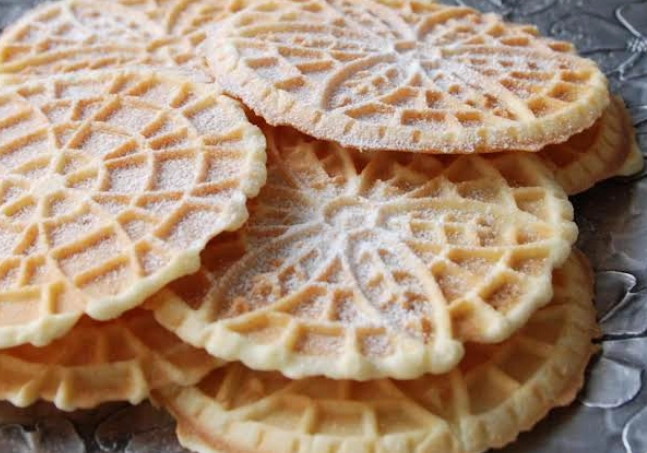
The Authentic Recipe for Italian Pizzelle: Ingredients Deep Dive
Here's where the magic happens. The ingredient list for a classic recipe for Italian pizzelle is deceptively simple. But the quality and proportions of each one make all the difference. Let's look at the standard lineup and then talk about why each player is on the team.
| Ingredient | Standard Measure | Role & Why It Matters |
|---|---|---|
| All-Purpose Flour | 3 ½ cups | Provides structure. Don't use cake flour—it's too soft. Some recipes use part semolina for extra crunch. |
| Granulated Sugar | 1 ½ cups | Sweetens, but also promotes browning and crispness. Too little, and they're bland; too much, and they brown too fast/burn. |
| Unsalted Butter | 1 cup (2 sticks), melted & cooled | Adds rich flavor and tenderness. Using oil instead creates a different, often crispier texture. I prefer butter. |
| Eggs | 6 large | Provide lift, structure, and richness. Room temperature eggs incorporate much better into the batter. |
| Baking Powder | 2 tablespoons | The leavening agent. This is what gives pizzelle their slight lift and airy texture, not yeast. |
| Vanilla or Anise Extract | 1-2 tablespoons | The signature flavor. Anise is traditional (it has a licorice-like taste). Vanilla is a crowd-pleasing alternative. You can use both. |
| Salt | ½ teaspoon | Balances sweetness and enhances all other flavors. Never skip it. |
Now, about flour. All-purpose is the standard, and it works perfectly. But if you want to experiment, substituting up to ½ cup of the flour with fine semolina flour will give you a more rustic, grainier texture and a slightly nuttier flavor—it's a very authentic Abruzzese touch. The Italian Academy of Cuisine, an organization dedicated to preserving Italian food heritage, often highlights the importance of regional ingredients like this, though their specific recipes are closely guarded.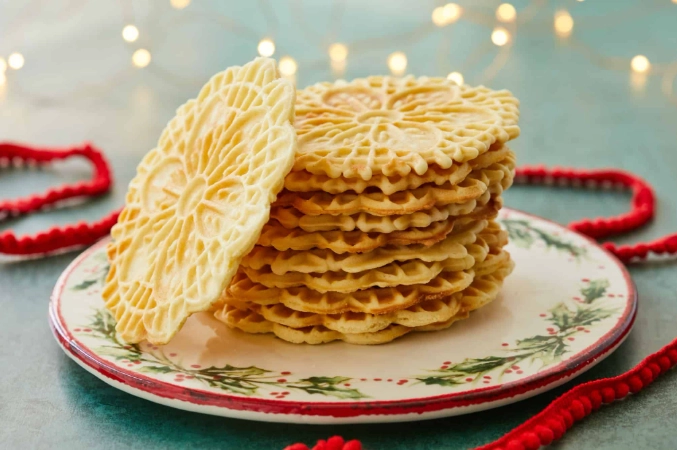
Flavor variations? Oh, there are so many. The basic recipe for Italian pizzelle is a blank canvas. Add a tablespoon of citrus zest (orange or lemon) for a bright twist. Swap the vanilla for almond extract. For a chocolate pizzelle, replace ½ cup of flour with unsweetened cocoa powder and add an extra tablespoon of sugar. You can even mix in finely chopped toasted nuts or citrus zest right into the batter.
Step-by-Step: Making the Batter and Baking
Alright, let's get our hands dirty. Or, you know, buttery.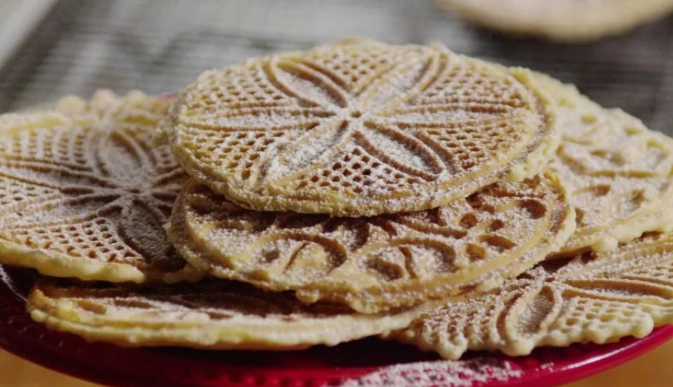
Mixing the Batter (It's Easier Than You Think)
- Combine Dry Ingredients: In a medium bowl, whisk together your 3 ½ cups of flour, 2 tablespoons of baking powder, and ½ teaspoon of salt. Whisking is better than sifting here—it aerates the flour just fine. Set this aside.
- Cream Wet Ingredients: In a large mixing bowl, beat the 6 eggs and 1 ½ cups of sugar together. You want to do this for a good 3-4 minutes, until the mixture is pale yellow, thick, and forms a slight ribbon when you lift the beaters. This step incorporates air, which helps with the texture.
- Incorporate Butter & Flavor: With the mixer on low, slowly drizzle in the 1 cup of cooled, melted butter. Then add your 1-2 tablespoons of vanilla or anise extract. Mix just until combined.
- Bring It All Together: Gradually add the dry flour mixture to the wet ingredients, mixing on low speed just until the flour disappears. Do not overmix. Overmixing develops gluten and can make your pizzelle tough. A few small lumps are totally fine. The batter will be thick, sticky, and glossy—like a very stiff cake batter.
The Baking Dance: From Batter to Cookie
This is the fun part, but it requires a rhythm. Your iron should be fully preheated by now.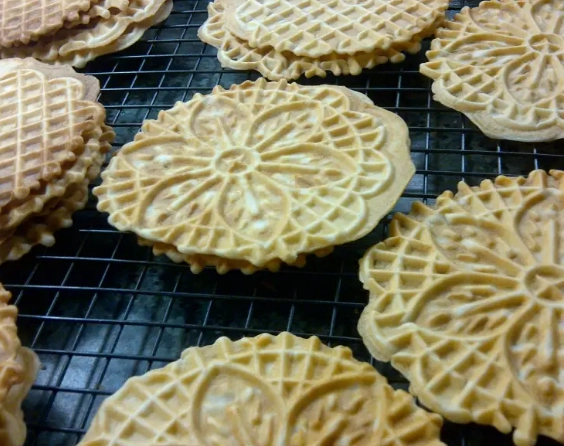
- Portion the Batter: You'll need about a heaping teaspoon to a scant tablespoon of batter for each cookie. The exact amount depends on your specific iron's plate size. Experiment with the first one. Place the batter slightly off-center on the bottom plate, towards the back hinge.
- Close and Lock: Gently but firmly close the lid. Most irons have a latch or lock. Engage it. This ensures even pressure for a consistent imprint.
- Timing is Everything: Bake for about 30-45 seconds. Steam will stop coming out from the sides when they're close to done. Do not open the lid early to peek! You'll tear the cookie. Rely on the timer and the steam cue.
- Remove with Care: Open the lid. The pizzelle should be a deep golden brown (not pale, not blackened). Use a thin, flexible spatula or even a fork to gently lift one edge and transfer the hot cookie to a wire rack.
That first one is your test cookie.
It might be too pale (needs more time or a higher temp), too dark (needs less time or a lower temp), or stick (iron not hot enough, batter issue). Adjust after the first one. Don't get discouraged. This recipe for Italian pizzelle makes a lot of cookies, so you have plenty of room to dial in your technique.
Shaping, Storing, and Serving Your Masterpieces
Fresh off the iron, pizzelle are pliable for just a few seconds. This is your window for shaping if you want something other than flat cookies.
- Cannoli Shells: Quickly roll the hot cookie around a cannoli tube or a wooden dowel. Seal the edge with a dab of egg white. Let cool completely before sliding it off.
- Cups or Bowls: Drape the hot cookie over the bottom of an upside-down glass or into a small bowl to create a cup for holding fruit, mousse, or ice cream.
- Cigarette Rolls: Roll them into tight cylinders around a skewer for a delicate, cigarette-style cookie.
If you just want them flat, let them cool completely on the wire rack. This is crucial for crispness. If you stack them while warm, they'll steam and become soft and chewy (which some people actually prefer!).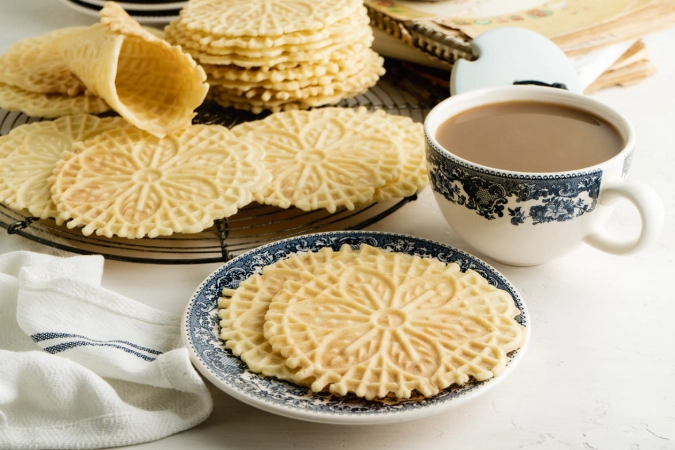
Storing for Maximum Crispness
Once completely cool, store your pizzelle in an airtight container at room temperature. Place sheets of parchment paper between layers to prevent sticking. Properly stored, they'll stay crisp for 2-3 weeks. You can also freeze them for up to 3 months in an airtight freezer bag or container. Thaw at room temperature.
Frequently Asked Questions (The Stuff That Really Bugs People)
After making this recipe for Italian pizzelle dozens of times and talking to so many home bakers, these are the questions that come up again and again.
Why are my pizzelle sticking to the iron?
The number one problem. As mentioned, the iron is likely not hot enough. Let it preheat fully. It could also be the batter is too high in fat (butter/oil) or the iron needs re-seasoning. Try reducing the butter by a tablespoon on your next batch and see if it helps.
My pizzelle are too soft, not crisp. What went wrong?
They might be under-baked. A pale pizzelle is a soft pizzelle. Let them go a few seconds longer for a deeper golden color. The batter could also have too much liquid. Make sure you're measuring your flour correctly (spoon and level, don't scoop from the bag). Finally, ensure they cool completely on a wire rack. Trapped steam is the enemy of crispness.
Can I make pizzelle without anise flavor?
Absolutely. Vanilla is the most common substitute. Almond extract, lemon zest, or orange zest are also fantastic. The basic recipe for Italian pizzelle is wonderfully adaptable.
Can I use oil instead of butter?
You can. Substitute an equal amount of a neutral oil like vegetable or canola. The texture will be slightly different—often crispier and less rich. The flavor will, of course, be less buttery. It's a matter of preference. Some traditional recipes actually use oil.
How thin should the batter be?
It should be thick enough to hold a soft peak, like a very stiff brownie batter. If it's runny, you've probably added too much butter or the eggs were enormous. You can thicken it by adding a tablespoon of flour at a time until it reaches the right consistency.
Why did my pizzelle come out with holes or an incomplete pattern?
This usually means you didn't use enough batter for that particular iron. The batter needs to spread to fill the plate under pressure. Try adding a tiny bit more for the next cookie. Also, make sure you're closing the lid firmly and evenly.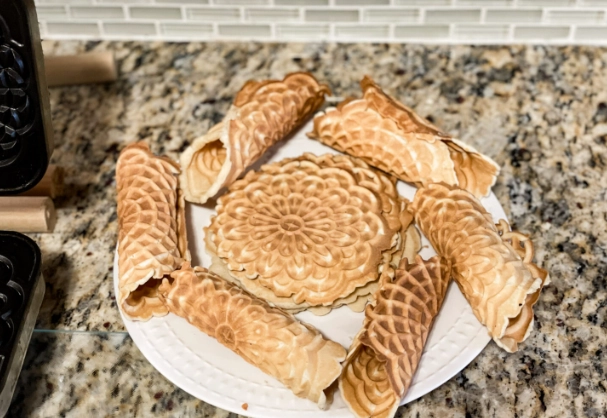
Troubleshooting Common Pizzelle Problems: A Quick Guide
Let's put it all in one spot. If something's going wrong, check here first.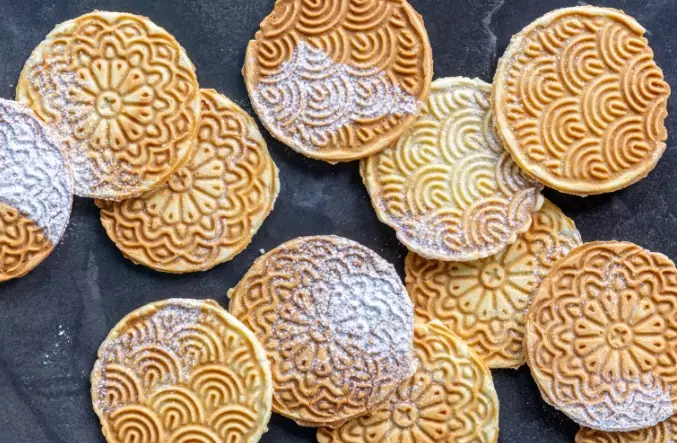
| Problem | Likely Cause | How to Fix It |
|---|---|---|
| Sticking to the iron | 1. Iron not hot enough. 2. Too much fat in batter. 3. Iron needs seasoning. | 1. Preheat longer. 2. Reduce butter/oil slightly. 3. Season the plates. |
| Pizzelle are too pale & soft | Under-baking. | Increase bake time by 5-10 seconds. |
| Pizzelle are too dark/burnt | Over-baking or iron too hot. | Decrease bake time or lower iron temperature. |
| Incomplete pattern/holes | Not enough batter used. | Use a slightly larger portion of batter. |
| Cookies are tough/chewy | 1. Overmixed batter. 2. Stored while still warm. | 1. Mix just until combined next time. 2. Cool completely on a rack before storing. |
| Batter is too runny | Incorrect measurements or huge eggs. | Add flour, 1 tbsp at a time, until thickened. |
Taking Your Pizzelle to the Next Level
Once you've mastered the basic recipe for Italian pizzelle, the world is your oyster. Or your cookie jar.
Think about presentation. Dust cooled pizzelle with a shower of powdered sugar for a snowy, elegant look. Or dip half of a cooled cookie in melted chocolate (dark, milk, or white) and let it set on parchment paper. You can even sandwich two cookies together with a layer of Nutella, cannoli cream, or a simple buttercream.
For a truly spectacular dessert, make pizzelle "napoleons." Layer broken pieces of pizzelle with whipped cream and berries. The crisp layers against the soft cream are divine.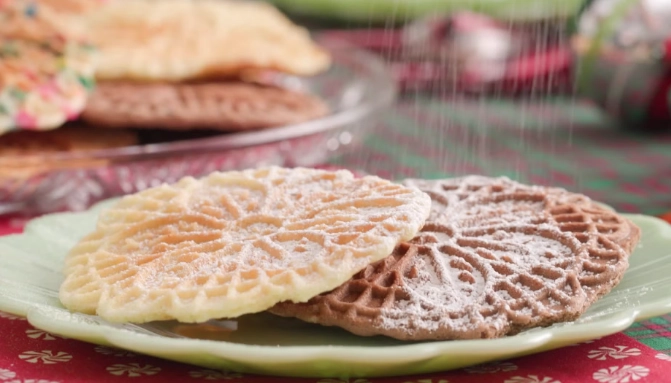
Remember, this recipe for Italian pizzelle is a connection to generations of home bakers. It's more than just a cookie; it's a piece of edible heritage. Don't stress about perfection. My nonna's were never all exactly the same shade of brown, and nobody cared. They were made with care, and that's what everyone tasted.
So, heat up that iron, whip up that simple batter, and get ready for your kitchen to smell amazing. You've got all the info you need. The only thing left to do is start baking.
Related Articles
Easy Italian Appetizer Recipes for a Crowd: Make-Ahead & Crowd-Pleasing Ideas
Authentic Italian Love Cake Recipe: The Ultimate 3-Layer Dessert Guide
Authentic Italian Pizzelle Recipe: Crispy, Classic & Easy
What to Bring to an Italian Dinner Party: The Ultimate Guest's Guide
Authentic Italian Cookies Recipe: A Guide to Classic Biscotti & More

Is Xiaomi Auto dumped?
Top 10 Italian Pasta Dishes: A Guide to Classics
Traditional Italian Vegetarian Recipes: Classics Beyond Pasta
Traditional Italian Holiday Dinner Recipes: A Complete Guide to a Festive Feast
The Ultimate Homemade Italian Dressing Recipe (Easy & Authentic)
Master Classic Italian Dishes: Recipes & Secrets from Pasta to Tiramisu

The "half-year report" of the economy of 31 provinces is released: Inner Mongoli
Ultimate Guide to Homemade Italian Sausage Recipe (Sweet & Spicy)
Italian Baked Dishes Recipes: From Classic Lasagna to Rustic Focaccia
Italian Shrimp Recipes: From Classic Scampi to Modern Dishes
Authentic Italian Regional Recipes Guide: Cook from Source
Italian Casserole Recipes: Easy Family Dinners & Expert Tips

Why is Dongguan's economy no longer at the bottom?
Healthy Italian Vegetarian Recipes: Flavorful Main Dishes Made Easy
Traditional Italian Recipes from Scratch: The Heart of Home Cooking
Pasta Italian Dressing Salad Recipes: The Ultimate Guide
Authentic Italian Peasant Food: Simple Recipes & Where to Eat
Authentic Spaghetti Carbonara Recipe: The Real Italian Method (No Cream!)
Easy Traditional Italian Recipes for Home Cooks
Authentic Italian Pizzelle Recipe with Anise: A Family Tradition

Amazon on the fire
Creative Pizzelle Recipe Variations: From Classic Anise to Chocolate & More
Authentic Italian Drunken Noodles Recipe (Pasta alla Ubriaca)
5 Traditional Italian Dishes: Authentic Recipes & Where to Try Them

Leave a Comment