Authentic Pasta Carbonara Recipe: The Real Italian Way
Let's get this out of the way first: real carbonara has no cream. None. If your recipe calls for it, you're not making carbonara. You're making a creamy pasta dish that's probably tasty, but it's a different beast altogether. The authentic pasta carbonara recipe from Rome is a masterpiece of minimalism, relying on just a handful of ingredients to create something magical. It's about technique, quality, and respecting tradition. I learned this the hard way, serving a gloppy, cream-laden version to a friend from Rome once. The polite but pained look on his face said it all. Let's make sure that doesn't happen to you.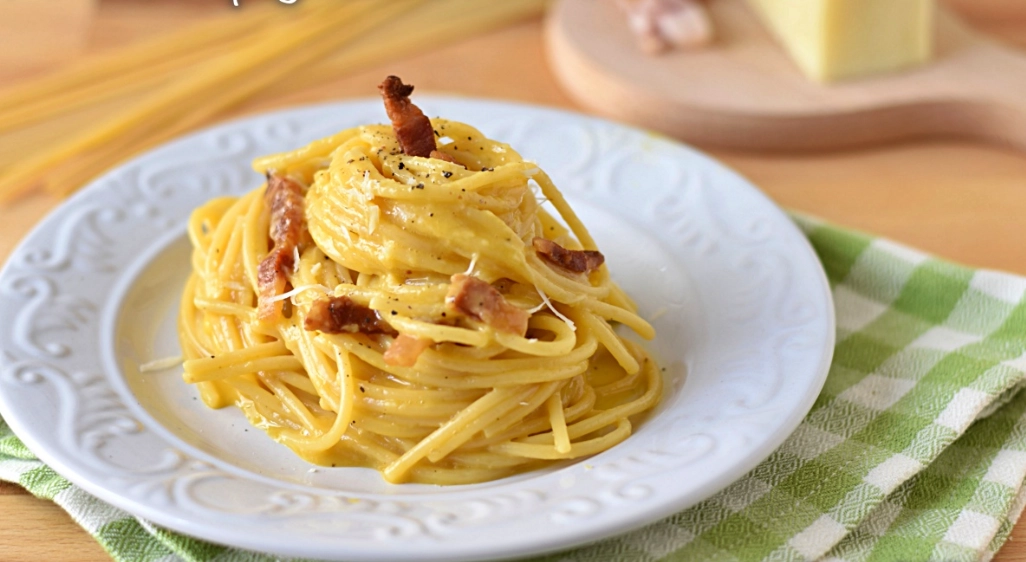
What You'll Learn Here
What Makes Carbonara Authentic (The Sacred Rules)
Authentic carbonara isn't a list of ingredients you can freely swap. It's a specific formula. According to the Accademia Italiana della Cucina, the official guardian of Italian culinary heritage, the recipe is codified. Breaking these rules changes the dish.
The magic happens in the emulsion. The creamy sauce isn't a dairy-based cream, but a silky, rich emulsion created by vigorously mixing hot pasta water, the rendered fat from the guanciale, grated Pecorino, and raw egg yolks off the heat. It's a delicate dance of temperature and timing. Get it right, and you have a sauce that clings to every strand of pasta, tasting savory, peppery, and deeply satisfying.
Why is this so contentious? Because carbonara is a victim of its own popularity. Outside Italy, it got "improved" with easier-to-find ingredients and cream to guarantee a creamy texture, losing its soul in the process. Making the real thing is a statement.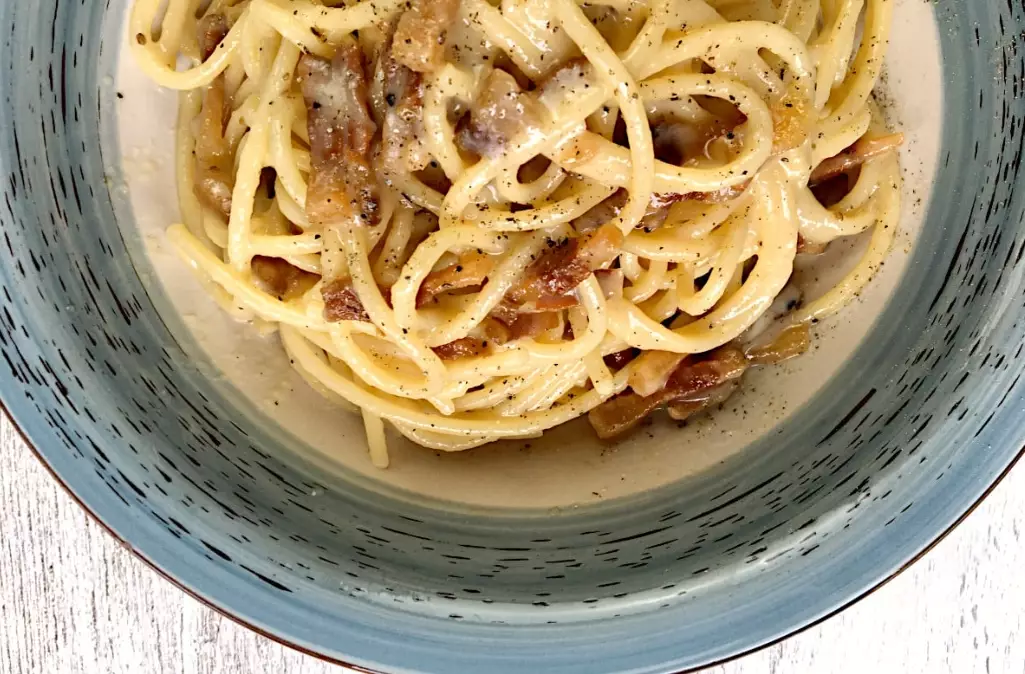
How to Make Carbonara: The Step-by-Step Guide
This is where we move from theory to practice. Read through once before you start. Mise en place is critical here—have everything prepped and ready to go because the final steps happen fast.
Gather Your Tools & Ingredients
You'll need a large pot for pasta, a large skillet or deep pan (not a non-stick if possible, a stainless steel or carbon steel pan gives you better fond), a mixing bowl, a whisk, and tongs.
| Ingredient | Quantity for 4 | Notes & Why It's Important |
|---|---|---|
| Guanciale | 150-200g (5-7 oz) | The star. Cut into 1/2-inch thick strips then into 1-inch pieces. Its fat is sweet and flavorful. |
| Pecorino Romano (finely grated) | 100g (1 cup, packed) | Use a microplane. It's salty, sharp, and authentic. Parmigiano-Reggiano is a common sub, but it changes the flavor profile. |
| Egg Yolks (large, very fresh) | 4 yolks + 1 whole egg | The whole egg adds a bit of lightness. Use room temperature eggs for easier emulsification. |
| Black Pepper | 1-2 tsp, freshly ground | Not an afterthought. It's a main flavor component. Toast it lightly for more depth. |
| Spaghetti (or rigatoni) | 400g (14 oz) | Use high-quality bronze-die pasta. It has a rougher surface that holds sauce better. |
| Salt | For pasta water | Your water should taste like the sea. |
The Process: A Narrative, Not Just Steps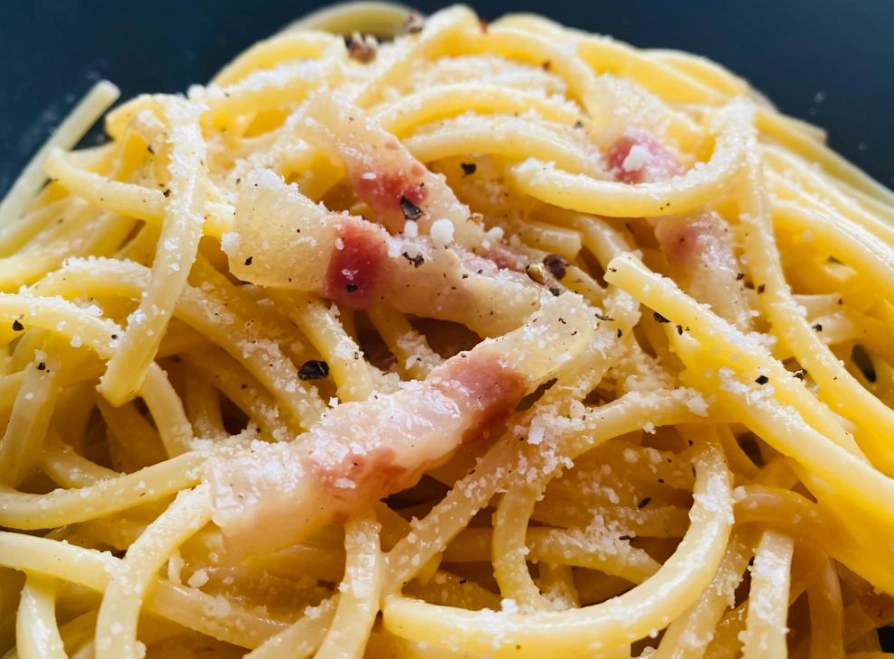
1. Prep the Foundation. Cube your guanciale. Don't make the pieces too small—you want little crispy-chewy nuggets. Grate all your Pecorino Romano into a medium bowl. Add a generous amount of coarsely ground black pepper. In a separate bowl, whisk your 4 egg yolks and 1 whole egg until just combined. No need to make them frothy.
2. Cook the Guanciale. Place the guanciale in a cold, large skillet. No oil needed. Turn the heat to medium-low. Let the fat render slowly. This takes patience, maybe 10-15 minutes. You're looking for the pieces to become golden and crispy at the edges, but still slightly chewy in the middle. Once done, turn off the heat. Leave the guanciale and all that glorious rendered fat in the pan.
3. Cook the Pasta. While the guanciale renders, bring your salted water to a rolling boil. Add the spaghetti and cook it 1-2 minutes less than the package says for al dente. Why? It will finish cooking in the pan. This is non-negotiable for sauce absorption.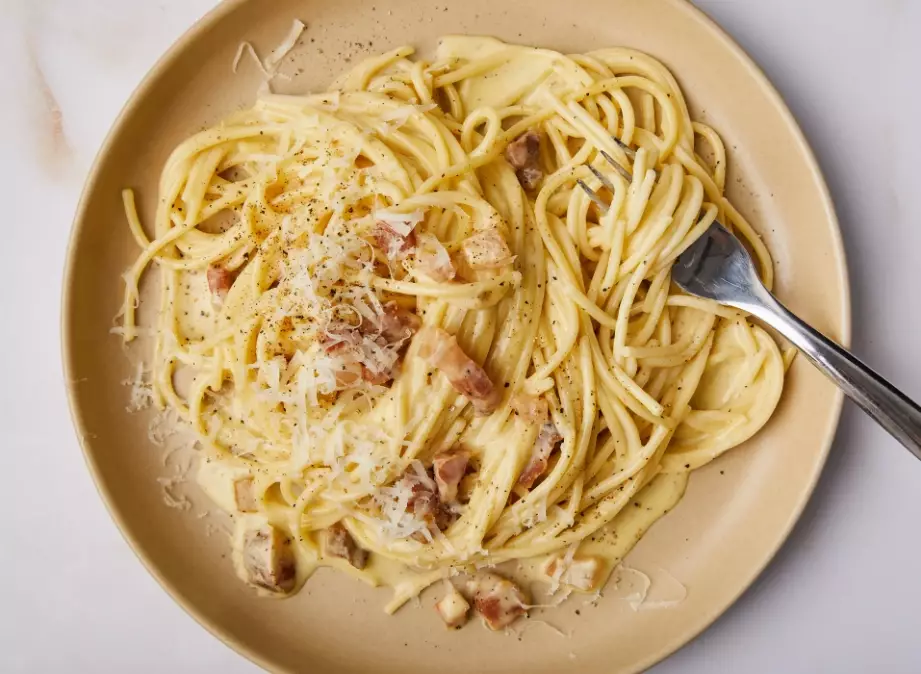
4. Create the Sauce Base. This is the critical moment. Take about 1/2 cup of the starchy pasta water and add it to the bowl with the grated Pecorino and pepper. Whisk vigorously. You'll get a thick, grainy paste. Now, slowly whisk in the beaten eggs. You've just made your sauce base.
5. The Final Emulsion (The Dance). Use tongs to transfer the al dente pasta directly from the pot into the skillet with the guanciale and fat. Toss it well, coating every strand in that fat. Take the skillet off the heat. Let it cool for 30 seconds. Now, quickly pour the egg-and-cheese mixture over the hot pasta. Work fast, using the tongs to toss and lift the pasta continuously. The residual heat will cook the eggs into a creamy, glossy sauce. If it looks too thick, add a splash more of the hot pasta water. The sauce should flow and coat, not sit in a clump.
6. Serve Immediately. Plate it right away. A final crack of black pepper on top is the only garnish you need. Wait any longer, and the pasta will start to absorb the sauce and clump together.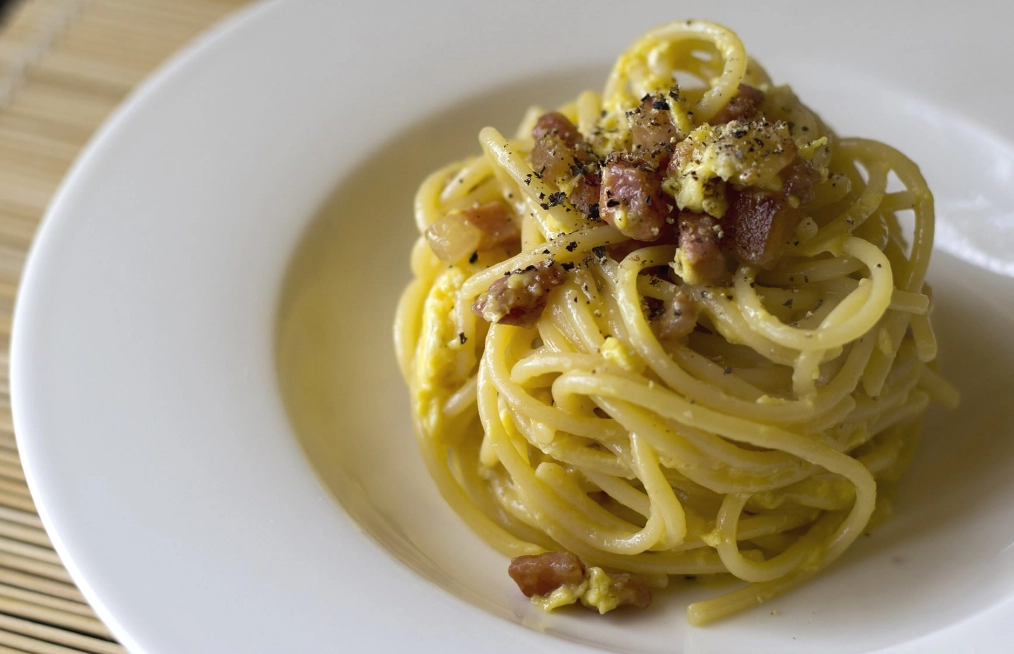
The 3 Biggest Carbonara Mistakes & How to Avoid Them
I've made all of these. Let's save you the trouble.
Mistake #1: Adding the eggs to a hot pan. This is the scrambled egg disaster. The pan must be off the heat. The heat from the pasta and guanciale fat is sufficient. If you're nervous, you can even transfer the pasta and guanciale to a warm serving bowl before adding the sauce.
Mistake #2: Using cold eggs straight from the fridge. Cold eggs hitting hot pasta can cause the fat to seize up, making the sauce grainy. Let your eggs sit out for 20-30 minutes before you start.
Mistake #3: Not saving enough pasta water, or using water that's not starchy enough. That cloudy, starchy water is your magic glue. It helps emulsify the sauce and helps it cling to the pasta. Always reserve a good cup before you drain. If your water isn't starchy, you might be using too much water in your pot. Use a smaller pot for more concentrated starch.
Ingredient Deep Dive: Why Each One Matters
You can't just swap these and call it authentic. Here’s why the originals are non-negotiable for purists.
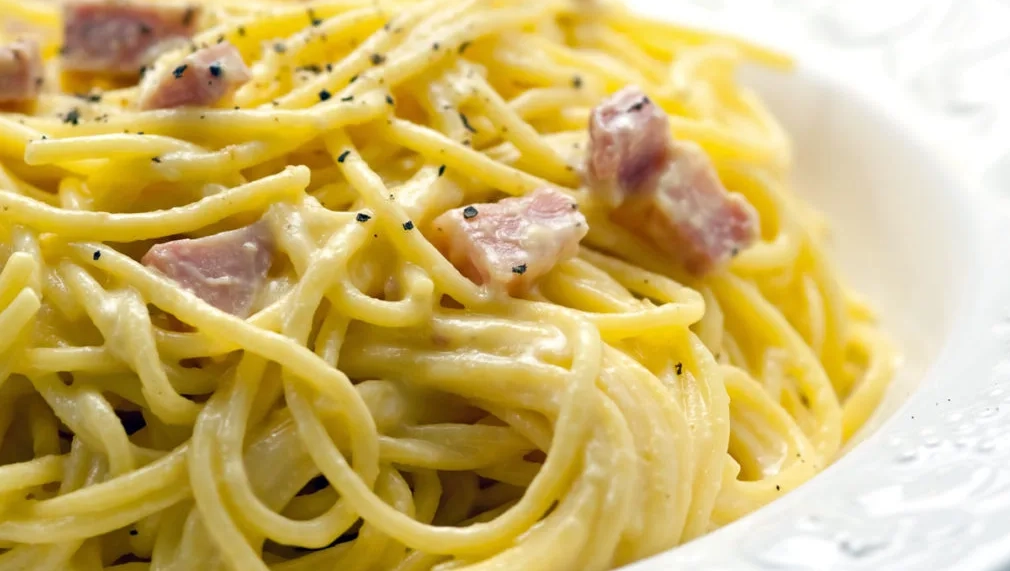
Guanciale vs. Pancetta vs. Bacon: Guanciale comes from the pork cheek/jowl. It has a higher fat-to-meat ratio, and the fat is softer, sweeter, and more flavorful than pancetta (pork belly). Pancetta works in a pinch and is more widely available. Bacon is a different ingredient—it's smoked. Smoking adds a flavor dimension that doesn't belong in a traditional carbonara. If you use bacon, you're making a bacon and egg pasta, which is fine, but don't call it carbonara.
Pecorino Romano vs. Parmigiano-Reggiano: Pecorino is made from sheep's milk. It's saltier, sharper, and tangier. Parmigiano is cow's milk, nuttier and milder. The original Roman recipe uses Pecorino because it's a local product. A 50/50 mix is a common modern compromise to temper the saltiness, but for the true taste of Rome, go full Pecorino and adjust your seasoning accordingly (you'll likely need little to no added salt).
Eggs: Yolks vs. Whole. Many traditional recipes use only yolks for maximum richness. The addition of one whole egg, as I suggest, adds a bit of protein structure from the white, making the sauce a bit more stable and less likely to become too thick or "eggy." It's a small tweak many Roman chefs now use.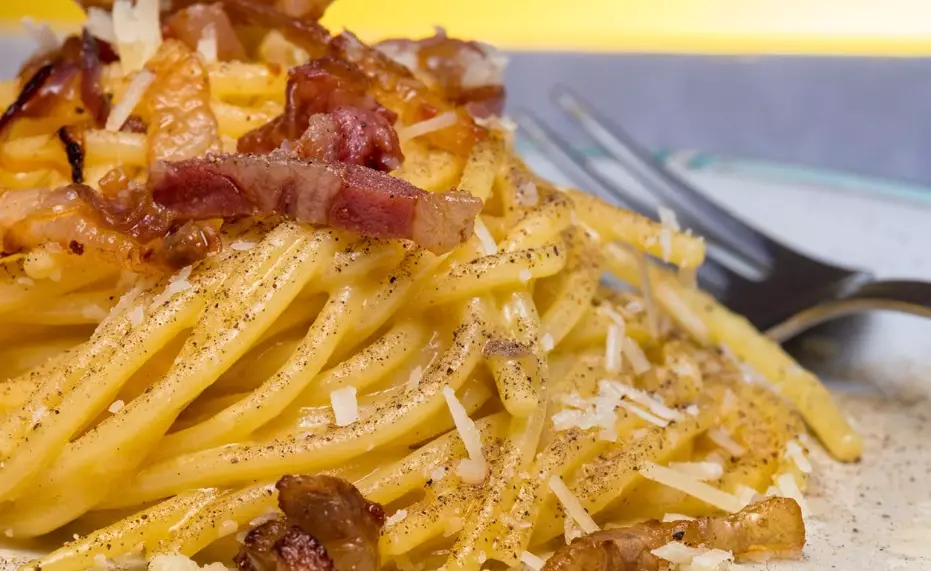
Your Carbonara Questions, Answered
 Can I use bacon instead of guanciale or pancetta?
Making authentic carbonara is a rite of passage. It teaches you about emulsion, about respecting ingredients, and about the confidence to keep things simple. It's not a difficult recipe, but it demands your attention. Skip the cream, find the guanciale, and give the real thing a try. The first time you nail that silky, rich sauce clinging to perfectly al dente pasta, you'll understand why Romans guard this recipe so fiercely. There's simply nothing else like it.
Related Articles
What is the Traditional Drink of Italy? The Definitive Guide
Easy Italian Holiday Dinner Recipes: Stress-Free Feasts for Any Celebration
Italian Casserole Recipes: Easy Family Dinners & Expert Tips

Ten-fold stocks appeared! A-shares set off a "price increase", foreign capital b
Authentic Italian Zeppole Recipe: Easy Homemade Fried Dough Guide