Ultimate Guide to Italian Meatball Recipes: From Classic to Creative
In This Guide
- What Makes a Meatball Truly "Italian"? It's Not What You Think
- The Anatomy of a Classic Italian Meatball Recipe
- Beyond the Blueprint: Regional Variations & Creative Twists
- The Sauce Question: To Match or Not to Match?
- Your Italian Meatball Recipe Troubleshooting Guide (FAQ)
- Putting It All Together: A Weeknight-Friendly, Baked Italian Meatball Recipe
Let's be honest. Most of us think we know what an Italian meatball is. It's that thing swimming in red sauce on top of spaghetti, right? The one you get at the chain restaurant or the frozen food aisle. Well, I'm here to tell you that if that's your only reference point, you're missing out on a whole world of flavor, texture, and culinary tradition. The journey to finding the perfect Italian meatball recipe is more nuanced than just mixing ground beef with breadcrumbs.
I remember the first time I had what I now know was a proper, authentic Italian meatball. It was in a tiny trattoria in Rome, not far from the Campo de' Fiori. It wasn't on pasta. It was served as a secondo, a main course, all on its own with just a light drizzle of sauce and a pile of bitter greens. The texture was incredibly light, almost cloud-like, yet packed with a deep, savory flavor of meat, cheese, and herbs. It was nothing like the dense, bouncy balls I'd grown up with. That experience sent me down a rabbit hole, talking to nonnas, scouring Italian cookbooks, and burning more than a few batches in my own kitchen to figure it out.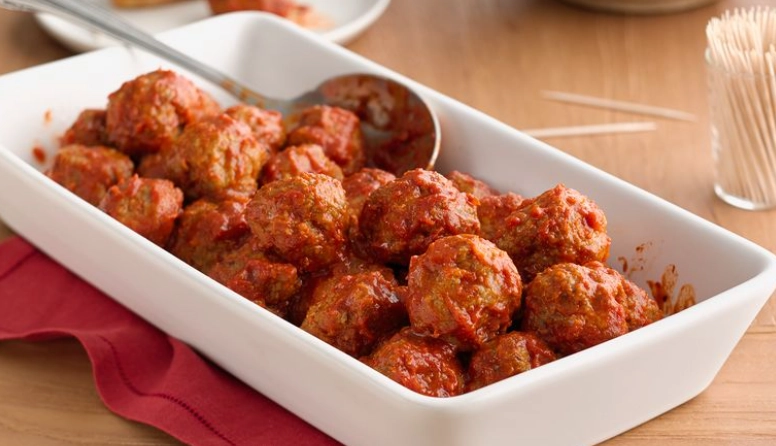
The truth about Italian meatball recipes is that they're intensely regional. What's classic in Sicily is heresy in Bologna. The "best" meatball recipe depends entirely on what you're craving and what story you want your food to tell. Are you after the tender, milk-soaked polpette of Rome? The rustic, pine-nut studded versions from Tuscany? Or maybe a lighter, baked modern take for a weeknight?
What Makes a Meatball Truly "Italian"? It's Not What You Think
This is the core of it. Before you even look at a single Italian meatball recipe, you need to understand the philosophy. It's not just a list of ingredients; it's a approach. American-style meatballs are often designed to be sturdy, heavily seasoned globes that can survive a long simmer in a robust sauce. Traditional Italian polpette have a different goal: tenderness and a delicate balance of flavors.
The holy trinity for most authentic Italian meatball recipes is straightforward: meat, binder, and moisture. But the devil, as they say, is in the details.
The Meat: A Blend is Almost Always Better
Sure, you can make meatballs with just ground beef. They'll be fine. But will they be great? Unlikely. The magic happens when fats and flavors from different animals mingle.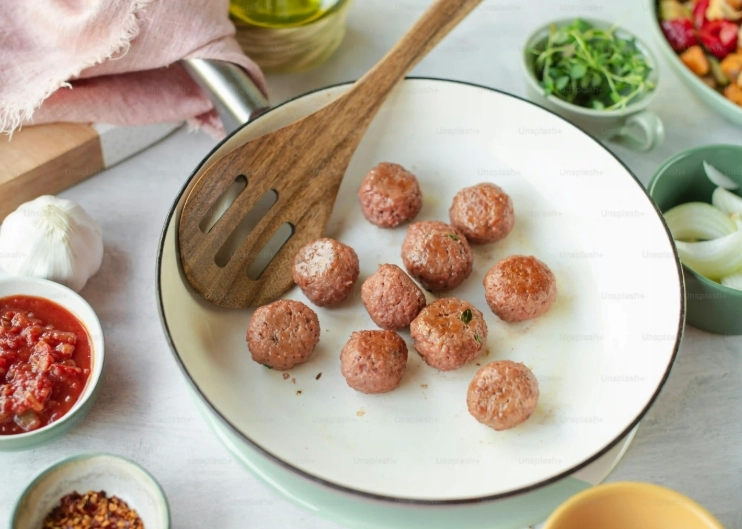
- Beef (Manzo): Provides a robust, savory base. Look for not-too-lean ground chuck (80/20 is ideal). All-lean beef makes for dry, sad meatballs.
- Pork (Maiale): This is the secret weapon for tenderness and richness. Ground pork shoulder adds fat and a sweet, subtle flavor that balances the beef beautifully.
- Veal (Vitello): The traditional luxury addition. Veal is incredibly tender and mild, creating a more refined texture. It can be pricey, so it's optional, but it does make a noticeable difference in classic recipes.
My go-to blend for a standard batch of Italian meatball recipes is 50% beef, 30% pork, and 20% veal. If you skip the veal, just up the pork a bit. I tried an all-pork meatball once, based on a recipe from Northern Italy. It was delicious, but undeniably rich—a once-in-a-while treat.
The Binder & Moisture: Bread, Not Just Breadcrumbs
Here's a hill I'll die on: using dry, sandy breadcrumbs from a canister is the first step towards a tough meatball. In countless authentic Italian meatball recipes, the binder is fresh or stale bread soaked in liquid.
Why? The soaked bread (often called a "panade") distributes moisture throughout the meat mixture evenly during cooking. It creates a tender, uniform texture. Dry breadcrumbs just suck up the juice from the meat, leaving you with a dry, crumbly result.
What do you soak the bread in? Whole milk is classic. But some recipes use water, broth, or even wine. The milk adds a touch of sweetness and richness that really complements the meat and cheese.
The Anatomy of a Classic Italian Meatball Recipe
Let's break down a foundational, Roman-style recipe. This is your template, the one you can memorize and then tweak endlessly. Think of this as the blueprint for most great Italian meatball recipes.
Blueprint: The Essential Roman-Style Polpette
Ingredients (for about 20 medium meatballs):
- Meat: 1 lb ground beef (chuck), 1/2 lb ground pork, 1/2 lb ground veal (or sub more pork).
- Panade: 2 cups torn day-old rustic bread (crusts removed), 1/2 cup whole milk.
- Aromatics: 1 small yellow onion, very finely minced or grated (about 1/2 cup), 3 cloves garlic, minced.
- Herbs & Seasoning: 1/2 cup finely grated Pecorino Romano cheese (Parmigiano-Reggiano works too), 1/4 cup finely chopped fresh parsley, 2 large eggs, lightly beaten, 1 tsp fine sea salt, 1/2 tsp freshly ground black pepper.
The Method That Matters:
- Soak the bread. Tear the bread into small pieces in a large bowl. Pour the milk over it and let it sit for 10 minutes until completely soft. Then, mash it with a fork into a smooth paste. This panade is your key to tenderness.
- Mix, don't mash. In the largest bowl you have, add the meats, the panade, and all other ingredients. Now, use your hands. Gently mix everything together until just combined. I mean it—gently. Overmixing is the enemy. It develops the proteins in the meat and leads to tough, rubbery meatballs. Mix until you no longer see streaks of individual ingredients. This takes maybe a minute.
- Test the seasoning. This is a chef's trick that's worth doing. Take a small spoonful of the mixture, flatten it into a patty, and cook it in a small skillet over medium heat until done. Taste it. Does it need more salt? More cheese? Adjust the main batch now. It saves you from a whole batch of bland meatballs.
- Form with a light touch. Wet your hands slightly with water to prevent sticking. Gently roll portions of the mixture into balls. Size is up to you—golf ball size is standard for simmering in sauce. Don't compact them tightly. Just roll them until they hold together.
- To brown or not to brown? This is a huge debate. Browning in a skillet with olive oil creates a gorgeous, flavorful crust (the Maillard reaction is your friend). It also renders some fat. However, you can also poach them directly in your simmering tomato sauce. The latter yields an incredibly tender, uniform meatball that's all about the sauce flavor. I prefer browning—it adds a textural dimension and deeper flavor. If you're short on time, poaching is perfectly authentic too.
- The Simmer. If you browned them, transfer them to your pot of simmering tomato sauce. Let them cook, covered, at the barest simmer for at least 30-45 minutes. This slow cooking allows the flavors to marry and the meatballs to become incredibly tender. They'll soak up some sauce, and their flavor will seep into the sauce. It's a beautiful exchange.
That's it. That core process is behind countless wonderful Italian meatball recipes.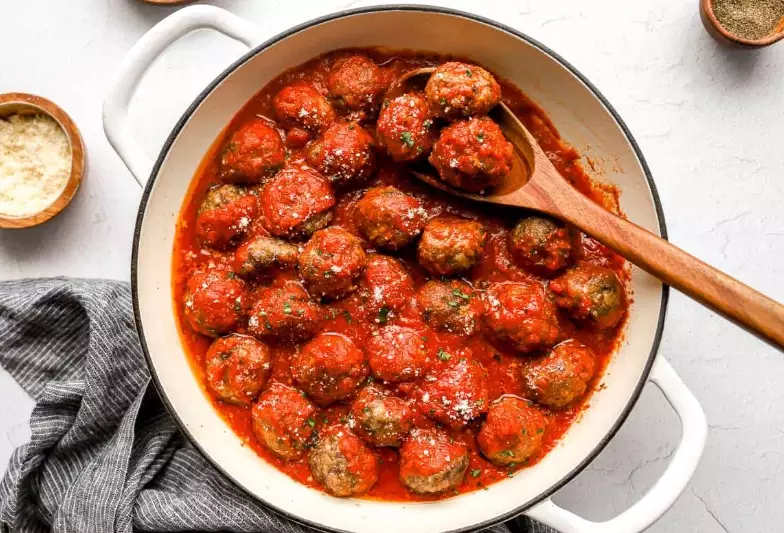
Beyond the Blueprint: Regional Variations & Creative Twists
Now that you have the foundation, let's travel across Italy. The beauty of Italian meatball recipes is their diversity. This table shows how a few key ingredients change the entire character of the dish.
| Regional Style | Key Characteristic | Signature Ingredients/Twist | Best Served With |
|---|---|---|---|
| Roman (Lazio) | Tender, soft, often contains milk-soaked bread. | Mix of beef, pork, veal; Pecorino Romano cheese. | Simple tomato sauce, as a main course with greens. |
| Sicilian | Often contains raisins or currants and pine nuts ("agrodolce" sweet-sour vibe). | Pine nuts, raisins, sometimes a touch of cinnamon or saffron. | A robust, herb-filled tomato sauce or baked with eggplant. |
| Neapolitan (Campania) | Often smaller, served as part of a rich Sunday ragù. | Sometimes include chopped prosciutto or salami for extra depth. | Simmered for hours in a Sunday Gravy with sausages and ribs. |
| Tuscan | Rustic, often uses less cheese, highlights herbs. | Lots of fresh sage or rosemary, sometimes stale breadcrumbs instead of panade. | White beans in a broth ("Fagioli con le polpette") or a light tomato sauce. |
| Modern/Baked | Lighter, easier, less hands-on. | Baked on a parchment-lined sheet pan with minimal oil. | Great for meal prep, salads, or subs. Less saucy, more self-contained. |
See what I mean? A Sicilian meatball recipe feels like a completely different dish from a Tuscan one. That's the fun part.
What About Turkey or Chicken Meatballs?
Can you make Italian meatball recipes with poultry? Absolutely. But you have to adjust. Ground turkey and chicken are much leaner, so they risk being dry. You need to add back fat and moisture aggressively.
- Add Fat: Mix in some ground pork or even some finely diced pancetta. Or, add a few tablespoons of olive oil to the mixture.
- Boost Moisture: Don't skimp on the panade. You might even add an extra egg yolk.
- Flavor Power: Use stronger herbs (more rosemary, thyme), extra garlic, and a good amount of cheese to compensate for the milder meat flavor.
They won't taste exactly like the classic, but they can be delicious in their own right. I make a lemon-herb chicken meatball that's great for a lighter pasta or soup.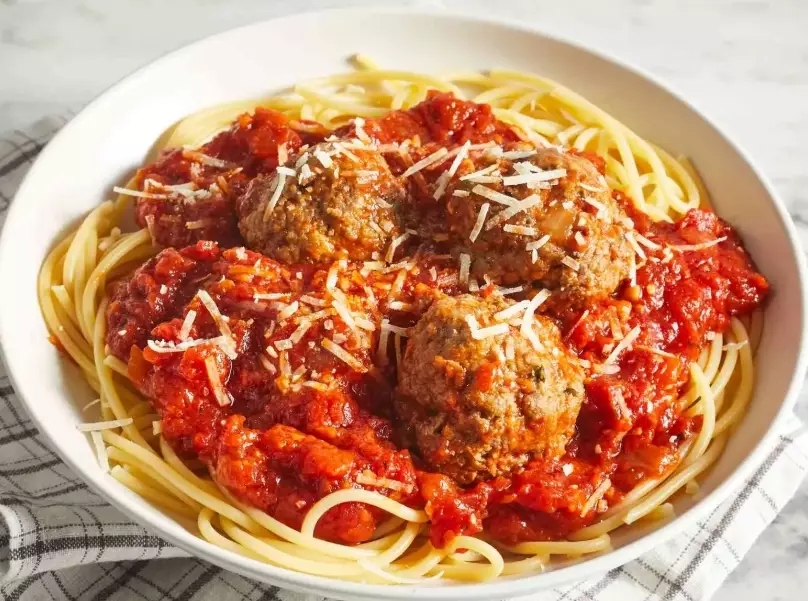
The Sauce Question: To Match or Not to Match?
Not every meatball needs a heavy, all-day Sunday gravy. The sauce should complement the meatball's personality.
- For Classic Beef/Pork/Veal Blends: A simple, bright tomato sauce is perfect. San Marzano tomatoes (look for the DOP certification if you can find them), crushed by hand, cooked with a little onion and basil. The quality of the tomato matters. The Academia Barilla, a respected resource for Italian gastronomy, emphasizes the importance of ingredient quality in simple sauces. Let the meatballs simmer in it for at least 30 minutes.
- For Lighter or Herb-Forward Meatballs: Try a white wine and butter sauce (a quick "burro e salvia"), or a brothy vegetable soup. A creamy polenta is also an incredible, comforting base.
- For Sicilian Sweet-Sour Meatballs: A tomato sauce with a splash of red wine vinegar or a pinch of red pepper flakes works well to balance the sweetness.
And remember, they don't have to go on pasta! Serving them as a main course with a vegetable side and some crusty bread to mop up the sauce is a truly authentic Italian way to enjoy them.
Your Italian Meatball Recipe Troubleshooting Guide (FAQ)
I've made every mistake in the book, so you don't have to. Here are the answers to the questions I get asked most, and the ones I desperately searched for when my meatballs failed.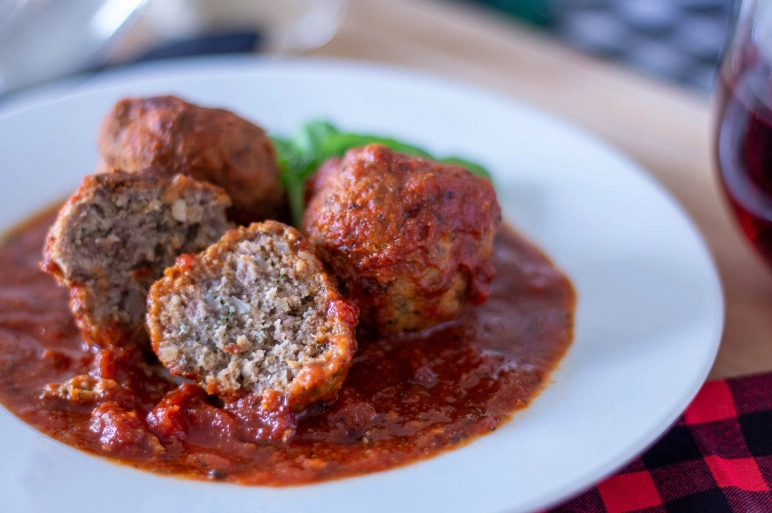
Putting It All Together: A Weeknight-Friendly, Baked Italian Meatball Recipe
Let's end with a practical, less messy, absolutely delicious version that proves authentic flavor doesn't require hours of stirring. This is my most-requested recipe from friends.
Easy Oven-Baked "Weeknight Hero" Meatballs
Why it works: Baking is hands-off. A mix of beef and pork ensures flavor and moisture. The high heat gives a nice exterior without frying.
Ingredients:
- 1 lb ground beef (85/15)
- 1/2 lb ground pork
- 1 cup fresh bread, torn and soaked in 1/3 cup milk
- 1/2 cup grated Parmigiano-Reggiano
- 1/3 cup chopped parsley
- 1 small onion, grated
- 2 garlic cloves, minced
- 1 large egg
- 1 tsp salt, 1/2 tsp black pepper, 1/2 tsp dried oregano
- 2 tbsp olive oil
Method:
- Preheat oven to 400°F (200°C). Line a rimmed baking sheet with parchment.
- Make your panade: mash the soaked bread and milk into a paste.
- In a large bowl, combine all ingredients except olive oil. Mix gently with hands.
- Form into 1.5-inch balls (wet hands help) and place on the sheet pan. Drizzle or brush lightly with the olive oil.
- Bake for 20-25 minutes, until browned, firm, and cooked through (internal temp of 160°F).
- Toss immediately into your waiting pot of warm tomato sauce and let them sit for 10 minutes to soak up flavor. Or, serve as is for meatball subs or with a dip.
See? No splattering oil, no standing over a skillet. You get a whole tray of perfectly cooked, flavorful Italian meatballs with minimal cleanup. This recipe is a testament to the fact that great Italian meatball recipes can fit into a busy life.
The world of Italian meatball recipes is vast and deeply rewarding. It’s a simple dish that reveals its complexity the more you pay attention. Start with the classic technique—respect the panade, mix gently, cook with patience. Then, start exploring. Add a handful of toasted pine nuts one time. Try baking instead of frying. Make a huge batch and freeze them for a rainy day.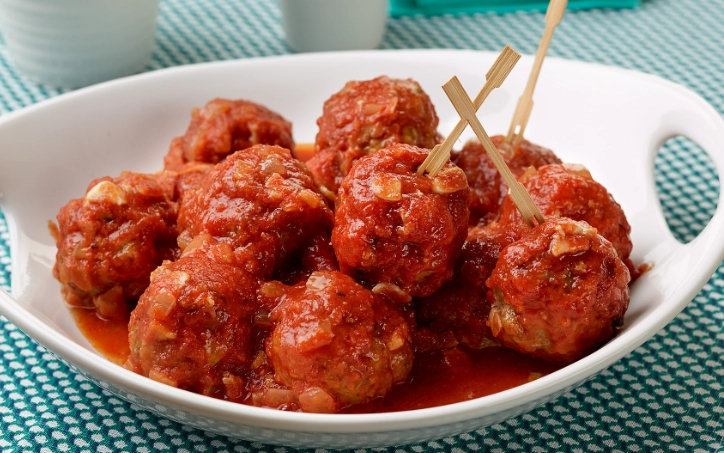
The goal isn't perfection on the first try. It's about understanding the principles so you can make a meatball that's perfect for you. One that's tender, flavorful, and brings a little bit of that Italian comfort to your table. Forget the dense, generic versions. With a little care and these insights, your next batch of meatballs won't just be good—they'll be a genuine, soul-satisfying plate of Italian home cooking.
Related Articles
Simple Pasta Recipes for Busy Weeknights: 3 Classics Made Easy
Best Italian Baked Dishes Recipes: Authentic & Easy to Make
Easy Pasta Salad Recipes with Italian Dressing for Crowd-Pleasing Meals
Easy Italian Baked Dishes Recipes: Effortless Family Dinners
Authentic Gremolata Recipe: The Simple Italian Condiment That Elevates Any Dish
Authentic Italian Peasant Food: Simple Recipes & Where to Eat
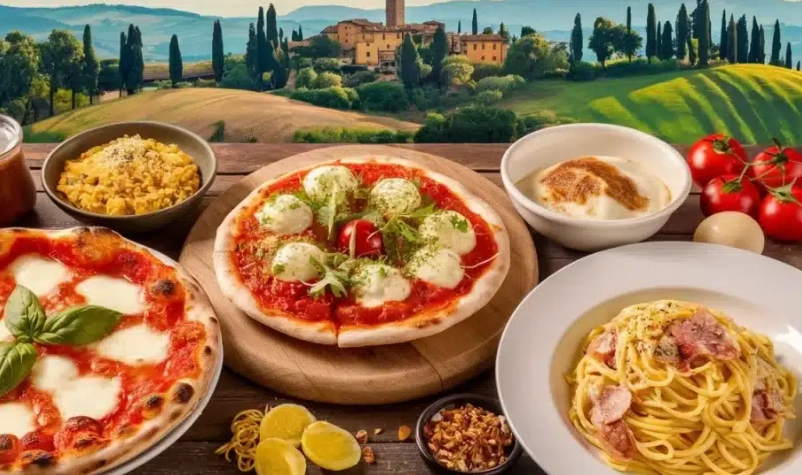
Authentic Italian Regional Recipes Guide: Cook from Source
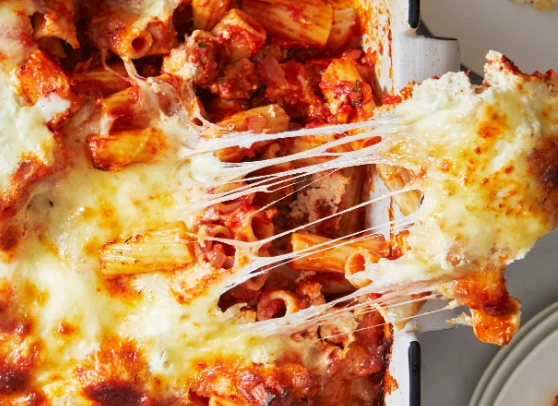
Ultimate Guide to Classic Italian Baked Pasta Dishes

Authentic Italian Dessert Recipes: Easy Tiramisu, Cannoli & More

Paris Notes 10: Visiting Galeries Lafayette, more than half of the "saleswomen"
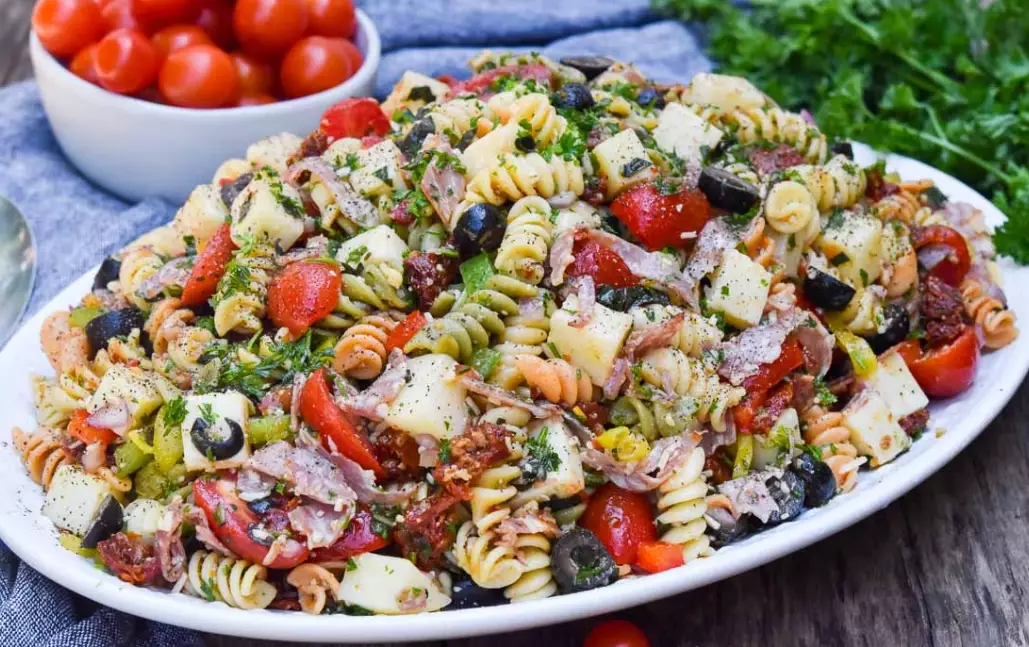
Pasta Italian Dressing Salad Recipes: The Ultimate Guide
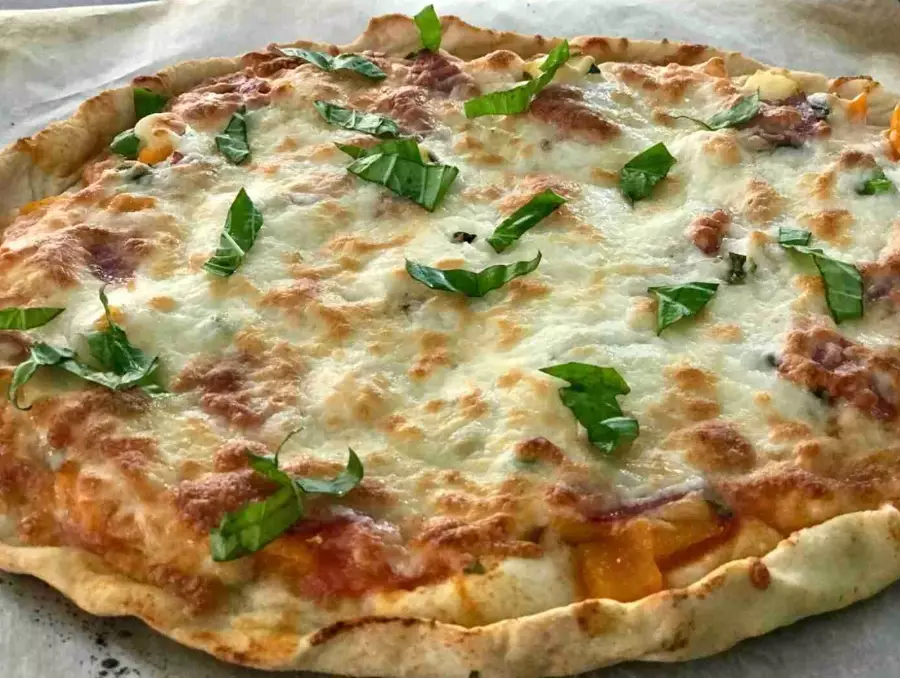
Master Authentic Italian Recipes: The Ultimate Guide to Real Italian Cooking
Creative Pizzelle Recipe Variations: From Classic Anise to Chocolate & More
Authentic Italian Salad Dressing Recipe: Easy, Zesty & Homemade

The "half-year report" of the economy of 31 provinces is released: Inner Mongoli

Modern Italian Cocktails: A Guide to Artisanal Mixology
What Is Authentic Italian Food? A Guide to Regional Classics & Home Cooking
Ultimate Guide to Making Homemade Pasta from Scratch
Easy to Make Italian Food Recipes: Delicious & Quick Meals
Authentic Italian Eggplant Recipes: From Parmigiana to Caponata
Italian Sausage Soup: Authentic Recipes & Pro Tips

The global economy has ushered in a remarkable transformation after the new crow

The State Administration of Financial Supervision: Commercial banks have release
Easy Traditional Italian Recipes for Home Cooks

Ultimate Guide to Italian Slider Variations & Recipes
What to Cook for an Italian Christmas: The Ultimate Feast Guide

Amazon on the fire

Authentic Italian Stromboli Recipe: Easy Homemade Guide for Perfect Results

The medium-sized trap of Internet companies
Leave a Comment