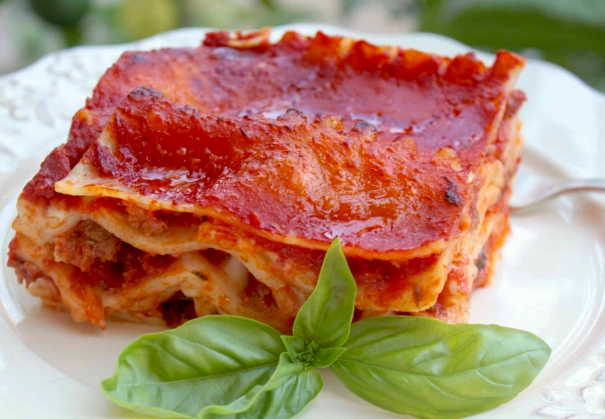
The Ultimate Guide to Making Authentic Italian Lasagna at Home
Let's be honest. We've all had disappointing lasagna. The kind that's either a dry, cardboard-like stack or, worse, a soupy mess that slides off your plate. The dream of a perfect, restaurant-quality authentic Italian lasagna recipe feels out of reach. But what if I told you the secrets aren't that complicated? After years of trial, error, and learning from a few Italian nonne (grandmothers), I've cracked the code. This isn't just another recipe list. It's a deep dive into the why behind each step, designed to give you the confidence to make the best lasagna you've ever tasted, right in your own kitchen.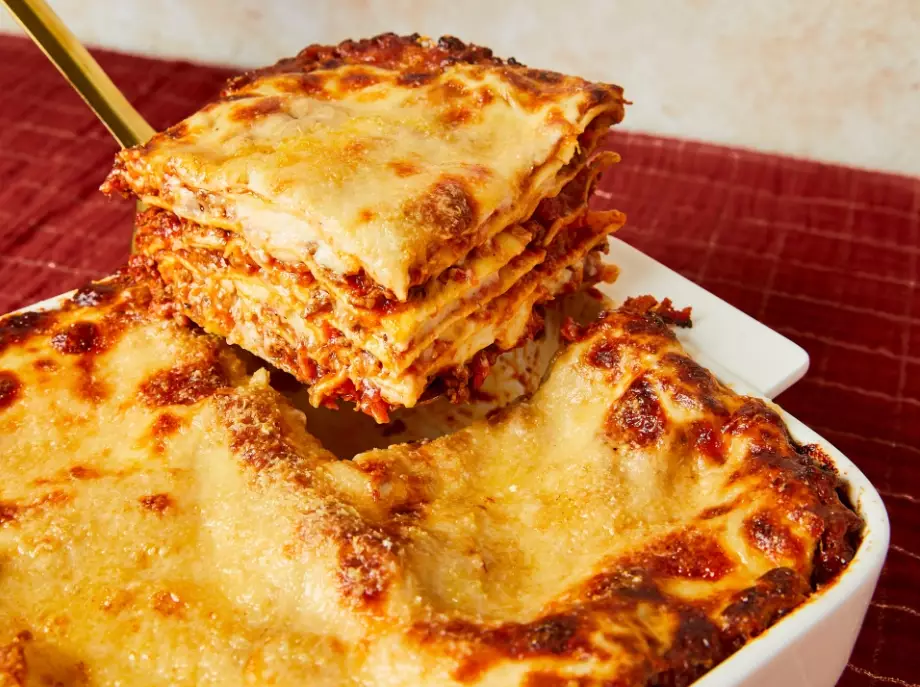
What's Inside This Guide
- The Heart of the Dish: Understanding Real Lasagna
- Gathering Your Arsenal: The Non-Negotiable Ingredients
- Building the Ragù: The Soul of Your Lasagna
- Mastering the Béchamel (Yes, Not Just Ricotta)
- How to Build the Perfect Lasagna Layers
- The Final Act: Baking, Resting & Serving
- Your Top Lasagna Questions, Answered
The Heart of the Dish: Understanding Real Lasagna
First, a quick reality check. The lasagna most of us know in North America—layers of ricotta, mozzarella, and meat sauce—is often an Italian-American creation. In many regions of Italy, particularly the north around Bologna (home of lasagna alla bolognese), the classic version uses ragù (a slow-cooked meat sauce), besciamella (béchamel sauce), and Parmigiano-Reggiano. No ricotta in sight.
Why does this matter? Because béchamel, a simple white sauce made from butter, flour, and milk, creates a creamier, more cohesive, and luxurious texture than ricotta can on its own. It binds the layers without being grainy. This is the first "non-consensus" tip I'll give you: try the béchamel version at least once. You might never go back.
But here's the good news. Whether you prefer the ricotta-based or béchamel-style, the core principles for a great easy lasagna recipe are the same. It's about balancing flavors, managing moisture, and having a bit of patience.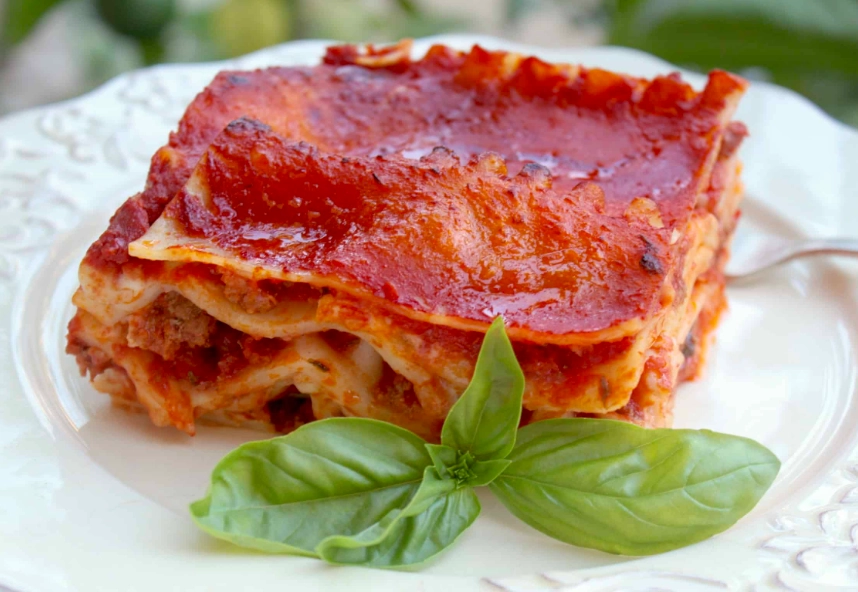
Gathering Your Arsenal: The Non-Negotiable Ingredients
Great lasagna starts with great ingredients. You can't hide poor-quality stuff when it's layered and baked. Here’s your shopping list, broken down by component.
| Component | Key Ingredients & Why They Matter |
|---|---|
| The Ragù (Meat Sauce) | Ground Beef & Pork: A 50/50 mix gives depth. Use 80/20 beef for fat. Pancetta: Finely diced, it adds a salty, umami base. San Marzano Tomatoes: Canned. They're sweeter, less acidic. Dry White Wine: Deglazes the pan, adds complexity. Onion, Carrot, Celery (Soffritto): The flavor holy trinity, finely chopped. |
| The Pasta | Dry Lasagna Noodles: The "no-boil" or "oven-ready" type is a legit game-changer for home cooks. It saves time and absorbs moisture perfectly. If using traditional dry sheets, par-boil for 4-5 mins only. |
| The White Sauce | Unsalted Butter, All-Purpose Flour, Whole Milk, Nutmeg: For a classic béchamel. OR Ricotta Filling: Whole-milk ricotta, egg, parsley, salt, pepper. |
| The Cheese | Parmigiano-Reggiano: Freshly grated. The pre-grated stuff has anti-caking agents that affect melt. Low-Moisture Mozzarella: Shred it yourself. Pre-shredded is coated and doesn't melt as smoothly. |
See that note about no-boil noodles? That's a personal lifesaver. I used to think they were a cheat, but they work brilliantly, absorbing just the right amount of liquid from the sauces to become perfectly al dente.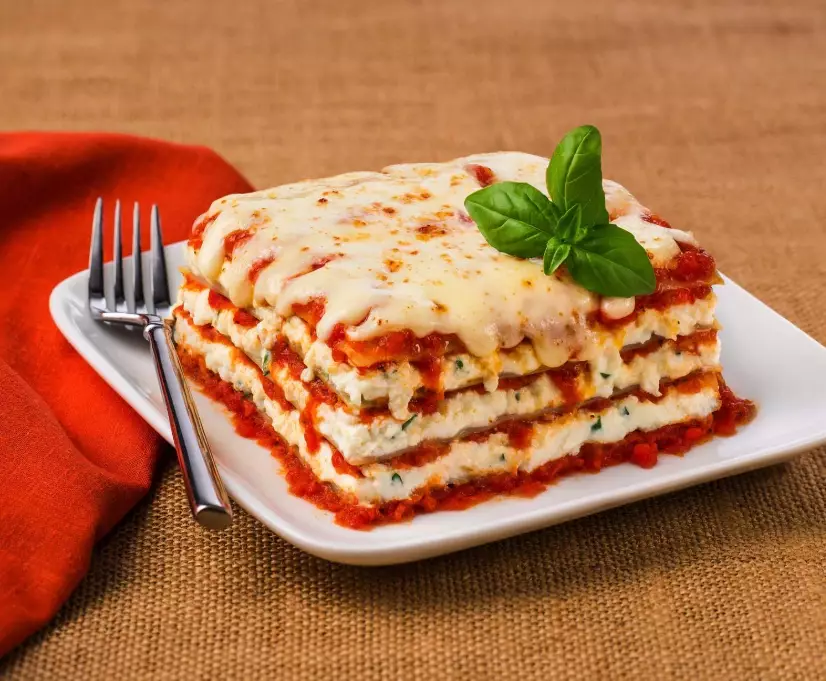
What's the Secret to a Great Lasagna? It's All About the Ragù.
This is where you build flavor that lasts through every bite. Rushing the ragù is the single biggest mistake I see. You're not just browning meat; you're building a foundation.
- Start with the soffritto. Cook your finely diced onion, carrot, and celery in olive oil over medium heat until soft and fragrant, about 8-10 minutes. This sweet base is crucial.
- Brown the meat properly. Add the pancetta, let it render, then add the beef and pork. Don't just gray it—get some real caramelization on the bits in the pan. That's flavor.
- Deglaze with wine. Pour in the white wine and scrape up all those browned bits (the fond). Let it simmer until mostly evaporated.
- The long simmer. Add the tomatoes, crush them with your hands for a rustic texture, along with a bay leaf, salt, and pepper. Bring to a bubble, then reduce to the lowest possible simmer. Let it cook, uncovered, for at least 2 hours, stirring occasionally. You want it thick, not watery. The fat will separate and float a bit—that's fine, just stir it back in.
Pro Tip from the Kitchen: I often make a double batch of ragù on a Sunday. One for lasagna that week, one to freeze. It freezes beautifully and tastes even better after a thaw, making a make-ahead meal truly effortless.
Mastering the Béchamel (Yes, Not Just Ricotta)
If you're going the classic route, don't fear the béchamel. It's simple.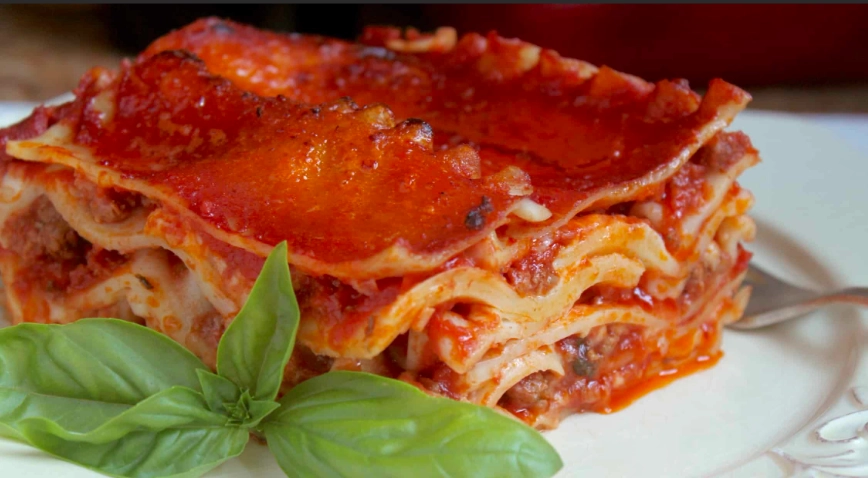
Melt butter, whisk in an equal amount of flour, and cook for a minute to get rid of the raw flour taste. Slowly whisk in warm milk—warming it prevents lumps—until it thickens to a heavy cream consistency. Season with salt, white pepper, and a tiny grating of fresh nutmeg. That's it. Cover it with plastic wrap directly on the surface to prevent a skin if you're not using it immediately.
If you're a ricotta loyalist, here's the tweak: mix your ricotta with an egg, chopped parsley, salt, and pepper. But—and this is critical—drain your ricotta in a fine-mesh strainer for 30 minutes first. Excess whey is a prime suspect in watery lasagna crimes.
How to Build the Perfect Lasagna Layers
Assembly is where the magic (or the mess) happens. Use a 9x13 inch baking dish.
First, a thin smear of ragù or béchamel on the bottom. This prevents the first pasta sheet from sticking and drying out.
Then, the official layering order I've found works best:
- Pasta Sheets: Lay them down, slightly overlapping if needed. Don't worry about small gaps.
- Ragù: A generous, even layer. This is your main flavor.
- Béchamel (or Ricotta): Dollop and spread carefully over the ragù.
- Cheese: A sprinkling of Parmigiano-Reggiano.
Repeat. Aim for 4-5 layers of pasta. The top layer should be pasta, then a final blanket of béchamel (or ricotta), a light layer of ragù, and a heavy covering of mozzarella and Parmigiano.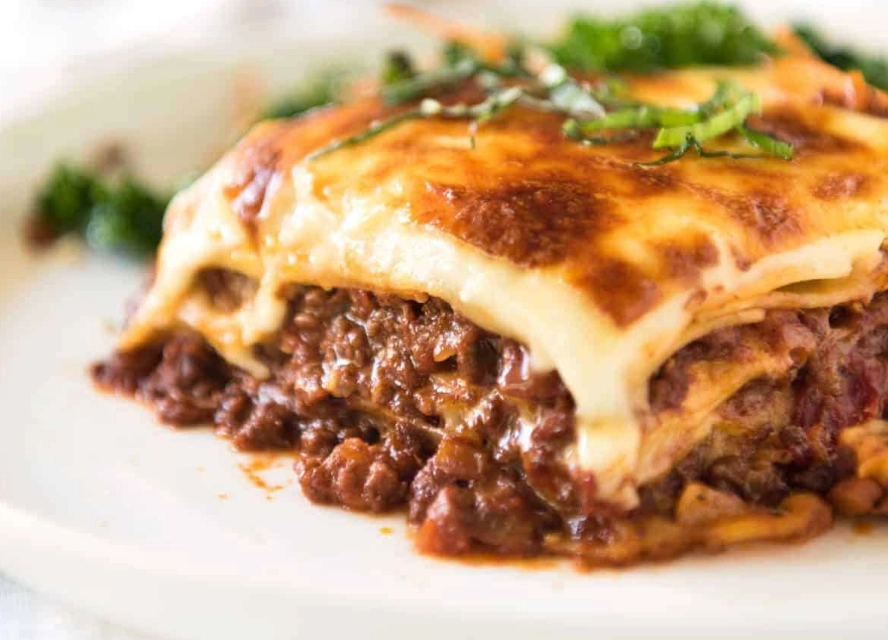
The One Thing Everyone Forgets: Don't press down on the layers! You want them light and airy, not compacted. A gentle touch here makes for a taller, more textural final product.
The Final Act: Baking, Resting & Serving
Preheat your oven to 375°F (190°C). Cover the dish tightly with foil—this steams the pasta and melts the cheese without over-browning. Bake covered for 30 minutes.
Then, remove the foil and bake for another 20-25 minutes until the top is golden brown and bubbly.
Now, the hardest part. You must let it rest. Take it out of the oven and let it sit on the counter for a full 20-25 minutes. This allows the layers to set, the sauces to be absorbed fully, and it ensures you get clean slices instead of a lava-flow on your plate. This resting period is non-negotiable for the perfect best lasagna recipe experience.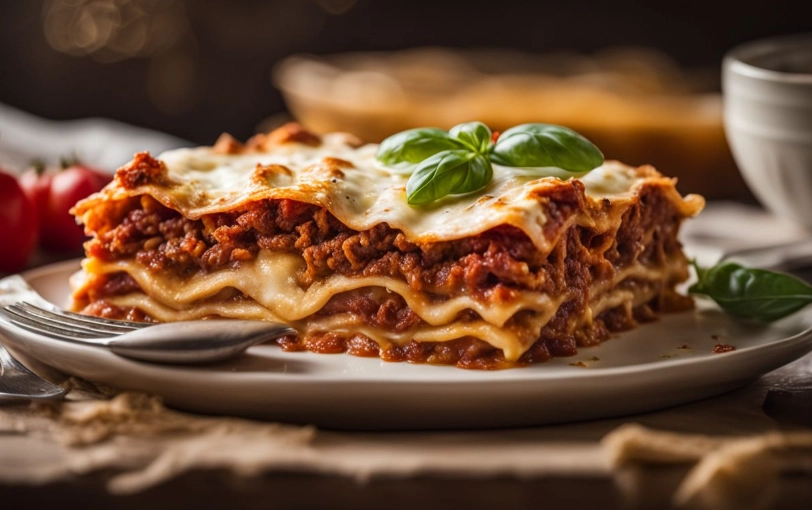
Your Top Lasagna Questions, Answered
Over the years, I've been asked the same things repeatedly. Here are the real answers, based on experience, not just theory.
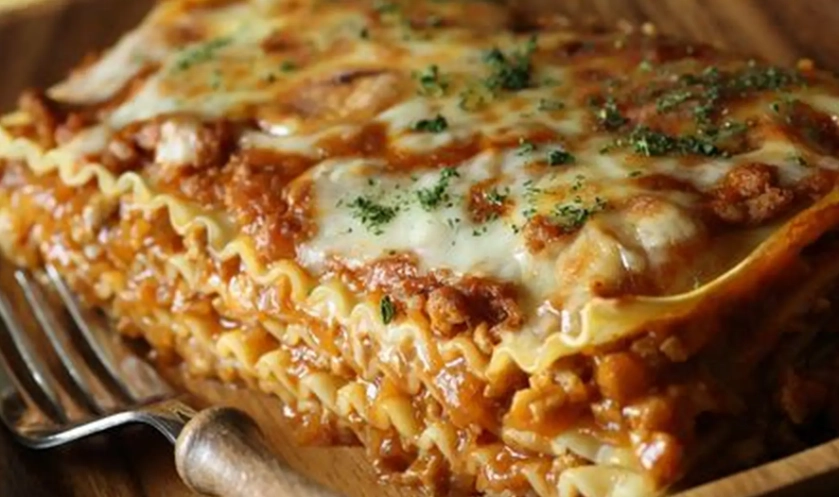 What's the best way to freeze a homemade lasagna for later?
So there you have it. A real, detailed map to lasagna success. It's not about finding a mythical "perfect" recipe online; it's about understanding the process. Get your ragù right, choose your sauce path, layer with care, and have the patience to let it rest. Do that, and your next lasagna won't just be good. It'll be the reason people ask you to bring it to every gathering.
Now go preheat that oven. You've got some layering to do.
Related Articles
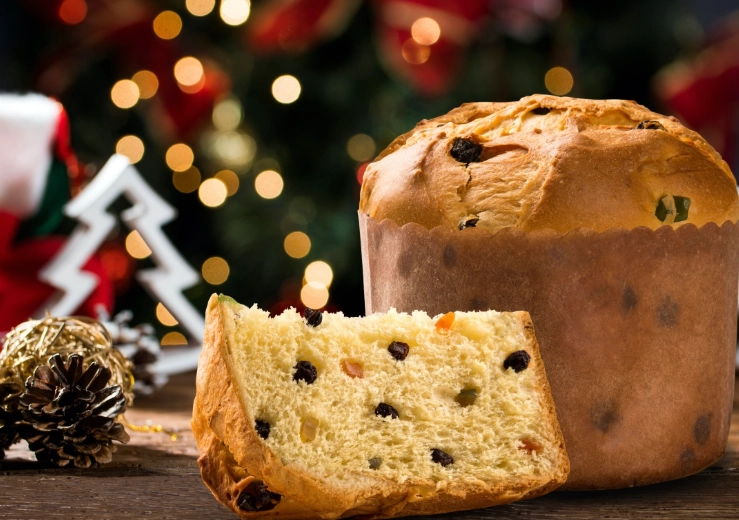
Traditional Italian Christmas Desserts: Panettone, Pandoro & More
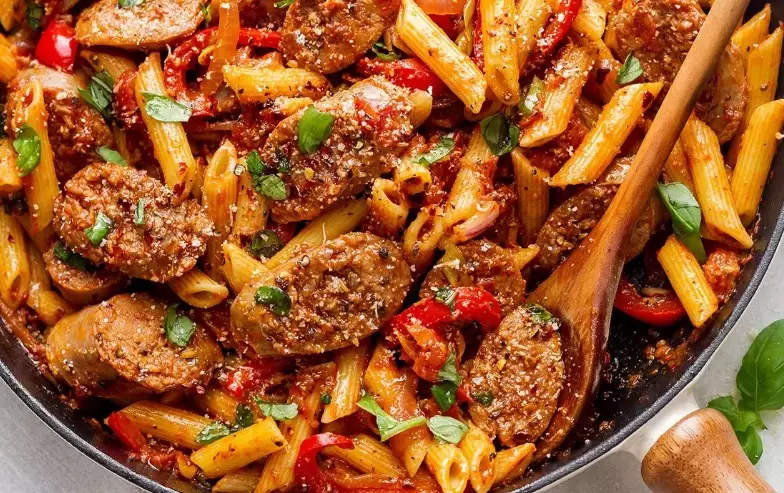
Italian Sausage Pasta Recipes: A Complete Guide to Classic Comfort Food
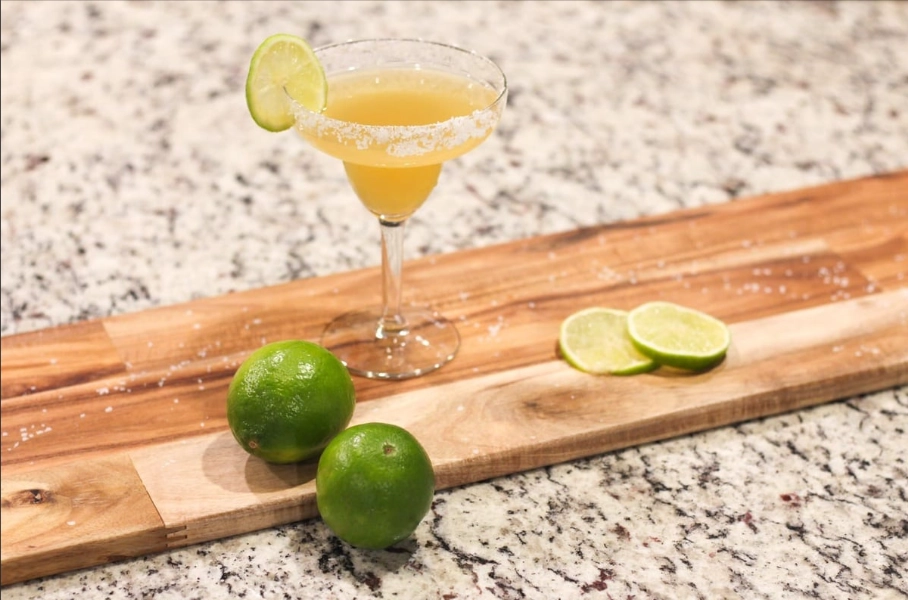
Ultimate Italian Margarita Recipe: How to Make the Perfect Amaretto Sour Twist
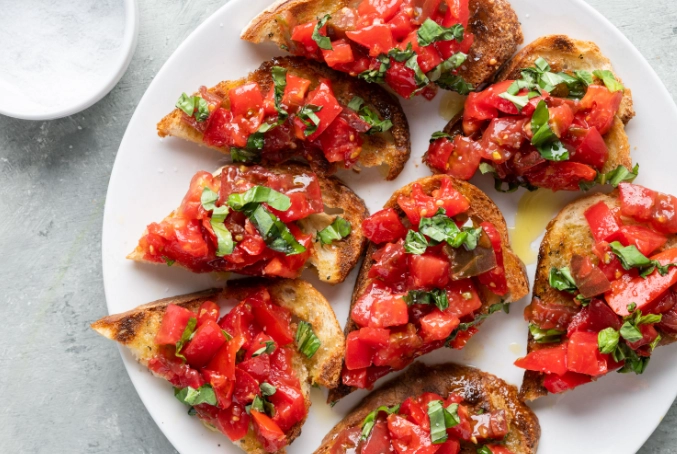
Authentic Italian Bruschetta Recipe: The Only Guide You'll Ever Need

Italian Christmas Dinner 7 Fishes Guide: Traditions & Recipes