Italian Vinaigrette Recipe: The Only Guide You'll Ever Need
Your Quick Navigation Guide
- The Heart of the Matter: It's All About Emulsification
- Deconstructing the Perfect Italian Vinaigrette Recipe
- The Foolproof Method: Building Your Dressing Step-by-Step
- My Go-To Classic Italian Vinaigrette Recipe
- Beyond the Basic: Flavor Variations to Try
- Common Pitfalls & How to Avoid Them
- Storing Your Homemade Vinaigrette
- Answering Your Vinaigrette Questions (FAQ)
- Final Thought: It's a Feeling, Not Just a Recipe
Let's be honest. Most recipes for Italian vinaigrette are... fine. They give you a list, tell you to whisk, and send you on your way. But what you end up with is often a thin, sharp, separated puddle at the bottom of your salad bowl that only coats the lettuce directly underneath it. Not exactly inspiring.
I used to think that was just how it was. Then I spent a summer helping out at a friend's family-run trattoria in Emilia-Romagna. Let me tell you, the way they made their Italian vinaigrette recipe was a revelation. It wasn't just a dressing; it was the soul of the salad. It clung to every leaf, balanced perfectly between rich and bright, and made even simple greens taste incredible.
That's what this guide is for. We're not just making a dressing. We're learning a fundamental kitchen skill. Once you master a proper Italian vinaigrette recipe, you'll never look at a bottle of store-bought dressing again. I promise.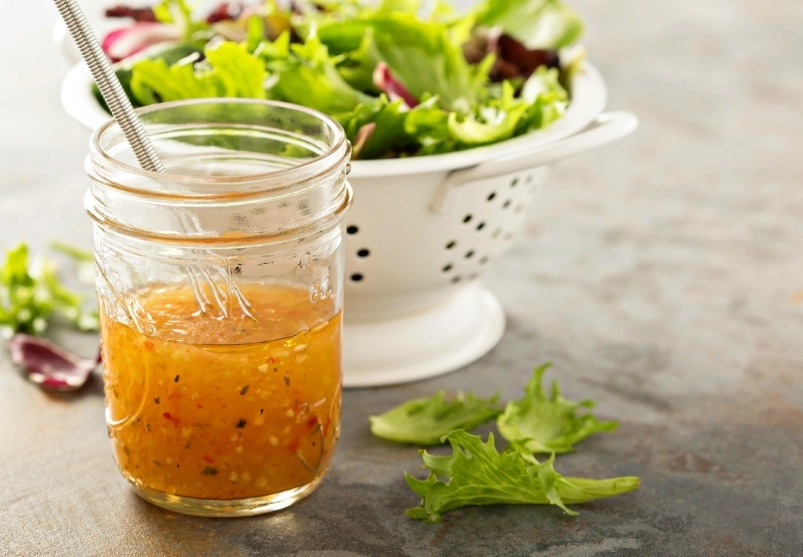
The Heart of the Matter: It's All About Emulsification
Before we touch a single ingredient, we need to talk science for a second. Don't worry, it's simple. A vinaigrette is an emulsion—a temporary suspension of two liquids that don't normally want to mix (oil and vinegar/acid). The goal isn't a permanent marriage; that's nearly impossible without stabilizers. The goal is a stable, creamy suspension that lasts long enough to dress your salad beautifully.
When you see a recipe that just says "whisk oil into vinegar," you're being set up for failure. That method creates a weak emulsion that breaks (separates) in minutes. We're going to build a strong one.
Your Vinaigrette Toolkit: More Than a Whisk
You don't need fancy gear. A medium-sized bowl, a whisk, and a measuring cup are the basics. But let me make a case for two tools that change the game:
- A Small Jar with a Lid: Honestly, this is my go-to. Add everything, screw on the lid, and shake like crazy for 30 seconds. It creates a fantastic, creamy emulsion with zero effort. It's also perfect for storing leftovers.
- Immersion Blender: If you want the most stable, mayo-like emulsion possible, this is your magic wand. It's overkill for a small batch, but for a big party salad, it's unbeatable.
The whisk and bowl method is classic and works great. Just know you have lazy (and effective) options.
Deconstructing the Perfect Italian Vinaigrette Recipe
Every great Italian vinaigrette recipe is built on four pillars. Get these right, and the rest is flavor tweaking.
1. The Oil: Your Flavor Foundation
Extra virgin olive oil is non-negotiable for a true Italian profile. But not all EVOO is created equal. A robust, peppery oil from Tuscany will dominate. A milder, fruity oil from Liguria is more versatile. My personal favorite is a mid-intensity oil from Puglia—it has character without punching you in the face.
Some recipes blend in a neutral oil (like grapeseed or sunflower) to soften the olive oil's bite. It's a valid trick, especially if you're using a very strong oil or feeding people with sensitive palates. I do it sometimes. For a purist version, though, 100% good EVOO is the way.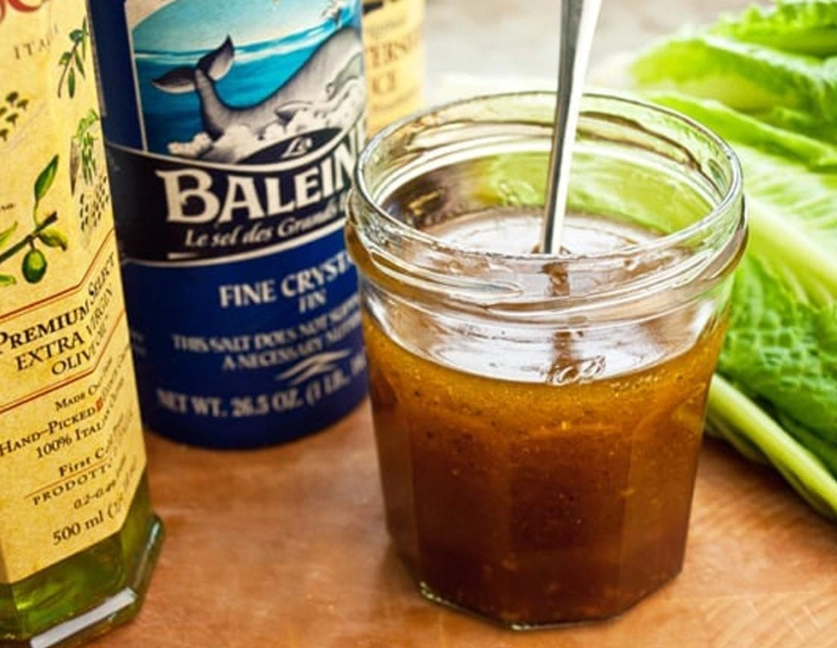
2. The Acid: The Bright Counterpoint
Red wine vinegar is the classic. It's sharp, clean, and slightly fruity. White wine vinegar is a bit milder. Fresh lemon juice is a fantastic alternative or addition—it brings a vibrant, fresh acidity that vinegar can't match.
Here's a controversial opinion: I'm not a huge fan of balsamic vinegar in a basic Italian vinaigrette recipe. Its sweetness and thickness can overpower the delicate balance. Save the aged balsamic for finishing. A splash of a lighter, "condimento" grade balsamic can work, though.
3. The Emulsifier: The Peacekeeper
This is the glue. Mustard (Dijon is best) is the most common. Its natural compounds (mucilage) hold the emulsion together brilliantly. It also adds a subtle depth of flavor. Other options include:
- Honey or Maple Syrup: A tiny bit helps balance acidity and aids emulsification.
- Minced Garlic or Shallot: Their pulpy texture acts as a physical stabilizer.
- Anchovy Paste: Don't knock it till you've tried it. It dissolves completely, adds incredible umami depth (no fishy taste), and is a classic in many Italian regions.
4. The Flavor Amplifiers
Salt and pepper. Obvious, right? But crucial. Salt doesn't just make things salty; it suppresses bitterness and enhances all other flavors. You must season your vinaigrette before dressing the salad. Freshly cracked black pepper is essential. Dried oregano or thyme? A pinch can be nice, but I often skip them to let the oil and acid shine.
| Ingredient | Classic Choice | Why It Works | Pro Tip |
|---|---|---|---|
| Oil | Extra Virgin Olive Oil | Fruity, peppery base flavor; heart-healthy fats. | Use a mid-intensity oil you enjoy plain. Store in a cool, dark place. |
| Acid | Red Wine Vinegar | Sharp, clean acidity that cuts through fat. | Mix with 20% fresh lemon juice for brighter flavor. |
| Emulsifier | Dijon Mustard | Contains mucilage; stabilizes emulsion, adds tang. | Start with 1 tsp per 3/4 cup of oil. You won't taste "mustard." |
| Aromatics | Garlic, Shallot | Adds savory depth and complexity. | Mince super fine or grate. Let sit in the acid for 10 mins to mellow. |
The Foolproof Method: Building Your Dressing Step-by-Step
Here's my no-fail process. It works every single time.
- Combine the "Wet Base": In your bowl or jar, add your acid (vinegar/lemon juice), your emulsifier (mustard), and any minced aromatics (garlic, shallot). Add a big pinch of salt and pepper. Whisk this together thoroughly until the salt is dissolved. This is critical—the salt needs liquid to dissolve in. If you add it later with the oil, it won't incorporate properly.
- The Drizzle (or The Shake): If whisking: place a towel under your bowl to steady it. Start whisking the acid mixture vigorously. Now, in a very slow, thin, steady stream, drizzle in the olive oil. I mean slow. Imagine a thread of oil. The whisking should create a vortex that pulls the oil in and breaks it into tiny droplets. This is how you build the emulsion. If using a jar: just add the oil to the other ingredients, screw on the lid tightly, and shake with abandon for 30-45 seconds.
- Taste and Adjust: Dip a lettuce leaf in and taste. Is it too sharp? Add a tiny bit more oil or a pinch of sweetener. Too bland? It probably needs more salt or acid. Adjust in tiny increments. Remember, it should taste a little stronger on its own than you'd think—it will mellow once tossed with a whole bowl of greens.
See? Making an authentic Italian vinaigrette recipe isn't about a secret ingredient. It's about this simple, mindful process.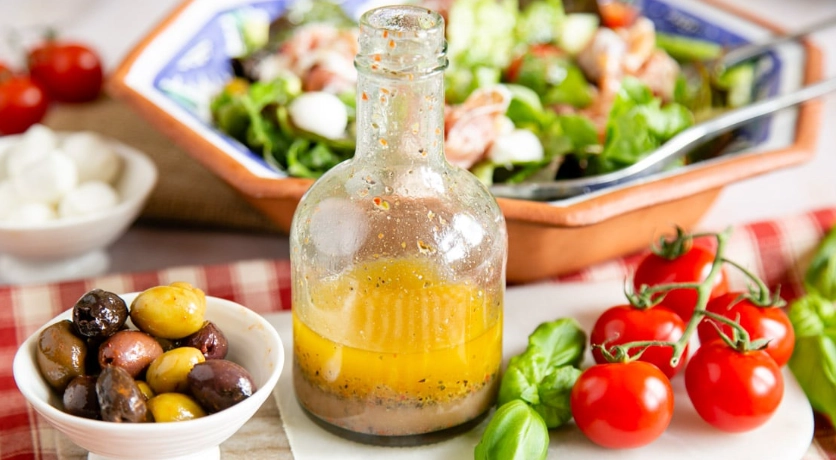
My Go-To Classic Italian Vinaigrette Recipe
This is the formula I make almost weekly. It's balanced, versatile, and clings to greens like a dream.
- 1 small garlic clove, minced or grated (optional, but recommended)
- 3 tablespoons red wine vinegar
- 1 tablespoon fresh lemon juice
- 1 teaspoon Dijon mustard
- 1 teaspoon honey (optional, but helps balance and emulsify)
- 3/4 cup (180ml) good extra virgin olive oil
- 3/4 teaspoon fine sea salt (or to taste)
- 1/2 teaspoon freshly cracked black pepper
Method: In a jar, combine the garlic (if using), vinegar, lemon juice, mustard, honey, salt, and pepper. Screw on the lid and shake well to dissolve the salt. Add the olive oil, screw the lid back on tightly, and shake vigorously for a full 45 seconds until creamy and slightly thickened. Taste on a leaf and adjust. Let it sit for 15 minutes before using if you added garlic, to let the flavors meld.
Beyond the Basic: Flavor Variations to Try
Once you've mastered the classic, the world is your oyster (or should I say, your artichoke?). Here are a few riffs I love.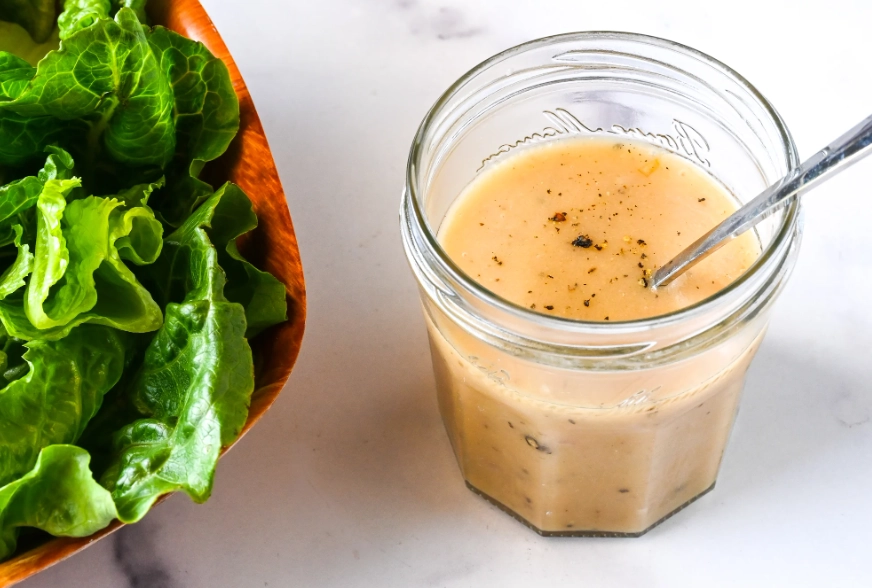
Lemon-Herb Vinaigrette
Swap the vinegar for all fresh lemon juice (about 1/4 cup). After emulsifying, stir in 2 tablespoons of finely chopped fresh soft herbs (parsley, basil, chives, tarragon). Incredible on grilled vegetables or a tomato salad.
Shallot & White Wine Vinaigrette
Use 1 tablespoon finely minced shallot instead of garlic. Use white wine vinegar. More delicate, perfect for a frisée salad or over steamed asparagus.
The "Secret Weapon" Anchovy Vinaigrette
Add 1-2 mashed anchovy fillets or 1/2 tsp of anchovy paste to the initial acid mix. Trust me. It creates a deep, savory, complex flavor that has people asking, "What is in this? It's amazing!" No one will guess anchovy.
Common Pitfalls & How to Avoid Them
I've messed up plenty of vinaigrettes. Here's what I learned.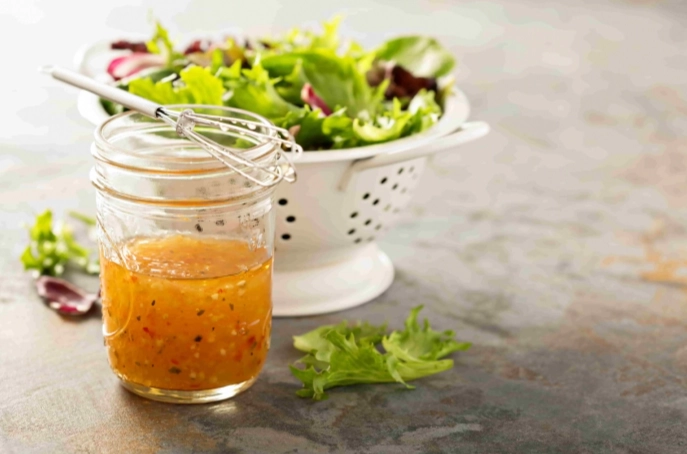
- Dressing a Wet Salad: This is a killer. After washing your greens, you must dry them thoroughly. A salad spinner is the best tool here. Water from wet greens will instantly dilute your dressing, making it bland and causing it to slide right off.
- Over-Dressing: Less is more. Start with a few tablespoons for a large bowl, toss well, then add more if needed. You can always add, but you can't take away. A soggy, overdressed salad is a sad salad.
- Using Inferior Oil: That cheap, flavorless "light" olive oil or vegetable oil will give you a flavorless dressing. Invest in a decent bottle of EVOO for dressings. It lasts a while and makes all the difference. The UC Davis Olive Center has great resources on selecting quality olive oil.
- Not Tasting as You Go: Your palate is your best tool. Taste the dressing on a piece of what you're actually serving. Adjust. Every ingredient varies in strength.
Storing Your Homemade Vinaigrette
One of the best things about this Italian vinaigrette recipe is that you can make a batch. Store it in a sealed jar in the refrigerator. It will last for up to a week, maybe two.
The olive oil will solidify and turn cloudy in the fridge. That's normal! Just take the jar out 20-30 minutes before you need it, and it will return to its liquid state. Give it a good shake before using. If the emulsion has broken, a quick re-shake will bring it right back.
Answering Your Vinaigrette Questions (FAQ)
Final Thought: It's a Feeling, Not Just a Recipe
After making this Italian vinaigrette recipe a few times, you won't need to measure. You'll get a feel for it. You'll know by the sound of the shake or the look of the drizzle when it's coming together.
That's the real goal. To internalize the process so you can whip up a perfect dressing on a Tuesday night without a second thought. To turn a bag of lettuce into something you're genuinely excited to eat.
So grab a jar, some good oil, and give it a shake. Your salads are about to get a major upgrade.
Related Articles
Authentic Italian Tomato Sauce Recipe: Secrets from a Home Cook

Ultimate Italian Sliders Recipe: Party-Perfect and Irresistible

Performance exploded! Sungrow Power Supply made a huge profit of tens of billion
Authentic Italian Chicken Recipes: From Classic Pollo alla Cacciatora to Modern Favorites
How to Make Perfect Italian Polenta: Creamy, Grilled & Fried Recipes
What is a Good Appetizer Before Pasta Dinner? 15+ Expert Picks & Pairing Guide
Classic Italian Vegetable Dishes: A Guide to Authentic Recipes
Easy Braciole Recipe: Authentic Italian Beef Rolls Made Simple
Ultimate Vegetarian Pasta Recipes: Flavorful & Easy

Unique Italian Cocktails: Beyond the Aperol Spritz

The RMB exchange rate against the US dollar rose to a high point this year
Authentic Italian Porchetta Recipe: Crispy, Juicy Roast Pork
Homemade Italian Ice Recipe: Smooth, Grain-Free & Authentic
Ultimate Guide to the Top 10 Pasta Dishes You Must Try
Authentic Carbonara Recipe: Traditional Italian Pasta Without Cream
Ultimate Italian Beef Crock Pot Recipe: Tender & Juicy
Master Italian Pasta Recipes: Classics, Regional Gems & Pro Tips
Perfect Homemade Italian Gnocchi Recipe: Light & Fluffy

Best Italian Sausage Pasta Recipes: Easy, Creamy & Spicy Ideas

Two 1 billion US dollars of large model financing, Internet giants are starting
Authentic Italian Vegetarian Recipes: Classics Made Simple & Delicious
Simple Italian Vegetarian Recipes: 5 Easy Dishes for Weeknights

The latest public offering "rat warehouse" exposed: fines of more than 30 millio
Classic Italian Pasta Recipes: Authentic Dishes You Can Master

Ground Italian Sausage Recipes: The Ultimate Guide for Easy & Flavorful Dinners
Simple Pasta Recipes for Busy Weeknights: 3 Classics Made Easy
Easy Crusty Italian Bread Recipe: Homemade Ciabatta & Focaccia
The Ultimate Homemade Italian Dressing Recipe (Easy & Authentic)
Easy Authentic Italian Minestrone Soup Recipe & Secrets
Leave a Comment