Authentic Italian Pasta Sauce Recipes: From Classic Tomato to Rich Ragù
Let's be honest. Most of us have a vague idea that Italian pasta sauce involves tomatoes, garlic, and maybe some basil. We simmer it for twenty minutes and call it a day. The result? Fine. Edible. But it lacks that deep, soulful flavor you get in a trattoria in Rome or a nonna's kitchen in Bologna. That's because authentic Italian pasta sauce recipes aren't just a list of ingredients; they're a set of principles, a slow dance of flavors built on a few non-negotiable foundations. I learned this the hard way, after years of making decent but forgettable sauce, until a friend's Sicilian grandmother watched me cook and sighed, "Figlio, you're in a hurry. The sauce isn't."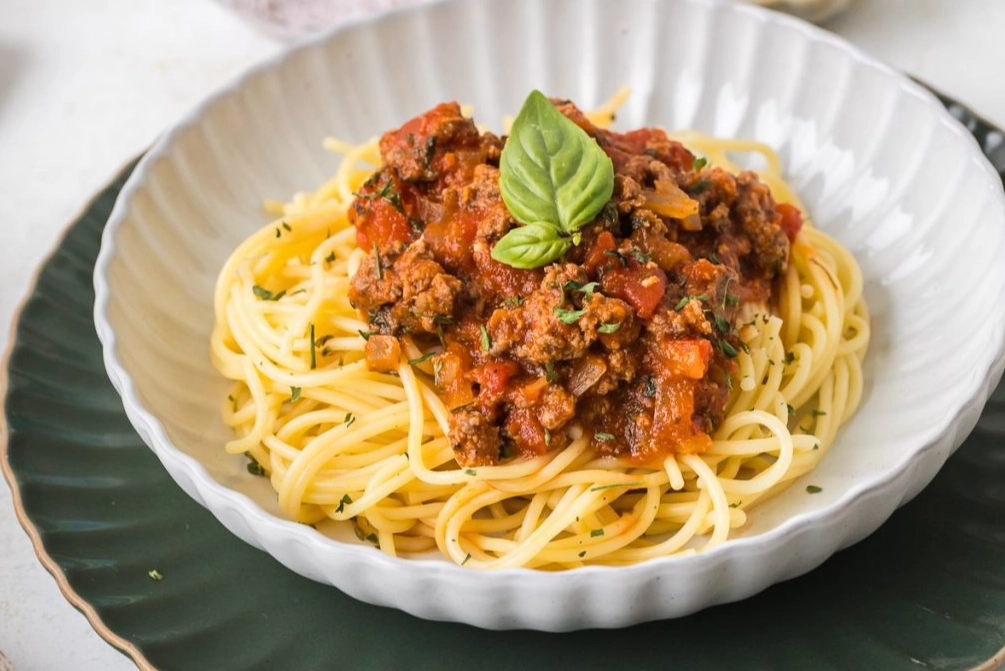
Here’s the truth they don’t put on the jar: great sauce is about layering flavors and respecting the process. It's about the holy trinity of Italian cooking—"soffritto"—and knowing when to add what. This guide will walk you through the core sauces that form the backbone of Italian cuisine, from the simplest fresh tomato sauce to the complex, slow-cooked ragù. We'll cover the common pitfalls (I've made them all) and the little tricks that make a massive difference.
What's Inside: Your Sauce Journey
The Foundation: Sugo al Pomodoro (Basic Tomato Sauce)
This is where every home cook should start. It's deceptively simple, which means every step counts. The goal is a bright, fresh, and balanced sauce that tastes like summer tomatoes, not like tin can.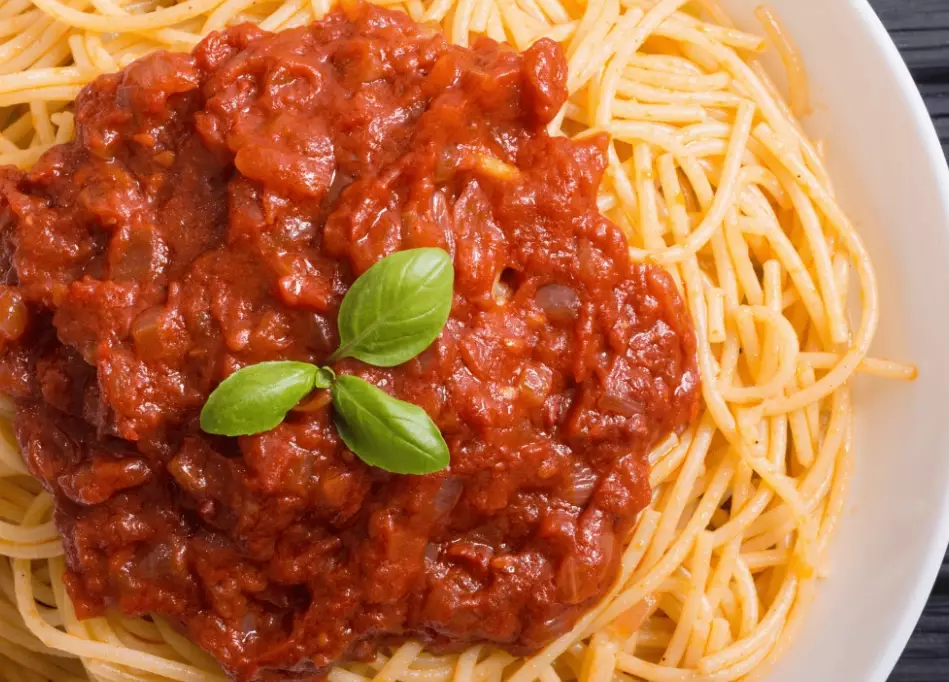
My Go-To Recipe:
- Base: 1/4 cup extra-virgin olive oil, 3 garlic cloves (lightly smashed), a pinch of crushed red pepper.
- Tomatoes: 1 (28-oz) can of whole San Marzano tomatoes, certified DOP if you can find them. Crush them by hand. Why by hand? You control the texture, leaving some pleasant chunks.
- Herbs: A large sprig of fresh basil, added whole.
- Finish: Salt, and a small knob of unsalted butter (this is the secret weapon for silkiness).
How to Build It, the Right Way
Heat the olive oil in a wide saucepan over medium-low heat. Add the garlic and red pepper. Cook until the garlic is fragrant and just starting to turn golden at the edges—this infuses the oil. Don't let it burn, or the whole sauce turns bitter.
Fish out the garlic. It's done its job. Add the hand-crushed tomatoes and their juice. Throw in the whole basil sprig. Bring to a very gentle simmer. Not a rolling boil. A simmer.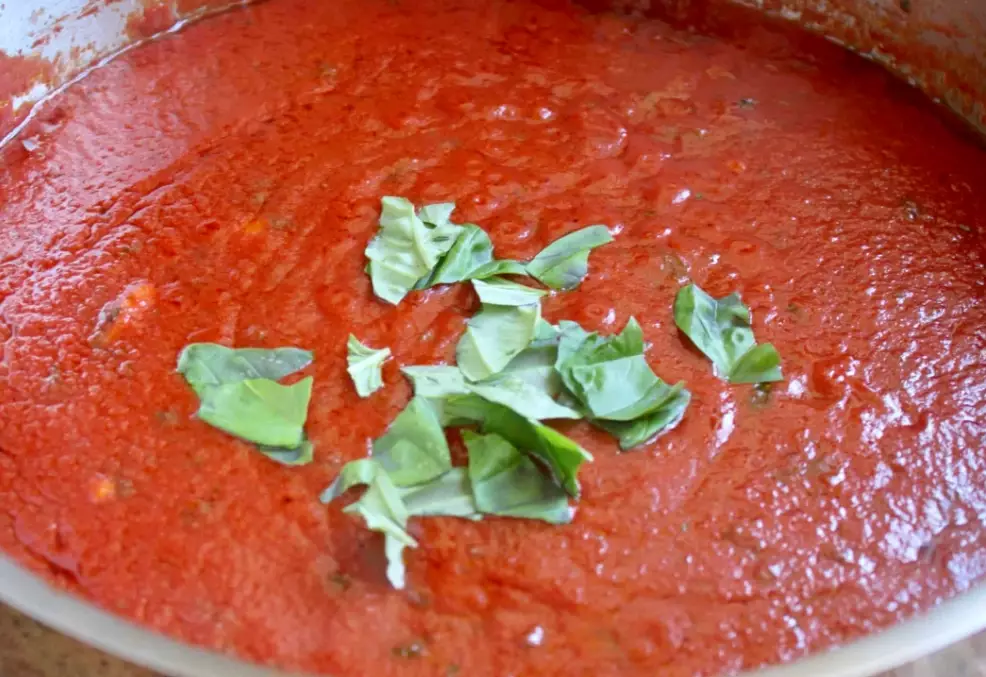
Here’s the part most recipes get wrong: they say "cook for 20 minutes." For a true sugo, let it go for 45 minutes to an hour, uncovered, stirring occasionally. The sauce will reduce, thicken, and the flavors will concentrate and sweeten. Season with salt at the end. Off heat, stir in the butter until it melts. The butter rounds out the acidity without adding a dairy taste.
Pro Tip: The quality of your tomatoes is 80% of the battle. San Marzanos are prized for their lower acidity, fewer seeds, and sweeter flesh. If you use regular canned tomatoes, you might need a tiny pinch of sugar to balance the acidity, but taste first!
The King of Meat Sauces: Ragù alla Bolognese
This is a project. A labor of love. The authentic recipe, as documented by the Accademia Italiana della Cucina and deposited with the Bologna Chamber of Commerce, is specific. It's not a tomato sauce with some meat in it. It's a meat sauce kissed with tomato and milk.
The biggest misconception? Using lean ground beef. You need fat for flavor. A mix of beef, pork, and sometimes veal or pancetta is traditional. The meat is chopped, not ground to a paste, for better texture.
The Non-Negotiables of a True Ragù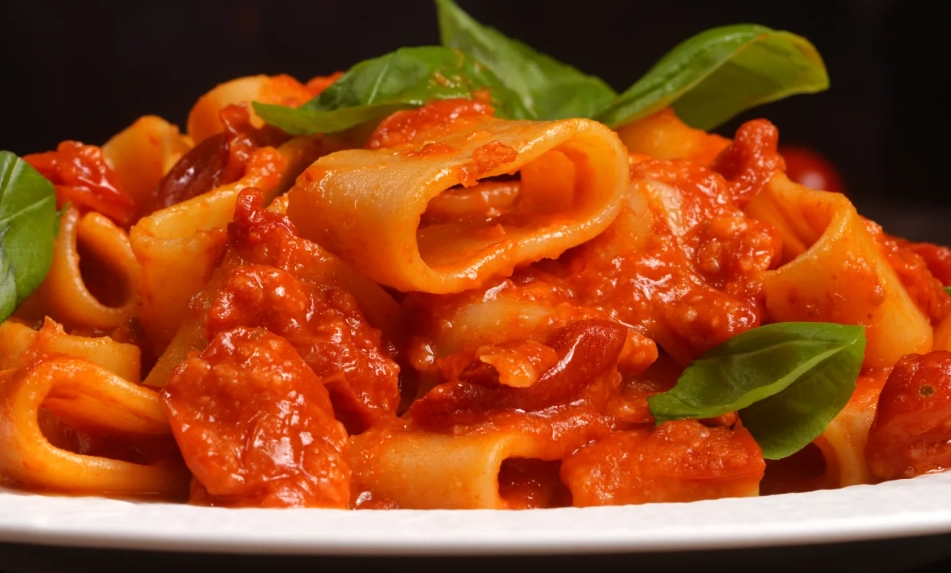
Soffritto: Finely, finely diced onion, carrot, and celery. We're talking a 1-2 hour slow cook in butter (and sometimes oil) until they melt into a sweet, fragrant base. No browning.
Meat & Milk: Add the meat and let it lose its pink color, then pour in a cup of whole milk. Let it simmer away completely. This step tenderizes the meat and prevents acidity.
Wine & Tomato: After the milk, add white wine (not red!). Let it evaporate. Then add a small amount of tomato passata (strained puree) or paste diluted with broth. This is not a red sauce.
Time: Add hot beef or chicken broth to cover, then simmer on the lowest possible heat for at least 3 hours, partially covered. Stir occasionally. It should be thick, rich, and dark brownish-red. Season with salt and pepper at the very end.
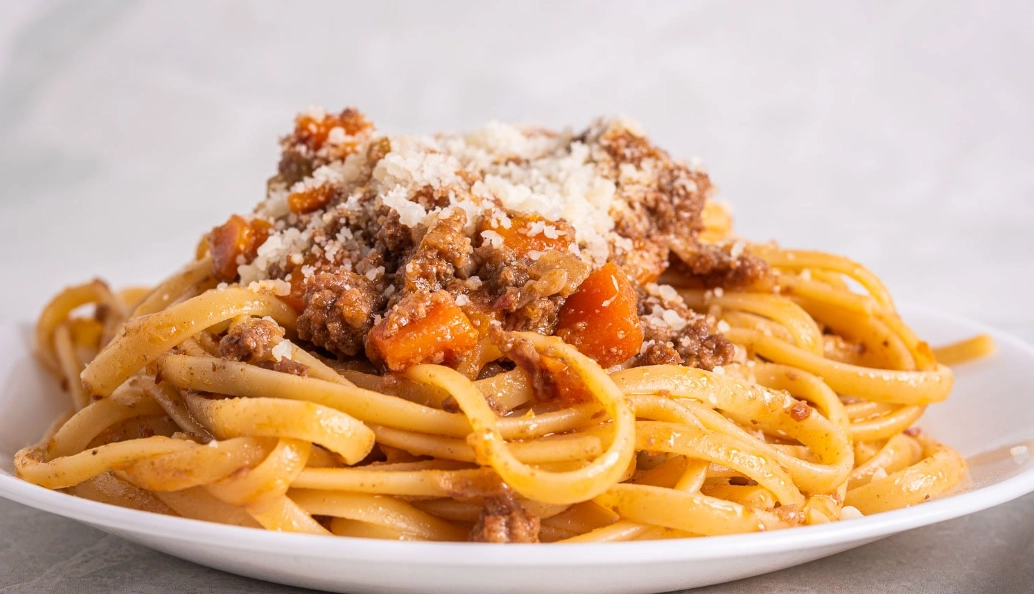
Serve it with tagliatelle, not spaghetti. The wide, flat noodles catch the chunks of meat perfectly. And for heaven's sake, don't drown the pasta. It's a condiment, not a soup.
The Green Goddess: Pesto alla Genovese
Pesto means "pounded." Originally, it was made in a marble mortar with a wooden pestle. This isn't just tradition; it makes a better sauce. The crushing action bruises the basil, releasing its oils without turning it black, and emulsifies the ingredients into a creamy, cohesive paste. A food processor chops and heats, which can lead to a bitter, separated pesto.
If you must use a processor, do it right: pulse the garlic, pine nuts, and coarse salt first. Add the basil and pulse with the oil just until chopped. Transfer to a bowl and stir in the cheese by hand. Never let the processor run continuously.
Key Ingredients: Young, sweet Genovese basil. European pine nuts (to avoid "pine mouth"). Aged Parmigiano-Reggiano and Pecorino Sardo (not the sharper Romano). Mild extra-virgin olive oil.
Toss it with hot pasta and a splash of the starchy cooking water. Never cook pesto in a pan; the heat destroys the fresh flavor.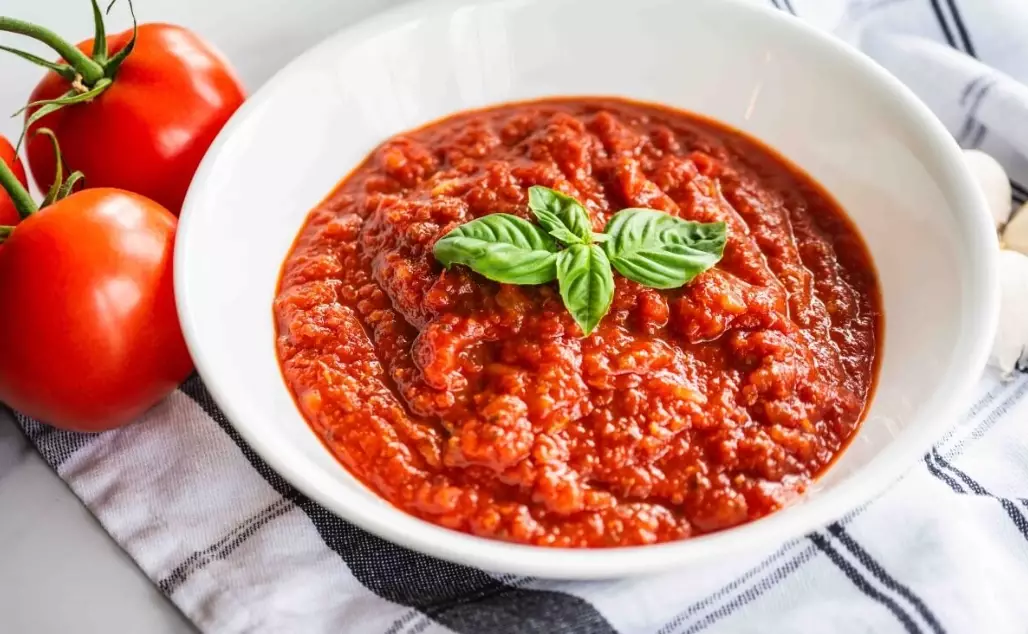
The Creamy Illusion: Sauce for Carbonara & Alfredo
These are "emulsion" sauces. Their creaminess comes from emulsifying fat (egg yolk, cheese, pasta water) or cheese and butter, not from cups of heavy cream.
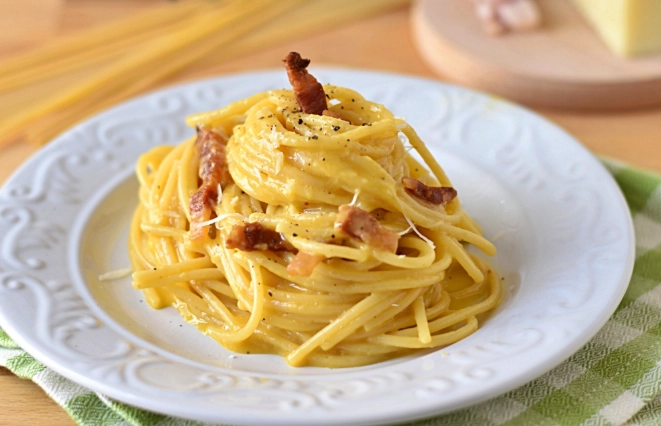
Real Carbonara has four ingredients: guanciale (cured pork cheek), Pecorino Romano cheese, eggs (whole or yolks), and black pepper. No garlic, no onion, no cream. The trick is to mix the hot pasta with the crispy guanciale and its fat, then quickly toss in the beaten egg/cheese mixture off the direct heat. The residual heat cooks the eggs into a silky sauce. Add pasta water to loosen it. Using direct heat scrambles the eggs.
Real Fettuccine Alfredo, as created in Rome, is even simpler: fresh fettuccine tossed with an excessive amount of butter and Parmigiano-Reggiano, along with starchy pasta water. The agitation creates a creamy, cheesy emulsion. The American version with cream is a different, heavier beast altogether.
5 Common Pitfalls (& How to Fix Them Forever)
- Using Jarred, Pre-Minced Garlic. It often contains preservatives and has a harsh, bitter flavor. Fresh garlic, sliced or lightly smashed, is infinitely better.
- Not Salting Your Pasta Water Enough. The water should taste like the sea. This is the only chance to season the pasta itself. Under-salted pasta is bland, no matter how good your sauce is.
- Draining All the Pasta Water. That starchy, salty water is liquid gold for finishing your sauce. It helps bind the sauce to the pasta. Always reserve a cup before draining.
- Rinsing the Pasta After Cooking. You wash away the starch that helps the sauce cling. Never, ever do this.
- Letting the Sauce Sit on the Pasta for Too Long Before Serving. Pasta continues to absorb liquid. If you sauce it all and let it sit, it becomes a sticky, dry mess. Sauce it just before serving, or better yet, finish cooking the pasta in the sauce with a splash of pasta water.
Your Sauce Questions, Answered
 Can I make authentic Italian pasta sauce ahead of time and freeze it?
The journey to a great Italian pasta sauce recipe isn't about finding one magic trick. It's about understanding a few core principles—building flavor layers, choosing quality ingredients, and giving the process the time it demands. Start with the simple sugo. Master it. Then move to the ragù. Your pasta nights will never be the same.
Related Articles
Easy Italian Sausage Recipes for a Delicious Dinner | Quick & Flavorful
The Best Pasta Carbonara Recipe: Authentic Roman Secrets Revealed

When going on a long vacation, are electric cars really more "cowardly" than fue
Easy Italian Baked Dishes Recipes: Effortless Family Dinners
Authentic Italian Cream Cake Recipe: Moist, Nutty & Irresistible