Authentic Italian Eggplant Recipes: From Parmigiana to Caponata
Your Guide to Eggplant Mastery
Let's talk about eggplant. You know, that gorgeous, deep purple vegetable that can be either the star of the show or a total kitchen disaster. I've had my share of both. There was that one time I ended up with a mushy, bitter mess that even my dog sniffed and walked away from. But then, there are those moments when you get it right – when the eggplant transforms into something creamy, smoky, and utterly divine. That's the magic we're after, and honestly, no one does that magic better than Italian cooks.
Italian eggplant recipes are a world unto themselves. They're not just about throwing cheese and tomato sauce on something. They're about technique, respect for the ingredient, and understanding how to coax out its best qualities. Whether it's the iconic, baked-to-perfection Eggplant Parmesan (Melanzane alla Parmigiana), the sweet-and-sour symphony of a Sicilian Caponata, or the simple elegance of Pasta alla Norma, these dishes are staples for a reason. They're soul-satisfying.
But here's the thing I learned the hard way: you can't just follow the recipe line by line and expect magic. You need to know why you're salting the eggplant, how to choose the right one at the store, and what cooking method works best for your goal. This isn't a rigid science project; it's more like guided intuition. So, grab an espresso (or a glass of wine, I won't judge), and let's dig into everything you need to master authentic Italian eggplant recipes.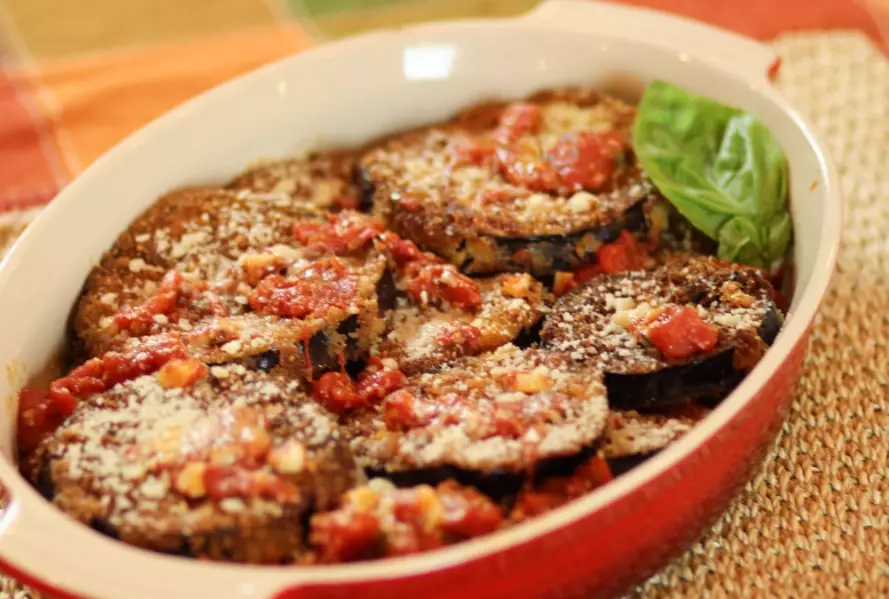
First Things First: Getting to Know Your Eggplant
It all starts at the market. Picking the right eggplant is arguably more important than the cooking itself. A young, fresh eggplant is sweet and almost seedless. An old, overgrown one? That's where the bitterness and tough seeds come from, the very things that give eggplant a bad name.
You might see a few different varieties. The big, dark purple globes are most common and great for dishes like Parmigiana where you need big slices. The longer, thinner Italian or Japanese eggplants often have fewer seeds and a more delicate skin, making them fantastic for grilling or sautéing. Then there are the beautiful, striped or white varieties you sometimes find at farmers' markets. They're fun to experiment with, but the classic purple ones are your reliable workhorses for most traditional Italian eggplant recipes.
And about those seeds and bitterness. This is the step everyone debates: to salt or not to salt? Old-school wisdom insists you must slice, salt heavily, weight down, and drain for an hour to pull out bitter juices. Modern cooks, and even some Italian nonnas I've spoken to, will tell you that with today's cultivated varieties, it's often unnecessary if you have a fresh eggplant.
My take? I still usually do it, but not primarily for bitterness. Salting and weighting (a process called "disgorging") pulls out water. And less water in the eggplant means it will absorb less oil when frying and get a better, crispier texture. So even if bitterness isn't your concern, texture is. For a dish like Eggplant Parmesan where you fry the slices, I'd never skip this step. For a ratatouille-style stew where it's going to break down anyway? You can probably get away without it.
The Crown Jewels: Essential Italian Eggplant Recipes
Okay, let's get to the good stuff. These are the dishes that define the genre. Mastering these will give you a fantastic repertoire.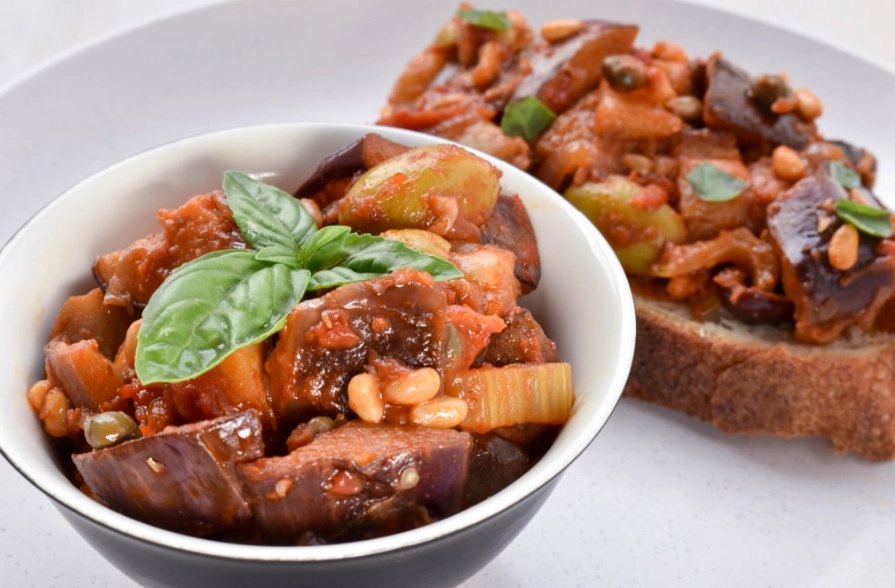
Eggplant Parmesan (Melanzane alla Parmigiana)
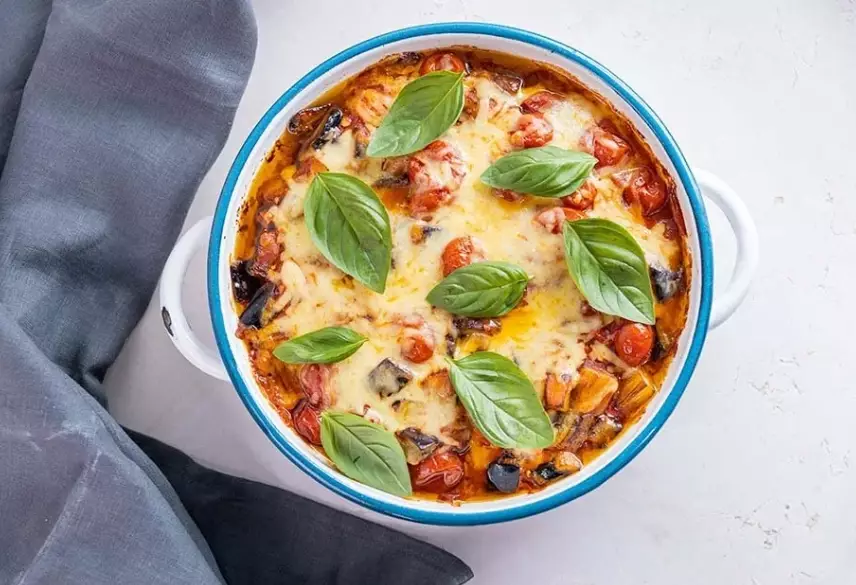
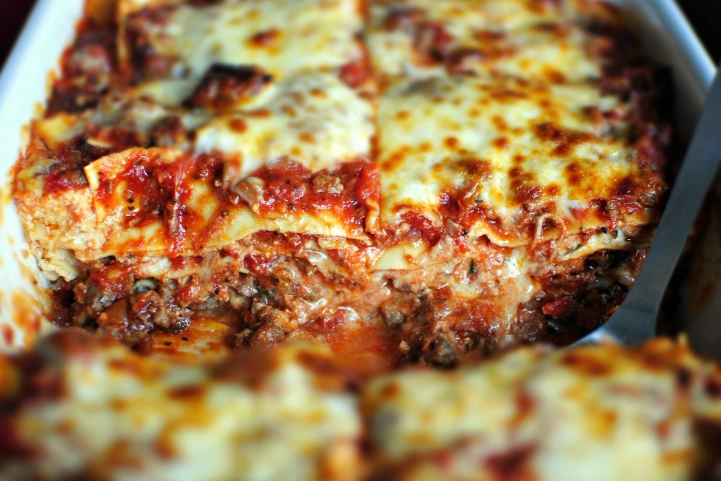
This is the heavyweight champion. Layers of fried eggplant, tomato sauce, mozzarella, Parmigiano-Reggiano, and basil, baked until bubbly and golden. It's comfort food heaven. But it's also a dish where shortcuts lead to a soggy, oily disappointment.
The key is in the fry. You want a light, crisp coating – often just a dredge in flour, then egg – and hot oil. Don't crowd the pan. Let them drain on paper towels. Some versions skip the frying and bake or grill the eggplant slices, which is a great lighter alternative, but let's be real, the fried version has a special kind of magic. For the sauce, keep it simple. A basic, well-simmered tomato sauce (passata or canned San Marzano tomatoes, garlic, basil, a pinch of salt) is perfect. You don't want a chunky, heavily herbed sauce competing with the eggplant.
Caponata
If Eggplant Parmesan is from the mainland, Caponata is the vibrant, complex voice from Sicily. It's a sweet-and-sour (agrodolce) vegetable relish or stew, with eggplant as the star, joined by celery, onions, tomatoes, capers, and olives, all brought together with a splash of vinegar and a touch of sugar. It's served at room temperature, and the flavors get better the next day.
The trick here is getting the right balance. Too much vinegar and it's pickled. Too much sugar and it's cloying. You want a harmonious back-and-forth between sweet, sour, salty (from the capers and olives), and the earthy richness of the fried eggplant. It's incredible on crusty bread, as a side for grilled fish, or even tossed with pasta. This is one of those Italian eggplant recipes that showcases how the vegetable can play in a complex, savory orchestra.
Pasta alla Norma
Named after the Bellini opera, this Sicilian pasta is a masterpiece of simplicity. Cubes of eggplant are fried until golden, then tossed with a vibrant tomato sauce, ricotta salata (a firm, salted ricotta cheese that's grated over the top), and fresh basil. That's it. But the textures and flavors are incredible: the creamy yet firm eggplant, the bright sauce, the sharp, salty kick of the cheese.
Ricotta salata is traditional and worth seeking out in a good cheese shop or Italian market. If you absolutely can't find it, a good quality feta or even a pecorino romano can work in a pinch, though the flavor profile changes. This dish is a weeknight winner that feels special.
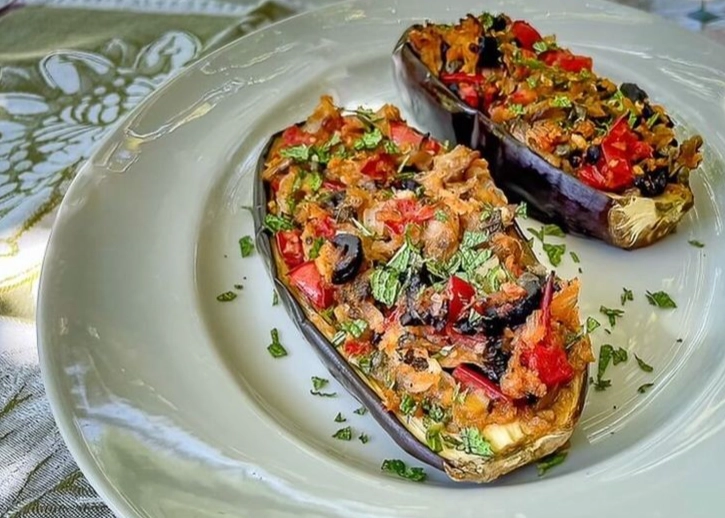
Beyond these big three, the world is your oyster. Stuffed eggplant (melanzane ripiene), grilled eggplant rolls (involtini), eggplant meatballs (polpette) for a vegetarian option... the list goes on.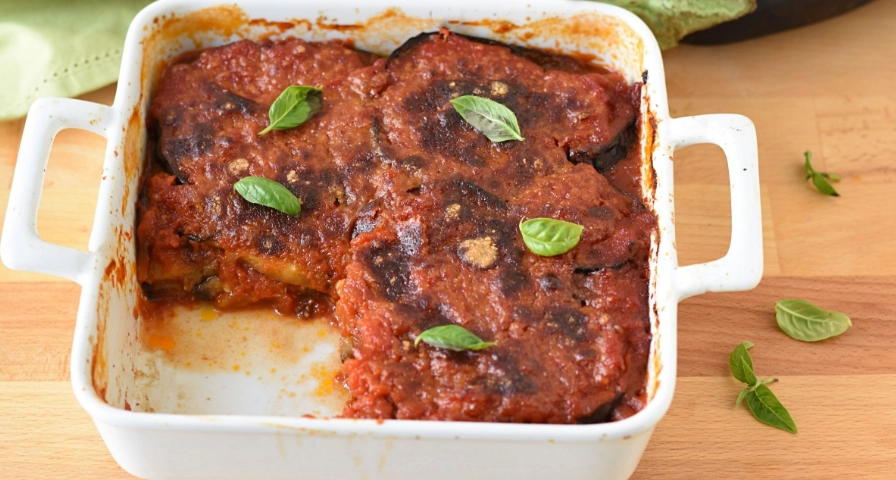
Your Toolbox: Cooking Methods Demystified
How you cook the eggplant dramatically changes the outcome. It's not just about following a recipe's instruction to "sauté"; it's about knowing what that method delivers.
| Method | Best For | Key Technique & Outcome | Watch Out For |
|---|---|---|---|
| Frying | Parmigiana, topping pasta, appetizers | High heat, don't overcrowd. Creates a crisp exterior and tender, creamy interior. The classic texture. | Oil absorption. Use enough oil (shallow or deep fry), make sure it's hot (a breadcrumb should sizzle), and salt the slices after frying to help them release some oil. |
| Grilling / Broiling | Salads, sandwiches, lighter Parmigiana, side dishes | Brushing with oil, getting nice char marks. Smoky flavor, firm texture. A healthier alternative. | Drying out. Slice evenly, brush with oil, and don't walk away! They can go from perfect to burnt quickly. |
| Roasting / Baking | Dips (like baba ghanoush), soups, incorporating into sauces | Whole or halved, often at high heat until collapsed. Concentrates sweetness, yields incredibly soft, scoopable flesh. | Undercooking. A roasted eggplant should be utterly collapsed and soft all the way through. This can take longer than you think. |
| Sautéing / Stir-frying | Pasta sauces (like alla Norma), ratatouille, stir-fries | Medium-high heat, cubed, in a single layer to brown. Quick, gives good color and caramelization while keeping shape. | Steaming instead of browning. Too much eggplant in the pan lowers the temperature and makes it steam. Cook in batches if needed. |
I'm a huge fan of roasting for certain applications. Want an unbelievably silky, smoky base for a pasta sauce? Prick a whole eggplant a few times, roast it at 400°F (200°C) until it's completely soft and the skin is charred, about 45-60 minutes. Let it cool, scoop out the flesh, and chop it. It melts into a tomato sauce, adding a deep, complex richness you just can't get from frying. It's a different beast, but equally wonderful.
Answering Your Eggplant Questions (The FAQ Bit)
Over the years, I've gotten the same questions from friends and readers. Here are the real-world answers.
Bringing It All Home: A Simple Roadmap to Start
Feeling overwhelmed? Don't be. Start with one dish. I'd suggest Pasta alla Norma—it's relatively quick and teaches you the basics of frying eggplant cubes.
1. Pick one firm, glossy eggplant.
2. Cube it, salt it, let it drain for 30 minutes. Rinse and pat bone-dry.
3. Heat a good glug of olive oil in a pan until shimmering.
4. Fry the cubes in batches until golden brown on all sides. Remove to paper towels.
5. In the same pan, make a quick tomato sauce (garlic, canned tomatoes, simmer 10 min).
6. Cook your pasta (rigatoni or spaghetti are classic).
7. Toss the pasta with most of the sauce, fold in the fried eggplant.
8. Plate, top with more sauce, grated ricotta salata (or feta!), and fresh basil.
That's it. You've just made a classic. Taste it. Notice the texture of the eggplant, how it holds its shape but is creamy inside. See how the salty cheese plays off the sweet tomato and earthy vegetable.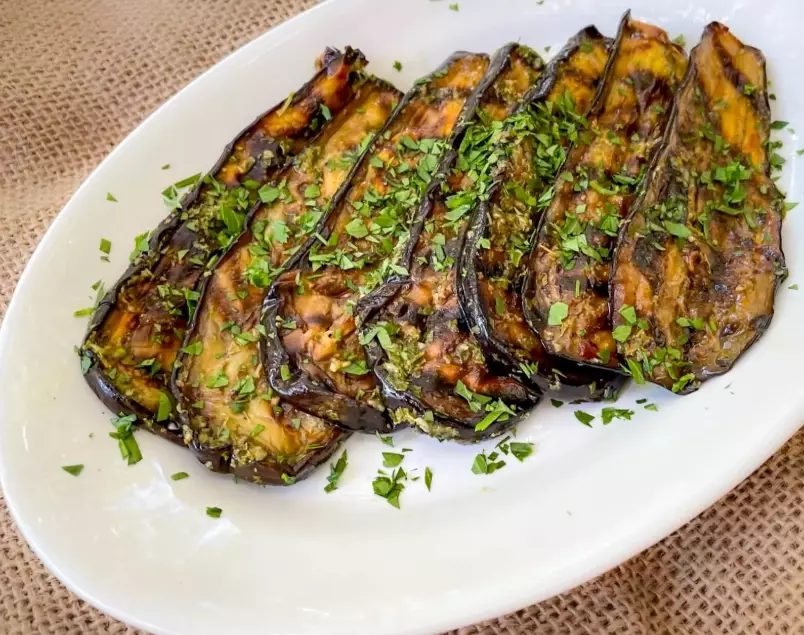
From there, the world of authentic Italian eggplant recipes is open to you. Try a baked, lighter version of Parmigiana. Get adventurous with a big batch of Caponata for a summer party. The principles are the same: respect the eggplant, treat it right in the prep, and choose your cooking method with intention.
Italian cooking, at its heart, is about celebrating a few good ingredients. Eggplant, when treated with a little know-how, is more than good enough to be the center of that celebration. It's a vegetable that rewards patience and technique. And honestly, isn't that part of the joy of cooking? Turning something humble into something spectacular. Now, if you'll excuse me, all this talk has made me crave a plate of Melanzane alla Parmigiana. I think I know what I'm making for dinner.
For those interested in the deep culinary traditions behind these dishes, organizations like Slow Food International work to preserve authentic Italian foodways and are a fascinating resource for any food lover.
Related Articles
Authentic Italian Chicken Breast Recipes: Fast, Healthy & Flavorful Dinners
Hearty Italian Sausage Soup Recipe: Easy & Flavorful Comfort Food
Traditional Italian Baked Ziti Recipe: Authentic Step-by-Step Guide
Ultimate Guide to Homemade Italian Sausage Recipe (Sweet & Spicy)
Ultimate Vegetarian Pasta Recipes: Flavorful & Easy
What Are the Most Popular Italian Appetizers? A Complete Guide to Antipasti

What is the dispute over the open and closed source of large models?
Authentic Italian Dinner Recipes & Essential Secrets Explained
Italian Cream Cake Recipe: A Southern Classic with Italian Flair
Authentic Italian Recipes: Your Ultimate Guide to Mastering Classics at Home

What Side Dishes to Serve with Sausage? 15 Perfect Pairings & Recipes
Authentic Italian Cuisine Recipes: From Classics to Regional Secrets
Authentic Italian Cheesecake Recipe: Creamy Ricotta Dessert Guide

The "big test" for joint venture car companies has arrived
Authentic Italian Chicken Recipes: From Classics to Modern Twists
Pasta Italian Dressing Salad Recipes: The Ultimate Guide
Make-Ahead Italian Appetizers: Stress-Free Recipes & Tips for Any Gathering
Mastering Italian Fish Recipes: From Classic to Coastal

The global economy has ushered in a remarkable transformation after the new crow
Italian Meatloaf Recipe: The Ultimate Comfort Food Guide

Sausage Dinner Ideas: What Meals Can I Make with Sausages?
A Guide to Italy's Classic Dishes: Pasta, Pizza & More
Italian Lasagna Recipe: Authentic Homemade Lasagna Guide
Real Italian Salad Recipes: Authentic Classics & Modern Twists
Discover the Best Non-Alcoholic Italian Drinks: From Aperitivo to Digestivo
Ultimate Guide to Spaghetti Pasta Recipes: Easy, Authentic & Creative

Authentic Italian Zeppole Recipe: Easy Homemade Fried Dough Guide

Perfect Pairings: What to Serve with Italian Sausage for Dinner
Ultimate Guide to Best Italian Appetizer Recipes for Any Occasion
Leave a Comment