Easy Crusty Italian Bread Recipe: Homemade Ciabatta & Focaccia
Quick Navigation
Let's be honest. That perfect loaf of crusty Italian bread from the bakery feels like magic. You crack through that shattering, almost glass-like crust to find a chewy, hole-riddled interior with that distinct, slightly tangy wheat flavor. It seems impossible to recreate at home without a stone hearth oven and years of training. I thought so too, for the longest time. My early attempts were... well, they were edible bricks. Dense, pale, and sad. But after more burnt loaves and flat focaccias than I care to admit, I cracked the code. And guess what? The core crusty italian bread recipe principles are simpler than you think. It's not about fancy equipment; it's about understanding a few key things: water, time, and heat.
This guide is for you if you're tired of soft, supermarket "Italian" bread and want the real deal. We're going to demystify the process. I'll walk you through a foundational recipe that works, explain the why behind every step (because knowing why helps you fix things when they go wrong), and then show you how to branch out into classics like ciabatta and focaccia. You'll also get my hard-earned list of mistakes to avoid – consider it learning from my kitchen disasters so you don't have to have your own.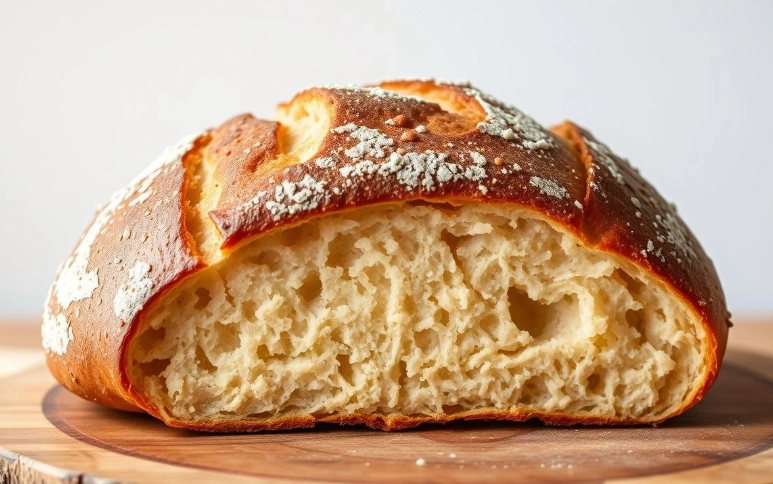
The Foundation: A Master Dough for Crusty Italian Bread
Most iconic Italian breads share a common DNA: high hydration (that means a lot of water), simple ingredients, and a slow fermentation. This master dough is your starting point. It's forgiving and teaches you the feel of the dough.
What You'll Need (The Short List)
- Bread Flour (500g): Higher protein than all-purpose. This is non-negotiable for that chewy structure. King Arthur Bread Flour is my reliable go-to. Their resources on flour protein are incredibly helpful if you're diving deep.
- Water (360g, lukewarm): That's 72% hydration. It will feel sticky and shaggy. This is good! Water creates steam, and steam creates crust.
- Fine Sea Salt (10g): Don't use coarse kosher here; the measurement will be off. Salt controls yeast activity and strengthens gluten.
- Instant Yeast (4g) or Active Dry Yeast (5g): A tiny amount. We're going slow for flavor.
- Optional: Poolish or Biga: This is a pre-ferment. Mix 100g of the flour and 100g of the water with a pinch of yeast the night before. Let it sit at room temperature for 12-16 hours until bubbly. Use this instead of part of the flour and water in the main dough. It adds incredible flavor and improves the crumb. Seriously, try it once and you'll never go back.
See? Just four ingredients. The magic isn't in the list; it's in the process.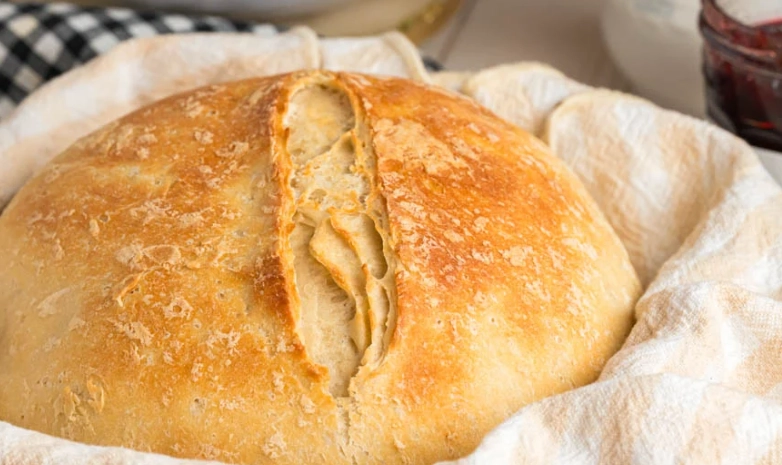
The Step-by-Step: Patience is Your Secret Ingredient
1. Mixing (The 5-Minute Shaggy Mass): Whisk the flour, salt, and yeast in a big bowl. Pour in the water (and your poolish, if using). Mix with a sturdy spoon or your hands until there's no dry flour. It will look messy, lumpy, and unpromising. This is perfect. Cover the bowl with plastic wrap. Walk away for 30 minutes. This is the autolyse (fancy word for rest). It lets the flour absorb water and starts gluten development on its own, making kneading easier.
2. "Kneading" (It's Mostly Folding): After 30 minutes, wet your hand (to prevent sticking), grab one side of the dough, stretch it up, and fold it over the center. Turn the bowl a quarter turn and repeat. Do this 4-5 times around the bowl. This is your first set of "stretch and folds." It builds strength without the arm workout of traditional kneading. Cover again.
3. Bulk Fermentation (The Flavor Builder): Over the next 2 to 3 hours, perform 3 more sets of stretch and folds, spaced about 45 minutes apart. In between, just let the dough sit, covered, at room temperature. You'll see it gradually become smoother, airy, and jiggly. Time and yeast are doing the work.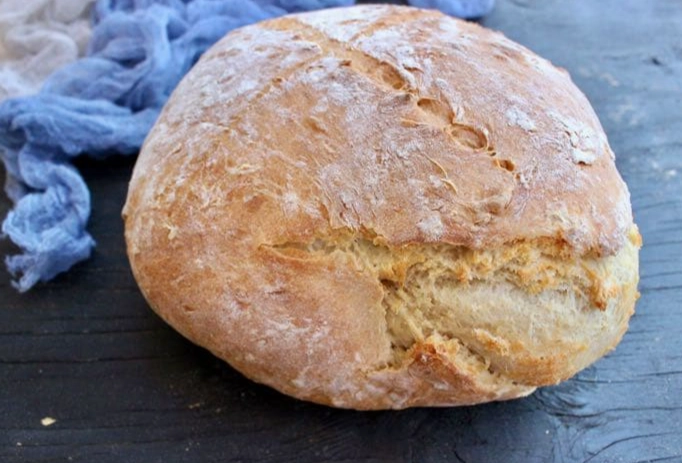
4. Shaping & Final Proof: Gently dump the dough onto a lightly floured surface. Don't punch it down! You want to preserve those gas bubbles. For a basic round loaf (pagnotta), fold the edges into the center to create surface tension, then flip it seam-side down and gently cup and rotate it to form a tight ball. For a batard (oval loaf), shape it into a log. Place it seam-side up in a floured proofing basket (banneton) or a bowl lined with a heavily floured kitchen towel. Cover and let it rise for another 1 to 1.5 hours. Alternatively, you can stick it in the fridge overnight. This cold proof develops even more complex flavor and makes the dough easier to score.
5. Baking (Where the Crust is Born): This is the most critical phase. Place a Dutch oven or a heavy, lidded pot (like a combo cooker) inside your oven. Preheat the oven to 450°F (230°C) for a full hour. The pot needs to be screaming hot. Carefully take the hot pot out, remove the lid. Turn your proofed dough into the pot so the seam side is now down (it becomes the bottom). It will sizzle – that's the sound of crust forming.
Score the top of the dough with a sharp razor blade or lame about ¼ inch deep. This gives the expanding dough a controlled place to expand. Put the lid back on and bake for 25 minutes. The lid traps the steam released from the dough, creating a moist environment for maximum oven spring and that glossy, crackly crust. After 25 minutes, remove the lid. The loaf will be pale but puffed. Bake for another 20-25 minutes, uncovered, until it's deeply, gloriously golden brown. An internal thermometer should read at least 208°F (98°C).
6. The Crucial Wait: I know it's hard. But let the loaf cool completely on a wire rack, for at least 2 hours. The interior is still cooking from residual heat, and cutting it early releases steam, making the crumb gummy. Trust me on this.
Beyond the Basic Loaf: Ciabatta and Focaccia
The master dough is your workhorse. With slight tweaks, it becomes other classics.
Ciabatta: The Hole-y Grail
Ciabatta means "slipper," named for its shape. It's defined by its extremely wet dough (often 75-80% hydration) and huge, irregular holes. To adapt our master crusty italian bread recipe for ciabatta:
- Increase water to 400g (80% hydration). The dough will be more like a thick batter. Use a bowl scraper and wet hands.
- Minimal handling. More stretch and folds are crucial to develop strength without degassing it. Do 4-5 sets during bulk fermentation.
- No tight shaping. After the final proof, gently pour the dough onto a heavily floured surface. Cut it into rectangles with a bench scraper. Use the scraper to lift and transfer them to a parchment-lined baking sheet. Don't try to shape them; you want to keep those bubbles intact.
- Bake on a preheated baking stone or steel if you have one, with steam (toss ice cubes into a preheated pan at the bottom of the oven).
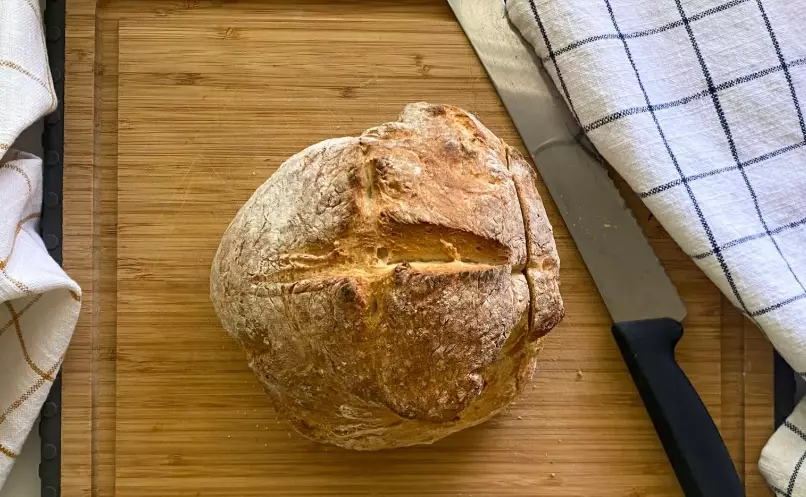
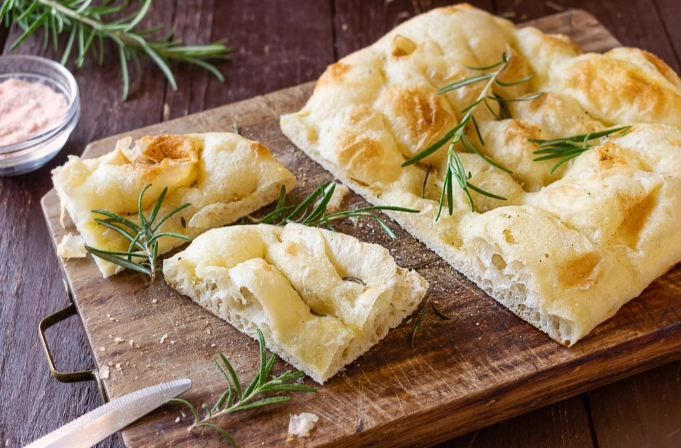
Focaccia: The Flavor Canvas
Focaccia is essentially a flat, dimpled, and oiled bread. It's the perfect beginner-friendly crusty italian bread recipe because there's no tricky shaping.
- Add 50g of olive oil to the dough during mixing. This enriches it and keeps it tender.
- After bulk fermentation, pour the dough into a well-oiled half-sheet pan (13x18 inches). Use oiled fingers to gently stretch it to fit. Don't force it; let it relax for 10 minutes and stretch again if needed.
- Let it proof, right in the pan, until puffy (about 45-60 mins).
- Now, the fun part: dimple it! Press your oiled fingertips straight down all over the dough, creating deep wells. Pour more good olive oil into these dimples. Top with flaky salt, rosemary, sliced olives, or cherry tomatoes.
- Bake at 425°F (220°C) for 20-25 minutes until golden all over. The bottom should be crisp.
The Science of the Crust (And How to Nail It Every Time)
Why does the Dutch oven method work so well? It's all about replicating a professional baker's steam-injected oven. Steam in the first phase of baking keeps the dough surface flexible, allowing for maximum oven spring (the final rapid rise). It also gelatinizes the starches on the surface, which then dry out and crisp up into that signature crust in the dry heat of the second phase.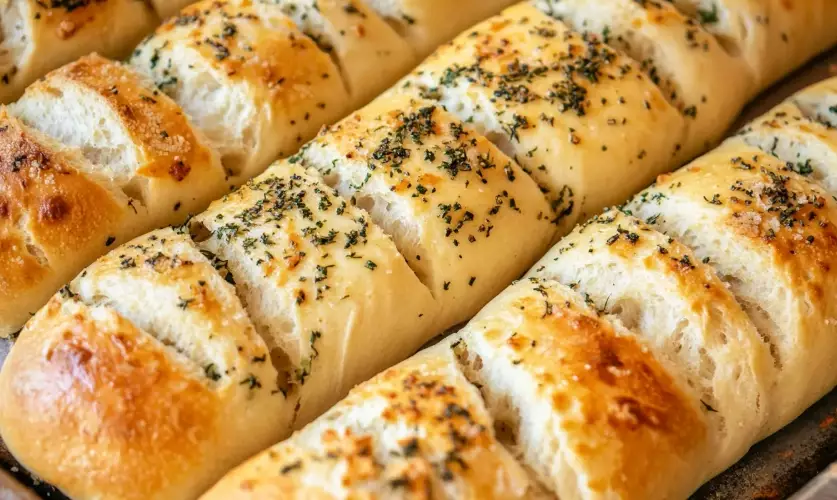
If you don't have a Dutch oven, you can create steam:
- Place a heavy, empty metal baking tray on the bottom rack while preheating.
- When you load your bread (on a stone or sheet pan above), carefully pour 1 cup of boiling water into the hot tray. Shut the oven door quickly to trap the steam.
- Be careful – this method creates a lot of steam fast.
Another factor is heat. Your oven must be fully preheated. An oven thermometer is a cheap and essential tool. Many home ovens run 25 degrees cold, which can lead to pale, soft bread.
Your Top Crusty Italian Bread Questions, Answered
Here are the things that kept me up at night when I started. Let's clear them up.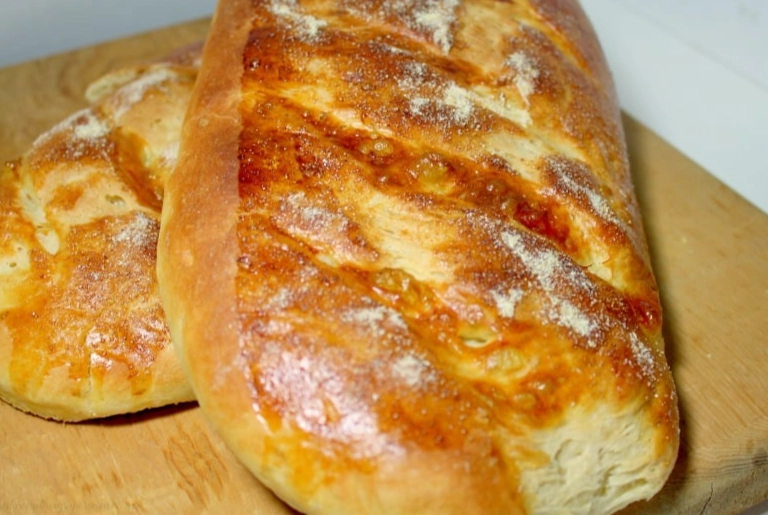
Why is my bread dense and not holey?
This is the #1 question. Usually, it's one of three things: 1) Over-proofing or Under-proofing (the yeast exhausted itself or didn't produce enough gas). Get to know the look and feel of a properly proofed dough – jiggly and full of air. 2) Using bleached all-purpose flour or flour with low protein. You need the strong gluten network of bread flour to trap gas. 3) Handling the dough too roughly after fermentation, knocking out all the precious bubbles.
My crust is hard but not "crackly" or shiny. What's wrong?
You likely didn't have enough steam in the initial baking phase, or your oven wasn't hot enough. The Dutch oven method solves this perfectly. Also, ensure you're baking long enough in the uncovered phase for deep color.
Can I use all-purpose flour?
You can, but the results will be different. The lower protein content means a weaker gluten structure, so your bread might not rise as high or have as chewy a crumb. It'll still be tasty, but more like a rustic country loaf than a high-spring ciabatta. For a true crusty italian bread recipe, bread flour is worth seeking out.
How do I store it to keep the crust crusty?
This is the eternal struggle. The crust softens as it absorbs moisture from the air and the crumb. Never store bread in the fridge – it accelerates staling. Once completely cool, store it cut-side down on a wooden board or in a paper bag for a day. For longer storage, slice and freeze it in a zip-top bag. Reheat frozen slices directly in a toaster or a 350°F oven for 5-10 minutes to revive the crust.
My dough is a sticky, unmanageable mess. Help!
Welcome to high-hydration dough! This is normal. Use wet hands or a wet dough scraper when handling it. Resist the urge to add more flour during mixing; that will change the hydration and make the bread denser. As you do stretch and folds, you'll feel it transform from a shaggy mess into a smooth, cohesive, albeit sticky, ball. It's a leap of faith, but trust the process.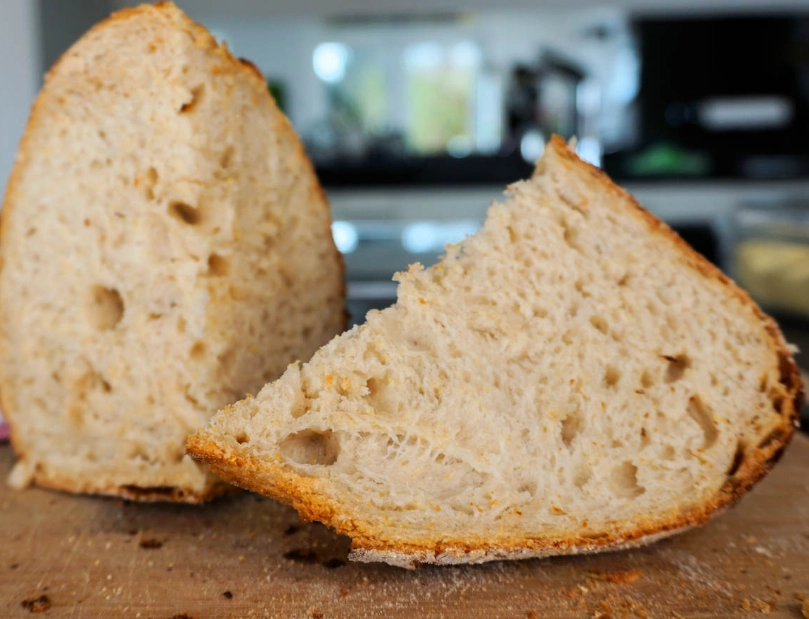
Common Pitfalls & How to Avoid Them
Let's look at this in a simple table. I've made most of these mistakes so you don't have to.
| The Problem | Likely Cause | The Simple Fix |
|---|---|---|
| Pale, Soft Crust | Insufficient steam, oven not hot enough, baked too briefly. | Use a Dutch oven. Preheat fully for 1 hour. Bake until deeply golden brown (internal temp 208°F+). |
| Dense, Gummy Crumb | Cut into the loaf while still hot. Under-baked. | Let it cool completely (2+ hours). Verify internal temperature. |
| Bread Spreads Flat | Dough is under-developed (needs more strength) or over-proofed (lost all structure). | Ensure enough stretch & folds. Watch proofing time/temp. Shape with more surface tension. |
| Yeasty or Sour Taste | Over-proofed (too warm/too long). | Use less yeast or proof at a cooler temperature (like in the fridge). |
| No Oven Spring (Doesn't rise in oven) | Dough is over-proofed and exhausted. Or, scoring was too shallow. | Shorten final proof time. Score decisively, about 1/4" deep. |
Baking is a skill learned through practice. Your first loaf might not be perfect, but it will be homemade, and it will be miles better than anything plastic-wrapped. Each time you bake, you'll learn something new about how the dough feels and behaves in your kitchen.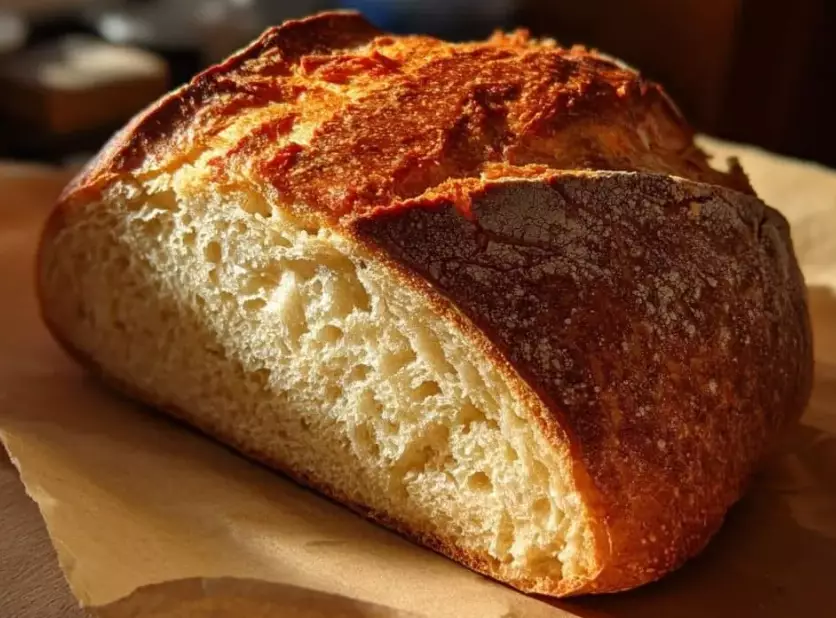
The real joy of this crusty italian bread recipe journey isn't just the final product (though that's a big part of it). It's the process. The rhythmic folding, the anticipation of the proof, the incredible smell that fills your house, and the sheer satisfaction of pulling a beautiful, crackling loaf from your own oven. It connects you to a timeless tradition, and honestly, it's a pretty great way to impress your friends and family. Give it a try this weekend. Start with the master dough. Get your hands sticky. And get ready for the best toast of your life.
Related Articles
Ultimate Italian Recipes List: From Pasta to Desserts
5 Traditional Italian Dishes: Authentic Recipes & Where to Try Them
Italian Meatloaf Recipe: The Ultimate Comfort Food Guide
Simple Italian Sausage Dinners: Quick Recipes for Busy Nights

The scale of securities lending and securities lending has dropped by more than
Master Classic Italian Dishes: Recipes & Secrets from Pasta to Tiramisu
What Are the Most Popular Italian Appetizers? A Complete Guide to Antipasti

Italian Soup Recipe: Classic Minestrone & Hearty Ribollita Made Easy

The number has increased nearly fourfold in ten years, and the global digital ba

Easy Authentic Italian Minestrone Soup Recipe & Secrets

What Is Authentic Italian Food? A Guide to Regional Classics & Home Cooking
Authentic Italian Regional Recipes Guide: Cook from Source

Is Xiaomi Auto dumped?

Sudden good news! The RMB surged 300 points, 4,100 A-shares rose, and banks that
Authentic Italian Pasta Sauce Recipes: From Classic Tomato to Rich Ragù
Pasta Recipes: A Complete Guide from Beginner to Pro
Pasta Italian Dressing Salad Recipes: The Ultimate Guide
Master Italian Meatloaf: Authentic Family Recipe
Top 10 Italian Pasta Dishes: A Guide to Classics

The "half-year report" of the economy of 31 provinces is released: Inner Mongoli
Authentic Italian Dressing Recipe: Easy, Homemade & Better Than Store-Bought
Vegetarian Italian Recipes: A Complete Guide to Plant-Based Pasta & More
Authentic Italian Minestrone Soup Recipe: A Hearty Classic
Authentic Italian Dinner Recipes from Regional Cuisines
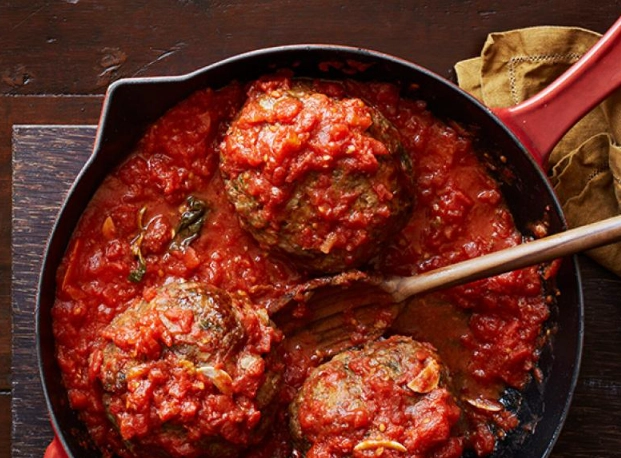
Master Italian Meatball Recipes: Secrets from Nonna's Kitchen
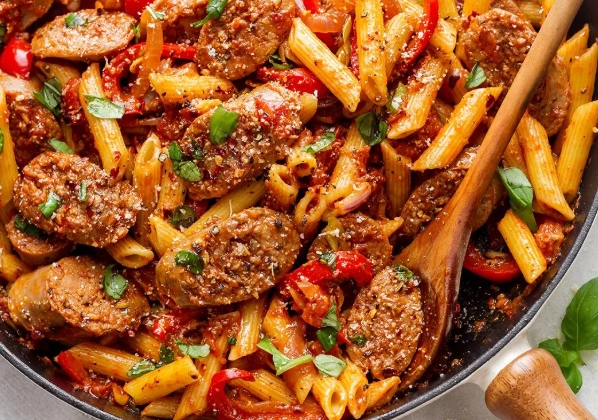
Italian Sausage Recipes: Easy Family Dinners in 30 Minutes
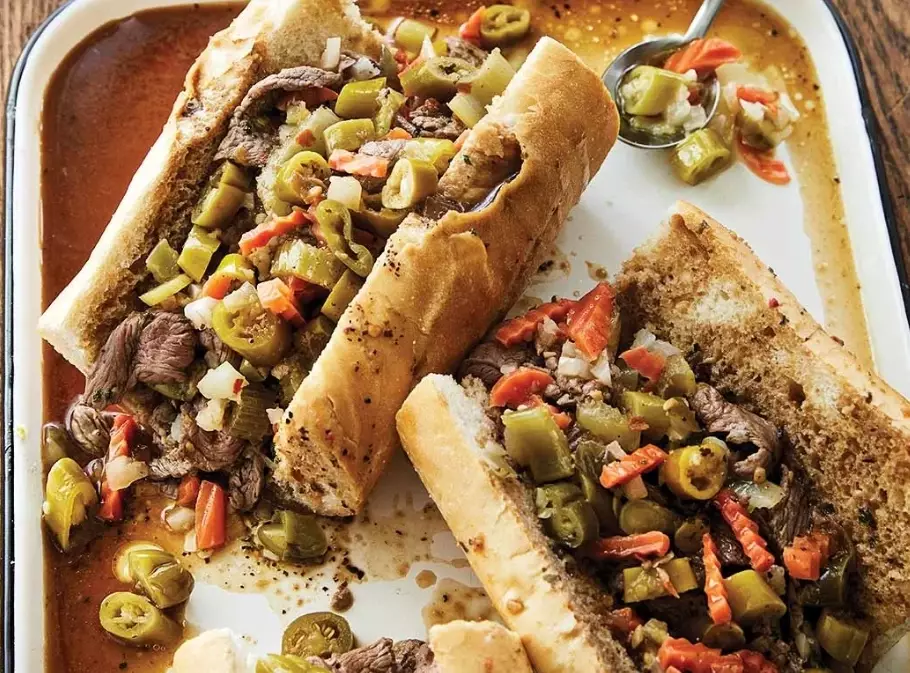
Authentic Italian Beef Recipe: Slow-Cooked Chicago-Style Sandwiches
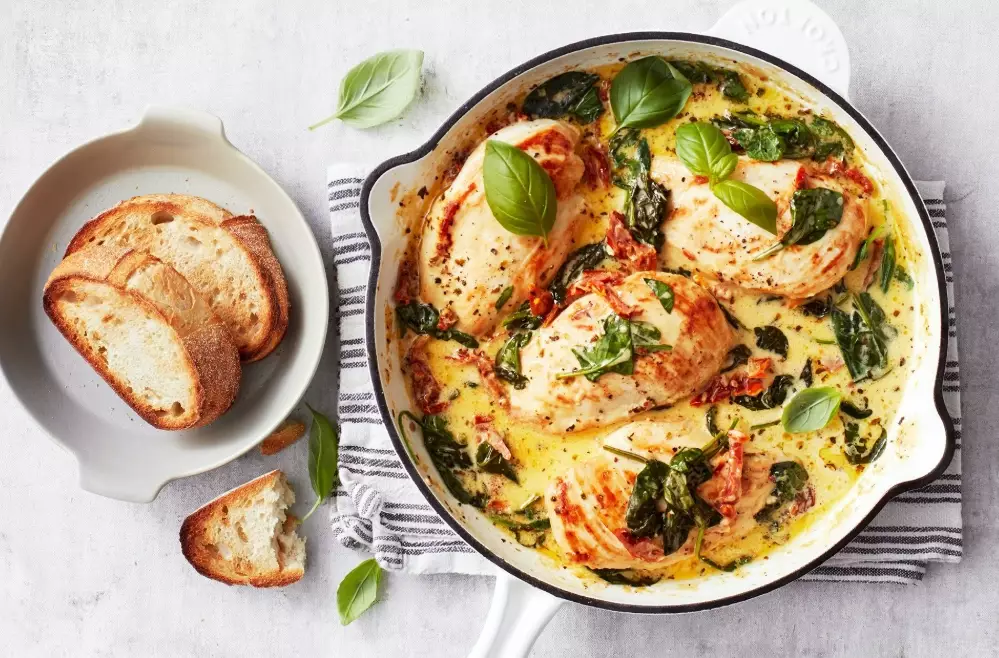
Authentic Italian Chicken Recipes: From Classic Pollo alla Cacciatora to Modern Favorites
Easy Creamy Italian Dressing Recipe (Better Than Store-Bought)

Leave a Comment