Classic Italian Bolognese Recipe: Master the Authentic Ragu
Let’s cut to the chase: a real Bolognese sauce isn’t what you get in a jar. It’s a slow-cooked, meaty ragù that takes time and patience. I learned this the hard way when I first tried to make it, rushing the simmer and ending up with something more akin to soup than sauce. But after years of tweaking—and a few trips to Italy—I’ve nailed down what makes a classic Bolognese truly Italian.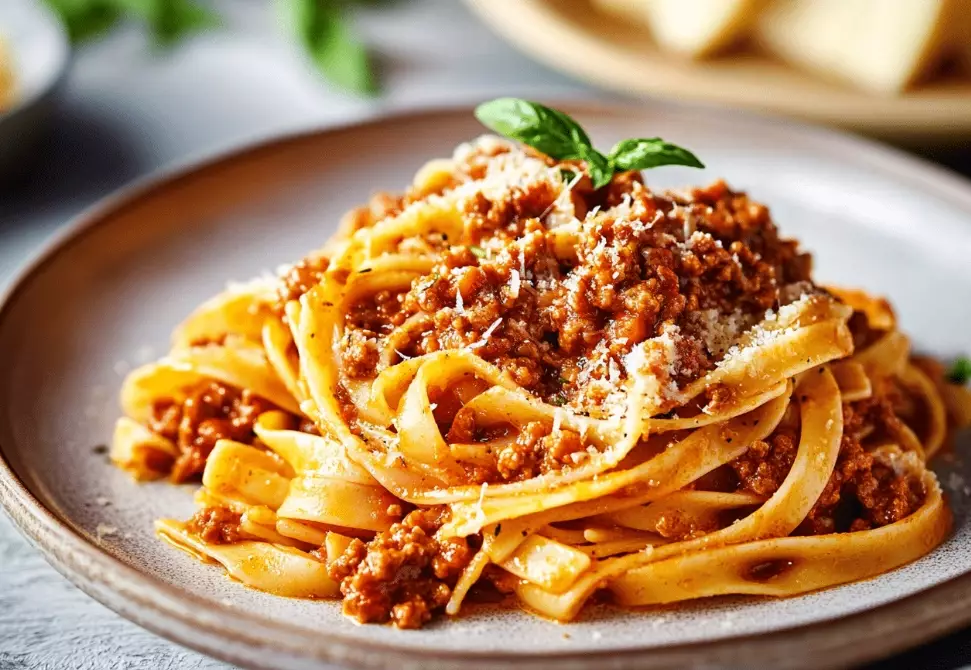
What You’ll Find in This Guide
The History and Essence of Authentic Bolognese
Bolognese sauce, or ragù alla bolognese, hails from Bologna, Italy. It’s not just a meat sauce; it’s a cultural icon. The Accademia Italiana della Cucina even registered an official recipe in 1982 to protect its integrity. That recipe specifies a mix of meats, slow cooking, and minimal tomatoes—contrary to what many outside Italy think.
I remember chatting with a local chef in Bologna who scoffed at the idea of adding herbs like oregano. “Carrots, celery, onion, wine, milk—that’s it,” he said. The milk might sound odd, but it’s crucial for tenderizing the meat and balancing acidity.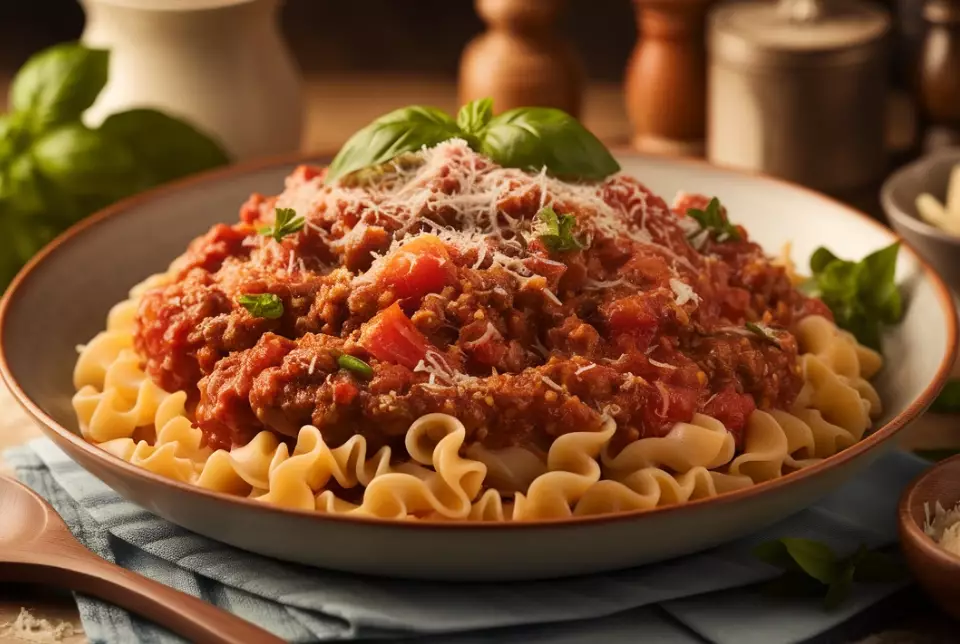
What Makes It "Classic"?
A classic Bolognese is defined by its texture and depth. It’s thick, rich, and clings to pasta without being overly saucy. The meat should almost melt into the sauce after hours of simmering. If it tastes like ground beef in tomato sauce, you’ve missed the mark.
Key takeaway: Authentic Bolognese is about slow transformation, not speed. The ingredients meld together over low heat, creating a complex flavor that can’t be rushed.
Ingredients: The Non-Negotiables for True Ragu
Using the right ingredients is half the battle. Here’s what you need—and why each matters.
- Meat: A mix of ground beef (250g) and ground pork (250g). Some recipes include veal, but pork adds fat and flavor. I once tried all-beef; it tasted flat.
- Pancetta: 50g, finely diced. This cured pork belly provides a salty, umami base. Don’t skip it.
- Soffritto: 1 carrot, 1 celery stalk, 1 onion, all finely chopped. This trio is the foundation of Italian cooking.
- Tomatoes: 200g of passata or crushed tomatoes. Yes, only a little! Bolognese isn’t a tomato sauce.
- Wine: 100ml of dry white wine (or red for a deeper tone). It deglazes the pan and adds acidity.
- Milk: 100ml of whole milk. Sounds weird, but it tenderizes the meat and adds creaminess.
- Broth: 200ml of beef or chicken broth, for simmering.
- Olive oil and butter: For sautéing. Butter adds richness.
- Salt and pepper: To taste.
Note: No garlic, no herbs. That’s the traditional way. If you add them, it’s not wrong—just not classic Bolognese.
Step-by-Step Cooking Guide: How to Make Bolognese Like a Nonna
This isn’t a quick recipe. Set aside 3-4 hours. The steps are simple, but patience is key.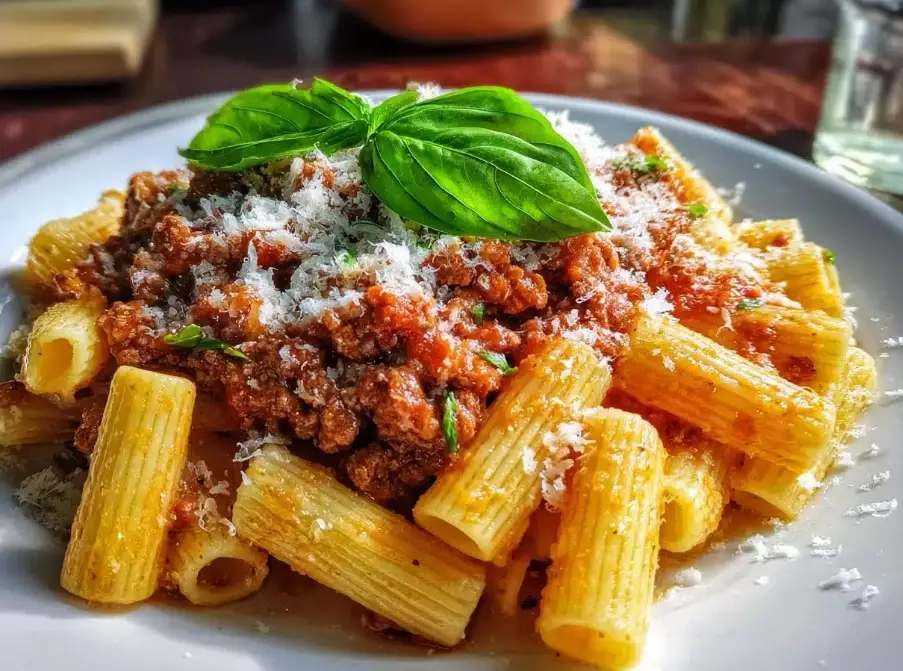
Step 1: Prepare the Soffritto
Finely chop the carrot, celery, and onion. The pieces should be tiny—almost minced. This ensures they dissolve into the sauce. Heat 2 tablespoons of olive oil and 1 tablespoon of butter in a large pot over medium heat. Add the soffritto and cook for 10 minutes, until soft and translucent. Don’t let it brown.
Step 2: Render the Pancetta
Add the diced pancetta to the pot. Cook for another 5 minutes, until the fat renders and it becomes fragrant. This builds a flavor base.
Step 3: Brown the Meat
Increase the heat to medium-high. Add the ground beef and pork. Break it up with a spoon and cook until browned, about 8-10 minutes. Here’s where many go wrong: don’t just gray the meat; let it develop a crust. That brown fond at the bottom of the pot is gold for flavor.
Step 4: Deglaze with Wine
Pour in the white wine. Scrape the bottom of the pot to release those browned bits. Let it simmer until the wine evaporates, about 5 minutes. This cooks off the alcohol and leaves behind complexity.
Step 5: Add Tomatoes and Milk
Stir in the passata or crushed tomatoes. Then, add the milk. Yes, milk goes in now. It might look curdled at first, but it’ll smooth out. Bring to a gentle simmer.
Step 6: Simmer Slowly
Reduce the heat to low. Add the broth slowly—you might not need all of it. Cover partially and let it simmer for at least 2 hours, stirring occasionally. I aim for 3 hours. The sauce should thicken and darken. If it gets too dry, add a splash of broth or water.
Halfway through, I taste and adjust salt and pepper. That’s it. The sauce transforms from separate ingredients into a cohesive, velvety ragù.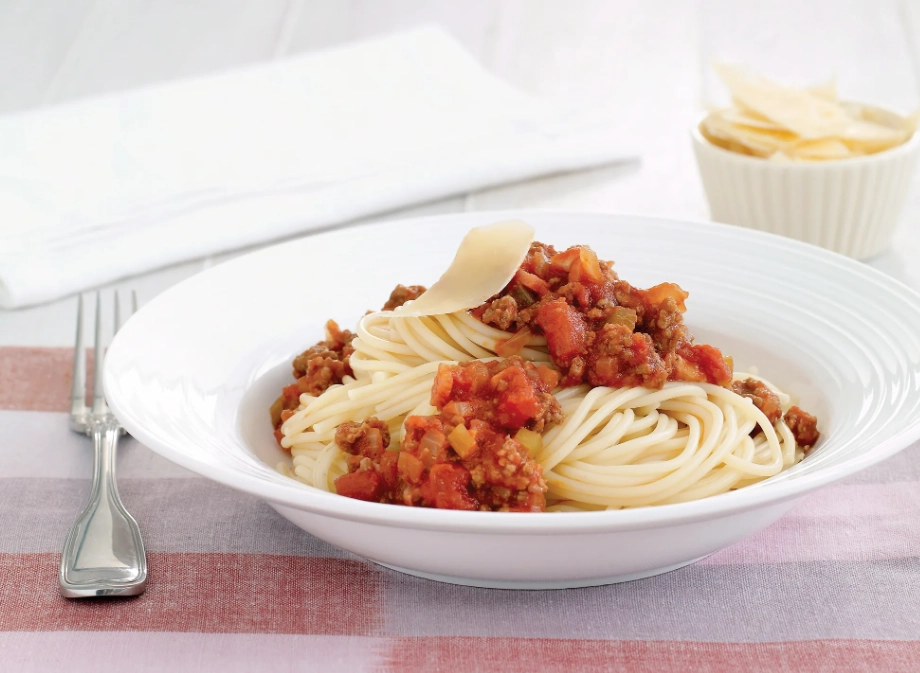
Personal note: I once tried to shortcut by simmering for only an hour. The sauce tasted good, but not great. The meat was still chewy. Low and slow is non-negotiable.
Common Mistakes and How to Avoid Them
Even with the right ingredients, things can go awry. Here are pitfalls I’ve seen—and made myself.
Mistake 1: Using lean meat. Fat equals flavor. Opt for ground beef with at least 15% fat. The pork should also have some fat. If you use extra-lean, the sauce can taste dry.
Mistake 2: Adding too much tomato. Bolognese is a meat sauce with tomato, not a tomato sauce with meat. Stick to 200g of tomatoes for 500g of meat.
Mistake 3: Rushing the simmer. This is the biggest error. If you don’t have time, make something else. Bolognese needs hours to develop depth. I’ve found that simmering for less than 2 hours yields a sauce that’s too acidic and thin.
Mistake 4: Skipping the milk. Milk might seem out of place, but it’s traditional. It tenderizes the meat and balances the acidity from the wine and tomatoes. If you’re lactose intolerant, you can omit it, but the texture might suffer.
Mistake 5: Using the wrong pasta. More on this below, but spaghetti isn’t ideal. Tagliatelle is the classic choice.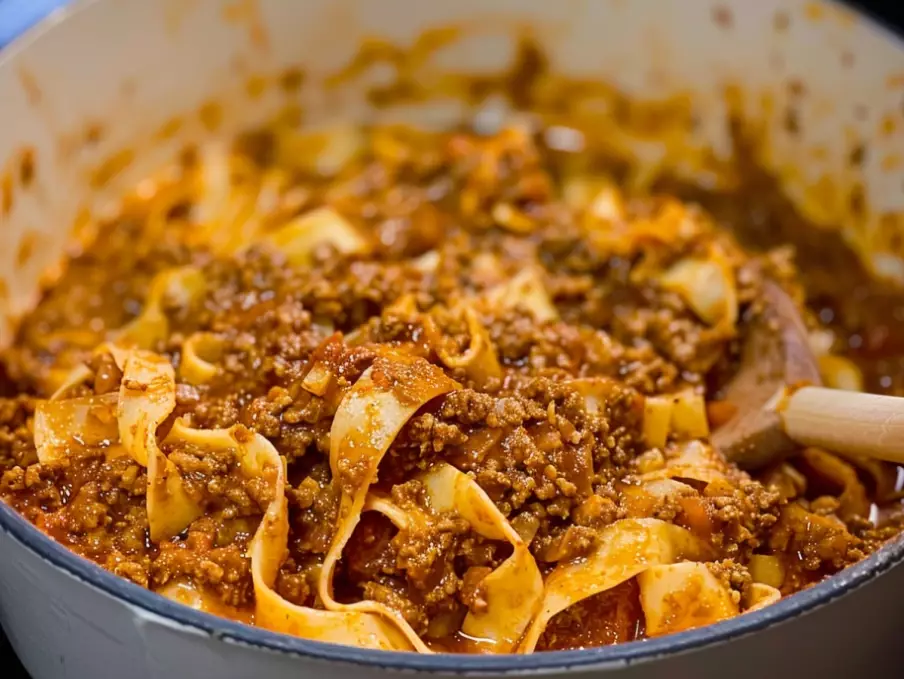
Serving Suggestions and Pairings
Now for the fun part—eating. But how you serve it matters.
Pasta choice: Tagliatelle is king in Bologna. Its wide, flat surface holds the sauce perfectly. Pappardelle or fettuccine also work well. Avoid long, thin pasta like spaghetti; it’s harder to twirl with the chunky sauce. I learned this from an Italian friend who gently corrected my pasta choice—it makes a difference.
Cheese: Parmigiano-Reggiano, freshly grated. Don’t use pre-grated stuff; it lacks flavor. Sprinkle it on top just before serving.
Wine pairing: A medium-bodied red like Sangiovese or Barbera complements the rich sauce. If you prefer white, a dry Chardonnay works too.
Side dishes: Keep it simple. A green salad with a light vinaigrette balances the heaviness. Some crusty bread to mop up the sauce is always welcome.
I once served Bolognese with garlic bread—big mistake. It overpowered the delicate flavors of the sauce. Stick to neutral accompaniments.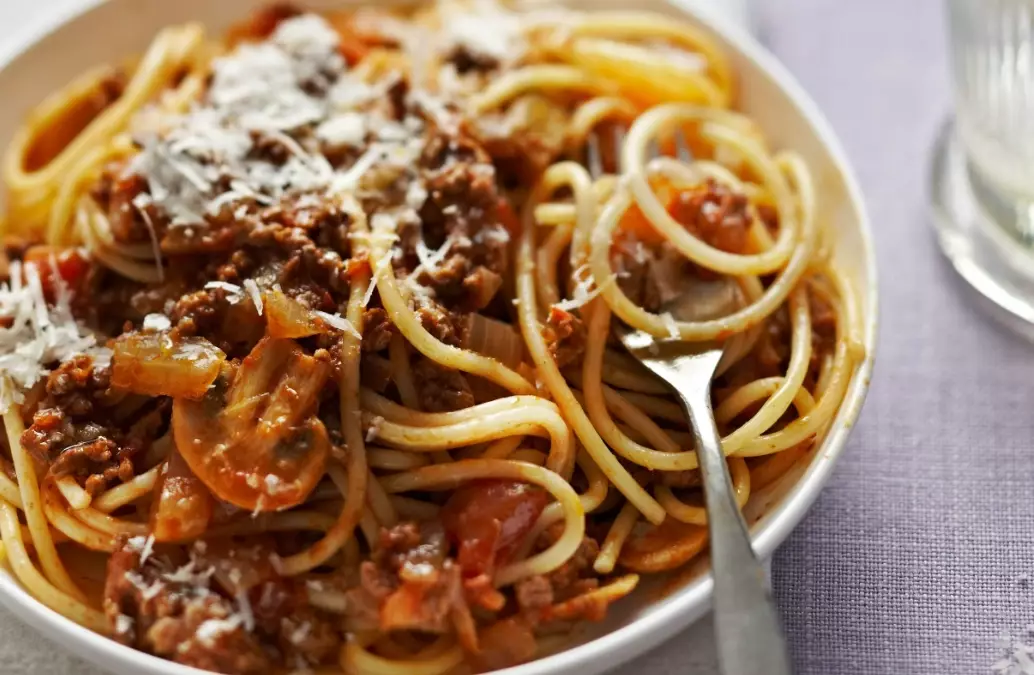
FAQ: Your Bolognese Questions Answered
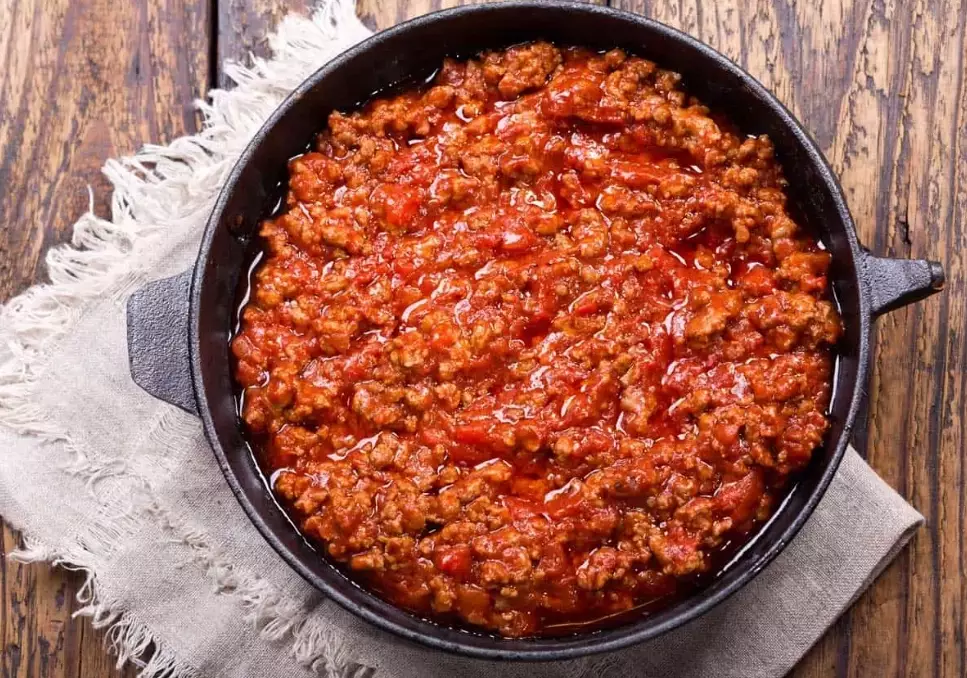 Making classic Italian Bolognese is a labor of love. It’s not about shortcuts; it’s about embracing slow cooking and simple ingredients. When you get it right, the result is a comforting, hearty sauce that’s worth every minute. Give it a try, and don’t be afraid to let it simmer—your patience will be rewarded.
Related Articles
Authentic Italian Salads: Types, Recipes & Where to Eat
Master the Classics: The Best Italian Recipes You Need to Know
Authentic Italian Christmas Recipes: Traditional Dishes & Festive Menus
What Is the Most Popular Italian Dish? Top Contenders Revealed
What Are the Most Popular Italian Appetizers? A Complete Guide to Antipasti