Authentic Italian Sausage Recipe: Tips from a Butcher
Let me tell you a little story. I spent a summer years ago working in a tiny, family-run salumeria in the hills outside Bologna. The air was thick with the smell of curing meat and wood smoke. My main job was cleaning equipment and fetching things, but I watched the old butcher, Marco, like a hawk. He made sausage every Tuesday. It looked simple—meat, salt, spices, casing. But when I tried to replicate it at home, it was never the same. Too dry. Spices too sharp. Missing that deep, rounded flavor.
The problem with most authentic Italian sausage recipes online? They give you a list, but not the feel. They don't tell you about the texture of the fat, the patience needed with the spices, or the one common hand-motion that ruins the bind. Marco's recipe wasn't written down. It was in his hands. This is my attempt to translate that for your kitchen.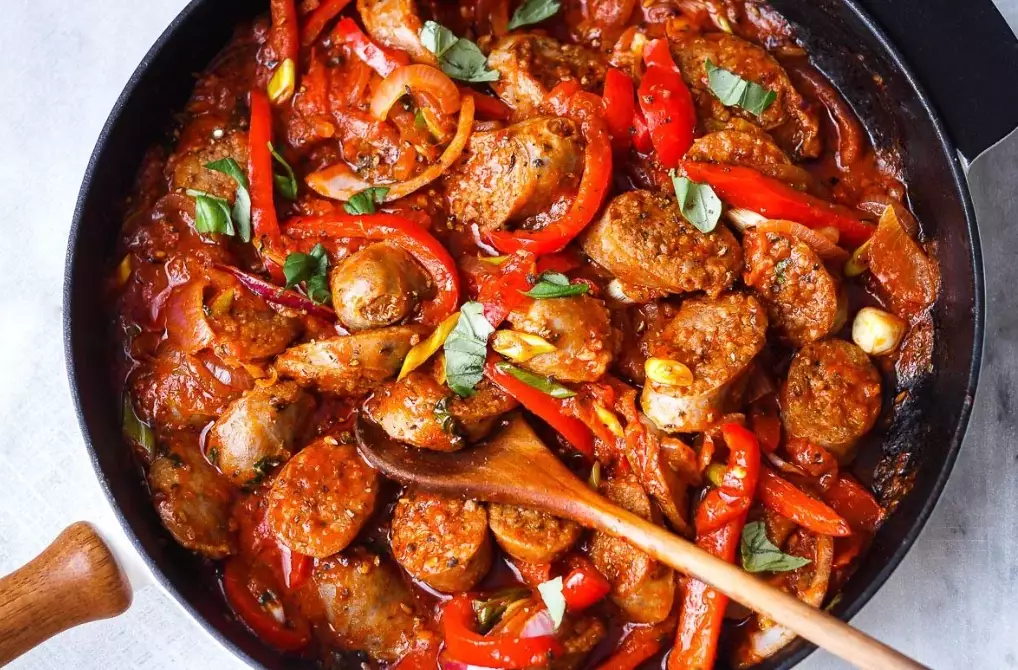
Making homemade Italian sausage isn't just about saving money (though you will). It's about control. No more mystery meat, questionable preservatives, or bland, greasy links. You decide the fat content, the heat level, the fennel seed ratio. It’s a Saturday project that pays off all week in incredible pasta sauces, grilled feasts, and breakfasts that taste like a Roman trattoria.
Your Quick Guide to Sausage Success
The Meat: Why Pork Shoulder is Non-Negotiable
Here’s the first big filter. If you use lean pork loin or pre-ground pork from the supermarket, you’re setting yourself up for a dry, crumbly sausage. Marco would shake his head.
You want pork shoulder (also called Boston butt). This cut has the perfect interplay of meat and intramuscular fat—usually around 25-30% fat. That fat is what gives sausage its juicy, unctuous mouthfeel. It melts as it cooks, basting the meat from the inside. Ask your butcher for a whole piece, bone-in or boneless. The bone-in is often cheaper and more flavorful. You’ll trim and cube it yourself.
A note on pre-ground: Sure, you can buy ground pork. But you have no idea what cut it came from. It’s often trimmings from multiple animals, ground too fine, and can be overly lean. Grinding at home ensures freshness, texture control, and food safety. Speaking of safety, always keep your meat cold. I pop the cubed pork and even the grinder parts in the freezer for 20-30 minutes before starting. It prevents the fat from smearing.
The Spice Breakdown: Beyond Just Fennel
Fennel seed is the signature. But it’s not a solo act. The magic is in the chorus. Sweet, hot, and sweet again.
You have two main regional styles: Sweet (Dolce) and Hot (Piccante). The base is largely the same; the heat level changes. Here’s the core blend I learned, scaled for 2.5 kg (about 5.5 lbs) of meat—a good, manageable batch.
| Ingredient | Quantity | Purpose & Tip |
|---|---|---|
| Toasted Fennel Seeds | 3 Tbsp | Essential. Toast whole seeds in a dry pan until fragrant, then crush lightly. Pre-ground fennel loses its soul. |
| Fine Sea Salt | 2.5 Tbsp | For curing and flavor. Don't use iodized table salt. |
| Black Pepper | 2 tsp, freshly ground | Adds a warm, pungent backbone. |
| Sweet Paprika | 1.5 Tbsp | For color and a sweet, earthy depth. Not smoked paprika. |
| Garlic Powder | 2 tsp | Controversial, I know. Fresh garlic can ferment in the sausage. Powder gives consistent, safe flavor. Marco insisted. |
| Cayenne Pepper (for Hot) | 1-2 tsp (to taste) | Or use 1-2 Tbsp of crushed red pepper flakes for texture. |
| Dry White Wine (optional) | 1/4 cup | Adds complexity and helps distribute spices. Not traditional everywhere, but a nice touch. |
Mix all your dry spices in a bowl first. This is your salsiccia spice blend. Consistency is key.
Grinding & Stuffing: A Step-by-Step Walkthrough
1. Prep and Grind
Cube your cold pork shoulder into 1-inch pieces. Toss them in a large bowl with the spice mix and the white wine (if using). Mix with your hands until every piece is coated. Cover and let it rest in the fridge for at least 4 hours, or overnight. This lets the salt work and the flavors marry.
Set up your grinder with a medium plate (4.5mm to 6mm). Feed the meat through steadily. Keep everything cold.
2. The Test & The Bind
This is the pro move. Before you stuff anything, take a small palm-sized portion of the ground meat. Form it into a small patty and cook it in a skillet. Taste it. This is your only chance to adjust seasoning. Need more salt? More fennel? Add it now, mix gently, and test again.
Once seasoned perfectly, you can optionally do a “bind.” Sprinkle about 1/4 cup of ice water over the meat and fold it in. This helps the sausage emulsify slightly when cooked, giving it a finer, springier texture. For a more rustic, coarse texture, skip it.
3. Stuffing the Casings
If you're using natural hog casings (soaked and rinsed for an hour), slide them onto the stuffer tube. Leave a few inches hanging off the end. Tie a knot. Start feeding the meat through slowly, letting the casing fill evenly without air pockets. Support the emerging sausage with your other hand—don’t pull. Once full, twist off links by pinching and rotating every 4-6 inches.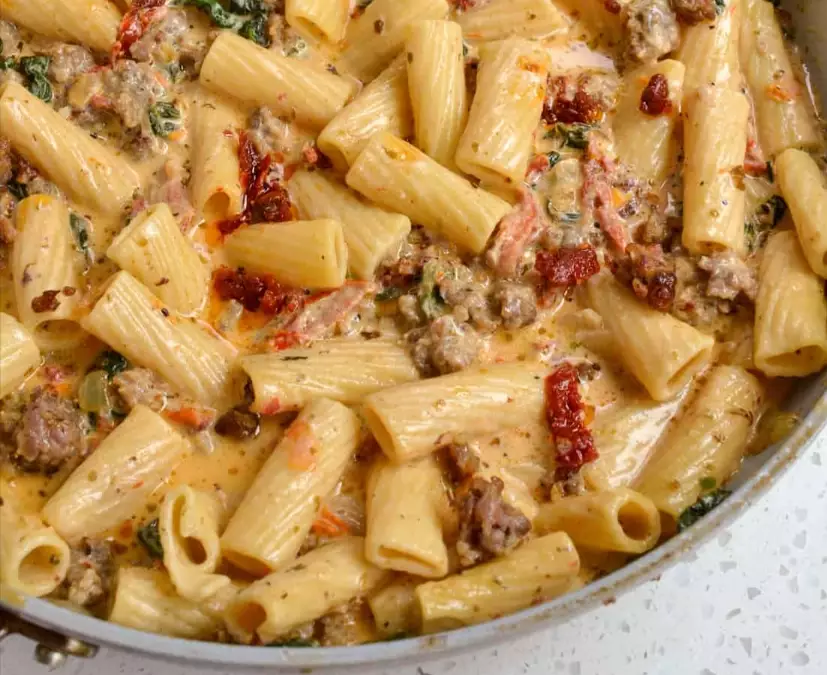
The Butcher's Secrets: 3 Things No One Tells You
1. Fat Temperature is Everything. If your meat/fat gets warm during grinding, it will “smear.” You’ll see a greasy, paste-like texture instead of distinct particles of meat and fat. This leads to a dry, mealy sausage when cooked. Keep it all ice-cold. If the kitchen is warm, work in small batches and re-chill the bowl.
2. Over-Mixing is the Enemy. Once the meat is ground and seasoned, handle it as little as possible. Aggressive mixing or kneading activates the proteins too much, creating a tight, bouncy, almost hot-dog-like texture. Fold gently until the spices and water (if using) are just incorporated.
3. Let it Bloom. After stuffing, don't rush to cook. Prick any visible air bubbles with a sterile pin, then hang the links or lay them on a rack in the fridge, uncovered, for a few hours. This lets the casing dry slightly (helping it “snap” when bitten) and allows the flavors to deepen. This step, called "blooming," makes a noticeable difference.
How to Cook Your Italian Sausage Perfectly
Low and Slow is the Rule. High heat will burst the casing and render out all the precious fat before the inside cooks. Whether grilling, pan-frying, or baking, start with medium-low heat.
**For Pan-Frying:** Add links to a cold skillet with a splash of water. Cover and steam on medium-low for 10 minutes. Then, uncover, pour off any water, add a touch of oil, and turn up the heat to medium to brown all sides. This ensures they're cooked through and beautifully caramelized.
**For Grilling:** Cook over indirect heat first, then finish with a quick sear over direct flames for marks.
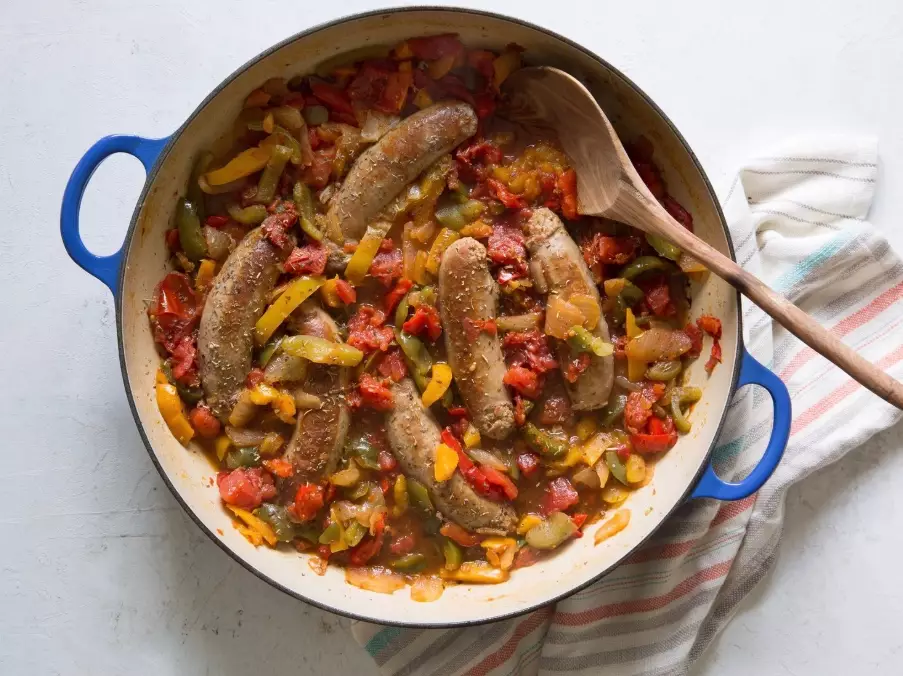
**For Sauces:** Prick the sausages a few times, brown them lightly in a pot, remove, then build your sauce (onions, garlic, tomatoes, wine). Return the sausages to the sauce, cover, and simmer gently for 25-30 minutes. They'll be incredibly tender and infuse the sauce with flavor.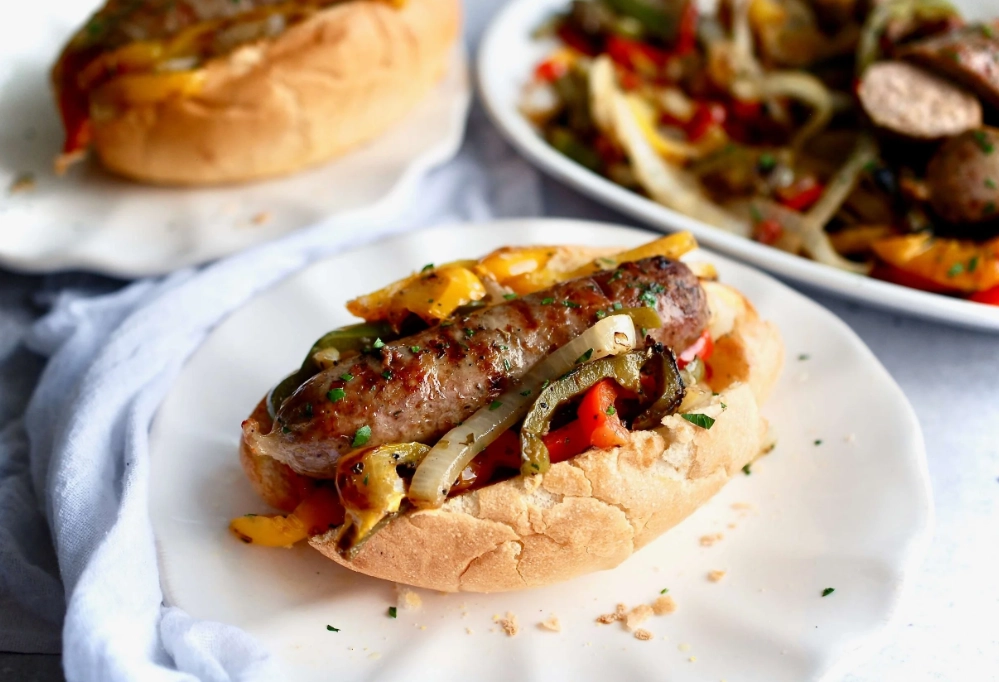
Your Sausage-Making Questions, Answered
 So there you have it. More than just a recipe for Italian sausage, it's a set of principles. It’s about respecting the fat, toasting your spices, and having the patience to let flavors develop. Start with patties if the whole linking process feels daunting. The taste of that first homemade bite, seasoned exactly to your liking, is worth every minute. It tastes like a Tuesday in a Bolognese hillside shop.
Related Articles

Homemade Italian Ice Recipe: Smooth, Grain-Free & Authentic

Authentic Italian Cannoli Recipe: Crispy Shells & Sweet Ricotta Filling

Simple Italian Cookie Recipes: 3 Classics You Can Master

Authentic Italian Dinner Recipes from Regional Cuisines
Best Italian Soup Recipes: Classic Comfort in a Bowl