Authentic Italian Meatballs Recipe: Nonna's Secret for Tender & Flavorful Polpette
Your Journey to Perfect Meatballs
- The Foundation: Choosing Your Meat for the Ultimate Italian Meatballs
- The Secret to Tenderness: Building the Panade
- The Step-by-Step Recipe for Italian Meatballs
- To Brown or Not to Brown? The Great Cooking Debate
- Answering Your Meatball Questions (The FAQ)
- Serving Your Masterpiece: It's More Than Just Pasta
- Troubleshooting Common Problems
Let's be honest. We've all had those dry, dense, kinda bland meatballs that sit in your stomach like a brick. You know the ones. They come frozen, or from a chain restaurant, and they have about as much in common with real Italian cooking as a microwave dinner does with a Sunday roast. I used to think that's just how meatballs were. Then I spent a summer with my friend's Nonna in Bologna, watching her hands work magic with a simple mix of meat, bread, and herbs. It was a revelation.
The goal of this recipe for Italian meatballs isn't just to give you a list of ingredients. It's to give you the *why* behind each step. Because when you understand the why, you can make these any night of the week, adapt them with what you have, and they'll always turn out tender, juicy, and packed with flavor. This is the method passed down in homes, not the rushed version you sometimes see. We're making polpette, the soulful centerpiece of a family meal.
So, why do most homemade meatballs fail? It usually boils down to three things: overworking the meat, using only one type of meat, and skipping the crucial step of panade (more on that lifesaver in a minute).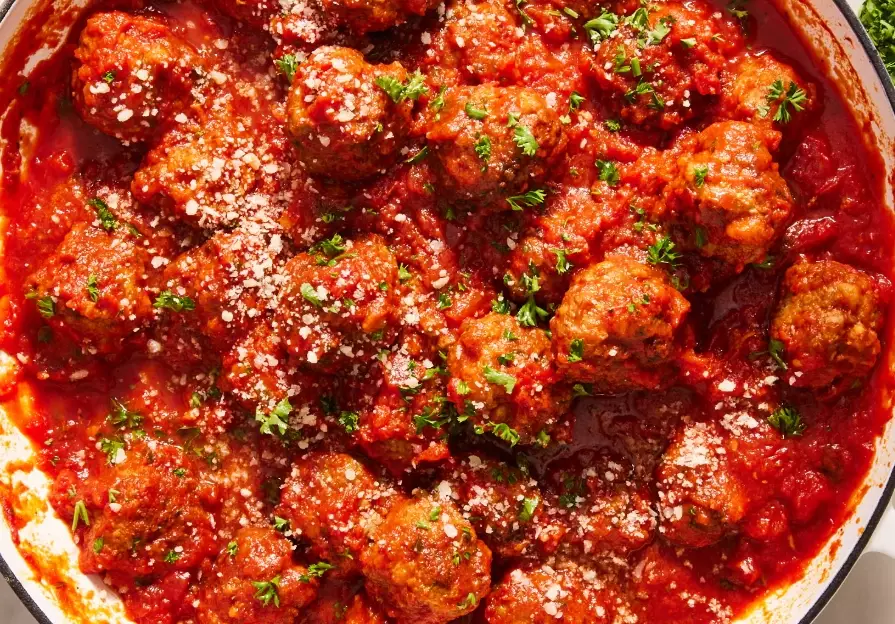
The Foundation: Choosing Your Meat for the Ultimate Italian Meatballs
This is where the magic starts. The single biggest trick in an authentic Italian meatballs recipe is the meat blend. In Italy, it's common to use a mix of beef, pork, and sometimes veal. The pork adds fat and sweetness, the beef gives hearty flavor, and veal offers a delicate tenderness. But let's be practical—veal can be pricey and hard to find.
Here’s the breakdown of what works best. The fat content is non-negotiable. Lean meat makes for lean, tough meatballs. You want that fat to render and keep everything moist.
| Meat Type | Flavor Profile | Fat Content & Role | Personal Recommendation |
|---|---|---|---|
| Ground Beef (80/20) | Rich, hearty, classic | 20% fat is ideal. Provides structure and robust flavor. | A must-use. Don't go leaner than 85/15. |
| Ground Pork | Sweet, savory, moist | Naturally fattier. The key to juiciness and balancing beef. | The secret weapon. Use equal parts with beef. |
| Ground Veal | Mild, delicate, tender | Leaner. Lightens the texture for a finer grind. | Great if available. I often skip it without major loss. |
| Italian Sausage (casings removed) | Garlicky, fennel-spiced, bold | High fat, pre-seasoned. A huge flavor shortcut. | My weeknight hack. Mix one part sausage with two parts beef. |
Can you use just beef? Sure. Will it be as good? Honestly, no. The pork (or sausage) makes a noticeable, wonderful difference. For my go-to recipe for Italian meatballs, I use a 50/50 mix of 80/20 ground beef and ground pork. It's foolproof and delivers that perfect balance every time.
The Secret to Tenderness: Building the Panade
If you take only one thing from this entire guide, let it be the panade. This is the heart of a tender meatball. A panade is just a paste made from starch and liquid. Its job is to absorb the juices from the meat as it cooks, then release them back, preventing the proteins from seizing up and squeezing all the moisture out.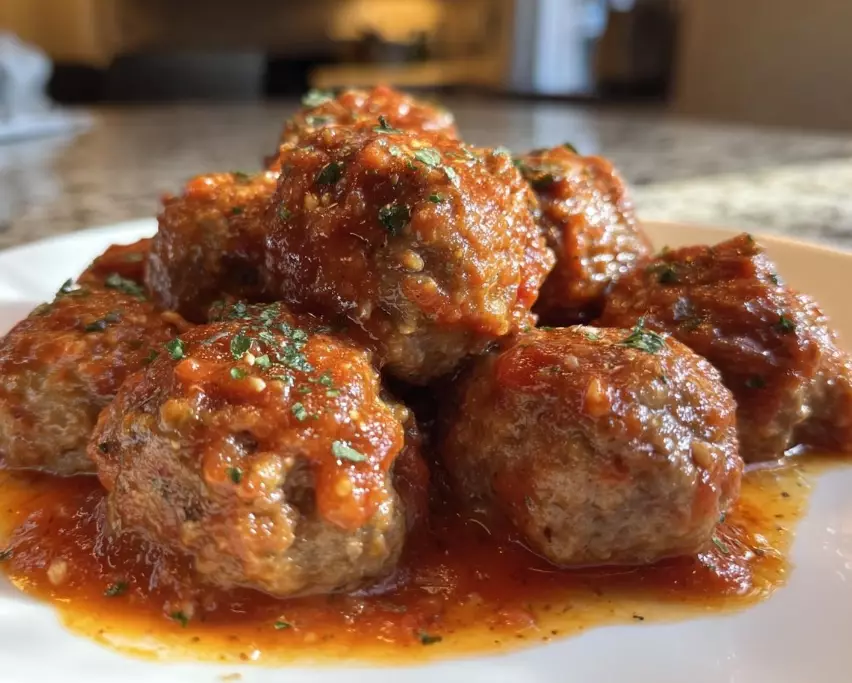
What's the best starch? Stale bread is the traditional choice. Milk is the classic liquid. Here’s how the options stack up:
- Stale Italian or French Bread (crusts removed), torn: The gold standard. It gives an irregular, tender texture. Soak in milk for 10 minutes, then mash with a fork.
- Plain Breadcrumbs (unseasoned): The convenient option. Use about 3/4 cup for this recipe. Soak in milk just the same.
- Panko Breadcrumbs: They work, but they're airier. You might need a bit more. I find they can sometimes make the texture a little too light, almost fluffy, which isn't what we're going for.
For the liquid, whole milk is best. But you can use buttermilk for a slight tang, or even a little water in a pinch. The key is to let the bread fully absorb the liquid before mixing it into the meat. A sloppy panade is a good panade.
Flavor Builders: Beyond Salt and Pepper
Now for the aromatics. This is where you can make the recipe your own. The holy trinity for an Italian meatballs recipe is garlic, parsley, and grated cheese.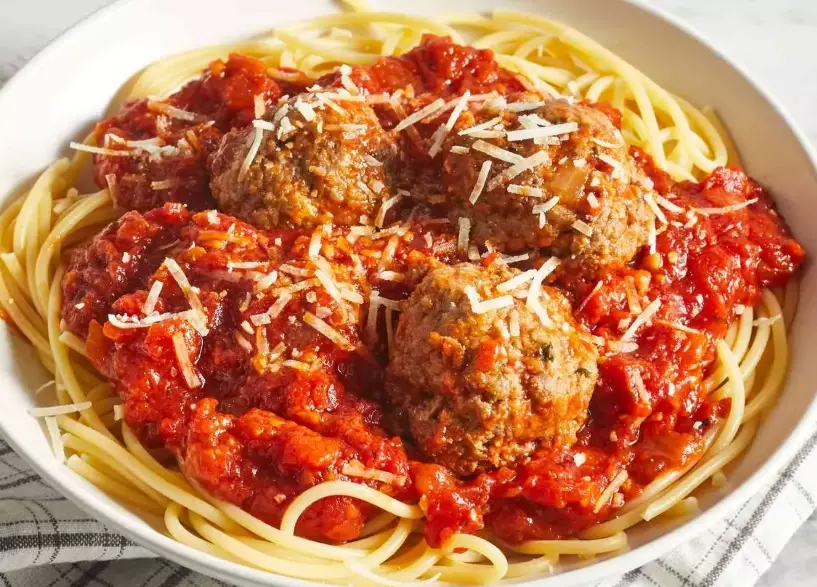
Garlic: Minced fine. You don't want chunks. One thing I learned late: you can gently sauté the minced garlic in a tiny bit of olive oil for 30 seconds just to take the raw edge off. It's a subtle game-changer.
Parsley: Use flat-leaf (Italian) parsley. Chop it fine. It's for fresh flavor, not just color.
Cheese: Pecorino Romano or Parmigiano-Reggiano. Not the pre-grated stuff in a canister. Grate it yourself. The pre-grated has anti-caking agents that can make your mixture gummy. The cheese adds saltiness and umami depth. For a deeper dive into authentic Italian cheeses, the Italian Food Excellence foundation has fantastic resources.
Other common additions: A pinch of dried oregano, a little grated onion (squeeze out the excess juice!), or a very light grating of nutmeg. But don't go overboard. The meat should be the star.
The Step-by-Step Recipe for Italian Meatballs
Alright, let's get our hands dirty. This is the process, explained in detail. Read it through once before you start.
Step 1: Make the Panade. In your large mixing bowl, combine 2 cups of torn stale bread (about 4 slices, crusts off) with 1/2 cup of whole milk. Let it sit and soak while you prep everything else. It should look like a loose, mushy paste.
Step 2: Prep the Add-Ins. Finely mince 3 cloves of garlic. Finely chop 1/2 cup of fresh parsley. Grate 3/4 cup of Pecorino Romano cheese. Have 2 large eggs ready.
Step 3: Combine (Gently!). To the bowl with your panade, add the garlic, parsley, cheese, eggs, 1.5 teaspoons of kosher salt, and 1 teaspoon of freshly ground black pepper. Use a fork to mash and mix this all together until it's a fairly uniform, lumpy paste.
Now, add your meats: 1 pound of ground beef (80/20) and 1 pound of ground pork. This is the most important moment.
I use a sort of claw-hand motion to lift the meat from the bottom and let it fall through my fingers, turning the bowl with my other hand. You just want to distribute the panade and seasonings evenly. The moment you see no more streaks of plain meat, stop. Overmixing is the highway to tough-town. It should take less than a minute.
Step 4: Test for Seasoning. This is a chef's trick. Take a small spoonful of the mixture, flatten it into a tiny patty, and cook it in a small skillet over medium heat until done. Taste it. Need more salt? More cheese? Adjust the main batch now. It's your insurance policy.
Step 5: Form the Meatballs. Moisten your hands with a little water or olive oil to prevent sticking. Roll the mixture into balls. Size is up to you. For eating with pasta, I like golf-ball size (about 1.5 inches, 40-45 grams each). For subs or as a main, go bigger. For appetizers, go smaller. Just keep them consistent so they cook evenly. Place them on a parchment-lined tray as you go.
Don't compress them! Roll them lightly until they just hold together. A loose meatball is a tender meatball.
To Brown or Not to Brown? The Great Cooking Debate
Here's a big question. Most recipes tell you to brown the meatballs in oil on all sides before simmering in sauce. It adds flavor via the Maillard reaction, no doubt. But it's also a fussy step, and you risk breaking them if you turn them too soon.
The other method? Poaching them directly in the simmering sauce. It's easier, and they come out incredibly tender because all the juices stay inside.
My take? I do a hybrid method that gives me the best of both worlds.
- Lightly Brown: Heat a few tablespoons of olive oil in a large, heavy-bottomed pot or Dutch oven over medium heat. Don't crowd the pan. Add the meatballs in batches and brown them lightly on just one or two sides. We're not cooking them through, just getting some color and fond (those tasty brown bits) on the pot. This takes about 2-3 minutes per batch. Remove them to a plate.
- Build Sauce in the Same Pot: In the same pot with all that meaty flavor, add your marinara sauce. You can use a high-quality jarred sauce or your own homemade. Bring it to a gentle simmer.
- Simmer Gently: Carefully nestle all the meatballs back into the sauce. The sauce should come about halfway up their sides. Partially cover the pot, reduce the heat to low, and let them simmer gently for 25-35 minutes (depending on size). The gentle heat cooks them through without shocking them, and they absorb the flavor of the sauce while lending their own juices to it.
This method, for me, creates the perfect texture and the most integrated flavor. The sauce becomes something else entirely.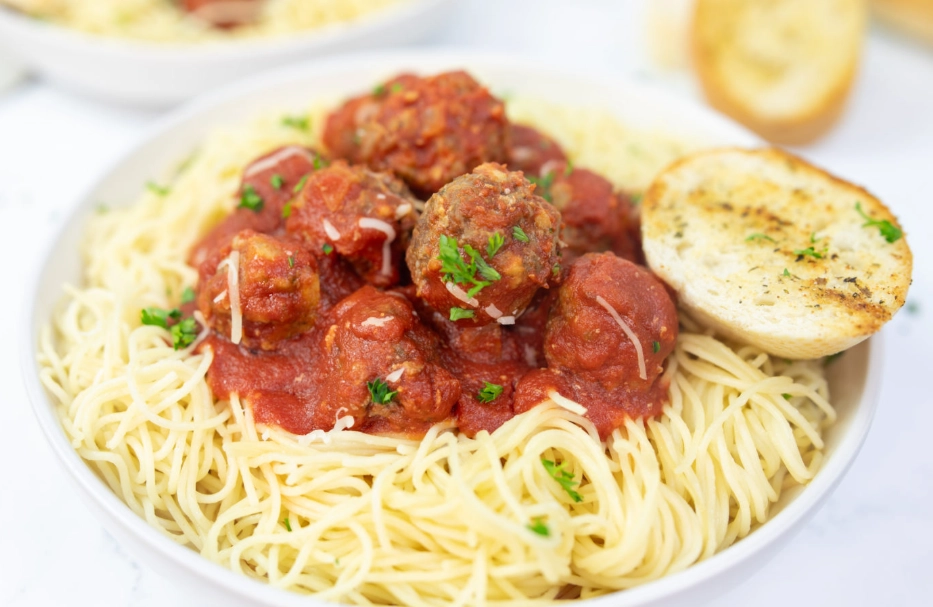
Answering Your Meatball Questions (The FAQ)
- Uncooked: Form the meatballs and freeze them in a single layer on a tray. Once frozen solid, transfer to a freezer bag. Cook from frozen, adding a few extra minutes to the simmering time.
- Cooked: The entire dish (meatballs and sauce) reheats beautifully. Store in the fridge for up to 3 days or freeze for up to 3 months.
Serving Your Masterpiece: It's More Than Just Pasta
Of course, spaghetti and meatballs is the iconic dish. Use a good, dried spaghetti like De Cecco or Barilla, cook it al dente, and toss it with some of the sauce before plating. Top with the meatballs and more cheese.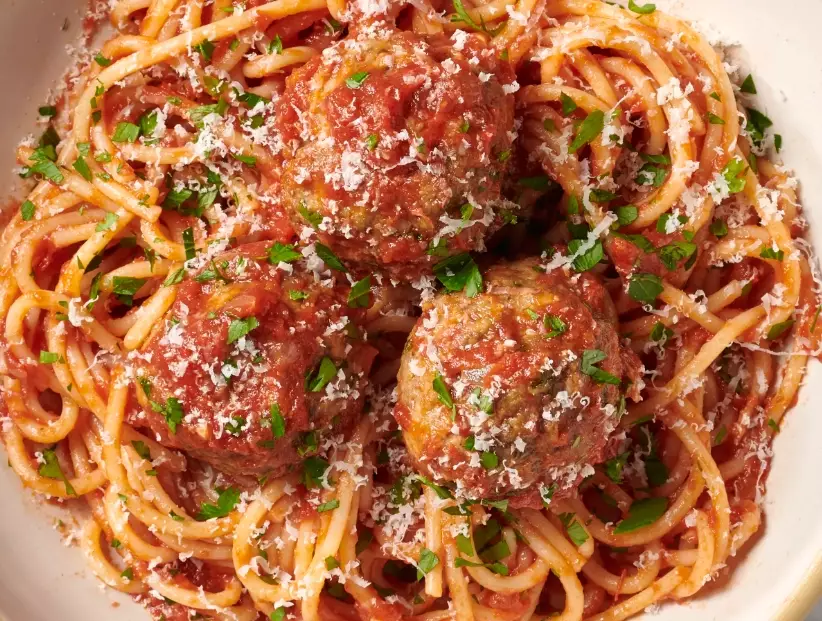
But don't stop there! This recipe for Italian meatballs is incredibly versatile.
- Meatball Subs: Split a good Italian roll, toast it lightly, add warmed meatballs and sauce, top with melted provolone or mozzarella. Messy perfection.
- As a Main Course: Serve 3-4 larger meatballs with a big pile of creamy polenta or buttery mashed potatoes and a simple green salad.
- Appetizer: Make them bite-sized, simmer in sauce, and serve with toothpicks. Always a party hit.
Troubleshooting Common Problems
Even with the best instructions, things can happen. Here's a quick fix-it guide.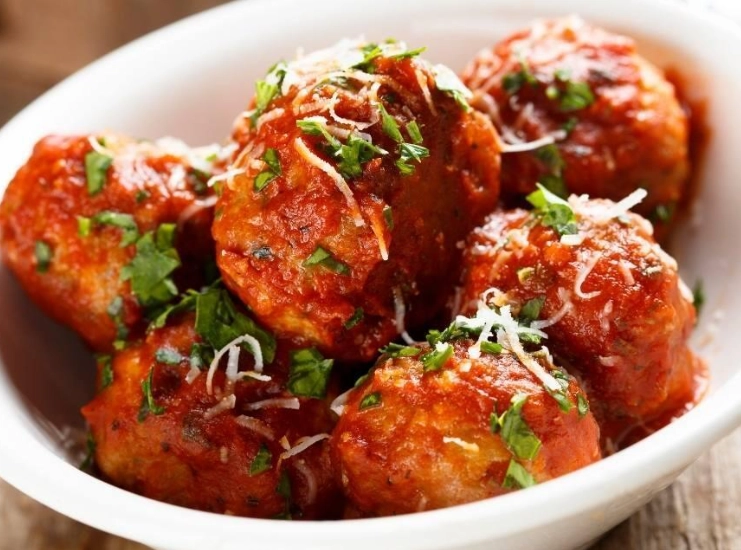
- Meatballs are tough: You overmixed the meat. Or you used meat that was too lean. Remember: gentle hands, and embrace the fat.
- Meatballs are bland: You under-seasoned. Remember the test patty! Also, the salt in the cheese and sauce matters. Taste your sauce separately and adjust.
- Meatballs are too soft/falling apart: Not enough binder, or they weren't chilled before cooking. Next time, add a touch more bread to the panade or ensure a full chill.
- Greasy sauce: This usually happens if you brown the meatballs in too much oil, or if your meat blend was excessively fatty. Skim the fat off the top of the sauce with a spoon after simmering.
Making an authentic Italian meatballs recipe is about feel and understanding, not just following a list. It's a forgiving process once you know the rules. The most important ingredient is actually the patience to handle the meat gently and let the flavors meld.
So, give this method a shot. Forget the breadcrumb-only, all-beef recipes. Embrace the panade, the meat blend, and the gentle simmer. You'll end up with meatballs that are tender enough to cut with a fork, bursting with savory flavor, and swimming in a sauce that's been transformed by their presence. That's the real goal of any great recipe for Italian meatballs—to create something that feels like a hug from the inside. Now, go cook.
Related Articles

Top 10 Italian Cocktails: From Negroni to Spritz & Beyond
Master Italian Meatball Recipes: Secrets from Nonna's Kitchen

Still have to rely on Zhengzhou Foxconn? The truth about the swing between Apple
Simple Italian Sausage Dinners: Quick Recipes for Busy Nights
Easy Italian Appetizers: Simple Recipes & Party Platters
Classic Italian Bolognese Recipe: Master the Authentic Ragu
Authentic Italian Carbonara Recipe: The Only Guide You'll Ever Need
What Is Authentic Italian Food? A Guide to Regional Classics & Home Cooking
A Complete Guide to the Traditional Southern Italian Christmas Dinner Feast
Ultimate Italian Pizzelle Recipe: Crispy, Authentic & Easy
Authentic Italian Family Meal Recipes: From Antipasti to Dolce
Authentic Italian Carbonara Recipe: The Only Guide You'll Ever Need

Geely and Zeekr have the best semi-annual reports, half of which rely on sales g
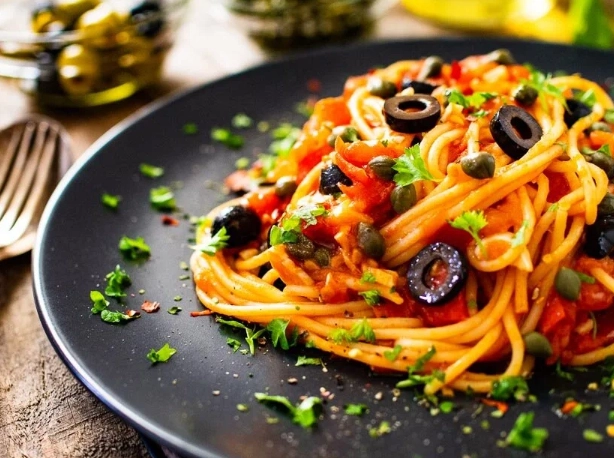
Top 10 Italian Dinner Dishes: A Curated Guide for Authentic Meals

How to Assemble Italian Sliders: The Ultimate Guide for Perfect Party Food
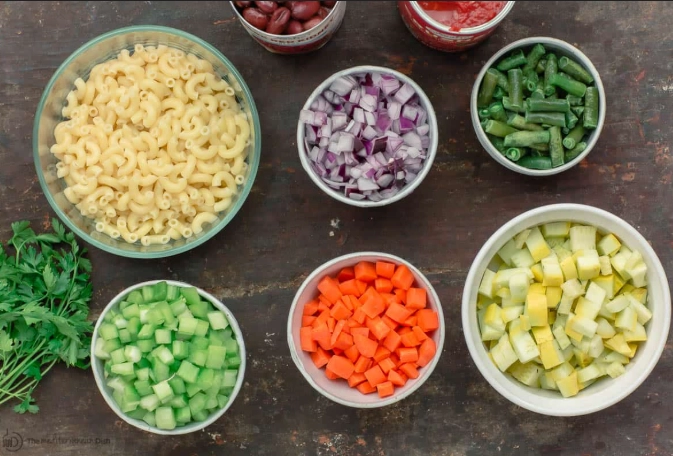
Italian Seasoning in Minestrone Soup: The Authentic Herb Blend Explained

Homemade Italian Ice Recipe: Smooth, Grain-Free & Authentic
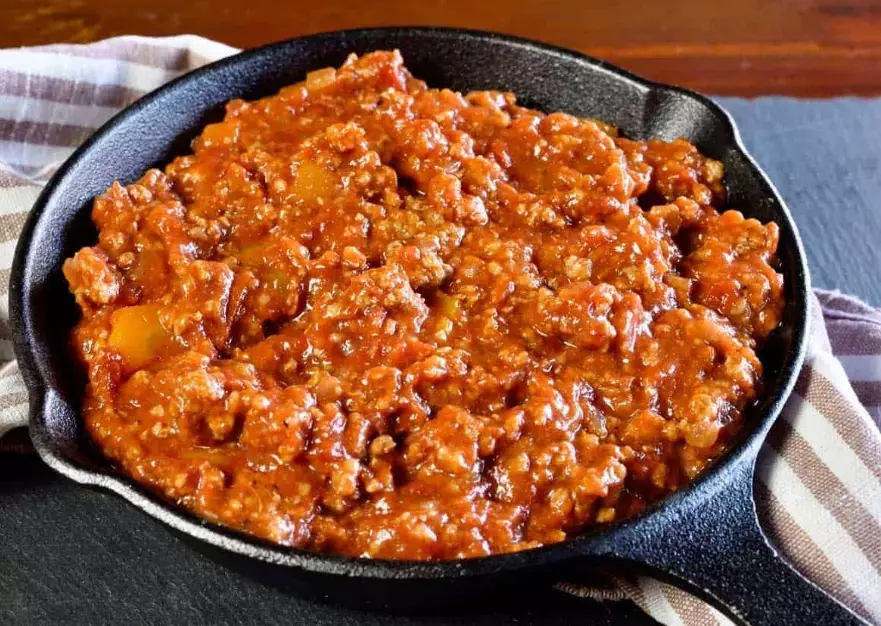
Authentic Italian Bolognese Recipe: The Real Ragù from Bologna

Why is Dongguan's economy no longer at the bottom?

Unique Italian Appetizers: Beyond Bruschetta & Meatballs

Performance exploded! Sungrow Power Supply made a huge profit of tens of billion

Restarting private investment|"Caijing" special report
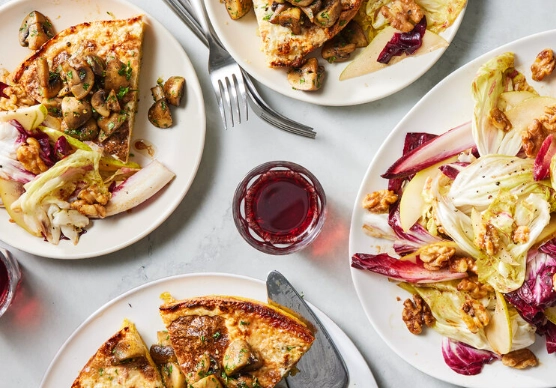
The Ultimate Guide to a 3 Course Vegetarian Italian Meal

Microsoft hollowed out AI unicorn Inflection AI and paid 650 million US dollars
Easy to Make Italian Food Recipes: Delicious & Quick Meals

Italian Vinaigrette vs Italian Dressing: The Real Difference Explained
Authentic Italian Regional Recipes Guide: Cook from Source
Hearty Italian Sausage Soup Recipe: Easy & Flavorful Comfort Food
Authentic Italian Beef Sandwich Recipe | Easy Homemade Guide

Leave a Comment