Easy Pasta Salad Recipes with Italian Dressing for Crowd-Pleasing Meals
What You'll Find in This Guide
Let's cut to the chase. Pasta salad with Italian dressing isn't just a side dish—it's a lifesaver for busy weeknights, potlucks, and summer barbecues. But too often, it ends up soggy or bland. I've been making these salads for years, and I've seen the same pitfalls over and over. This guide will show you how to nail it every time, with recipes that actually work and tips you won't find on most food blogs.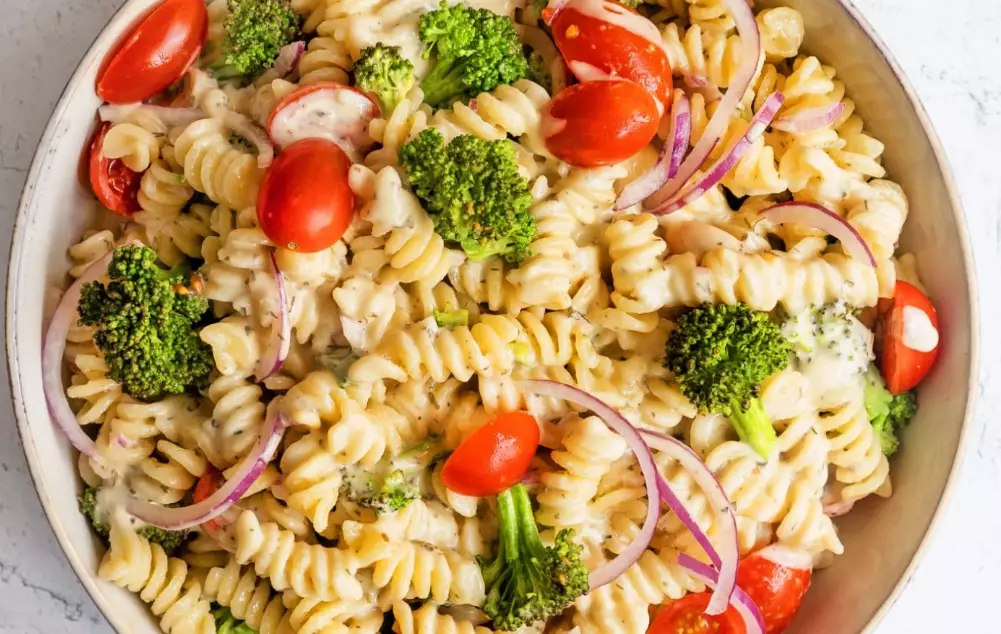
Why Italian Dressing is Perfect for Pasta Salad
Italian dressing brings a tangy, herby punch that cuts through the starchiness of pasta. It's versatile. You can use it as a marinade for vegetables or a quick sauce. But here's something most recipes don't tell you: not all Italian dressings are created equal. Bottled versions often have too much vinegar or oil, which can overwhelm the pasta. I prefer making my own—it takes five minutes and lets you control the balance.
Think about it. When you're at a picnic, what stands out? A salad that's bright and fresh, not drowning in dressing. Italian dressing, with its blend of olive oil, vinegar, and herbs like oregano and basil, adds flavor without masking the other ingredients. It's a crowd-pleaser because it's familiar yet adaptable.
Essential Ingredients for a Standout Pasta Salad
Skip the generic lists. Here's what you really need, based on what I've learned from trial and error.
Pasta: Go for short shapes with nooks and crannies. Rotini, fusilli, or penne hold the dressing better than long noodles. Cook it al dente—overcooked pasta turns mushy in the salad. I once used spaghetti for a salad, and it was a mess. Never again.
Vegetables: Crunch is key. Bell peppers, cherry tomatoes, red onions, and cucumbers add texture. But don't just chop them randomly. Cut them into uniform sizes so each bite has a mix. A pro tip: salt your tomatoes lightly and let them drain for 10 minutes to prevent excess water from making the salad soggy.
Proteins (optional): Grilled chicken, salami, or chickpeas can turn this into a main dish. If you add meat, toss it in the dressing first to marinate slightly.
Cheese: Cubed mozzarella or grated Parmesan work well. Fresh mozzarella is great, but it can release moisture. I often use a firm cheese like provolone for better results.
Italian Dressing: Homemade is best. A simple ratio: 3 parts olive oil to 1 part red wine vinegar, plus garlic, dried oregano, salt, and pepper. Whisk it together. If you're short on time, choose a bottled brand with minimal additives. I've had good luck with brands like Newman's Own, but always taste and adjust.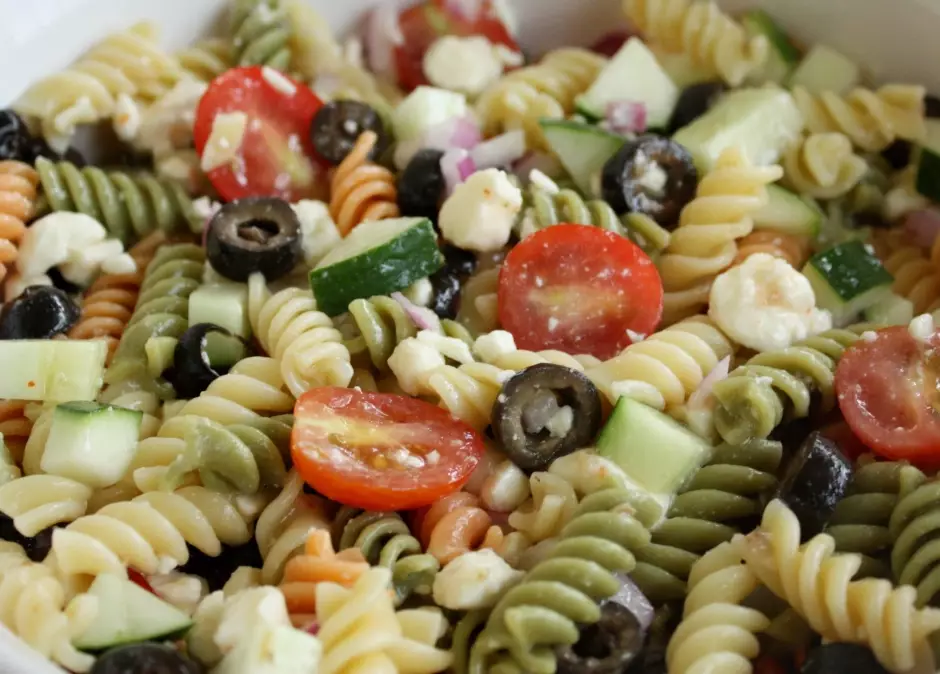
Step-by-Step Classic Italian Pasta Salad Recipe
This is my go-to recipe. It serves 6-8 people and takes about 30 minutes. Let's walk through it.
First, cook the pasta. Bring a large pot of salted water to a boil—use about 1 tablespoon of salt per gallon. Add 1 pound of rotini pasta and cook for 8-10 minutes until al dente. Check the package, but trust your bite. Drain it, then rinse under cold water to stop the cooking. This step is crucial. I've skipped it before, and the pasta kept cooking from residual heat, ending up soft.
While the pasta cooks, make the dressing. In a small bowl, combine 1/2 cup olive oil, 1/4 cup red wine vinegar, 2 minced garlic cloves, 1 teaspoon dried oregano, 1/2 teaspoon salt, and 1/4 teaspoon black pepper. Whisk until emulsified. Some people add a pinch of sugar to balance the acidity, but I find it unnecessary if your vinegar is good quality.
Chop the veggies. You'll need 1 red bell pepper (diced), 1 cup cherry tomatoes (halved), 1/2 red onion (thinly sliced), and 1/2 cup black olives (sliced). Toss them in a large bowl with the cooled pasta.
Now, add the dressing. Pour it over the pasta mixture and stir gently to coat. Fold in 1 cup of cubed mozzarella cheese and 1/4 cup of fresh basil leaves (torn). Let it sit in the fridge for at least 30 minutes before serving. This allows the flavors to meld. But don't over-mix—that can break the pasta.
Serve chilled. It keeps well for up to 3 days in the refrigerator. I've made this for family gatherings, and it always disappears fast.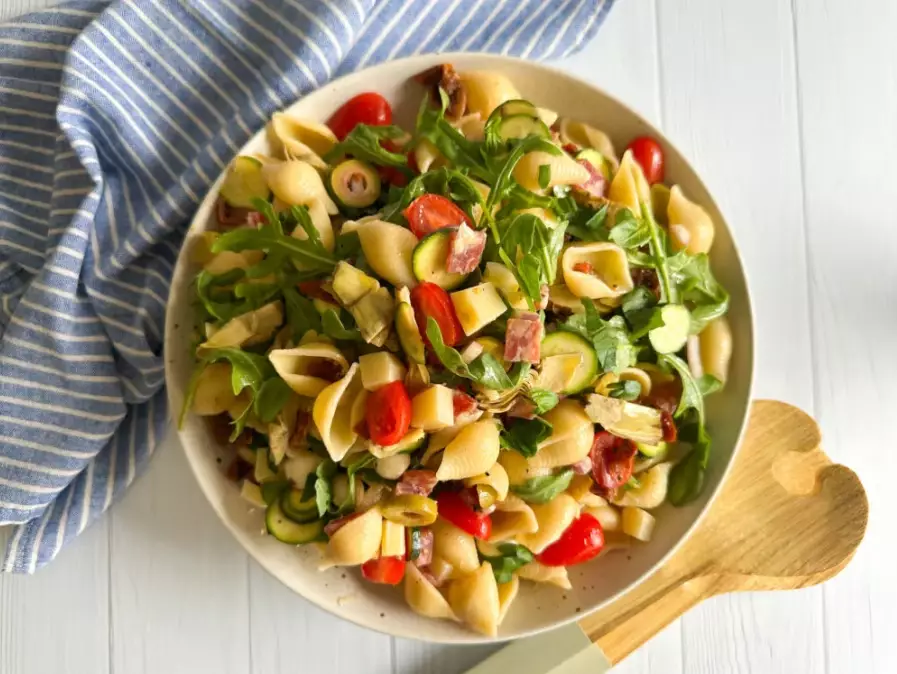
Ingredient Proportions at a Glance
| Ingredient | Amount | Notes |
|---|---|---|
| Rotini pasta | 1 pound | Or any short pasta shape |
| Olive oil | 1/2 cup | Extra virgin for best flavor |
| Red wine vinegar | 1/4 cup | Can substitute with white wine vinegar |
| Garlic cloves | 2, minced | Fresh is key |
| Dried oregano | 1 teaspoon | Or use 1 tablespoon fresh |
| Vegetables (bell pepper, tomatoes, etc.) | 2-3 cups total | Mix and match based on preference |
| Mozzarella cheese | 1 cup, cubed | Or provolone for firmer texture |
Variations and Creative Twists to Try
Once you master the basics, play around. Here are some ideas I've tested.
Mediterranean Twist: Add feta cheese, kalamata olives, and chopped cucumber. Use a lemon-herb dressing instead of traditional Italian for a brighter taste. This works great for summer lunches.
Protein-Packed Version: Mix in grilled chicken strips or canned tuna. For a vegetarian option, chickpeas or white beans add heft. I often make this for meal prep—it holds up well for days.
Spicy Kick: Add a pinch of red pepper flakes to the dressing or toss in some chopped pepperoncini. It wakes up the flavors, especially if you're serving it with grilled meats.
Remember, the dressing is flexible. Try adding a tablespoon of Dijon mustard for creaminess, or swap red wine vinegar for balsamic for a sweeter note. But go easy—too many changes can clash.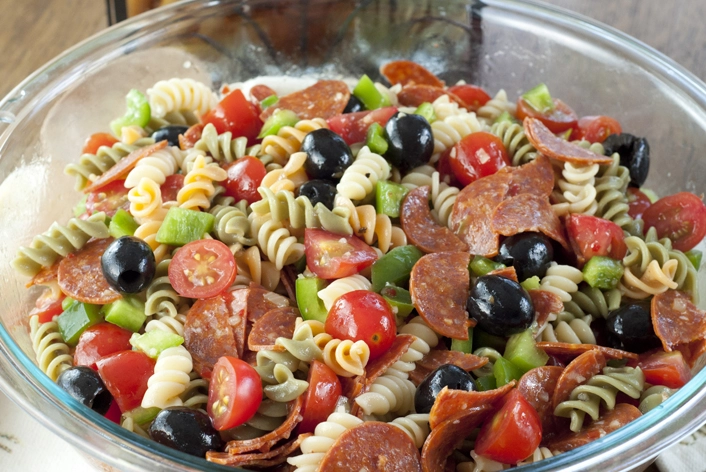
Common Mistakes and How to Avoid Them
I've messed up enough times to know what to watch for.
Soggy Pasta: This is the biggest complaint. Rinsing the pasta after cooking helps, but also make sure your vegetables aren't too watery. Salt tomatoes beforehand, as I mentioned. And don't drown the salad in dressing—start with half, toss, then add more if needed.
Bland Flavors: Underseasoning is common. Taste as you go. The dressing should be bold because the pasta will dilute it. Add more salt, herbs, or even a squeeze of lemon juice if it tastes flat.
Over-mixing: Stir gently to avoid breaking the pasta or mashing the veggies. Use a large bowl and a folding motion.
Skipping Rest Time: Letting the salad chill for at least 30 minutes allows the pasta to absorb the dressing. But don't leave it out at room temperature for hours—bacteria love starch.
One more thing. If you're making it ahead, store the dressing separately and mix just before serving. It's a bit more work, but it guarantees freshness.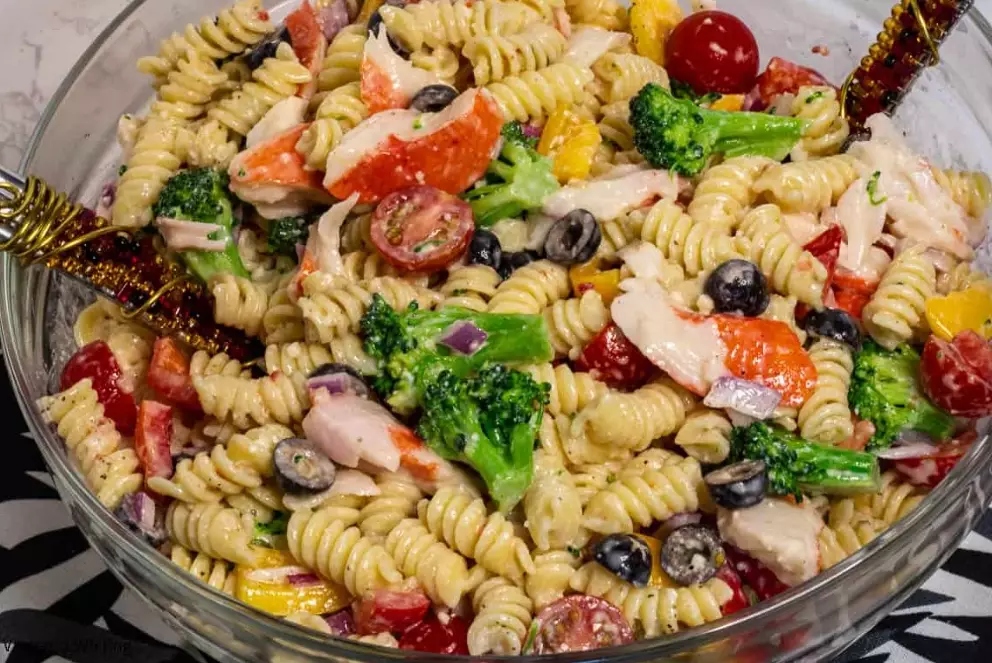
FAQ: Your Pasta Salad Questions Answered
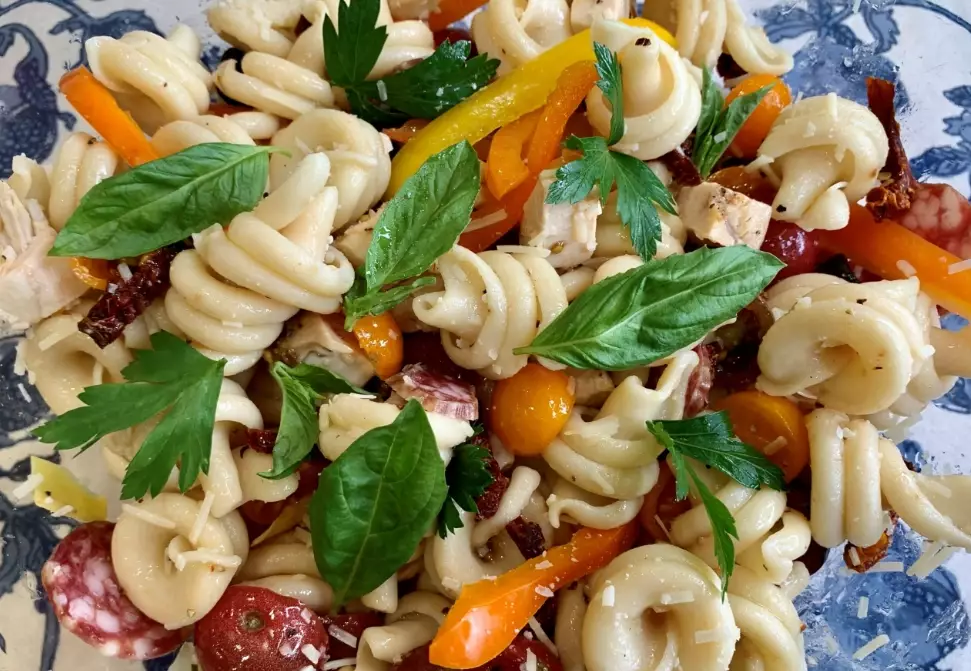 That wraps it up. With these tips, your pasta salad will be anything but ordinary. Give it a try and see the difference. Happy cooking!
Related Articles
Authentic Ricotta Lasagna Recipe: Creamy Layers & Pro Tips
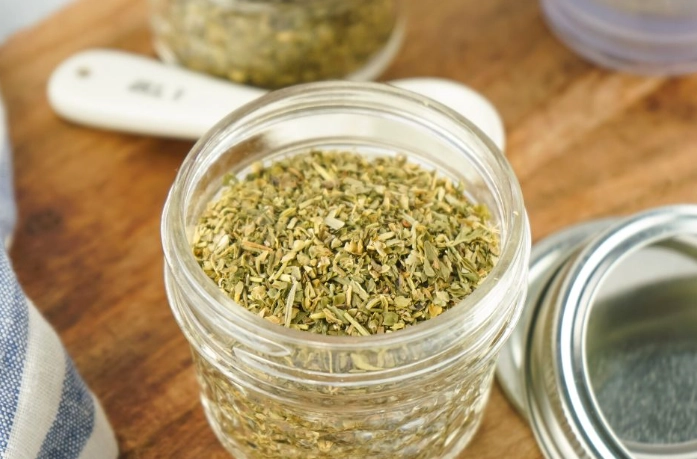
Italian Seasoning Without Marjoram: A Complete Recipe & Guide
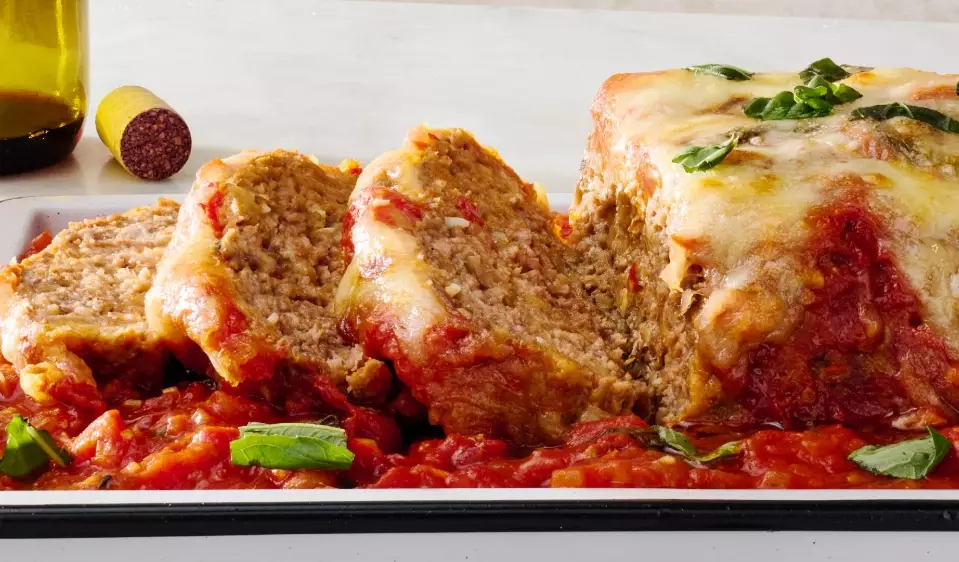
Master Italian Meatloaf: Authentic Family Recipe

Restarting private investment|"Caijing" special report
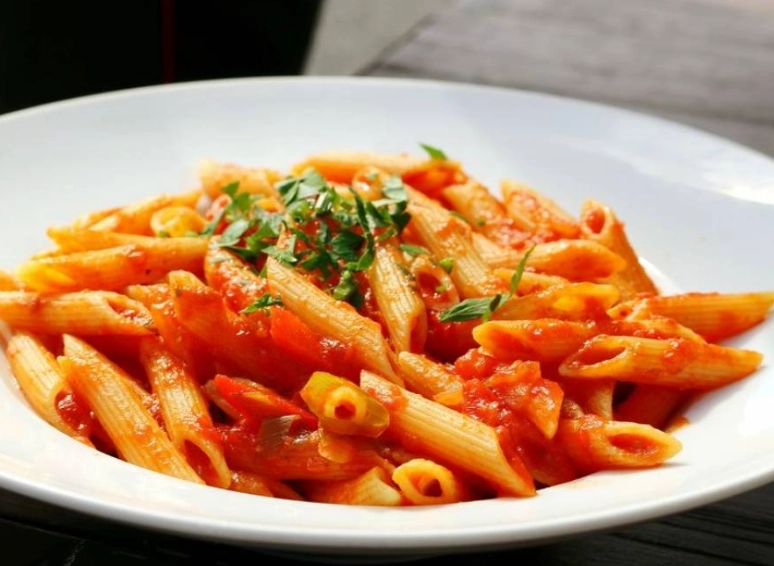
Authentic Italian Pasta Recipes: From Carbonara to Pesto