Perfect Pasta Salad Recipe with Homemade Italian Dressing
In This Guide
- Why Bother Making Your Own Italian Dressing for Pasta Salad?
- A Little Background on This American Classic
- The Complete, No-Fail Recipe for Pasta Salad with Italian Dressing
- Choosing the Right Pasta: It's Not Just About Shape
- Your Pasta Salad Italian Dressing Questions, Answered
- Beyond the Basic: Variations on the Italian Dressing Pasta Salad Theme
- Common Pitfalls and How to Avoid Them
- Is Bottled Dressing Ever Okay?
- Pairing Your Perfect Pasta Salad
Let's be honest for a second. How many times have you been to a barbecue or potluck, seen a bowl of pasta salad, taken a bite, and been met with a soggy, bland, or just plain weird-tasting disappointment? I have. More times than I care to admit. It's usually drowning in a store-bought dressing that tastes more of vinegar and preservatives than herbs, with mushy pasta and sad vegetables.
That experience is exactly why I became obsessed with creating a truly great pasta salad recipe with Italian dressing. Not just a "mix everything together" recipe, but one that considers the texture, the balance of flavors, and how it actually holds up over time. Because let's face it, a pasta salad recipe with Italian dressing is often a make-ahead dish. It needs to survive the fridge and taste even better the next day.
This isn't just about throwing ingredients together. It's about understanding why each component matters. The type of pasta, the cut of the vegetables, the emulsification of the oil and vinegar in your dressing—it all adds up. After what felt like a hundred iterations (my friends and family were very willing taste-testers), I landed on a formula that works every single time. It's vibrant, herby, crunchy in the right places, and the homemade Italian dressing is so good you might start putting it on everything.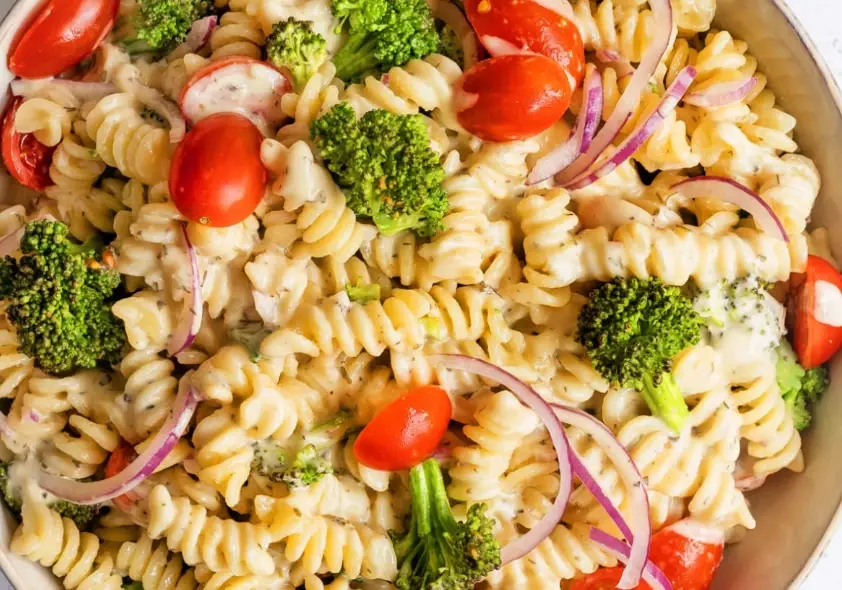
Why Bother Making Your Own Italian Dressing for Pasta Salad?
I can hear the question already. "Why not just buy a bottle? It's easier." Sure, it is easier. But easier rarely means better when it comes to flavor. A homemade Italian dressing for your pasta salad is a game-changer for a few key reasons.
First, you control the quality of the oil. A good extra virgin olive oil forms the base of a fantastic dressing, bringing a fruity, peppery note that you just don't get from the generic vegetable oils in most bottled versions. Second, the freshness of the herbs. Dried oregano and basil have their place, but for a dressing that's going to coat every bite of your pasta salad, fresh herbs make it sing. Finally, you can adjust the balance. Too tangy from the store? You can't fix it. At home, you add a pinch more sugar or a splash more oil until it's perfect for your palate.
The dressing is the soul of the dish. A great pasta salad recipe with Italian dressing lives or dies by it.
A Little Background on This American Classic
It's interesting, isn't it? We call it "Italian" pasta salad, but if you ask anyone in Italy, they might give you a puzzled look. The dish, as we know it—cold pasta with vegetables, cheese, and a vinaigrette—is solidly an American creation. It likely evolved from Italian antipasto principles (the art of mixing savory bits) and found its perfect home at American picnics and gatherings in the mid-20th century. It's a fantastic example of fusion cooking that just works.
The beauty of this adaptability is that there's no single authentic version. It's a canvas. That's why mastering a base recipe for pasta salad with Italian dressing is so powerful. Once you have the foundation down—the pasta cooking, the dressing ratio, the marinating principle—you can swap ingredients based on the season or what's in your fridge.
You want to add some roasted red peppers? Go for it. Some grilled zucchini? Fantastic. The goal is a balanced, satisfying side that can complement grilled meats or stand on its own as a light lunch.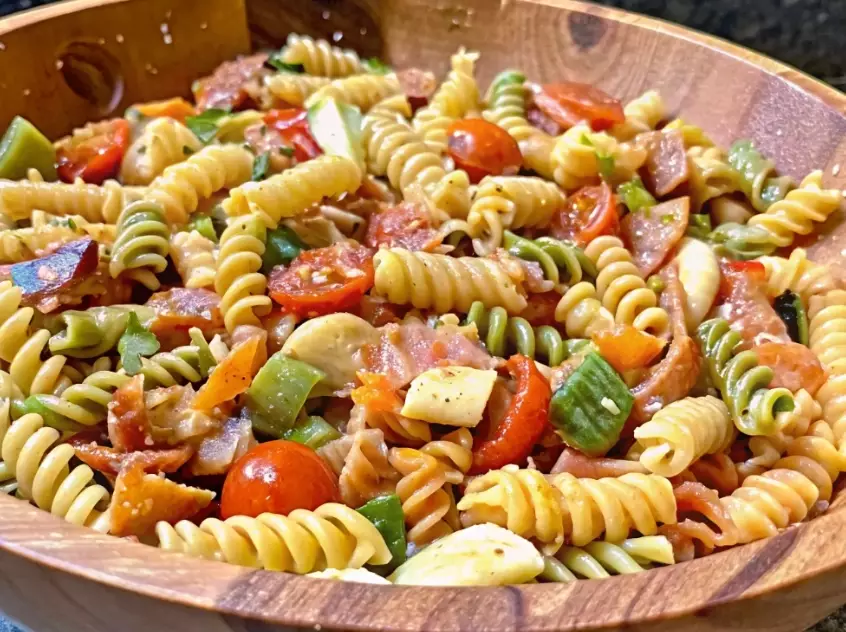
The Complete, No-Fail Recipe for Pasta Salad with Italian Dressing
Okay, let's get into the details. This is my go-to, most-requested version. It has a great mix of textures and colors. Feel free to take notes, and I'll explain the "why" behind each step as we go.
For the Homemade Italian Dressing:
- 1/2 cup good-quality extra virgin olive oil (the flavor foundation)
- 1/4 cup red wine vinegar (bright and tangy; white wine vinegar works too for a slightly milder taste)
- 2 tablespoons freshly grated Parmesan cheese (adds umami and helps thicken the dressing slightly)
- 1 small clove garlic, minced or grated (fresh is key here)
- 1 teaspoon Dijon mustard (the secret emulsifier that keeps the oil and vinegar from separating too quickly)
- 1 teaspoon honey or sugar (just a touch to round out the acidity)
- 1/2 teaspoon dried oregano (classic Italian flavor)
- 2 tablespoons finely chopped fresh basil (or parsley, or a mix)
- Salt and freshly ground black pepper to taste (don't be shy)
How to make it: This is crucial. Don't just dump everything in a jar and shake. For the best emulsion, whisk the Dijon mustard, vinegar, honey, garlic, dried oregano, salt, and pepper together in a bowl first. Then, while whisking constantly, slowly drizzle in the olive oil. It should thicken up nicely. Then stir in the fresh herbs and Parmesan. This method gives you a creamier, more cohesive dressing for your pasta salad.
For the Pasta Salad Base:
- 1 pound (16 oz) short pasta (see the next section for my detailed pasta breakdown—this choice matters!)
- 1 teaspoon salt (for the pasta water)
- 1 cup cherry or grape tomatoes, halved (adds juicy bursts)
- 1 medium English cucumber, diced (about 1.5 cups; I prefer English for fewer seeds)
- 1/2 red onion, finely diced (soak in cold water for 10 minutes if you want to tame the raw bite)
- 1 bell pepper (any color), diced (for crunch and color)
- 4-6 ounces mozzarella cheese (ciliegine or pearls), or diced fresh mozzarella (the creamy counterpart)
- 1/4 cup sliced black olives or pepperoncini (optional, for a briny kick)
- Extra fresh basil or parsley for garnish
The Step-by-Step Process:
- Cook the pasta. This is step one, but it's the most common point of failure. Bring a large pot of water to a rolling boil. Add a generous tablespoon of salt—this is your only chance to season the pasta itself. Cook the pasta according to package directions for al dente. What does that mean? It should be tender but still have a slight firmness or bite in the center. Do not overcook! Mushy pasta makes a sad salad.
- Drain and STOP. Drain the pasta in a colander. Here's my biggest tip: do not rinse it with cold water. I know many recipes say to. I'm telling you not to. Rinsing washes away the natural starches on the surface that help the dressing cling to every noodle. Instead, spread the hot pasta out on a large baking sheet or in your serving bowl. Drizzle with about a tablespoon of olive oil and toss it gently. This prevents clumping and helps it cool faster.
- Prep your veggies. While the pasta cooks and cools, chop all your vegetables and cheese. Get everything ready.
- Combine with care. Once the pasta is just warm or at room temperature (not hot—hot pasta will wilt the veggies), transfer it to a large mixing bowl. Add all your chopped vegetables, cheese, and olives/pepperoncini if using.
- Dress it. Pour about 3/4 of your homemade Italian dressing over the salad. Gently toss everything together until evenly coated. Taste a piece of pasta with a bit of veggie. Need more salt? Pepper? More dressing? Add the remaining dressing now if you like it wetter.
- The Wait. This is the magic. Cover the bowl and refrigerate the pasta salad for at least 1 hour, ideally 2-4 hours. This allows the flavors to meld, the pasta to fully absorb some of the dressing, and everything to chill. The pasta salad recipe with Italian dressing truly comes together in the fridge.
- Serve. Give it a final gentle stir before serving. Garnish with more fresh herbs. If the salad seems a little tight after chilling, you can stir in a tiny splash of water or olive oil to loosen it up.
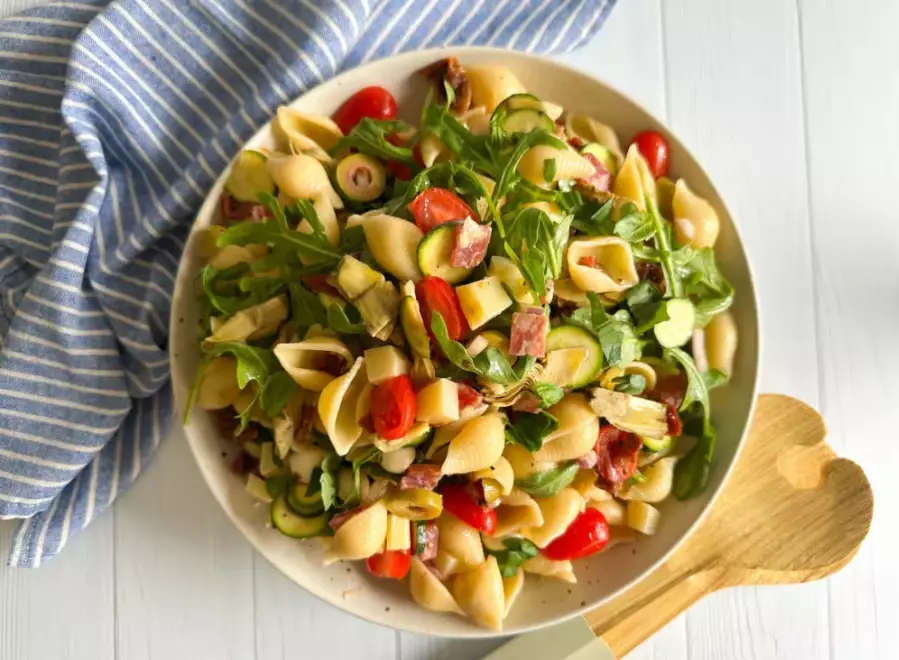
Choosing the Right Pasta: It's Not Just About Shape
This might seem trivial, but the pasta you choose fundamentally changes the salad. You want a shape with nooks and crannies to trap the dressing and little bits of vegetable. Slippery spaghetti? Not a chance.
Here’s my personal ranking of the best pasta shapes for a salad with Italian dressing:
- Fusilli (Corkscrews): My top pick. The spirals are perfect for holding onto dressing. Every bite is flavorful.
- Farfalle (Bow Ties): A close second. The pinched center and ruffled edges are great catchers.
- Rotini: Similar to fusilli, a classic and reliable choice.
- Penne: Good, especially if you get the ridged kind (penne rigate). The tubes can hold small bits inside.
- Orecchiette ("Little Ears"): Fantastic! Their cup-like shape is made to cradle ingredients.
I'd avoid long pastas (spaghetti, linguine) and very small pastas like orzo for this specific style, unless you're going for a different texture entirely. Orzo can get gummy when cold.
Also, consider the pasta material. A good, bronze-die cut pasta has a rougher surface that sauces (and dressings) adhere to much better than the super-smooth, Teflon-extruded kinds. It's a small detail that makes a noticeable difference.
Your Pasta Salad Italian Dressing Questions, Answered
I've gotten a lot of questions over the years. Here are the ones that come up most often when people are trying to perfect their pasta salad recipe with Italian dressing.
Beyond the Basic: Variations on the Italian Dressing Pasta Salad Theme
The recipe above is your solid foundation. But half the fun is playing with it. Here are a few of my favorite twists, depending on the season or my mood.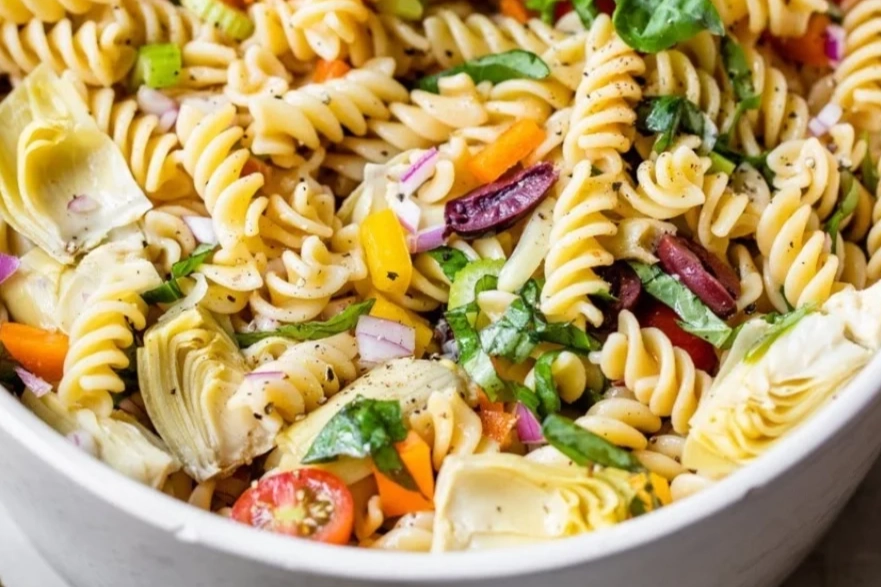
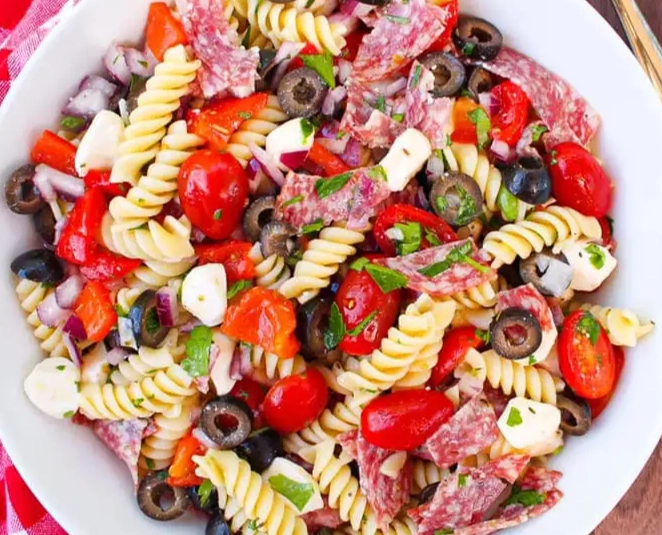
The "Everything but the Kitchen Sink" Antipasto Salad: Add diced salami, sliced pepperoncini, artichoke hearts (marinated, drained), and roasted red peppers. Use a mix of olives. It's a hearty, full-meal salad.
The Lighter, Herb-Forward Version: Swap half the pasta for a grain like farro or quinoa. Add a can of drained cannellini beans, more fresh herbs (dill is nice here), and use lemon juice in place of some of the vinegar in the dressing.
The Summer Garden Salad: In peak summer, use sweet corn kernels (raw or lightly blanched), halved sungold tomatoes, fresh basil pesto swirled into the Italian dressing, and fresh mozzarella balls.
Think of your pasta salad recipe with Italian dressing as a formula: Sturdy Pasta + Crunchy Veg + Creamy/Chewy Element + Herbaceous, Tangy Dressing = Success. Plug in your favorite ingredients within those categories.
Common Pitfalls and How to Avoid Them
Let's talk about where things can go wrong. I've made these mistakes so you don't have to.
- Soggy Vegetables: If you're using vegetables with very high water content (like zucchini or regular cucumbers with seeds), salt them first. Toss diced cucumbers with a little salt, let them sit in a colander for 20 minutes, then rinse and pat dry. This draws out excess water that would otherwise waterlog your dressing.
- Bland Flavor: Underseasoning is the #1 culprit. Season the pasta water well. Season your dressing aggressively—it needs to be flavorful enough to stand up to the bland pasta and veggies. Taste, taste, taste as you go.
- Garlic Overload: Raw garlic gets stronger as it sits. One small clove is plenty. If you're sensitive to raw garlic, you can quickly sauté the minced garlic in a bit of the olive oil for 30 seconds to mellow it before adding it to the dressing.
- Wilted Herbs: Add delicate fresh herbs like basil or parsley after the pasta has cooled. Tossing them into hot pasta will make them turn dark and sad.
Is Bottled Dressing Ever Okay?
I'm not a total purist. Life happens. If you're in a serious pinch, a high-quality bottled Italian or Italian-style vinaigrette can work. But you must doctor it. Here’s my emergency upgrade formula:
Take 3/4 cup of your chosen bottled dressing. Whisk in 2 tablespoons of extra virgin olive oil, 1 tablespoon of freshly grated Parmesan, 1 tablespoon of chopped fresh herb (parsley, basil, or even chives), and a crack of black pepper. This adds freshness and richness that the bottled stuff lacks. It will make your quick pasta salad recipe with Italian dressing taste much more homemade.
But honestly, once you see how easy and superior the homemade version is, you'll probably just make it. It comes together in 5 minutes while the pasta boils.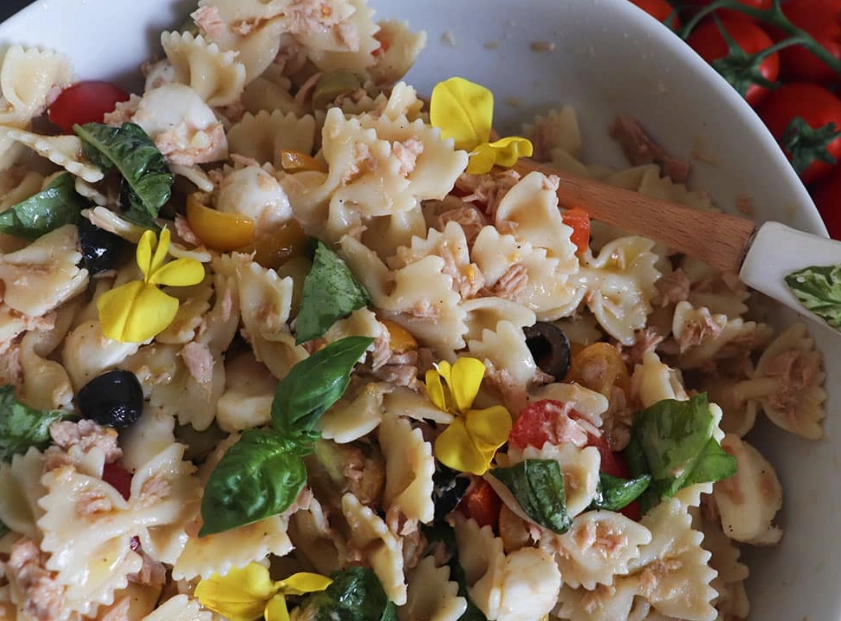
Pairing Your Perfect Pasta Salad
This salad is incredibly versatile. It's the ultimate team player.
It's perfect for:
- Summer barbecues alongside burgers, hot dogs, and grilled chicken.
- Potlucks and picnics (it travels well).
- A simple weeknight dinner with a piece of grilled fish or a store-bought rotisserie chicken.
- Packed lunches for work or school.
It's a crowd-pleaser because it's familiar but done right. When you bring a pasta salad with a truly great homemade Italian dressing, people notice. They ask for the recipe.
And now you have it. Every tip, every trick, every answer to the questions that might pop up. This isn't just a list of ingredients and steps. It's the understanding of how to build a dish that's greater than the sum of its parts. So go grab that box of fusilli, some fresh veggies, and whisk up that dressing. Your new go-to pasta salad recipe with Italian dressing is waiting.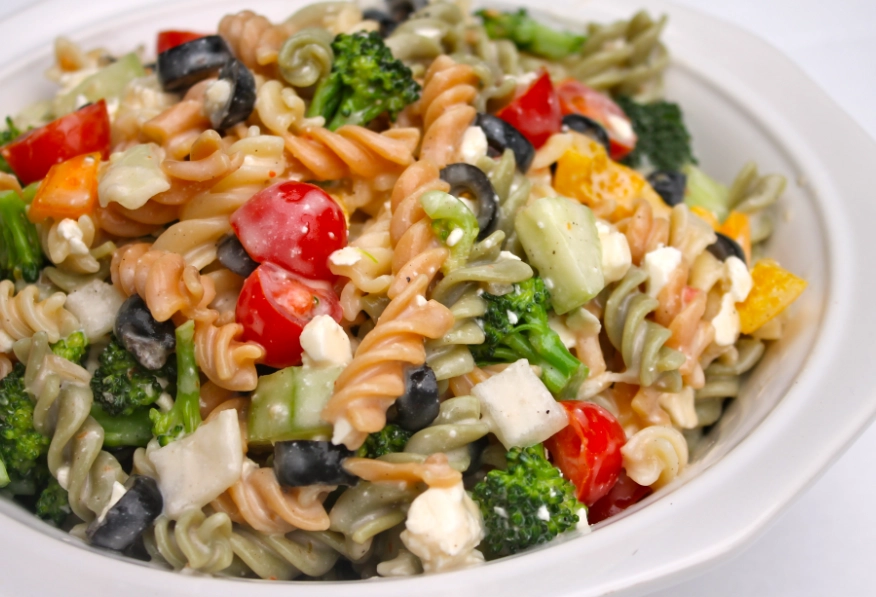
Trust me, once you try it this way, you'll never look at that soggy, bland deli-counter version again.
Related Articles

What is the dispute over the open and closed source of large models?
What Are the Most Popular Italian Appetizers? A Complete Guide to Antipasti
Authentic Italian Regional Recipes: A Guide to Italy's Best Local Dishes
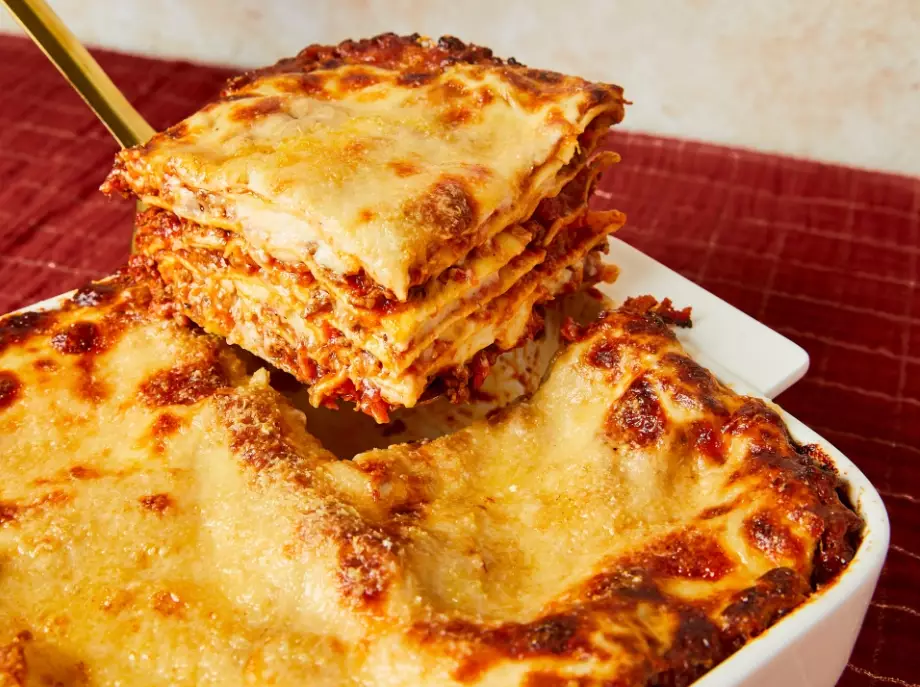
The Ultimate Guide to Making Authentic Italian Lasagna at Home
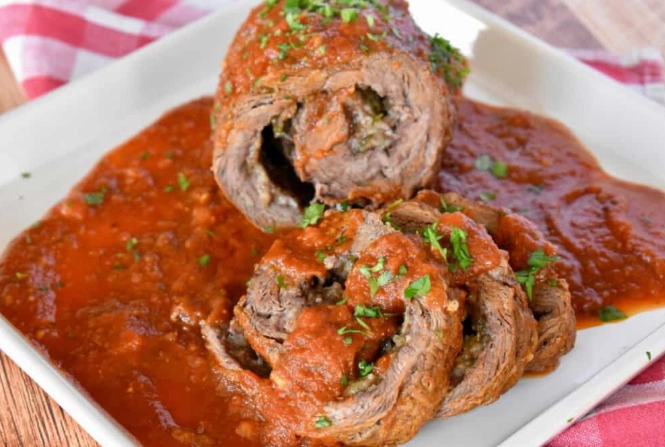
Easy Braciole Recipe: Authentic Italian Beef Rolls Made Simple
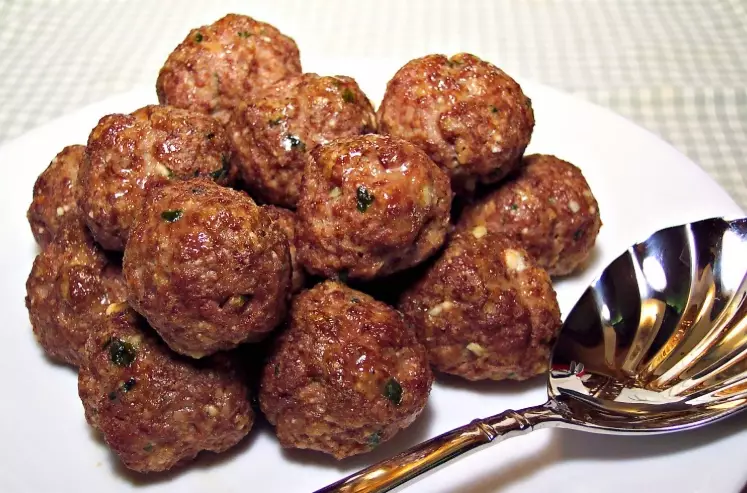
Italian Meatball Recipe: Step-by-Step Guide & Secrets for Tender Meatballs

Restarting private investment|"Caijing" special report
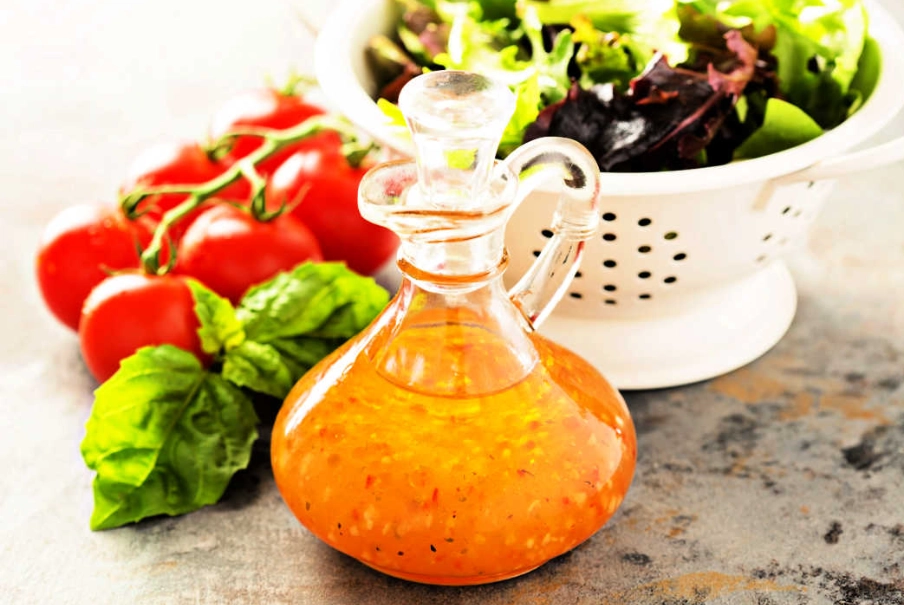
Authentic Italian Salad Dressing Recipe: Easy, Zesty & Homemade
Authentic Italian Regional Recipes Guide: Cook from Source
Master Italian Meatloaf: Authentic Family Recipe

Amazon on the fire
Italian Pasta Salad Recipe: The Ultimate Guide for Perfect Results
4 Famous Italian Pastas: Types, History & Cooking Guide
Top 10 Pasta Dishes: Must-Try Italian Classics & Expert Tips
Authentic Italian Pizza Dough Recipe: A Step-by-Step Guide
Authentic Italian Dinner Recipes from Regional Cuisines

Top 10 Italian Cocktails: From Negroni to Spritz & Beyond
Authentic Italian Pasta e Fagioli Recipe: A Hearty Classic

What Side Dishes to Serve with Sausage? 15 Perfect Pairings & Recipes
Easy Italian Pizzelle Recipe: Simple & Authentic
Italian Sausage Recipes: From Classic Pasta to Grilled Skewers

Sea freight rates soared! One after another raised sea freight rates, the "king
Authentic Italian Vegetarian Recipes: Classics Made Simple & Delicious
Authentic Italian Recipes: Secrets from a Roman Kitchen
The Best Pasta Carbonara Recipe: Authentic Roman Secrets Revealed
Ultimate Guide to Making Homemade Pasta from Scratch
Authentic Italian Stromboli Recipe: Easy Homemade Guide for Perfect Results

Breaking through 1.2 billion kilowatts, China has achieved its commitment to win
Easy Italian Appetizer Recipes for a Crowd: Make-Ahead & Crowd-Pleasing Ideas

Leave a Comment