Ultimate Italian Margarita Recipe: How to Make the Perfect Amaretto Sour Twist
I remember the first time I had an Italian Margarita. It was at this tiny, family-run Italian joint, the kind with red checkered tablecloths and Chianti bottles as candle holders. After a heavy plate of pasta, the waiter suggested their “signature twist” on a margarita. I was skeptical. Tequila and Italian? But one sip shut me up completely. It wasn't just a margarita. It was richer, nuttier, with this incredible depth that made the classic version suddenly seem a bit one-dimensional. I spent the next year trying to reverse-engineer it, and let me tell you, most recipes online get a crucial detail wrong.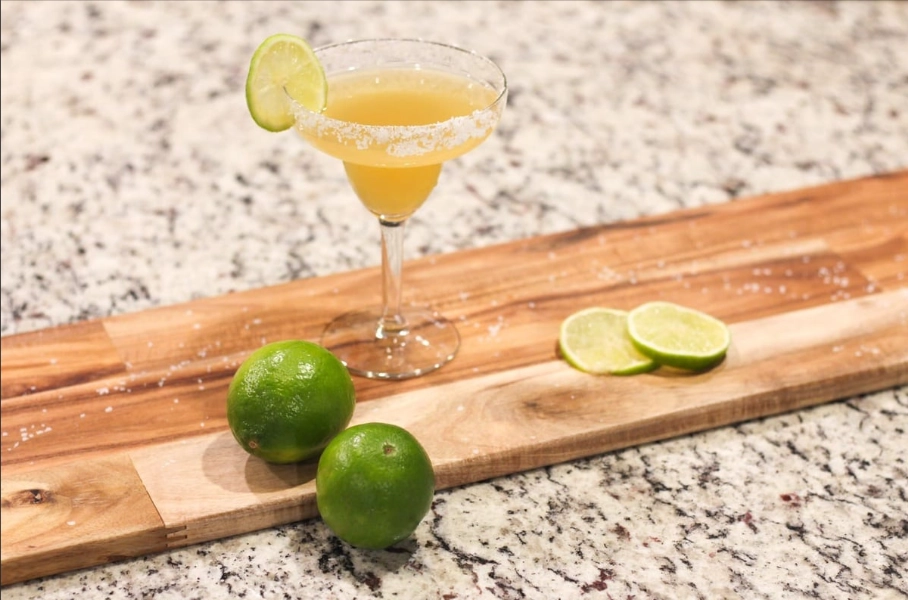
My Italian Margarita Roadmap
What Makes an Italian Margarita Special?
Let's clear this up first. An Italian Margarita isn't a margarita you drink in Rome. The “Italian” refers to one key ingredient: amaretto liqueur. This sweet, almond-flavored liqueur (think Disaronno) transforms the bright, citrusy profile of a classic margarita into something warmer, more complex, and utterly irresistible. It bridges the gap between a Margarita and an Amaretto Sour, creating a hybrid that's greater than the sum of its parts.
You get the peppery kick of tequila, the sharp tang of lime, the orange sweetness of triple sec, and then—bam—the smooth, marzipan-like richness of amaretto rolls in. It rounds out all the sharp edges without making the drink cloying. It's the perfect cocktail for people who find traditional margaritas too tart or too simple.
How to Make an Italian Margarita: The Step-by-Step Guide
Here’s the blueprint. It looks simple (and it is), but the magic is in the technique and ingredient choices we'll discuss next.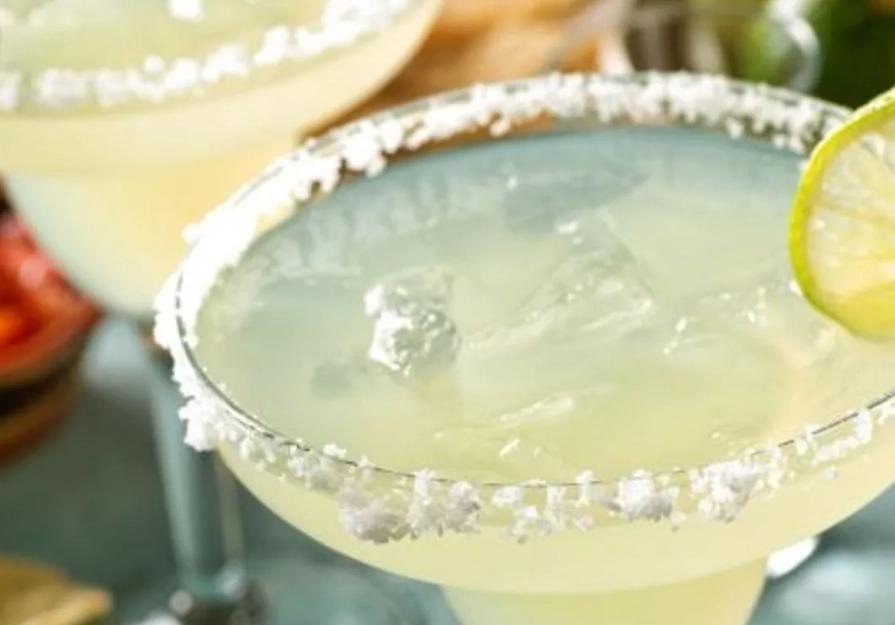
What You'll Need (For One Cocktail)
- Tequila: 1.5 oz (45 ml) – Use 100% agave blanco or reposado.
- Amaretto Liqueur: 1 oz (30 ml) – Disaronno is the classic, but others work.
- Triple Sec or Cointreau: 0.5 oz (15 ml)
- Fresh Lime Juice: 1 oz (30 ml) – Bottled juice is a non-starter here.
- Agave Syrup or Simple Syrup: 0.25 oz (7.5 ml) – Optional, for extra sweetness.
- Garnish: Lime wheel, and salt for the rim (optional).
The Process, Demystified
1. The Rim (Do It First): If you want a salted rim, take a lime wedge and run it around half the rim of your glass (a coupe or rocks glass). Dip the moistened rim into a shallow plate of coarse salt, like kosher salt or flaky sea salt. Twirl and set aside. Don't use table salt—it's too fine and aggressively salty.
2. The Shake: Fill your cocktail shaker with fresh ice. Add the tequila, amaretto, triple sec, fresh lime juice, and syrup (if using). Put the lid on tightly. Now shake it like you mean it—hard and fast for a solid 12-15 seconds. You're not just mixing; you're chilling, diluting, and aerating the drink. It should feel frosty in your hand.
3. The Strain & Serve: Strain the mixture into your prepared glass, either over fresh ice (rocks glass) or “up” without ice (coupe glass). Drop in a lime wheel for that final touch.
Choosing the Right Ingredients: A Deep Dive
This is where you can turn a good drink into a great one. Let's break down each component.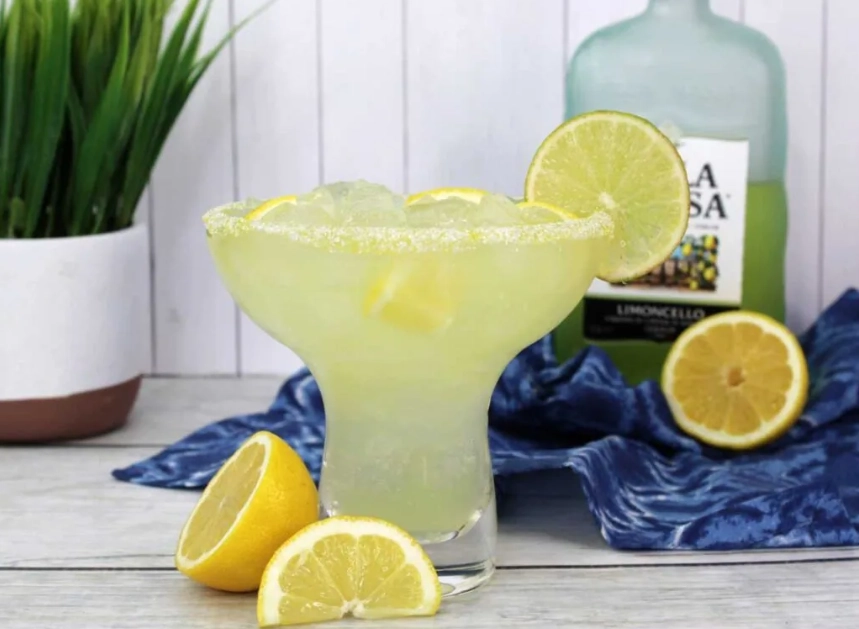
| Ingredient | What to Look For | Why It Matters | Budget-Friendly Pick |
|---|---|---|---|
| Tequila | 100% agave, Blanco or Reposado | "Mixto" tequilas have additives and a harsh finish that clashes with the amaretto. 100% agave is cleaner, smoother, and lets the flavors shine. | Espolòn Blanco, Olmeca Altos Plata |
| Amaretto | Avoid overly artificial, syrupy brands | The amaretto is the star. A cheap one tastes like chemical almonds and will dominate the drink unpleasantly. | Disaronno is the standard. Gozio is a great step-up. |
| Triple Sec | Anything but the bottom-shelf bright blue stuff | This provides the essential orange note. Cheap triple sec is cloying and artificial. Cointreau is drier and more refined. | Senior Curaçao, Combier |
| Lime Juice | FRESH. Squeezed just before. | Bottled lime juice has preservatives and a cooked, bitter taste that will ruin the cocktail's fresh vibrancy. | Buy a lime and a juicer. |
About the tequila type: A blanco will give you a brighter, more agave-forward cocktail that really contrasts with the amaretto. A reposado, aged 2-12 months in oak, introduces subtle vanilla and caramel notes that actually complement the almond flavor beautifully. I prefer reposado for this drink—it creates a more harmonious, sophisticated sip.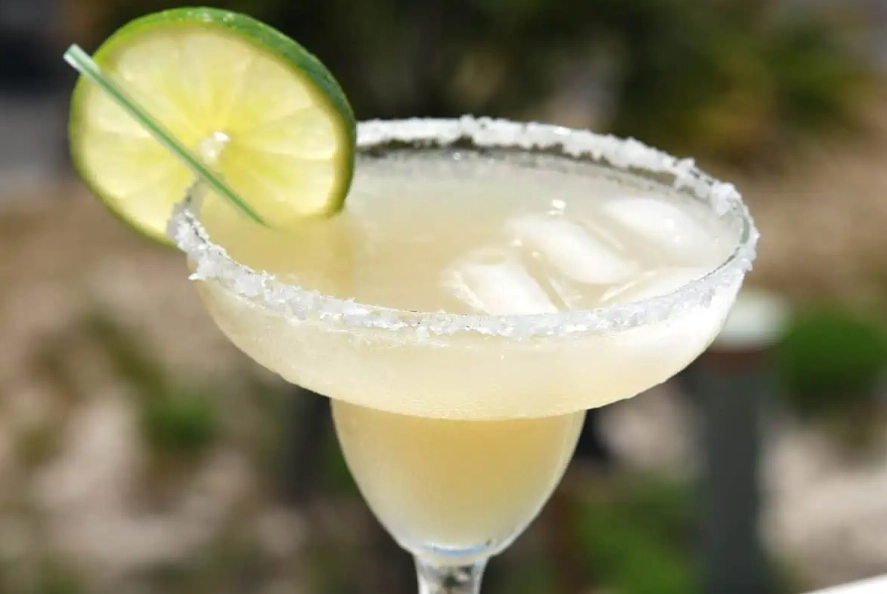
Common Mistakes and How to Avoid Them
I've seen (and made) these errors. Let's sidestep them.
Mistake #1: The Amaretto Overload
Some recipes call for equal parts tequila and amaretto. This is a mistake. It turns the drink into a sugary amaretto shot with a tequila afterthought. The tequila should be the backbone. Our 1.5 oz tequila to 1 oz amaretto ratio keeps the drink balanced and spirit-forward.
Mistake #2: Shaking with Warm Ingredients
If your tequila and amaretto are sitting on the bar, they're room temperature. Shaking room-temp liquids with ice has to work too hard to chill them, resulting in over-dilution. Store your spirits in the freezer if you can, especially the tequila and amaretto. A cold start means a faster, better chill with perfect dilution.
Mistake #3: The Wrong Salt & Rim Technique
Using fine table salt creates an aggressively salty, gritty rim that overpowers the first few sips. Coarse kosher salt or flaky sea salt (like Maldon) dissolves slowly and delivers flavor in bursts. Also, only rim half the glass. This lets the drinker choose how much salt they get with each sip.
Serving and Pairing Suggestions
An Italian Margarita is versatile. Serve it on the rocks in a lowball glass for a casual, long-lasting drink. For a more elegant presentation, serve it "up" in a chilled coupe glass—this is my preference as it highlights the aromas.
What to eat with it? It's fantastic with the obvious: Italian fare. Think antipasti platters with salty meats and cheeses, garlic-heavy pasta dishes (the amaretto stands up to garlic surprisingly well), or even a rich, tomato-based pizza. Beyond Italian, it pairs wonderfully with spicy foods like tacos al pastor or Thai curries—the sweetness helps tame the heat.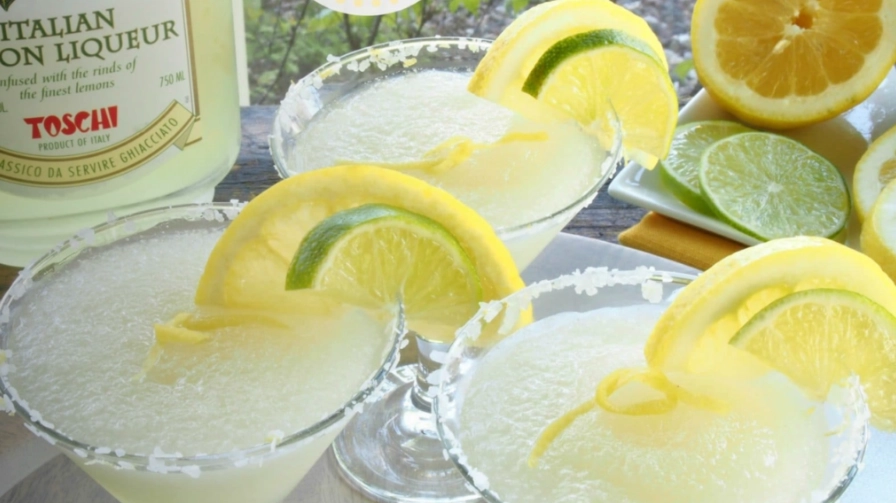
Your Italian Margarita Questions Answered
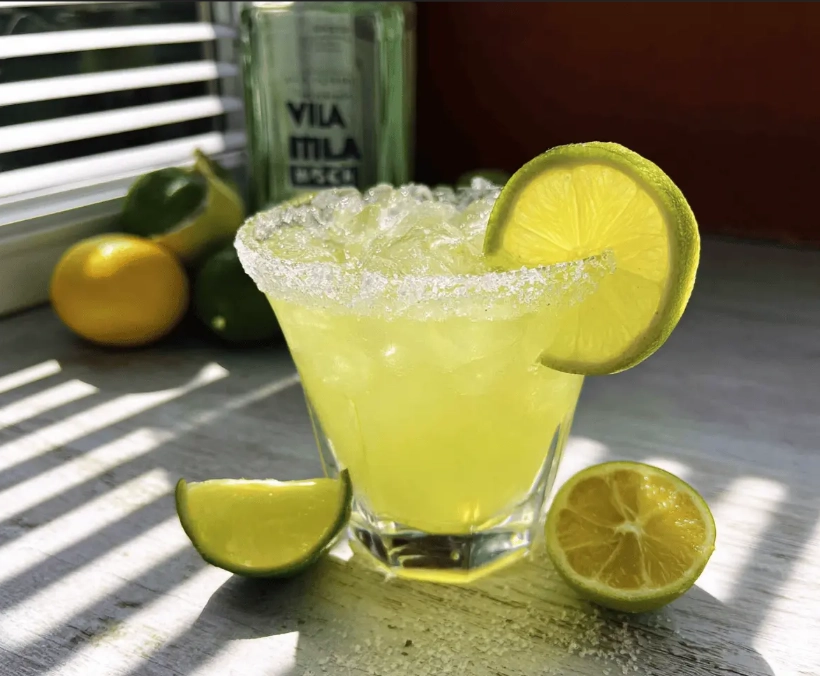 The beauty of the Italian Margarita recipe is its flexibility once you master the basics. Try a smoky mezcal instead of tequila for a "Oaxacan Italian" variation. Add a splash of cranberry juice for a ruby-red holiday version. The core formula—spirit, amaretto, citrus, sweetener—is a canvas. Start with the classic outlined here. Get that perfect balance. Then make it your own.
Related Articles
Italy's Most Traditional Dish: The Definitive Guide to Authentic Cuisine
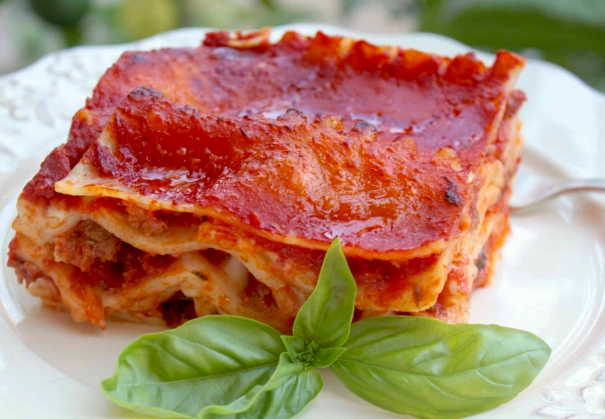
Authentic Italian Recipes: Your Ultimate Guide to Mastering Classics at Home
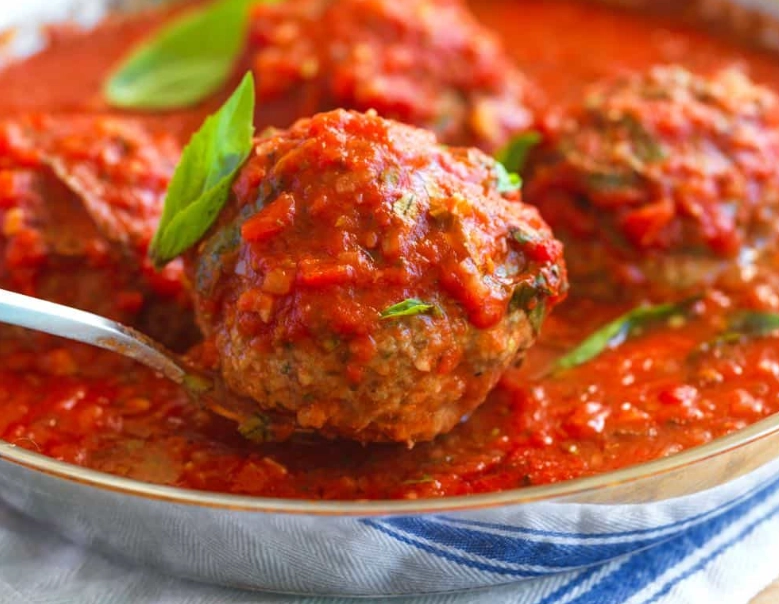
Authentic Italian Meatballs: Nonna's Secrets & Step-by-Step Recipe
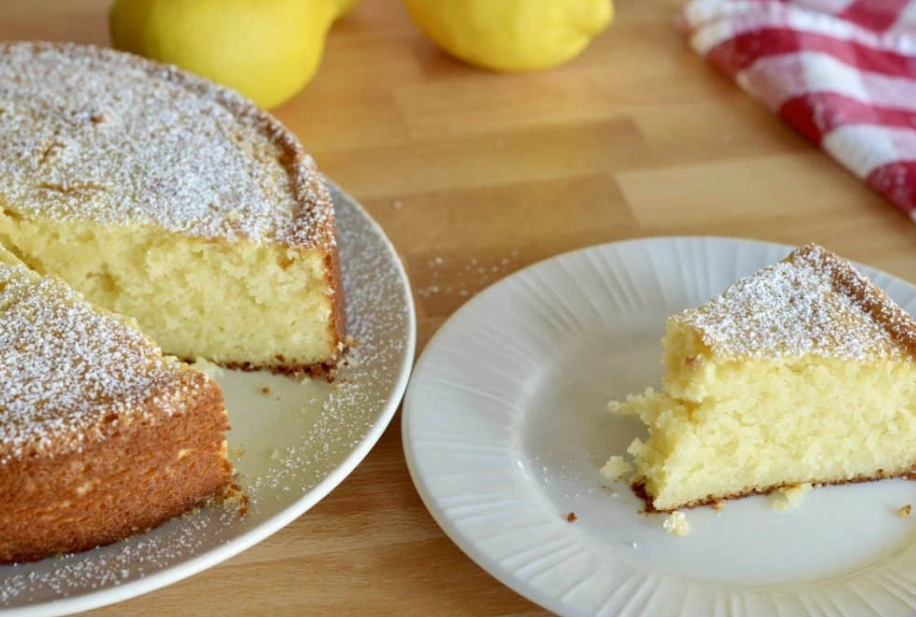
Best Italian Dessert Recipes: Classics & Regional Gems
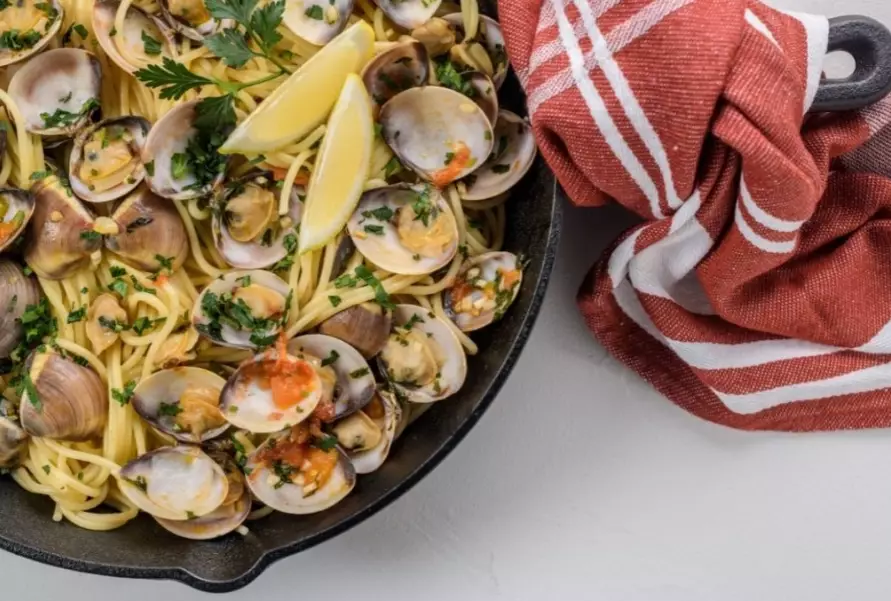
Ultimate Guide to the Top 10 Pasta Dishes You Must Try