Homemade Italian Ice Recipe: Smooth, Grain-Free & Authentic
You know that feeling. It's a blistering summer day, and you're dreaming of that perfect, smooth, intensely flavored Italian ice from a corner cart. You try a recipe at home. You mix juice and sugar, freeze it, stir it a few times like the instructions say. The result? A rock-hard block or a disappointingly grainy, icy mess. It's nothing like the memory.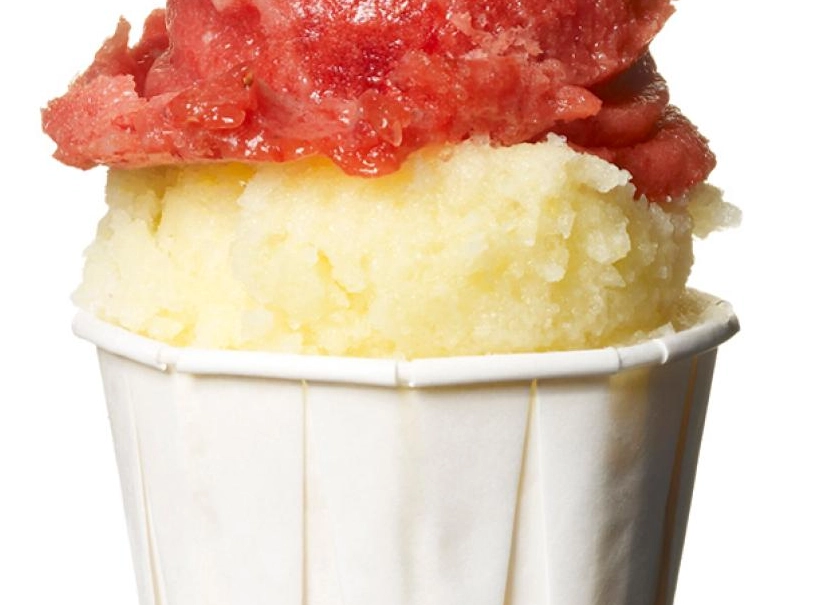
I've been there. My first attempt was a sugary lemon iceberg. The problem isn't the flavor—it's the texture. After years of testing (and failing), I figured out the single thing most recipes get wrong. It's not about the ingredients list; it's about the freezing process. This guide will give you the authentic, scoopable, grain-free Italian ice you're craving, with a pro trick that changes everything.
What You'll Find in This Guide
What is Italian Ice, Really?
Let's clear up the confusion first. Italian ice (or water ice in some parts) isn't sorbet, and it's definitely not granita.
True Italian ice is a frozen dessert made from water, sugar, and flavoring—usually fruit juice or puree. The magic is in its texture: it's dense, smooth, and scoopable, not fluffy or airy like sorbet (which often contains fruit puree and is churned like ice cream), and not flaky and coarse like granita (which is intentionally scraped). It melts on your tongue with a clean, intense burst of flavor.
Getting that signature texture at home is the whole game.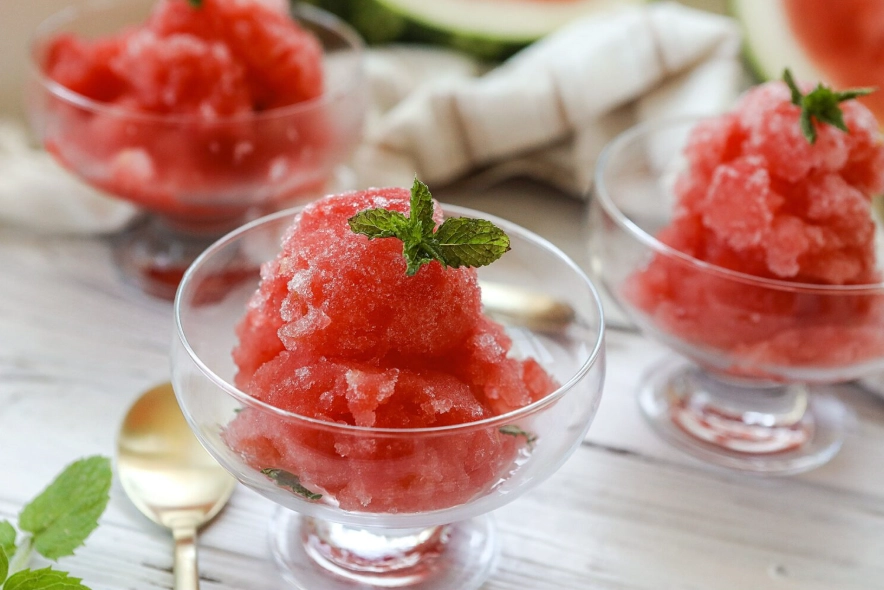
The Secret to a Perfectly Smooth Texture
Here's the non-consensus part, the thing most blog recipes gloss over. The enemy is ice crystals. When you freeze sugar water, crystals form. If they grow large, you get graininess.
The old-school advice is to pour your mix into a pan and stir it with a fork every 30 minutes as it freezes. This is a recipe for frustration. You're never stirring enough to break up all the crystals, and you're bound to forget a cycle.
The professional method, and the one I swear by, is to use an ice cream maker. Wait, don't click away. You're not making ice cream. You're using the machine's constant, gentle churning action for the first 15-20 minutes of freezing. This agitation breaks up ice crystals as they form, resulting in a fine, smooth slush. You then transfer that slush to a container to freeze solid. The result is perfect, scoopable Italian ice every single time, with zero guesswork.
No Machine? Don't worry. I'll give you a manual method that actually works, but it requires more attention. The ice cream maker is the cheat code for flawless texture.
The Master Italian Ice Recipe (Lemon Classic)
This is your base template. Master this, and you can make any flavor. The key is the sugar syrup—it ensures the sugar is fully dissolved and integrates smoothly, preventing graininess.
| Ingredient | Quantity | Purpose & Notes |
|---|---|---|
| Water | 2 cups (480ml) | Split: 1 cup for syrup, 1 cup cold. |
| Granulated Sugar | 1 cup (200g) | Don't reduce this. Sugar lowers the freezing point for a softer texture. |
| Fresh Lemon Juice | 3/4 cup (180ml) | About 4-5 large lemons. Bottled juice lacks brightness. |
| Lemon Zest | From 2 lemons | The secret for aromatic depth. Use a microplane. |
| Pinch of Salt | 1/8 tsp | Enhances all the flavors. Trust me. |
How to Make Italian Ice: The Step-by-Step Process
1. Make the Sugar Syrup (This is Non-Negotiable)
Combine 1 cup of water and the sugar in a saucepan. Heat over medium, stirring just until the sugar dissolves. Don't let it boil for long—you're not making candy. You just want a clear syrup. Remove from heat and let it cool to at least room temperature. This simple syrup is your insurance policy against gritty sugar in the final product.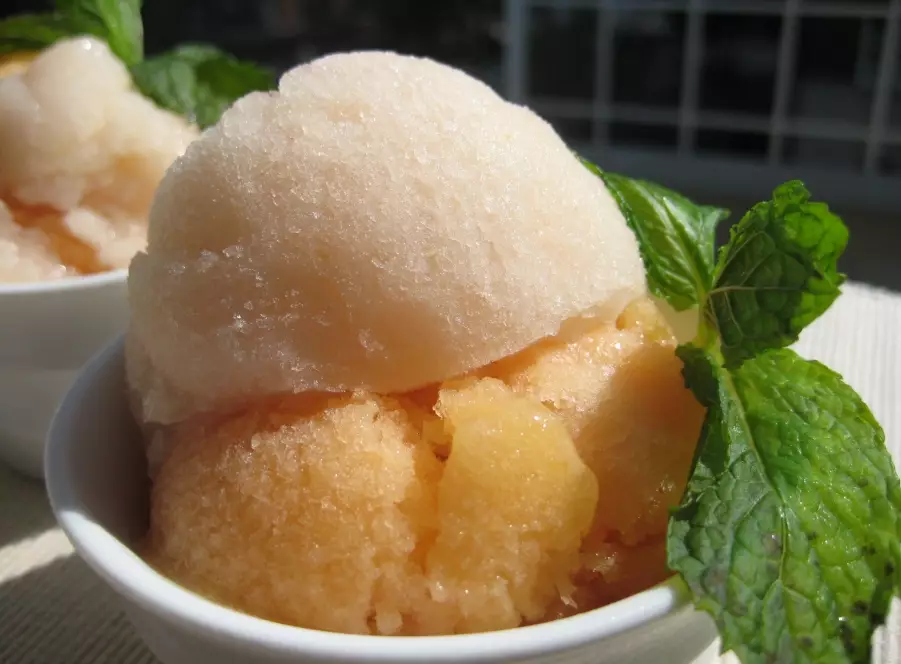
2. Combine & Chill the Base
In a large bowl or pitcher, combine the cooled sugar syrup, the remaining 1 cup of cold water, the fresh lemon juice, lemon zest, and salt. Stir well. This next step is critical: refrigerate this mixture for at least 2 hours, preferably overnight. A cold base freezes faster and more evenly in your ice cream maker.
3. The #1 Mistake Everyone Makes (The Freeze)
With an Ice Cream Maker: Churn the chilled mixture in your machine according to its instructions. It usually takes 15-20 minutes. It will look like a thick, smooth slush. Pour this into a freezer-safe container (a loaf pan works great), cover with parchment paper pressed directly on the surface, then lid or plastic wrap. Freeze for 3-4 hours until firm.
Without a Machine (The Vigilant Fork Method): Pour the chilled mix into a shallow metal baking pan (9x13). Freeze. After 25 minutes, use a fork to scrape the frozen edges into the slushy center. Break up every crystal you see. Repeat this every 25 minutes for the first 2 hours. Then let it freeze solid, covered. It's more work, but frequent disruption is key.
4. Serve & Store
Let it sit at room temperature for 5-7 minutes before scooping. Store airtight in the freezer for up to 2 weeks. If it gets too hard, a quick 10-second blast in the microwave for the whole container can soften it perfectly.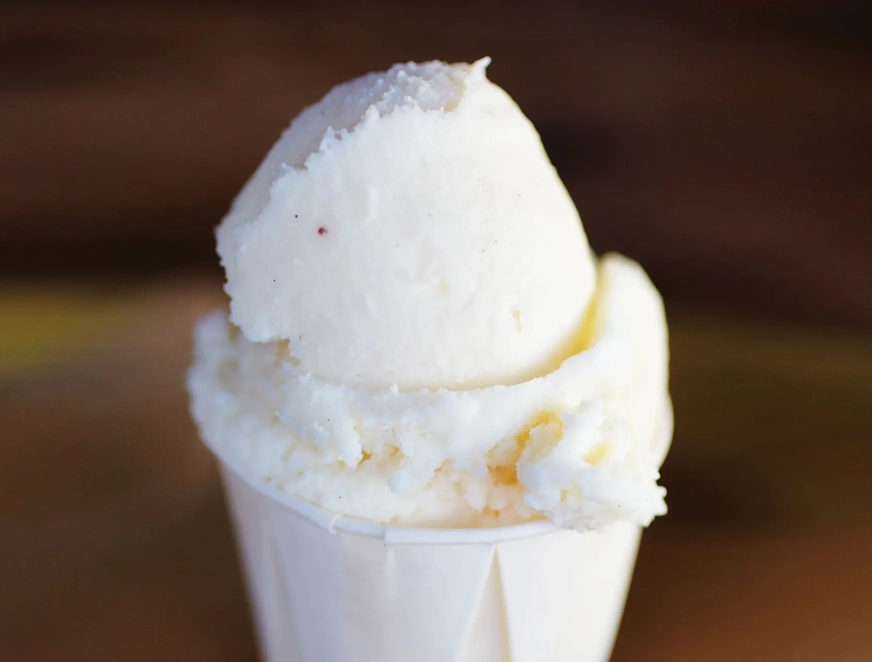
Beyond Lemon: Flavor Variations & Pro Ideas
The formula is simple: 3 cups total liquid (syrup + water + flavor liquid), 1 cup sugar.
- Strawberry: Replace the 1 cup cold water with 1 cup pureed fresh strawberries (strained). Use lime juice instead of lemon for a brighter combo.
- Mango Passionfruit: Use 1 cup mango puree and 1/4 cup passionfruit juice. Reduce cold water to 3/4 cup.
- Blood Orange: Replace all lemon juice with fresh blood orange juice. The color is stunning.
- Coffee: Replace all water with strongly brewed, cooled coffee. Skip the citrus. This is a sleeper hit.
A pro tip from an old-school vendor: a tiny splash of a clear spirit like vodka (1 tablespoon) in the base doesn't add alcohol flavor but further inhibits large ice crystals, making it even smoother. It's optional, but it works.
Why is My Italian Ice Grainy? (The Real Fix)
If you end up with a grainy batch, all is not lost. Let it thaw completely at room temperature. Give it a good stir to re-homogenize. Then, pour it back into your ice cream maker and re-churn it. Freeze as directed. It will fix the texture 90% of the time. This trick saved more of my early experiments than I'd like to admit.
Graininess means the crystals got too big, too fast. The fix is to melt and re-agitate.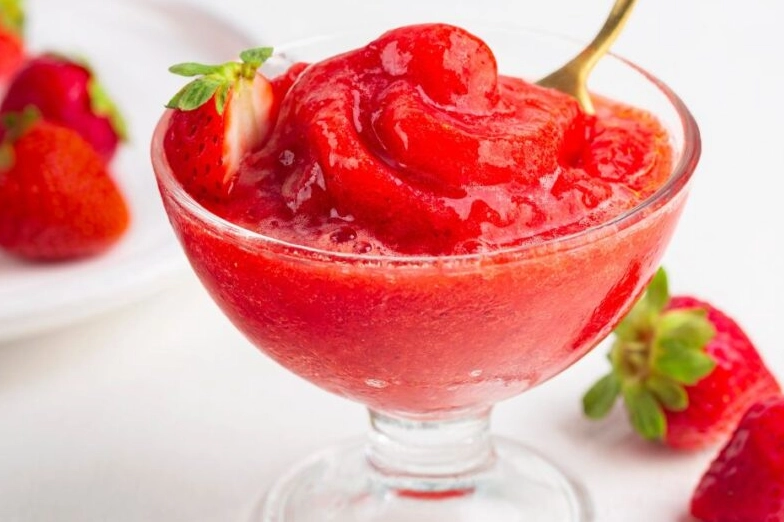
Your Italian Ice Questions, Answered
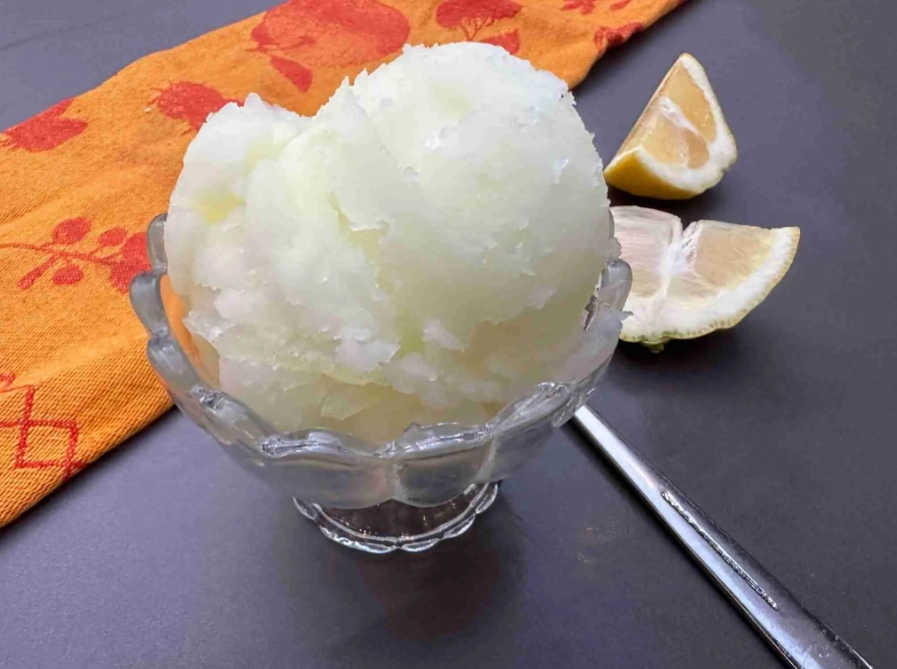 What's the difference between Italian ice, sorbet, and granita?
The journey to perfect homemade Italian ice is about understanding the science of freezing. It's not a "set it and forget it" dessert. But with the right method—starting that freeze with a churn—you unlock a world of smooth, vibrant, refreshing treats that beat anything from the store. Give the master recipe a try this weekend. Your summer self will thank you.
Related Articles

Cold Italian Appetizers: The Ultimate Guide to Antipasti & Finger Foods
Italian vs. Regular Meatballs: The Real Differences Explained
Authentic Pasta Carbonara Recipe: Original Italian Method (No Cream!)

Best Italian Soup Recipes: Classic Comfort in a Bowl
Authentic Italian Chicken Cacciatore Recipe: A Hunter's Stew