The Ultimate Authentic Italian Hoagie Recipe: Make the Classic Philly Sandwich at Home
Hoagie Masterclass: Your Quick Guide
- What Even *Is* an Italian Hoagie?
- The Foundation: Deconstructing the Perfect Hoagie Roll
- The Cast of Characters: Your Italian Hoagie Recipe Shopping List
- The Step-by-Step Assembly: Building Your Masterpiece
- Crafting Your Signature Sub Sauce: The Heart of the Recipe
- Leveling Up: Variations on the Classic Italian Hoagie Recipe
- Fixing Common Hoagie Disasters (FAQ)
- Why This Recipe Beats Anything You Can Buy
Let's be honest. You've probably had a bad Italian hoagie before. You know the one. Soggy bread, a measly slice of each meat, and that weird, overly sweet sauce that tastes nothing like the real deal. It's disappointing, and it's expensive. What if I told you the absolute best Italian hoagie recipe isn't a secret held by some corner shop in Philadelphia? It's something you can make right at home, and it'll blow any store-bought version out of the water. Seriously.
This isn't just about stacking meat and cheese. It's a craft. A little bit of history, a lot of ingredient know-how, and a few techniques that make all the difference. We're going deep on this. From the fierce debate over the right bread (it's more important than you think) to the exact order of layering that keeps everything from falling apart, consider this your masterclass. I've made every mistake so you don't have to. I've used the wrong oil, drowned sandwiches in vinegar, and learned the hard way that not all capicola is created equal. Follow this guide, and you'll never look at a pre-packaged sub the same way again.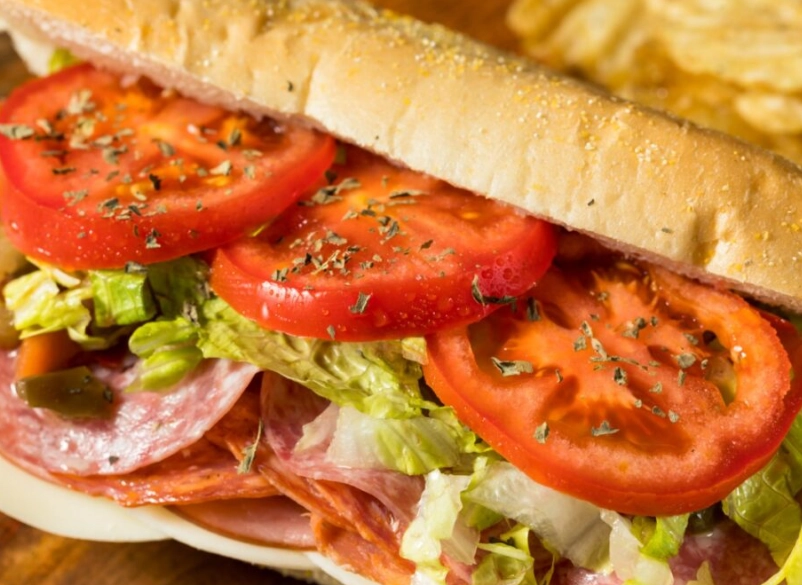
What Even *Is* an Italian Hoagie?
Before we dive into the Italian hoagie recipe itself, let's clear up the confusion. Hoagie, sub, hero, grinder... the name changes depending on where you're from, but the soul remains the same. The classic Italian hoagie is a Philadelphia icon, a masterpiece of Italian-American deli culture. It's not just a sandwich; it's an experience. The core idea is simple: a combination of Italian cured meats and cheeses, layered with crisp vegetables, herbs, oil, and vinegar on a long, soft-but-crusty roll.
But the magic is in the balance. It's salty, tangy, savory, crunchy, and herbal all at once. Every bite should have a bit of everything. If you find yourself eating just plain meat halfway through, you've built it wrong. We're going to fix that.
The Name Game: In Philly, it's a hoagie. In New York, it's a hero. In New England, it's a grinder. In most of the rest of the country, it's simply a sub or an Italian sub. They're all cousins, but today, we're honoring its Philly roots.
The Foundation: Deconstructing the Perfect Hoagie Roll
This is the hill I will die on. The bread is not just a vessel; it's the structural foundation and the first thing you taste. Get this wrong, and your entire Italian hoagie recipe is compromised.
You need a roll that's sturdy enough to hold a mountain of fillings and wet ingredients without disintegrating into a soggy mess after 10 minutes. But it also can't be so crusty that you need a saw to cut it or that it shreds the roof of your mouth. The ideal roll has a thin, crisp, slightly floured exterior that gives way to a soft, airy, and chewy interior. It has to have enough body to stand up to the job.
Can't find the perfect Italian roll? Here's a quick breakdown of your options, from best to... well, last resort.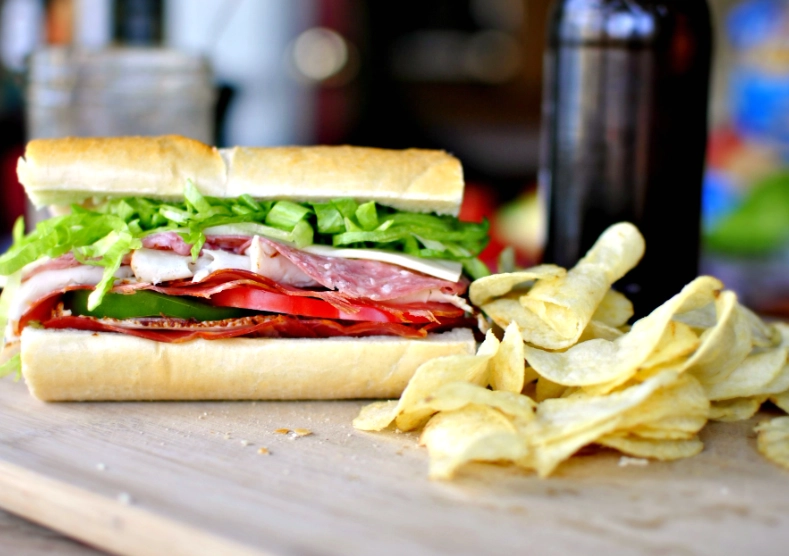
| Bread Type | Why It Works (or Doesn't) | Pro Tip |
|---|---|---|
| Authentic Italian Roll | The gold standard. Soft interior, crisp crust, perfect size. Often sold as "hoagie rolls" or "sub rolls." | Look for them at Italian bakeries, specialty delis, or in the bakery section of better supermarkets. |
| French Baguette | A decent substitute if the crust isn't too hard. Good structure and chew. | Choose a softer, "Italian-style" baguette over a super-crusty traditional one. |
| Bolillo Roll | Surprisingly excellent. Soft with a sturdy yet yielding crust. A fantastic backup plan. | |
| Ciabatta | Proceed with caution. The large air pockets can cause structural failures and uneven bites. | If you must use it, press it down gently before assembling. |
| Pre-Sliced "Sub" Rolls (bagged) | The last resort. Often too soft, sweet, or cake-like. They get soggy instantly. | Toasting is mandatory if you're stuck with these. |
See what I mean? The bread choice makes or breaks it.
Prepping Your Roll Like a Pro
Don't just slice it and start piling. There's a technique. First, slice the roll almost all the way through, but leave a "hinge" on the back so it stays connected. This is crucial for structural integrity. Next, and this is non-negotiable, you need to hollow out some of the soft interior bread from the top half. Just tear out a little channel. Why? It creates a well for your fillings to nest into, preventing the dreaded "rounding" where all the meat and cheese slide out when you take a bite. It also improves the bread-to-filling ratio. More good stuff, less filler bread. You're welcome.
Pro Tip: Never toast your hoagie roll for a classic Italian hoagie. Toasting changes the texture and moisture absorption in a way that purists (and I) find wrong for this sandwich. You want it soft and pillowy to soak up the oils and vinegar.
The Cast of Characters: Your Italian Hoagie Recipe Shopping List
Now for the fun part: the fillings. A classic Italian hoagie recipe is built on a triumvirate of meats, usually some combination of the following. Variety is key—you want different textures and salt levels.
The Meats (The Salty Stars)
Capicola (Gabagool): My personal favorite. It's cured, spiced pork shoulder that's tender and fatty with a deep, peppery flavor. Get the hot version if you like a kick. This is non-negotiable for authenticity.
Genoa Salami: The workhorse. Coarse-grained, garlicky, and fermented. It provides a robust, tangy base flavor.
Prosciutto: Adds a layer of delicate, salty-sweet sophistication. Use it thinly sliced.
Mortadella: Don't skip it! This finely emulsified pork with pistachios and peppercorns adds a creamy, rich texture and mild flavor that balances the sharper meats.
Pepperoni: The American addition. It's spicier and firmer. A great choice if you're leaning into a more spicy Italian hoagie recipe.
Aim for 3-4 meats. A classic trio is capicola, genoa salami, and mortadella. Ask the deli counter to slice it thin—almost translucent for the prosciutto, and paper-thin for the rest. Thick slices are harder to bite through and don't layer as well.
The Cheeses (The Creamy Glue)
Provolone: The king. You want sharp provolone, not mild. It has a tangy, almost smoky bite that cuts through the fat of the meats. Sliced thin from the deli block is infinitely better than pre-packaged.
Sharp American: Hear me out. In many Philly shops, a slice of sharp, white American cheese is included. It melts slightly from the vinegar and oil, creating an incredible creamy layer. It's a secret weapon. Try it once.
Mozzarella (Fresh): A less traditional but delicious option for a milder, creamier profile.
The Vegetables & Herbs (The Crunch & Freshness)
Iceberg Lettuce: Shred it thin. It's all about crunch and hydration, not flavor. Romaine can be too bitter and doesn't have the same crisp texture.
Tomatoes: Ripe, firm Roma or beefsteak tomatoes, sliced thin. Pat them dry with a paper towel after slicing to remove excess juice and prevent sogginess.
Onions: Thinly sliced red onions for a bit of sharp sweetness. You can quick-pickle them in red wine vinegar for 10 minutes to mellow them out if raw onion is too strong for you.
Pepperoncini: Sliced. They add a vinegary, mild heat that's essential. Don't use hot cherry peppers unless you want a serious spice bomb.
Oregano: Dried, not fresh. It's a seasoning, not a garnish. The dry herb sticks to the oil and releases its flavor perfectly.
The Dressing (The Liquid Soul)
This is what separates the amateurs from the masters. It's not just "oil and vinegar." It's a specific, balanced sauce. You'll need extra-virgin olive oil (a good, fruity one), red wine vinegar, salt, black pepper, and dried oregano. We'll mix it to perfection below.
"The best Italian hoagie recipe is less about fancy ingredients and more about respecting the balance. Every component has a job. The lettuce isn't just filler; it's a moisture barrier for the bread."
The Step-by-Step Assembly: Building Your Masterpiece
Alright, you've got your mise en place. Let's build this thing. The order of operations is critical. This isn't a free-for-all.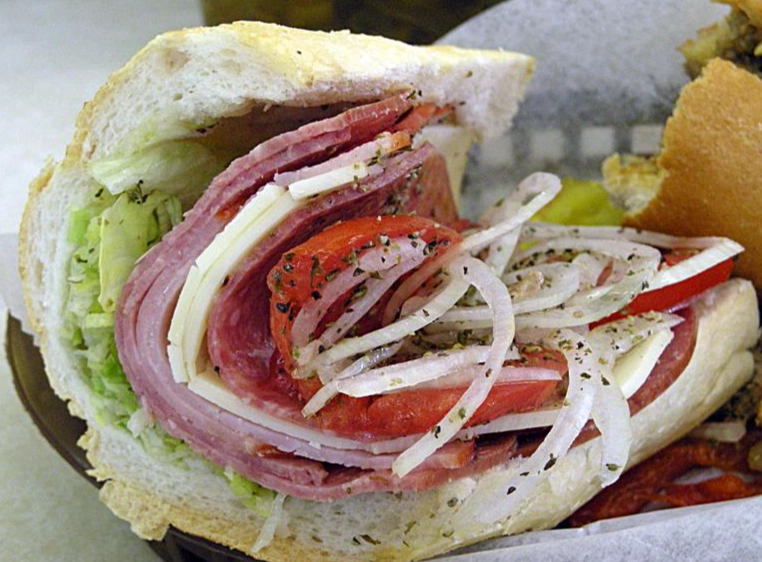
Step 1: Dress the Bottom Bunk. Open your hinged, hollowed-out roll. Drizzle a little of your oil and vinegar mixture (we'll make it in a sec) directly onto the bottom half of the bread. Don't drench it—just a light coating to start the flavor party and protect the bread from getting soggy from the tomatoes later.
Step 2: The Meat Layer. Layer your meats directly on the bottom bread. Don't just pile them; fan them out, slightly overlapping. I like to start with a slice of provolone, then the meats (capicola first, then salami, then mortadella), then another slice of provolone. The cheese acts as a moisture barrier between the meat and the veggies. If you're using the American cheese, place it directly on the bread before the meats so it can start to "melt."
Step 3: The Tomato & Onion Foundation. Place your dried tomato slices evenly over the meat/cheese. Then scatter the sliced onions on top of the tomatoes. This order matters—the tomatoes' acidity benefits from touching the meat and cheese, and the onions sit high enough to give you a whiff of their aroma in every bite.
Step 4: The Crucial Lettuce Layer. Pile on the shredded iceberg. Really pack it in there. It forms a protective, crunchy dome that will shield the bottom bread from the final dressing application.
Step 5: The Grand Finale Dressing. Now, make your sub sauce. In a small bowl, whisk together 3 parts extra-virgin olive oil to 1 part red wine vinegar. Add a big pinch of dried oregano, salt, and freshly cracked black pepper. Whisk it vigorously until it looks a bit creamy. Drizzle this generously over the lettuce and the exposed top half of the roll. The lettuce will catch most of it, flavoring every bite without making the bread a swamp.
Step 6: Close It Up & Rest. Gently press the top of the roll down, secure it with sandwich picks if needed, and for the love of all that is good, let it rest for 5 minutes. Wrap it tightly in deli paper or parchment paper if you have it. This resting period allows the flavors to marry, the bread to absorb the dressing just right, and the whole structure to settle. Cutting it immediately is a recipe for a messy explosion.
Crafting Your Signature Sub Sauce: The Heart of the Recipe
Let's talk about that sauce again. Bottled "Italian dressing" or a glug of plain oil and vinegar won't cut it. The ratio and integration are everything. Here's my go-to formula for one sandwich:
- 3 tablespoons good extra-virgin olive oil
- 1 tablespoon red wine vinegar
- 1/2 teaspoon dried oregano (crush it between your palms first to wake it up)
- 1/4 teaspoon kosher salt
- Several generous grinds of black pepper
Whisk it in a bowl until it emulsifies slightly. Taste it. It should be bright, herby, and perfectly balanced—not too oily, not too sharp. Adjust to your liking. Some people add a tiny pinch of dried basil or a sliver of minced garlic, but I find that pure and simple is best for a classic Italian hoagie recipe.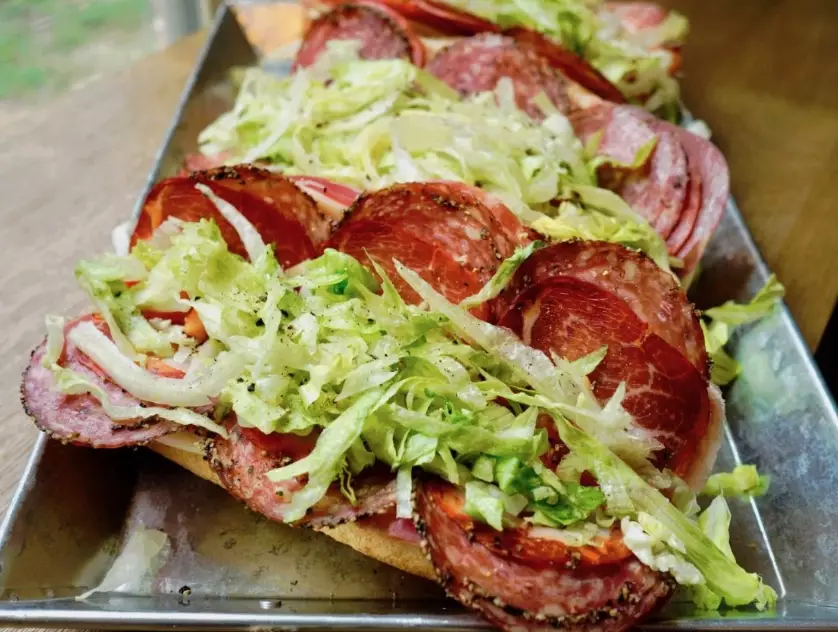
Leveling Up: Variations on the Classic Italian Hoagie Recipe
Once you've mastered the classic, the world is your oyster... or your artichoke heart.
The Spicy Italian: Swap in hot capicola, hot soppressata, and add some sliced hot cherry peppers or a spread of hot pepper relish.
The "Everything" Hoagie: Add sliced roasted red peppers, marinated artichoke hearts (well-drained and patted dry!), and maybe even a few black olives. This is for when you're feeling fancy.
The Chicken Parm Hoagie (The Cheat): Leftover breaded chicken cutlet, a scoop of marinara, and some melted mozzarella on a hoagie roll. It's not traditional, but it's a glorious use of the format.
Fixing Common Hoagie Disasters (FAQ)
I've messed up so you don't have to. Here are answers to the questions that pop up when you're deep in the hoagie-making weeds.
My bread is always soggy by the time I eat it. What am I doing wrong?
You're probably applying the dressing wrong or using too-wet ingredients. Remember: 1) Dress the bread lightly first. 2) Pat your tomatoes dry. 3) Use shredded iceberg as a shield and pour most of the dressing onto it, not directly on the bread. 4) Don't assemble it hours in advance. A 30-minute window is max for optimal texture.
Can I make Italian hoagies ahead of time for a party?
You can prep *components* ahead, but assemble last minute. Keep the dressed, hollowed rolls separate from a bowl of mixed, dressed meats and cheeses (tossed lightly in a little of the oil/vinegar mix to keep them moist). Keep the shredded lettuce, dried tomatoes, and onions separate. Let guests build their own, or assemble just before serving. A fully assembled hoagie left for more than an hour is a sad, soggy affair.
What's the best way to slice and serve a long hoagie?
Use a long, serrated bread knife. Press down gently; don't saw. For a party, cut it on a sharp diagonal into 2-inch portions. Those end pieces are the cook's reward—fight me for them.
Is there a nutritional breakdown? This seems... substantial.
It is. It's a celebration sandwich, not a daily salad. For a more detailed look at the nutritional components of cured meats and cheeses, the USDA's FoodData Central is an authoritative resource for standard nutritional information. A typical full-sized Italian hoagie can easily run 800-1000+ calories. To lighten it up slightly, use less oil in the dressing, leaner meats like turkey breast (though it's not traditional), and load up on the veggies. But sometimes, you just need the real deal.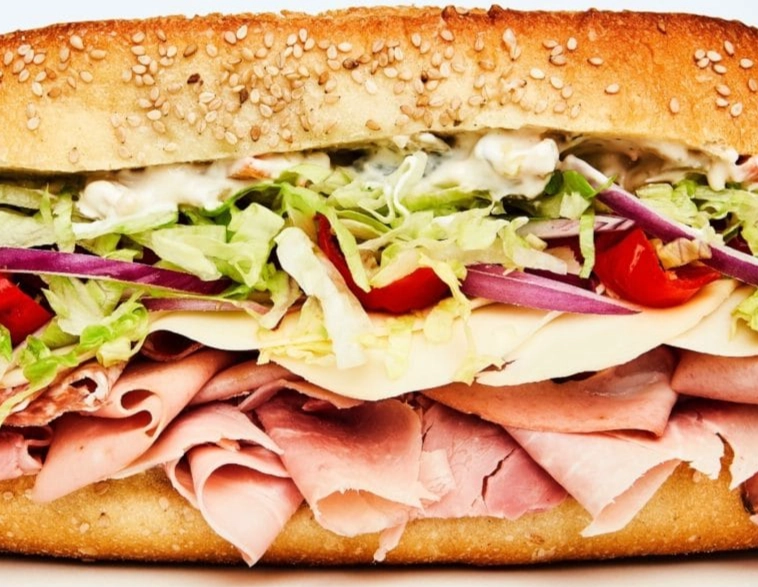
Why This Recipe Beats Anything You Can Buy
Think about it. When you follow this Italian hoagie recipe, you control everything. The quality of the meats (no sketchy fillers), the freshness of the roll, the generosity of the portions. No one is skimping on the capicola to save a few cents. You get exactly what you want. It's cheaper per sandwich than a gourmet deli, and infinitely more satisfying. The act of making it—selecting the meats, whisking the dressing, assembling it with care—turns lunch into an event.
I remember the first time I got it right. The bread held up. Every bite had the perfect mix of salty meat, sharp cheese, crunchy lettuce, and that tangy, herby dressing. It was a revelation. It tasted like victory. And it can be yours too.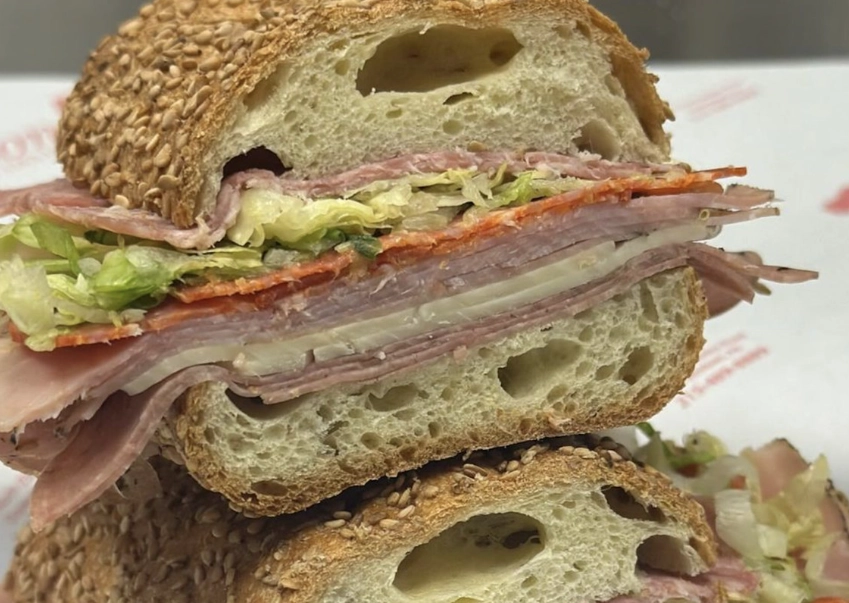
So, skip the line next time. Grab a good roll, visit the deli counter, and make your own Italian hoagie. Trust me, your taste buds will thank you. Now, if you'll excuse me, all this writing has made me incredibly hungry. I know what I'm making for lunch.
Related Articles
Authentic Carbonara Recipe: The ONLY Way to Make It Right
Best Italian Regional Recipes: Top 5 Dishes to Master at Home
Top 10 Italian Foods: The Ultimate List of Must-Try Dishes
Minestrone Soup Recipe: An Italian Classic Made Simple

The RMB exchange rate against the US dollar rose to a high point this year
Authentic Italian Antipasti Recipes: A Guide to Traditional Appetizers
Ultimate Italian Beef Crock Pot Recipe: Tender & Juicy
Vegetarian Food Guide: What to Eat in Italy
Traditional Italian Baked Ziti Recipe: Authentic Step-by-Step Guide
Ultimate Guide to Italian Sandwich Recipes: From Classics to Modern Twists
Master the Classics: The Best Italian Recipes You Need to Know
Authentic Italian Family Meal Recipes: From Antipasti to Dolce

Homemade Italian Ice Recipe: Smooth, Grain-Free & Authentic
Easy Italian Sausage Recipes for a Delicious Dinner | Quick & Flavorful
What to Bring to an Italian Dinner Party: The Ultimate Guest's Guide
The Heart of Italy on Your Plate: Timeless Traditional Italian Recipes & Kitchen Wisdom
Authentic Italian Minestrone Soup Recipe: A Hearty Classic
Top 10 Italian Dinner Dishes: A Curated Guide for Authentic Meals
Easy Italian Pizzelle Recipe: Simple & Authentic
Ultimate Guide to Making Homemade Pasta from Scratch
Simple Italian Sausage Recipes for Dinner: Easy & Flavorful Family Meals
Unlock Flavor: 5 Essential Italian Seasoning Recipes & Pro Tips

Unique Italian Cocktails: Beyond the Aperol Spritz

What is the Traditional Drink of Italy? The Definitive Guide

Authentic Italian Cookies Recipe: A Guide to Classic Biscotti & More

The number has increased nearly fourfold in ten years, and the global digital ba
Easy Original Pizzelle Recipe: Classic Italian Waffle Cookies
Italian Baked Dishes Recipes: From Classic Lasagna to Rustic Focaccia
Master Authentic Italian Recipes: The Ultimate Guide to Real Italian Cooking
Leave a Comment