Italian Buttercream Recipe: How to Make Perfectly Smooth Frosting
I remember the first time I tried making Italian buttercream. It was for a friend's wedding cake, and I ended up with a grainy, soupy mess that nearly ruined the whole project. After a decade of baking professionally, I've learned that this frosting isn't as tricky as it seems—if you know the secrets. Let me walk you through a foolproof Italian buttercream recipe that'll give you silky, stable frosting every time.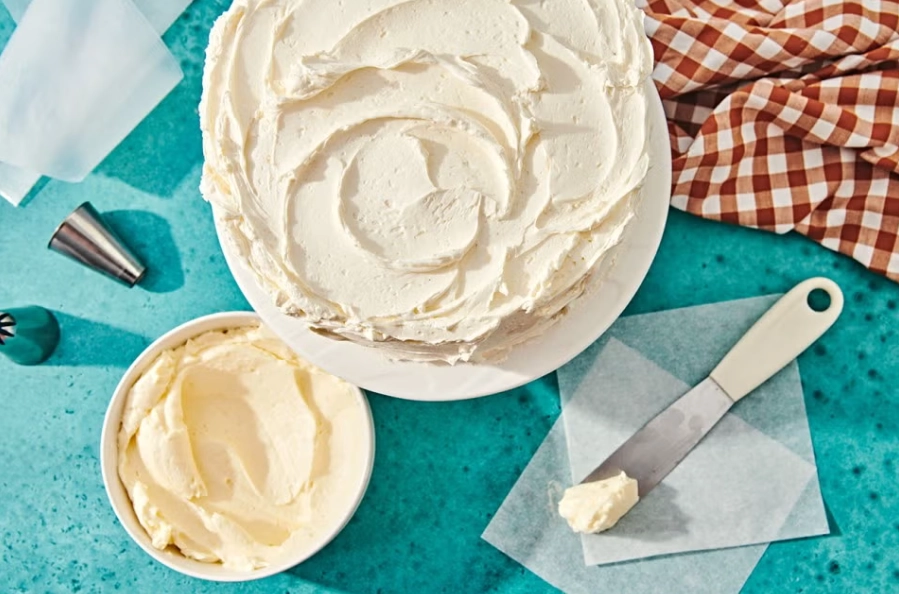
In This Guide
What Makes Italian Buttercream Special?
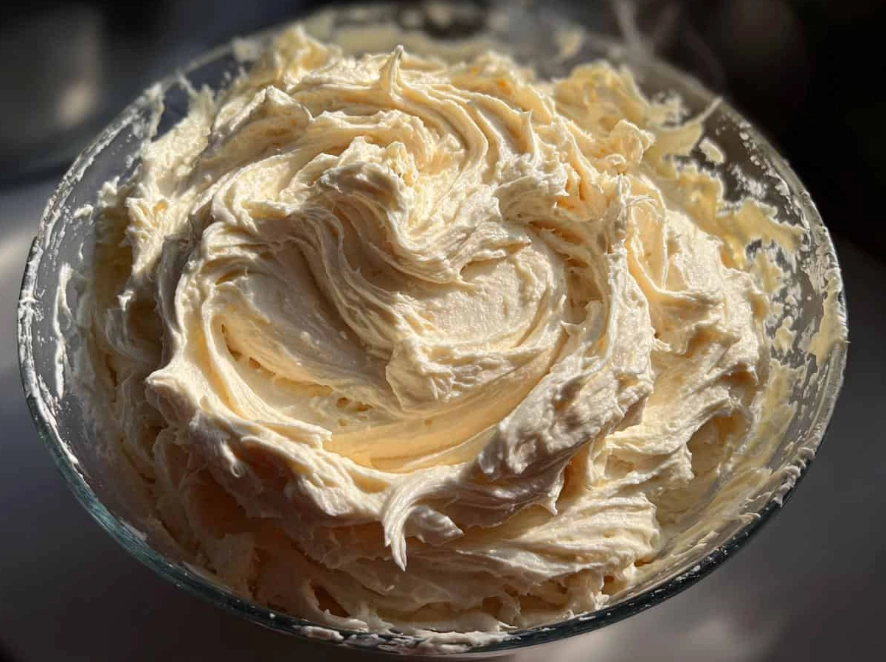
Italian buttercream, or Italian meringue buttercream, is a cooked frosting made by pouring hot sugar syrup into whipped egg whites, then beating in butter. It's lighter and less sweet than American buttercream, and more stable than Swiss meringue buttercream. The texture? Imagine clouds of silk. It's perfect for piping intricate designs on cakes and holds up well in warm weather—a lifesaver for outdoor events.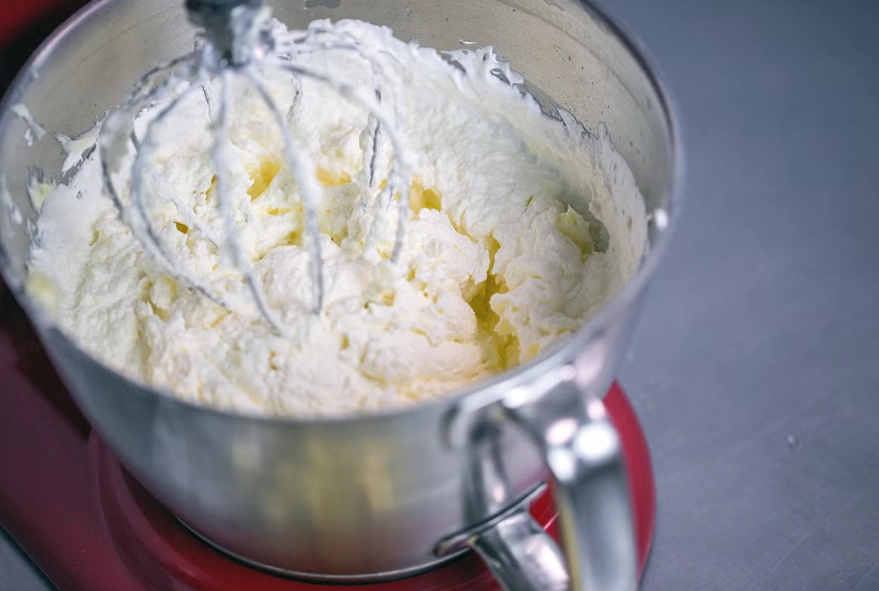
Here's a quick comparison I often share with my students:
| Type of Buttercream | Sweetness Level | Stability | Best Uses |
|---|---|---|---|
| Italian Buttercream | Medium | High | Wedding cakes, detailed piping |
| American Buttercream | High | Medium | Simple frostings, cupcakes |
| Swiss Meringue Buttercream | Low | Medium | Light frostings, fillings |
Tools and Ingredients You'll Need
Don't skimp on equipment. I've seen too many bakers fail because they used a flimsy whisk or didn't have a candy thermometer.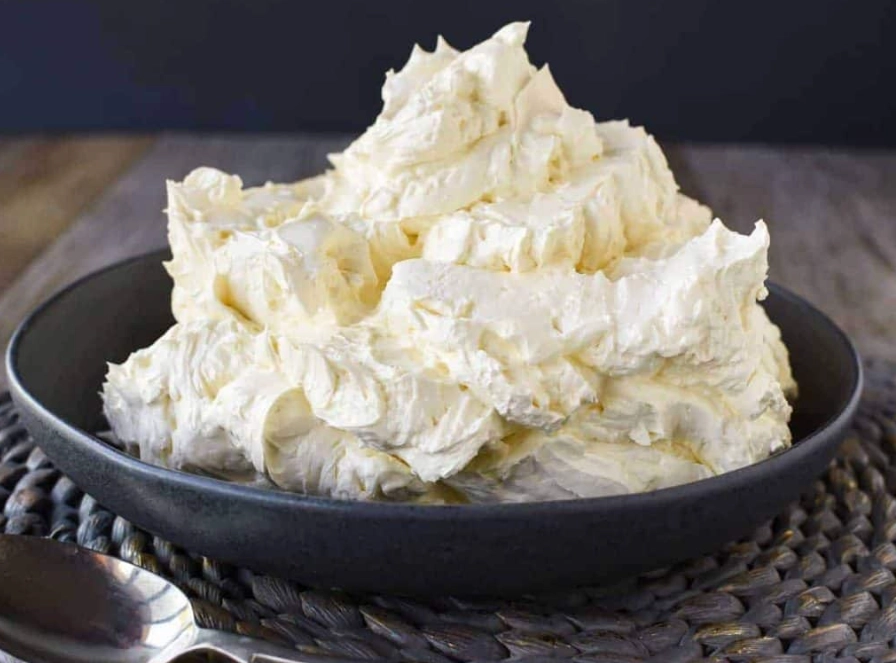
Essential Tools
- Candy thermometer: Non-negotiable for accurate sugar syrup temperature.
- Stand mixer or hand mixer: You'll need power to whip the meringue to stiff peaks.
- Saucepan: For making the sugar syrup.
- Pastry brush: To brush down sugar crystals from the saucepan sides.
Ingredients List
Quality matters. Use fresh egg whites and unsalted butter for control over flavor.
- 5 large egg whites (about 150g), at room temperature
- 300g granulated sugar
- 90ml water
- 1/4 teaspoon cream of tartar (stabilizes the meringue)
- 450g unsalted butter, cool but pliable (around 65°F/18°C)
- 1 teaspoon vanilla extract (or other flavorings)
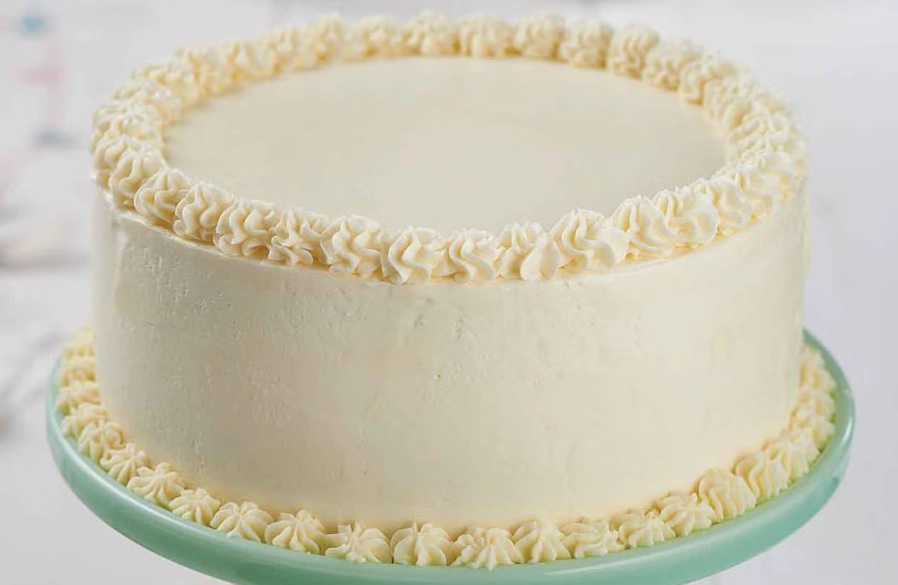
Note: Weigh your ingredients. Baking is a science, and volume measurements can lead to inconsistency. I learned this the hard way after a batch of frosting turned out too runny because I eyeballed the sugar.
Step-by-Step Recipe Instructions
Follow these steps closely. I've broken them down based on my experience teaching hundreds of bakers.
1. Prepare the Meringue
Place the egg whites and cream of tartar in the bowl of your stand mixer. Start whipping on medium speed until foamy, about 2 minutes. Gradually increase to high speed until soft peaks form. This should take another 3-4 minutes. Don't overwhip—you want glossy, not dry, peaks.
2. Cook the Sugar Syrup
While the egg whites whip, combine the sugar and water in a saucepan. Stir over medium heat until the sugar dissolves. Then, stop stirring. Insert the candy thermometer and let the syrup boil until it reaches 240°F (115°C). Brush down the sides of the pan with a wet pastry brush to prevent sugar crystals from forming. Those crystals can make your frosting grainy.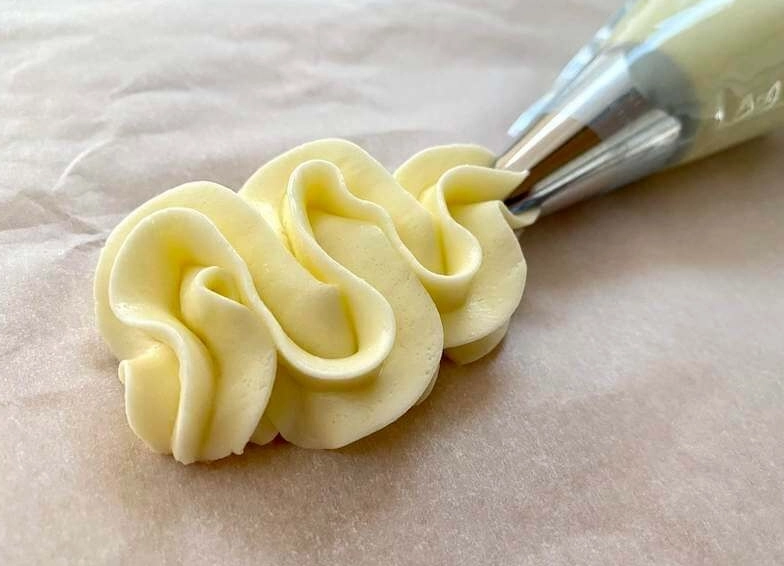
3. Combine Syrup and Meringue
Once the syrup hits 240°F, remove it from heat. With the mixer on low speed, slowly pour the hot syrup into the whipped egg whites in a thin, steady stream. Aim for the side of the bowl to avoid splashing. Then, increase the speed to high and whip until the meringue cools to room temperature, about 10-15 minutes. The bowl should feel cool to the touch.
4. Add the Butter
Reduce the mixer speed to medium. Add the butter one tablespoon at a time, waiting until each piece is fully incorporated before adding the next. This patience is key—rushing causes curdling. Once all butter is added, mix in the vanilla extract. The frosting should be smooth, creamy, and hold its shape.
5. Flavor and Use
You can now fold in other flavorings, like melted chocolate or fruit purees. Use immediately or store as needed.
Troubleshooting Common Buttercream Problems
Even with careful steps, issues can arise. Here's how to fix them based on common mistakes I've seen.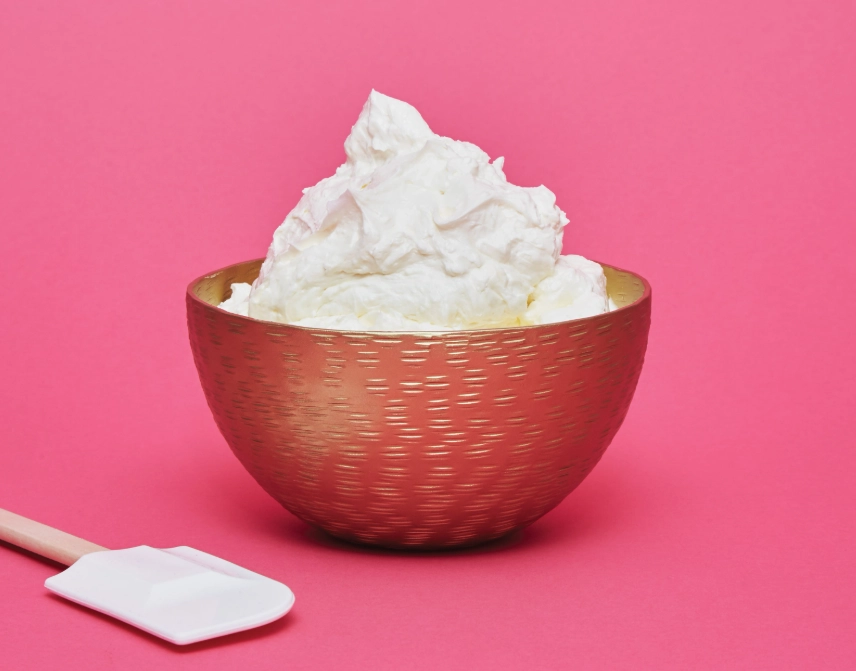
Buttercream is Too Runny
This often happens if the meringue isn't cool enough before adding butter. Stop mixing and chill the bowl in the refrigerator for 15 minutes. Then, re-whip. If it's still runny, add a tablespoon of cold butter and whip until smooth.
Buttercream Looks Curdled or Separated
Don't panic. This is usually due to butter that's too cold or added too quickly. Keep whipping on medium-high speed. It might take 5-10 minutes, but it should come together as the butter emulsifies. If it doesn't, gently warm a small portion of the frosting and mix it back in.
Frosting is Grainy
Graininess often comes from undissolved sugar in the syrup. Ensure the sugar fully dissolves before boiling. If it's already grainy, you can try passing the frosting through a fine sieve, but prevention is better.
Pro Tips from My 10 Years of Baking
Here are insights you won't find in most recipes—things I've learned through trial and error.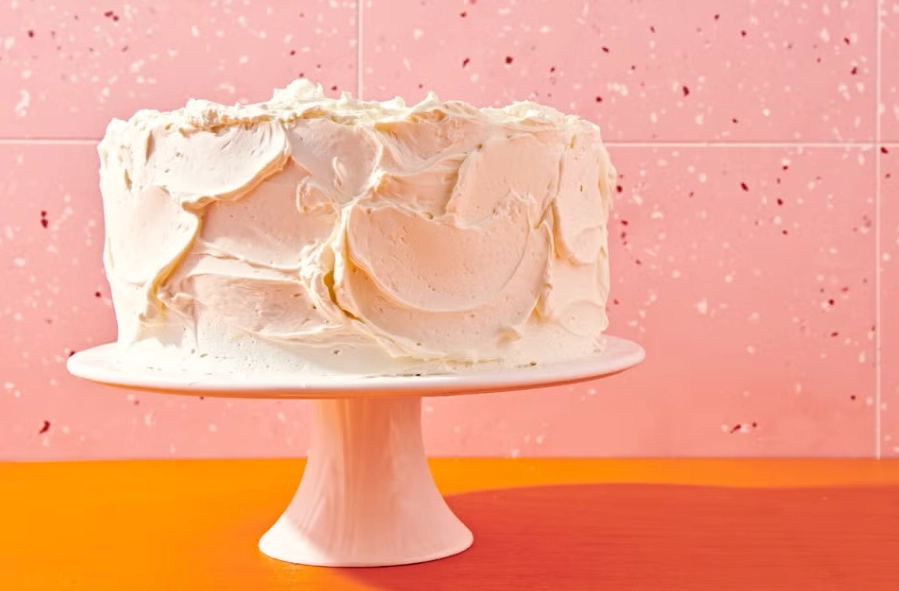
- Butter temperature is more critical than you think. Most recipes emphasize syrup temperature, but butter that's too cold can cause curdling, and too warm can make the frosting runny. I aim for 65°F (18°C)—cool but pliable when pressed.
- Use pasteurized egg whites for safety, especially if serving to vulnerable groups. Fresh eggs work, but pasteurized ones eliminate salmonella risk without affecting texture.
- Flavor after the butter is incorporated. Adding extracts too early can deflate the meringue. I once added almond extract early, and the frosting lost volume.
- If your kitchen is hot, work quickly. Buttercream can soften in warm environments. I sometimes chill the mixing bowl before starting if it's a summer day.
One of my biggest failures was for a wedding in July. I didn't account for the heat, and the buttercream softened on the cake. Now, I always advise clients to keep cakes refrigerated until serving.
Frequently Asked Questions
How do I fix Italian buttercream if it becomes too runny?
Runny buttercream usually stems from warm ingredients or under-whipped meringue. Pop the bowl in the fridge for 15 minutes to chill, then re-whip at medium speed. If that doesn't work, add a tablespoon of cold, cubed butter and whip until smooth. Avoid adding more sugar—it throws off the balance and makes it overly sweet.
What is the exact sugar syrup temperature for Italian buttercream?
Aim for 240°F (115°C) on a candy thermometer. This soft-ball stage is non-negotiable for stability. But here's a pro tip: most recipes don't mention that the syrup should be poured in a steady, thin stream—not all at once—to prevent the meringue from deflating. I've seen too many bakers rush this step and end up with a flat frosting.
 Can I make Italian buttercream ahead of time for a cake?
Absolutely, it stores well. After making, transfer it to an airtight container and refrigerate for up to a week or freeze for a month. When ready to use, let it come to room temperature, then re-whip for 2-3 minutes to restore its silky texture. A common mistake is skipping the re-whipping, which leads to a stiff, uneven spread.
Why did my Italian buttercream turn out grainy or curdled?
Graininess often comes from undissolved sugar in the syrup or butter that's too cold. Ensure the sugar fully dissolves before boiling the syrup. For curdling, it's usually due to adding butter too quickly or at the wrong temperature. The butter should be cool but pliable—around 65°F (18°C). If it curdles, keep whipping; it'll come together as the butter emulsifies.
Making Italian buttercream might seem daunting, but with practice, it becomes second nature. Start with this recipe, pay attention to temperatures, and don't be afraid of mistakes—they're how we learn. Happy baking!
Related Articles
Italian Christmas Dinner Courses: A Complete Traditional Feast Guide
Italian Pasta Salad Dressing: The Ultimate Guide to Authentic Flavor
Italian Baked Dishes Recipes: From Classic Lasagna to Rustic Focaccia

Easy Italian Pizza Crust Dough Recipe: Foolproof Homemade Pizza
Authentic Italian Minestrone Soup Recipe: A Hearty Classic