Authentic Carbonara Recipe: The ONLY Way to Make It Right
Your Carbonara Roadmap
- Forget Everything You Think You Know About Carbonara
- Gathering Your Arsenal: The Ingredients for an Authentic Carbonara
- The Step-by-Step: Where the Magic (or Disaster) Happens
- The Top 5 Reasons Your Carbonara Fails (And How to Fix Them)
- Answering Your Carbonara Questions (The FAQ)
- Beyond the Basics: Variations and Serving
Let's get one thing straight right off the bat. If your carbonara recipe has cream in it, you're not making carbonara. You're making a creamy pasta dish that might be delicious, but it's a world away from the glorious, simple, and utterly perfect Roman classic. I learned this the hard way, after proudly serving a "carbonara" to an Italian friend who just looked at his plate, sighed, and said, "This is not food from my home." Ouch.
That moment sent me down a rabbit hole. I read old Italian cookbooks, watched nonnas on YouTube, and even bothered a chef from Rome with endless emails. What I found is that the authentic carbonara Italian recipe is shockingly simple. It's also incredibly easy to mess up. But when you get it right? It's pure magic. A silky, rich, peppery sauce that clings to every strand of pasta, made from just a handful of humble ingredients. No fancy techniques, no expensive gadgets. Just good ingredients and a bit of know-how.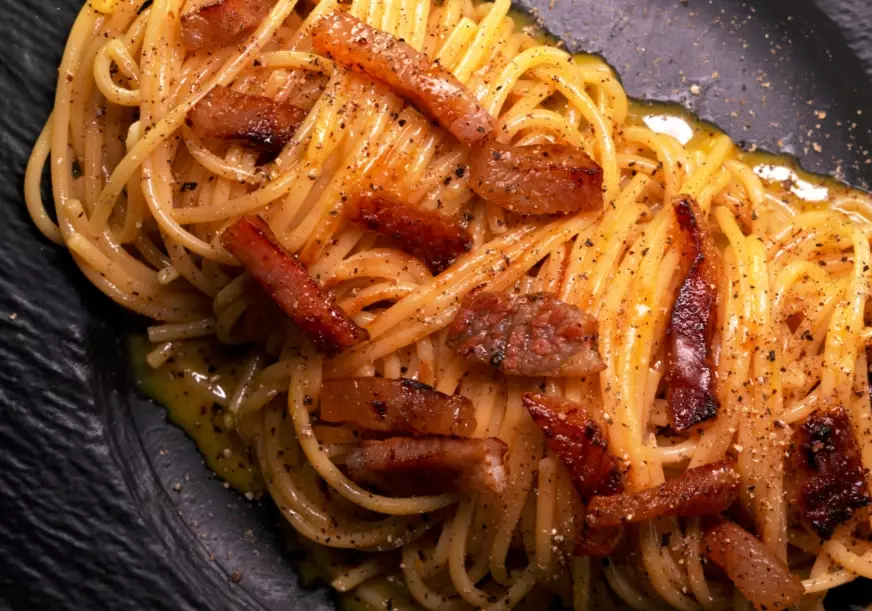
So, what makes it so special, and why do so many people get it wrong? That's what we're here to unpack.
The Carbonara Promise: This guide won't just give you a list of steps. We're going to dig into the why behind each ingredient and technique. You'll understand the role of the pasta water, the science behind tempering the eggs, and why guanciale is non-negotiable for many purists. By the end, you won't just be following a recipe; you'll be mastering a cornerstone of Italian cooking.
Forget Everything You Think You Know About Carbonara
Carbonara's origins are surprisingly murky. Some say it was invented by Italian coal miners ("carbonari"), using ingredients that wouldn't spoil. Others argue it's a post-WWII creation, born from the meeting of Italian pasta and American GIs' bacon and eggs. The truth is probably lost to time, but the dish that emerged in Rome in the mid-20th century is now set in stone. Or at least, it should be.
The core of an authentic carbonara Italian recipe rests on four pillars. Get one wrong, and the whole thing wobbles.
- Pasta: It has to be a long, sturdy shape like spaghetti, rigatoni, or bucatini. These shapes grab the sauce perfectly.
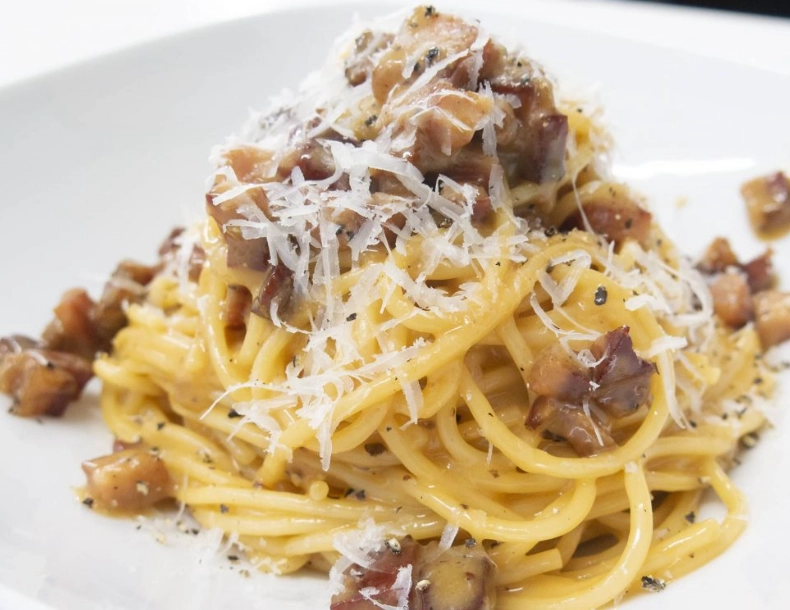
- Pork: This is the biggest debate. True Roman carbonara uses guanciale—cured pork jowl. Its fat is softer, sweeter, and more flavorful than pancetta or bacon. Pancetta (Italian pork belly) is the accepted substitute. Bacon? That's a hard no from purists, as its smoky flavor overpowers the delicate egg sauce. I'll be honest, I use pancetta most of the time because guanciale can be hard to find.
- Cheese: A mix of Pecorino Romano (sharp, salty sheep's cheese) and Parmigiano-Reggiano (nutty, umami cow's cheese). All Pecorino can be too aggressive; all Parmigiano lacks punch. The blend is key.
- Eggs: Whole eggs? Just yolks? Most modern recipes, including those from respected sources like the Academia Barilla, call for a mix of whole eggs and extra yolks. The yolks provide richness and color, while the whole eggs help create a stable emulsion without making the sauce too heavy.
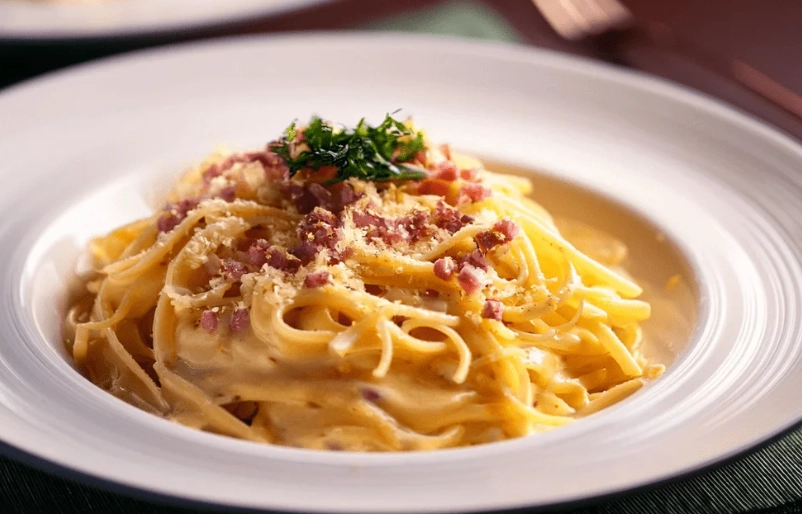
The Cardinal Sin: Let's say it again for the people in the back. CREAM HAS NO PLACE IN CARBONARA. The sauce is created by emulsifying the fat from the pork, the starchy pasta water, and the eggs/cheese mixture. Adding cream is a shortcut that creates a different, much heavier dish and completely masks the beautiful flavor of the other ingredients. If you see a recipe with cream, close the tab.
Gathering Your Arsenal: The Ingredients for an Authentic Carbonara
Quality matters here. You can't hide behind sauce. Each ingredient sings in the final dish. Here’s exactly what you need for 4 generous servings.
| Ingredient | Quantity & Type | Why It's Important & Notes |
|---|---|---|
| Pasta | 400g (about 14 oz) of spaghetti, bucatini, or rigatoni | Dried pasta is traditional and actually better than fresh here—its rough surface holds the sauce. De Cecco or Rummo are great supermarket brands. |
| Guanciale (or Pancetta) | 150g (5 oz), cut into thick lardons (little cubes/strips) | Guanciale is the gold standard. Pancetta (ask for *pancetta tesa*, not the rolled kind) is the legitimate backup. Avoid pre-diced packs; dice it yourself for better texture. |
| Pecorino Romano | 50g (about 1/2 cup + 2 tbsp), finely grated | Buy a block and grate it yourself. Pre-grated cheese contains anti-caking agents that can make your sauce grainy. It's salty, so taste before adding extra salt later. |
| Parmigiano-Reggiano | 50g (about 1/2 cup + 2 tbsp), finely grated | Same rule: grate it fresh. The nuttiness balances the Pecorino's bite. |
| Eggs | 3 whole large eggs + 2 extra egg yolks | Room temperature is best. The extra yolks make the sauce luxuriously silky and yellow. Save the whites for a meringue or omelet. |
| Black Pepper | 1-2 tsp freshly, coarsely ground | Freshly ground is non-negotiable. The heat from toasting it unlocks its aromatic oils. It's a main flavor component, not just a garnish. |
| Salt | For pasta water | Your pasta water should be "salty like the sea." This is your main seasoning vehicle. |
A quick confession: the first time I bought guanciale, I was shocked by the price. It felt like a lot for a small piece of meat. But then I used it. The flavor it imparts—that subtle, sweet, funky porkiness—is completely transformative. It’s worth seeking out for a special occasion. For Tuesday night? Pancetta does the job beautifully.
Equipment You Actually Need
Don't overthink this. A large pot for pasta, a big heavy skillet or Dutch oven (to toss everything together at the end), a mixing bowl, a grater, and a pair of tongs. That's it. A resource on Italian culinary traditions often emphasizes that the best Italian cooking is about technique, not tools.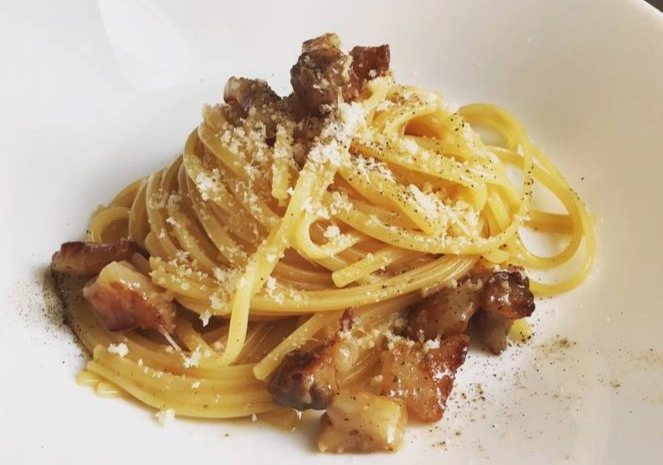
The Step-by-Step: Where the Magic (or Disaster) Happens
This is the moment of truth. The process is a fast-paced dance. Have everything prepped and ready to go ("mise en place") before you turn on the heat. You cannot walk away to grate cheese while your pasta is cooking.
Step 1: The Foundation – Prep Your Sauce Base
In your mixing bowl, combine the 3 whole eggs and 2 extra yolks. Whisk them together well. Add all of your freshly grated Pecorino and Parmigiano-Reggiano. Now add a very generous amount of coarsely ground black pepper—at least a full teaspoon. Whisk it all into a thick, grainy paste. No need to add salt yet (the cheese and pork are salty). Set this bowl aside near your stove.
Step 2: Render the Pork Fat
Cut your guanciale or pancetta into nice, thick little chunks. Not too small, you want some texture. Put them into a cold skillet. No oil needed. Turn the heat to medium-low. Let the fat slowly render out. This takes patience—you want crispy, golden pieces of pork and lots of clear, liquid fat. The pork should sizzle gently, not fry violently. This could take 10-15 minutes. When it's done, turn off the heat. Let it cool for a minute. If it's piping hot when you add the eggs, you'll get scrambled eggs.
Seriously, let it cool.
Step 3: Cook the Pasta – And Save That Water!
While the pork renders, get your pasta water boiling. Salt it heavily. Cook your pasta according to the package time, but aim for al dente—it should have a firm bite. This is crucial because it will cook a bit more in the sauce later. One minute before the pasta is done, you need to act. Scoop out about 1 1/2 cups of the starchy pasta water. This liquid gold is the key to your sauce.
Pro Tip: Use a mug or ladle to scoop the water from the pot. Don't drain the pasta and then try to save water from the sink—it's too late then, and you've lost the precious starch.
Step 4: The Emulsification – The Scary Part That's Not Scary
This is where everyone gets nervous. Don't be. Using tongs, transfer the cooked pasta directly from the pot into the skillet with the pork and fat. Don't drain it in a colander! A little water clinging to it is good. Toss the pasta vigorously in the fat so every strand is coated.
Now, take a small ladle (about 1/4 cup) of the hot pasta water and pour it slowly into your bowl of egg and cheese mixture while whisking constantly. This "tempers" the eggs, gently raising their temperature so they won't scramble when they hit the hot pan.
Move the skillet off the heat entirely (if you have an induction hob, just move it to a cold zone). Pour the tempered egg/cheese mixture over the pasta. Now work fast. Toss, toss, toss! Use the tongs to lift and swirl the pasta. The residual heat from the pasta and pan will cook the eggs into a creamy, glossy sauce. If it looks too thick or clumpy, add another splash of hot pasta water, one tablespoon at a time, and keep tossing. You're looking for a sauce that smoothly coats the pasta and pools slightly at the bottom of the pan.
That sound of the pasta slapping against the pan as you toss it? That's the sound of success.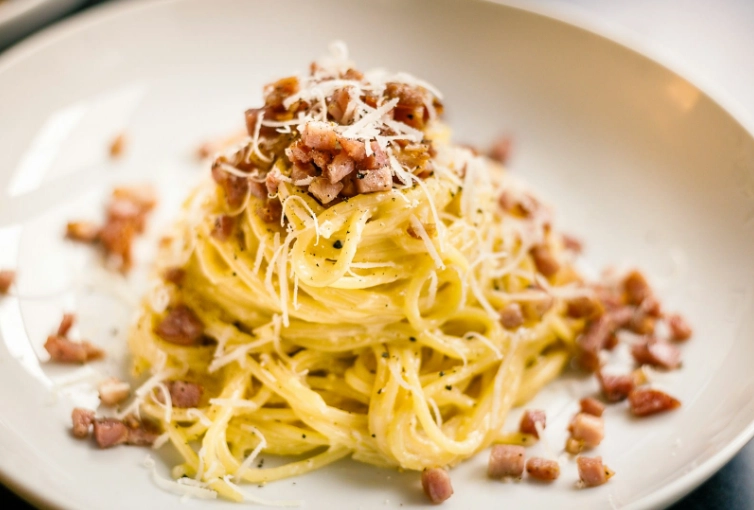
Step 5: Serve Immediately
Carbonara waits for no one. Divide it into warm bowls right away. Finish with another crack of black pepper and maybe a light dusting of extra Pecorino. Do not, I repeat, do not put it back on the heat to "keep it warm." You will overcook the eggs.
The Top 5 Reasons Your Carbonara Fails (And How to Fix Them)
I've made every mistake in the book. Here’s what usually goes wrong, straight from my own kitchen disasters.
- Scrambled Egg Sauce: The pan was too hot when you added the egg mixture. Fix: Always take the pan off the heat. Let the pork fat cool for 60 seconds. Temper the eggs with pasta water first.
- Dry, Clumpy Sauce: Not enough pasta water, or you didn't toss aggressively enough to emulsify. Fix: Don't be shy with the starchy water. Add it tablespoon by tablespoon until the sauce flows.
- Greasy, Separated Sauce: Too much pork fat left in the pan, or the emulsion broke because it got too hot. Fix: You can spoon out a little excess fat after rendering the pork before adding the pasta. If it separates, try adding a splash of cold water and tossing vigorously—it can sometimes bring it back.
- Bland Flavor: Not enough pepper, or using pre-ground pepper. Not enough salt in the pasta water. Fix: Toast your pepper in the dry pan for 30 seconds before adding the pork for an extra flavor boost. Taste your pasta water—it should taste salty.
- The Pasta is Mushy: You cooked the pasta fully in the water and then tried to sauce it. Fix: Always undercook your pasta by 1-2 minutes. It finishes cooking in the sauce.
Answering Your Carbonara Questions (The FAQ)
Beyond the Basics: Variations and Serving
Once you've mastered the classic, you can play around—but always respectfully. Some Romans add a clove of garlic to the pan when rendering the pork, then remove it before adding the pasta. It gives a subtle background note. A tiny pinch of red pepper flake can add a different kind of heat alongside the black pepper.
What to serve with it? A simple green salad with a sharp, acidic vinaigrette is perfect to cleanse the palate after the rich pasta. Some crusty bread to *scarpetta* (mop up) the last bits of sauce from the plate is mandatory in my house.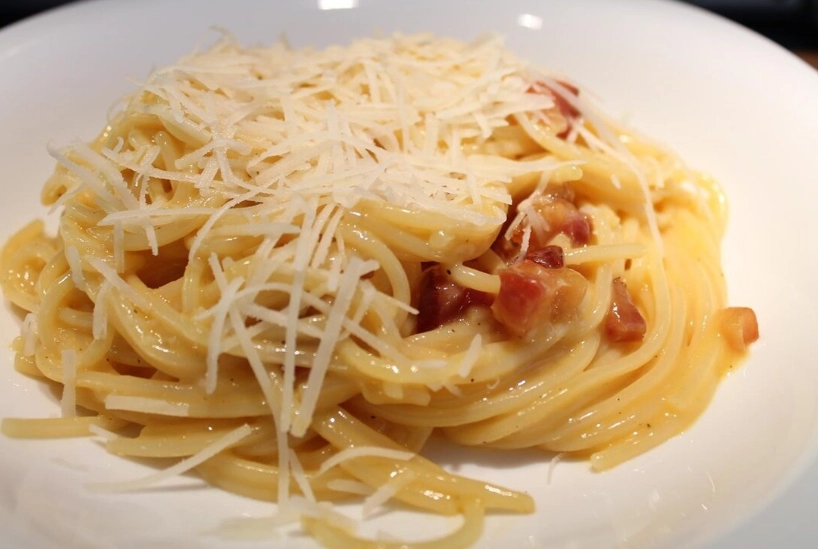
My biggest takeaway from learning this recipe wasn't just a great dinner. It was a lesson in restraint. In a world of over-the-top, ingredient-heavy dishes, the power of a true authentic carbonara Italian recipe lies in its simplicity. It forces you to focus on quality, technique, and balance. There's nowhere to hide. And when it works, it's one of the most satisfying things you can make.
So, ditch the cream, grab the guanciale (or pancetta), and get your pepper grinder ready. Your journey to pasta perfection starts now. Just remember to invite your Italian friend over for the second attempt. I did, and the smile and nod of approval was worth every bit of the effort.
Related Articles
Authentic Pasta Carbonara Recipe: The Real Italian Way
Simple Italian Vegetarian Recipes: 5 Easy Dishes for Weeknights
Classic Italian Pasta Recipes: Authentic Dishes You Can Master
Authentic Italian Chicken Cacciatore Recipe: A Hunter's Stew
Best Vegetarian Italian Dishes: Recipes & Cooking Tips
The Ultimate Authentic Italian Hoagie Recipe: Make the Classic Philly Sandwich at Home
Zesty Italian Dressing Recipe: Easy Homemade Guide

The Most Popular Cocktail in Italy: A Deep Dive into the Aperol Spritz
Italian Submarine Sandwich Recipe: The Ultimate Guide to a Classic Hoagie
Authentic Spaghetti Carbonara Recipe: The Real Italian Method (No Cream!)
Easy Braciole Recipe: Authentic Italian Beef Rolls Made Simple
Ultimate Italian Beef Crock Pot Recipe: Tender & Juicy

Sold out! BYD official: The order is extremely large, the stock price has risen

Sweet Italian Sausage Recipes: From Classic Pasta to Creative Feasts
Authentic Italian Regional Recipes: A Guide to Italy's Best Local Dishes
Easy Crusty Italian Bread Recipe: Homemade Ciabatta & Focaccia

Best Italian Sausage Pasta Recipes: Easy, Creamy & Spicy Ideas
Authentic Italian Chicken Recipes: From Classics to Modern Twists
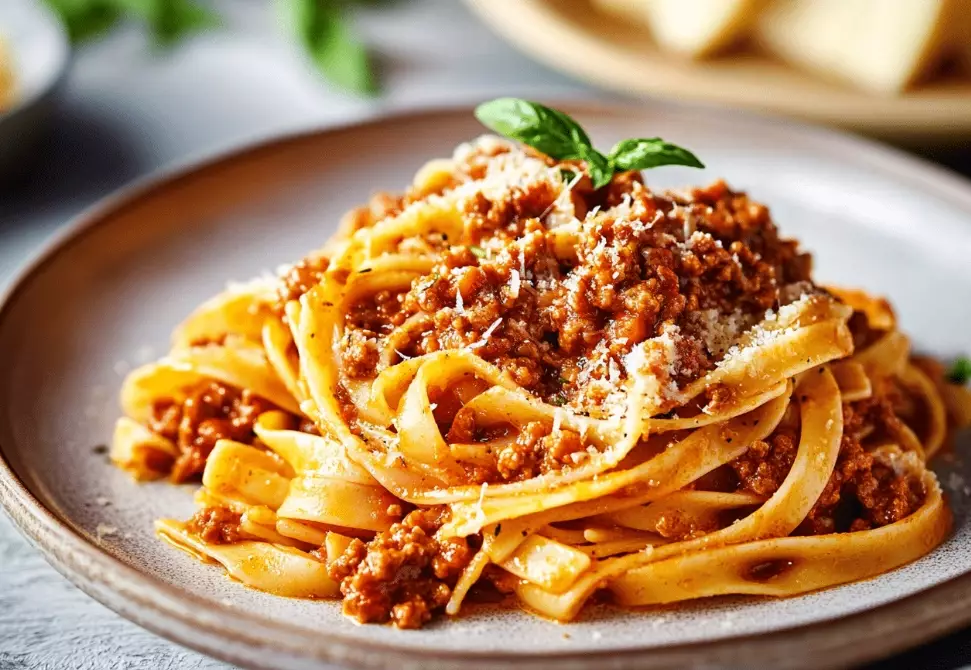
Classic Italian Bolognese Recipe: Master the Authentic Ragu
Traditional Italian Vegetarian Recipes: Classics Beyond Pasta
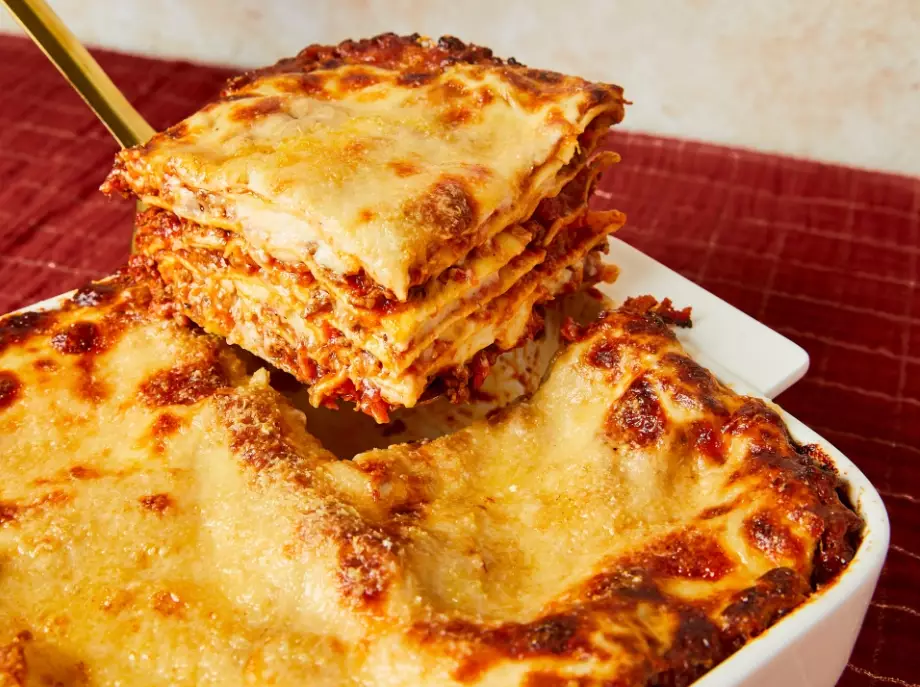
The Ultimate Guide to Making Authentic Italian Lasagna at Home
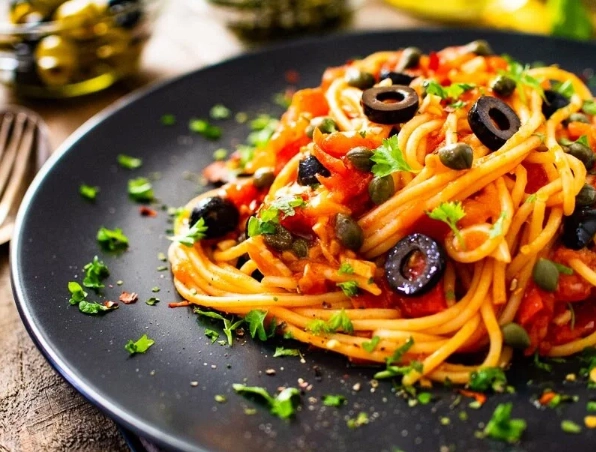
What Is the Most Popular Italian Dish? Top Contenders Revealed
Authentic Carbonara Recipe: The ONLY Way to Make It Right
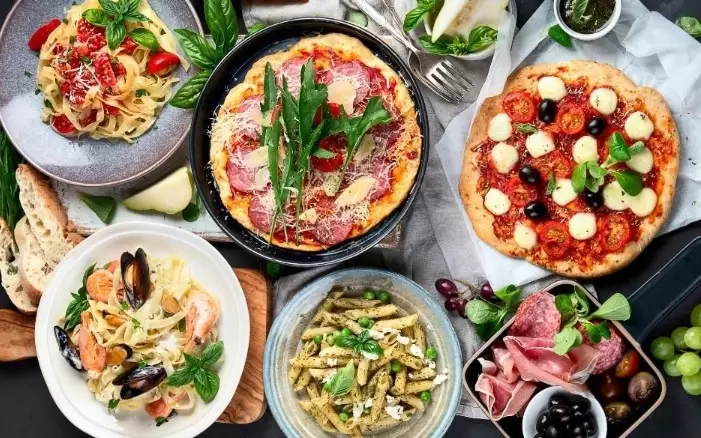
A Guide to Italy's Classic Dishes: Pasta, Pizza & More

Pinduoduo invested 10 billion to support new quality merchants, and continued to
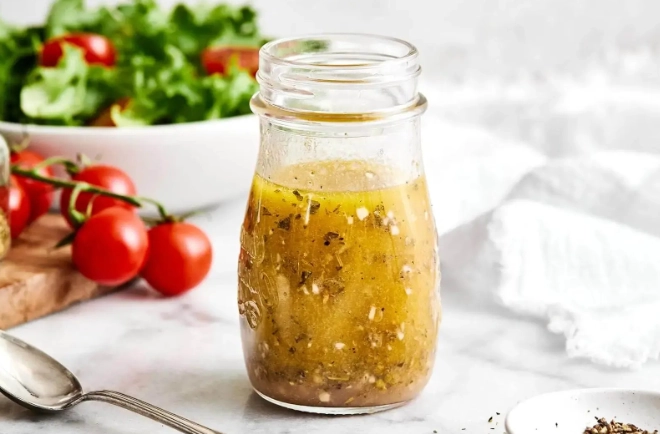
The Ultimate Homemade Italian Dressing Recipe (Easy & Authentic)
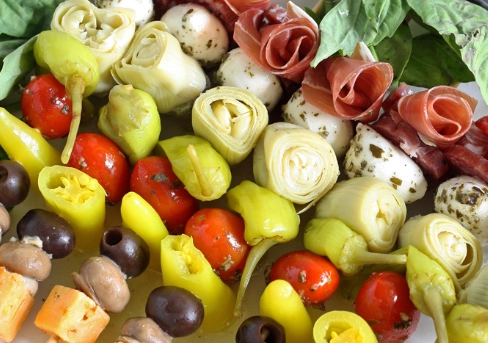
Authentic Italian Vegetarian Appetizers: Recipes, Tips & Menus

Ultimate Guide to Italian Sausage Recipes: From Classic to Creative
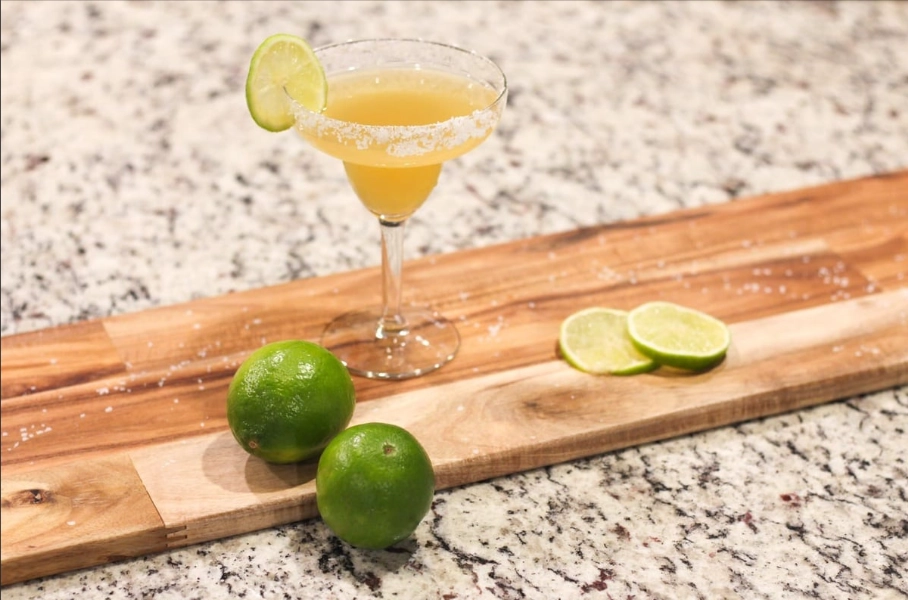
Ultimate Italian Margarita Recipe: How to Make the Perfect Amaretto Sour Twist

Leave a Comment