Italian Sausage Pasta Recipes: A Complete Guide to Classic Comfort Food
Key Takeaways
- First Things First: Getting to Know Your Italian Sausage
- The Perfect Pasta Partner: It's Not Just About the Shape
- Classic Italian Sausage and Pasta Recipes, Decoded
- Leveling Up: Pro Tips and Flavor Boosters
- Answering Your Italian Sausage Pasta Questions
- A Simple, Foolproof Recipe to Start With
- The Final Stir
Let's be honest. Some nights, you just need dinner to be a hug in a bowl. Something that fills the kitchen with smells that make everyone wander in, asking "when's it ready?" That's the magic of Italian sausage and pasta recipes. It's not fancy, and it doesn't try to be. It's just deeply, reliably good. Ground meat, spices, carbs, and sauce coming together in a way that feels like a reward. But here's the thing – not all Italian sausage pasta dishes are created equal. I've had my share of greasy, bland disappointments, and I've also made versions that had people asking for the recipe before they finished their plate.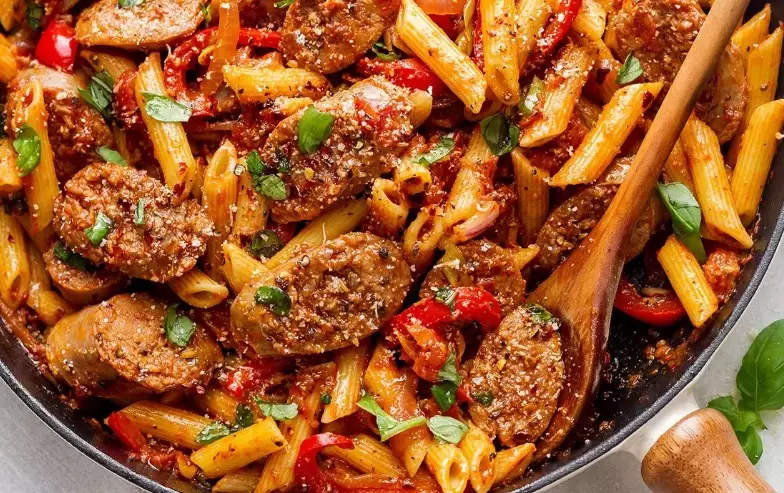
This isn't about one perfect recipe. It's about understanding the *why* behind the good ones. Why that sausage matters. Why the pasta shape isn't just for looks. Why a splash of pasta water is the secret you've been missing. We're going to break it all down, from picking the right tube of meat at the store to getting that restaurant-quality sauce to cling to every noodle. I'll share the classics, a few twists, and the hard-learned lessons from my own kitchen (like the time I used "hot" sausage without tasting it first and nearly needed a fire extinguisher).
First Things First: Getting to Know Your Italian Sausage
You can't talk about Italian sausage pasta recipes without knowing your star player. Walk into any grocery store, and you'll see a few options. It's easy to just grab one, but the choice here makes all the difference.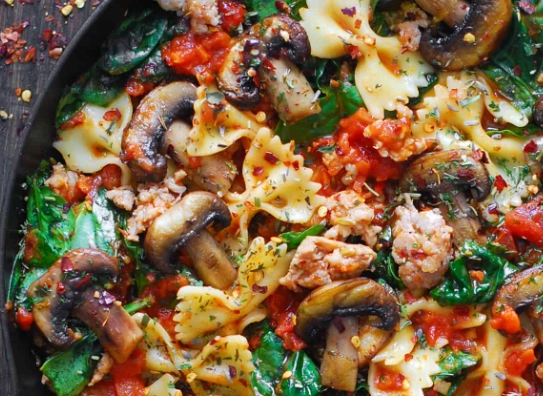
Italian sausage usually comes in two main styles: sweet (mild) and hot. Sweet sausage is seasoned with fennel seed, maybe some garlic and parsley. It's savory, aromatic, and kid-friendly. Hot sausage has all that plus a kick of red pepper flakes. The heat level can vary wildly by brand, which is why that one time I didn't check first was a mistake. Some brands just whisper heat; others shout it.
Then there's the casing. You'll find it either linked in casings (the traditional way) or sold as bulk "ground" or "country-style" sausage meat out of the casing. For most pasta dishes, you want the bulk meat. It's easier to crumble and brown evenly in the pan. If you only have links, just slice them open and squeeze the meat out. It feels a bit weird, but it works.
What's actually in it? Real Italian sausage is pork, fat, salt, and those signature spices. Fennel is non-negotiable for that authentic flavor. Read the label. If it's loaded with weird preservatives or fillers, put it back. The flavor will be off. I tend to lean towards brands from local butchers or the ones in the specialty meat section – the flavor is just cleaner and more pronounced.
And a quick word on alternatives. Using chicken or turkey Italian sausage is totally fine for a lighter option, but be aware it has less fat. That means you might need a glug of olive oil in the pan to start, and the final dish might be a touch less rich. It's a trade-off, but a worthwhile one if you're watching calories.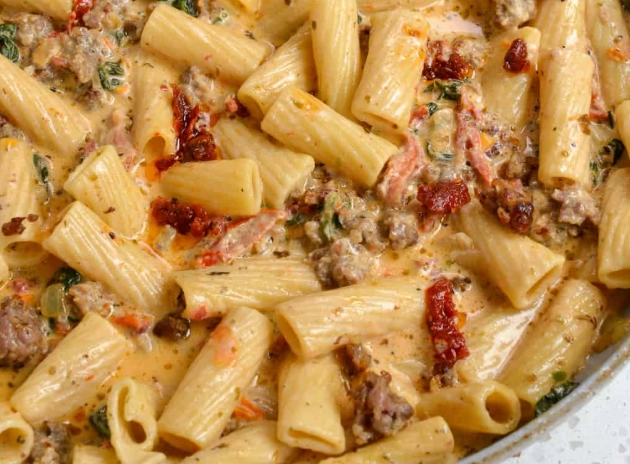
The Perfect Pasta Partner: It's Not Just About the Shape
Pasta choice feels simple, right? Boil water, dump in noodles. But the shape you choose changes the eating experience for any Italian sausage and pasta recipe.
You want a pasta that can handle a chunky, meaty sauce. Something with nooks and crannies to catch the little bits of sausage and flecks of herb. Smooth spaghetti can sometimes let the good stuff slide right off. Here's my personal hierarchy for pasta shapes with sausage:
- The Champions (Best Catchers): Rigatoni, Penne (especially rigate, the ridged kind), Fusilli, Cavatappi, Orecchiette. These are my go-tos. Their curves, tubes, and cups are designed for trapping sauce and meat. Orecchiette, or "little ears," are classic in Italian sausage and pasta recipes from Puglia for a reason.
- The Solid Contenders: Farfalle (bow ties), Ziti, Shells (conchiglie). They work great, especially if you have a chunkier vegetable addition.
- Use With Caution: Spaghetti, Linguine, Fettuccine. They can work, but you need to make sure your sausage is crumbled very finely, and your sauce is more of a loose, clingy coating rather than a chunky mix. It's a different vibe.
Now, the cooking. Salting the water like the sea isn't just a chef's mantra; it's the only chance you get to season the pasta itself. Use a big pot with plenty of water so the pasta can move freely and cook evenly. And that starchy pasta water? It's liquid gold. Before you drain the pasta, scoop out a cup of the cloudy water. When you add it to your sausage and sauce, the starch acts as an emulsifier, helping the sauce thicken slightly and stick to the pasta like a dream. This one trick elevates a home cook's dish instantly.
Classic Italian Sausage and Pasta Recipes, Decoded
Alright, let's get into the dishes themselves. These are the foundational Italian sausage pasta recipes everyone should have in their back pocket. I've built a table to compare them at a glance, because sometimes you just need to see your options side-by-side.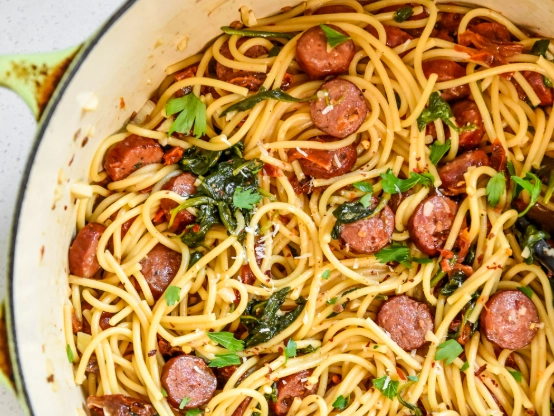
| Recipe Name | Core Idea | Key Ingredients (Beyond Sausage & Pasta) | Best For | Effort Level |
|---|---|---|---|---|
| Sausage and Peppers Pasta | The crowd-pleaser. Sweet, savory, colorful. | Bell peppers (multi-color), onions, garlic, tomato sauce or crushed tomatoes. | Family dinners, feeding a group. The peppers make it feel hearty and healthy. | Easy |
| Creamy Tomato Sausage Pasta | Rich, indulgent, and super comforting. | Heavy cream, tomato paste, garlic, basil. Parmesan for serving. | When you need serious comfort food. A date night in. | Medium |
| Sausage and Broccoli Rabe Pasta | A bit bitter, a lot flavorful. The "grown-up" classic. | Broccoli rabe (or broccolini), garlic, red pepper flakes, olive oil, Pecorino Romano. | A quick, flavorful, one-pan-ish meal. Loves bitter greens. | Easy/Medium |
| One-Pot Sausage Pasta | The ultimate in convenience. Minimal cleanup. | Onion, garlic, broth (chicken or vegetable), crushed tomatoes, spinach. | Busy weeknights. Literally everything cooks in one pot. | Very Easy |
Deep Dive: Sausage and Peppers Pasta
This is probably the most iconic of all Italian sausage and pasta recipes. It's what I imagine nonnas have been making for generations. The sweetness of the caramelized peppers and onions balances the savory, fennel-spiced sausage perfectly.
My method? I don't just brown the sausage. I remove it from the pan, then cook the sliced peppers and onions in the rendered sausage fat. That's where the flavor builds. Let them get soft and a little charred on the edges – that's not burning, that's flavor. Then the garlic goes in for just 30 seconds until fragrant. Add your tomatoes (I like crushed for a saucier texture), let it all simmer together for 15-20 minutes to marry the flavors, then stir the cooked sausage back in. Toss with your cooked rigatoni and some of that pasta water, and finish with fresh parsley. Simple, but each step matters.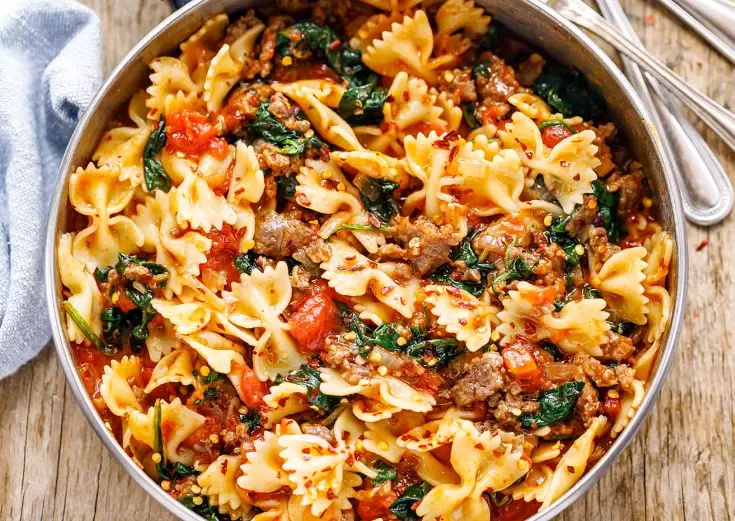
The Secret to a Creamy Tomato Sauce That Doesn't Break
Creamy tomato sauces can be tricky. Sometimes the cream curdles when it hits the acidic tomatoes. The fix is simple: temper it. After you've made your tomato-based sausage sauce, take it off the heat. Let it cool for a minute. Then, in a separate bowl, whisk a spoonful of the warm tomato sauce into your cold cream. Do this a few times to slowly bring up the cream's temperature. Now, you can whisk this cream mixture back into the main pot of sauce. Return it to very low heat to warm through, but don't let it boil. You'll get a silky, luxurious sauce every time.
Leveling Up: Pro Tips and Flavor Boosters
Once you've got the basics down, these little tweaks can take your Italian sausage pasta recipes from good to "can I move in?"
- Bloom Your Spices: If you're using bulk sausage, try adding an extra pinch of fennel seeds or red pepper flakes to the pan when you first start cooking the meat. The direct heat toasts them, unlocking more intense flavor.
- Wine, Not Water: After browning the sausage and sautéing your veggies, deglaze the pan with a splash of dry white or red wine. Scrape up all those browned bits (the fond) – that's pure flavor. Let the wine reduce by half before adding your tomatoes.
- Herbs: Fresh vs. Dry: Use dried herbs (oregano, basil) early in the cooking process so their flavor infuses the sauce. Stir in fresh, chopped herbs (parsley, basil) right at the end to preserve their bright color and taste.
- The Cheese Finish: Don't just sprinkle cheese on top. Stir a handful of grated Pecorino Romano or Parmigiano-Reggiano into the sauce and pasta off the heat. It melts into a creamy, salty layer that binds everything. According to resources from the Consorzio del Formaggio Parmigiano-Reggiano, the aging process creates glutamate, which naturally enhances savory flavors.
And what about balance? A rich Italian sausage and pasta recipe can sometimes feel heavy. A hit of acidity can cut through that. A small splash of good balsamic vinegar stirred in at the end, or a squeeze of lemon juice over the finished plate, works wonders. It doesn't make the dish taste lemony; it just makes all the other flavors pop.
Answering Your Italian Sausage Pasta Questions
Over the years, I've gotten the same questions from friends and family about these recipes. Let's tackle the big ones.
A Simple, Foolproof Recipe to Start With
Let's put it all together. Here's my no-fail, weeknight-friendly Italian sausage and pasta recipe. It's a one-pan wonder (plus the pot for pasta).
One-Pan Spicy Sausage and Spinach Penne
- Bring a large pot of salted water to a boil for your penne.
- In a large, deep skillet or Dutch oven, brown 1 lb of hot Italian sausage (casings removed) over medium-high heat, crumbling it with a spoon. If there's more than 2 tbsp of fat, drain a bit off.
- Add 1 chopped onion and cook until soft, about 5 minutes. Add 3-4 cloves of minced garlic and cook for 30 seconds until fragrant.
- Pour in one 28-oz can of crushed tomatoes and 1 cup of chicken broth. Scrape the bottom of the pan. Bring to a simmer, then reduce heat and let it bubble gently for 10 minutes.
- Meanwhile, cook your penne until it's just shy of al dente (it will finish cooking in the sauce). Reserve 1 ½ cups of pasta water, then drain.
- Stir the drained pasta into the sausage and tomato sauce. Add a few big handfuls of fresh baby spinach. Pour in about ¾ cup of the pasta water. Stir everything together over low heat. The sauce will thicken and coat the pasta as it finishes cooking (2-3 more minutes). Add more pasta water if it looks dry.
- Off the heat, stir in ½ cup of grated Parmesan cheese and a handful of chopped fresh basil. Taste – add salt and pepper if needed. The sausage and cheese are salty, so you might not need much.
The Final Stir
At the end of the day, the best Italian sausage and pasta recipes are about more than just following steps. They're about understanding how a few simple ingredients interact. It's about tasting as you cook, adjusting as you go, and not being afraid to make it your own. Use sweet sausage instead of hot. Throw in some mushrooms with the peppers. Use kale instead of spinach. The framework is forgiving.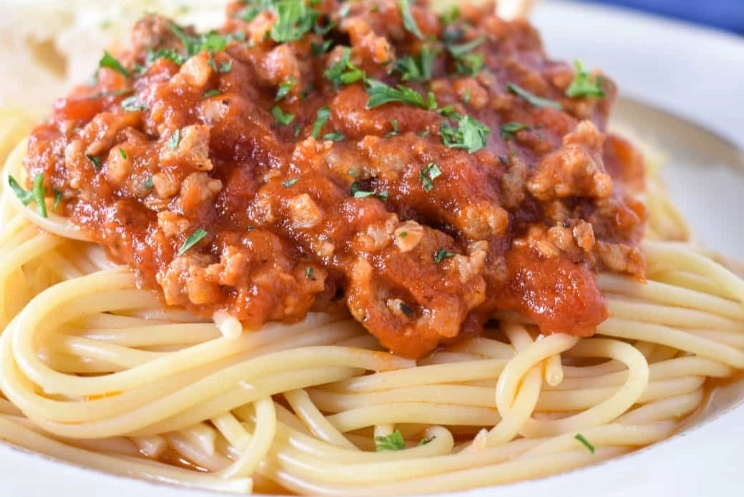
The history of pasta dishes like these is rooted in "cucina povera" – the cooking of making incredible food from humble, available ingredients. Resources like Academia Barilla offer deep dives into the regional traditions behind Italian pasta cuisine. That spirit is what we're channeling: making something fantastic without complication.
So next time you're staring into the fridge wondering what's for dinner, remember the humble Italian sausage.
Grab a box of pasta, and get cooking. The smell alone will tell you you're on the right track.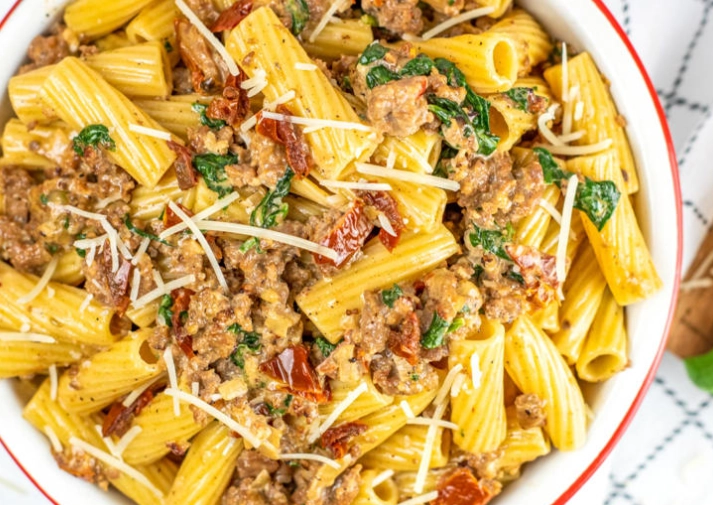
Related Articles
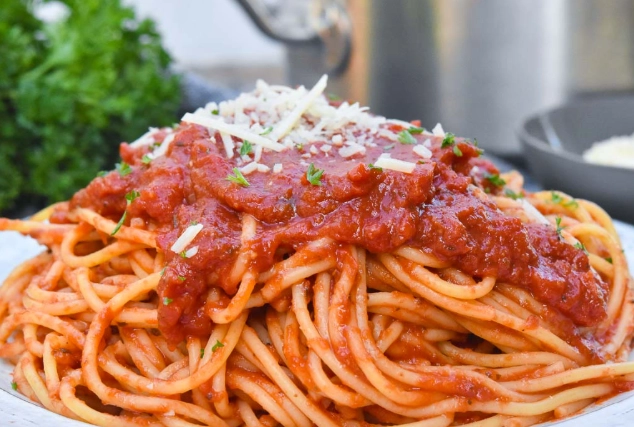
Authentic Italian Spaghetti Sauce Recipe (Ragù alla Bolognese)
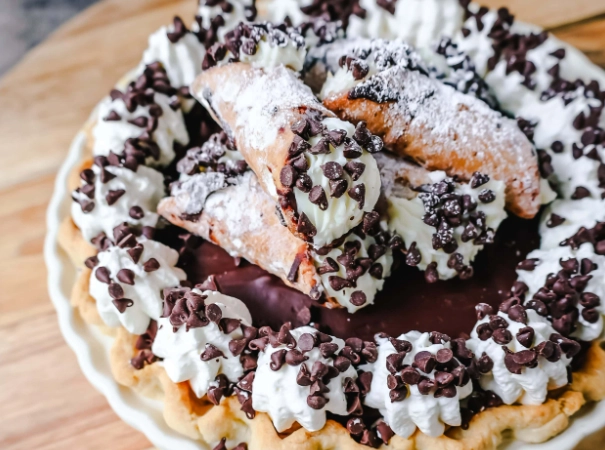
Authentic Italian Dessert Recipes: Easy Tiramisu, Cannoli & More
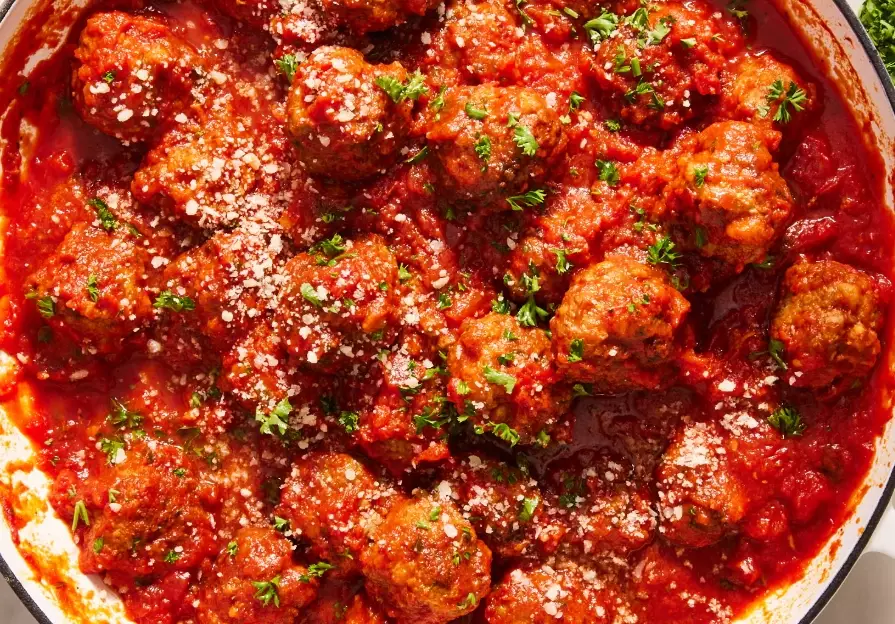
Authentic Italian Meatballs Recipe: Nonna's Secret for Tender & Flavorful Polpette
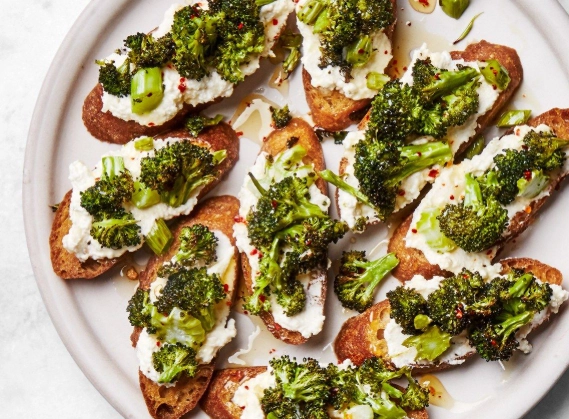
Easy Italian Appetizers: Simple Recipes & Party Platters
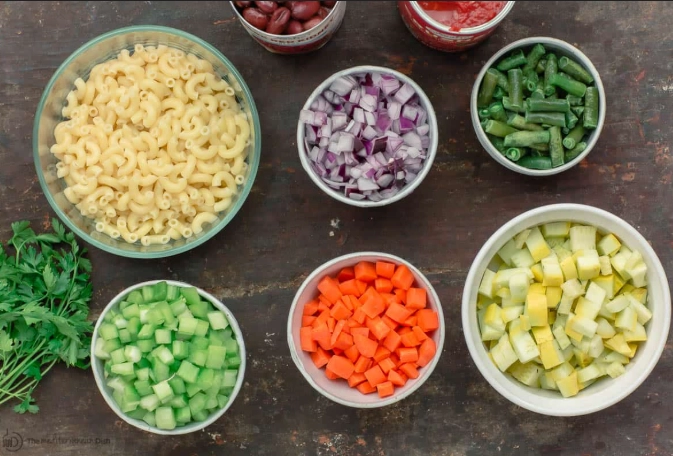
Italian Seasoning in Minestrone Soup: The Authentic Herb Blend Explained