Authentic Italian Salad Dressing Recipe: Easy, Zesty & Homemade
What You'll Find in This Guide
- Why Bother Making Your Own Italian Dressing?
- The Blueprint: Anatomy of a Classic Italian Dressing
- The Step-by-Step: No-Fail Method for Perfect Emulsification
- Your Italian Dressing Recipe Cheat Sheet (Ratios & Variations)
- Beyond the Salad Bowl: How to Use Your Homemade Dressing
- Storing Your Masterpiece: Making It Last
- Answers to Your Italian Dressing Questions (The FAQ)
- Final Thoughts: Embrace the Imperfections
Let's be honest. How many half-used bottles of salad dressing are sitting in your fridge door right now? You bought them with good intentions, but they never quite hit the mark. Too sweet, too gloopy, or just... bland. I've been there. For years, I thought a good Italian salad dressing recipe was a secret held by restaurants. Then I tried making it myself. The difference wasn't subtle—it was a revelation. Fresh, zingy, and completely controllable. No weird preservatives, no corn syrup lurking in the ingredients list. Just good, honest flavor.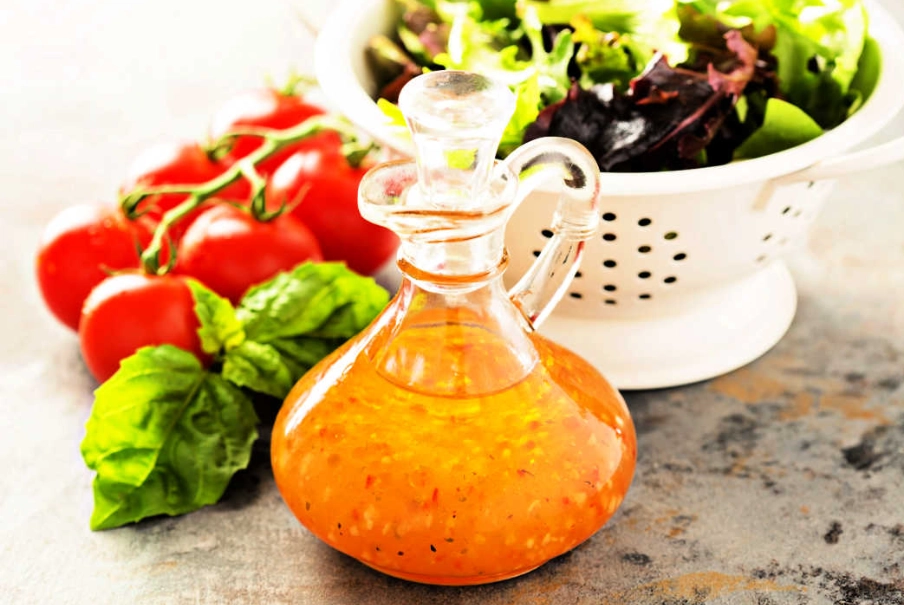
This isn't just about following steps. It's about understanding why this combination of oil, acid, and herbs works so beautifully. Once you get the foundation, you can tweak it forever. You'll never look at a bottled dressing the same way again. I promise.
The core truth: A classic Italian salad dressing recipe is a vinaigrette at its heart. It's an emulsion—a temporary marriage of oil and vinegar (or another acid) held together by mustard and sheer whisking force. Its magic lies in its simplicity and balance.
Why Bother Making Your Own Italian Dressing?
Before we dive into the how, let's talk about the why. Is it really worth the extra five minutes? In my book, absolutely. Here's what swings it for me.
First, you control the quality. You pick a decent extra virgin olive oil, not the blended seed oil that's in most supermarket bottles. You use fresh garlic and dried herbs that haven't been sitting in a warehouse for two years. The flavor is brighter, cleaner, more alive.
Second, you control the health factor. Want less salt? No problem. Prefer a touch of honey to refined sugar? Go for it. Making a homemade Italian dressing lets you avoid the stabilizers, emulsifiers, and added sugars that are standard in bottled versions. The American Heart Association has resources on healthy cooking oils like olive oil, which is the star of this show.
And finally, it's cheaper in the long run. A bottle of good olive oil and some pantry staples will make liters of dressing for the price of a couple of premium bottled brands. It's a no-brainer for weekly meal prep.
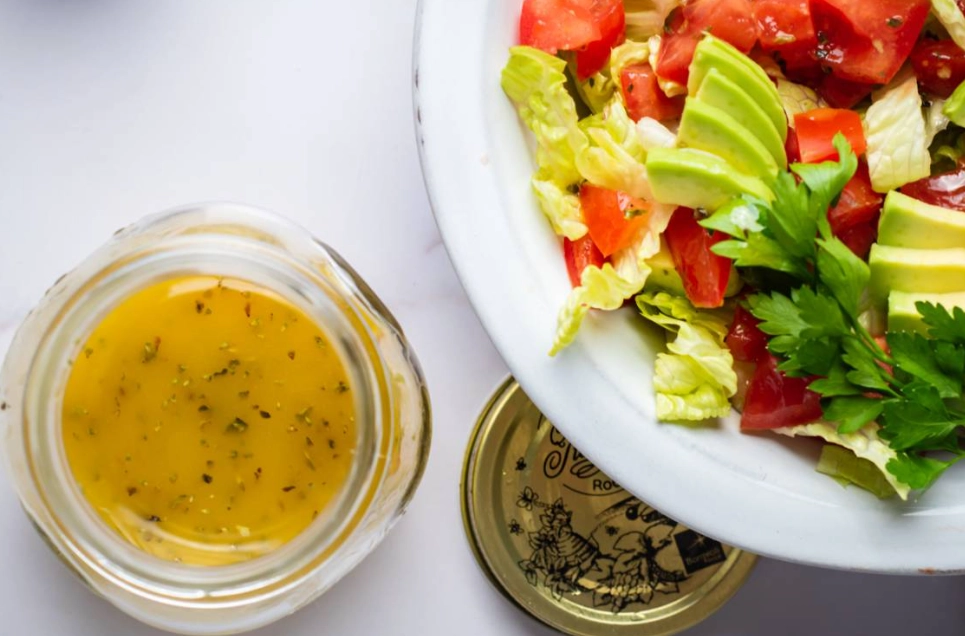
The Blueprint: Anatomy of a Classic Italian Dressing
Every great Italian salad dressing recipe is built on a simple ratio. Master this, and you're 90% of the way there. The golden rule for a vinaigrette is 3 parts oil to 1 part acid. For Italian dressing, we're going to tweak that just a bit for more punch.
The Non-Negotiables (The Holy Trinity)
- The Oil (3 parts): Extra virgin olive oil is the only choice for authenticity. It provides body, a fruity-peppery flavor, and healthy fats. Don't use "light" olive oil or vegetable oil here—you'll miss the soul of the dressing.
- The Acid (1 part): Red wine vinegar is the classic. It's sharp but not harsh. Some recipes use white wine vinegar or even a squeeze of lemon juice for part of the acid. This is your brightness.
- The Emulsifier (1 teaspoon-ish): Dijon mustard. This is the glue. The mustard not only adds a subtle tang but its compounds help bind the oil and vinegar together into a creamy, cohesive mixture that won't separate instantly. Yellow mustard won't work the same way.
Beyond the holy trinity, you have the flavor builders. This is where personality comes in.
- Aromatics: Fresh garlic, finely minced or grated. One small clove is plenty unless you're a vampire hunter.
- Herbs: Dried oregano is essential. Dried basil and parsley are common too. I find dried herbs work better than fresh in the dressing itself—they infuse the oil as it sits. Fresh herbs can be added to the salad bowl.
- Sweetness (optional but recommended): A pinch of sugar or a teaspoon of honey balances the sharp vinegar. Don't skip it unless you like a really bracing punch.
- Seasoning: Kosher salt and freshly cracked black pepper. Taste, taste, taste.
The Step-by-Step: No-Fail Method for Perfect Emulsification
Okay, let's make it. You have two main paths: the shake method (fast, good) and the whisk method (slightly better emulsion). I'll walk you through the whisk method because it's foolproof and you feel like a pro chef doing it.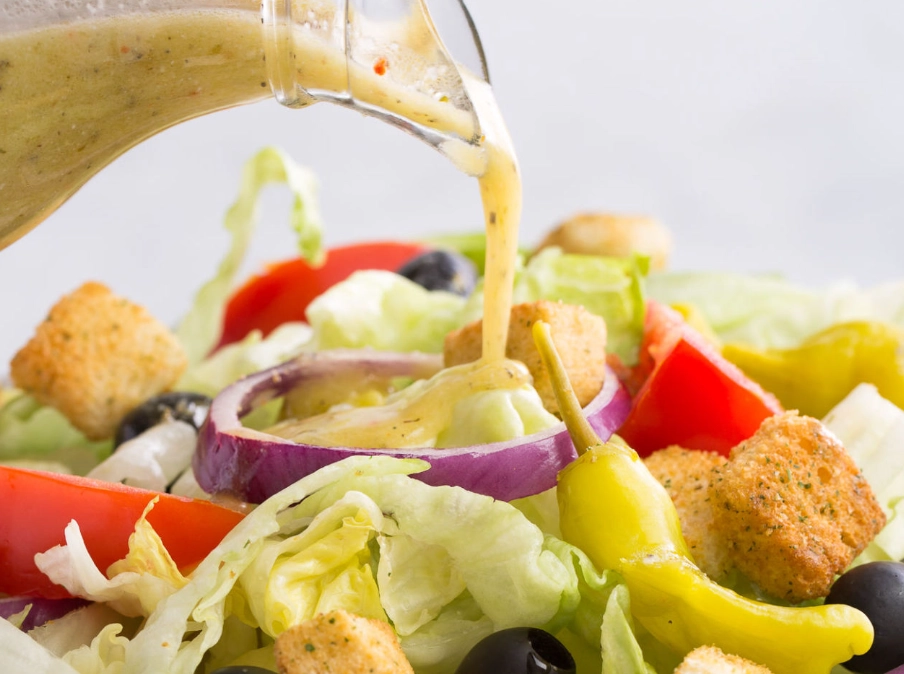
Grab a medium bowl. Not a huge one, or you'll be chasing ingredients around. First, put your acid in the bowl. That's your 1 part red wine vinegar. Add the Dijon mustard, your minced garlic, all the dried herbs, your pinch of sugar, a good pinch of salt, and a few grinds of pepper.
Pro Tip: Always add your seasonings to the acid, not the oil. Salt doesn't dissolve well in oil, but it will in the vinegar, ensuring even seasoning throughout your dressing.
Now, whisk this base mixture until it's well combined. Take your time here. You're creating the flavor foundation. Taste it. Sounds harsh, right? That's okay. The oil will mellow it out.
Here's the critical part. Take your 3 parts of extra virgin olive oil. Start whisking the acid mixture vigorously with one hand. With the other hand, slowly, and I mean slowly, drizzle in the olive oil. A thin, steady stream is key. You're not pouring it in; you're trickling it. As you whisk, you'll see the mixture start to change. It will become thicker, creamier, and slightly opaque. That's the emulsion forming.
Once all the oil is incorporated, keep whisking for another 30 seconds. Give it a final taste. Need more salt? More pepper? A tiny splash more vinegar? Adjust now. And that's it. You've just made a perfect, emulsified Italian salad dressing recipe from scratch.
Watch Out: If you dump all the oil in at once, the emulsion will likely "break," meaning the oil and vinegar will stay separate. It'll still taste fine, but it won't have that lovely creamy texture and will separate quickly on the salad. If this happens, don't panic. Just take a fresh bowl, put a teaspoon of Dijon mustard in it, and slowly whisk your broken dressing into the new mustard, as if the mustard were your new acid base. It should come back together.
Your Italian Dressing Recipe Cheat Sheet (Ratios & Variations)
Let's get concrete. Here's a standard recipe table you can bookmark. This makes about 1 cup of dressing, perfect for a week of salads.
| Ingredient | Measurement | Role & Notes |
|---|---|---|
| Extra Virgin Olive Oil | 3/4 cup | The body. Use a good quality one you enjoy the taste of. |
| Red Wine Vinegar | 1/4 cup | The bright acid. Can sub half with lemon juice. |
| Dijon Mustard | 1 heaping tsp | The emulsifier. Don't skip. |
| Garlic, minced | 1 small clove | Pungent aroma. Use a microplane for super-fine mince. |
| Dried Oregano | 1 tsp | The signature Italian herb. |
| Dried Basil | 1/2 tsp | Adds sweetness and depth. |
| Salt (Kosher) | 3/4 tsp | Start here, always adjust to taste. |
| Black Pepper | 1/2 tsp cracked | Freshly cracked is best. |
| Sweetener (Honey/Sugar) | 1 tsp (optional) | Balances acidity. I always add it. |
But wait, what if you want a creamy Italian dressing recipe? Or a version without garlic? The base recipe is incredibly forgiving. Here are the paths you can take.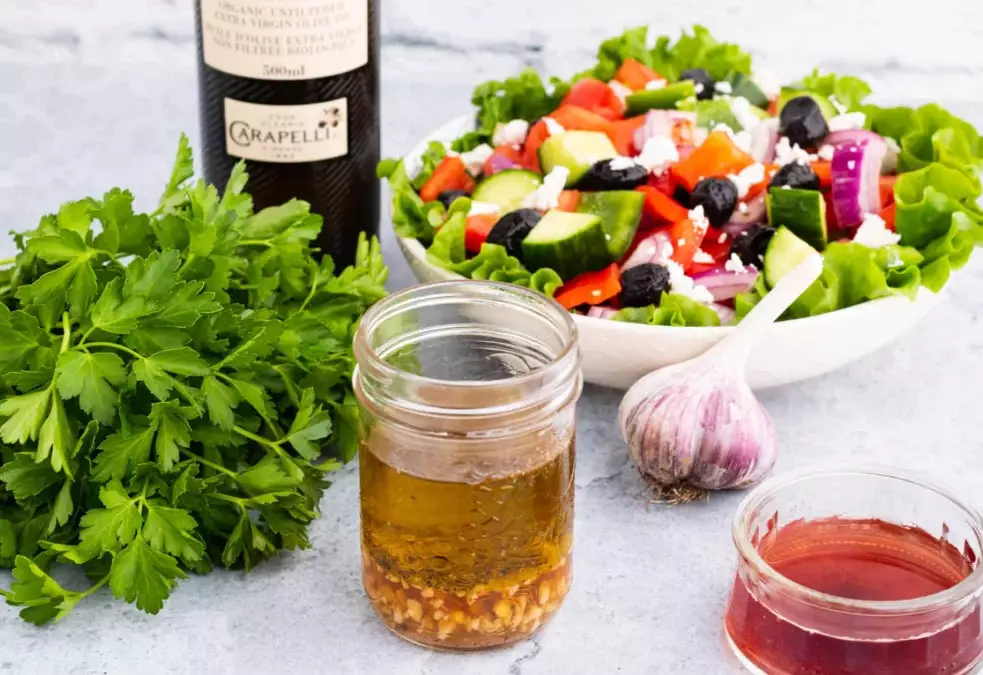
Popular Variations to Try
- The "Restaurant-Style" Creamy Italian: Add 2 tablespoons of mayonnaise or grated Parmesan cheese to the acid base before whisking in the oil. It creates a richer, thicker, creamier dressing that clings to every leaf. Some people love this; I find it can mask the freshness of the olive oil, but it's a crowd-pleaser.
- The Zesty Lemon Twist: Replace half of the red wine vinegar (2 tablespoons) with fresh lemon juice. It's incredibly bright and fantastic on a salad with grilled chicken or shrimp.
- The Herb-Forward Fresh Version: Use 1 tablespoon each of finely chopped fresh parsley, basil, and oregano instead of the dried herbs. Add them at the very end after emulsifying. The flavor is more delicate and grassy.
- The Anchovy Kick (for the adventurous): Mince one or two anchovy fillets and add them to the acid base. They'll dissolve and add an incredible depth of savory, umami flavor—no fishy taste, I promise. It's a game-changer.
Beyond the Salad Bowl: How to Use Your Homemade Dressing
Thinking this Italian salad dressing recipe is just for lettuce is like thinking a Swiss Army knife is just for cutting paper. It's a multi-tool.
Obviously, it's perfect on a classic chopped salad with romaine, tomatoes, red onion, olives, and pepperoncini. But let's get creative.
Use it as a marinade for chicken, shrimp, or vegetables. The acid helps tenderize, and the oil carries flavor deep into the food. Marinate for 30 minutes to a few hours (not overnight with the garlic, or it can turn bitter).
Drizzle it over roasted vegetables like potatoes, cauliflower, or bell peppers straight out of the oven. The flavor wakes everything up.
It makes a brilliant sandwich spread. Skip the mayo and brush a little of this on your bread for an Italian sub or a veggie wrap.
You can even use it as a quick pasta salad dressing. Toss cooled pasta with chopped veggies, some salami or chickpeas, and a generous amount of your homemade Italian dressing. It's a perfect picnic or potluck dish.
Storing Your Masterpiece: Making It Last
You've made this great dressing. How do you keep it good? This is where homemade has one small "drawback" compared to the chemical-laden bottles: its shelf life is shorter, but still plenty long.
Pour your finished dressing into a clean glass jar with a tight-fitting lid. A mason jar is ideal. Store it in the refrigerator. The emulsion will solidify a bit when cold because the olive oil firms up. That's normal.
Before using, take the jar out of the fridge 15-20 minutes before you need it to let it come to room temperature. Then, give it a really good shake or stir to re-emulsify it. It'll be as good as new.
How long does it last? In my experience, it keeps beautifully for 7-10 days. The garlic flavor will intensify over the first day or two, which I love. After about 10 days, the fresh garlic can start to get a bit funky, and the herbs lose their vibrancy. Honestly, mine never lasts that long. I use it on everything. For official guidance on safe home food preservation, you can refer to resources from the USDA's Food Safety and Inspection Service.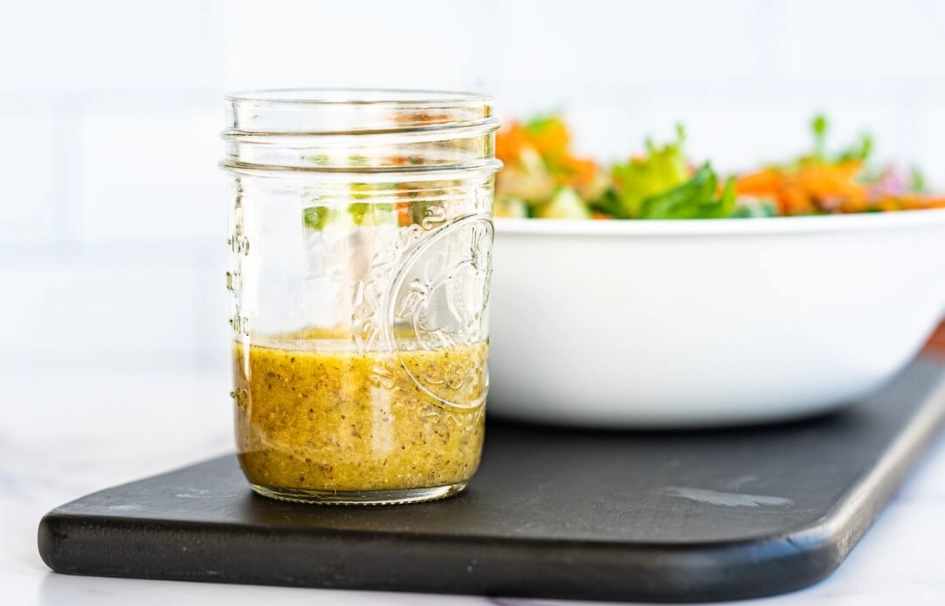
Meal Prep Hack: Make a double or triple batch on Sunday. Store it in the fridge. You've just guaranteed yourself delicious, healthy salads and easy meal flavoring for the entire week with minimal daily effort. This is the secret to actually eating more salads.
Answers to Your Italian Dressing Questions (The FAQ)
Can I use balsamic vinegar instead of red wine vinegar?
You can, but it becomes a different dressing entirely—a balsamic vinaigrette. It will be sweeter, darker, and heavier. For a true Italian salad dressing recipe, stick with red or white wine vinegar.
My dressing separated in the fridge. Did I mess up?
Not at all! Separation is natural for a simple emulsion, especially when cold. Just let it warm up a bit and shake or stir it vigorously. It will come back together. If it's being stubborn, see the "broken emulsion" fix in the step-by-step section.
What's the best oil for Italian dressing if I don't like strong olive oil?
Try a light, fruity extra virgin olive oil. Avoid robust, peppery ones. As a last resort, you can use a blend of 2 parts mild olive oil or even avocado oil with 1 part extra virgin for a hint of flavor. But the flavor is the point, so maybe try a milder EVOO first.
Is there a way to make a single-serving Italian dressing?
Absolutely. Use the 3:1:1 ratio. 3 tablespoons oil, 1 tablespoon vinegar, 1 teaspoon Dijon. Scale the seasonings down (a small pinch of each). Whisk it right in the bottom of your salad bowl, then toss your greens in it. No jar to wash.
Why do some recipes include water or milk?
Some recipes add a tablespoon of water to lighten the dressing and make it less oily. I don't usually find it necessary if my ratio is right. Milk or buttermilk is for "creamy" versions, but mayo or Parmesan is a better thickener in my opinion.
Final Thoughts: Embrace the Imperfections
The best part about this homemade Italian salad dressing recipe is that it's alive. It changes slightly each time based on the oil's fruitiness, the vinegar's sharpness, even your mood that day. Some days you might want more garlic, some days more herbs. That's okay. That's cooking.
It won't be perfectly uniform like the stuff from the factory. It might separate. The garlic bits might settle at the bottom. That's real food. And the taste? There's just no comparison. Once your taste buds adjust to the clean, vibrant hit of a real vinaigrette, the bottled stuff will taste like a sugary, artificial shadow of the real thing.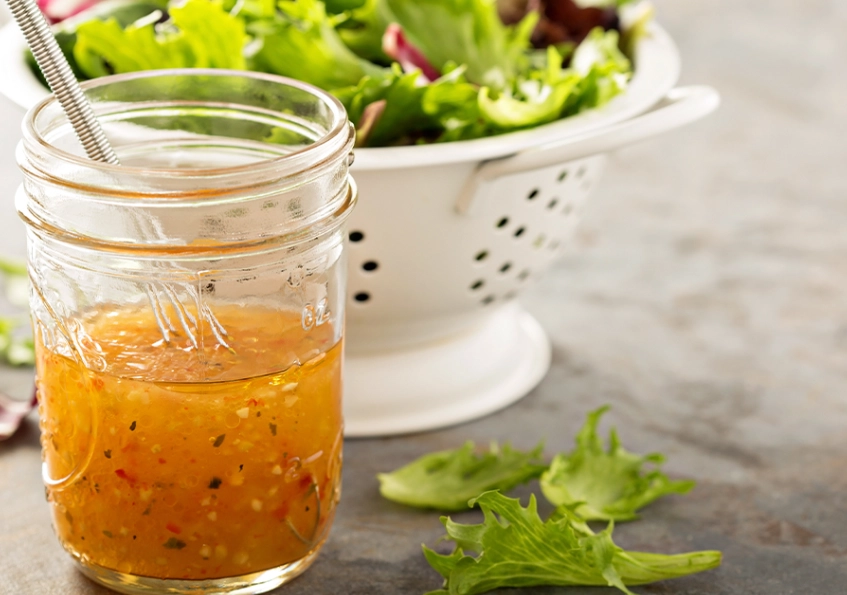
So grab that whisk and a bottle of decent olive oil. Your salads (and your fridge door) will thank you.
Related Articles
Italian Lasagna Recipe: Authentic Homemade Lasagna Guide
Easy Italian Dressing Noodle Salad Recipe: Perfect for Summer
Authentic Italian Salad Dressing Recipe: Easy, Zesty & Homemade

Ultimate Guide to Italian Sausage Recipes: From Classic to Creative
Ultimate Guide to Italian Meatball Recipes: From Classic to Creative
Ultimate Guide to Spaghetti Pasta Recipes: Easy, Authentic & Creative

Performance exploded! Sungrow Power Supply made a huge profit of tens of billion
What is a Good Appetizer Before Pasta Dinner? 15+ Expert Picks & Pairing Guide
Master Classic Italian Dishes: Recipes & Secrets from Pasta to Tiramisu
Easy Crusty Italian Bread Recipe: Homemade Ciabatta & Focaccia
Classic Italian Bolognese Recipe: Master the Authentic Ragu
Authentic Italian Dinner Recipes & Essential Secrets Explained
Authentic Italian Sausage Recipe: Tips from a Butcher

Why did China Resources take over Tasly?
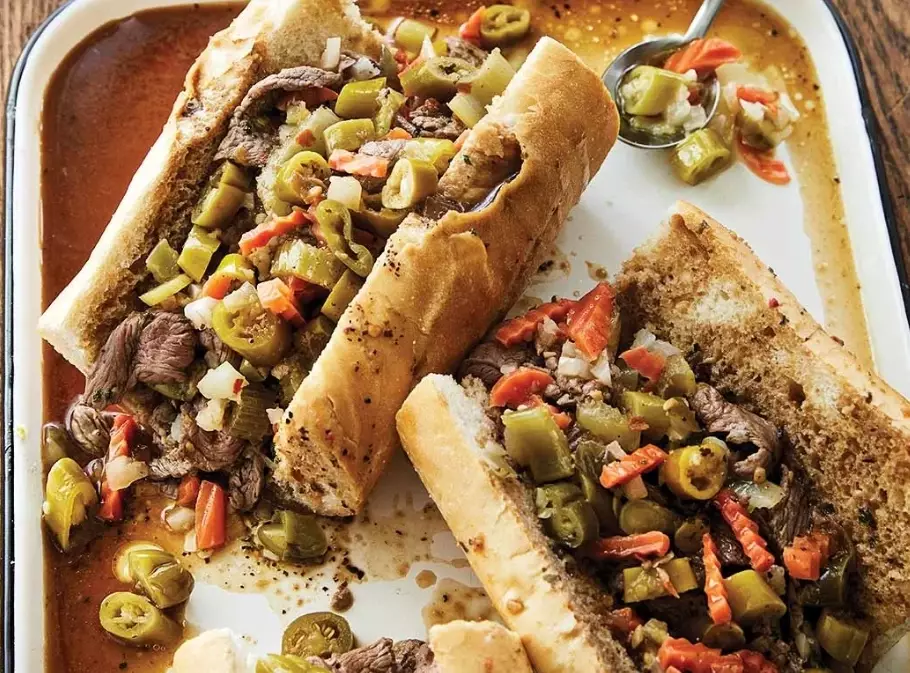
Authentic Italian Beef Recipe: Slow-Cooked Chicago-Style Sandwiches

Authentic Italian Zeppole Recipe: Easy Homemade Fried Dough Guide

What is the dispute over the open and closed source of large models?
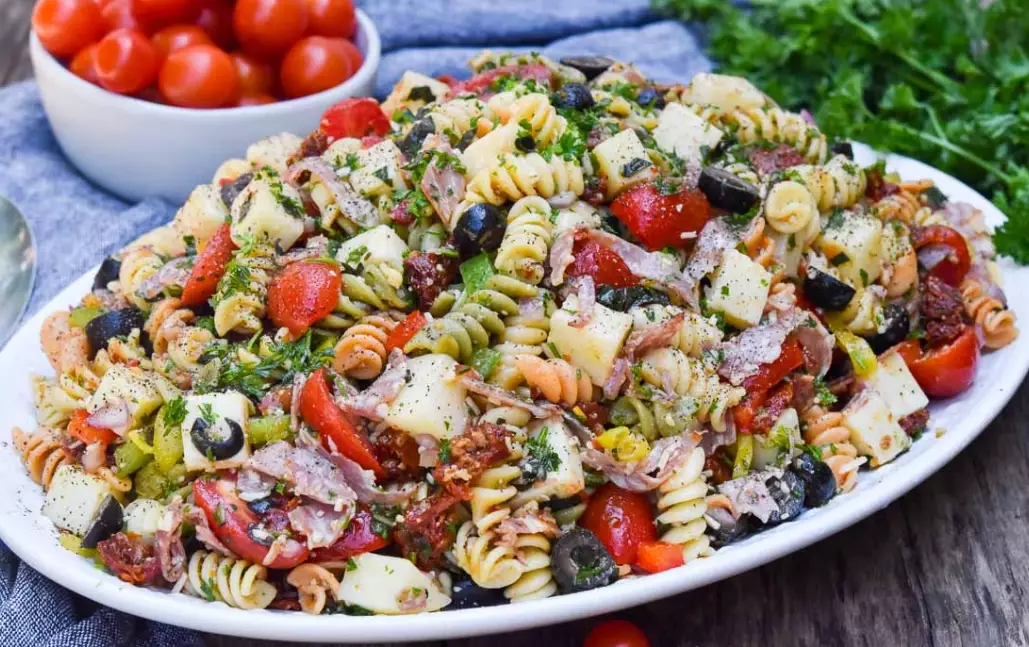
Pasta Italian Dressing Salad Recipes: The Ultimate Guide
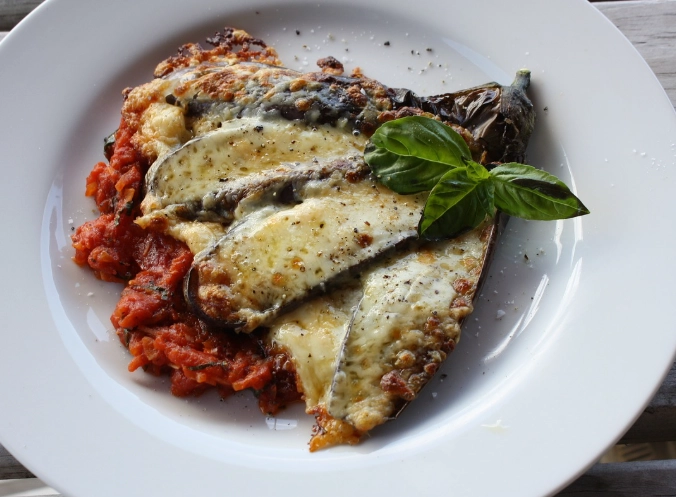
Classic Italian Vegetable Dishes: A Guide to Authentic Recipes
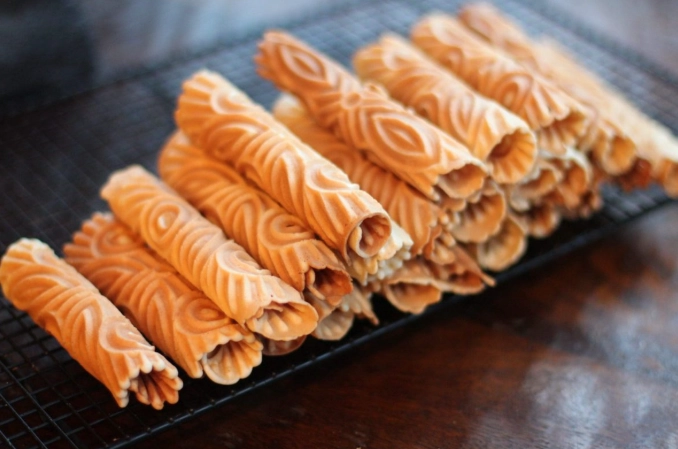
Authentic Italian Pizzelle Recipe: Crispy, Classic & Easy
Easy Italian Pizzelle Recipe: Simple & Authentic

Authentic Italian Braciole Recipe: Slow-Cooked Beef Rolls
Authentic Italian Green Beans Recipe: A Classic Nonna's Method
Authentic Italian Pasta Salad Recipe: Easy & Flavorful
Craft Your Own Italian Seasoning Recipe: A Complete Guide to Homemade Flavor
Authentic Italian Chicken Cacciatore Recipe: A Hunter's Stew
The Best Pasta Carbonara Recipe: Authentic Roman Secrets Revealed

The largest IPO in the A-share market in 13 years has been terminated, and it wa
Authentic Italian Dinner Recipes from Regional Cuisines
Leave a Comment