Easy Italian Recipes: 5 Classics Anyone Can Master at Home
What You'll Find Here
Let's be honest. Sometimes the idea of cooking Italian food feels a bit... daunting. You see these gorgeous pictures of nonnas rolling out perfect pasta by hand, simmering sauces for hours, and you think, "I don't have that kind of time or magic." I used to think that too. My first attempt at a "simple" tomato sauce involved burning the garlic and under-salting the water for the pasta. It was a sad, soupy affair.
But here's the secret most food blogs don't tell you: authentic Italian cooking at home isn't about complexity. It's about a few good ingredients treated with respect. It's about understanding a couple of fundamental techniques that make all the difference. After spending time in a tiny village kitchen in Umbria (and yes, making many mistakes), I realized the best easy Italian recipes are the ones that get out of the way and let the flavors shine.
So, I'm not going to give you a project. I'm going to give you a toolkit. These are the recipes I make on busy weeknights when I want something comforting, impressive, and genuinely delicious without a three-hour commitment. They're the ones my friends always ask for, convinced I've slaved away, when really, the trick is knowing where to put your effort.
Before You Start: The single biggest tip for easy Italian recipes is to buy the best ingredients you can afford. It sounds cliché, but it's true. With only a handful of components in each dish, the quality of your olive oil, your canned tomatoes, and your cheese isn't just important—it's everything.
The Foundation: What Makes an Italian Recipe "Easy"?
We throw the word "easy" around a lot. For me, an easy Italian recipe has to pass the Tuesday Night Test. Can I make it after work, with maybe one stop at the grocery store, and still have it on the table without feeling frazzled? It should have a short, familiar ingredient list. The techniques should be basic—sautéing, boiling, mixing. Most importantly, it should be forgiving. A little more garlic? Fine. Simmered for 20 minutes instead of 25? It'll survive.
Italian home cooking, or cucina povera (the "cuisine of the poor"), is the original source of easy Italian recipes. It was born from necessity, using local, seasonal, and inexpensive ingredients to create deeply satisfying meals. We're channeling that spirit.
The Non-Negotiable Pantry Staples
You don't need a lot, but having these on hand turns "I have nothing to cook" into "I can make pasta" in 15 minutes.
- Extra Virgin Olive Oil: A good one for finishing, a decent one for cooking. The flavor is irreplaceable.
- Canned Whole Peeled Tomatoes: Look for Italian brands like San Marzano (DOP certified if possible). They're consistently sweeter and less acidic. The quality of your tomato is the soul of your sauce.
- Dried Pasta: Not all pasta is created equal. A rough, bronze-die cut pasta holds sauce better. Brands like De Cecco, Rummo, or Garofalo are widely available and make a noticeable difference.
- Parmigiano-Reggiano: Buy a block and grate it yourself. The pre-grated stuff contains anti-caking agents that ruin the texture and melt. Trust me on this.
- Garlic, Onions, Dried Oregano, and Red Pepper Flakes: The flavor backbone.
With just these items, you're already 80% of the way to a fantastic meal. See? The barrier to entry for authentic Italian cooking at home is lower than you think.
5 Foolproof Easy Italian Recipes for Your Repertoire
These aren't just random recipes. I've chosen them because each one teaches you a core principle of Italian cooking. Master these five, and you'll have the confidence to tackle hundreds more.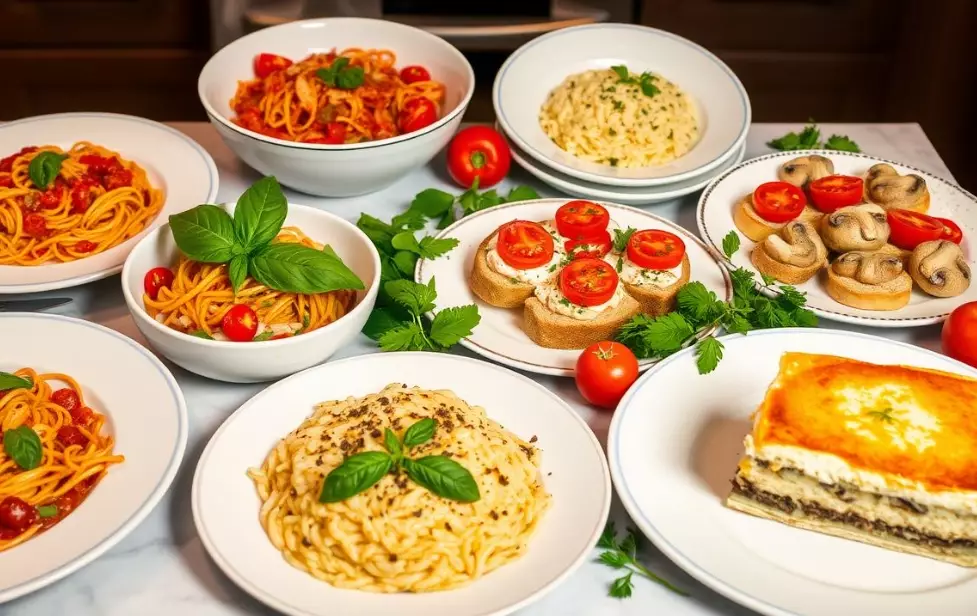
1. Spaghetti Aglio e Olio (Garlic and Oil)
This is the ultimate lesson in minimalism. It's the pasta you make when there's "nothing" in the house. It's also the one that separates confident cooks from beginners. The trick is to gently infuse the oil with garlic and pepper flakes without burning anything. Burned garlic is bitter and ruins the dish.
My Method: I slice the garlic thinly, which gives more surface area and a stronger flavor. Some people crush it, but I find slicing gives me more control. I start the garlic in cold oil over low heat and let it warm up together. This slowly coaxes out the flavor. Just as the edges start to turn a very pale gold, I turn off the heat and add a big pinch of red pepper flakes. The residual heat toasts them perfectly. Toss with al dente pasta, a splash of starchy pasta water, and a huge handful of chopped parsley. No cheese on this one—it's not traditional!
Watch Out: This is the most common mistake. If your garlic turns dark brown, it's burnt. Start over. The flavor should be sweet and pungent, not acrid.
2. The 20-Minute Magic Marinara
Forget the all-day Sunday gravy. A vibrant, fresh-tasting tomato sauce can be ready in the time it takes to boil your pasta. The key is how you treat the tomatoes. I don't even bother with a pot for this one—I use a large skillet.
I sauté a bit of minced garlic in olive oil for maybe 30 seconds, just until fragrant. Then, I pour in a 28-oz can of whole peeled tomatoes. Here's my controversial take: I use my (clean) hands to crush them right in the skillet. It's messy but therapeutic, and you get a great variety of texture—some chunks, some pulp. A pinch of salt, a few torn basil leaves if I have them, and I let it bubble away for 15-20 minutes while the pasta cooks. It reduces, thickens, and the flavors concentrate beautifully. Toss the pasta directly in the skillet. This is the cornerstone of countless easy Italian recipes.
3. One-Pan Lemon Herb Chicken with Potatoes
Not in the mood for pasta? This is my go-to. It feels special but requires almost no active work. It’s a lesson in roasting and how lemon, garlic, and herbs can transform simple chicken.
I take chicken thighs (bone-in, skin-on for maximum flavor and juiciness) and toss them in a bowl with olive oil, the zest and juice of a lemon, a few cloves of sliced garlic, rosemary, and salt. In the same bowl, I toss some halved baby potatoes. Everything goes onto a sheet pan—chicken skin-side up, potatoes in a single layer around it. Into a hot oven (425°F/220°C) for about 35-40 minutes. The chicken skin gets crispy, the potatoes soak up the lemony juices, and the garlic mellows out. Dinner is done, and you only have one pan to wash.
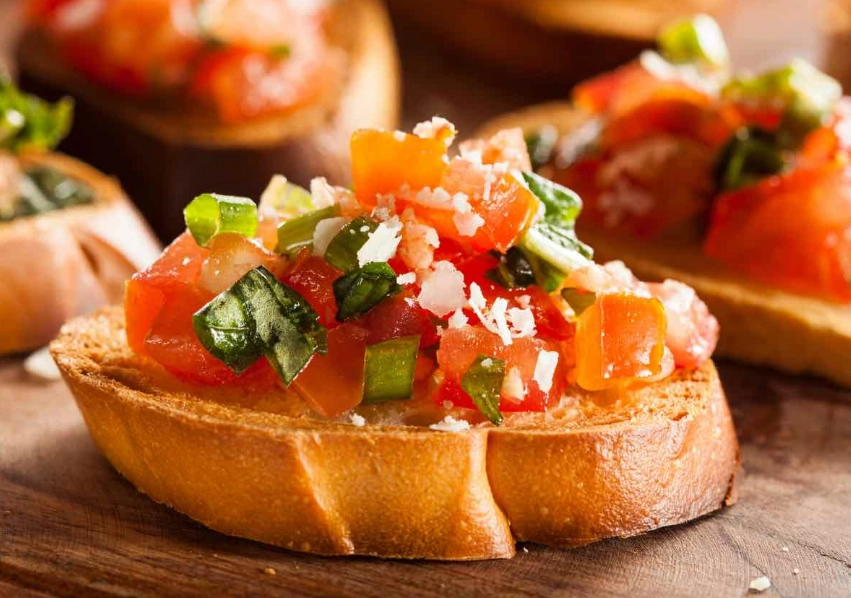
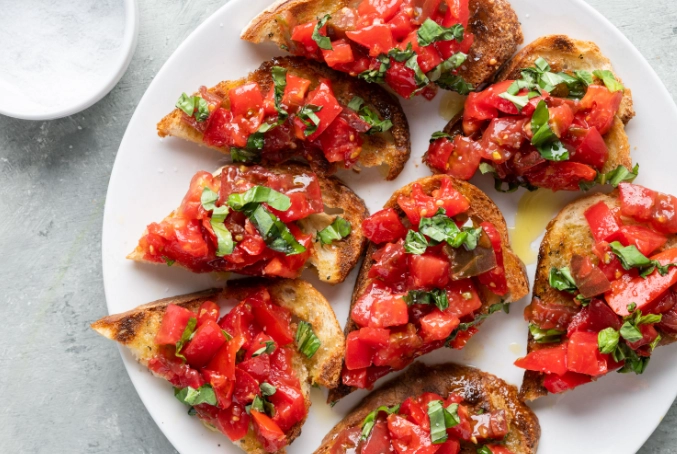
4. No-Cook Tomato Basil Bruschetta
This is less of a recipe and more of an assembly job, but it's a perfect example of how freshness wins. It's also the fastest appetizer you'll ever make. The success here depends entirely on your ingredients.
Dice ripe, in-season tomatoes (out of season, I use cherry tomatoes—they often have more flavor). Mix with thinly sliced fresh basil, a small minced garlic clove, a generous glug of good olive oil, and salt. Let it sit for 10 minutes while you toast thick slices of rustic bread. The salt draws the juices out of the tomatoes, creating a deliciously savory dressing. Spoon it over the toasted bread right before serving. The contrast of the warm, crunchy bread and the cool, juicy topping is everything.
5. Creamy (No-Cream) One-Pot Pasta
This method broke the internet for a reason. You put everything—uncooked pasta, water, and your sauce ingredients—in one pot and cook it together. The starch from the pasta thickens the cooking water into a silky, emulsified sauce. It's genius for quick pasta recipes and minimizes cleanup.
My favorite version: in a wide, deep skillet, add a package of spaghetti, a pint of cherry tomatoes (halved), a few sliced garlic cloves, a whole bunch of basil, red pepper flakes, a big glug of olive oil, and 4 cups of water or weak vegetable broth. Bring to a boil, then simmer, stirring frequently, for about 9-11 minutes until the pasta is al dente and the water has reduced to a creamy sauce. Finish with more olive oil and cheese. It feels like a cheat code.
"The biggest compliment I ever got was from an Italian friend who tried my quick marinara and said, 'This tastes like my grandmother's, but faster.' That's the goal of these easy Italian recipes—tradition, streamlined for real life."
Your Easy Italian Recipe Toolkit: A Comparison
Let's break down these five easy Italian recipes so you can see which one fits your mood, time, and pantry.
| Recipe | Core Skill It Teaches | Active Time | Key Ingredient(s) | Best For... |
|---|---|---|---|---|
| Spaghetti Aglio e Olio | Infusing oil & controlling heat | 10 mins | Garlic, Olive Oil, Pasta | A lightning-fast, pantry-only dinner |
| 20-Minute Marinara | Building a simple tomato sauce | 5 mins prep, 20 mins simmer | Canned Tomatoes, Garlic, Basil | The foundational sauce for pasta, pizza, meatballs |
| One-Pan Lemon Herb Chicken | Sheet-pan roasting & flavor pairing | 10 mins prep, 40 mins inactive cook | Chicken Thighs, Lemon, Rosemary | A hands-off, complete protein-focused meal |
| No-Cook Bruschetta | Highlighting raw, fresh ingredients | 15 mins (mostly resting) | Ripe Tomatoes, Fresh Basil, Good Bread | An effortless appetizer or light lunch |
| One-Pot Creamy Pasta | The one-pot pasta method | 20 mins total | Pasta, Cherry Tomatoes, Basil | Minimal cleanup, creamy texture without cream |
See a pattern? Short active times, forgiving techniques, huge flavor payoffs.
Answering Your Real Questions About Easy Italian Cooking
I get asked these all the time. They're the little nagging doubts that stop people from trying.
"What if I don't have fresh herbs?"
It's okay. Dried oregano or basil can work in cooked sauces (add them early to rehydrate). For a fresh topping like bruschetta, you're a bit stuck, but a drizzle of good pesto from a jar can save the day. For the lemon chicken, dried rosemary is actually quite potent—just use half the amount.
"Is it cheating to use canned tomatoes?"
Absolutely not. In fact, for most of the year, canned tomatoes are better than the fresh, mealy ones you find at the supermarket. Italian canned tomatoes are packed at peak ripeness. The Italian National Tourist Board even highlights tomato cultivation as a key part of culinary culture. For a deep dive into tomato varieties and canning, resources from the USDA can be surprisingly helpful for understanding food processing and quality.
"My pasta sauce is always watery. Help!"
Two main culprits. First, you might not be reducing your sauce enough. Let it simmer uncovered until it coats the back of a spoon. Second, and this is crucial: always reserve a cup of the starchy pasta cooking water before you drain. When you toss your pasta with the sauce, add splashes of this water. The starch helps the sauce cling to the pasta, creating a creamy, cohesive dish instead of a puddle with noodles in it.
"What's the deal with 'al dente'?"
It means "to the tooth"—the pasta should have a slight bite or resistance in the center. It's not just an Italian quirk; it's practical. Al dente pasta has a lower glycemic index, and it holds its shape better when tossed with sauce. To get it right, taste a piece a minute or two before the package's suggested cook time. The best guide is your mouth, not the clock.
"Can I substitute Parmesan with the pre-grated stuff in the green can?"
You can, but the flavor and texture will be completely different—and in my opinion, worse. It's often made with a different cheese (like Romano) and has a sharp, salty, one-note flavor compared to the complex, nutty, umami-rich taste of real Parmigiano-Reggiano. If you're on a budget, look for a chunk of Grana Padano or even a domestic Parmesan-style cheese to grate yourself. It makes a world of difference in your easy Italian recipes.
Taking It Further: Simple Swaps and Ideas
Once you're comfortable with these five easy Italian recipes, start playing.
- In the Aglio e Olio, add a handful of toasted breadcrumbs (pangrattato) at the end for incredible crunch.
- For the marinara, sauté a finely grated carrot with the garlic at the start. It adds a touch of sweetness and body that balances the tomatoes perfectly.
- Turn your one-pan chicken into "Hunter's Chicken" (Pollo alla Cacciatora) by adding a splash of white wine and some canned tomatoes to the pan halfway through cooking.
- Use the bruschetta topping as a sauce for grilled fish or chicken. It's incredibly versatile.
- For the one-pot pasta, swap cherry tomatoes for sliced mushrooms and a sprig of thyme.
The goal isn't rigid adherence to a recipe. It's understanding the logic behind it. Why do you add pasta water? To create an emulsion. Why do you slice garlic thin for Aglio e Olio? For controlled flavor release. Once you know the "why," you own the recipe, and it can evolve with you.
Pro-Tip for Leftovers: That leftover marinara? Don't just reheat it for pasta. Use it as a base for shakshuka (eggs poached in tomato sauce) for breakfast, or simmer some white beans in it for a fantastic side dish or soup. Real Italian cooking is frugal and creative.
The Final, Most Important Ingredient
Confidence. Or maybe, a lack of fear.
I think we get scared of Italian food because we put it on a pedestal. We think it has to be perfect. But in every Italian home kitchen, there are messes, mistakes, and adaptations. The nonna isn't following a recipe to the gram; she's tasting, adjusting, and using what she has.
That's what I want you to take away. These easy Italian recipes are your starting point. They're reliable, they're delicious, and they work. But they're also invitations to experiment. Add an extra clove of garlic if you love it. Forget the parsley. Use pecorino instead of parmesan. The world won't end. In fact, you might create your new favorite weeknight dinner.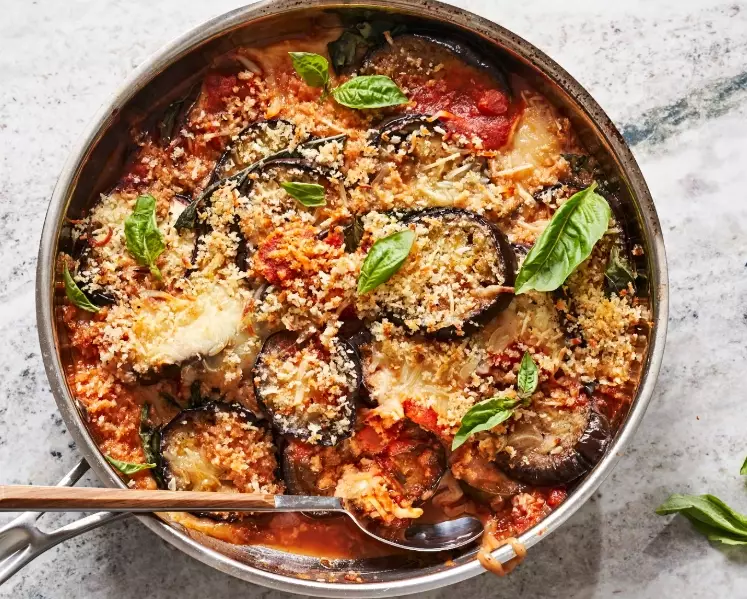
So, pick one. Maybe the one-pot pasta because cleanup is easy. Or the aglio e olio because it's so fast. Just start. Get your ingredients ready, put on some music, and don't worry about making it "authentic." Focus on making it tasty. That's the real secret they don't always tell you. The heart of authentic Italian cooking at home isn't geography; it's the joy of sharing simple, good food made with your own hands. And that's something you can definitely achieve, no matter where your kitchen is.
Buon appetito!
Related Articles

Industry Observation|Running at a new speed of trade finance, Bohai Bank's "Boyi

Ultimate Guide to Italian Slider Variations & Recipes

Is it worth it for companies to sponsor the Olympics? | Finance looks at the Oly
Pasta Recipes: A Complete Guide from Beginner to Pro
Easiest Italian Food to Make: 5 Simple Recipes for Beginners
Authentic Pasta Carbonara Recipe: The Real Italian Way
Italian Buttercream Recipe: How to Make Perfectly Smooth Frosting
Authentic Pasta Carbonara Recipe: Original Italian Method (No Cream!)
Authentic Italian Lasagna Recipe: The Ultimate Guide to Homemade Perfection

What Are The Three Italian Cocktails? Negroni, Aperol Spritz, Americano
Make-Ahead Italian Appetizers: Stress-Free Recipes & Tips for Any Gathering

Authentic Italian Cocktail Recipes: From Classics to Modern Twists

The Ultimate Guide to a 3 Course Vegetarian Italian Meal

Is Xiaomi Auto dumped?
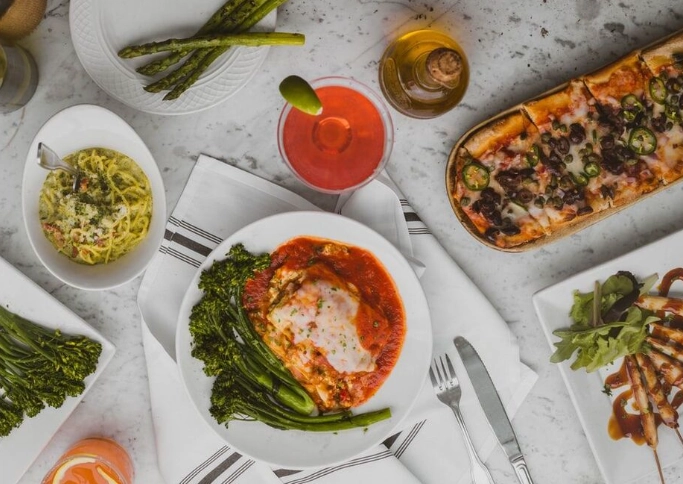
What are the 4 Classic Italian Dishes? A Food Lover's Guide

Ultimate Guide to Classic Italian Dessert Recipes from Tiramisu to Cannoli
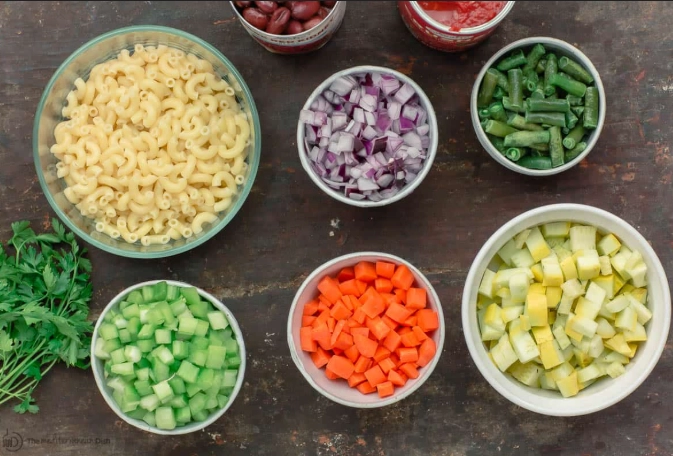
Italian Seasoning in Minestrone Soup: The Authentic Herb Blend Explained
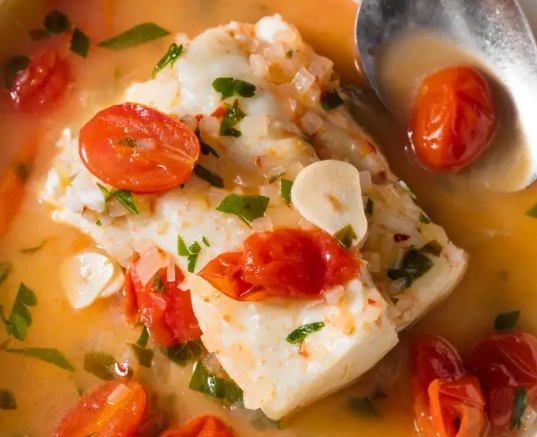
Traditional Southern Italian Recipes: Authentic Dishes & Secrets
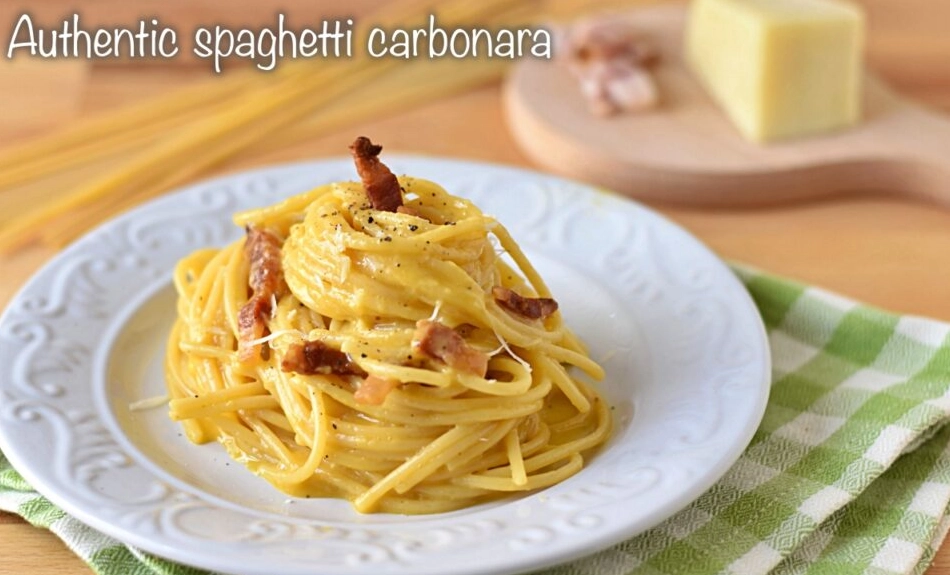
Authentic Carbonara Recipe: The Real Italian Way (No Cream!)
Authentic Italian Porchetta Recipe: Crispy, Juicy Roast Pork
Italian Sausage Pasta Recipes: A Complete Guide to Classic Comfort Food
Authentic Italian Appetiser Recipes for Your Next Gathering
Minestrone Soup Recipe: An Italian Classic Made Simple
Discover the Best Non-Alcoholic Italian Drinks: From Aperitivo to Digestivo
Best Italian Baked Dishes Recipes: Authentic & Easy to Make
Easy Italian Pizzelle Recipe: Simple & Authentic
Top 10 Italian Dinner Dishes: A Curated Guide for Authentic Meals
Authentic Italian Bruschetta Recipe: The Only Guide You'll Ever Need
Traditional Italian Holiday Dinner Recipes: A Complete Guide to a Festive Feast
Leave a Comment