Master Authentic Italian Recipes: The Ultimate Guide to Real Italian Cooking
Quick Guide
- What "Authentic" Really Means (It's Not What You Think)
- The Non-Negotiable Pantry: Your Foundation for Real Italian Cooking
- A Culinary Road Trip: Italy's Regional Flavors Unpacked
- Top 5 Authentic Italian Recipes You Should Master First
- Answers to the Questions You're Probably Asking
- Where to Find Truly Trustworthy Authentic Italian Recipes
- Your Next Step: Pick One Recipe and Cook It This Week
I still remember the first time I had a real, no-kidding, authentic Italian recipe. It wasn't in a fancy restaurant. It was in a cramped apartment kitchen in Bologna, watching my friend's nonna (grandmother) make tagliatelle al ragù. There was no garlic bread in sight. No mountains of cheese. Just eggs, flour, a bit of meat, tomato, and her hands moving with a rhythm that felt older than the hills outside. The taste? It was a quiet explosion. Simple, but so deep and satisfying it made every "Italian" meal I'd had before taste like a cartoon.
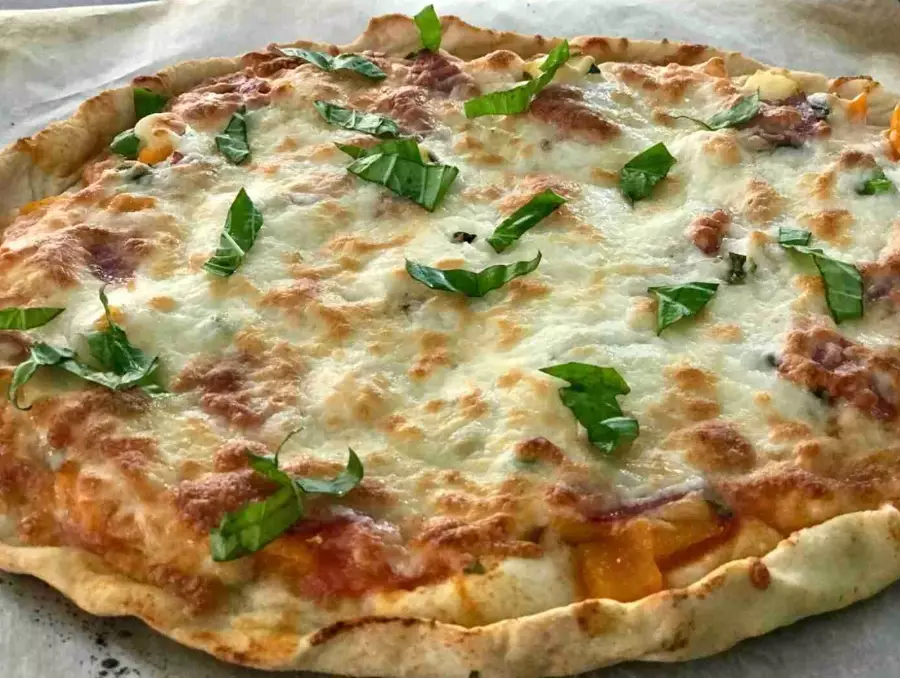
That's the thing about authentic Italian recipes. They're often victims of their own global popularity. We think we know them, but outside of Italy, they get loaded up with cream, drowned in cheese, and pumped full of garlic until the original soul of the dish is just a distant memory. It drives Italian chefs nuts, and honestly, once you taste the real deal, you'll understand why.
What "Authentic" Really Means (It's Not What You Think)
Let's clear this up right away. "Authentic" doesn't mean "complicated" or "requiring 100 obscure ingredients." In fact, it's the opposite. The heart of traditional Italian cooking, or cucina Italiana, is a philosophy called cucina povera – the "cooking of the poor." It's about making extraordinary food from ordinary, seasonal, local ingredients. No waste. Maximum flavor.
An authentic Italian recipe has a few non-negotiable hallmarks:
- Seasonal & Local: You won't find fresh tomatoes in a traditional recipe from December in Northern Italy. They'd use canned San Marzanos (the good stuff) or a different vegetable altogether.
- Respect for Ingredients: Each component is chosen to play a specific role. You don't cover up the taste of a beautiful piece of fish with a heavy sauce; you enhance it.
- Regional Identity: Italy was unified less than 200 years ago. Food culture is fiercely regional. A "pesto" in Liguria is basil, pine nuts, Parmigiano, Pecorino, olive oil, and salt. Full stop. Adding cream or garlic? That's a different sauce with a different name.
- Balance, Not Bombast: Flavors are balanced, not overwhelming. Herbs are used with a light hand. Garlic is often used to perfume oil and then removed, not minced into everything.
My personal rule of thumb? If a recipe for "authentic Italian recipes" has a paragraph-long ingredient list with half a dozen cheeses and three types of meat, be suspicious. Very suspicious.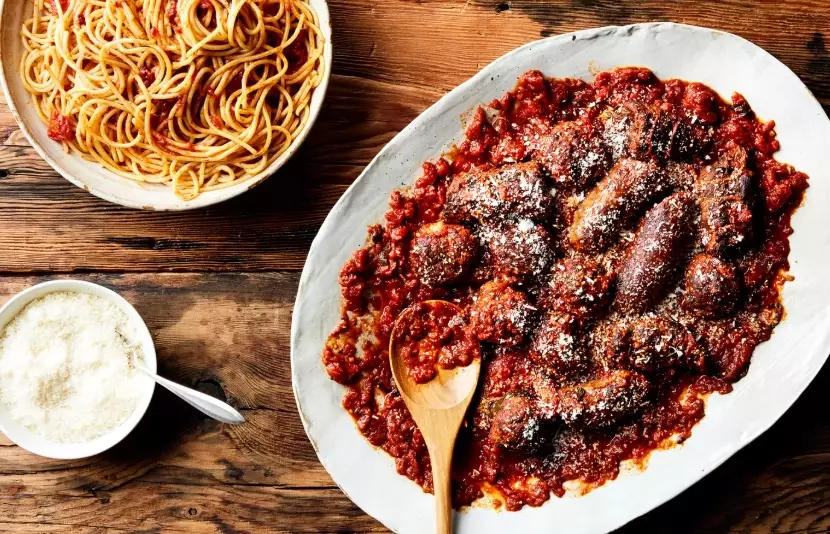
The Non-Negotiable Pantry: Your Foundation for Real Italian Cooking
You can't build a house without a foundation, and you can't cook authentic Italian food without the right staples. The good news is, you don't need a lot. Investing in a few key, high-quality items will transform your cooking more than any fancy technique.
The Absolute Essentials
Here’s what you need to get started. Don't just buy the cheapest option; for items like oil and tomatoes, mid-range is where the magic happens.
- Extra Virgin Olive Oil (EVOO): This is liquid gold. Use a robust, peppery one for finishing dishes (drizzling on soup, pasta, bruschetta) and a milder, fruitier one for cooking. The International Olive Council is a great resource for understanding quality and origins.
- 00 Flour ("Doppio Zero"): For pasta and pizza dough, this finely-milled soft wheat flour is the secret to that perfect, tender-yet-elastic texture. All-purpose flour works in a pinch, but it's not the same.
- Canned Tomatoes: Not all cans are created equal. Look for "D.O.P. San Marzano" tomatoes from Italy. They're less watery, sweeter, and less acidic. For a deep dive into tomato varieties, the Campania Region's agriculture site (where they're from) has the official info.
- Dried Pasta: Yes, fresh is great, but dried pasta from durum wheat semolina is a staple for a reason. Its rough surface holds sauce beautifully. Brands like De Cecco, Rummo, or Garofalo are widely available and excellent.
- Parmigiano-Reggiano & Pecorino Romano: These are not interchangeable. Parmigiano (cow's milk, from Parma/Reggio Emilia) is nutty, umami-rich, and granular. Pecorino (sheep's milk, from Lazio/Sardinia) is saltier and sharper. You grate them fresh. Always. The pre-grated stuff has anti-caking agents that ruin the texture and flavor.
- Good Salt: Fine sea salt for cooking, flaky sea salt (like sale di Cervia) for finishing.
See? That's not so bad. With these items, you're already 80% of the way to creating stunning authentic Italian recipes at home.
A Culinary Road Trip: Italy's Regional Flavors Unpacked
Asking for an "authentic Italian recipe" is like asking for an "American recipe." It depends entirely on where you are. To cook like an Italian, you need to think like one—regionally. This map of flavors is your cheat sheet.
| Region | Climate & Heart | Staple Carbs & Fats | Signature Dishes (A Tiny Sample) | Cheese Spotlight |
|---|---|---|---|---|
| The North (Piedmont, Lombardy, Veneto) | Alpine, colder, rich, butter-based | Polenta, Risotto Rice, Butter, Lard | Risotto alla Milanese, Osso Buco, Polenta with stews | Gorgonzola (blue), Taleggio, Grana Padano |
| Central (Tuscany, Emilia-Romagna, Lazio) | Heartland, balanced, pork paradise | Bread (unsalted!), Egg Pasta, Olive Oil | Bistecca alla Fiorentina, Tagliatelle al Ragù, Carbonara | Parmigiano-Reggiano, Pecorino Toscano |
| The South & Islands (Campania, Sicily, Puglia) | Mediterranean, sunny, vibrant, vegetable-forward | Dried Pasta, Olive Oil, Legumes | Neapolitan Pizza, Pasta alle Vongole, Caponata | Burrata, Mozzarella di Bufala, Ricotta Salata |
This table explains so much. Why you'll never find cream in a carbonara (it's from Rome, in the center, where the fat is guanciale and pecorino, not cream). Why risotto is a northern thing (rice paddies in the Po Valley). Why Southern Italian food feels so bright and vegetable-heavy (sun-drenched coastlines). When you're looking for authentic Italian recipes, the first question should be: "Which region is this from?" That context guides everything.
Top 5 Authentic Italian Recipes You Should Master First
Let's get practical. Start with these classics. Master them, and you'll internalize the principles of the cuisine. I've ordered them by what I think teaches you the most fundamental skills.
1. Spaghetti alla Carbonara (Lazio)
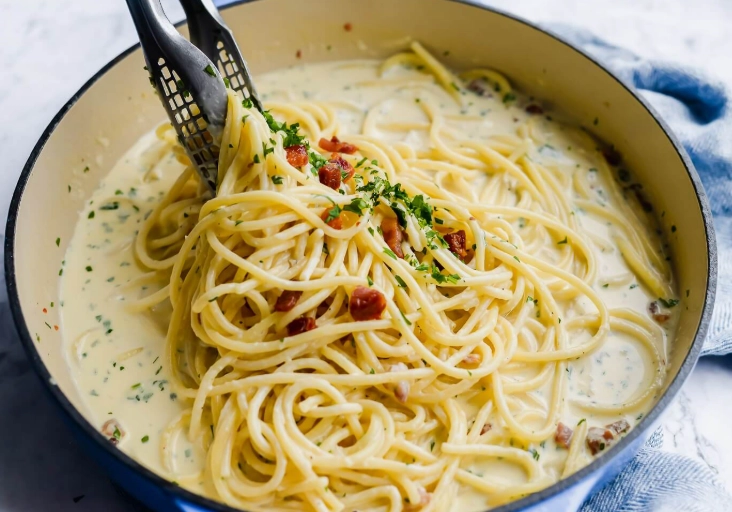
The Lesson: Emulsification and heat control. This dish is a tense, 5-minute ballet of pasta water, egg, cheese, and pork fat. Get it right, and it's silky, rich, and incredible. Get it wrong, and you have scrambled eggs with pasta. The controversy around this dish is legendary (no cream! no garlic! no peas!). The official recipe is even registered by the Academia Barilla. You need: spaghetti, guanciale (cured pork cheek), pecorino romano, black pepper, eggs. That's it. The technique is everything.
2. Ragù alla Bolognese (Emilia-Romagna)
The Lesson: The "soffritto" and slow cooking. This is not a quick, tomato-heavy meat sauce. It's a slow-cooked marvel built on a base of finely chopped onion, carrot, and celery (soffritto) cooked gently in butter/oil. A mix of meats, a splash of wine, a bit of tomato, and milk. Yes, milk. It simmers for hours until it's thick, complex, and meant for tagliatelle, not spaghetti. The city of Bologna is so serious about it they deposited an official recipe with the Chamber of Commerce. It's a weekend project that rewards patience.
3. Pesto alla Genovese (Liguria)
The Lesson: Respect for raw ingredients. This vibrant green sauce is about not cooking the basil. You crush it in a mortar with a pestle (hence the name) with garlic, pine nuts, coarse salt, and the two cheeses, slowly streaming in oil. A food processor works, but it bruises the basil and can heat it up, turning it darker. The goal is freshness. Toss it with trofie or trenette pasta, maybe with some boiled potatoes and green beans. Summer in a bowl.
4. Risotto alla Milanese (Lombardy)
The Lesson: The "toast and toast" method and constant attention. You toast the rice in butter to seal the grains, then add warm stock a ladleful at a time, stirring almost constantly. This friction releases the starch, creating the creamy texture (no cream added!). The Milanese version is flavored with saffron and bone marrow. It's meditative cooking. Your arm might get tired, but the creamy, al dente result is worth it. It teaches you to listen and look at your food.
5. Pollo alla Cacciatora ("Hunter's Chicken") - Tuscan Style
The Lesson: One-pot cooking and building layers of flavor. There are countless regional versions, but a Tuscan one is a great start. Chicken pieces are browned, set aside. Then you soften onions, carrots, celery, maybe some rosemary. Deglaze with red wine, add tomatoes and olives, return the chicken to braise. It's a complete, rustic meal that fills your kitchen with an amazing smell. It proves that authentic Italian recipes for mains are often straightforward and incredibly satisfying.
Start with carbonara or pesto. They're faster and will give you an immediate confidence boost in the kitchen.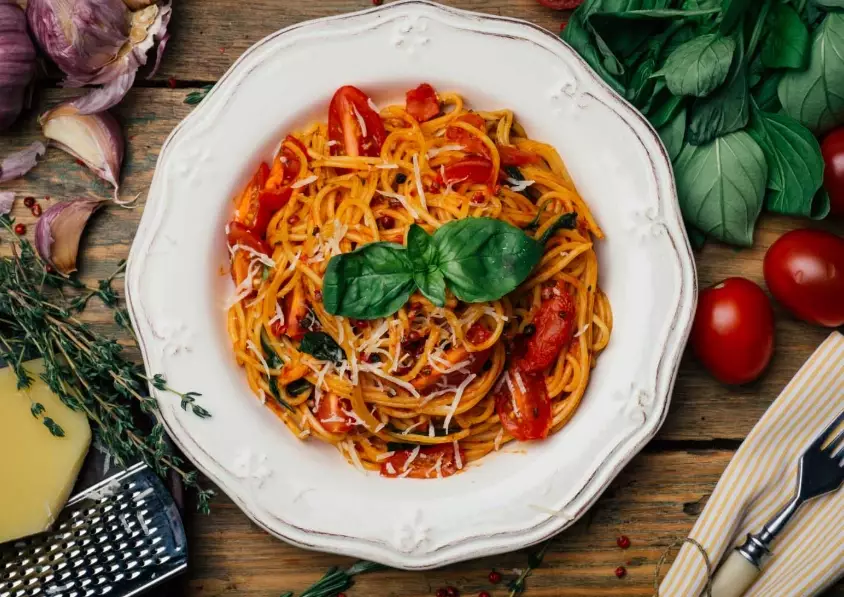
Answers to the Questions You're Probably Asking
"Do I really need to use that specific cheese/meat? Can I substitute?"
You can always substitute. You're the cook in your kitchen. But will it be the same authentic Italian recipe? No. Guanciale has a funkier, deeper flavor than pancetta or bacon. Pecorino Romano is sharp and salty where Parmigiano is nutty. Substituting changes the dish's balance and character. My advice: try to find the real ingredient once, just to experience the difference. Then decide what you prefer for your regular cooking.
"How important is the pasta shape? Isn't it all just... pasta?"
Italians would gasp. The shape is crucial. It's engineering. Long, thin strands (spaghetti, linguine) are for oil-based, light, or seafood sauces that coat evenly. Short, tubular shapes (penne, rigatoni) are for chunkier sauces (like ragù) that get trapped inside. Tiny shapes (orzo, ditalini) go in soup. It makes a huge difference in the eating experience. The Italian Pasta Makers' Association has fun guides on this.
"Why is my pasta dish dry? I followed the recipe!"
You probably didn't use the pasta water. That starchy, salty water is the magic glue that helps sauces emulsify and cling to the pasta. Never drain your pasta into a colander and then add sauce. Always transfer the pasta directly from the pot to the sauce pan with tongs or a spider strainer, letting some water come with it. Then toss, toss, toss over heat. The sauce will tighten and coat every strand. This is the single biggest game-changer for home cooks.
"What's the deal with no garlic bread or chicken in pasta?"
Garlic bread is an American invention. In Italy, you might get plain, grilled bread to soak up sauces (scarpetta!) or bruschetta with tomato. Chicken in pasta is also very rare. Pasta is often a first course (primo), followed by a meat or fish second course (secondo). Putting them together is usually considered mixing two courses into one. Not wrong, just not the traditional structure.
Where to Find Truly Trustworthy Authentic Italian Recipes
The internet is a minefield of "authentic" claims. Here's where I go when I want to be sure I'm not learning a distorted version.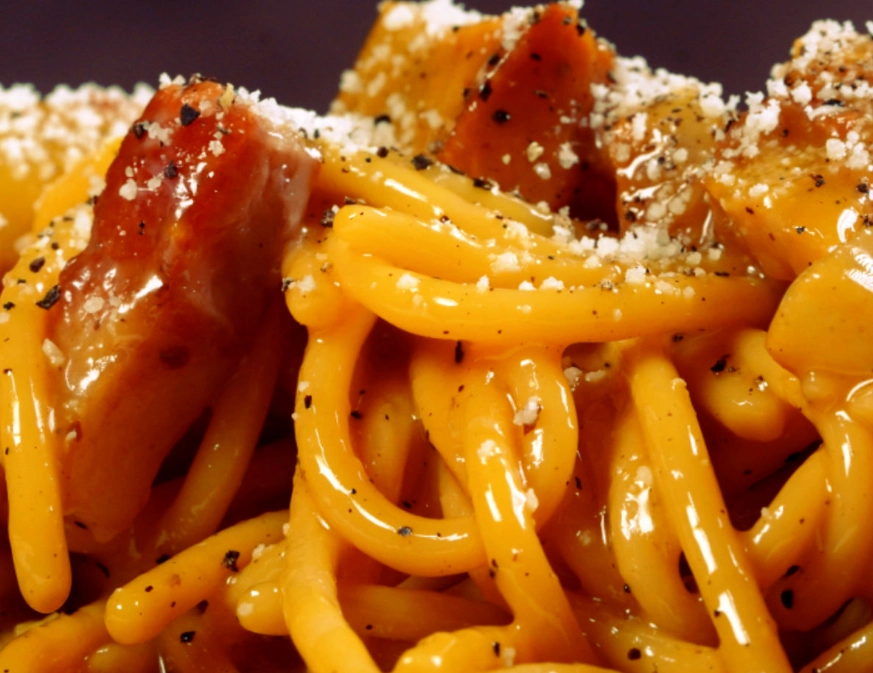
- Official Italian Culinary Institutes & Academia: Sites like Academia Barilla or Gambero Rosso have rigorously tested recipes, often with historical and regional context.
- Regional & City Tourism/Agriculture Sites: Want a real Neapolitan pizza dough recipe? Look for resources from the Associazione Verace Pizza Napoletana. They protect the tradition.
- Bloggers Actually Living in Italy: Seek out food bloggers who are Italian or have lived there for decades. They shop at the markets, know the nonne, and understand the seasonal rhythm. Their recipes have the nuance you need.
- Cookbooks from Italian Chefs: Not the celebrity TV chefs, but authors like Marcella Hazan (the bible), Anna Del Conte, or Lidia Bastianich. Their books are foundational.
Avoid any site that lists "authentic Italian recipes" with 20 variations, all using cream and five cheeses. That's a red flag.
Your Next Step: Pick One Recipe and Cook It This Week
All this reading is pointless without action. The beauty of these authentic Italian recipes is their reliance on technique over complexity.
So here's my challenge for you: Go back to the top 5 list. Pick the one that calls to you. Read three different versions from trusted sources (like the ones I mentioned). Note the commonalities—those are the non-negotiable core of the dish. Then, gather your best-quality ingredients you can find. Don't rush. Follow the steps, paying special attention to the *why* behind each one (why toast the rice? why reserve pasta water?).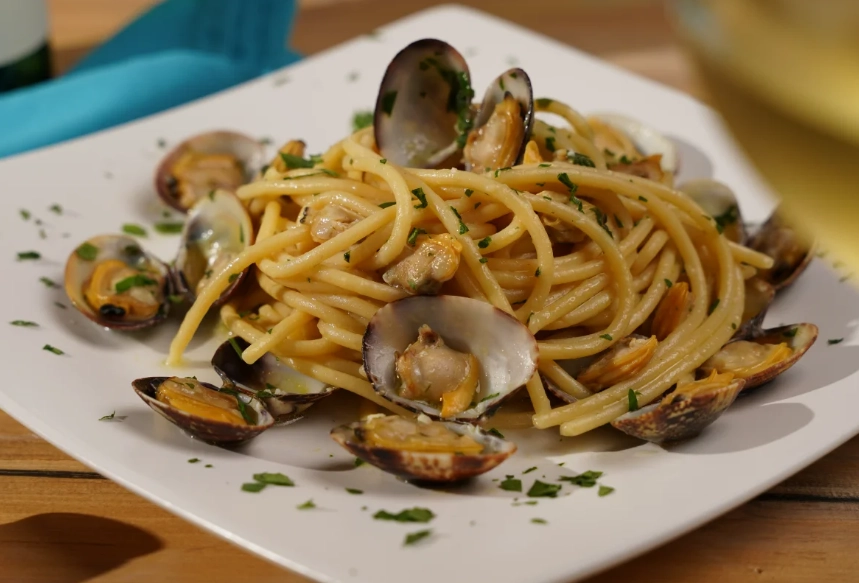
You'll probably make a mistake. I still mess up carbonara if I'm distracted and let the pan get too hot. It's okay. Taste it. Learn from it. The next time will be better.
When you sit down to eat, taste the individual ingredients. Notice how they work together. That clarity, that balance, that deep satisfaction... that's the real deal. That's what keeps me coming back to my kitchen, trying to capture a little bit of that Bologna apartment magic. It's not about being perfect. It's about cooking with purpose and respect. And honestly, that's a lesson that makes every meal better.
Now, go cook.
Related Articles

Microsoft hollowed out AI unicorn Inflection AI and paid 650 million US dollars

Perfect Pairings: What to Serve with Italian Sausage for Dinner
What Side Dishes to Serve with Sausage? 15 Perfect Pairings & Recipes

With an increase of nearly 300%, the leader of "flying cars" took off, fearless
Authentic Italian Chicken Breast Recipes: Fast, Healthy & Flavorful Dinners
Top 10 Italian Dishes Veg: Best Vegetarian Pasta & Mains Guide
Authentic Italian Regional Recipes: A Guide to Italy's Best Local Dishes
Italian Sausage Dinner Recipes: Easy, Flavorful Family Meals
Easy Italian Pizzelle Recipe: Simple & Authentic
Traditional Italian Recipes from Scratch: The Heart of Home Cooking

Best Italian Cocktails: From Classic Negroni to Modern Aperitivo
A Complete Guide to the Traditional Southern Italian Christmas Dinner Feast
Authentic Italian Cream Cake Recipe: Moist, Nutty & Irresistible
Hearty Italian Sausage Soup Recipe: Easy & Flavorful Comfort Food
The Best Pasta Carbonara Recipe: Authentic Roman Secrets Revealed
Simple Italian Regional Recipes: Authentic Dishes Made Easy
Simple Italian Sausage Dinners: Quick Recipes for Busy Nights
Easy Italian Appetizers: Simple Recipes & Party Platters
Authentic Carbonara Recipe (No Cream!): The Real Italian Way
5 Traditional Italian Dishes: Authentic Recipes & Where to Try Them
Cold Italian Appetizers: The Ultimate Guide to Antipasti & Finger Foods
Authentic Italian Family Meal Recipes: From Antipasti to Dolce
Master Classic Italian Dishes: Recipes & Secrets from Pasta to Tiramisu
Ultimate Guide to Homemade Italian Sausage Recipe (Sweet & Spicy)
Ultimate Guide to Best Italian Appetizer Recipes for Any Occasion
Italian Salad Recipe: Authentic, Easy & Delicious Step-by-Step Guide
Italian Soup Recipe: Classic Minestrone & Hearty Ribollita Made Easy
What Is Authentic Italian Food? A Guide to Regional Classics & Home Cooking

Three years and five visits to the Hong Kong Stock Exchange, can Wumart realize
Leave a Comment