Authentic Italian Pasta Salad Recipe: Easy & Flavorful
Let's be honest. Most "Italian" pasta salads you find at picnics are a letdown. Soggy noodles, bland dressing, and rubbery cubes of cheese swimming in a mayo-heavy goo. It's a far cry from the vibrant, flavorful dishes you'd find on a sun-drenched terrace in Sicily or a bustling trattoria in Rome.
I learned this the hard way. My first attempt, years ago, was a mushy disaster. It wasn't until I spent a summer cooking with a friend's nonna in Puglia that I understood the core principles. It's not about following a rigid list of ingredients; it's about technique and respecting the components. This guide is that lesson, distilled into one reliable, authentic Italian pasta salad recipe.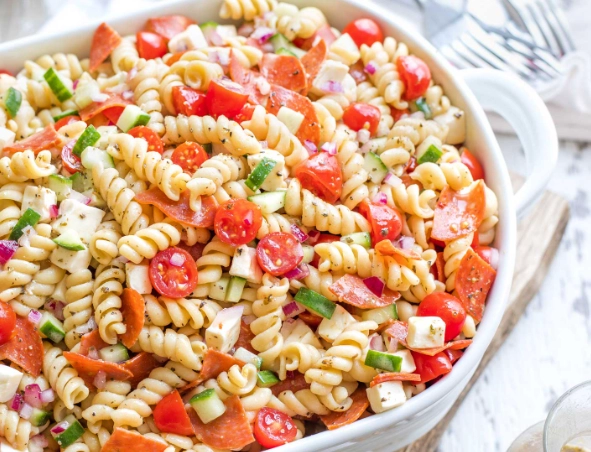
What's Inside: Your Quick Guide
The Foundation: A Dressing That Actually Clings
Forget bottled Italian dressing. The soul of this dish is a freshly made vinaigrette. The magic word here is emulsification. If you just dump oil and vinegar together, they'll separate in minutes, leaving you with oily pasta and a pool of acid at the bottom of the bowl.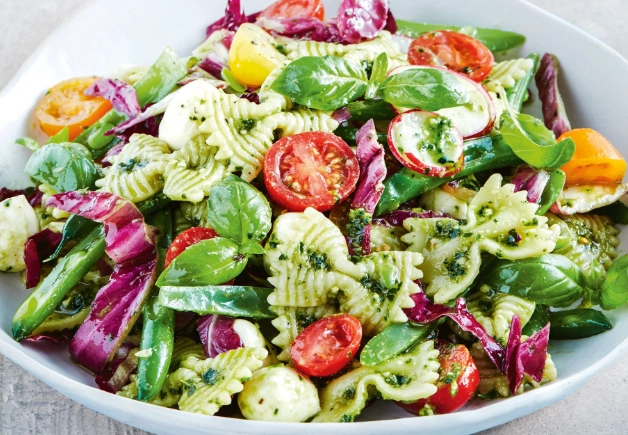
Here's the non-negotiable trick: you need an emulsifier. In Italy, this is often a spoonful of good Dijon mustard. It's not for heat, but for its lecithin, which binds oil and vinegar into a creamy, stable suspension. Whisk the vinegar and mustard first, then slowly drizzle in the extra virgin olive oil while whisking like you mean it. The difference in texture and coating ability is night and day.
My Go-To Dressing Ratio (The Golden Rule): 1 part acid (red wine vinegar or fresh lemon juice) to 3 parts high-quality extra virgin olive oil. For one batch of salad, that's usually 1/4 cup vinegar to 3/4 cup oil. Add 1 heaping teaspoon of Dijon, a minced garlic clove, salt, pepper, and a pinch of dried oregano. Whisk. Taste. Adjust. It should be bold, because it will season the entire salad.
Pasta 101: Shape, Texture, and the Al Dente Rule
Pasta choice is critical. You want a shape with ridges, holes, or twists to capture the dressing and little bits of vegetable. Smooth shapes like spaghetti or fettuccine are terrible for this job.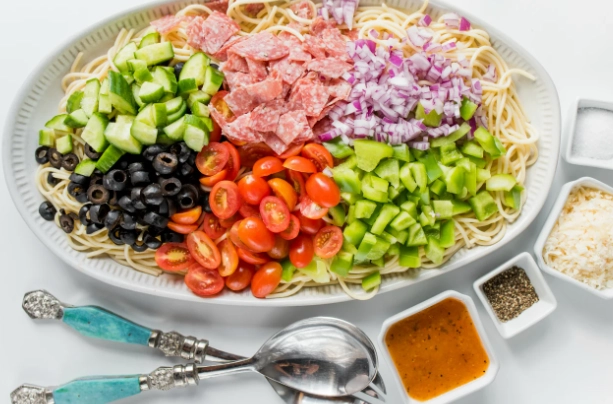
Top Contenders:
- Farfalle (Bow Ties): My personal favorite. The pinched center and ruffled edges are perfect traps.
- Fusilli (Corkscrews): A classic choice for a reason. The spirals hold onto everything.
- Penne Rigate: The ridges on the outside and hollow tube work wonders.
- Orecchiette (Little Ears): Authentic to Southern Italy, their cup-like shape is ideal.
And you must cook it al dente. This means "to the tooth"—firm with a slight bite. Mushy pasta becomes a paste when dressed and chilled. Test it a minute or two before the package's suggested time. Remember, it will soften slightly as it absorbs the dressing later.
The Authentic Italian Pasta Salad Recipe
This is the core recipe, flexible and designed for maximum flavor. It serves 6-8 as a side.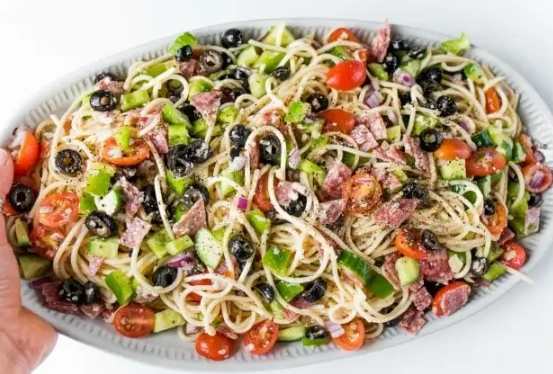
| Ingredient | Quantity & Notes |
|---|---|
| Pasta (Farfalle or Fusilli) | 1 lb (450g) |
| Cherry or Grape Tomatoes | 2 cups, halved |
| English Cucumber | 1 medium, diced (peel if waxed) |
| Red Onion | 1/2 medium, thinly sliced |
| Bell Pepper (Yellow or Red) | 1 large, diced |
| Kalamata Olives | 1 cup, pitted and halved |
| Fresh Mozzarella (Ciliegine) | 8 oz, drained and halved |
| Fresh Basil | 1/2 cup, loosely packed, torn |
| Extra Virgin Olive Oil | 3/4 cup + 1 tbsp for pasta |
| Red Wine Vinegar | 1/4 cup |
| Dijon Mustard | 1 heaping tsp |
| Garlic | 1 clove, minced |
| Dried Oregano | 1/2 tsp |
| Salt & Freshly Ground Black Pepper | To taste |
Step-by-Step Instructions
1. Cook the Pasta: Bring a large pot of well-salted water to a boil. Add the pasta and cook until al dente. Drain, but DO NOT rinse. Rinsing washes away the starch that helps the dressing cling. Instead, transfer the hot pasta to a large mixing bowl and immediately toss it with 1 tablespoon of olive oil. This prevents sticking. Let it cool for 10-15 minutes.
2. Make the Dressing: In a small bowl, whisk together the red wine vinegar, Dijon mustard, minced garlic, oregano, a generous pinch of salt, and several grinds of pepper. While whisking constantly, slowly drizzle in the 3/4 cup of olive oil until the dressing is emulsified and slightly thickened.
3. The Critical Marinating Step: Pour about 2/3 of the dressing over the warm (not hot) pasta. Toss thoroughly. This is the secret most recipes skip. Warm pasta absorbs the dressing far better than cold pasta. Let this sit for at least 20 minutes, stirring once or twice. The pasta will drink in the flavor.
4. Combine with Care: Add the tomatoes, cucumber, red onion, bell pepper, and olives to the pasta. Gently toss. Now add the fresh mozzarella and torn basil. Pour the remaining dressing over the top and give it one final, gentle mix. You want to keep the mozzarella and basil intact.
5. Rest and Serve: Let the completed salad sit at room temperature for 30 minutes before serving. This allows the flavors to marry. If making ahead, hold the mozzarella and basil, add them an hour before serving.
Beyond the Basics: Common & Creative Variations
The recipe above is your template. Here’s how to riff on it authentically:
The Protein Boost: Add 1-2 cups of diced salami, prosciutto, or grilled chicken. For a vegetarian option, a can of drained and rinsed chickpeas or white beans works beautifully.
The Cheese Swap: Fresh mozzarella is classic, but cubed provolone or sharp Parmesan shavings are excellent. Avoid pre-shredded bagged cheese—it contains anti-caking agents that make it dry and less melt-friendly.
Vegetable Twists: Roasted red peppers (from a jar, drained) add sweetness. Blanched green beans or asparagus cut into pieces bring a nice crunch. Artichoke hearts (marinated or canned) are a fantastic addition.
Herb Changes: Basil is king, but flat-leaf parsley or a mix of parsley, basil, and a little mint is refreshing.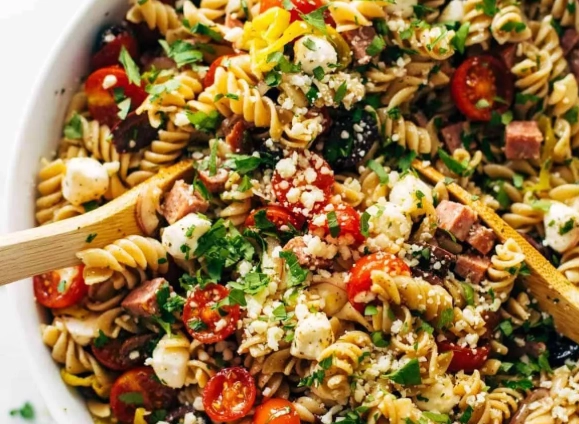
Expert Tips You Won't Find in Most Recipes
After making this for a decade, here are the subtle things that elevate it from good to exceptional.
Salt Your Pasta Water Like the Sea. It should taste as salty as mild seawater. This is the only chance to season the pasta itself from the inside out.
Dice Your Vegetables Consistently. Aim for pieces roughly the same size as your pasta shape (e.g., dice cucumbers to match a farfalle's size). This ensures a perfect bite every time.
Don't Add Dressing to Cold Pasta. I said it before, but it's worth repeating. The warm pasta absorption step is non-negotiable for flavor penetration.
Acidity is Your Friend. If your salad tastes flat after chilling, a tiny squeeze of fresh lemon juice or a splash of vinegar just before serving can wake it right up.
Your Pasta Salad Questions, Answered
The final test? Make it. Taste it. Share it. Once you experience the difference that technique makes—the way the dressing clings, the perfect bite of the pasta, the burst of fresh flavors—you'll never go back to the soggy, mayo-laden version. It's not just a side dish; it's a celebration of simple, quality ingredients treated with a bit of know-how.
Related Articles
Top 10 Italian Pasta Dishes: A Guide to Classics

Ultimate Guide to Classic Italian Cookie Recipes: Authentic & Easy
Most Famous Italian Cookies: A Guide to Italy's Beloved Biscotti & Beyond

Still have to rely on Zhengzhou Foxconn? The truth about the swing between Apple

The largest IPO in the A-share market in 13 years has been terminated, and it wa