Italian Submarine Sandwich Recipe: The Ultimate Guide to a Classic Hoagie
Let's be honest. Most homemade Italian subs are a letdown. The bread is wrong, the meats are bland, and by lunchtime, it's a soggy, sad mess. I've been there. After years of trial and error (and many disappointing sandwiches), I figured out it's not about fancy ingredients, but a handful of non-negotiable rules. This isn't just a list of steps; it's the blueprint for building a truly great Italian submarine sandwich, the kind that rivals your favorite deli.
What's Inside This Guide
What Exactly Is an Italian Sub?
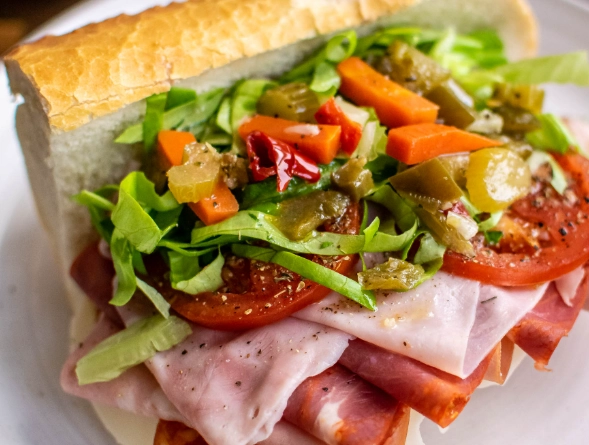
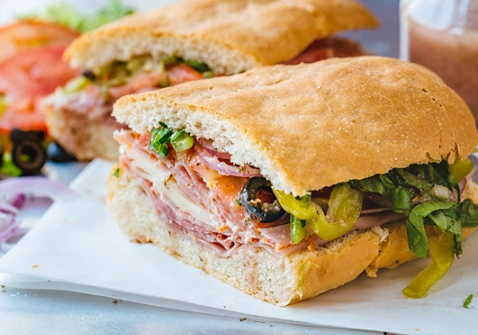
Call it a sub, hoagie, hero, or grinder—the name changes depending on where you're from. But an Italian version has a specific identity. It's a celebration of Italian-American deli culture: a combination of cured meats, sharp cheese, crisp vegetables, and a tangy dressing, all stuffed into a long, soft-yet-chewy roll. It's not a dainty tea sandwich; it's a meal you need two hands to eat.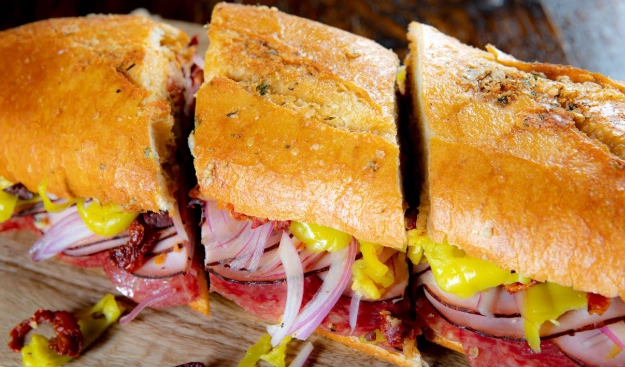
The magic happens when the oils from the meat, the vinegar, and the juices from the tomatoes mingle inside the bread for a bit. That's when flavors marry. A great one is greater than the sum of its parts. A bad one? Just a pile of cold cuts in bread.
The Non-Negotiables: Ingredients for an Authentic Italian Sub
You can't build a cathedral with cheap bricks. Here’s where most home cooks go wrong first.
The Bread: Your Foundation
Forget the fluffy hot dog buns or dense baguettes. You need an Italian roll or hoagie roll. The ideal one has a thin, slightly crisp crust that gives way to a soft, airy interior with just enough structure to hold up to the fillings without disintegrating. Look for rolls labeled "Italian," "hoagie," or "submarine." Many local bakeries or supermarket bakery sections have them. If they're too soft, toasting the inside lightly can add crucial structure.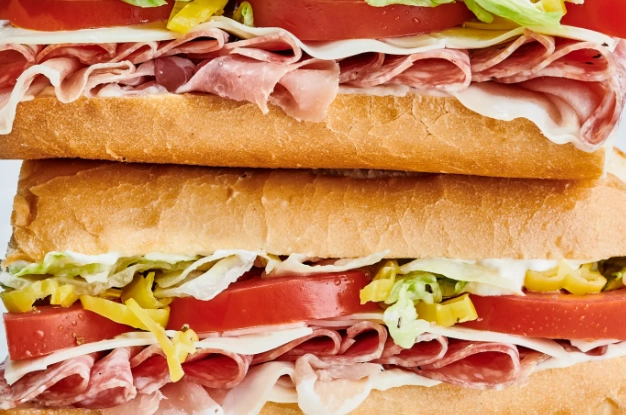
The Meats & Cheese: The Heart of the Matter
This is no place for pre-packaged, water-added lunch meat. Go to the deli counter. Have them slice it fresh, and ask for it thin—almost translucent. You want to be able to fold it. The classic trio is:
- Genoa Salami: Garlicky, fatty, and essential.
- Capicola (Gabagool): Either hot (spicy) or sweet. This cured pork shoulder is a flavor powerhouse.
- Boiled Ham: A good-quality, mild ham balances the stronger salami and capicola.
For cheese, provolone is the standard—sharp provolone if you can find it. Its tangy, slightly salty bite cuts through the fat. Sliced mozzarella is a milder alternative.
The Vegetables & Dressing: The Freshness Factor
Iceberg or romaine lettuce, thinly sliced red onion, ripe tomato slices, and pickled banana peppers or pepperoncini for a kick. The dressing is simple but critical: a mix of extra virgin olive oil, red wine vinegar, dried oregano, salt, and black pepper. Some add a pinch of garlic powder. That's it. No creamy Italian dressing here.
| Ingredient | Specifics & Tips | Why It Matters |
|---|---|---|
| Bread (1 roll) | Italian/hoagie roll (about 8-10"). Slightly crusty exterior, soft interior. | Holds everything without getting soggy or falling apart. |
| Meats (3-4 oz total) | Genoa salami, capicola, boiled ham. Sliced paper-thin at the deli. | Thin slices fold better, distribute flavor evenly, and improve texture. |
| Cheese (2-3 slices) | Sharp provolone. Sliced to match the roll's length. | Adds sharp, salty contrast to the rich meats. |
| Vegetables | Shredded lettuce, tomato slices, thin red onion rings, banana peppers. | Provides crunch, acidity, and freshness. |
| Dressing | 2 tbsp EVOO, 1 tbsp red wine vinegar, 1/2 tsp dried oregano, S&P. | The acidic, herby binder that brings all components to life. |
| Condiments (Optional) | Mayonnaise or aioli, spicy mustard. | Adds creaminess or heat; mayo acts as a moisture barrier. |
Step-by-Step: How to Build the Perfect Italian Submarine Sandwich
The order you stack things is your secret weapon against sogginess. Follow this.
1. Prep the Bread. Slice the roll horizontally, but don't cut all the way through—leave a "hinge." If the interior is very doughy, you can gently pull out some of the soft bread to make more room (the "pull"). This is controversial; purists hate it, but it prevents overstuffing. I do it for giant subs.
2. Create the Moisture Barrier. Spread a thin layer of mayonnaise or aioli on the top and bottom interior of the roll. This isn't just for flavor; the oil creates a seal that slows down moisture from the tomatoes and vinegar from soaking into the bread.
3. Layer the Cheese First. Place the provolone slices directly on the bottom half of the roll, covering the mayo. Cheese against bread is a good rule.
4. Add the Meats. Fold and layer your salami, capicola, and ham over the cheese. Don't just lay them flat—folding creates texture and pockets for flavor.
5. Place the Tomatoes. Add tomato slices directly on top of the meat. The meat layer below protects the bread from the tomato juice.
6. Add Onions & Peppers. Scatter the red onion and banana peppers over the tomatoes.
7. Top with Lettuce. Pile the shredded lettuce on last. It acts as a final protective layer between the wet ingredients and the top bun.
8. Dress and Close. Drizzle your oil and vinegar mixture evenly over the lettuce. Sprinkle with extra oregano if you like. Now, close the top of the roll gently.
9. The Final, Crucial Step. Wrap the entire sub tightly in parchment paper or deli paper. If you have deli sheets, even better. Then, wrap it again in foil or plastic wrap if taking it on the go. Let it rest for 5-10 minutes. This allows the dressing to seep into the ingredients just a little, and the pressure from wrapping helps everything meld together. Slice it in half at a sharp angle before serving.
Common Mistakes (And How to Avoid Them)
I've made all of these. Learn from my soggy, bland failures.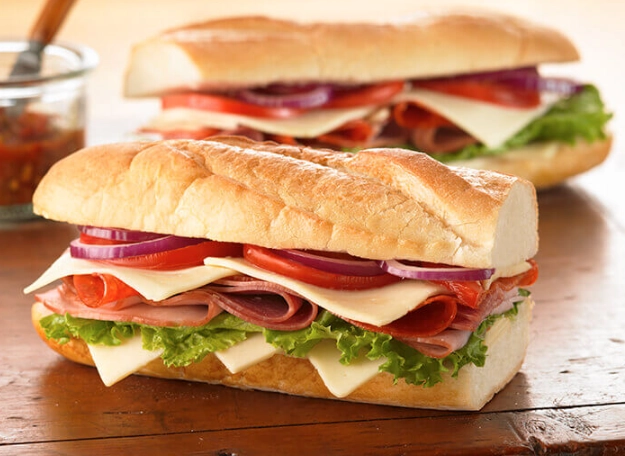
Your Italian Sub Questions, Answered
Related Articles
Hearty Italian Sausage Soup Recipe: Easy & Flavorful Comfort Food
Authentic Italian Regional Recipes Guide: Cook from Source
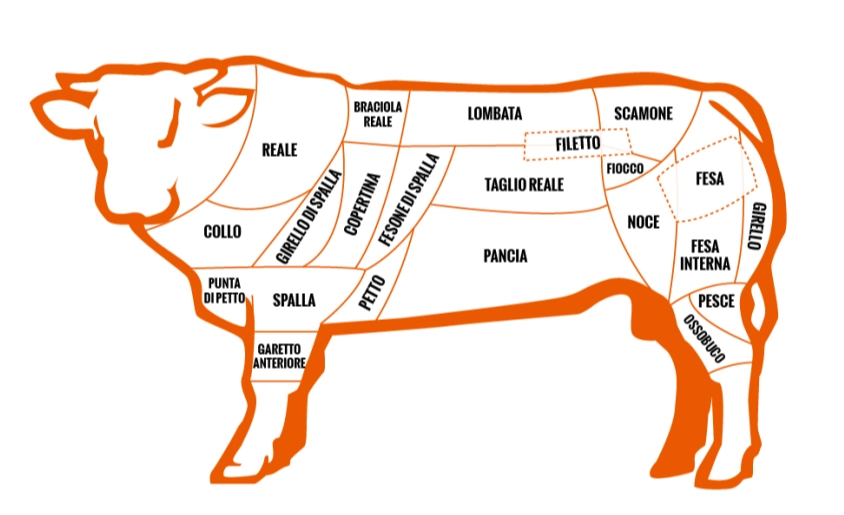
What Cut of Meat Makes Authentic Italian Beef? The Ultimate Guide
Italian Meatloaf Recipe: The Ultimate Comfort Food Guide
Italian Sausage Pasta Recipes: A Complete Guide to Classic Comfort Food