Authentic Italian Spaghetti Sauce Recipe (Ragù alla Bolognese)
Let's get one thing straight from the start. What most of the world calls "spaghetti sauce" is, in Italy, a specific, cherished, and slow-cooked masterpiece called Ragù alla Bolognese. It's not a quick tomato purée. It's a rich, complex meat sauce born in Bologna, with rules so respected they're officially deposited at the Bologna Chamber of Commerce. This isn't just a recipe; it's a method. And getting it right transforms a weeknight dish into a soul-warming event.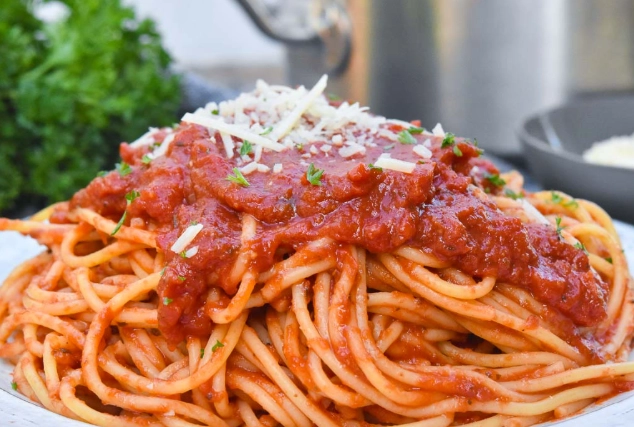
I learned this the hard way. My first attempt, years ago, was a bland, watery disappointment. It tasted like canned tomatoes with some ground beef thrown in. The turning point was spending time with a friend's nonna in Emilia-Romagna, watching her seemingly simple, hours-long ritual. The difference was in the details—details most online recipes gloss over.
What You'll Learn in This Guide
Why This Recipe Works (The Nonna's Secrets)
This recipe works because it respects the chemistry and tradition of Bolognese. It's built on layers of flavor, not a single ingredient.
The Holy Trinity (Soffritto): Finely chopped onion, carrot, and celery are sweated, not browned, to create a sweet, aromatic base. This is non-negotiable. Blitz them in a food processor if you must, but they must be tiny.
Meat Matters: A blend of meats—typically beef and pork—provides depth. Using only ground beef gives a one-dimensional flavor. The pork (often pancetta) adds fat and a savory, umami richness.
The Liquid Sequence: Wine deglazes first, its alcohol carrying flavors. Then milk is added to neutralize acidity before the tomatoes even touch the pot. This order is crucial for a smooth, rounded taste.
Time is the Main Ingredient: A 3-4 hour simmer, uncovered, is where the magic happens. Water evaporates, flavors marry and intensify, and the texture becomes thick and luxurious. There's no shortcut here.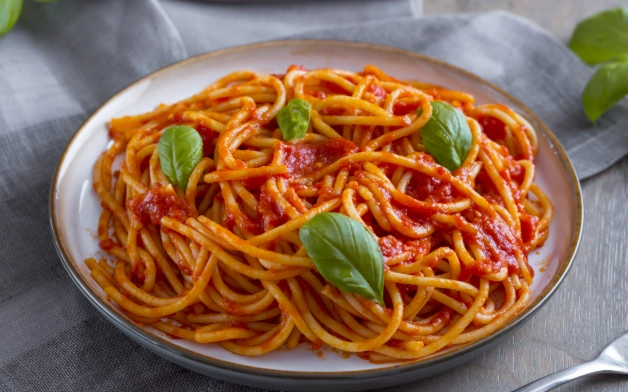
Essential Ingredients and Why They Matter
Quality matters, but understanding why each ingredient is there matters more. Here’s your shopping list, decoded.
| Ingredient | Traditional Choice & Purpose | Smart Substitution (if needed) |
|---|---|---|
| Pancetta | Italian cured pork belly (not smoked). Provides foundational fat and savory saltiness. | High-quality, thick-cut bacon (will add smokiness) or guanciale. |
| Ground Meat | A mix of beef (for richness) and pork (for sweetness and fat). Often 2:1 ratio. | All beef works, but add a tablespoon of butter for missing fat. Avoid lean meat. |
| Soffritto | Onion, carrot, celery. Finely diced. The flavor backbone. | None. This is mandatory. Use a food processor to save time. |
| Tomatoes | Whole, high-quality peeled San Marzano tomatoes, crushed by hand. Bright, low-acid flavor. | Good quality crushed tomatoes. Avoid pre-seasoned "pasta sauce." |
| Wine | Dry white wine (traditional) or red wine. Alcohol extracts and carries flavors. | Dry vermouth or unsalted beef broth (broth lacks the flavor-carrying alcohol). |
| Milk | Whole milk. Neutralizes acidity, tenderizes meat, creates velvety texture. | None. Cream is not a substitute; it's too rich and alters the flavor profile. |
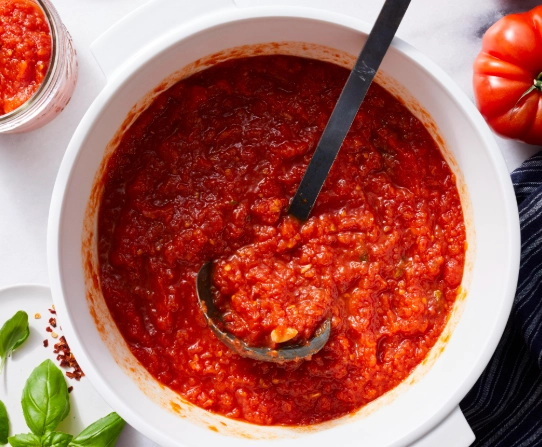
The Step-by-Step Process: More Than Just Simmering
1. Building the Flavor Base (The Foundation)
Dice your pancetta into small cubes. Render it slowly in a heavy-bottomed Dutch oven or pot over medium-low heat. You want the fat to melt out and the pieces to become lightly golden, not crispy. This fat will cook your soffritto. Add the finely chopped onion, carrot, and celery with a pinch of salt. Cook, stirring often, for about 10-15 minutes until they are soft, translucent, and sweet. They should not brown.
2. Browning the Meat (Properly)
Increase the heat to medium-high. Add the ground meat, breaking it up with a wooden spoon. Here's the key: let it sit undisturbed for a minute to get some good browning (fond) on the bottom of the pot. Then break it up and cook until it loses its raw color, not until it's gray and dry. Browning equals flavor.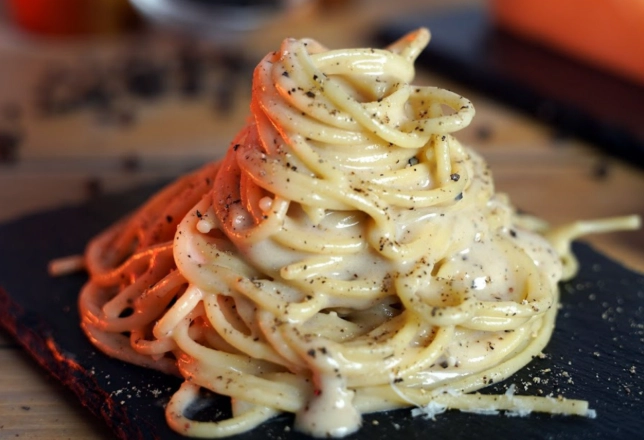
3. The Deglaze and Milk Miracle
Pour in the wine. It will hiss and steam. Scrape up all those delicious browned bits (fond) from the bottom of the pot. Let it bubble until the raw alcohol smell is gone, about 2-3 minutes. Now, add the milk. Let it simmer gently until it's mostly absorbed. This step is what makes a Bolognese uniquely tender and mellow.
4. The Long Simmer (Patience Pays)
Add the hand-crushed tomatoes and a bay leaf. Bring to a very gentle bubble. Then, reduce the heat to the lowest setting where you see an occasional bubble break the surface. Partially cover, leaving a crack for steam to escape. Now, walk away. For at least 2 hours, preferably 3 or 4. Stir it every 30 minutes or so to prevent sticking. Taste and season with salt and pepper towards the end. The sauce is ready when it's thick, deeply colored, and the oil has separated slightly on the surface.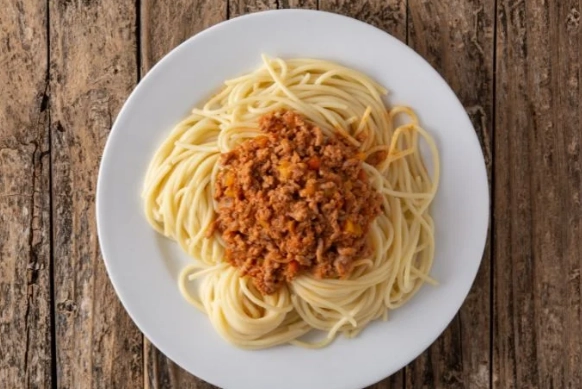
3 Common Mistakes That Ruin Your Sauce
Serving, Pairing, and Storing Like a Pro
The Pasta: Traditionally, tagliatelle or pappardelle are used because their wide, flat surfaces catch the chunky sauce. Spaghetti is a common and acceptable alternative worldwide. Always cook your pasta in well-salted water until al dente.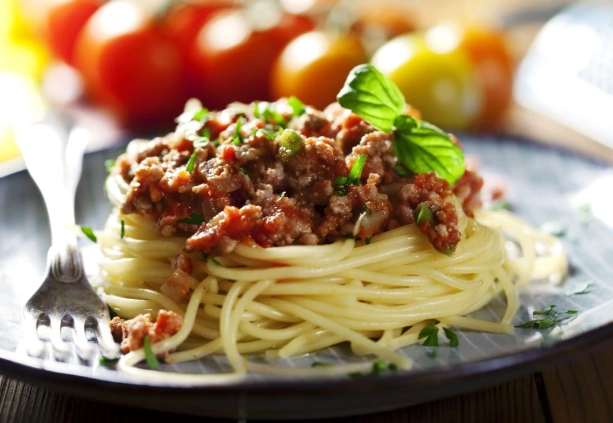
The Finishing Touch: Never drown the pasta in sauce. Drain the pasta (reserve a cup of the starchy water!) and add it directly to the pot with the sauce. Toss them together over low heat for a minute, adding a splash of pasta water to emulsify and help the sauce cling. Serve immediately with a generous grating of Parmigiano-Reggiano, not Pecorino.
Storing: This sauce tastes even better the next day. Cool it completely, then store in an airtight container in the fridge for 4-5 days. It freezes beautifully for up to 3 months. Freeze in portion-sized containers for easy future meals.
Your Sauce-Making Questions, Answered
Related Articles
Easy Italian Wedding Soup Recipe (Authentic Flavor, Simple Steps)
Italian Soup Recipe: Classic Minestrone & Hearty Ribollita Made Easy
The Five Italian Spices: A Complete Guide to Flavor & Tradition
Ultimate Vegetarian Pasta Recipes: Flavorful & Easy

The State Administration of Financial Supervision: Commercial banks have release