Best Italian Sausage Pasta Recipes: Easy, Creamy & Spicy Ideas
Quick Guide
Let's talk about Italian sausage pasta recipes. You know, the kind of meal that feels like a hug on a plate. It's not fancy restaurant stuff, it's what you make on a Tuesday night when you want something satisfying without spending hours in the kitchen. The beauty of these recipes is in their simplicity and their power. Good sausage, good pasta, a few good ingredients—that's it. But getting it right? That's where the magic happens.
I remember the first time I tried to make a spicy Italian sausage pasta. I used the wrong kind of sausage (way too lean), didn't brown it properly, and ended up with something dry and a bit sad. It was a learning experience, for sure. Since then, I've made every mistake so you don't have to. We'll get into all of that.
Getting Started: The Heart of the Matter
Before we jump into the recipes themselves, let's talk about the star: the sausage. This is the single biggest factor that will make or break your Italian sausage pasta recipes. Get this wrong, and no amount of fancy cheese or herbs will save you.
Sweet or Hot? The Great Sausage Debate
This is the first fork in the road. Sweet Italian sausage is seasoned with fennel, maybe some garlic, and has a mild, aromatic flavor. It's family-friendly and versatile. Hot Italian sausage has the same base but kicks things up with red pepper flakes. It brings a warmth that builds, not just a blunt heat.
My personal take? For a creamy sauce, I often go sweet. The fennel plays beautifully with cream and Parmesan. For a tomato-based sauce, especially a simple garlic and oil one, I love the hot. The spice cuts through the richness. But honestly, you can't go wrong. Sometimes I'll even use one of each.
Casings: To Remove or Not to Remove?
Most Italian sausage you buy at the supermarket comes in casings. You have two choices: squeeze the meat out like toothpaste, or slice the sausage into rounds. This changes the texture completely.
- Removed & Crumbled: This is the classic move for most Italian sausage pasta recipes. You get little nuggets of flavor in every bite. It browns beautifully and integrates fully into the sauce. This is my default for ragù-style or creamy sauces.
- Sliced into Rounds: This gives you a meatier, more distinct bite. It's fantastic in recipes where the sausage is a feature, like with broccoli rabe or peppers and onions. You get a nice caramelized crust on each slice.
I made a pasta once where I forgot to remove the casings and just sliced it. It was... chewy. Not in a good way. So now I always remove it if I'm crumbling. For slices, it's fine, but I prefer to remove it for better browning.
The Italian Sausage Pasta Pantry: Your Essential Toolkit
You don't need a lot, but having the right supporting cast turns a good pasta into a great one. Beyond the sausage and pasta, here's what you should have on hand.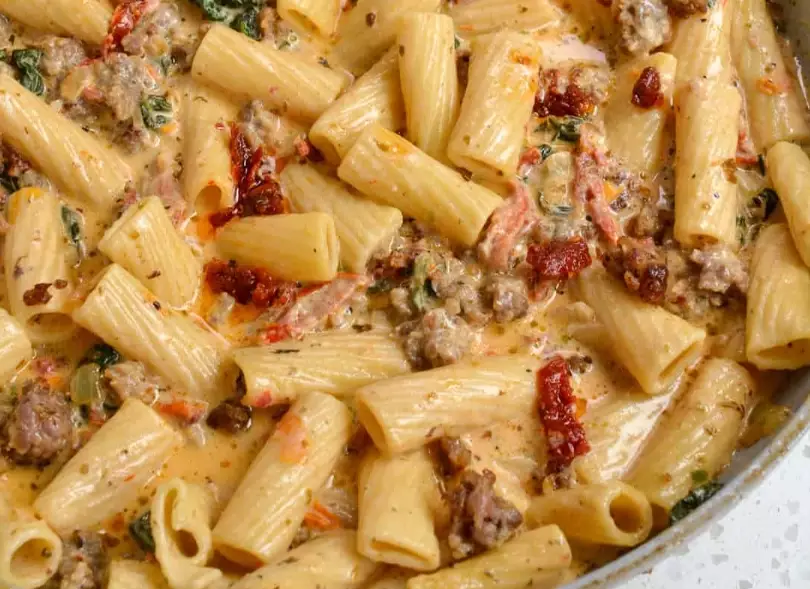
| Ingredient | Why It's Essential | Best Used In |
|---|---|---|
| Good Olive Oil | For sautéing and finishing. Don't cook with your expensive bottle, but have a decent one for that final drizzle. | All recipes, especially aglio e olio styles. |
| Fresh Garlic | Non-negotiable. Pre-minced jarred garlic just doesn't compare in flavor. | Every single recipe. It's the best friend of sausage. |
| Yellow Onion | Adds a sweet, savory base. Finely diced is key. | Tomato sauces, creamy sauces. |
| Crushed Red Pepper Flakes | Even if you use hot sausage, a pinch more deepens the heat. | Spicy Italian sausage pasta, or to add a kick to sweet sausage. |
| Dry White Wine | Deglazes the pan, picks up all the browned bits (the fond!), adds acidity. | Creamy sauces, tomato sauces. A splash makes a huge difference. |
| Chicken or Vegetable Broth | Adds depth and liquid to build a sauce without making it taste like water. | One-pot pasta recipes, lighter sauces. |
| Parmigiano-Reggiano | Buy a block and grate it yourself. The pre-grated stuff has anti-caking agents that ruin the texture. | Finishing almost any pasta. The salty, nutty punch is everything. |
And about the pasta shape. It matters more than you think. You want something that will catch the crumbled sausage and hold the sauce. Rigatoni, penne, fusilli, cavatappi, orecchiette—these are all champions. Spaghetti can work, but it's trickier. The sausage tends to fall to the bottom of the plate. I'm a rigatoni loyalist for most Italian sausage pasta recipes. The tubes scoop up everything perfectly.
The Classic Recipes: Your New Go-To Dinners
Okay, let's get cooking. These are the foundational Italian sausage pasta recipes. Master these, and you can riff forever.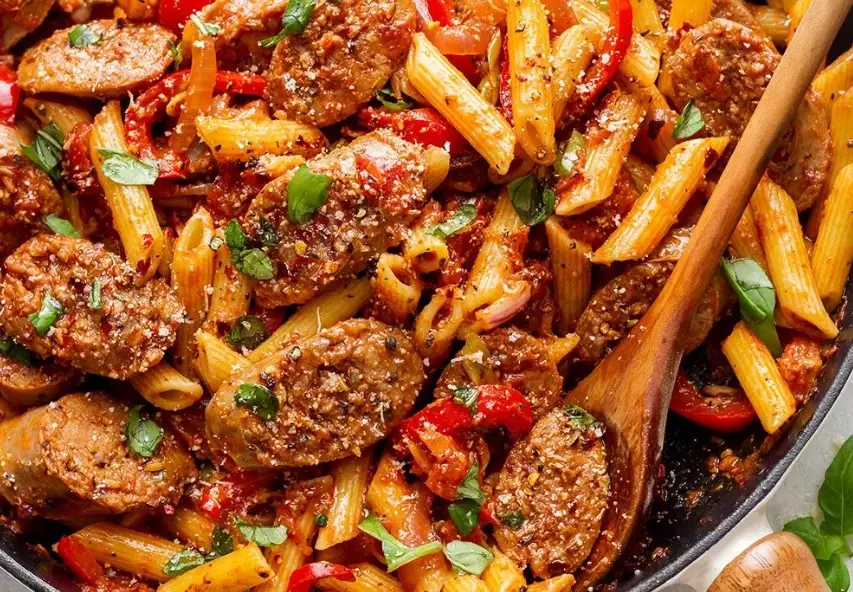
The Ultimate Creamy Tomato Sausage Pasta
This is the crowd-pleaser. It's rich, comforting, and feels more indulgent than it is. The cream tames the acidity of the tomato and creates a luxurious sauce that coats every noodle.
The Method: Start by browning your crumbled sweet Italian sausage in a wide pan. Get it really nice and browned—don't just gray it. That browning is flavor. Remove the sausage, leaving the fat behind. In that glorious fat, sauté a diced onion until soft, then add a few cloves of minced garlic for just 30 seconds until fragrant.
Here's the key step: add a big glug of dry white wine. Scrape up all those browned bits from the bottom of the pan. Let it simmer until reduced by half. Then, add a can of good crushed tomatoes (like San Marzano) and let it simmer for 15-20 minutes to thicken and mellow. Stir in about 1/2 cup of heavy cream and your cooked sausage. Let it bubble gently for a few more minutes. Toss with your al dente pasta, adding a splash of pasta water to bring it all together. Finish with a mountain of Parmesan and fresh basil if you have it.
Why does this work? The wine deglazing is non-negotiable. It adds a layer of complexity that just water or broth won't. And don't skip simmering the tomato sauce alone for a bit. It concentrates the flavor.
My Mistake: I used to add the cream at the very end, off the heat. It made the sauce too sweet and flat. Adding it to the simmering tomato sauce for a few minutes lets it incorporate and the flavors marry. Big difference.
One-Pot Spicy Italian Sausage Pasta
For nights when you want zero cleanup. This is a genius method where the pasta cooks right in the sauce, absorbing all the flavor. It's a bit riskier—you can end up with mushy pasta if you're not careful—but when done right, it's a game-changer.
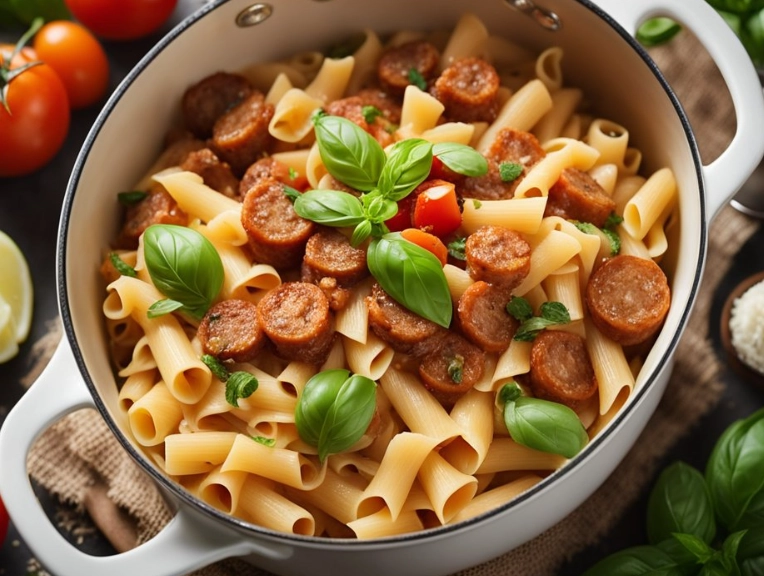
In a large Dutch oven or deep skillet, brown hot Italian sausage (crumbled). Add onion, garlic, and a heavy pinch of red pepper flakes. Pour in a can of diced tomatoes, your broth (about 3 cups for a pound of pasta), and the uncooked pasta (short shapes like penne are best). Bring to a boil, then reduce to a simmer, cover, and cook for about 10-12 minutes, stirring occasionally, until the pasta is al dente and most of the liquid is absorbed. The starch from the pasta thickens the sauce beautifully. Stir in a handful of spinach at the end if you like, and finish with cheese.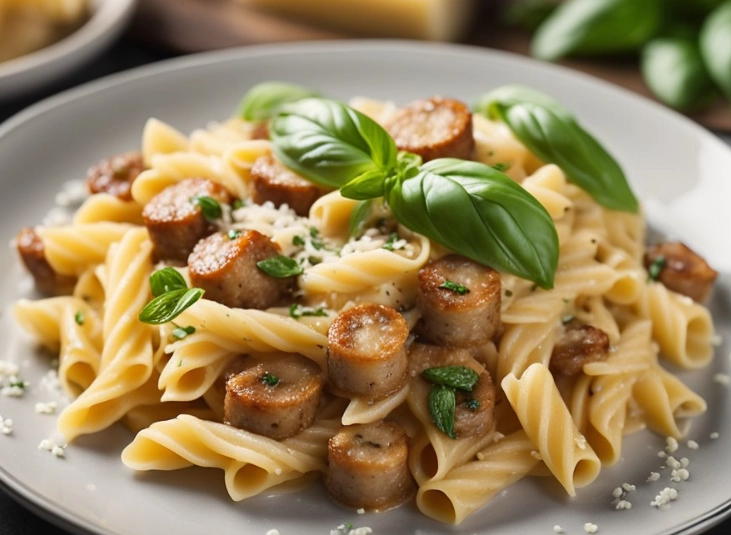
Pasta with Sausage, Broccoli Rabe, and Garlic
This is a brighter, more bitter counterpoint to the creamy dishes. Broccoli rabe (rapini) has a wonderful, bold bitterness that stands up to the rich sausage. If you can't find it, regular broccoli or even broccolini works, but the character will be different.
Bring your pasta water to a boil—salt it well. In a large skillet, brown sliced hot Italian sausage (casings removed) until cooked through. Remove. In the same pan, sauté a lot of sliced garlic and more red pepper flakes in olive oil until just golden. Add your chopped broccoli rabe (tough stems trimmed) and a ladle of the pasta water. Cover to steam it for a few minutes until tender-crisp. Add the sausage back in. Toss everything with your drained pasta (orecchiette is traditional here), a big drizzle of good olive oil, and a generous amount of grated Pecorino Romano (it's sharper than Parmesan and perfect here).
The bitter greens, spicy sausage, sharp cheese... it's a flavor powerhouse.
Leveling Up: Creative Twists on Italian Sausage Pasta Recipes
Once you're comfortable with the classics, playing around is half the fun. Here are a few ideas that have become regulars in my rotation.
- Sausage & Pepper Pasta: Sauté sliced bell peppers and onions with the sausage. Deglaze with a little balsamic vinegar instead of wine. Toss with rigatoni and fresh mozzarella pearls. Simple, sweet, and savory.
- "Lasagna" Baked Ziti: Mix your cooked ziti with a simple tomato-sausage ragù and ricotta thinned with a little milk. Layer in a dish with shredded mozzarella and bake until bubbly. It's all the comfort of lasagna with half the work.
- Lemon & Herb Sausage Pasta: Use sweet sausage. After browning, add a ton of fresh herbs—parsley, thyme, oregano. Finish the sauce with the zest and juice of a lemon. It's surprisingly fresh and light.
I tried a pumpkin cream sauce with sweet sausage once. Sounded great in theory. In practice, it was just... weird. Too sweet, too heavy. Sometimes classic is best for a reason.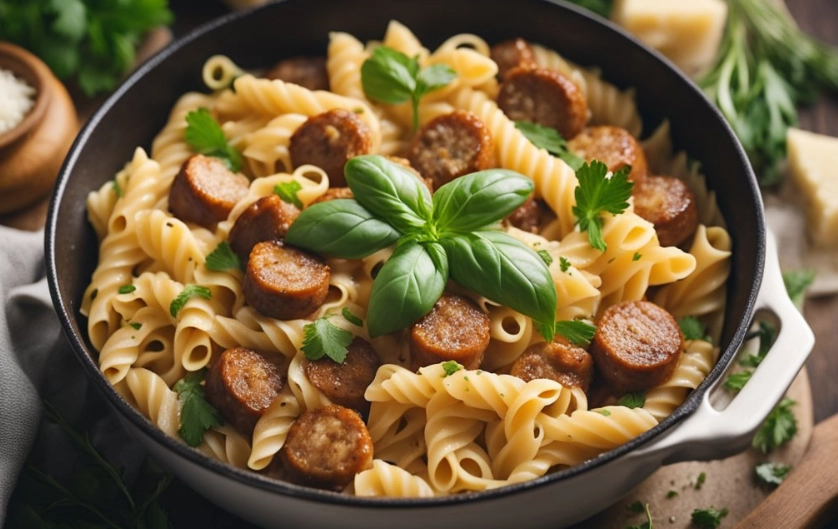
Answering Your Pasta Questions (The FAQ)
Over the years, I've gotten the same questions from friends and readers. Let's tackle them head-on.
A Few Parting Thoughts (Because I Can't Help Myself)
At the end of the day, the best Italian sausage pasta recipes are the ones you make again and again. They're forgiving. Don't have white wine? Use a splash of broth and a squeeze of lemon juice. Out of fresh garlic? Garlic powder in a pinch (just add it later so it doesn't burn). The goal is a delicious dinner, not perfection.
Experiment. Try sweet sausage in your usual spicy recipe. Add a spoonful of tomato paste for deeper flavor. Toss in some mushrooms while you sauté the onions. The sausage is such a strong flavor base that it can carry a lot of variation.
And finally, for those who want to dive deeper into the techniques behind great Italian cooking, I always recommend checking out resources from serious culinary institutions. For example, the academy of Italian cuisine, Academia Barilla, has a wealth of information on traditional techniques and ingredients that can inform your home cooking. It's not about following their recipes to the letter, but understanding the "why" behind the methods.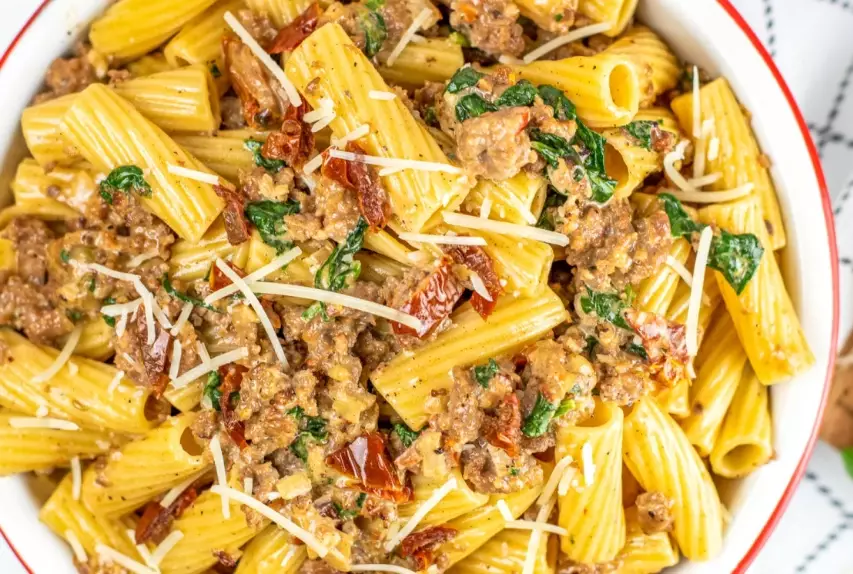
So go grab some sausage. Put a pot of water on to boil. And make something good tonight.
Related Articles
Italian Casserole Recipes: Easy Family Dinners & Expert Tips

Simple Italian Cocktail Recipes: Easy Classics & Modern Twists
Authentic Italian Family Meal Recipes: From Antipasti to Dolce

The reason for the surge in A-shares has been found! The Shanghai Composite Inde
Authentic Italian Salad Dressing Recipe: Easy, Zesty & Homemade
The Ultimate Homemade Italian Dressing Recipe (Easy & Authentic)
Easy Chicken Pasta Recipes for Busy Weeknights
Traditional Southern Italian Recipes: Authentic Dishes & Secrets

The Most Popular Cocktail in Italy: A Deep Dive into the Aperol Spritz
Ultimate Guide to Italian Meatball Recipes: From Classic to Creative

Homemade Italian Ice Recipe: Smooth, Grain-Free & Authentic

Tesla VS BYD: A new wave of insurance for electric car giants
Unlock Flavor: 5 Essential Italian Seasoning Recipes & Pro Tips
Zesty Italian Dressing Recipe: Easy Homemade Guide
Discover the Best Non-Alcoholic Italian Drinks: From Aperitivo to Digestivo

Performance exploded! Sungrow Power Supply made a huge profit of tens of billion
Easy Italian Appetizer Recipes for a Crowd: Make-Ahead & Crowd-Pleasing Ideas
Simple Italian Holiday Dinner Recipes: Effortless & Authentic Feasts
Simple Italian Regional Recipes: Authentic Dishes Made Easy
Easiest Italian Food to Make: 5 Simple Recipes for Beginners

Classic Italian Bread Recipe: Authentic & Easy Homemade Loaf
Ultimate Italian Beef Crock Pot Recipe: Tender & Juicy
Simple Italian Sausage Dinners: Quick Recipes for Busy Nights

What is the Traditional Drink of Italy? The Definitive Guide
Italian Submarine Sandwich Recipe: The Ultimate Guide to a Classic Hoagie
Easy to Make Italian Food Recipes: Delicious & Quick Meals
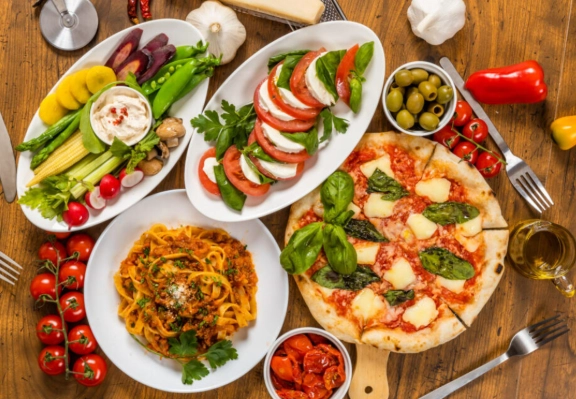
Top 10 Italian Dishes You Must Try: Authentic Flavors Explained
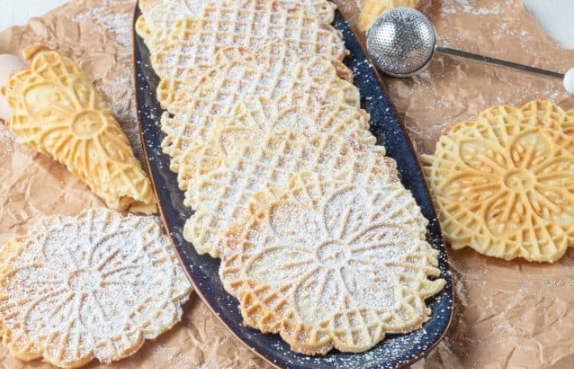
Creative Pizzelle Recipe Variations: From Classic Anise to Chocolate & More
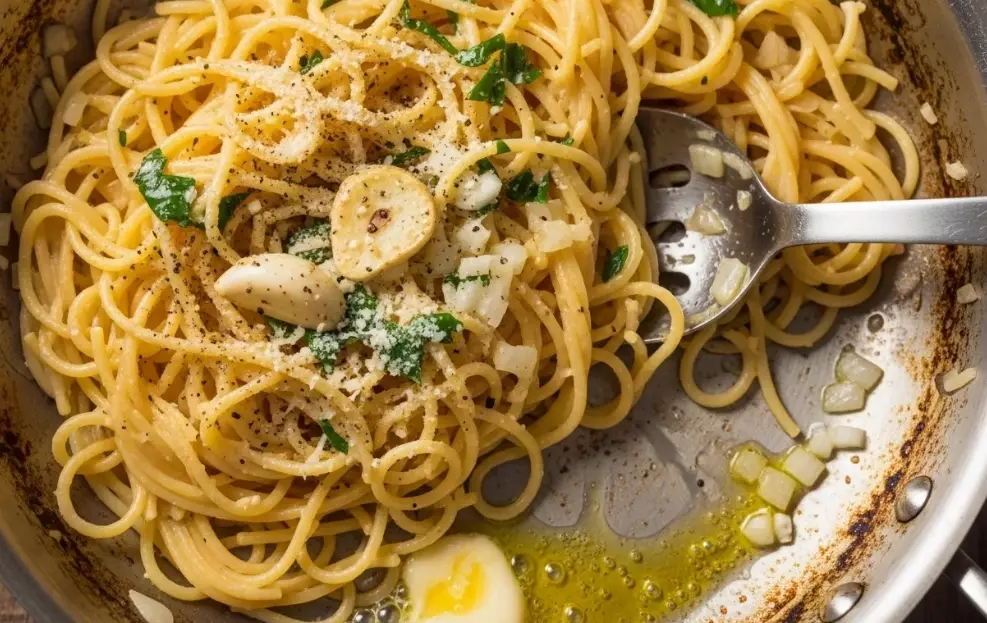
Ultimate Guide to Spaghetti Pasta Recipes: Easy, Authentic & Creative
Leave a Comment