Italian Meatloaf Recipe: The Ultimate Comfort Food Guide
Quick Navigation
- What Makes a Meatloaf "Italian" Anyway?
- Gathering Your Italian Meatloaf Arsenal: The Ingredients Deep Dive
- The Step-by-Step Guide: No More Guesswork
- Common Italian Meatloaf Pitfalls and How to Dodge Them
- Beyond the Basic: Killer Variations on the Italian Meatloaf Recipe
- What to Serve With Your Masterpiece
- Your Italian Meatloaf Recipe Questions, Answered
Let's be honest. Most meatloaf recipes are... fine. They're edible, they fill you up, but they're rarely something you get excited about. They can be dry, dense, and honestly, a bit boring. Then there's the Italian version. It's a different beast entirely. We're talking about a moist, deeply flavorful, aromatic loaf that's packed with herbs, cheese, and that unmistakable "Italian" soul. This isn't just ground meat shaped into a log; it's a celebration of comfort food. I've spent years tweaking my own Italian meatloaf recipe, learning from mistakes (oh, there were some dry, sad loaves), and figuring out what really makes it sing. This guide is everything I wish I'd known when I started.
So, what separates a true Italian meatloaf recipe from the standard American one? It's all in the flavors and the approach. Think less ketchup glaze, more garlic, fresh herbs like basil and oregano, and a generous amount of Parmesan or Pecorino Romano cheese. The texture is also key—it should be tender, almost velvety, not a tight-packed brick. If your last attempt at any meatloaf was disappointing, stick with me. This method changes everything.
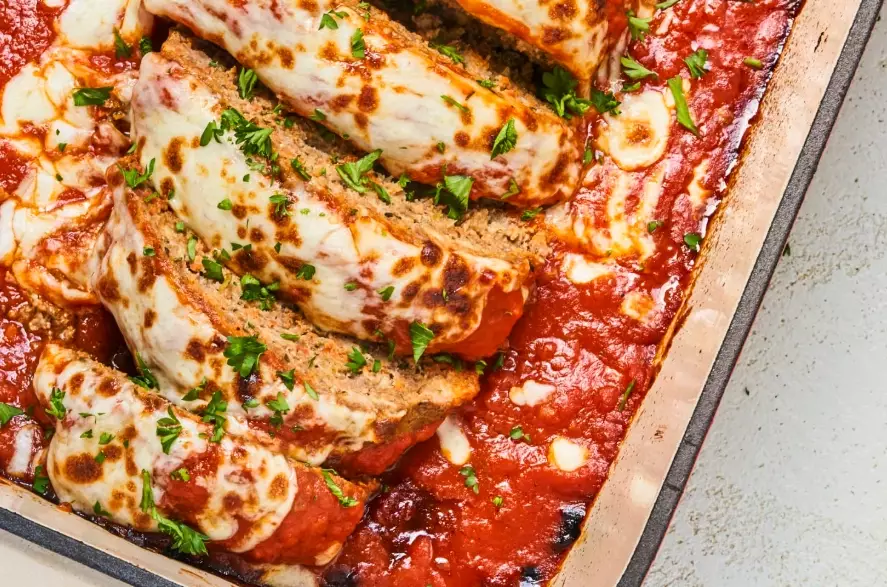 Forget everything you think you know about dry, bland meatloaf.
What Makes a Meatloaf "Italian" Anyway?
This is the first place people go wrong. They just add some dried oregano to their usual recipe and call it a day. Not so fast. The Italian approach is more holistic. It starts with the meat blend—often a mix of beef, pork, and sometimes veal for incredible depth and moisture. Then, we use ingredients that are staples in an Italian kitchen: fresh garlic (lots of it), fresh parsley, maybe some chopped prosciutto or pancetta for a salty punch, and good quality grated cheese that melts into the meat, not just sits on top.
The binder is crucial too. Many authentic Italian meatloaf recipes use soaked bread or breadcrumbs mixed with milk (this is called a "panade") instead of just dry breadcrumbs or oats. This panade is the absolute secret to a tender, moist loaf. It creates a soft, cushiony texture that prevents the proteins in the meat from tightening up too much and squeezing out all the juice. It's a simple trick, but it's non-negotiable for the best results.
And the glaze? While a sweet tomato-based glaze is common, many Italian-American families might top it with a simple marinara sauce or even just let the flavors from the meat, cheese, and herbs speak for themselves. It's rustic, hearty, and packed with flavor in every single bite.
Gathering Your Italian Meatloaf Arsenal: The Ingredients Deep Dive
You can't build a great house with cheap bricks, and you can't make a legendary Italian meatloaf recipe with mediocre ingredients. Let's break down what you need and, more importantly, why you need it. Don't just skim this list—understanding the role of each component is what will make you a confident cook.
The Meat: The Foundation of Flavor
The classic blend is a 2:1:1 ratio of beef, pork, and veal (known as "meatloaf mix" in some stores). The beef gives it body, the pork adds fat and sweetness, and the veal contributes a delicate, tender texture. Now, I know veal can be pricey or hard to find. Don't sweat it. A 50/50 mix of ground beef and ground pork works fantastically well. The key is fat content. Lean meat is the enemy of juicy meatloaf. Aim for ground beef that's 85% lean/15% fat (80/20 is even better), and ground pork that isn't labeled "extra lean." That fat equals flavor and moisture.
| Meat Type | Role in the Loaf | Fat Content Recommendation | Flavor Profile |
|---|---|---|---|
| Ground Beef | Provides the main structure and hearty, beefy flavor. | 80% lean / 20% fat (ideal) or 85/15. | Rich, savory, robust. |
| Ground Pork | Adds moisture, fat, and a subtle sweetness. | Avoid "extra lean." Regular ground pork is perfect. | Mild, sweet, juicy. |
| Ground Veal (Optional) | Creates an exceptionally tender, delicate texture. | Use if available and within budget. | Very mild, tenderizing. |
| Italian Sausage (A Great Twist) | Can replace some pork for an instant flavor bomb of fennel and spice. | Use mild or hot sausage, removed from casing. | Spiced, aromatic, garlicky. |
I made the "lean meat" mistake exactly once. I used 93% lean beef thinking it was healthier. The result was a meatloaf so dry it practically crumbled. My dog was even hesitant. Trust me, the fat is your friend here. It renders during cooking, basting the loaf from the inside. For health, just serve a slightly smaller slice with a big side of veggies.
The Flavor Bomb Brigade
This is where the magic happens. The "Italian" adjective comes alive here.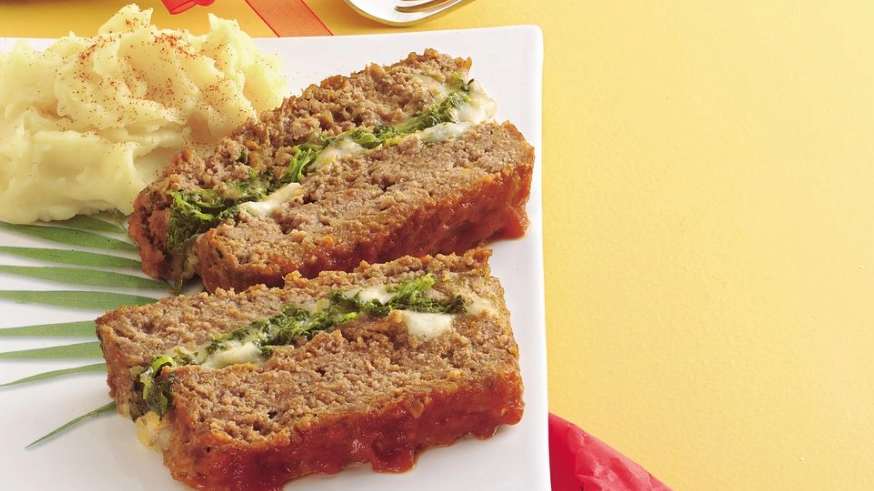
- Garlic: Freshly minced. No garlic powder allowed for this core ingredient. Use at least 3-4 cloves.
- Onion: One medium yellow onion, finely diced. Sautéing it first until soft and sweet is a game-changer versus adding it raw.
- Fresh Herbs: Parsley is essential. Flat-leaf (Italian) parsley has more flavor. Basil and oregano are fantastic additions. If you must use dried, use half the amount and make sure they're not from the Jurassic period.
- Cheese: Parmigiano-Reggiano or Pecorino Romano, freshly grated. The pre-grated stuff in a canister has anti-caking agents that prevent it from melting properly. Fresh grating makes a huge difference.
- Tomato Paste: A tablespoon or two adds umami depth and a touch of sweetness. It's a flavor concentrator.
- Worcestershire Sauce: A dash adds a savory, complex note. It's not strictly Italian, but it's a widely accepted secret weapon.
The Binder & Moisture Agents: The Science of Softness
This is the technical heart of a perfect Italian meatloaf recipe. The goal is to hold the loaf together without making it tough.
- The Panade: 1 cup of breadcrumbs (Panko are great for airiness) soaked in 1/2 cup of milk for 10 minutes. It becomes a paste. This paste distributes throughout the meat, ensuring every bite is moist.
- Eggs: Usually 2 large eggs. They act as a binder, helping to set the structure as it cooks.
Pro Tip: If you're out of breadcrumbs, tear up a couple of slices of stale Italian or French bread, remove the crusts, and soak the pieces in milk. Mash them up with a fork. It's actually more traditional and creates an incredibly tender texture.
The Step-by-Step Guide: No More Guesswork
Okay, ingredients are prepped. Now, let's put it all together. The method matters just as much as what you put in.
Step 1: Build Your Flavor Base
Heat a bit of olive oil in a pan over medium heat. Add your finely diced onion and a pinch of salt. Cook until soft and translucent, about 8 minutes. Add the minced garlic and cook for just one more minute until fragrant. Don't let the garlic burn—it turns bitter. Let this mixture cool slightly. This step caramelizes the onions' sugars and tames the raw bite of the garlic, weaving their flavors into the background of the whole loaf.
Step 2: Create the Panade
While the onions cool, mix your breadcrumbs and milk in a large bowl. Let it sit. It will look soggy and unappealing. Perfect. That's what you want.
Step 3: The Grand Mixing
To the bowl with the panade, add the ground meats, cooled onion/garlic mixture, grated cheese, herbs, tomato paste, Worcestershire sauce, eggs, a good teaspoon of salt, and plenty of freshly ground black pepper.
Critical Warning: Use your hands to mix. Forks or spoons won't do it evenly. But here's the crucial part—mix just until everything is combined. Overmixing is the #1 cause of tough, dense meatloaf. You want the ingredients distributed, not the meat proteins pulverized and tightly packed. Think gentle folding and turning, not kneading like bread dough.
Step 4: Shape and Prepare for Baking
Transfer the mixture to a rimmed baking sheet lined with parchment paper. Shape it into a loaf about 9x5 inches. Don't pack it tightly; just form it gently. Some people swear by a loaf pan, but I find baking it free-form on a sheet allows the heat to circulate and caramelizes the entire exterior, which is way more flavorful.
Step 5: The Glaze (Optional but Recommended)
For a classic sweet-and-tangy top, mix 1/2 cup ketchup, 2 tablespoons brown sugar, and 1 tablespoon apple cider vinegar. Brush half of it over the unbaked loaf. Reserve the rest.
Step 6: The Bake
Preheat your oven to 375°F (190°C). Bake the meatloaf for about 45 minutes, then pull it out and brush with the remaining glaze. Return it to the oven and bake for another 15-30 minutes, or until the internal temperature in the very center reaches 160°F (71°C). This is non-negotiable. A meat thermometer is the only way to guarantee perfect doneness without overcooking. Under 160°F isn't safe for ground meat, and over 170°F starts to get dry.
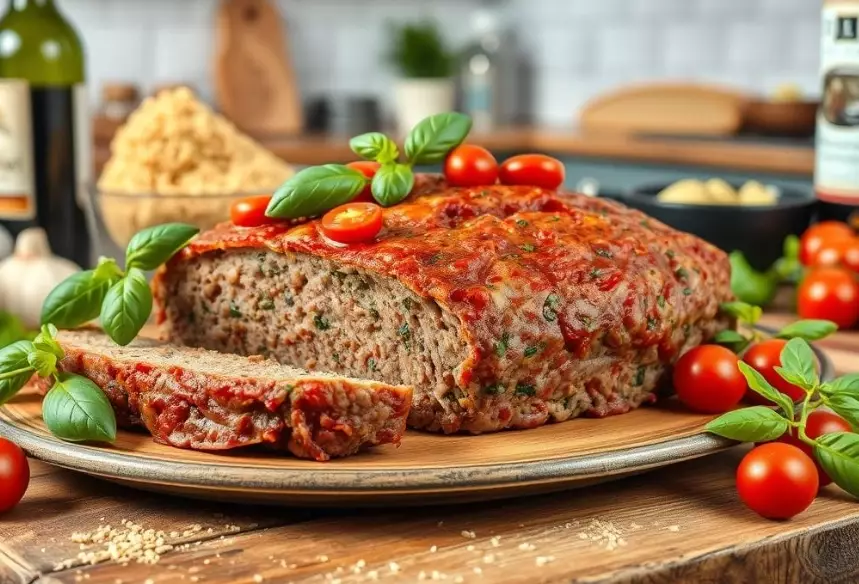 The smell in your kitchen will be insane. Try to be patient.
Step 7: The Most Important Step (Don't Skip!)
Once out of the oven, let the meatloaf rest on the pan for at least 10-15 minutes before you even think about slicing it. This allows the juices, which are all rushing to the center, to redistribute back throughout the loaf. If you cut it immediately, all that precious moisture will just run out onto the cutting board, leaving you with a dry loaf. This rest period is sacred.
Common Italian Meatloaf Pitfalls and How to Dodge Them
Let's troubleshoot before you even have a problem.
- Problem: Dry, crumbly loaf. Solution: You likely used meat that was too lean, overmixed, overcooked (no thermometer!), or didn't use a panade. Check all those boxes.
- Problem: Dense, heavy texture. Solution: Definitely overmixed. Also, ensure your panade is wet enough and you're not packing the loaf shape too tightly.
- Problem: Bland flavor. Solution: Underseasoned. Meat needs salt. Don't be shy. Also, ensure your herbs and cheese are fresh and flavorful.
- Problem: Burnt glaze. Solution: Apply it in two stages, as directed above. Putting all the sugary glaze on at the start guarantees it will burn before the meat is cooked.
- Problem: Sticks to the pan. Solution: Parchment paper is your best friend. Foil can work, but parchment is non-stick magic.
Beyond the Basic: Killer Variations on the Italian Meatloaf Recipe
Once you've mastered the classic, the world is your oyster (or, more appropriately, your meatball).
The "Stuffed" Showstopper: Before shaping your loaf, flatten the mixture into a rectangle on the parchment. Layer slices of provolone or mozzarella and a handful of sautéed spinach or roasted peppers down the center. Carefully roll the meat around the filling, pinching the seams to seal. Bake as usual. When you slice it, you get a gorgeous cheesy spiral. It's a total wow factor for guests.
The "Meatball Loaf": Love the flavor of Italian meatballs? Add an extra 1/4 cup of grated cheese, a bit more parsley, and a pinch of red pepper flakes to the mix. Use a simple marinara sauce as your glaze instead of the ketchup-based one.
The "Everything But the Kitchen Sink": Finely diced sun-dried tomatoes, a handful of chopped Kalamata olives, or even some crumbled cooked Italian sausage mixed in can add incredible pops of flavor.
What to Serve With Your Masterpiece
This isn't a side dish afterthought. The right sides turn a great meatloaf into a memorable meal.
- Mashed Potatoes: The ultimate classic. Creamy, buttery potatoes are the perfect vehicle for any extra glaze or juices.
- Garlic Roasted Green Beans or Broccoli: Something green and slightly crispy to balance the richness.
- Creamy Polenta: This is the Italian-approved pairing. Soft, cheesy polenta underneath a slice of meatloaf is comfort food heaven.
- A Simple Arugula Salad with a sharp lemon vinaigrette to cut through the fat.
Your Italian Meatloaf Recipe Questions, Answered
Can I make Italian meatloaf ahead of time?
Absolutely. You can assemble the raw loaf on the baking sheet, cover it tightly with plastic wrap, and refrigerate it for up to 24 hours before baking. You may need to add 5-10 minutes to the baking time since it's going in cold. You can also bake it, let it cool completely, wrap it well, and freeze it for up to 3 months. Thaw in the fridge overnight and reheat slices in the oven or a skillet.
What's the best substitute for breadcrumbs if I'm gluten-free?
Gluten-free Panko breadcrumbs work perfectly. You can also use rolled oats (quick or old-fashioned, but not steel-cut) that have been pulsed a few times in a food processor. They provide great structure and moisture absorption. For a truly grain-free option, almond flour or crushed pork rinds can work, but they will change the texture significantly.
Why do you bake on a sheet pan instead of a loaf pan?
Personal preference, but with reason. A loaf pan steams the sides of the meatloaf, resulting in a softer, sometimes greasier exterior. Baking free-form on a sheet allows for better browning and caramelization on all sides, which equals more flavor. It also lets fat drain away. The only advantage of a loaf pan is it guarantees a perfect rectangular shape.
My meatloaf is always undercooked or overcooked. Help!
This is the most common frustration. The solution is simple: buy an instant-read digital meat thermometer. It's the best $15 you'll spend in your kitchen. Oven temperatures vary, loaf sizes vary. The internal temperature doesn't lie. Aim for 160°F in the very center. The USDA recommends a safe temperature of 160°F for all ground meats, which is a crucial reference for food safety.
Can I use all beef?
You can, but it won't be as moist or complex in flavor. If you do, choose 80/20 beef and consider adding an extra tablespoon of olive oil or an extra egg yolk to the mix to compensate for the lack of pork fat.
Look, at the end of the day, a great Italian meatloaf recipe is about more than just following steps. It's about understanding why those steps exist. It's about using your hands, trusting your senses, and creating something that fills your home with an incredible aroma and your table with happy people. It's forgiving, it's versatile, and once you get it right, it becomes a recipe you'll rely on for years. So grab that onion, fire up the oven, and get ready to make the best meatloaf of your life. You've got this.
Related Articles
Authentic Italian Beef Recipe: The Ultimate Chicago-Style Sandwich Guide
Real Italian Salad Recipes: Authentic Classics & Modern Twists
Authentic Italian Dressing Recipe: Easy, Homemade & Better Than Store-Bought
Easy Braciole Recipe: Authentic Italian Beef Rolls Made Simple
Easiest Italian Food to Make: 5 Simple Recipes for Beginners
Traditional Italian Recipes from Scratch: The Heart of Home Cooking
Craft Your Own Italian Seasoning Recipe: A Complete Guide to Homemade Flavor
Authentic Italian Love Cake Recipe: The Ultimate 3-Layer Dessert Guide
5 Traditional Italian Dishes: Authentic Recipes & Where to Try Them
Authentic Italian Salad Dressing Recipe: Easy, Zesty & Homemade
Master Classic Italian Dishes: Recipes & Secrets from Pasta to Tiramisu
Authentic Carbonara Recipe: The Real Italian Way (No Cream!)

Tesla VS BYD: A new wave of insurance for electric car giants

Geely and Zeekr have the best semi-annual reports, half of which rely on sales g

What is the dispute over the open and closed source of large models?

The global economy has ushered in a remarkable transformation after the new crow

Is Xiaomi Auto dumped?

Why did China Resources take over Tasly?

The "half-year report" of the economy of 31 provinces is released: Inner Mongoli
Hearty Italian Sausage Soup Recipe: Easy & Flavorful Comfort Food
Easy Italian Appetizer Recipes for a Crowd: Make-Ahead & Crowd-Pleasing Ideas
Authentic Carbonara Recipe: How to Make Traditional Italian Pasta

Authentic Italian Cookies Recipes: Classic Biscotti, Amaretti & More
Easy Italian Recipes: 5 Classics Anyone Can Master at Home
Easy Traditional Italian Recipes for Home Cooks
Easy Italian Baked Dinner Recipes: Lasagna, Chicken Parm & More
Ultimate Italian Beef Crock Pot Recipe: Tender & Juicy
Best Italian Regional Recipes: Top 5 Dishes to Master at Home
Authentic Italian Pasta Salad Recipe: Easy & Flavorful
Leave a Comment