Authentic Italian Dinner Recipes & Essential Secrets Explained
You know the feeling. You crave a hearty, authentic Italian dinner—the kind that warms the house and fills it with incredible smells. But then you think about the time, the mysterious techniques, and the fear that your "ragù" will just taste like bland meat and tomatoes. I get it. I spent years cooking in a trattoria in Bologna, and I've seen all the home cook mistakes. The good news? Authentic Italian dinner recipes aren't about complexity; they're about a few non-negotiable principles done right. Let's cut through the noise and get to the food that actually works for a Tuesday night or a Saturday feast.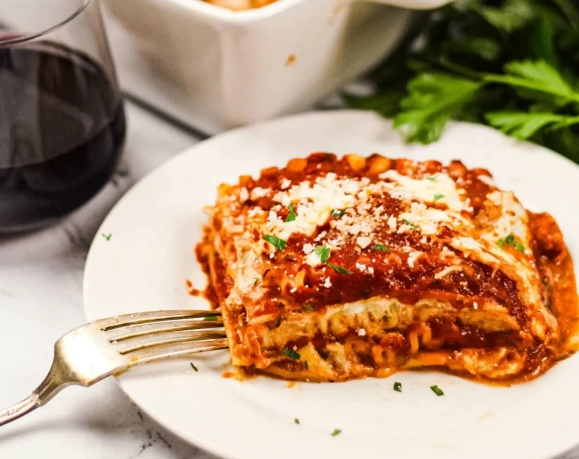
What's Cooking Tonight? Your Guide Inside
Three Dinner Classics You Can Actually Master
Let's start with the main event. These aren't just recipes; they're formulas for success. Each one teaches a fundamental Italian technique.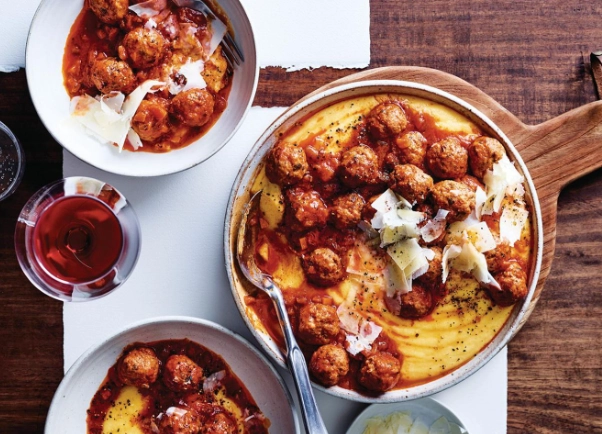
| Recipe & Role | Core Lesson It Teaches | Key Ingredient (Don't Skip) | Realistic Time |
|---|---|---|---|
| Weeknight Hero: Spaghetti alla Carbonara | Emulsification. Using pasta water and fat (guanciale/ pancetta) to create a silky sauce without cream. | Guanciale (cured pork cheek). Pancetta works, but guanciale's fat is silkier. And Pecorino Romano, not Parmigiano. | 20 mins |
| Sunday Comfort: Ragù alla Bolognese | The "soffritto" foundation and slow, patient cooking. | A soffritto of finely diced onion, carrot, and celery, cooked soft in butter & oil for 15+ minutes. | 3+ hours (mostly hands-off) |
| One-Pan Wonder: Chicken Cacciatore | Braising. Building layers of flavor in one pot. | Good, bone-in chicken thighs. They won't dry out. And a splash of dry white wine to deglaze. | 1 hour |
Let's Talk About That Carbonara
Everyone messes up carbonara by scrambling the eggs. Here's the trick no one tells you: take the pot off the heat entirely before you add the egg and cheese mixture. The residual heat from the pasta and pork is more than enough to cook the eggs into a creamy sauce. If the pan is still on the burner, you'll get scrambled eggs with pasta. Not good.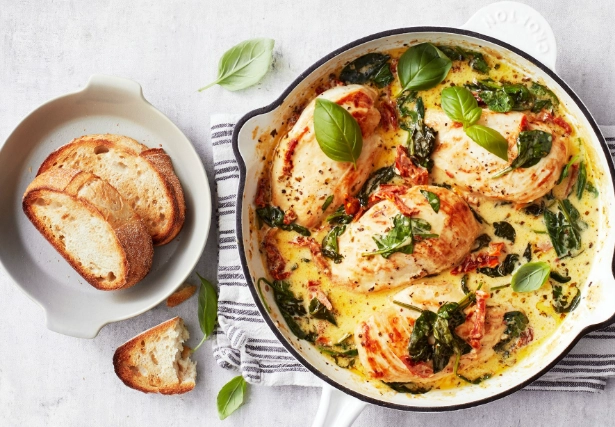
The One Mistake That Ruins Your Italian Cooking
It's not the brand of tomatoes or the type of olive oil. It's the heat. Specifically, cooking everything on too high a heat. Italian cuisine is largely built on gentle frying (soffritto), slow simmering (ragù), and delicate emulsifying (carbonara, pesto).
I see it all the time. Someone chops an onion for their sauce and throws it into screaming hot oil. It browns and burns in a minute, turning bitter. The foundation of the dish is already compromised. The goal for a soffritto is to have the vegetables sweat, releasing their sweetness, not to caramelize them quickly. This takes a low flame and patience.
Building Your Italian Dinner Menu: A Practical Plan
An Italian meal at home doesn't need seven courses. A simple, well-paced two or three-act structure is perfect. Here’s how to think about it, whether you have 45 minutes or all afternoon.
The 45-Minute Weeknight Sprint
Starter: A plate of sliced prosciutto di Parma or mortadella with grissini (breadsticks) or chunks of Parmigiano. Zero cooking.
Main: Spaghetti Aglio, Olio e Peperoncino (garlic, oil, chili flakes). It's all about infusing the oil gently. While the pasta boils, slowly cook thinly sliced garlic in plenty of olive oil with the chili flakes. Toss, add parsley. Done.
Finish: A piece of dark chocolate and a shot of espresso. Cleans the palate, feels sophisticated.
The Leisurely Weekend Feast
Antipasto: Marinated olives, roasted peppers from a jar (drained and drizzled with new oil), and some good mozzarella di bufala.
Primo: A simple risotto. Practice the technique of toasting the rice and adding warm stock gradually. A basic risotto alla Milanese (with saffron) is impressive yet straightforward.
Secondo: The Chicken Cacciatore from the table above. Make it ahead; it tastes better reheated.
Dolce: Affogato. Vanilla gelato drowned in a hot espresso shot. It’s a 2-minute miracle.
The key is to choose one element to be your "star" that requires attention (the risotto, the braise) and keep everything else simple, often relying on quality store-bought items. That's how it's done in real Italian homes.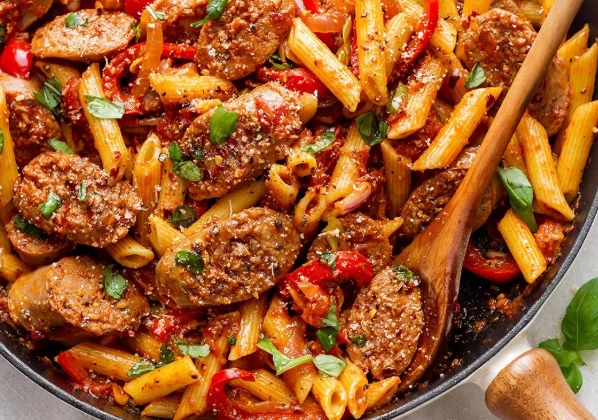
Your Italian Cooking Questions, Answered
So, the next time you think about Italian dinner recipes, don't see a daunting project. See a set of simple principles: start low and slow, respect a few key ingredients, and build your meal with rhythm. Start with the carbonara. Master the gentle heat. You might just find that the most satisfying Italian dinner is the one you make yourself.
Related Articles
Authentic Italian Meatball Sauce Recipe: A Family Secret Revealed
Authentic Italian Meatballs Recipe: Tender, Juicy & Full of Flavor

Simple Italian Cookie Recipes: 3 Classics You Can Master

Why did China Resources take over Tasly?

The largest IPO in the A-share market in 13 years has been terminated, and it wa
