Authentic Italian Cookies Recipe: A Guide to Classic Biscotti & More
Quick Bites: Your Guide
Let's be honest. The first time I tried to make biscotti from a random online italian cookies recipe, I ended up with something closer to a weapon than a treat. They were so hard, I was worried for my teeth. That failure, though, sent me down a rabbit hole. I started asking my friend's nonna for tips, digging through old cookbooks, and testing batch after batch. What I learned is that authentic Italian cookie baking isn't just about following steps; it's about understanding a few simple principles and respecting the ingredients.
It's more than just dessert. In Italy, cookies (or biscotti, which literally means "twice-baked") are a part of daily life – dipped in morning coffee, offered to guests, packed for a journey. They're meant to be shared. And the best part? Most authentic italian cookie recipes are surprisingly simple. They often rely on pantry staples like almonds, lemons, eggs, and good flour. The magic is in the technique.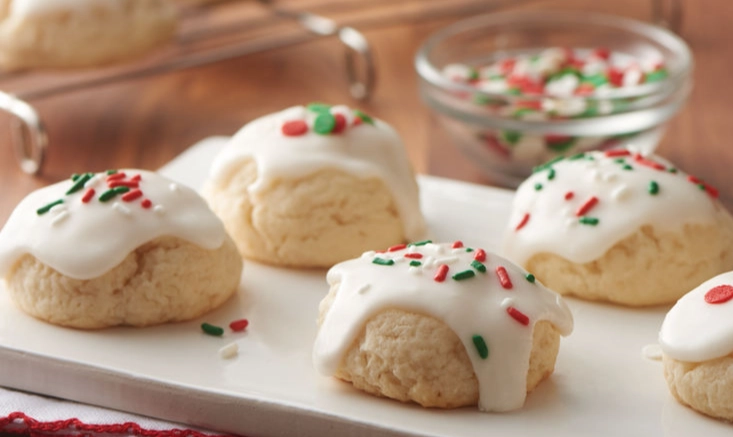
The Italian Cookie Pantry: What You Really Need
Before we jump into any specific italian cookies recipe, let's talk ingredients. This is where many home bakers, including my past self, go wrong. Using the wrong almond flour or a bland extract can leave your cookies tasting flat.
Flour Power: Not All Are Created Equal
Most classic recipes call for "00" flour or all-purpose. "00" is an Italian finely-milled soft wheat flour that gives a tender crumb. You can find it online or in specialty stores. All-purpose works perfectly fine, but if you want that authentic texture, "00" is a game-changer for recipes like delicate pizzelle or ricciarelli. For biscotti, which need structure, all-purpose is actually ideal.
I made the mistake once of using bread flour for biscotti, thinking more gluten meant more structure. Bad idea. They became tough instead of crisp. Stick to the script here.
The Almond Rule: Whole, Blanched, or Ground?
Almonds are the soul of so many Italian cookies. The form you use matters immensely.
- Whole Blanched Almonds: For biscotti, you often keep them whole or roughly chopped for texture and visual appeal.
- Almond Flour/Meal: This is ground blanched almonds. For amaretti and ricciarelli, you need a fine, powdery almond flour. Don't use coarse almond meal here, or your cookies will be gritty. I buy a trusted brand like Blue Diamond or Bob's Red Mill for consistency.
- Flavor: Toasting your almonds (or almond flour in a dry pan until fragrant) before using them unlocks a deep, nutty flavor that elevates any italian cookie recipe from good to unforgettable.
Eggs, Butter, and the Fat Question
This is a key difference from American-style cookies. Many traditional italian cookies recipe collections are surprisingly low in butter or use none at all. Biscotti often use just eggs and oil for binding. Amaretti use just egg whites. This is why they keep so well and have that distinctive dry texture perfect for dipping.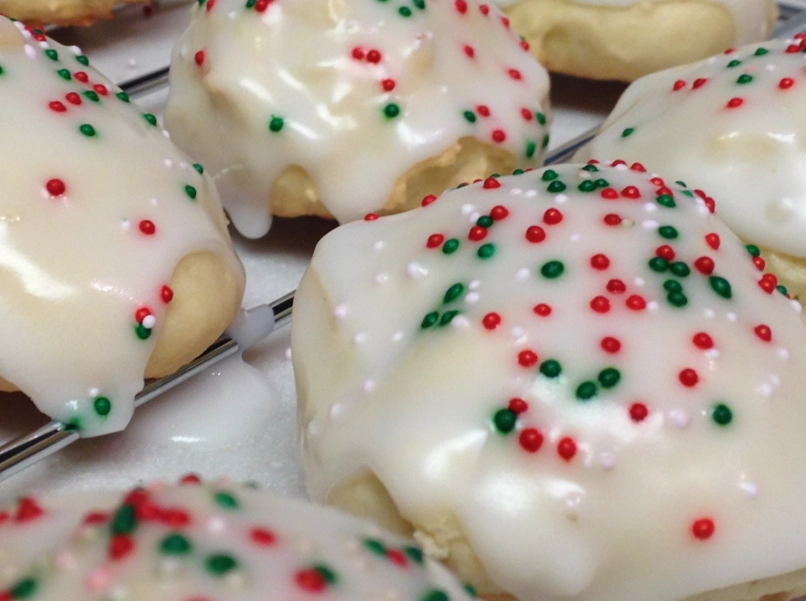
When butter is used, like in some regional shortbreads (frollini), it's usually unsalted, high-quality butter, and it's creamed perfectly with sugar. Don't rush this step if your recipe calls for it.
Equipment: You Don't Need Fancy Gadgets (Mostly)
A good stand mixer or hand mixer is helpful, but many doughs come together by hand. The one specialized tool I'd recommend investing in if you fall in love with this craft is a pizzelle iron. Those beautiful, snowflake-patterned waffle cookies are impossible to replicate without one. They're not too expensive and last forever. My grandmother's is still going strong after 40 years.
Otherwise, you need:
- Quality baking sheets (light-colored, not dark, to prevent burning)
- Parchment paper (a non-negotiable for easy cleanup and no sticking)
- A sharp chef's knife (for slicing biscotti cleanly)
- A kitchen scale (This is the single best tip for baking accuracy. Measuring cups are notoriously inconsistent. A scale changed my baking consistency overnight.)
Mastering the Classics: Three Essential Italian Cookies Recipes
Here are the foundational recipes. Master these, and you'll understand the blueprint for dozens of others.
The Icon: Classic Almond Biscotti
This is the quintessential italian cookies recipe. The double-baking is what defines them. Don't be intimidated; it's a straightforward process.
My Go-To Recipe (makes about 30 cookies):
- 2 cups (250g) all-purpose flour
- 1 1/2 tsp baking powder
- 1/4 tsp salt
- 3/4 cup (150g) sugar
- 3 large eggs (at room temperature)
- 1 tsp vanilla extract
- 1 tsp almond extract (the secret weapon!)
- 1 cup (140g) whole almonds, toasted and roughly chopped
- Zest of 1 orange or lemon (optional, but lovely)
Method:
- Whisk dry stuff: flour, baking powder, salt.
- In another bowl, beat eggs, sugar, and extracts until pale and slightly thickened. Mix in zest if using.
- Gently fold dry into wet until just combined. Fold in almonds. The dough will be sticky and shaggy. That's fine.
- On a parchment-lined sheet, with floured hands, shape the dough into two flat logs, about 12" long x 3" wide. Leave space between them.
- Bake at 350°F (175°C) for 25-30 minutes, until golden and firm to touch. Let cool on the sheet for 30 minutes. Reduce oven to 325°F (160°C).
- The Second Bake: Transfer logs to a cutting board. Using a serrated knife, slice diagonally into 1/2" to 3/4" slices. Lay them cut-side down on the sheet. Bake for 15-20 minutes, flipping halfway, until dry and crisp. Cool completely. They crisp up as they cool.
Why does this italian cookies recipe work? The first bake sets the structure. The second bake dries them out, creating that legendary dunking texture. They should snap, not bend.
The Chewy Bite: Traditional Amaretti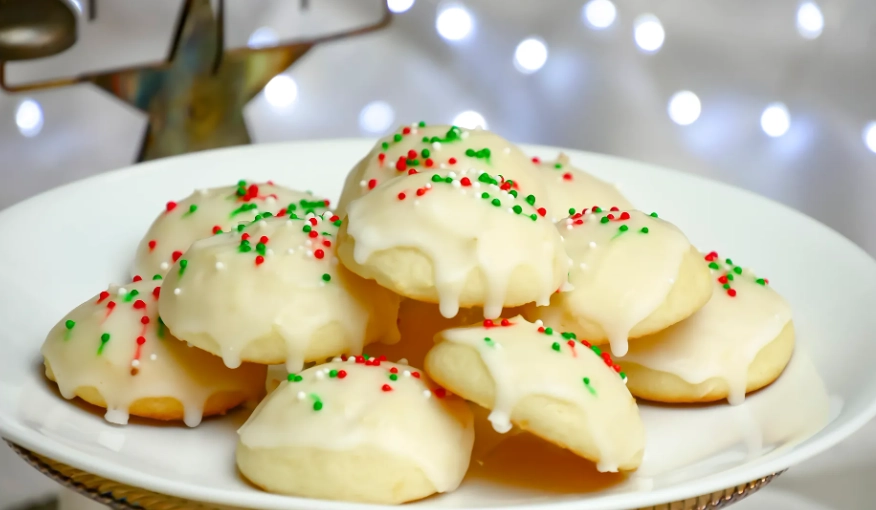
These gluten-free almond macaroons from Saronno are deceptively simple. Just three main ingredients, but technique is everything. The goal is a crisp shell with a soft, chewy interior.
The key is the quality of almond flour and how you handle the egg whites. You're not making a meringue; you're just lightly beating them to loosen them up. Over-beat, and your cookies will spread too much. I learned this after a batch of sad, flat puddles.
Rolling the dough into balls and coating them in powdered sugar before baking is non-negotiable. It gives them that classic cracked, snowy look. Bake them just until set and cracked, but still soft inside. They firm up as they cool.
The Pressed Treasure: Pizzelle
If you have the iron, this italian cookies recipe is a must. They're like thin, crisp waffles, often flavored with anise or vanilla. The batter is a simple pancake-like mix. The art is in the iron: getting the timing right so they're golden but not brown, and flexible enough to shape into cones or cannoli shells while hot.
My nonna's trick? A drop of anise oil (not extract) in the batter. The flavor is intense and authentic. But be warned, anise is polarizing. Vanilla is a safe, crowd-pleasing bet.
Beyond the Basics: Regional Gems & Variations
Once you're comfortable, the world opens up. Here's a quick guide to other stars:
| Cookie Name | Region | Key Characteristics | Perfect For... |
|---|---|---|---|
| Ricciarelli | Siena, Tuscany | Soft, chewy almond cookies dusted with powdered sugar. Made with almond flour, egg whites, and often orange zest. | Christmas, fancy gift-giving. They look like little jewels. |
| Baci di Dama | Piedmont | "Lady's kisses" – two buttery hazelnut shortbread halves sandwiched with dark chocolate. | Afternoon tea or coffee. Incredibly elegant and addictive. |
| Brutti ma Buoni | All over | "Ugly but good" – rustic mounds of meringue, chopped nuts, and sometimes chocolate. Crisp outside, chewy inside. | Using up egg whites. Their rustic charm is part of the appeal. |
| S Cookies (Ciambelline) | Throughout Central Italy | Simple, wine-kissed cookies often shaped into an "S" or ring. Crunchy, not too sweet. | Dunking in red wine (yes, really!). A humble, ancient treat. |
Exploring these regional variations is the real joy. It connects you to places in Italy you might not have visited. The Baci di Dama from Piedmont, for instance, speak to the region's famous hazelnuts. You can learn more about Piedmont's food heritage from official sources like the Italian National Tourist Board, which often highlights regional specialties.
Your Italian Cookie Questions, Answered
I get asked these all the time. Here's the real talk.
For more scientific baking troubleshooting, resources from established culinary institutions like King Arthur Baking's education center are gold. They break down the chemistry in a way that helps you fix any recipe.
The Final Touches: Presentation & Gifting
Italians rarely serve cookies naked. A dusting of powdered sugar, a drizzle of dark chocolate, or a dip in melted chocolate on one end elevates them. For gifting, use cellophane bags tied with ribbon or simple cardboard boxes lined with parchment. A handwritten label with the cookie name adds a lovely touch.
Remember, the best italian cookies recipe is the one you master and make your own. Maybe you add a pinch of cinnamon to your biscotti, or dip your amaretti in chocolate. That's how traditions evolve.
So, grab your scale, toast some almonds, and don't be afraid of a little failure. My first biscotti were a disaster, but they led me here. Your perfect italian cookies recipe is waiting. Start with the classic almond biscotti. Master the double bake. Hear that satisfying snap. Then, dive deeper. The world of Italian baking is generous and welcoming. Just remember to share the results.
That's the real secret, after all.
Related Articles
Italian Sausage Recipes: From Classic Pasta to Grilled Skewers

When going on a long vacation, are electric cars really more "cowardly" than fue
Unlock Flavor: 5 Essential Italian Seasoning Recipes & Pro Tips
Authentic Spaghetti Carbonara Recipe: The Real Italian Method (No Cream!)

The latest public offering "rat warehouse" exposed: fines of more than 30 millio
Authentic Italian Pasta Salad Recipe: Easy & Flavorful
Ultimate Guide to Italian Baked Ground Beef Recipes
Authentic Italian Meatballs Recipe: Nonna's Secret for Tender & Flavorful Polpette
Italian Sausage Recipes: Easy Family Dinners in 30 Minutes
4 Famous Italian Pastas: Types, History & Cooking Guide

Is Xiaomi Auto dumped?

The RMB exchange rate against the US dollar rose to a high point this year
Ultimate Guide to Italian Sandwich Recipes: From Classics to Modern Twists
The Best Pasta Carbonara Recipe: Authentic Roman Secrets Revealed
Best Italian Baked Dishes Recipes: Authentic & Easy to Make
Italian Sauce Recipe: Secrets from a Nonna's Kitchen
Easiest Italian Food to Make: 5 Simple Recipes for Beginners
Authentic Italian Pasta e Fagioli Recipe: A Hearty Classic
Easy Italian Recipes: 5 Classics Anyone Can Master at Home
Make-Ahead Italian Appetizers: Stress-Free Recipes & Tips for Any Gathering
Authentic Italian Vegetarian Recipes: Classics Made Simple & Delicious
Authentic Italian Dinner Recipes & Essential Secrets Explained
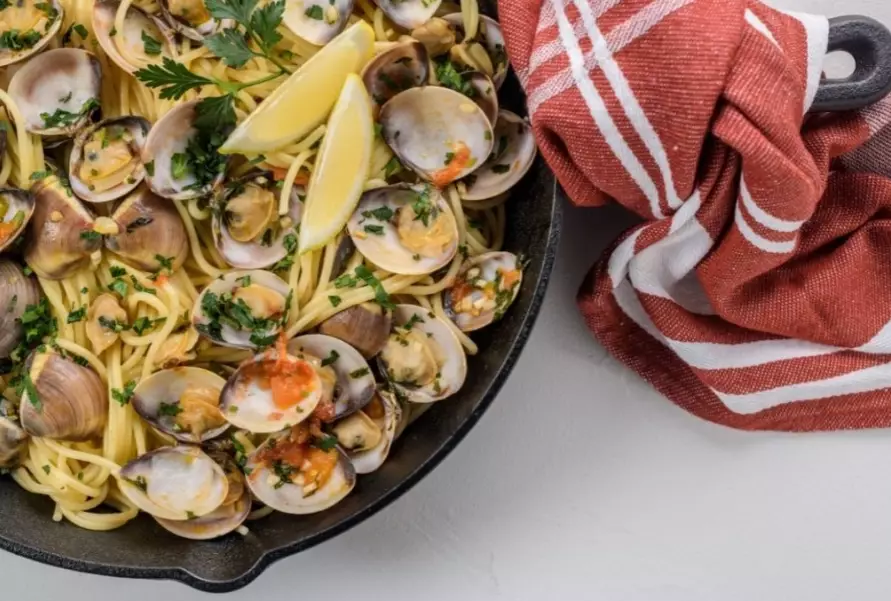
Ultimate Guide to the Top 10 Pasta Dishes You Must Try

Three years and five visits to the Hong Kong Stock Exchange, can Wumart realize
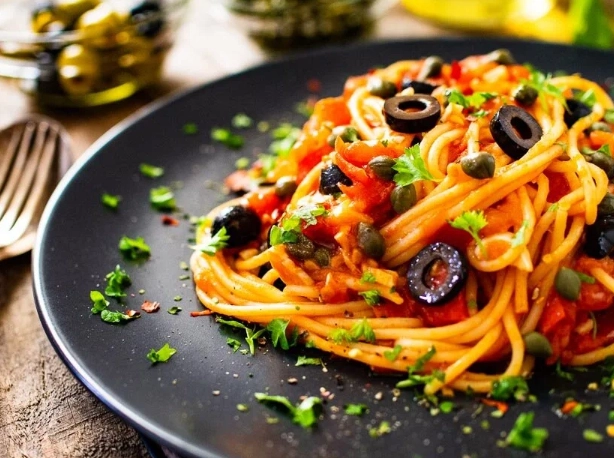
Top 10 Italian Dinner Dishes: A Curated Guide for Authentic Meals
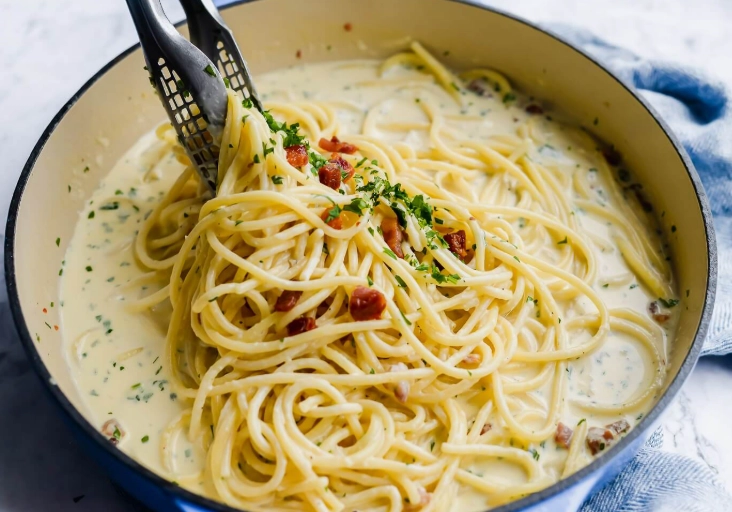
Authentic Carbonara Recipe (No Cream!): The Real Italian Way
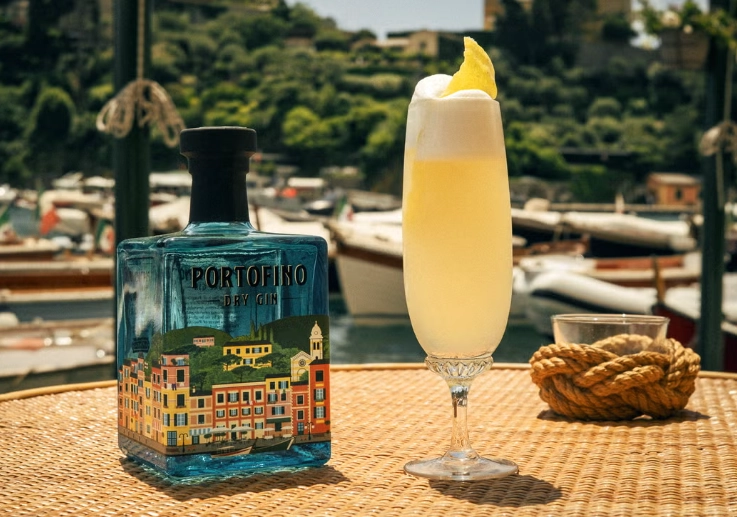
Modern Italian Cocktails: A Guide to Artisanal Mixology
Top 10 Pasta Dishes: Must-Try Italian Classics & Expert Tips
Authentic Italian Carbonara Recipe: The Only Guide You'll Ever Need
Leave a Comment