Authentic Italian Cannoli Recipe: Crispy Shells & Sweet Ricotta Filling
Quick Navigation
- Why This Italian Cannoli Recipe Works
- The Heart of the Matter: Ingredients You Can't Compromise On
- Step-by-Step: How to Make Cannoli, Without the Panic
- Cannoli Variations: Beyond the Classic
- Homemade vs. Store-Bought: A Frank Comparison
- Your Italian Cannoli Recipe Questions, Answered
- Common Pitfalls and How to Avoid Them
Let's be honest. The first time I tried making cannoli at home, it was a disaster. The shells were either tough as leather or shattered into a million pieces the second I tried to pipe the filling. The ricotta mixture turned out grainy and watery. I stared at the messy counter, covered in flour and oil splatters, and wondered why I ever thought I could recreate that perfect pastry I had in Sicily.
But that failure sparked something. I became obsessed. I asked my friend's nonna for advice (which involved a lot of hand gestures and "no, no, no, like this!"). I scoured old Italian cookbooks. I even, on a trip to Rome, pestered a pasticceria owner until he gave me a few vague but golden clues. What I learned is that a truly great Italian cannoli recipe isn't just a list of ingredients; it's a series of small, crucial steps and understanding the "why" behind them.
So, I'm saving you the years of trial and error. This guide is everything I wish I'd known. We're not just making cannoli; we're making perfect cannoli. The kind with a shell that shatters with an audible snap, giving way to a creamy, lightly sweetened filling that's studded with chocolate or candied fruit. Forget the soggy, overly sweet versions you might find in some places. This is the real deal.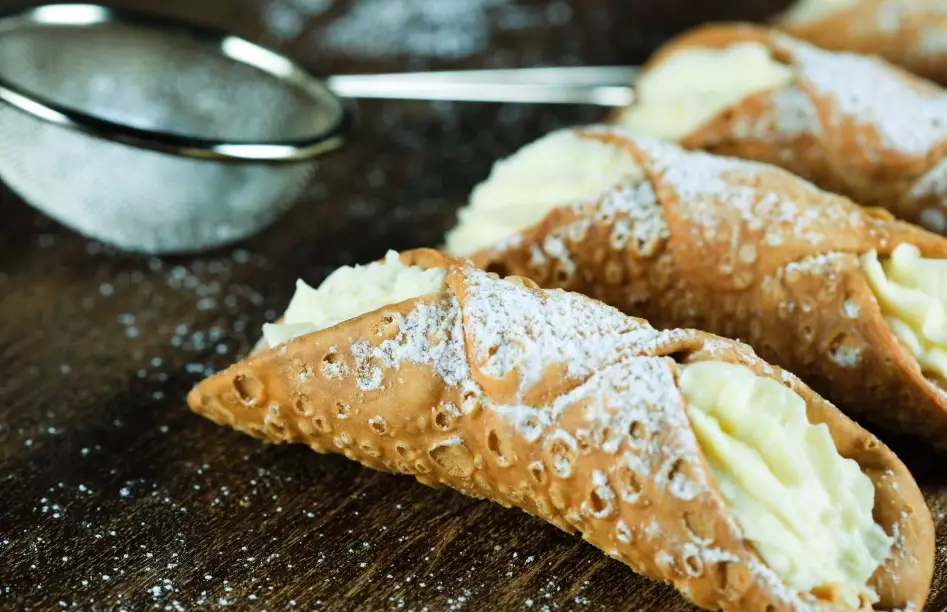
Why This Italian Cannoli Recipe Works
Most recipes get one part right but fail on another. This one balances authenticity with practical home-kitchen wisdom. The dough uses a touch of cocoa and wine for complexity and color, not just flour and water. The frying technique ensures bubbles and blisters for maximum crispness. And the filling? We'll tackle the single biggest issue: getting a smooth, pipeable ricotta that won't turn your shell soggy.
The Heart of the Matter: Ingredients You Can't Compromise On
You can't build a great house with cheap bricks, and you can't make great cannoli with subpar ingredients. Here’s the non-negotiable shopping list for this authentic cannoli recipe.
Ricotta is King: Do not, I repeat, do not use the grainy, watery ricotta commonly found in tubs in the dairy aisle. Seek out whole-milk ricotta, preferably from an Italian deli or a good cheese shop. The quality of your ricotta will make or break your filling. The difference is night and day.
For the shells, all-purpose flour works, but many traditional recipes use "00" flour for a more delicate texture. I've used both, and while "00" is fantastic, a good quality all-purpose flour will still yield excellent results. The Marsala wine in the dough isn't just for flavor; the alcohol inhibits gluten development, making the dough more tender. If you don't have it, a dry white wine or even vinegar works in a pinch, but Marsala gives that distinctive note.
And the cannoli tubes? You'll need metal cannoli tubes for frying. They're an investment, but they last forever. I've seen people try to mold foil around dowels... it's a messy, unstable affair. Just get the tubes.
Shell Dough Ingredients
- All-purpose flour: 2 cups (250g), plus more for dusting.
- Granulated sugar: 2 tablespoons. Just a hint of sweetness.
- Unsweetened cocoa powder: 1 teaspoon. This is the secret for that beautiful deep golden-brown color. It doesn't make the shells taste chocolatey.
- Salt: A pinch.
- Cold unsalted butter or lard: 2 tablespoons (30g), cubed. Lard is more traditional and creates a flakier texture, but butter works beautifully.
- Egg yolk: 1 large, for richness.
- Dry Marsala wine: About 1/2 cup (120ml). You'll add it gradually.
- Egg white: 1, lightly beaten (for sealing the shells).
- Vegetable oil or lard: For deep frying (about 6 cups).
Classic Ricotta Filling Ingredients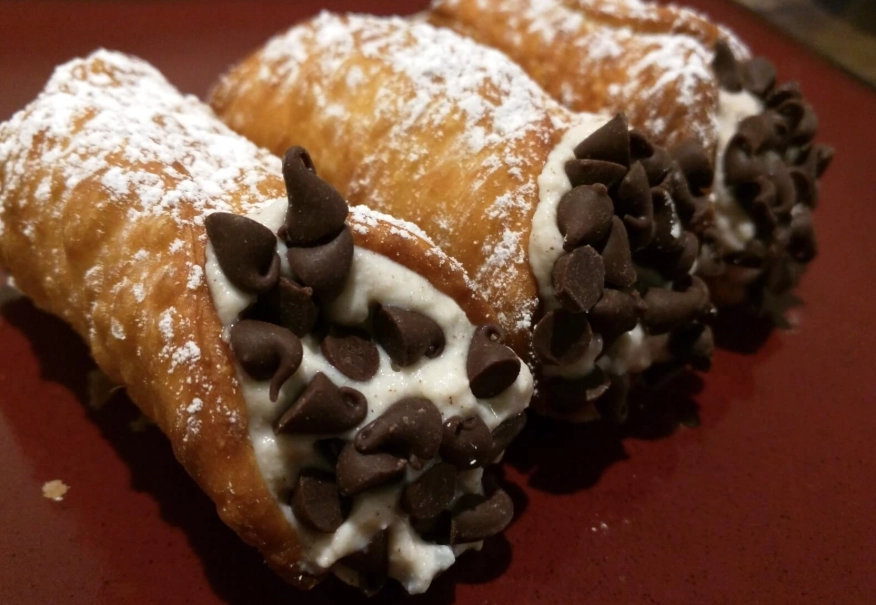
- High-quality whole milk ricotta: 2 pounds (about 900g). This is key.
- Powdered sugar: 1 to 1 1/4 cups (120-150g), sifted. Start with less, you can always add more.
- Vanilla extract: 1 teaspoon.
- Ground cinnamon: 1/2 teaspoon (optional, but lovely).
- Mini chocolate chips or chopped dark chocolate: 1/2 cup.
- Chopped candied orange peel or citron: 1/4 cup (optional, for authenticity).
Step-by-Step: How to Make Cannoli, Without the Panic
This process is best broken down over two days. Day one, make the dough and let it rest. Day two, fry and fill. Trust me, it reduces stress.
Day 1: Making and Resting the Dough
In a large bowl, whisk together the flour, sugar, cocoa powder, and salt. Add the cold butter or lard and use your fingertips to rub it into the flour until the mixture looks like coarse sand. It should feel a bit greasy.
Make a well in the center. Add the egg yolk and about half of the Marsala wine. Start mixing with a fork, gradually incorporating the flour from the sides. Keep adding wine, a little at a time, until the dough starts to come together. You might not need all the wine, or you might need a splash more. The dough should be firm, not sticky.
Pro Tip: Don't overwork this dough. As soon as it forms a cohesive ball, stop kneading. Over-kneading develops gluten, which leads to tough, chewy shells that shrink when frying. We want tender and crisp.
Wrap the dough tightly in plastic wrap and let it rest at room temperature for at least 1 hour. This relaxes the gluten, making it much easier to roll out thinly later. You can also refrigerate it overnight, which I highly recommend.
Day 2: Rolling, Shaping, and Frying the Shells
This is the fun part. Divide your rested dough into two pieces. Keep one piece wrapped while you work with the other. On a lightly floured surface, roll the dough out as thinly as humanly possible. We're talking about 1/16 of an inch thick. You should almost be able to see through it.
Cut out ovals or circles. I use a 4-inch round cutter, but you can also cut squares or use a knife and a bowl as a guide. The shape isn't as important as the thinness.
Wrap a piece of dough around a cannoli tube, overlapping the ends slightly. Brush the overlapping edge with the beaten egg white and press firmly to seal. That egg white glue is crucial—it prevents the tube from sliding out during frying.
Now, the frying. Heat your oil in a heavy-bottomed pot (like a Dutch oven) to 365°F - 375°F (185°C - 190°C). A thermometer is essential here. Too cool, and the shells soak up oil and become greasy. Too hot, and they burn before cooking through.
Carefully lower a few tubes into the hot oil. Fry for about 2-3 minutes, turning occasionally, until they are a deep, golden brown all over. You'll see beautiful bubbles form on the surface—that's what you want!
Using tongs, remove the tubes and let them drain on a wire rack set over a baking sheet for a minute. While they are still hot but manageable, gently hold the tube with a kitchen towel (it's hot!) and use another towel or tongs to twist and slide the shell off. If you let them cool completely on the tube, they'll shrink and lock themselves on. I learned this the hard way—had to chip one off with a knife once.
Let the empty shells cool completely on the rack. They should be incredibly light and crisp. Repeat with the remaining dough.
My first fry batch was a tragedy. The oil wasn't hot enough, and the shells came out pale, bendy, and oily. I almost gave up. Then I got the temperature right, and that first perfectly crisp, blistered shell came out... the feeling was incredible. It's all about the oil temp.
Preparing the Perfect Filling
While the shells cool, tackle the filling. If your ricotta looks at all wet, you need to drain it. Line a fine-mesh strainer with cheesecloth, place it over a bowl, add the ricotta, cover, and let it drain in the fridge for a few hours or overnight. For a quick method, you can spoon it onto a few layers of paper towels and press gently.
Transfer the drained ricotta to a large bowl. Add the sifted powdered sugar, vanilla, and cinnamon (if using). Beat with a hand mixer or a sturdy whisk until smooth and creamy. Fold in the chocolate chips and candied fruit.
Cover and chill the filling for at least 30 minutes. This firms it up and makes it easier to pipe.
When to fill the shells? The golden rule: Fill them just before serving. If you fill them hours ahead, the moisture from the ricotta will seep into the shell and turn it soft and chewy. The contrast between the crisp shell and creamy filling is everything. To serve, pipe the filling into both ends of each shell using a pastry bag with a large star or plain tip. Dust with powdered sugar and maybe a few extra chocolate chips on the ends.
"The secret to a great cannoli is in the timing. The shell and filling are partners, but they should meet at the very last moment." – Advice from a Palermo pastry chef.
Cannoli Variations: Beyond the Classic
The basic Italian cannoli recipe is a canvas. Once you've mastered it, feel free to play.
- Chocolate-Dipped: Dip the ends of your cooled shells in melted dark chocolate before filling. Let the chocolate set completely.
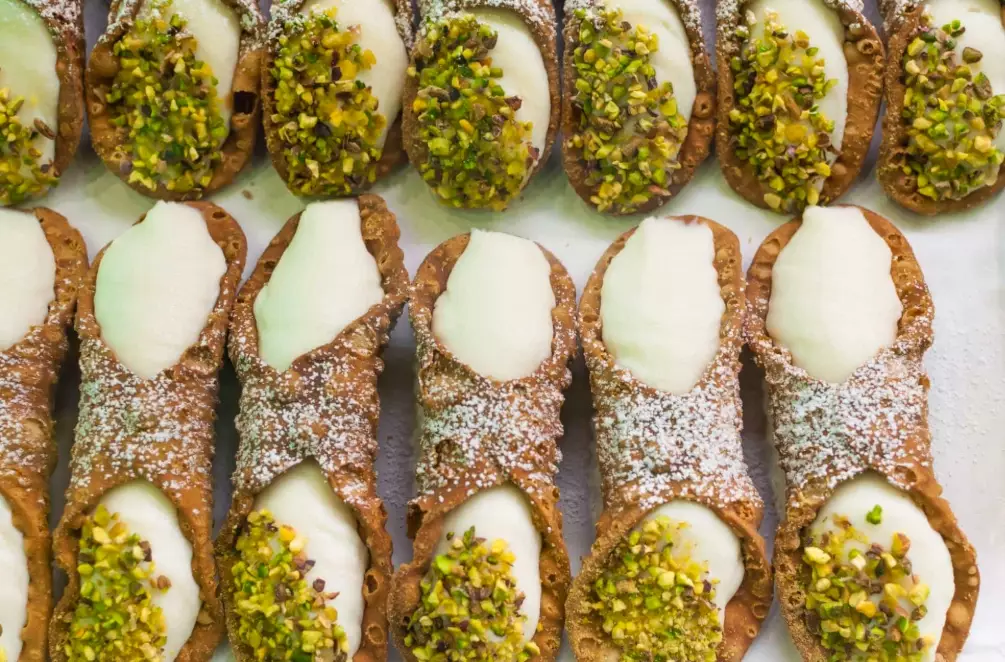
- Pistachio Bliss: Fold finely chopped pistachios into the filling and roll the filled cannoli ends in more crushed pistachios.
- Chocolate Shells: Add 2 tablespoons of cocoa powder to the dough and reduce the flour by the same amount.
- Lemon Zest: Add the zest of one lemon to the ricotta filling for a bright, fresh twist. Omit the cinnamon.
Homemade vs. Store-Bought: A Frank Comparison
Is it worth the effort? Let's break it down.
| Aspect | Homemade Cannoli | Store-Bought Cannoli |
|---|---|---|
| Texture | Shell is shatteringly crisp, filling is creamy and light. | Shell is often stale or soft; filling can be grainy or overly sweet. |
| Flavor | Complex, balanced, with the quality of your ingredients shining through. | Often one-note sweet, with artificial aftertastes sometimes present. |
| Freshness | Filled moments before eating – optimal experience. | Usually pre-filled, so the shell is compromised. |
| Cost | Higher upfront cost for ingredients/tools, but cheaper per unit. | Seems cheap per piece, but quality is low. |
| Satisfaction | Immense pride and a truly superior product. | Convenience, but often disappointment. |
See what I mean? Making them yourself is a project, but the payoff is in a completely different league.
Your Italian Cannoli Recipe Questions, Answered
 Got more questions? The process can feel finicky, but each step has a purpose.
Common Pitfalls and How to Avoid Them
Let's learn from my mistakes so you don't have to make them.
- Pitfall #1: Tough, Chewy Shells. Cause: Dough rolled too thick or over-kneaded. Fix: Roll it painfully thin and handle the dough minimally.
- Pitfall #2: Soggy Shells. Cause: Filled too far in advance, or filling was too wet. Fix: Fill right before serving and drain your ricotta thoroughly.
- Pitfall #3: Shells Sliding Off Tubes During Frying. Cause: Poor seal. Fix: Use that egg white glue and press firmly.
- Pitfall #4: Greasy Shells. Cause: Oil temperature too low. Fix: Use a thermometer and maintain 365-375°F. Don't overcrowd the pot.
Making this authentic Italian cannoli recipe is a labor of love. It's not the quickest dessert. But when you present a platter of these homemade beauties, hear that first crisp crack, and see the smiles, you'll know it was worth every minute. It connects you to a centuries-old tradition of Italian pastry craft. And honestly, that's pretty cool.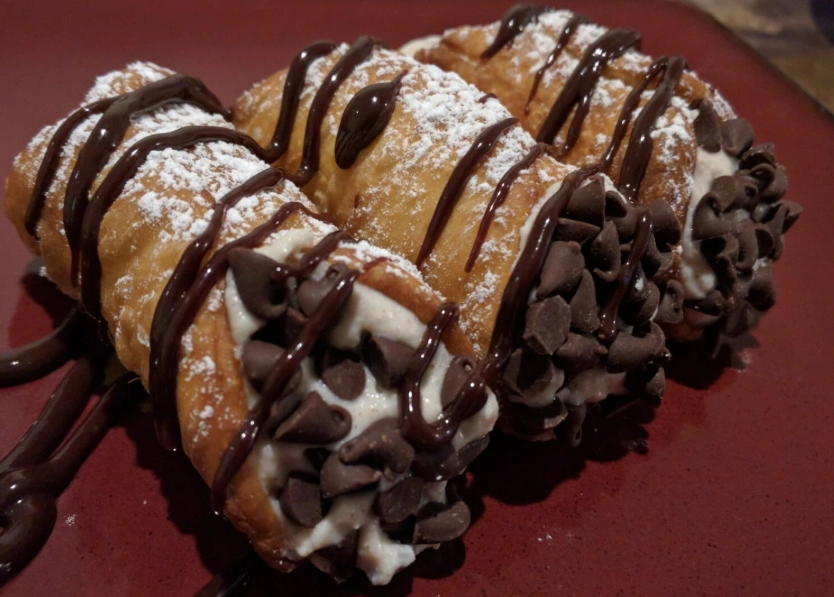
Start with the classic version. Master it. Then make them your own. That's how food traditions live on. Now, go get some good ricotta. Your kitchen is about to smell amazing.
Related Articles
Authentic Italian Dressing Recipe: Easy, Homemade & Better Than Store-Bought
Ultimate Guide to Italian Baked Ground Beef Recipes
Authentic Italian Pasta e Fagioli Recipe: A Hearty Classic
Ultimate Guide to Classic Italian Baked Pasta Dishes
Authentic Ricotta Lasagna Recipe: Creamy Layers & Pro Tips
Simple Italian Sausage Dinners: Quick Recipes for Busy Nights

Sea freight rates soared! One after another raised sea freight rates, the "king
Authentic Italian Pizza Recipe: A Step-by-Step Guide
Cold Italian Appetizers: The Ultimate Guide to Antipasti & Finger Foods

Two 1 billion US dollars of large model financing, Internet giants are starting
Ultimate Italian Recipes List: From Pasta to Desserts
Authentic Italian Green Beans Recipe: A Classic Nonna's Method
What Side Dishes to Serve with Sausage? 15 Perfect Pairings & Recipes
How to Assemble Italian Sliders: The Ultimate Guide for Perfect Party Food
Italian Buttercream Recipe: How to Make Perfectly Smooth Frosting
Zesty Italian Dressing Recipe: Easy Homemade Guide
A Guide to Italy's Classic Dishes: Pasta, Pizza & More
Authentic Italian Recipes: Your Ultimate Guide to Mastering Classics at Home
Authentic Italian Appetiser Recipes for Your Next Gathering
Authentic Italian Cookies Recipes: Classic Biscotti, Amaretti & More
Traditional Southern Italian Recipes: Authentic Dishes & Secrets
Authentic Italian Chicken Breast Recipes: Fast, Healthy & Flavorful Dinners
Italian Sauce Recipe: Secrets from a Nonna's Kitchen
Ultimate Guide to Italian Slider Variations & Recipes
Italian Pasta Salad Recipe: The Ultimate Guide for Perfect Results

Breaking through 1.2 billion kilowatts, China has achieved its commitment to win
Ultimate Italian Margarita Recipe: How to Make the Perfect Amaretto Sour Twist
Perfect Pasta Salad Recipe with Homemade Italian Dressing
Ultimate Guide to the Best Italian Meatball Recipe
Leave a Comment