The Ultimate Italian Sandwich Recipe: A Step-by-Step Guide
Quick Navigation
Let's be honest. Most of us have had a sad, soggy sandwich masquerading as Italian. You know the one – limp bread, bland meats, a smear of mayo that has no business being there. It's enough to make you want to book a flight to Rome just for lunch. But what if I told you that the magic of a true Italian sandwich recipe isn't some guarded secret? It's about understanding a few simple, non-negotiable principles. I learned this the hard way, after a particularly disappointing attempt involving supermarket salami and wonder bread. It was a culinary low point.
This isn't about slapping some stuff between two slices. It's a craft. An Italian sandwich, or panino if we're being specific about a pressed sandwich, is a study in balance, texture, and high-quality ingredients. The goal is to create something where every bite is a harmony of salty, tangy, fresh, and savory. Forget the overloaded, messy subs. We're aiming for elegance and big flavor.
So, why does this matter? Because a great sandwich can be the highlight of your day. It's a quick lunch that feels like a treat, a crowd-pleaser for gatherings, and a fantastic way to explore Italian flavors without any fancy cooking skills. This guide is my attempt to save you from sandwich disappointment. We'll walk through every single step, from picking the right bread (it's more important than you think) to the final, crucial press.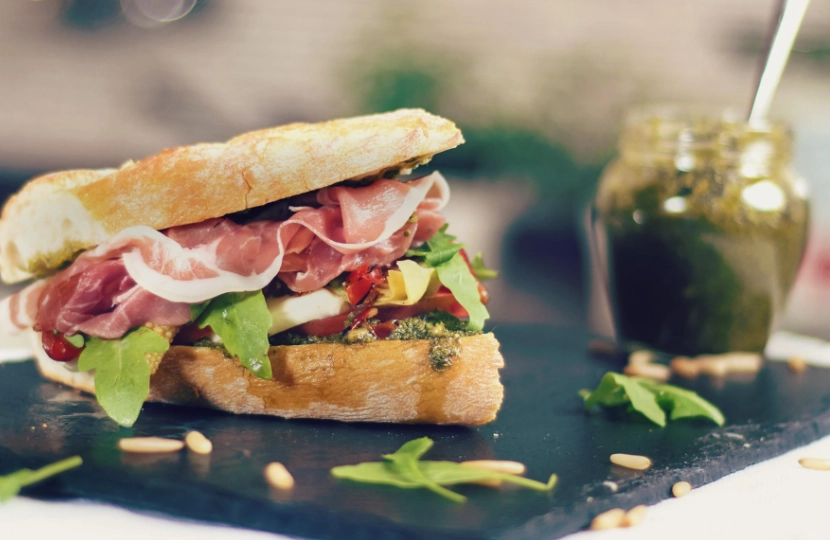
The Foundation: It All Starts With The Bread
If your bread is wrong, nothing you do later will fix it. This is the hill I will die on. The bread is the structure, the vehicle, and a key flavor component. A flimsy, sweet, or overly soft bread will collapse under the weight and moisture of the fillings, turning your masterpiece into a mess.
For a classic Italian sandwich recipe, you want a bread with a sturdy crust and a soft, airy interior. The crust provides resistance and chew, while the inside soaks up the oils and vinegar without disintegrating.
Avoid pre-sliced sandwich bread at all costs. Also, be wary of ciabatta that looks like Swiss cheese – those huge air pockets are just traps for ingredients to fall out of. I made that mistake once and spent more time picking capers off my lap than eating.
What about size? A roll about 6 to 8 inches long is perfect for one generous sandwich. You'll split it, but not all the way through – leave a hinge on one side. This "book" style keeps everything contained much better than two separate slices.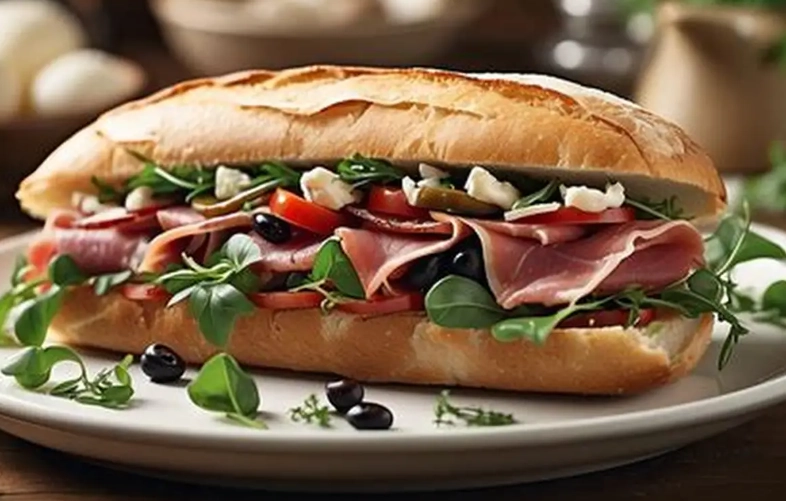
The Cast of Characters: Selecting Your Ingredients
Here's where the fun begins, and where quality truly shines. An authentic Italian sandwich recipe relies on a few key players. You don't need a dozen things; you need the right few, in the right balance.
Meats & Cheeses (The Salty Savory Stars)
Think of this as your protein duo. You typically want two: one meat and one cheese, or sometimes two meats. The key is variety in texture and saltiness.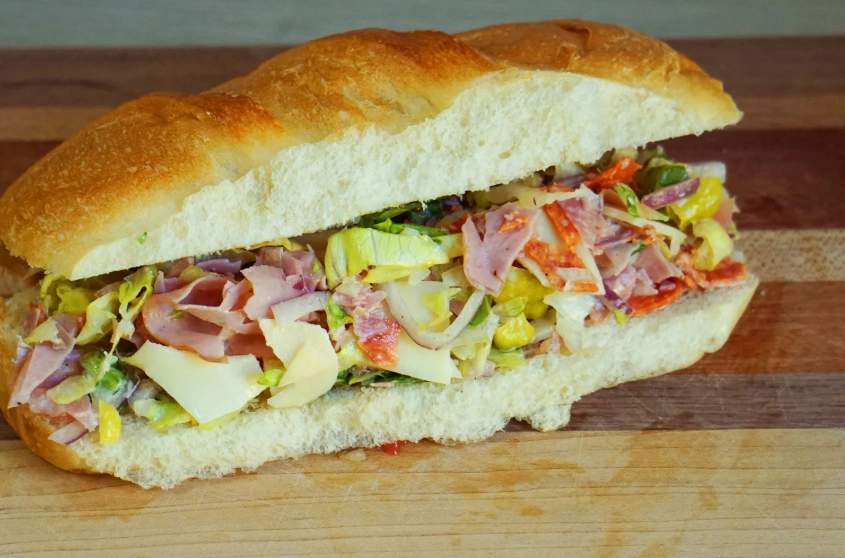
| Ingredient | Flavor Profile & Texture | Best Paired With |
|---|---|---|
| Prosciutto di Parma | Sweet, delicate, melt-in-your-mouth salty. Thinly sliced. | Fresh mozzarella, peppery arugula. |
| Soppressata | Coarse, garlicky, slightly spicy. A firmer salami. | Provolone, sharp greens. |
| Mortadella | Mild, finely ground with pistachios and peppercorns. Silky. | Anything! It's the ultimate team player. |
| Capocollo | Spicy or sweet, tender, and richly flavored. | Fontina cheese, roasted peppers. |
| Fresh Mozzarella | Milky, soft, and moist. Bursts with creaminess. | Tomato, basil, prosciutto. |
| Provolone | Sharp, tangy, and firm. Excellent for melting. | Any salami, spicy capocollo. |
| Fontina | Nutty, mild, and superb melting cheese. | Milder meats like mortadella. |
My personal favorite combo? Soppressata and provolone. The spicy, chewy meat against the sharp, slightly salty cheese is just unbeatable. But prosciutto and fresh mozzarella is a close second for its pure, clean flavors.
A note on sourcing: If you can, seek out imported Italian meats and cheeses with DOP certification (like Prosciutto di Parma). The difference in flavor is night and day compared to generic, domestic versions. The Consorzio del Prosciutto di Parma website is a great resource to understand what makes the real stuff special. For cheeses, looking for fior di latte or mozzarella di bufala can elevate your game.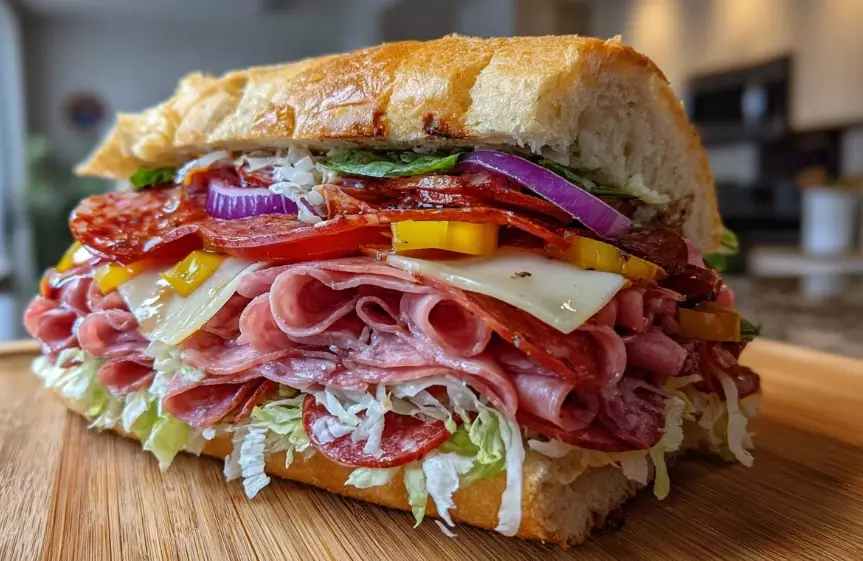
Vegetables & Condiments (The Fresh & Tangy Counterpoints)
This is what cuts through the richness and adds crunch and moisture. It's not just lettuce and tomato.
- Greens: Ditch the iceberg. Arugula (rocket) is your best friend. It's peppery, sturdy, and won't wilt into nothing immediately. Spinach or radicchio (for bitterness) are also great.
- Tomatoes: Only in season! A pale, winter tomato will waterlog your bread. In summer, use ripe, firm Roma or beefsteak tomatoes, sliced and lightly salted.
- Peppers: Roasted red peppers from a jar are a fantastic shortcut. They're sweet, tangy, and add a beautiful color.
- Onions: Thinly sliced red onion, soaked in ice water for 10 minutes to take the harsh edge off. A game-changer.
- Condiments: This is critical. No mayonnaise. I said it. A true Italian sandwich recipe uses high-quality extra virgin olive oil and red wine vinegar or balsamic glaze. Sometimes a smear of pesto or a tapenade. For a creamy element, a thin layer of butter or fresh ricotta can work wonders.
The Step-by-Step Assembly: Building Your Masterpiece
Okay, you've got your ingredients. Now, the order of operations is everything. This isn't a free-for-all. Layering strategically prevents sogginess and ensures every bite has a bit of everything.
- Prepare the Bread: Slice your roll lengthwise, leaving a hinge. If the interior is too doughy, you can gently pull out a little of the soft crumb to make more room – but don't go overboard.
- The First Defense (Fat Layer): Lightly drizzle the inside of both halves with extra virgin olive oil. You can also rub them with a cut garlic clove for extra punch. This creates a moisture barrier.
- Cheese First: Place your cheese slices directly on the bottom bread. If using a melting cheese like provolone or fontina, this layer will help it melt better when pressed.
- The Meats: Layer your meats over the cheese. Don't just plop them; fold or drape them loosely to create volume and texture. Flat, compressed layers are boring.
- The Vegetable Layer: Now add your greens, tomatoes, onions, peppers. The greens act as a further buffer between the wet veggies and the bread.
- The Acid & Final Seasoning: Just before closing, drizzle your vegetables lightly with red wine vinegar. Add a pinch of salt and freshly cracked black pepper. Remember, the meats and cheese are already salty, so go easy.
- Close & Press: Close the sandwich. If you have a panini press, grill it for 4-5 minutes until the bread is crisp and the cheese is oozing. No press? Use a heavy skillet. Place the sandwich in a cold, non-stick skillet. Put another heavy skillet on top as a weight. Cook over medium-low heat for 3-4 minutes per side, pressing down occasionally.
The press is not optional for a true panino. It melds the flavors together, crisps the bread, and transforms the ingredients into a single, cohesive unit. The sound of that sizzle is pure joy.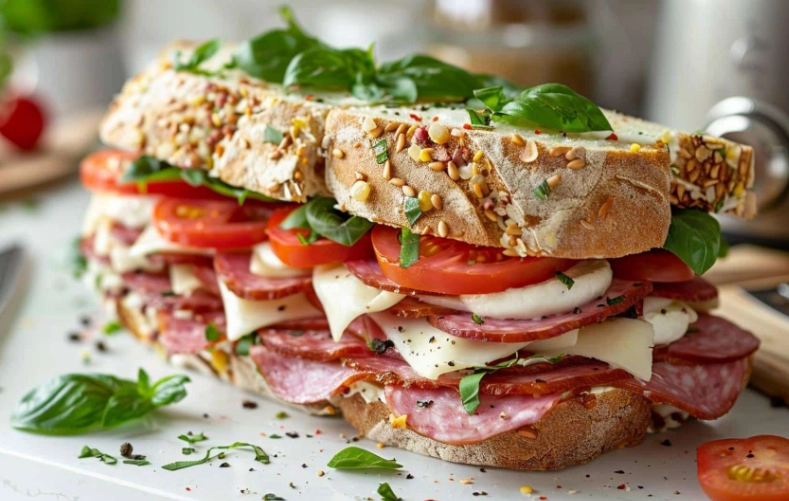
Beyond the Classic: Regional Twists on the Italian Sandwich
The basic formula is versatile. Once you've mastered it, you can explore famous regional variations. These aren't just different ingredient lists; they tell a story of local produce and traditions.
The Muffuletta (New Orleans' Italian Giant)
This monster hails from New Orleans' Italian communities. It's built on a large, round, sesame-studded loaf. The star is the olive salad – a chunky mix of green and black olives, celery, cauliflower, carrots, and spices in oil. It's layered with ham, salami, mortadella, provolone, and Swiss. The key is letting the whole assembled sandwich sit for an hour so the oil and flavors soak gloriously into the bread. It's messy, bold, and unforgettable.
The Porchetta Sandwich (Lazio's Gift)
Simplicity at its finest. It's all about slow-roasted, herb-stuffed pork (porchetta) with incredibly crispy skin, piled onto a rustic roll. Often, it's just the meat, maybe a drizzle of its own juices, and sometimes a spoonful of salsa verde (green sauce). The contrast of the tender, fatty meat and the shattering crackling is textural heaven. You can find amazing recipes and the history of this dish from sources like Great Italian Chefs.
The Tramezzino (The Elegant Tea Sandwich)
For something completely different, the tramezzino is a crustless, soft white bread sandwich, often triangular, with the fillings mashed into a creamy spread. Think tuna and mayo, egg salad, or ham and mushroom. It's a far cry from the crusty panino but a beloved part of Italian cafe culture. I find them a bit too soft for my taste, but they're perfect with an afternoon espresso.
See? The world of the Italian sandwich recipe is vast. It can be a hearty, pressed panino, a dripping muffuletta, or a refined tramezzino.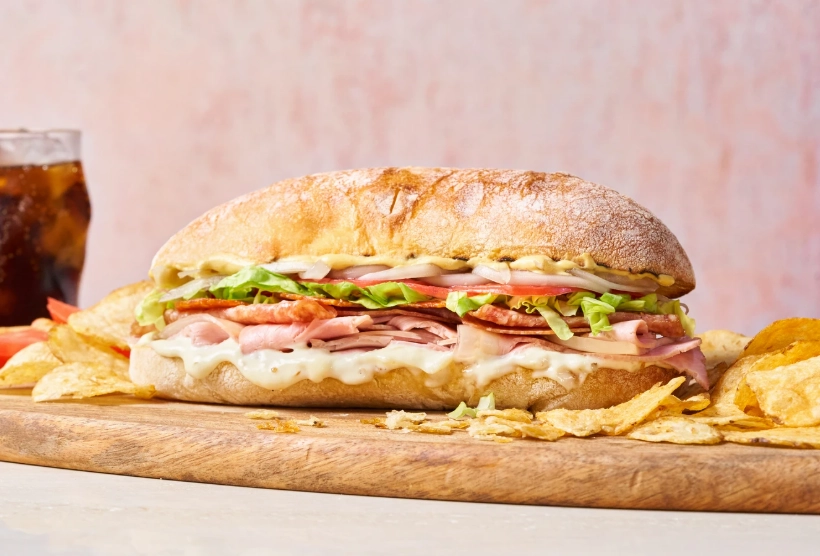
Your Questions, Answered (The FAQ)
Final Thoughts: It's About Quality, Not Quantity
After all this, the biggest takeaway for your Italian sandwich recipe should be this: buy the best ingredients you can afford, even if it means using fewer of them. A sandwich with two slices of incredible prosciutto and one piece of real mozzarella will always beat a mountain of mediocre cold cuts and rubbery cheese.
It's a forgiving process. Don't stress about perfection. Taste as you go. Prefer more vinegar? Add it. Love a spicy kick? Add some hot peppers or a spread of 'nduja. The framework is here to guide you, not restrict you.
The real secret? There isn't one.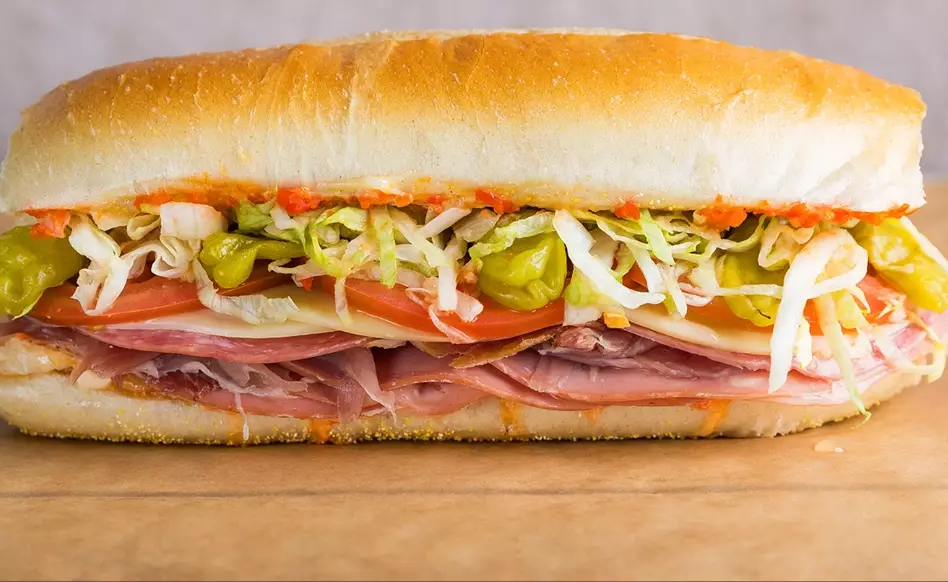
It's just good food, treated with a little respect. Now go find some crusty bread, tear open a package of soppressata, and get building. Your new favorite lunch is waiting.
Related Articles
Traditional Italian Holiday Dinner Recipes: A Complete Guide to a Festive Feast

Simple Italian Cocktail Recipes: Easy Classics & Modern Twists
Simple Italian Sausage Dinners: Quick Recipes for Busy Nights
Authentic Italian Vegetarian Recipes: Classics Made Simple & Delicious

Ultimate Italian Margarita Recipe: How to Make the Perfect Amaretto Sour Twist
Italian Shrimp Recipes: From Classic Scampi to Modern Dishes
Authentic Italian Cuisine Recipes: From Classics to Regional Secrets
Ultimate Italian Beef Crock Pot Recipe: Tender & Juicy
Traditional Italian Pasta Sauces: A Complete Guide to the Classics
Authentic Italian Recipes: Secrets from a Roman Kitchen
4 Famous Italian Pastas: Types, History & Cooking Guide
Authentic Italian Pizzelle Recipe with Anise: A Family Tradition
Simple Italian Vegetarian Recipes: 5 Easy Dishes for Weeknights

Sudden bad news! A-shares plunged, Hong Kong stocks fell more than 2%, and there
Top 10 Italian Dishes You Must Try: Authentic Flavors Explained
What Are the Most Popular Italian Appetizers? A Complete Guide to Antipasti
A Complete Guide to the Traditional Southern Italian Christmas Dinner Feast

Tesla VS BYD: A new wave of insurance for electric car giants
What to Bring to an Italian Dinner Party: The Ultimate Guest's Guide

Sudden good news! The RMB surged 300 points, 4,100 A-shares rose, and banks that
Hearty Italian Sausage Soup Recipe: Easy & Flavorful Comfort Food
Authentic Italian Cookie Recipes: From Biscotti to Amaretti
Italian Sausage Dinner Recipes: Easy, Flavorful Family Meals
Authentic Italian Sausage Recipe: Tips from a Butcher

Sausage Dinner Ideas: What Meals Can I Make with Sausages?
Creative Pizzelle Recipe Variations: From Classic Anise to Chocolate & More
Easiest Italian Food to Make: 5 Simple Recipes for Beginners
Authentic Italian Pizza Dough Recipe: A Step-by-Step Guide
Traditional Northern Italian Recipes: Authentic Dishes & Cooking Secrets
Leave a Comment