Authentic Italian Lasagna Recipe: The Ultimate Guide to Homemade Perfection
Quick Guide
- The Soul of the Dish: Understanding Ragù alla Bolognese
- The Other Key Players: Besciamella and Pasta
- The Cheese Equation: More Than Just Mozzarella
- The Grand Assembly: Layering Like a Pro
- Baking, Resting, and Serving: The Final Acts
- Answering Your Lasagna Questions (The FAQ I Wish I Had)
- My Personal Tweaks and Lessons Learned
Let's be honest. We've all had that sad, soggy, or bland version of lasagna that makes you wonder why you bothered. I certainly have. My first attempt, years ago, was a disaster – the noodles turned to mush, the sauce was watery, and the whole thing just slumped onto the plate. It was the opposite of the rich, layered, comforting masterpiece I remembered from a tiny trattoria in Bologna.
That experience kicked off a bit of an obsession. I talked to friends' Italian nonnas (well, one friend's nonna who was very patient with me), read old cookbooks, and made more pans of lasagna than I care to admit. Some were good, some were just okay, and a few were truly spectacular. This guide is the culmination of all those trials, errors, and eventual triumphs. It's not just an Italian lasagna recipe; it's the blueprint for understanding why each step matters. We're going deep.
Because a great lasagna isn't just thrown together. It's built.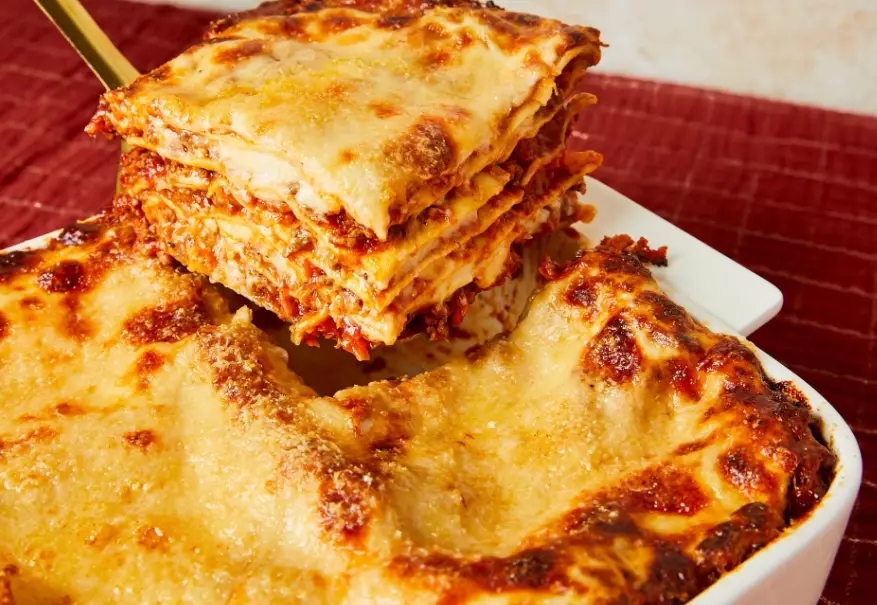
The Soul of the Dish: Understanding Ragù alla Bolognese
If your lasagna lacks depth, the sauce is almost always the culprit. In central and northern Italy, particularly in its spiritual home of Emilia-Romagna, the meat sauce in a classic Italian lasagna recipe is a proper Ragù alla Bolognese. It's not just ground beef in tomato sauce. It's a slow-cooked symphony of meat, soffritto, wine, and milk.
Yes, milk. That’s the secret weapon most American recipes skip. The milk, added before the wine and tomatoes, helps tenderize the meat and rounds out the acidity. It sounds weird, but it works. The official recipe for "Ragù alla Bolognese" is even deposited with the Bologna Chamber of Commerce, which tells you how seriously they take it. While their official version is a specific guideline, home cooks have their own variations.
My version is a hybrid of that official wisdom and what I find works best in a baked pasta. You want a sauce that's thick, rich, and clings to the pasta, not a runny soup.
Building Your Ragù: A Step-by-Step Foundation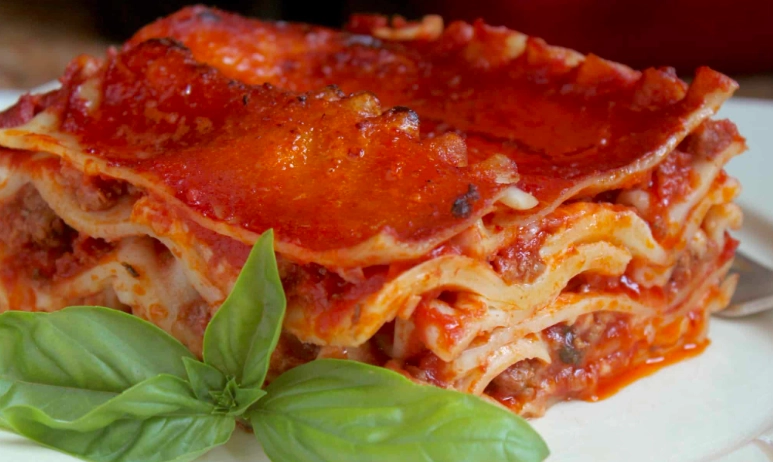
Here’s where patience pays off. You can't rush this.
- The Soffritto: Finely dice one large onion, two carrots, and two celery stalks. This holy trinity is the flavor base. Cook them gently in a mix of olive oil and a knob of butter until they're soft and sweet, not browned. This can take 10-15 minutes. Rushing this step means raw vegetable crunch in your final sauce – not good.
- The Meat: I use a combination. 1 pound of ground beef (not super lean, you need some fat) and ½ pound of ground pork. The pork adds a wonderful sweetness and fattiness. Add it to the soffritto and break it up well. Cook until it loses its raw pink color.
- The Magic Liquids: Pour in about 1 cup of whole milk. Let it simmer and bubble away until it's almost completely absorbed. Then add 1 cup of a dry white wine (like Pinot Grigio) or a light red (like Chianti). Let that reduce until the pan looks almost dry again. This double reduction is key for concentrating flavor.
- The Tomatoes: Add one 28-oz can of good-quality crushed San Marzano tomatoes and about ½ cup of water (swirl it in the tomato can to get all the goodness). Season with salt and a good pinch of freshly grated nutmeg. Nutmeg is classic and brilliant here.
- The Simmer: Bring it to the barest whisper of a simmer. Partially cover the pot. Let it go for at least 2 hours, stirring occasionally. Three is even better. You're looking for a thick, cohesive sauce where the oil separates slightly on the surface. Taste and adjust salt at the end.
This makes more than you need for one lasagna. Freeze half for an incredible pasta dinner next week. Trust me.
"The difference between a good ragù and a great one is measured in hours, not minutes." – A lesson from a very patient Italian home cook.
The Other Key Players: Besciamella and Pasta
While the ragù is the star, the supporting cast can't be understudies.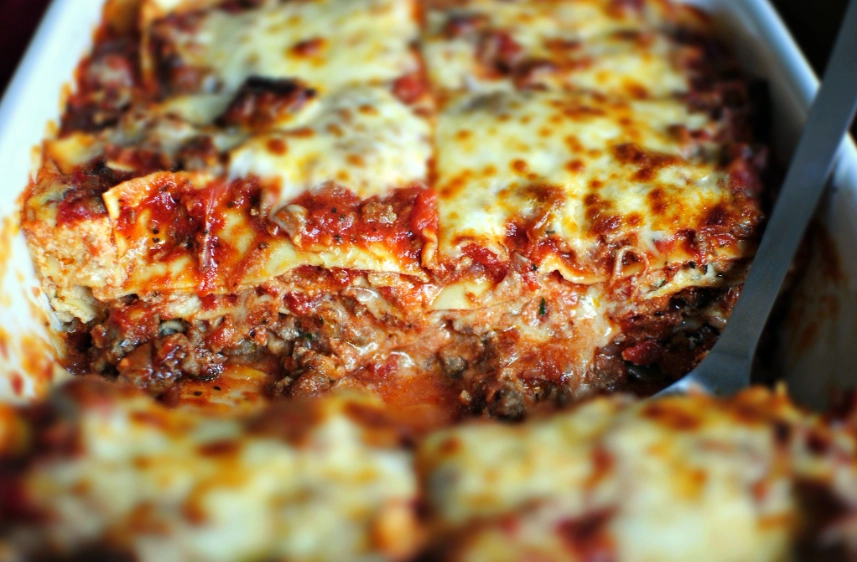
Besciamella (Béchamel Sauce): The Unsung Hero
Ricotta-based lasagna has its place (hello, American-style!), but for a truly authentic Italian lasagna recipe, besciamella is non-negotiable. It creates a creamy, luxurious layer that binds everything together and provides a beautiful contrast to the robust ragù.
Many people are scared of making a white sauce. Don't be. It's simple: equal parts fat and flour cooked into a paste (a roux), then milk whisked in. The trick is to cook the flour taste out in the roux stage (about 2 minutes of stirring) and to add warm milk gradually to avoid lumps. I infuse my milk with a bay leaf and a slice of onion while heating it, which adds a subtle background note. Season it well with salt, white pepper, and a hint of nutmeg. You want it thick enough to coat the back of a spoon – it will thicken more in the oven.
The Pasta Sheets: To Boil or Not to Boil?
This is a hot debate. Traditional fresh egg pasta sheets often need a quick blanch. But for most home cooks, the no-boil (or "oven-ready") dried lasagna noodles are a godsend.
Here's my take: if you have access to fresh lasagna sheets, use them. They're fantastic. Blanch them for just 30 seconds in boiling salted water, then lay them on kitchen towels.
For the rest of us, high-quality no-boil lasagna noodles work perfectly. The key is to ensure there's enough liquid in your assembly. The ragù and besciamella provide that moisture, which the pasta absorbs as it bakes, becoming perfectly al dente. Just make sure every bit of pasta is in contact with sauce. No dry patches.
I've had great results with brands like De Cecco or Barilla's no-boil. Avoid the super cheap, super thin ones; they can turn to cardboard.
The Cheese Equation: More Than Just Mozzarella
Cheese is the glorious glue. But it's not a free-for-all.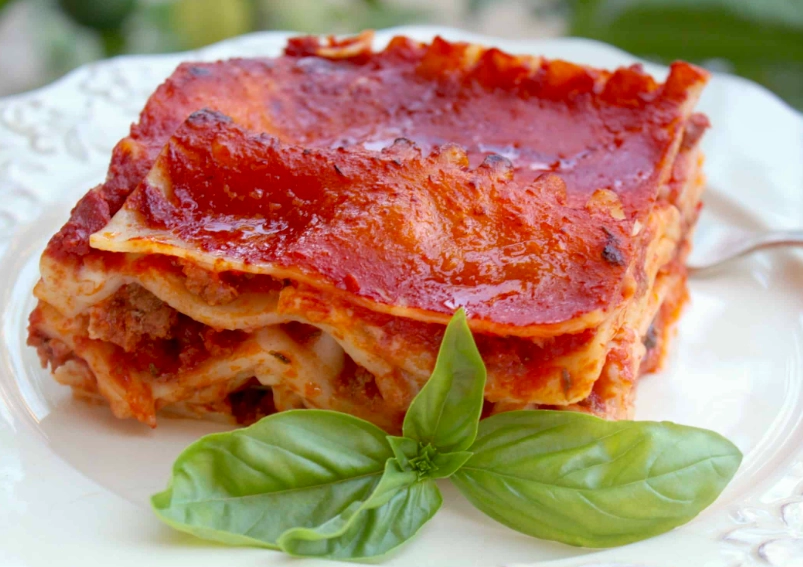
| Cheese | Role in Lasagna | Tips & Quality Notes |
|---|---|---|
| Parmigiano-Reggiano | The flavor king. Adds salty, nutty, umami depth. Used in the besciamella and sprinkled between layers. | This is non-negotiable. Buy a block and grate it yourself. The pre-grated stuff in tubs has anti-caking agents that make it dry and flavorless. The Consorzio del Formaggio Parmigiano-Reggiano website is a great resource to understand this protected product. |
| Pecorino Romano | A sharper, saltier, sheep's milk alternative or complement to Parmigiano. | Use it sparingly, mixed with Parmigiano, for a more complex salty punch. Can be overpowering on its own. |
| Low-Moisture Mozzarella | Provides the iconic stretchy, gooey cheese pulls. Melts beautifully. | Buy it in a block and shred it yourself. Pre-shredded mozzarella is coated to prevent clumping, which also prevents it from melting smoothly. You'll get a greasier, less cohesive melt. |
| Fresh Mozzarella (Fior di Latte) | Creates creamy, milky pockets. Higher moisture content. | Drain it well and pat it dry. Tear it into pieces rather than shredding. It can release more water, so use it in combination with the low-moisture type. |
My personal blend? A mountain of freshly grated Parmigiano-Reggiano (I'm talking a good 2 cups total) and about 1 pound of low-moisture mozzarella that I shred myself. It's simple and perfect.
The Grand Assembly: Layering Like a Pro
This is the fun part, and where a lot of structural mistakes happen. The order matters.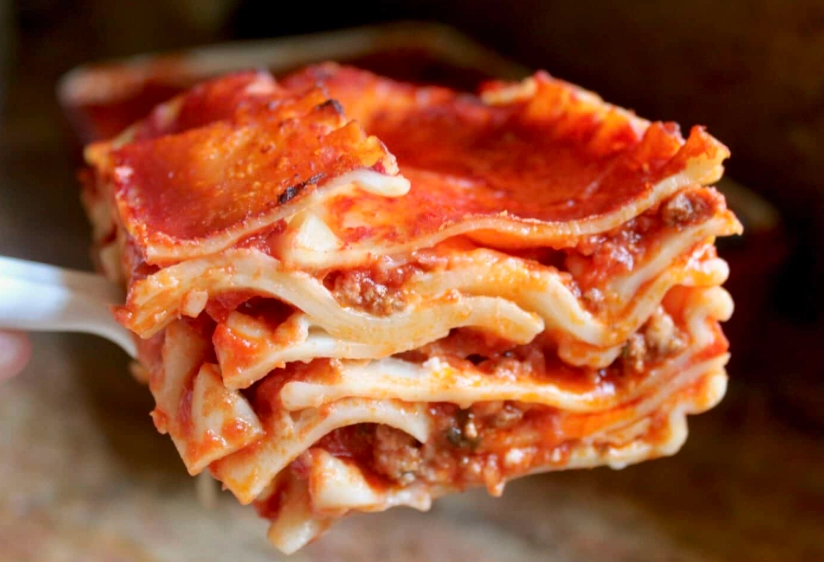
- Base Layer: Spread a thin layer of ragù on the very bottom. This prevents the first pasta sheet from sticking and potentially burning.
- Pasta: Place your first layer of noodles. Overlap them slightly if needed.
- Ragù: Spread a generous, but not overwhelming, layer of meat sauce over the pasta. Use the back of your spoon to get it into the corners.
- Besciamella: Dollop several spoons of besciamella over the ragù and spread it gently. It doesn't need to be a perfect, sealed layer. It will meld as it bakes.
- Cheese: Sprinkle a hearty handful of the Parmigiano and mozzarella mix over the besciamella.
Repeat: Pasta, Ragù, Besciamella, Cheese. You want 4 to 5 layers of pasta total. The top layer should be: Pasta, then a final, thinner coating of besciamella, and a heavy blanket of your cheeses. This creates that gorgeous, golden-brown, crispy cheese crust that everyone fights over.
Baking, Resting, and Serving: The Final Acts
Preheat your oven to 375°F (190°C). Cover the lasagna tightly with aluminum foil (tented slightly so it doesn't touch the cheese). Bake for 30 minutes. This steams the pasta and heats everything through without burning the top.
Then, remove the foil. Increase the oven temperature to 400°F (200°C). Bake for another 20-30 minutes, until the top is spectacularly bubbly and spotted with deep golden brown.
Now, the hardest part. You MUST let it rest. Take it out of the oven and let it sit on the counter for at least 20-25 minutes before you even think about cutting into it. This allows the layers to set. If you cut it hot, it will ooze everywhere and the slices won't hold their shape. It will still be piping hot inside after this rest, I promise. This waiting period is the true test of willpower.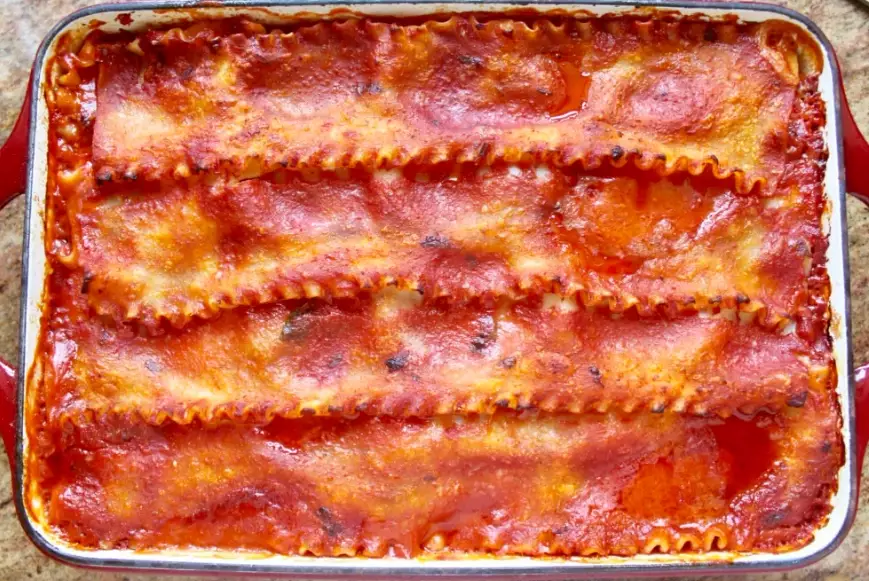
Answering Your Lasagna Questions (The FAQ I Wish I Had)
Over the years, I've gotten the same questions from friends I've taught this Italian lasagna recipe to. Here are the big ones.
Can I make lasagna ahead of time?
Absolutely. It's actually one of the best make-ahead dishes. You have two options: 1) Assemble it completely, cover tightly, and refrigerate for up to 2 days. When baking, add 10-15 minutes to the covered baking time since it's starting cold. 2) Bake it fully, let it cool, cover, and refrigerate. Reheat individual portions in the microwave or the whole pan, covered, in a 350°F oven until warmed through.
Can I freeze lasagna?
Yes, brilliantly. For best results, freeze it before baking. Assemble in a foil baking dish, wrap it tightly in several layers of plastic wrap and then foil. It will keep for 3 months. To cook, thaw it in the fridge overnight, then bake as directed (adding a little extra time). You can freeze baked lasagna too, but the texture of the pasta can become slightly softer upon reheating.
Why is my lasagna watery/soupy?
The top three culprits: 1) Vegetables in the ragù released too much water. You didn't cook your soffritto long enough to evaporate their moisture. 2) Using fresh, high-moisture cheeses (like ricotta or fresh mozzarella) without compensating. Drain them extremely well. 3) Not letting it rest after baking. The resting time allows the starches to absorb excess liquid.
Is there a "white" or vegetarian Italian lasagna?
Yes! Lasagna Bianca or Lasagne con Funghi (with mushrooms) is a beloved variation. You skip the tomato-based ragù. A common filling is a mix of sautéed wild mushrooms (porcini are classic), spinach, and a rich besciamella. It's luxurious and different. The Academia Barilla site, a respected resource on Italian gastronomy, has excellent guides on these regional pasta variations.
What's the difference between Northern and Southern Italian lasagna recipes?
This is a great question that gets to the heart of Italy's regional cooking. The recipe described here is classic to the North (Emilia-Romagna), featuring ragù bolognese, besciamella, and egg pasta. In the South (like Naples), you're more likely to find lasagna made with ricotta mixed with eggs and herbs, layered with smaller meatballs or sausage, sliced hard-boiled eggs, and mozzarella. It's often taller and uses drier pasta. Both are authentic, just from different parts of a diverse culinary country.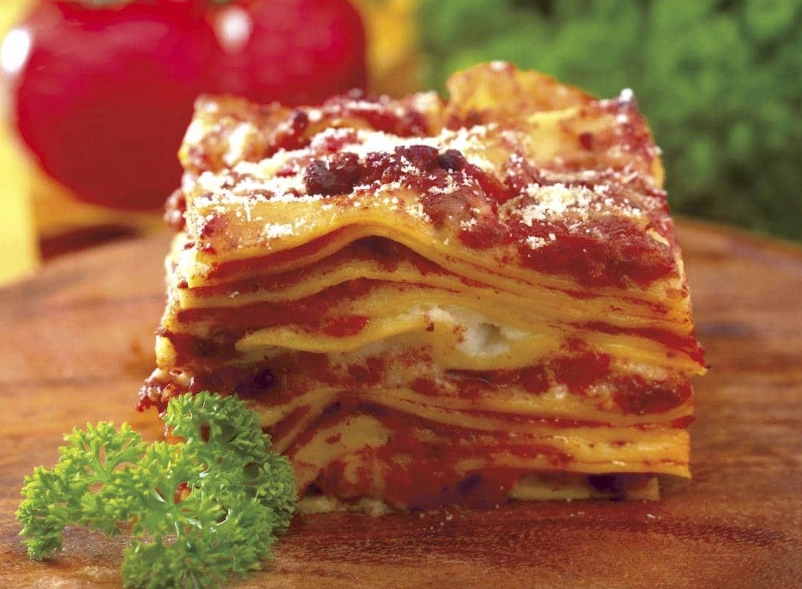
My Personal Tweaks and Lessons Learned
After all these years, I've settled into a rhythm. I always add a tiny pinch of ground clove to my ragù along with the nutmeg. It adds a warmth that's incredible. I also sometimes swap out ¼ of the pork for ground veal if I can find it, for an even more delicate meat flavor.
My biggest lesson? Don't stress about perfection. So what if a layer is a bit uneven? It all tastes the same. The first time I served this to my now-husband's family, I was a nervous wreck. I thought the top was a shade too dark. Nobody noticed. They just kept eating and asking for the recipe.
That's the real goal of this authentic Italian lasagna recipe. It's not about rigid rules. It's about understanding the principles so you can create something generous, delicious, and full of love. It's about the quiet pride of pulling that bubbling, cheesy, fragrant masterpiece out of the oven. It's about gathering people around the table.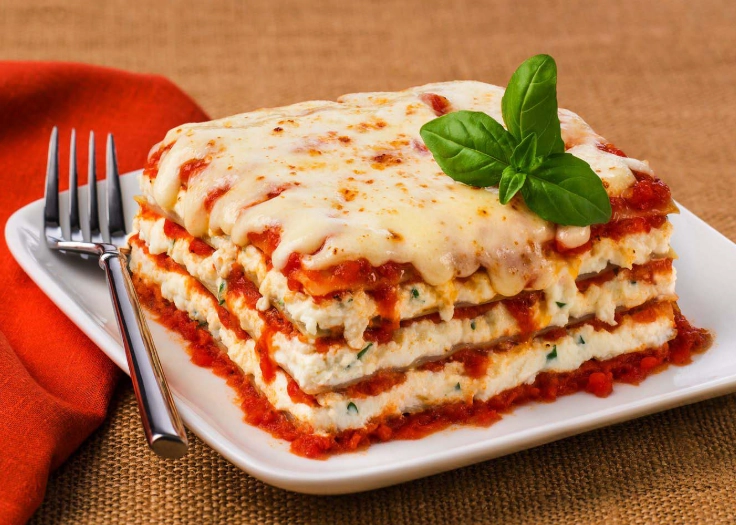
So go ahead. Get that big pot out. Put on some music. Embrace the slow simmer. And build yourself a lasagna worthy of the name.
Related Articles
Mastering Italian Fish Recipes: From Classic to Coastal

Why did China Resources take over Tasly?
Authentic Gremolata Recipe: The Simple Italian Condiment That Elevates Any Dish

Paris Notes 10: Visiting Galeries Lafayette, more than half of the "saleswomen"

Authentic Italian Dessert Recipes: From Tiramisu to Cannoli
Ultimate Vegetarian Pasta Recipes: Flavorful & Easy
Classic Italian Pasta Recipes: Authentic Dishes You Can Master
Pasta Italian Dressing Salad Recipes: The Ultimate Guide

With an increase of nearly 300%, the leader of "flying cars" took off, fearless

Amazon on the fire

The fourth wave of internationalization of global auto companies, how can China
Easy Italian Wedding Soup Recipe (Authentic Flavor, Simple Steps)
Authentic Italian Pizza Dough Recipe: A Step-by-Step Guide
Authentic Italian Meatballs Recipe: Nonna's Secret for Tender & Flavorful Polpette
Authentic Italian Dinner Recipes & Essential Secrets Explained
Authentic Italian Recipes: Your Ultimate Guide to Mastering Classics at Home
Authentic Italian Chicken Breast Recipes: Fast, Healthy & Flavorful Dinners
What to Bring to an Italian Dinner Party: The Ultimate Guest's Guide
Best Italian Regional Recipes: Top 5 Dishes to Master at Home
Authentic Italian Chicken Recipes: From Classics to Modern Twists
A Guide to Italy's Classic Dishes: Pasta, Pizza & More
Simple Italian Sausage Dinners: Quick Recipes for Busy Nights
Top 10 Pasta Dishes: Must-Try Italian Classics & Expert Tips
Traditional Italian Vegetarian Recipes: Classics Beyond Pasta
Cold Italian Appetizers: The Ultimate Guide to Antipasti & Finger Foods
Real Italian Salad Recipes: Authentic Classics & Modern Twists
Authentic Italian Stromboli Recipe: Easy Homemade Guide for Perfect Results
Easy Italian Baked Dishes Recipes: Effortless Family Dinners
Healthy Italian Vegetarian Recipes: Flavorful Main Dishes Made Easy
Leave a Comment