Authentic Spaghetti Carbonara Recipe: The Real Italian Method (No Cream!)
Quick Guide
- Where Did This Dish Even Come From?
- The Holy Quintet: Your 5-Ingredient Shopping List
- The Step-by-Step: Where Most Spaghetti Carbonara Recipes Go Wrong
- The Hall of Shame: Common Carbonara Crimes
- Okay, But What If I Can't Find Guanciale?
- Your Carbonara Questions, Answered
- Taking It to the Next Level: Pro Tips
- Why Bother with All These Rules?
Let's be honest. You've probably had a version of spaghetti carbonara that was okay. Maybe it was creamy, maybe it had peas and mushrooms, maybe it even had chicken. I get it. Restaurants do that all the time. But here's the thing – that dish, while possibly tasty, isn't carbonara. Not the real deal. It's like calling a hot dog a gourmet sausage. They're related, but they're not the same.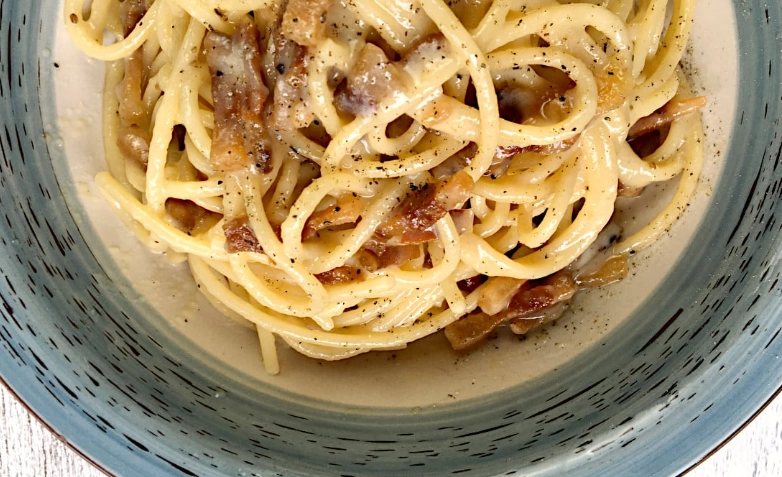
I learned this the hard way. My first attempt at a spaghetti carbonara italian recipe was a disaster. I used cream, because every recipe I found online said to. I added garlic, because why not? The result was a heavy, gloppy sauce that coated the pasta like a blanket. It was fine. But then I went to Rome. I sat in a little trattoria near the Pantheon and ordered carbonara. One bite and my whole understanding of pasta flipped upside down. It was light, almost frothy, incredibly savory, and clung to the spaghetti in a way that felt magical. No cream in sight. Just eggs, cheese, pork, and pepper. That's it.
So I came back, obsessed. I talked to Italian friends, read old cookbooks (not just blogs), and messed up a lot of pans of pasta. What I'm sharing with you isn't just another recipe. It's the method, the why behind each step, for the authentic spaghetti carbonara italian recipe. The one that would make a Roman nonna nod in approval (or at least not frown).
Let's kill the biggest myth right now: Authentic carbonara does not contain cream. Not a drop. The creaminess comes solely from emulsifying eggs and cheese with pasta water and hot pork fat. Adding cream is the cardinal sin, the line in the sand between the Roman classic and its countless imitations.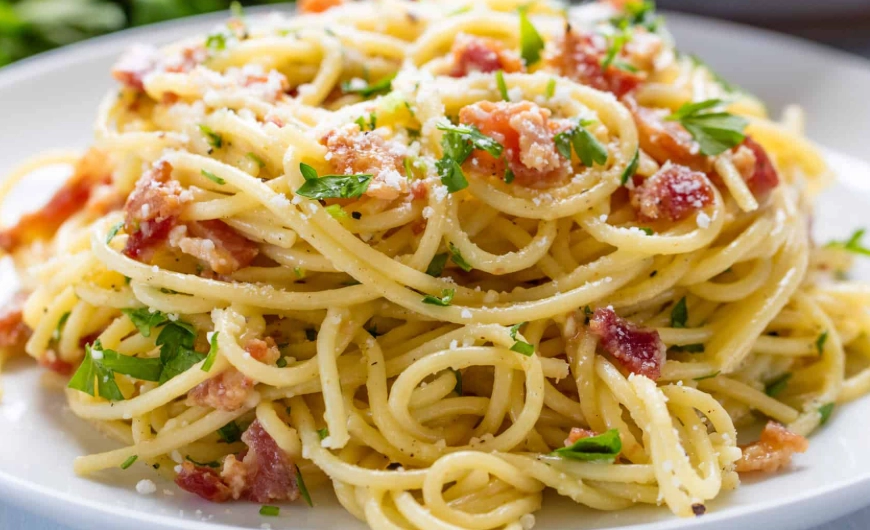
Where Did This Dish Even Come From? (Spoiler: It's Not What You Think)
You'll hear stories about carbonara being invented for coal miners ("carbone" means coal in Italian). It's a nice story. Romantic, even. But most food historians, like those referenced by the Academia Barilla, are pretty skeptical. There's no solid evidence. The more likely, less sexy theory is that it's a mid-20th century creation, born in Rome from the meeting of American military rations (eggs and bacon) and Italian pasta. Doesn't matter much for the taste, but it's fun to know.
The point is, it's a modern classic. Its beauty is in its simplicity and its specific geography. It's a Roman dish, through and through. Trying to make an authentic spaghetti carbonara recipe without respecting its Roman roots is like making a New York bagel without boiling it first. You'll get bread, but you won't get the bagel.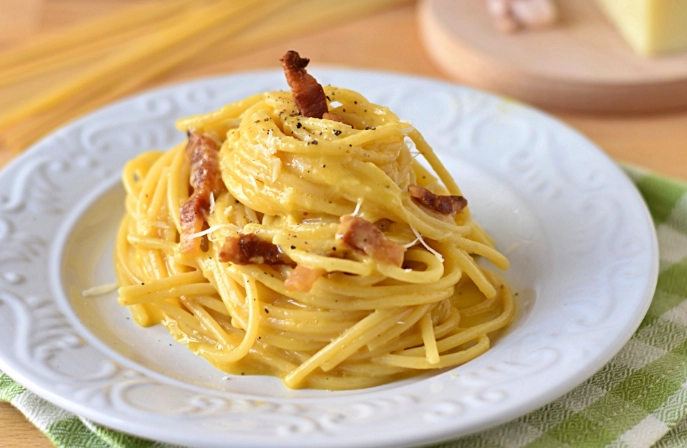
The Holy Quintet: Your 5-Ingredient Shopping List
This is non-negotiable. Great carbonara starts with great, correct ingredients. Swapping any of these changes the final flavor profile dramatically.
Think of it like building a house. You can't build a sturdy brick house with cardboard. These ingredients are your bricks.
1. The Pork: Guanciale is King, Pancetta is Queen, Bacon is... the Jester.
This is the hill I will die on. Guanciale is cured pork jowl. It's fattier, more flavorful, and has a more interesting texture than pancetta (pork belly). When rendered, its fat is silky and fragrant, forming the base of the entire sauce. It's what gives a true carbonara its distinctive, irreplaceable flavor.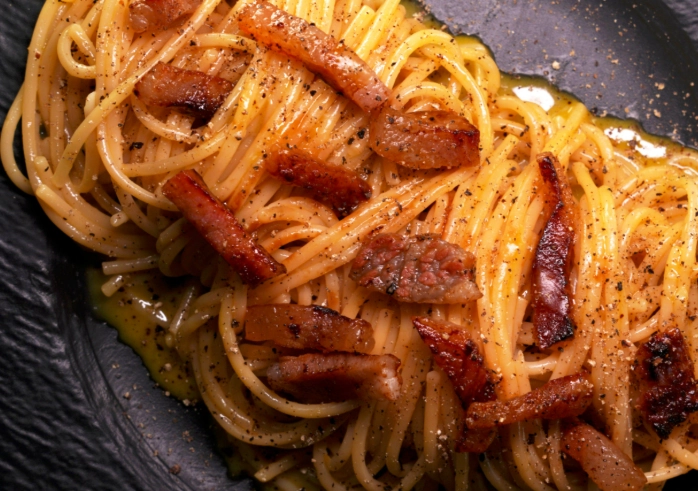
Can't find guanciale? Pancetta (the unsmoked, cubed kind, not the sliced kind) is an acceptable substitute. It's still Italian, still pork belly, and it works.
Bacon? Please don't. American bacon is smoked and often sweetened. It will make your carbonara taste like a smoky, sweet American breakfast, not a Roman pasta. If it's all you have, blanch it in boiling water for a minute first to remove some of the smokiness. But really, try to find guanciale. Many specialty stores or online Italian grocers like Gustiamo carry it. The Italian Ministry of Agricultural, Food and Forestry Policies even recognizes its importance in traditional cuisine.
2. The Cheese: Pecorino Romano. Full Stop.
Not Parmigiano. Not a blend. Pecorino Romano. It's made from sheep's milk, it's saltier, sharper, and tangier than cow's milk Parmesan. This saltiness and punch are crucial for balancing the rich fat of the guanciale. Using Parmesan makes a milder, less characteristic sauce. Some Romans use a 50/50 mix of Pecorino and Parmigiano, which is a decent compromise if you find pure Pecorino too strong. But for the authentic taste, lean heavily on the Pecorino.
3. The Eggs: Fresh, High-Quality, Room Temperature.
The fresher the better. You're not fully cooking the eggs; you're tempering them into a sauce. The quality of the egg directly impacts the color and richness of your sauce. Use room temperature eggs so they blend smoothly without shocking with the heat. For 4 servings, the classic ratio is 1 whole egg + 1 extra yolk per person. The extra yolks add richness and stability.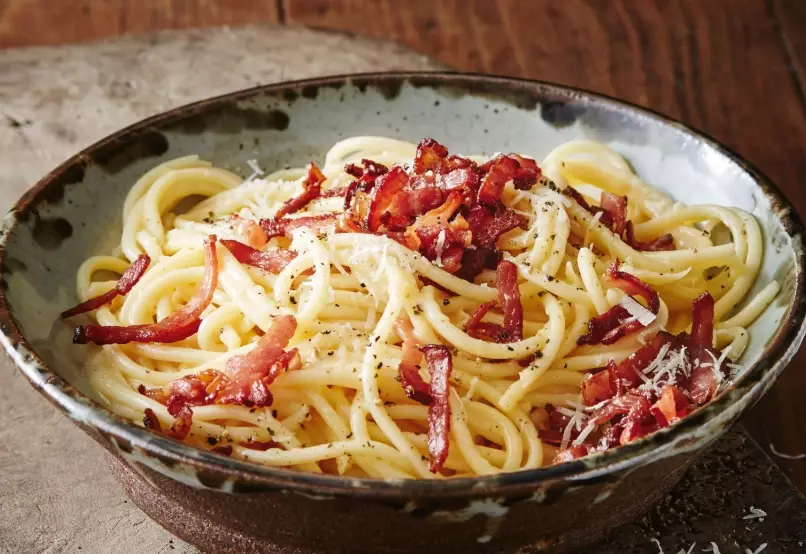
4. The Pepper: Coarsely Ground Black Pepper.
Not an afterthought. Pepper is a main ingredient, not just a seasoning. You toast it in the rendered guanciale fat to unlock its aromatic oils. Use a pepper mill and grind it coarse. Pre-ground pepper is dust. You need the little crunchy bits.
5. The Pasta: Spaghetti or Rigatoni.
Spaghetti is the classic. Its long shape is perfect for twirling and coating. Rigatoni is also very Roman—the ridges hold the sauce beautifully. Use a good quality, bronze-die extruded pasta. It has a rougher surface that grabs sauce like nobody's business. De Cecco or Rustichella d'Abruzzo are widely available good brands.
See? Just five things. But each one matters.
The Step-by-Step: Where Most Spaghetti Carbonara Recipes Go Wrong
Okay, you've got your ingredients. Now the dance begins. The process is fast and requires your full attention. No multitasking. This isn't a simmer-for-an-hour sauce.
- Prep is Everything. Cube your guanciale into 1/2-inch lardons. Grate your Pecorino finely. Separate your eggs—put all yolks and whole eggs into a medium bowl. Add all the grated cheese and a massive amount of coarse black pepper to the eggs. Mix it into a thick, grainy paste. No liquid yet. This is your sauce base. Set it aside near the stove.
- Cook the Pork. In a large, cold skillet (steel or cast iron works well), add the cubed guanciale. Turn the heat to medium. You want to render the fat slowly, letting the pieces become golden and crisp, but not burnt or hard. This should take 8-10 minutes. Once crisp, turn off the heat. Leave the guanciale and all that glorious fat in the pan.
- Cook the Pasta. In a large pot of well-salted water (it should taste like the sea), cook your spaghetti. You want it al dente—firm to the bite. About 1-2 minutes less than the package says. Why? It's going to cook a bit more in the pan.
- The Critical Moment. Right before the pasta is done, take a coffee mug and scoop out about 1 cup of the starchy pasta water. Now, using tongs, transfer the spaghetti directly from the pot into the skillet with the guanciale and fat. Don't drain it in a colander! You want some water to come with it. This is key. Toss the pasta vigorously in the fat for a minute. The residual heat from the pan and the pasta will start to emulsify everything.
- Create the Sauce. Take the skillet off the heat entirely. Let it cool for 30 seconds. You don't want to scramble the eggs. Now, slowly drizzle a few tablespoons of the reserved hot pasta water into your egg/cheese paste to temper it and thin it slightly. Then, pour this mixture over the pasta in the skillet. Working quickly, toss and stir like crazy, adding more pasta water a splash at a time until you get a creamy, glossy sauce that coats every strand. It shouldn't be a pool at the bottom of the pan; it should cling. The heat from the pasta and the hot water will cook the eggs safely into a silky sauce.
- Serve Immediately. No waiting. Plate it up, add another crack of pepper and maybe a light dusting of Pecorino. That's it.
The biggest fear people have is scrambling the eggs. I get it. I've made carbonara omelets before. The trick is taking the pan OFF the heat before adding the egg mixture. The residual heat is enough. If your sauce looks too thin, toss more. The agitation and starch will thicken it. If it's too thick, add more pasta water. Don't go back on the heat!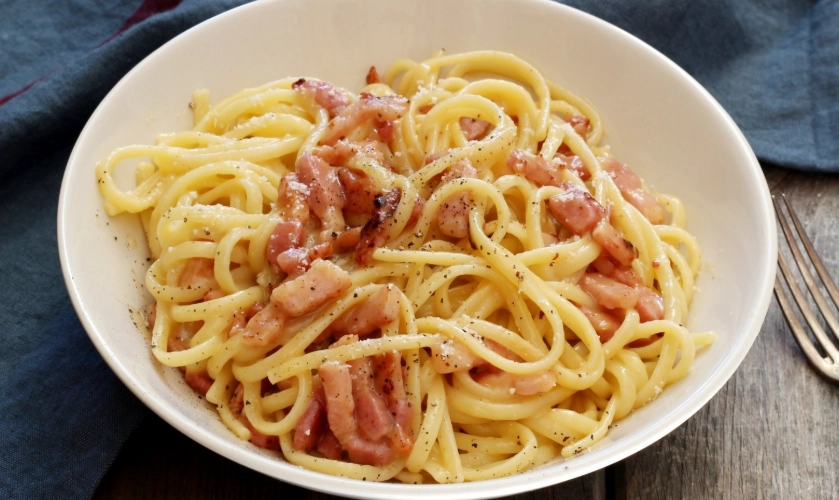
The Hall of Shame: Common Carbonara Crimes (And How to Avoid Them)
Let's look at where things go off the rails. This table sums up the big mistakes I see in so many spaghetti carbonara italian recipe variations.
| The Crime | What Happens | The Authentic Fix |
|---|---|---|
| Using Cream or Milk | Creates a heavy, bland, one-note sauce that masks the flavor of the guanciale and cheese. The dish loses its lightness. | Embrace the emulsion. The creaminess comes from eggs, cheese, fat, and pasta water alone. |
| Adding Garlic or Onions | Overpowers the delicate, savory balance of pork and cheese. Makes it taste like a generic garlic pasta. | Trust the core ingredients. The flavor comes from toasting pepper in pork fat. |
| Using Bacon or Ham | Introduces a smoky, often sweet flavor that is completely foreign to the Roman dish. | Source guanciale (or at least pancetta). It's the soul of the recipe. |
| Draining Pasta in a Colander | You lose the starchy water needed for the sauce and cool the pasta down too much. | Transfer pasta directly from pot to skillet with tongs. |
| Adding Egg Mixture to a Hot Skillet | You get scrambled eggs mixed with pasta. A textural disaster. | Always remove the pan from heat first. Let it cool for 30 seconds. |
| Letting It Sit Before Serving | The sauce congeals and becomes thick, gummy, and less appealing. | Carbonara waits for no one. Serve it the second it's sauced. |
See a pattern? Most mistakes come from not trusting the simple process. We feel the need to add, to tweak, to "improve." With carbonara, subtraction is the real improvement.
Okay, But What If I Can't Find Guanciale?
This is the most common real-world problem. You're not in Rome. Your local supermarket has bacon and maybe pancetta if you're lucky. What do you do?
First, look harder. Check Italian delis, high-end grocers, or online. If you truly can't find it, use the best quality, unsmoked pancetta you can find. Cut it into cubes yourself. The flavor will be different—milder, less funky—but it will still be delicious and in the spirit of the dish.
If you're stuck with bacon, here's my compromise method: Use a 50/50 mix of bacon and pancetta if possible. Blanch the bacon in boiling water for 1-2 minutes to wash off some smoke and sugar. Pat it dry, then cube and cook it. It's not perfect, but it's a salvage operation for a weeknight. Just don't call it "authentic." Call it "carbonara-inspired."
The goal is to get as close as you can with what you have, while knowing what the true target is.
Your Carbonara Questions, Answered (The Stuff You Actually Google)
Taking It to the Next Level: Pro Tips from Roman Kitchens
Once you've mastered the basic authentic spaghetti carbonara recipe, you can play with finesse.
- Toast the Pepper Twice. Add half your coarse pepper to the guanciale fat at the very end of its cooking to bloom the flavor. Save the other half for the egg mixture.
- Warm Your Serving Bowls. This seems fussy, but it keeps the pasta hot longer, preventing the sauce from setting up too fast on the plate.
- Try Rigatoni. Seriously. The sauce gets trapped in the tubes, and you get a burst of flavor with every bite. It's a different, wonderful experience.
- Respect the Pasta Water. It's not just water; it's liquid starch gold. It's the glue that binds fat, cheese, and egg into a sauce. Salt your boiling water generously so this "glue" is also seasoned.
The Real Test: A perfect carbonara should leave no pool of sauce at the bottom of the plate when you're done. Every bit of the creamy emulsion should be clinging to the pasta. That's the sign of a great emulsion and proper technique.
Why Bother with All These Rules?
It's a fair question. Why not just throw cream and bacon in a pan and call it a day? Because the magic of this dish is in the transformation. Starting with five humble ingredients and, through a specific process, creating something greater than the sum of its parts. The silky, savory, peppery sauce that seems rich but isn't heavy. The contrast of crisp pork and creamy pasta.
Making the authentic version is a skill. It teaches you about emulsion, about timing, about respecting ingredients. It connects you to a specific place and its culinary identity. When you get it right, it's incredibly satisfying. It's the difference between making food and cooking.
So give this authentic spaghetti carbonara italian recipe a try. Follow the steps, use the right ingredients if you can, and don't be afraid to mess up the first time. I still do sometimes. But when you nail it, when you twirl that first perfect forkful of creamy, cheesy, porky spaghetti, you'll understand what all the fuss is about. And you'll never look at a cream-based carbonara the same way again.
Now go put a pot of water on to boil.
Related Articles
Minestrone Soup Recipe: An Italian Classic Made Simple
The Ultimate Italian Sandwich Recipe: A Step-by-Step Guide
Italian Submarine Sandwich Recipe: The Ultimate Guide to a Classic Hoagie
Italian Soup Recipe: Classic Minestrone & Hearty Ribollita Made Easy
Authentic Italian Cuisine Recipes: From Classics to Regional Secrets
Authentic Italian Meatballs Recipe: Nonna's Secret for Tender & Flavorful Polpette
Easy Italian Appetizers: Simple Recipes & Party Platters

Is Xiaomi Auto dumped?
Traditional Italian Holiday Dinner Recipes: A Complete Guide to a Festive Feast

Is it worth it for companies to sponsor the Olympics? | Finance looks at the Oly
Ultimate Italian Sliders Recipe: Party-Perfect and Irresistible

Unique Italian Cocktails: Beyond the Aperol Spritz
Authentic Italian Regional Recipes: A Guide to Italy's Best Local Dishes
Italian Pasta Salad Recipe: The Ultimate Guide for Perfect Results
Authentic Italian Tomato Sauce Recipe: Secrets from a Home Cook
Authentic Pasta Carbonara Recipe: Original Italian Method (No Cream!)

The RMB exchange rate against the US dollar rose to a high point this year
Authentic Italian Beef Recipe: Slow-Cooked Chicago-Style Sandwiches

Paris Notes 10: Visiting Galeries Lafayette, more than half of the "saleswomen"

Restarting private investment|"Caijing" special report
Easy Creamy Italian Dressing Recipe (Better Than Store-Bought)

Best Italian Cocktails: From Classic Negroni to Modern Aperitivo
Vegetarian Food Guide: What to Eat in Italy
Italian Shrimp Recipes: From Classic Scampi to Modern Dishes

Unique Italian Appetizers: Beyond Bruschetta & Meatballs
The Ultimate Homemade Italian Dressing Recipe (Easy & Authentic)
What Side Dishes to Serve with Sausage? 15 Perfect Pairings & Recipes
Authentic Italian Regional Recipes Guide: Cook from Source
Authentic Italian Chicken Cacciatore Recipe: A Hunter's Stew

Leave a Comment