Ultimate Guide to Homemade Italian Sausage Recipe (Sweet & Spicy)
Quick Navigation
- Gearing Up: What You'll Need Before You Start
- The Step-by-Step Process: From Pork Shoulder to Perfect Sausage
- Choosing Your Pork: A Quick Comparison
- Cooking Your Homemade Italian Sausage
- Storing and Freezing: Make a Big Batch!
- Frequently Asked Questions
- Taking It Further: Regional Twists and Ideas
- Final Thoughts: Just Try It
Let's be honest. You've bought those packs of "Italian sausage" from the grocery store. They're... fine. Sometimes they're too greasy. Sometimes the fennel taste hits you like a licorice bomb, and other times it's nowhere to be found. And what's with that vague, rubbery texture? It's never quite right, is it?
I got fed up with that inconsistency years ago. After a particularly disappointing pasta night (the sausages were bland and weepy), I decided to figure it out myself. What followed was a deep, sometimes messy, dive into the world of homemade sausage. And guess what? It's not some mystical art reserved for Italian nonnas with generations of secret knowledge. It's straightforward, incredibly satisfying, and once you get the basic Italian sausage recipe down, you can tweak it to be exactly how you like it.
This guide is everything I wish I had when I started. We're going to cover the whole journey, from picking the pork to stuffing the casings (or not stuffing them—that's an option too!). Whether you crave the mild, sweet notes of a classic sweet Italian sausage recipe or the kick of a spicy Italian sausage recipe, you'll find your path here.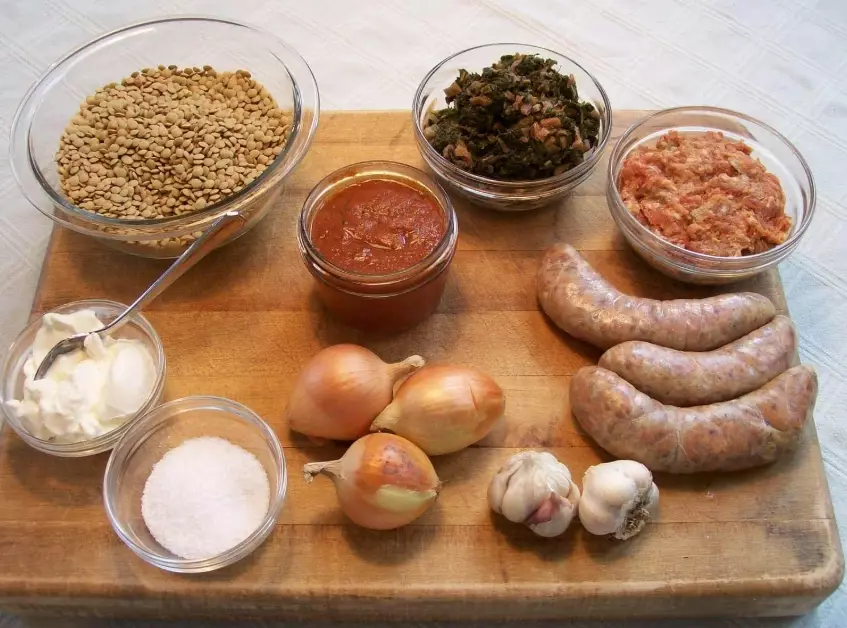
Why bother making your own? Control. You control the fat content, the quality of meat, the salt level, and the spice profile. No more mysterious "natural flavors" or excessive preservatives. Plus, the flavor of freshly ground, seasoned pork is in a completely different league.
Gearing Up: What You'll Need Before You Start
You don't need a professional kitchen. My first few batches were made with a moderately-priced kitchen stand mixer attachment. It worked perfectly.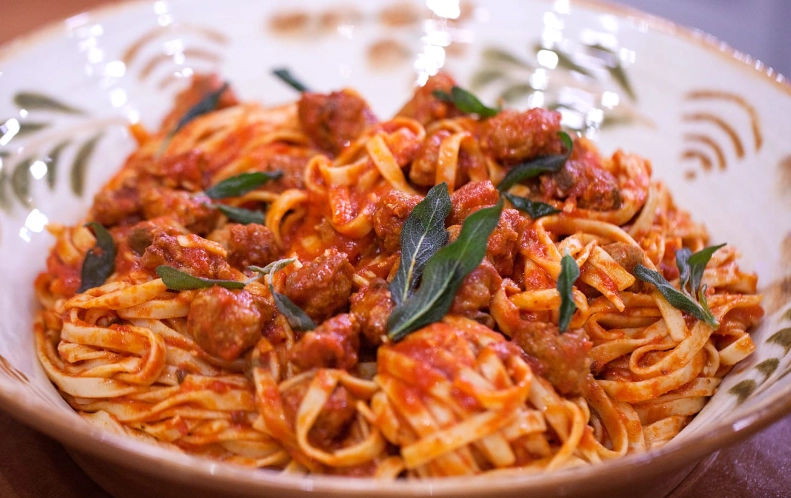
The Essential Equipment
- A Meat Grinder: A stand mixer attachment is great. A dedicated countertop grinder is even better if you plan to make a lot. You can even use a sturdy food processor in a pinch, though the texture will be less consistent.
- For Mixing: A large, cold bowl. I pop my metal mixing bowl in the freezer for 20 minutes before I start.
- For Stuffing (Optional): A sausage stuffer attachment for your grinder or a dedicated stuffer. If you're new, I suggest skipping casings for your first try and making patties or loose sausage meat. It's less fuss.
- Sharp Knife & Cutting Board: For trimming the meat.
- Instant-Read Thermometer: Non-negotiable for food safety when cooking.
- Parchment Paper & Baking Sheets: For laying out patties or links to set or freeze.
See? Nothing too crazy. The ingredients list is where the magic happens.
The Heart of the Matter: Ingredients for a Classic Italian Sausage Recipe
This is a blueprint. A foundation. The beauty of a homemade Italian sausage recipe is that you become the master of these proportions.
- Pork: This is key. Don't use lean pork. Sausage needs fat for flavor and juiciness. I aim for a 70% meat to 30% fat ratio. The best bet? Buy a pork shoulder (also called Boston butt). It's naturally marbled with the perfect amount of fat. You can trim a little if you want, but I rarely do. About 5 pounds is a good starting batch size.
- Salt: Kosher salt or fine sea salt. It's not just for taste; it's crucial for texture and binding the sausage. About 1.5% of the meat's weight is a good rule. For 5 lbs (about 2270g) of pork, that's roughly 34 grams (about 2 tablespoons + 2 teaspoons) of kosher salt.
- Spices (The Soul):
- Fennel Seeds: The signature. Toasting them in a dry pan for a minute until fragrant makes a world of difference. You can leave them whole for texture or crack/crush them slightly.
- Black Pepper: Freshly cracked, always.
- Paprika: Sweet paprika adds color and a subtle warmth.
- For Sweet Sausage: A touch of sugar (brown sugar is nice) and maybe some dried basil or oregano.
- For Hot Sausage: Crushed red pepper flakes. The amount is up to your pain tolerance!
- Liquid: A splash of dry white wine or ice-cold water. This helps distribute the spices and keeps the mixture from being too dense.
- Casings (Optional): Natural hog casings. You can find these online or at specialty butchers. They need to be rinsed and soaked before use. It's a bit of a process, but fun once you get the hang of it.
The Step-by-Step Process: From Pork Shoulder to Perfect Sausage
Step 1: Prep and Chill Everything
Cut your pork shoulder into 1-inch cubes. Spread them out on a parchment-lined baking sheet and pop them in the freezer for about 30-45 minutes. You want the meat and fat very cold (near freezing) but not solid. This is the single best tip for a clean grind. Grind warm meat, and you'll get a smeary, mushy paste. Not good. Put your grinder parts in the freezer too.
Step 2: Grind the Meat
Assemble your cold grinder. Use the medium plate (usually around 4.5mm or 3/16"). Feed the cold pork cubes through. Let the ground meat fall into your cold bowl. Work efficiently but don't rush. If the meat feels like it's warming up, stop and chill everything again.
Step 3: Season and Mix (The "Primary Bind")
Now, sprinkle all your spices and salt evenly over the ground meat. Add your splash of wine or ice water. Here's the important part: mix it. But don't just stir. You need to knead and fold the mixture for a good 2-3 minutes. You'll feel it change. It will become slightly sticky and cohesive—this is the myosin protein developing, which gives the sausage its proper bind and snappy texture. If you're making patties, you can mix a little less. For links, mix thoroughly.
My first time, I under-mixed. The sausages were crumbly when cooked. Lesson learned.
Step 4: The Taste Test (Do Not Skip!)
Pinch off a small patty of the mixture. Fry it in a pan until cooked through. Taste it. This is your only chance to adjust. Need more salt? More fennel? More heat? Add it now, mix again, and do another test fry. This step transforms you from a recipe follower to a sausage maker.
Step 5: Stuff or Shape
For Patties: Simply form into 3-inch patties, layer between parchment paper, and refrigerate or freeze.
For Links: Load your casings onto the stuffer horn. Feed the meat mixture through, trying to avoid air pockets. Twist into links. It takes practice—my first batch looked like a string of sad, lumpy balloons. They still tasted amazing.
Step 6: Rest
Whether patties or links, let them rest, uncovered, in the fridge for at least a few hours, preferably overnight.
This allows the flavors to marry and the texture to set. It makes a noticeable difference.
Choosing Your Pork: A Quick Comparison
Not all pork cuts are created equal for sausage. Here's a breakdown to help you decide.
| Pork Cut | Fat Ratio | Best For | Notes |
|---|---|---|---|
| Pork Shoulder (Boston Butt) | ~70/30 (Meat/Fat) | Everything. The gold standard. | Perfect marbling, great flavor, affordable. Requires some trimming of connective tissue. |
| Pork Belly | ~50/50 or richer | Blending with leaner cuts. | Too fatty alone. Mix with lean pork loin or lean shoulder trimmings to hit your target ratio. |
| Pork Loin | Very Lean (~90/10) | Not recommended alone. | Will produce dry, crumbly sausage. Only use if blending with a high-fat cut like belly. |
| Pre-Ground Pork | Varies (check label) | A quick, easy start. | Look for 80/20 or 70/30 blends. You lose control over cut quality, but it's a valid shortcut for beginners. |
Cooking Your Homemade Italian Sausage
You've made it. Now, how to cook it to perfection?
- Pan-Frying (Patties or Links): My go-to for a quick meal. Use medium heat. Don't crowd the pan. For links, add a splash of water and cover for the first 5-7 minutes to cook through, then uncover to brown. Cook to an internal temperature of 160°F (71°C). The USDA recommends this temperature for ground pork to ensure safety.
- Grilling: Perfect for links. Use indirect medium heat to cook through, then sear over direct heat for marks. Keep a spray bottle handy for flare-ups from dripping fat.
- Baking/Roasting: Great for cooking a large batch. Place on a rack over a baking sheet at 375°F (190°C) until 160°F internally. It's hands-off and less messy.
- Simmering in Sauce: A classic Italian method. Prick links a few times, brown them lightly, then let them simmer in your marinara sauce for 30-45 minutes. They infuse the sauce with flavor and become incredibly tender.
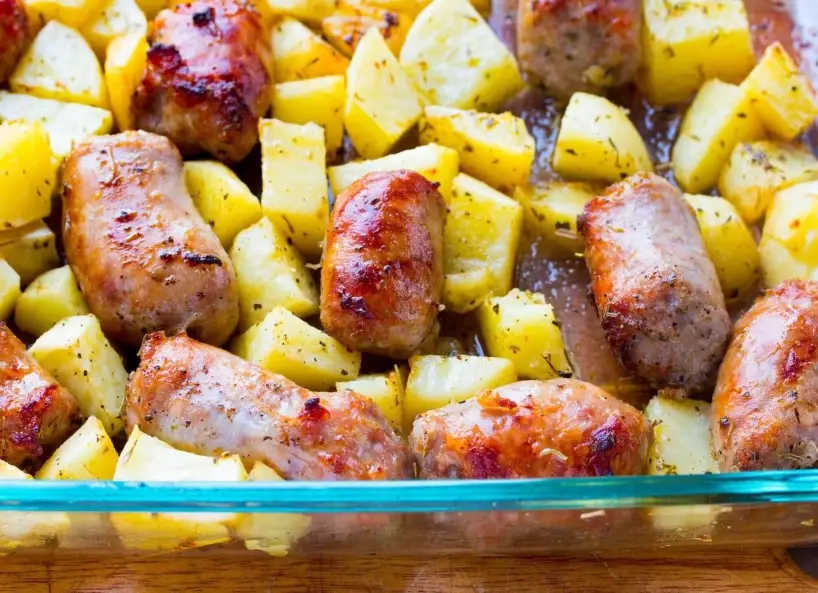
Food Safety Note: Always use a thermometer. Ground meat has more surface area exposed to potential bacteria. Cooking to the proper internal temperature of 160°F (71°C) is the only sure way to know it's safe. Don't guess.
Storing and Freezing: Make a Big Batch!
One of the best reasons to make your own Italian sausage recipe is batch cooking. It's barely more work to make 5 pounds than 2.
- Refrigeration: Fresh sausage (patty or link) will keep for 2-3 days in the fridge.
- Freezing for Long-Term: This is the way. Separate patties with parchment paper. For links, freeze them first on a tray ("flash freeze") so they don't stick together, then transfer to a freezer bag. Squeeze out as much air as possible. They'll be good for 2-3 months. For best quality, use a vacuum sealer.
- Thawing: Overnight in the fridge is best. For a quick thaw, seal the bag and submerge in cold water.
Frequently Asked Questions (Stuff I Googled When I Started)
Taking It Further: Regional Twists and Ideas
Once you master the basic authentic Italian sausage recipe, the world is yours. Italian sausage varies by region in Italy.
- Luganega: A long, coiled sausage from Northern Italy, often seasoned with cinnamon and nutmeg alongside fennel.
- Salsiccia di Norcia: From Umbria, known for its simple, pure flavors of just pork, salt, pepper, and sometimes a hint of garlic.
- Your Own Backyard Style: Add sun-dried tomatoes and mozzarella bits. Or maybe some chopped Calabrian chiles and a bit of orange zest. Experiment with a small batch.

My personal favorite twist is adding a tablespoon of good fennel pollen instead of some of the seeds. It's expensive, but the flavor is incredibly aromatic and floral. A special occasion tweak.
Final Thoughts: Just Try It
Look, the worst that can happen is you end up with some well-seasoned ground pork that you can use in a meat sauce or on a pizza. The best that can happen is you unlock a lifelong skill that elevates countless meals.
Start simple. Make patties. Nail the seasoning. Enjoy the profound difference that fresh, homemade food makes. That first bite of a sausage you made yourself, with the perfect crack of fennel and the juicy, savory pork... it's a game-changer.
It turns Tuesday night spaghetti into something special. And really, isn't that the whole point of cooking?
Ready to Explore More? For a deep dive into the history and traditional spice blends of Italian charcuterie, the Accademia Italiana della Gusto offers fascinating resources that connect the food to its cultural roots. It'll give you even more appreciation for that simple link in your pan.
Related Articles
Authentic Italian Cuisine Recipes: From Classics to Regional Secrets

What Are The Three Italian Cocktails? Negroni, Aperol Spritz, Americano
Authentic Italian Cream Cake Recipe: Moist, Nutty & Irresistible
Italian Meatloaf Recipe: The Ultimate Comfort Food Guide

Breaking through 1.2 billion kilowatts, China has achieved its commitment to win

Unique Italian Appetizers: Beyond Bruschetta & Meatballs
Master the Classics: The Best Italian Recipes You Need to Know
Ultimate Braciole Recipe: Authentic Italian Beef Rolls in Tomato Sauce

How to Assemble Italian Sliders: The Ultimate Guide for Perfect Party Food
Authentic Carbonara Recipe: Traditional Italian Pasta Without Cream
Authentic Italian Bruschetta Recipe: The Only Guide You'll Ever Need
Easy Pasta Salad Recipes with Italian Dressing for Crowd-Pleasing Meals
The Heart of Italy on Your Plate: Timeless Traditional Italian Recipes & Kitchen Wisdom
Italian Cream Cake Recipe: A Southern Classic with Italian Flair
4 Famous Italian Pastas: Types, History & Cooking Guide
Easy Italian Recipes: 5 Classics Anyone Can Master at Home

Is it worth it for companies to sponsor the Olympics? | Finance looks at the Oly
Traditional Southern Italian Recipes: Authentic Dishes & Secrets
What to Cook for an Italian Christmas: The Ultimate Feast Guide
Easy Chicken Pasta Recipes for Busy Weeknights

Authentic Italian Zeppole Recipe: Easy Homemade Fried Dough Guide
Mastering Homemade Italian Pasta: A Complete Guide to Fresh Pasta Recipes

Simple Italian Cocktail Recipes: Easy Classics & Modern Twists
Authentic Italian Carbonara Recipe: The Only Guide You'll Ever Need

The Ultimate Guide to a 3 Course Vegetarian Italian Meal

Classic Italian Bread Recipe: Authentic & Easy Homemade Loaf
Ultimate Guide to Italian Baked Ground Beef Recipes
Traditional Northern Italian Recipes: Authentic Dishes & Cooking Secrets
Easy Creamy Italian Dressing Recipe (Better Than Store-Bought)

Leave a Comment