Authentic Italian Food Recipes: A Home Cook's Guide to Getting It Right
Quick Guide
I remember the first time I tried to make a "proper" carbonara. It was a disaster. I think I used cream. Don't tell anyone. The point is, I thought finding great Italian food recipes was just about following instructions. Turns out, it's more about understanding a mindset. A philosophy of eating that values simplicity and quality over complication. That's what I want to share with you today.
So, what makes an Italian recipe authentic? Is it the specific brand of olive oil? The exact region the tomatoes are from? Kind of, but not really. It's more about respecting a few core principles. When you get those right, even simple Italian food recipes feel like a celebration.
The Italian Pantry: Your Foundation
You can't build a house without bricks. You can't cook Italian food without the right staples. This isn't about buying every fancy imported item. It's about choosing a few key things and choosing them well. Your local supermarket might have most of this.
Non-Negotiables (The Holy Trinity)
- Extra Virgin Olive Oil: This is your flavor foundation. Don't cook with your best, expensive bottle—save that for finishing dishes. Have a decent, fruity one for everyday sautéing. The color should be greenish-gold, not pale yellow.
- Canned Tomatoes: For most Italian food recipes involving sauce, canned whole San Marzano tomatoes are the gold standard. They're less watery and sweeter. Crush them by hand for the best texture. Honestly, if you can't find San Marzano, a good quality brand of canned whole tomatoes works, but the flavor profile is different.
- Dried Pasta: Yes, fresh pasta is amazing. But dried pasta made from 100% durum wheat semolina is a staple for a reason. It holds sauce perfectly. Shapes matter—they're designed for specific sauces. More on that later.
The Flavor Builders
These are the items that add depth and character. You don't need them all at once, but they're good to have on hand.
- Garlic: Fresh. Always. No jarred paste. Just smash a clove with the flat of your knife.
- Onions (Cipolle) and Celery (Sedano): The base for so many soups and ragùs. They create a flavor foundation called "soffritto."
- Parmigiano-Reggiano: Not the pre-grated stuff in a shaker. Buy a wedge and grate it yourself. The difference in flavor and how it melts is night and day. Pecorino Romano is its saltier, sharper cousin, essential for dishes like carbonara.
- Dried Herbs: Oregano, basil, rosemary. Keep them in a dark cupboard and replace them yearly—they lose their punch.
Building this pantry might seem like a chore, but it makes trying new Italian food recipes a breeze. You're not running to the store for one obscure item every time.
Mastering the Classics: A Recipe Collection
Okay, let's get to the good part. Here are a few foundational Italian food recipes. I'm giving you the real-deal versions, with notes on where people commonly go wrong. These are the dishes that will make you feel like you've got this.
Spaghetti alla Carbonara
The dish of my shameful creamy past. This Roman classic is about eggs, cheese, pork, and pepper. That's it.
What you need (for 2 people): 200g spaghetti, 100g guanciale (pancetta is a okay substitute, but guanciale is better), 2 whole eggs + 2 extra yolks, 50g Pecorino Romano (finely grated), 50g Parmigiano-Reggiano (finely grated), lots of black pepper.
How to not mess it up: Cook the pasta in well-salted water. Cube the guanciale and fry it gently until crispy. Whisk the eggs, yolks, cheeses, and a ton of pepper in a bowl. When the pasta is al dente, reserve a cup of the starchy water. Drain the pasta and toss it immediately in the pan with the hot guanciale and fat. Take the pan OFF the heat. Now, quickly pour in the egg/cheese mixture, tossing constantly. If it looks too thick, add a splash of the pasta water. The residual heat will cook the eggs into a silky sauce, not scrambled eggs. Serve immediately with more pepper and cheese.
See? No cream. It's richer and more flavorful without it.
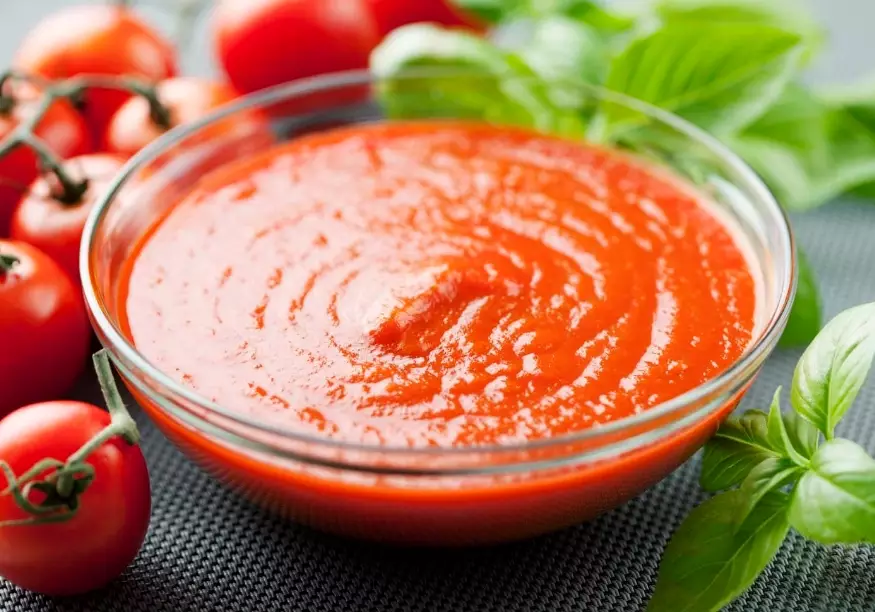
Pasta al Pomodoro (Basic Tomato Sauce)
The ultimate test of simplicity. A great tomato sauce doesn't need to simmer for 6 hours.
What you need: 800g canned whole tomatoes (San Marzano if possible), 3 tbsp good olive oil, 2 garlic cloves (lightly smashed), a few basil leaves, salt, pinch of sugar (only if the tomatoes are very acidic).
The method: Heat the oil in a saucepan over medium-low heat. Add the garlic and cook until it's fragrant and just starting to turn gold—don't let it burn. Pull the garlic out. Pour in the tomatoes, crushing them with your hands as you go. Add a big pinch of salt. Let it simmer gently, uncovered, for about 20-30 minutes. Stir occasionally. It should thicken slightly. In the last 5 minutes, tear in the basil leaves. Taste. Does it need more salt? A tiny pinch of sugar to balance acidity? Toss with your chosen pasta, adding a splash of pasta water to help it coat. Finish with a drizzle of raw olive oil.
That's it. This sauce freezes beautifully, so make a double batch.
The Pasta & Sauce Pairing Guide (It's Not Random)
This is one of the most useful things to know. The shape of the pasta is designed to hold a specific type of sauce. Getting this right elevates your dish from good to "wow."
| Pasta Shape | Best Sauce Type | Why It Works | Classic Example |
|---|---|---|---|
| Spaghetti, Linguine | Oil-based, light tomato, seafood sauces | Long strands coat evenly with lighter, smoother sauces. | Spaghetti alle Vongole (with clams) |
| Penne, Rigatoni | Chunky vegetable, meat (ragù), cream sauces | Tubes and ridges catch and hold pieces of meat and vegetables. | Penne all'Arrabbiata |
| Farfalle, Fusilli | Chunky pesto, vegetable-based sauces | Twists and folds trap small bits and creamy sauces. | Fusilli with Broccoli Rabe & Sausage |
| Orecchiette | Thick, coarse sauces with small bits | The "little ears" are perfect cups for holding sauces and ingredients. | Orecchiette con Cime di Rapa |
| Tagliatelle, Pappardelle | Rich, hearty meat sauces (ragù) | Wide, flat surfaces are ideal for clinging to thick, luxurious sauces. | Tagliatelle al Ragù Bolognese |
Matching your pasta to your sauce isn't just tradition; it's practical. It makes every bite better. When you're browsing Italian food recipes, pay attention to the pasta shape they recommend—there's a reason for it.
Beyond Pasta: Other Italian Staples You Should Try
Italian cuisine is so much more than pasta. These dishes are equally beloved and often simpler to get right.
Risotto
People are scared of risotto. They think it needs constant, back-breaking stirring. It doesn't. It needs attention, not obsession.
The key is using the right rice—Arborio or Carnaroli. These short-grain rices release starch slowly, creating that creamy texture. You toast the rice in butter or oil, then add warm stock a ladleful at a time, letting it absorb before adding more. Stir frequently, but you can walk away for 30 seconds. Finish with butter and cheese (mantecatura). A simple risotto alla Milanese (with saffron) is a stunning place to start.
Osso Buco with Gremolata
This is a Sunday project, but oh so worth it. Braised veal shanks (though pork shanks work well too) become fall-off-the-bone tender in a wine and tomato broth. The magic touch is the gremolata—a fresh mix of lemon zest, garlic, and parsley—sprinkled on top at the end. It cuts through the richness and brightens the whole dish. Serve it with risotto, and you have a legendary Milanese combo.
"The best Italian food recipes are often the ones with the shortest ingredient list. They force you to focus on quality."
Answering Your Italian Cooking Questions (The FAQ Corner)
I get asked these all the time. Let's clear some things up.
A Few Final Thoughts (From My Kitchen to Yours)
Look, cooking Italian food at home shouldn't be stressful. It should be enjoyable. The best Italian food recipes are guides, not laws. Once you understand the basics—good ingredients, simple combinations, respecting the process—you can start to relax into it.
My biggest piece of advice? Taste as you go. Taste your tomatoes straight from the can. Taste the pasta water (it should taste like the sea). Taste the sauce before you put it on the pasta. Your palate is your best tool.
And don't be afraid to fail. My carbonara was a disaster, but I learned. Now it's one of my most requested dishes. Start with one recipe, like the pasta al pomodoro. Master it. Then try another. Build your confidence.
Italian cooking is about generosity, sharing, and joy. If you cook with good ingredients and a good heart, you're already doing it right. The rest is just practice. Now, go put a pot of water on to boil. You've got this.
Related Articles
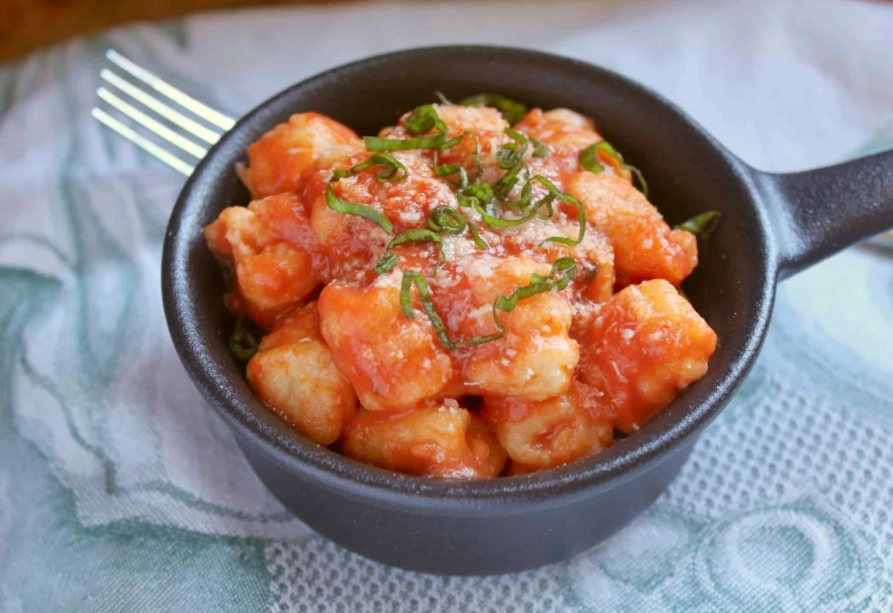
Perfect Homemade Italian Gnocchi Recipe: Light & Fluffy

Geely and Zeekr have the best semi-annual reports, half of which rely on sales g
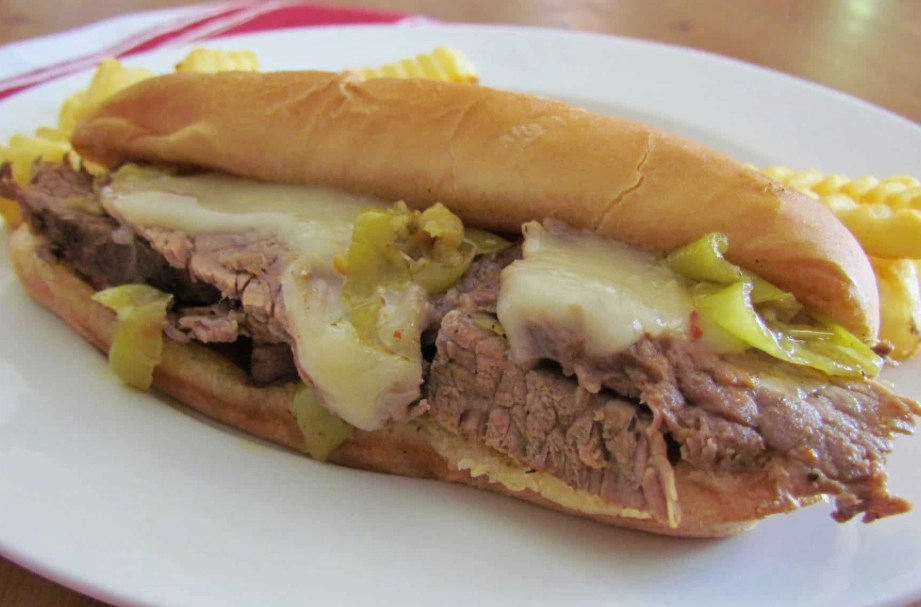
Authentic Italian Beef Sandwich Recipe | Easy Homemade Guide
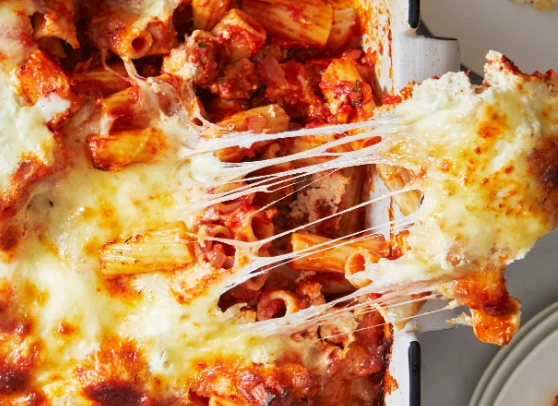
Ultimate Guide to Classic Italian Baked Pasta Dishes
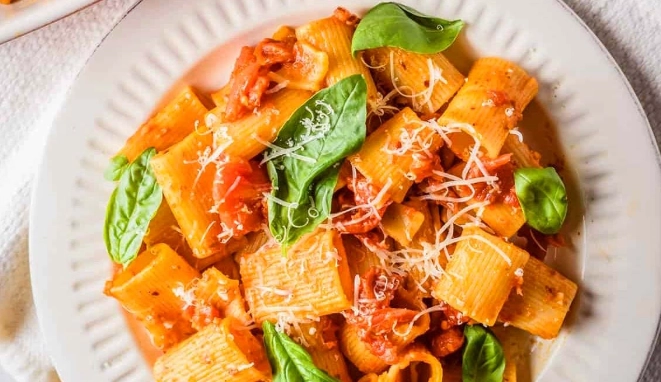
Master Classic Italian Dishes: Recipes & Secrets from Pasta to Tiramisu
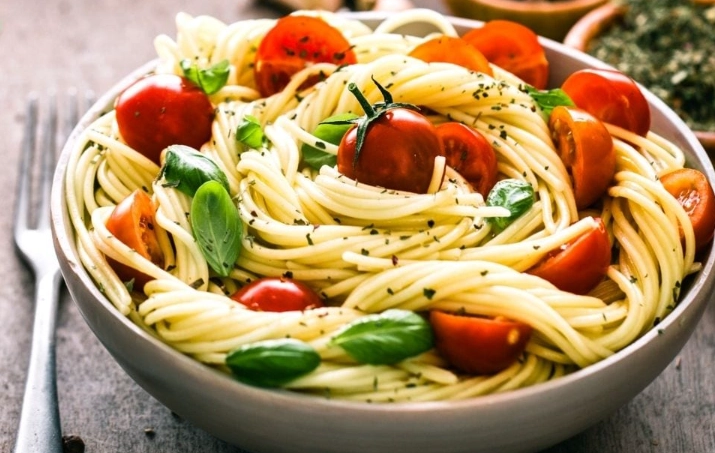
Best Vegetarian Italian Dishes: Recipes & Cooking Tips

Ultimate Guide to Italian Slider Variations & Recipes
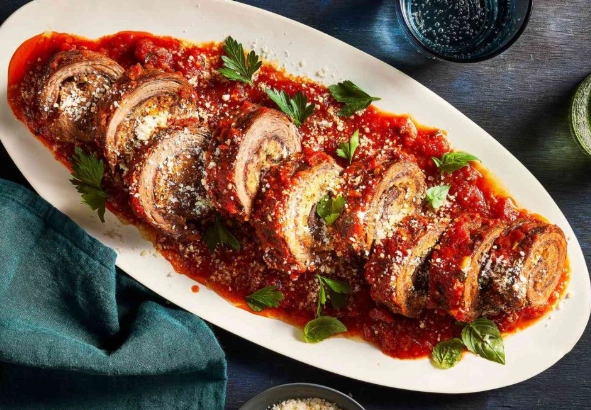
Easiest Italian Food to Make: 5 Simple Recipes for Beginners
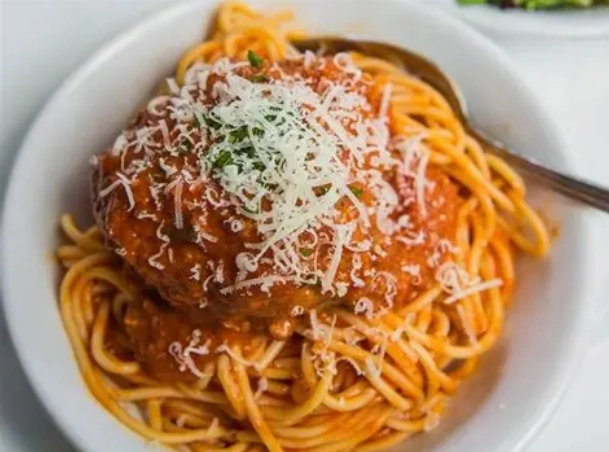
Traditional Italian Pasta Sauces: A Complete Guide to the Classics
What Are the Most Popular Italian Appetizers? A Complete Guide to Antipasti

Ultimate Italian Margarita Recipe: How to Make the Perfect Amaretto Sour Twist
Discover the Best Non-Alcoholic Italian Drinks: From Aperitivo to Digestivo
Ultimate Guide to Vegetarian Italian Dinner Party Recipes

Perfect Pairings: What to Serve with Italian Sausage for Dinner
Easy Italian Regional Recipes: Authentic Dishes You Can Actually Make
Authentic Carbonara Recipe: How to Make Traditional Italian Pasta
Italian Sausage Pasta Recipes: A Complete Guide to Classic Comfort Food
Easy Authentic Italian Minestrone Soup Recipe & Secrets

Classic Italian Bread Recipe: Authentic & Easy Homemade Loaf
A Typical Italian Dinner at Home: The Real Menu & Traditions
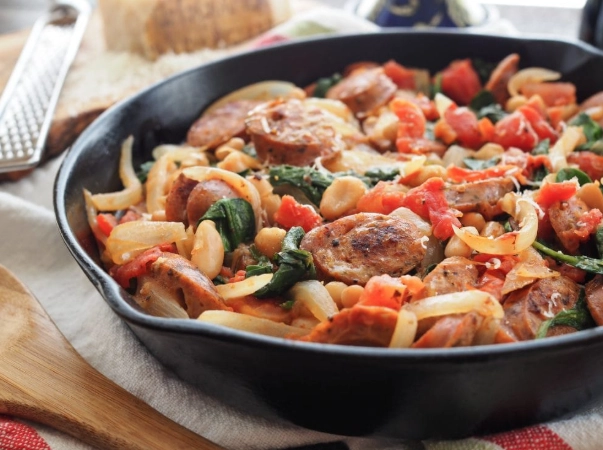
Easy Italian Sausage Recipes for a Delicious Dinner | Quick & Flavorful
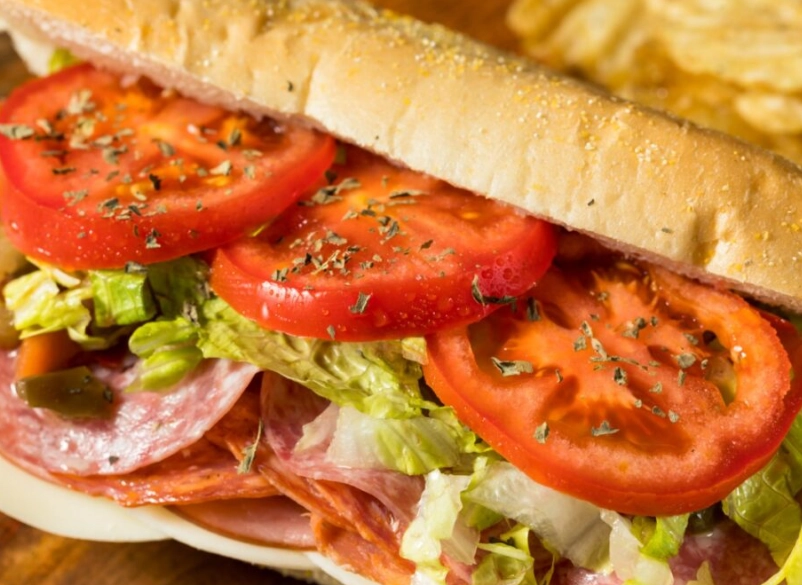
The Ultimate Authentic Italian Hoagie Recipe: Make the Classic Philly Sandwich at Home
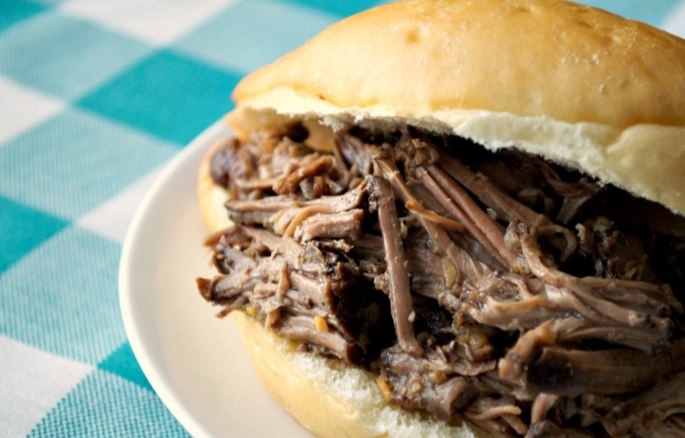
Ultimate Italian Beef Crock Pot Recipe: Tender & Juicy
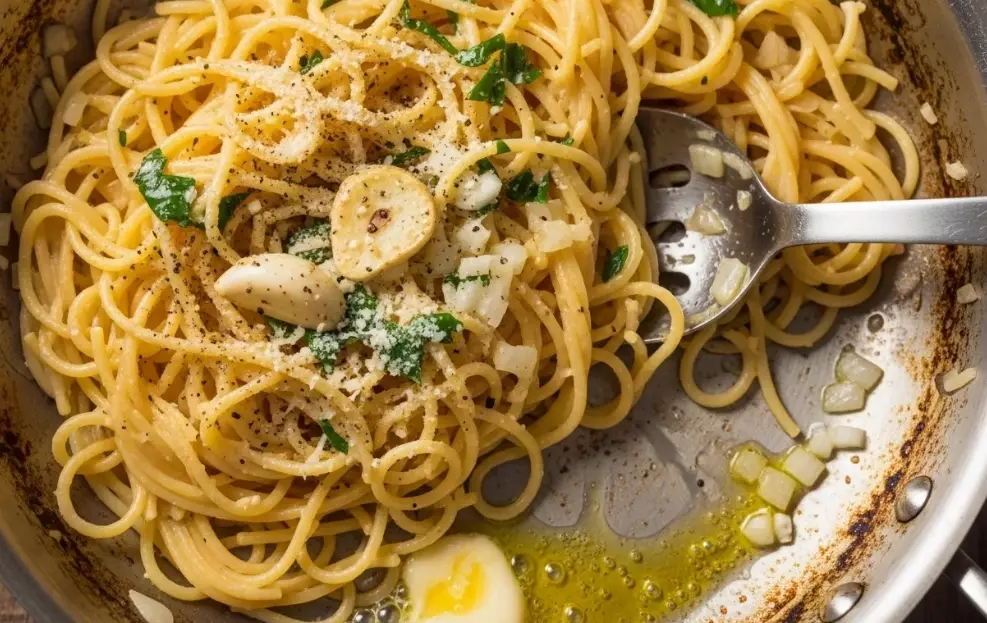
Ultimate Guide to Spaghetti Pasta Recipes: Easy, Authentic & Creative
Italian Sauce Recipe: Secrets from a Nonna's Kitchen
Traditional Northern Italian Recipes: Authentic Dishes & Cooking Secrets
Authentic Italian Pizza Recipe: A Step-by-Step Guide
Ultimate Guide to Classic Italian Dessert Recipes from Tiramisu to Cannoli
Ultimate Italian Sliders Recipe: Party-Perfect and Irresistible

Leave a Comment