Authentic Italian Beef Sandwich Recipe | Easy Homemade Guide
Quick Guide
Let's talk about the Italian beef sandwich. You know the one. It's that glorious, messy, juice-dripping-down-your-arms creation that seems simple but holds so much flavor history inside a roll. If you've ever had a great one, you never forget it. The problem? Finding a truly authentic version outside of Chicago can be a real hunt. And the ones you buy? Often too dry, or bland, or just... missing the point.
That's why making it at home isn't just a cooking project, it's a mission. A mission to capture that specific magic of tender, seasoned beef, that tangy, spicy giardiniera, and the bread that's just sturdy enough to hold it all together without falling apart at first bite. This isn't about fancy techniques. It's about patience, the right ingredients, and understanding why each part matters.
I remember trying to make my first Italian beef sandwich recipe years ago. It was a disaster. The beef was tough, the broth was watery, and I used the wrong peppers. It tasted nothing like the sandwich I craved. It was frustrating. Since then, I've made it dozens of times, talked to butchers, read old community cookbooks, and finally cracked the code. This guide is everything I wish I'd known.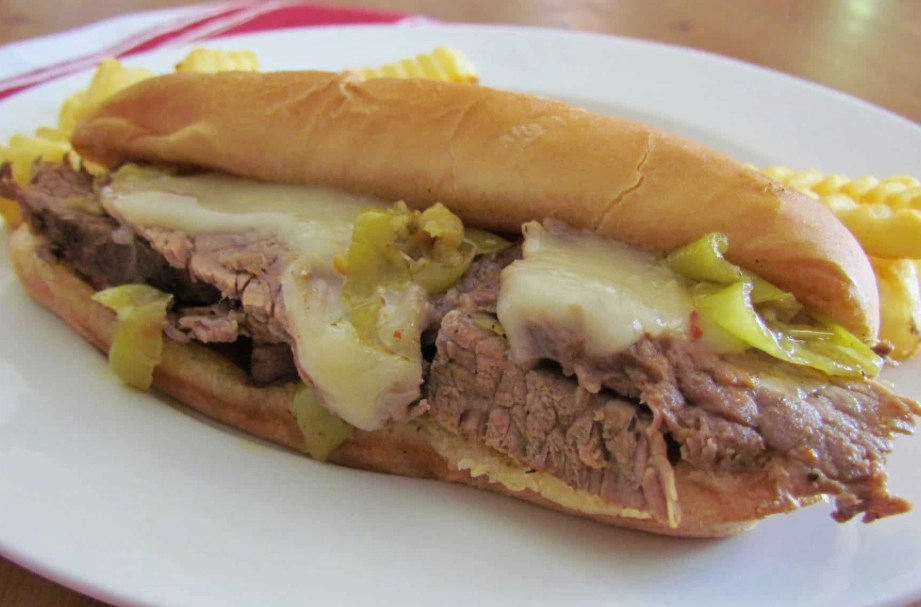
What Exactly Is an Italian Beef Sandwich?
Before we dive into cooking, let's clear something up. This isn't just a roast beef sandwich. The history is key. It's a Chicago staple, born from Italian-American communities in the early 20th century. The story goes that during weddings and large gatherings, families would slow-roast tougher, more affordable cuts of beef to feed a crowd, using lots of herbs and spices to make it flavorful. To stretch the meat even further, they'd slice it paper-thin and serve it dipped in its own rich, seasoned cooking juices (the "gravy") on Italian-style bread.
The "dipped" or "wet" aspect is non-negotiable for purists. It's what separates it from a Philly cheesesteak or a French dip. The bread gets soaked through with flavor, and the whole experience is gloriously messy. You can get it "dry," "wet," or "dipped" (fully submerged). I'm a "wet" guy myself – just a quick dunk to moisten the bread without causing structural failure.
For a deeper dive into its cultural roots, the Chicago History Museum has some fascinating resources on how immigrant food traditions shaped the city's identity.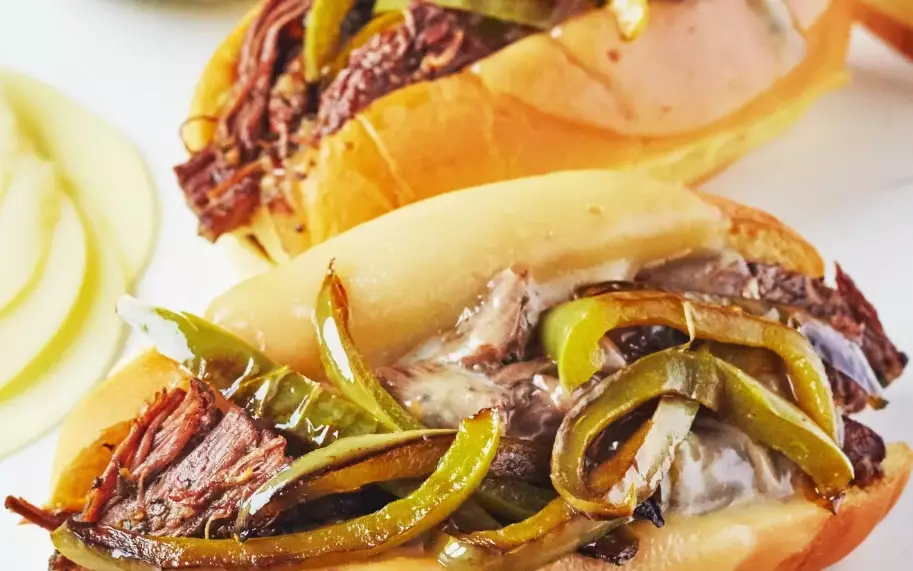
The Core Ingredients: Building Blocks of Flavor
You can't build a great house with weak bricks, and you can't build a great Italian beef sandwich with the wrong ingredients. Each one plays a specific role. Let's break them down.
The Beef: Choosing the Right Cut
This is where most first attempts go wrong. You need a cut with good marbling (fat) and connective tissue. That fat and collagen will melt during the long, slow cook, self-basting the meat and turning it fork-tender, while also creating a rich, gelatinous broth. Lean cuts like sirloin or tenderloin will just become dry and tough.
| Cut of Beef | Why It Works (or Doesn't) | My Personal Take |
|---|---|---|
| Bottom Round Roast | The classic, most authentic choice. Leaner but with great beefy flavor. Requires careful cooking to not dry out. | This is the gold standard for a reason. It's what most Chicago joints use. It gives you that classic texture. |
| Chuck Roast | My go-to recommendation for home cooks. More marbled and forgiving than bottom round. Almost guaranteed tenderness. | This is the foolproof choice. The extra fat means even if you overcook it a bit, it'll still be juicy. The flavor is incredible. |
| Rump Roast | Similar to bottom round, a bit lean. Good flavor but can be tricky. | It works, but I find it less forgiving than chuck. Only use if it's a great price. |
| Brisket (Flat) | Very flavorful, but can be expensive. The grain is different, so slicing is trickier. | Delicious, but it changes the character. Feels more like a BBQ crossover. Not traditional, but tasty. |
See? Chuck roast is your best friend here. It's widely available, affordable, and nearly impossible to mess up. For this authentic Italian beef sandwich recipe, I'm using a 4-pound chuck roast.
Pro Tip from a Butcher: Ask your butcher to tie the roast if it's uneven. This helps it cook evenly. And don't trim off all the fat cap! That fat is flavor gold during the slow cook.
The Spice Rub & Braising Liquid
The seasoning is what gives the beef its distinct "Italian" flavor profile. It's not about a single overpowering spice, but a harmony. You'll need dried oregano, basil, garlic powder, onion powder, crushed red pepper flakes, salt, and black pepper. Some recipes use a packet of Italian dressing mix, but making your own blend gives you control and avoids the MSG if you're sensitive to it.
The braising liquid is where the magic happens. We use a combination of beef broth and, crucially, a jar of pepperoncini peppers including their juice. That vinegary, slightly spicy brine is the secret weapon. It tenderizes the meat and gives the gravy its essential tang. Some folks add a little wine, but I find the pepperoncini juice does the job perfectly.
The Bread: The Structural Engineer
This is the unsung hero. The wrong bread turns this sandwich into a soggy, falling-apart tragedy. You need a roll with a sturdy, crisp crust and a soft, airy interior that can absorb juices without dissolving. A French roll or a good Italian roll works. What you're looking for is something like a Turano or Gonnella roll if you're in the Midwest.
A soft hot dog bun or a slice of sandwich bread will fail utterly. The crust needs to provide a barrier. I've made this mistake—it's a sad, soupy plate.
The Toppings: Giardiniera and Sweet Peppers
This is the crown. Giardiniera is a pickled vegetable mix (cauliflower, carrots, celery, serrano peppers) in oil. It's spicy, crunchy, tangy, and cuts through the richness of the beef. You can find mild or hot. Get the hot. Trust me. The U.S. Food and Drug Administration has standards for commercially pickled vegetables, so you know store-bought is safe, but seeking out a Chicago brand like Marconi or Vienna Beef makes a difference.
For sweet peppers, you simply sauté green bell peppers with onions until soft and sweet. Some people like them, some don't. I usually make a batch and let people choose. The classic "combo" sandwich has both the hot giardiniera and the sweet peppers.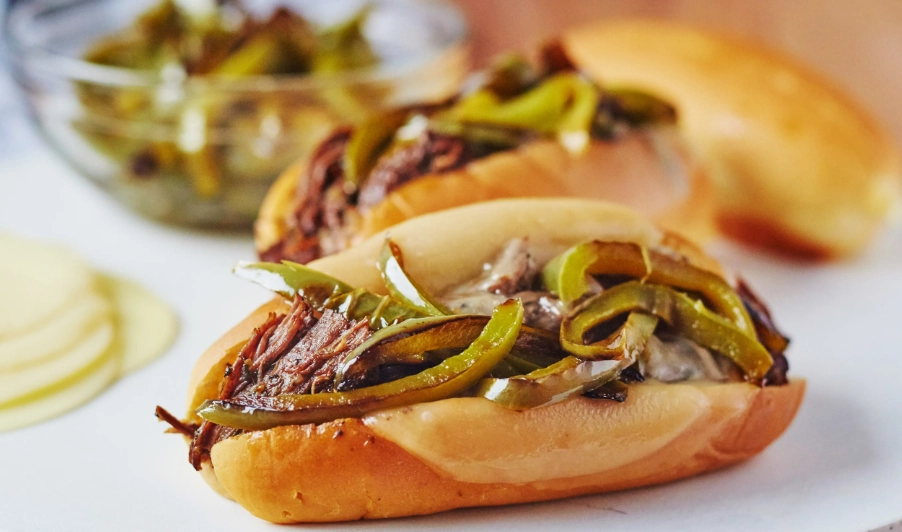
The Step-by-Step Italian Beef Sandwich Recipe
Okay, enough theory. Let's cook. This process is mostly hands-off, perfect for a weekend. Plan for about 4 hours total, mostly waiting while your house fills with an amazing smell.
Step 1: Season and Sear the Beef
Pat your chuck roast completely dry with paper towels. This is critical for getting a good sear. Mix your spice rub: 2 tsp each of dried oregano, garlic powder, onion powder, 1 tsp each of dried basil, salt, black pepper, and ½ tsp of red pepper flakes. Rub this all over the meat, really pressing it in.
Heat a tablespoon of oil in a large Dutch oven or heavy pot over medium-high heat. Sear the roast on all sides until you have a deep brown crust. This isn't just for looks; it creates the fond (those browned bits at the bottom of the pot) which equals massive flavor for your gravy. Don't rush this. It should take a good 8-10 minutes total.
Step 2: The Low and Slow Braise
Once the beef is seared, pour in a 32-ounce carton of low-sodium beef broth and the entire jar of pepperoncini peppers with all the liquid. The liquid should come about halfway up the side of the roast. Bring it to a simmer, then cover the pot and reduce the heat to low. Or, transfer it all to a 300°F (150°C) oven. The oven provides more even heat, which I prefer.
Now, you wait. Let it cook for about 3 to 3.5 hours. You're looking for the meat to be completely tender and easily shred with a fork. Don't peek too often! Just let it do its thing.
This long braise is the heart of any great Italian beef sandwich recipe. It transforms a tough cut into something sublime. The collagen breaks down into gelatin, making the meat juicy and the broth luxuriously rich. If you try to shortcut this with a pressure cooker, you'll get tender meat, but the flavor depth won't be the same. The slow simmer allows the flavors to marry and concentrate.
Step 3: Shredding and the All-Important "Gravy"
Carefully remove the beef to a cutting board. Let it rest for 15 minutes. Now, you have a pot of incredibly flavorful, but fatty and potentially salty, cooking liquid. This is your gravy. You need to defat it. The easiest way is to use a fat separator. Pour the liquid in, let the fat rise, then pour the lean broth out from the bottom spout.
If you don't have one, skim off as much fat as you can with a spoon, or even better, chill the liquid quickly so the fat solidifies on top and you can scoop it off. Taste the gravy. It should be potent, savory, and tangy. You can simmer it uncovered for 10-15 minutes to reduce and concentrate it further if it tastes weak.
While the gravy simmers, shred the beef. Use two forks, or your hands (when it's cool enough), pulling it apart along the grain into thin strands. Some people slice it, but shredding gives more surface area to soak up the juice.
Step 4: Assembly and the Dip
Split your rolls, but don't cut them all the way through. You want a hinge. Now, you have choices.
- Dry: Pile the shredded beef on the roll, add toppings, and serve. (Boring, in my opinion).
- Wet: Dunk the top half of the assembled sandwich quickly into the warm gravy. This is the sweet spot.
- Dipped: Fully submerge the whole assembled sandwich briefly. This is for the brave and those with plenty of napkins.
I assemble mine like this: Pile a generous amount of warm, shredded beef onto the roll. Spoon over a little extra warm gravy right over the meat. Top with a hefty spoonful of hot giardiniera and some sweet peppers if using. Give it a gentle press. The juices will start seeping into the bread instantly.
The first bite is always the best. The crunch of the crust, the immediate flood of savory, tangy juice, the tender beef, and the spicy kick from the giardiniera. It's a symphony.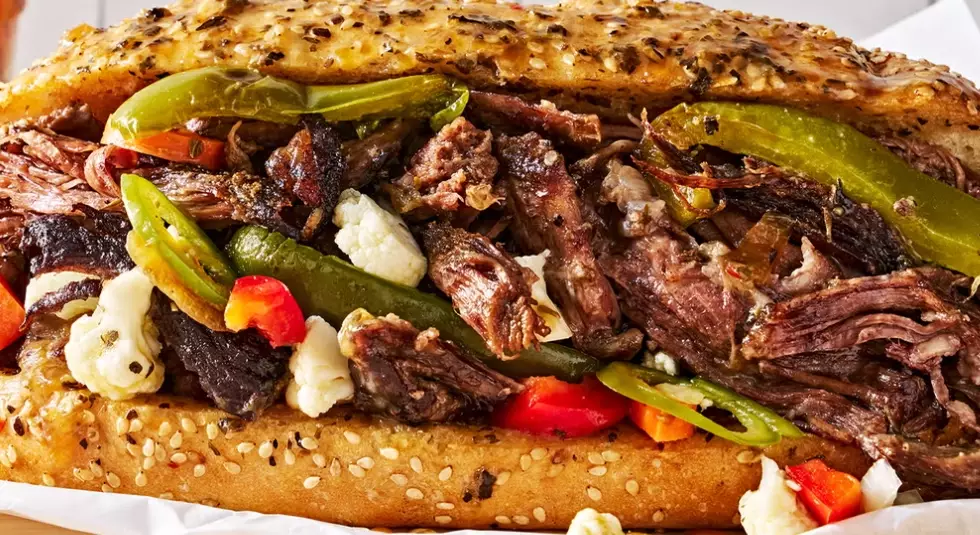
Frequently Asked Questions (The Stuff You Actually Want to Know)
Can I make this Italian beef sandwich recipe in a slow cooker?
Yes, absolutely. It's a great method for set-it-and-forget-it. Do the searing step in a skillet first—don't skip it—then transfer the beef and all liquids to your slow cooker. Cook on LOW for 8-9 hours. The only downside is you might get more fat floating in the liquid since it doesn't reduce as much, so be extra diligent about skimming.
My gravy is too salty! How do I fix it?
This happens. Commercial broths and the pepperoncini brine can pack a sodium punch. If it's too salty, dilution is your friend. Add a cup of plain water or, even better, unsalted beef broth if you have it. If it's just slightly too salty, adding a peeled, raw potato to the simmering gravy for 15-20 minutes can help absorb some salt (discard the potato after). Next time, use low-sodium broth.
Can I freeze the cooked Italian beef?
It freezes beautifully, which is one of the best things about this recipe. Let the shredded beef cool completely in its gravy. Portion it into airtight containers or freezer bags, making sure there's enough liquid to cover the meat. It'll keep for up to 3 months. Thaw overnight in the fridge and reheat gently in a saucepan.
What's the best store-bought giardiniera?
This is a matter of taste, but for authenticity, look for Chicago brands. Vienna Beef and Marconi are widely distributed and excellent. The oil-based kind is better for this than the vinegar-pickled kind found near the olives. The oil helps it cling to the beef.
Is there a shortcut if I'm short on time?
Not really. The time is the ingredient here. You could use a pressure cooker/Instant Pot to cut the braising time to about 90 minutes, but as I said, the flavor won't be as deep. If you're desperate, buy a high-quality pre-cooked roast beef from a deli, slice it thin, and warm it in a pot with a really well-seasoned broth made from beef base, garlic, oregano, and pepperoncini juice. It's not the same, but it'll scratch the itch in 20 minutes.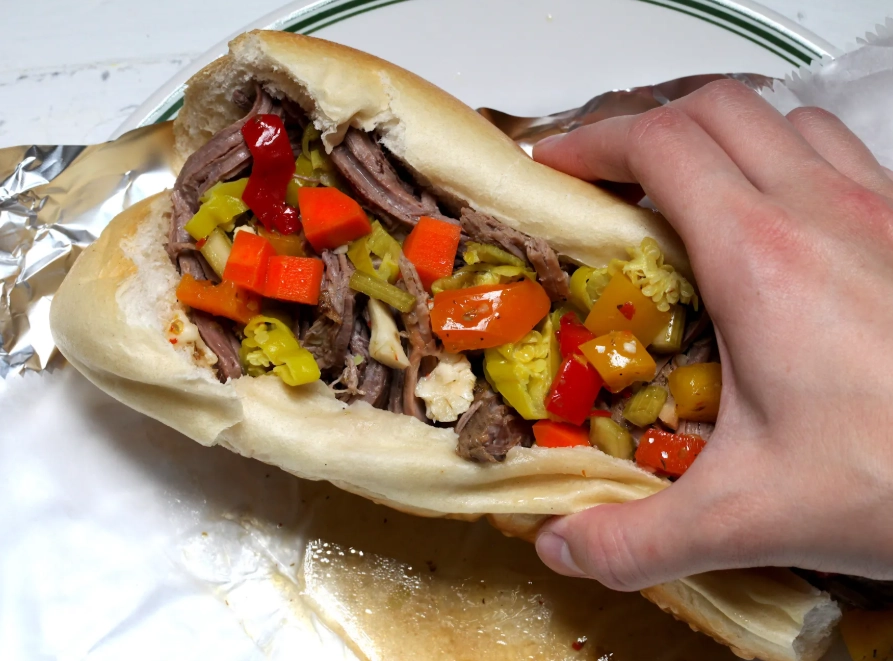
Creative Twists on the Classic Recipe
Once you've mastered the basic Italian beef sandwich recipe, have some fun. Here are a few ways people play with it:
- The Cheese Lover: Add a slice of provolone or mozzarella on top of the hot beef before adding giardiniera. Pop it under the broiler for a minute to melt. (Purists will scoff, but it's delicious).
- The French Dip Crossover: Serve the beef on a baguette with a side of the gravy (au jus) for dipping, skipping the giardiniera. A hybrid beast.
- Italian Beef Nachos: Use the shredded beef as a topping for tortilla chips with melted cheese, giardiniera, and jalapeños. Sounds weird, tastes amazing.
- Breakfast Hash: Sauté diced potatoes and onions, add leftover shredded beef, and fry until crispy. Top with a fried egg.
The beauty of this dish is its versatility. The core element—that incredibly flavorful, tender beef—works in so many contexts.
A Word of Caution: However you serve it, be prepared for the mess. This is not first-date food. This is napkins-on-the-lap, maybe-even-eat-it-over-the-sink food. Embrace it. The mess is part of the experience.
So there you have it. Not just a list of ingredients and steps, but the why behind them. Making an authentic Italian beef sandwich at home is a deeply satisfying project. It fills your home with incredible smells, yields a feast that can feed a crowd (or provide glorious leftovers for days), and delivers a flavor that's hard to find outside of a few special cities.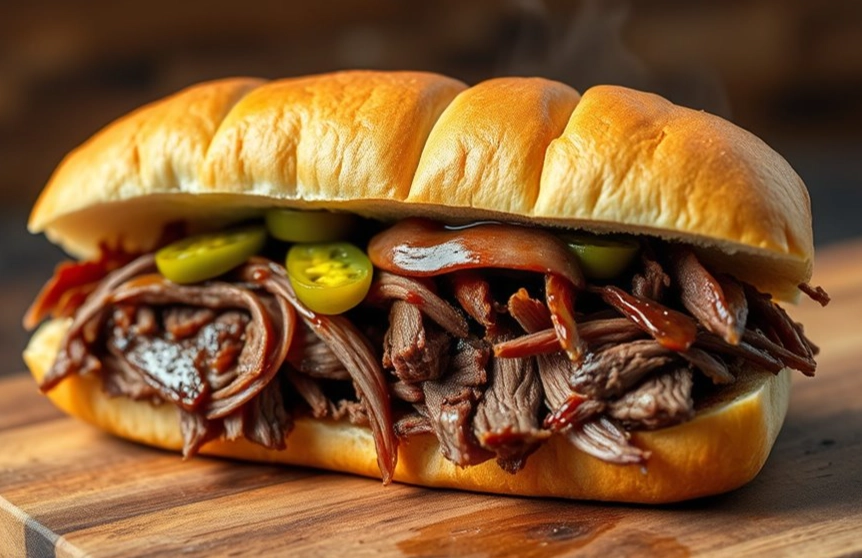
The next time you get a craving for that perfect combination of savory, tender beef, tangy spice, and soft, juice-soaked bread, you don't have to search for a restaurant. You know exactly what to do. Just grab a chuck roast, a jar of peppers, and give yourself an afternoon. You won't regret it.
Honestly, writing this makes me want to go make one right now. I think I have some chuck in the freezer...
Related Articles
Authentic Italian Peasant Food: Simple Recipes & Where to Eat
Homemade Italian Ice Recipe: Smooth, Grain-Free & Authentic

Ten-fold stocks appeared! A-shares set off a "price increase", foreign capital b
Best Italian Regional Recipes: Top 5 Dishes to Master at Home
Authentic Gremolata Recipe: The Simple Italian Condiment That Elevates Any Dish

The State Administration of Financial Supervision: Commercial banks have release

Still have to rely on Zhengzhou Foxconn? The truth about the swing between Apple

Why is Dongguan's economy no longer at the bottom?
Authentic Carbonara Recipe: How to Make Traditional Italian Pasta
Unlock Flavor: 5 Essential Italian Seasoning Recipes & Pro Tips
Classic Italian Bolognese Recipe: Master the Authentic Ragu

Top 10 Italian Cocktails: From Negroni to Spritz & Beyond
Authentic Italian Love Cake Recipe: The Ultimate 3-Layer Dessert Guide

Is Xiaomi Auto dumped?
What are the 4 Classic Italian Dishes? A Food Lover's Guide
Authentic Italian Dressing Recipe: Easy, Homemade & Better Than Store-Bought
Ultimate Guide to Classic Italian Dessert Recipes from Tiramisu to Cannoli
Easy Braciole Recipe: Authentic Italian Beef Rolls Made Simple
Ultimate Guide to Spaghetti Pasta Recipes: Easy, Authentic & Creative
Top 10 Italian Dishes Veg: Best Vegetarian Pasta & Mains Guide
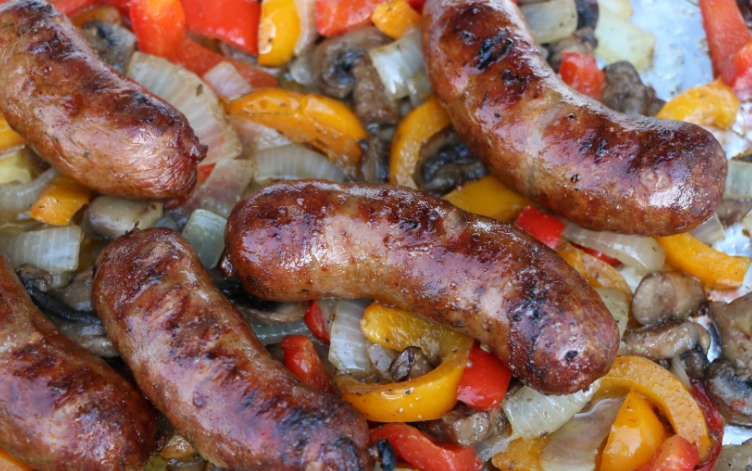
Perfect Pairings: What to Serve with Italian Sausage for Dinner

Breaking through 1.2 billion kilowatts, China has achieved its commitment to win
Authentic Italian Beef Sandwich Recipe | Easy Homemade Guide
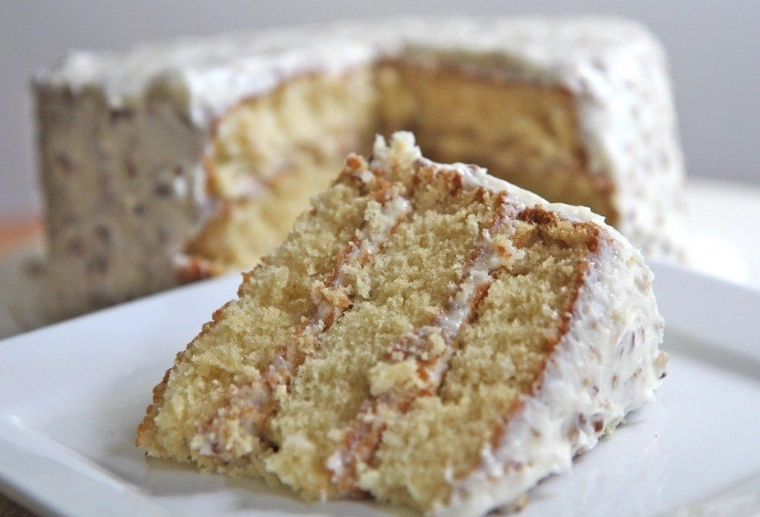
Authentic Italian Cream Cake Recipe: Moist, Nutty & Irresistible

Restarting private investment|"Caijing" special report
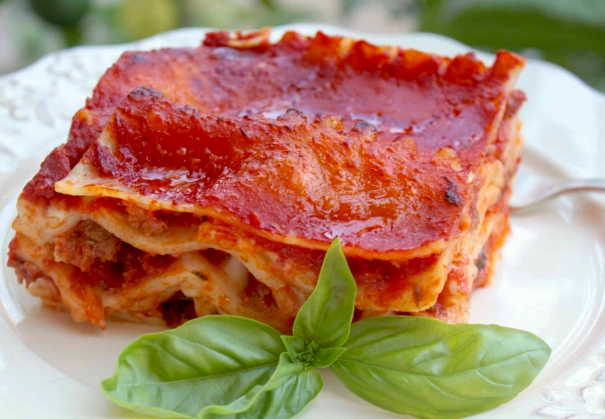
Authentic Italian Recipes: Your Ultimate Guide to Mastering Classics at Home

Amazon on the fire

Paris Notes 10: Visiting Galeries Lafayette, more than half of the "saleswomen"
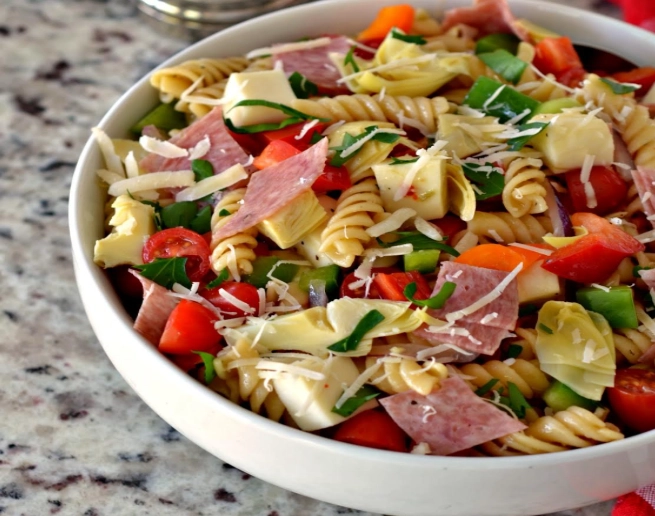
Easy Italian Regional Recipes: Authentic Dishes You Can Actually Make
Leave a Comment