Italian Salad Recipe: Authentic, Easy & Delicious Step-by-Step Guide
Quick Overview
- What Exactly Is an Italian Salad? It's More Than Just Lettuce
- Your Step-by-Step Italian Salad Recipe: No Fuss, Just Flavor
- Common Pitfalls and How to Dodge Them (I've Made These Mistakes!)
- Beyond the Basics: Italian Salad Variations You'll Love
- Nutrition and Health Benefits: Why Italian Salads Are a Smart Choice
- FAQs: Answering Your Burning Questions
- Wrapping It Up: Your Italian Salad Journey
I still remember the first time I tried to make an Italian salad. It was a disaster—I used bottled dressing, stale bread, and iceberg lettuce. It tasted nothing like the vibrant, fresh salads I'd had in Italy. That's when I decided to dig deeper and learn what makes an authentic Italian salad recipe so special. And let me tell you, it's not just about throwing some veggies together. There's a simplicity and depth to it that comes from quality ingredients and a bit of know-how.
If you're like me, you've probably searched for "italian salad recipe" online and found a million versions, some good, some not so much. This guide is my attempt to cut through the noise and give you a straightforward, reliable approach. We'll cover everything from the basics to creative twists, and I'll share some personal blunders along the way so you can avoid them. Because who wants a soggy salad, right?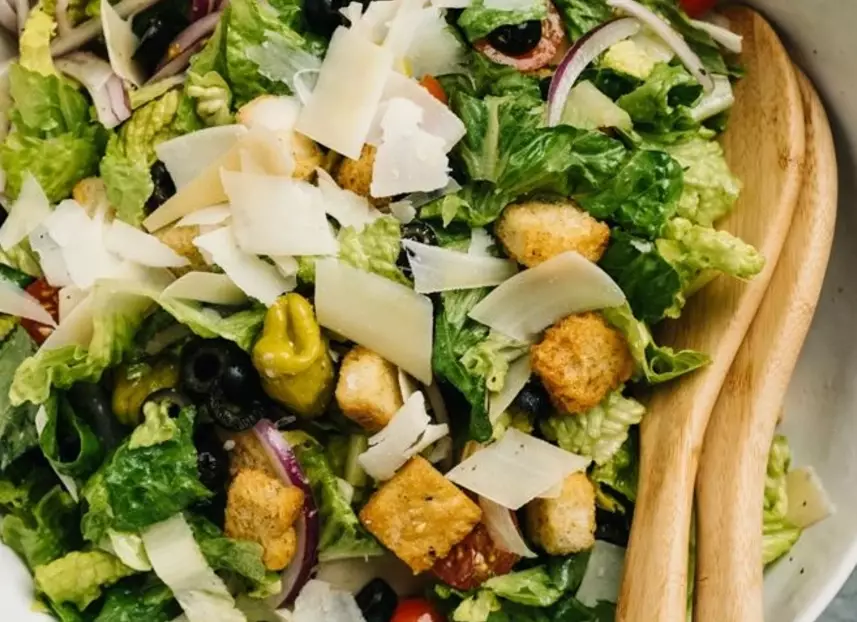
What Exactly Is an Italian Salad? It's More Than Just Lettuce
When people hear "Italian salad," they might think of a Caesar salad or something loaded with ranch dressing. But authentic Italian salads are different. They're often simple, focusing on fresh, seasonal ingredients that speak for themselves. Think ripe tomatoes, crisp greens, good olive oil, and a touch of acidity. It's about balance and letting each component shine.
Italian cuisine emphasizes freshness and locality. Many traditional salads, like Insalata Caprese or Panzanella, have roots in specific regions and use what's available locally. That's why you won't find heavy creams or complicated sauces in a true Italian salad recipe. Instead, it's about dressing that enhances, not overwhelms.
The Core Ingredients: What You Absolutely Need
Let's break down the essentials. For any authentic Italian salad recipe, these are the non-negotiables:
- Extra Virgin Olive Oil: This is the heart of Italian dressing. It adds richness and fruitiness. Don't skimp here—use a good quality oil. I once tried a cheap one, and the salad tasted flat. For more on olive oil standards, check out the International Olive Council, which sets global guidelines.
- Vinegar or Lemon Juice: Usually red wine vinegar or fresh lemon juice for acidity. Balsamic vinegar is also popular, but it's sweeter and used in moderation.
- Fresh Herbs: Basil, oregano, parsley—they add aroma and freshness. Dried herbs can work in a pinch, but fresh is always better.
- Seasonal Vegetables: Tomatoes, cucumbers, bell peppers, onions. The key is to use what's in season for the best flavor.
- Salt and Pepper: Simple, but crucial. Sea salt or kosher salt is preferred.
Some recipes include cheese like mozzarella or Parmigiano-Reggiano, and proteins like tuna or beans. It varies, but the foundation is always fresh produce and good fat.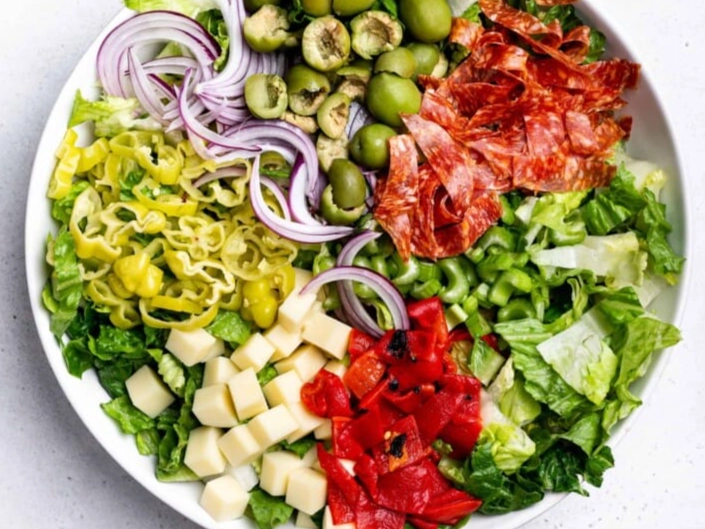
Your Step-by-Step Italian Salad Recipe: No Fuss, Just Flavor
Okay, let's get practical. Here's a basic Italian salad recipe that you can customize. I've made this countless times, and it never fails. It's perfect for a quick lunch or a side dish.
Gathering Your Ingredients (A Shopping List That Works)
First, gather everything. For a salad serving 4 people, you'll need:
| Ingredient | Quantity | Notes & Alternatives |
|---|---|---|
| Mixed greens (e.g., arugula, romaine) | 200g (about 4 cups) | Use whatever is fresh; baby spinach works too. |
| Cherry tomatoes | 1 cup, halved | Heirloom tomatoes if in season. |
| Cucumber | 1 medium, sliced | Persian cucumbers are less watery. |
| Red onion | 1/4, thinly sliced | Soak in cold water for 10 minutes to reduce sharpness. |
| Extra virgin olive oil | 3 tablespoons | Choose a fruity, high-quality oil. |
| Red wine vinegar | 1 tablespoon | Lemon juice can substitute. |
| Fresh basil leaves | Handful, torn | Dried basil in a pinch, but fresh is best. |
| Sea salt and black pepper | To taste | Freshly ground pepper makes a difference. |
| Optional: Mozzarella balls | 100g | For a richer salad; omit for vegan version. |
That's it! Simple, right? Now, the method.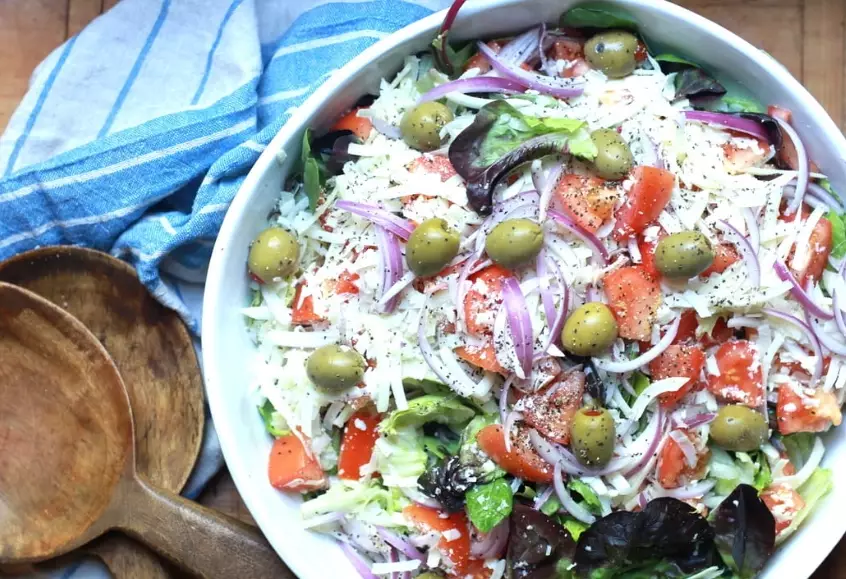
The Method: How to Assemble It Like a Pro
- Wash and dry the greens: This is crucial. Wet greens dilute the dressing. Use a salad spinner or pat dry with a towel. I've skipped this step before, and the salad turned soggy fast.
- Chop the vegetables: Keep everything bite-sized. For tomatoes, halve them; slice cucumber thinly. If using onion, soak it in cold water for a bit to mellow the flavor—trust me, it helps.
- Make the dressing: In a small bowl, whisk together the olive oil and vinegar. Add a pinch of salt and pepper. Some people add a teaspoon of Dijon mustard for emulsification, but it's optional. Taste it! Adjust if needed.
- Combine gently: In a large bowl, toss the greens and vegetables with the dressing. Use your hands or tongs to coat everything evenly. Don't overmix; you want to avoid bruising the greens.
- Add herbs and cheese: Tear in the basil and add mozzarella if using. Give it one final gentle toss.
- Serve immediately: Italian salads are best eaten fresh. If you need to prep ahead, keep the dressing separate until serving.
This basic Italian salad recipe is versatile. You can add olives, capers, or even some toasted pine nuts for crunch. The beauty is in the customization.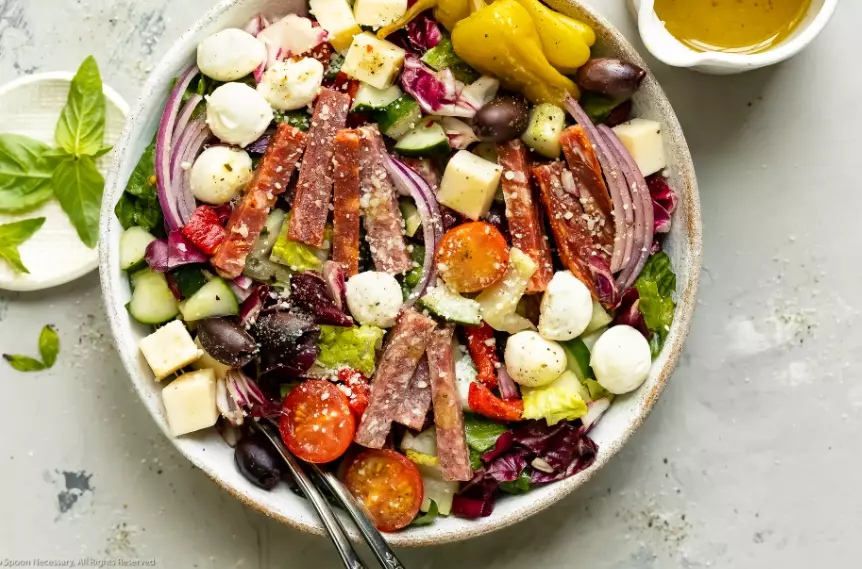
Common Pitfalls and How to Dodge Them (I've Made These Mistakes!)
Let's be honest: even with a simple Italian salad recipe, things can go wrong. Here are some common errors and how to fix them.
- Using low-quality olive oil: It makes the salad taste bland or bitter. Invest in a good extra virgin olive oil. Check the label for harvest date—fresher is better. The Italian Food Excellence site has tips on selecting authentic products.
- Over-dressing: Less is more. Start with half the dressing, toss, and add more if needed. A soggy salad is no one's friend.
- Ignoring seasonality: Out-of-season tomatoes are mealy and tasteless. Stick to what's fresh. In winter, opt for heartier greens like kale or radicchio.
- Not seasoning properly: Salt brings out the flavors. Don't be shy, but taste as you go. Pepper should be freshly ground.
Another thing: don't refrigerate tomatoes for too long—it ruins their texture. Keep them at room temperature until ready to use.
Beyond the Basics: Italian Salad Variations You'll Love
Once you've mastered the basic Italian salad recipe, try these twists. They're all rooted in tradition but offer different flavors and textures.
Insalata Caprese: The Classic Summer Salad
This is arguably the most famous Italian salad. It's just tomatoes, fresh mozzarella, basil, olive oil, salt, and pepper. No greens! The key is using the best ingredients—ripe, juicy tomatoes and soft mozzarella. I like to add a drizzle of balsamic glaze, but purists might frown. It's perfect as a starter or light meal.
Panzanella: The Bread Salad That Steals the Show
Panzanella is a Tuscan salad made with stale bread, tomatoes, onions, and basil. The bread soaks up the dressing and tomato juices, becoming soft and flavorful. It's a great way to use up old bread. Here's a quick version: cube day-old bread, toss with chopped tomatoes, cucumber, red onion, basil, olive oil, and vinegar. Let it sit for 30 minutes before serving. The bread should be moist but not mushy.
Other Favorites
- Insalata di Riso: A rice salad with vegetables, tuna, and olives. It's hearty and often served at picnics.
- Insalata di Mare: A seafood salad with shrimp, squid, and mussels, dressed with lemon and olive oil. It's light and briny.
- Radicchio and Walnut Salad: Bitter radicchio paired with sweet walnuts and a sharp dressing. Great for winter.
Each variation shows how versatile an Italian salad recipe can be. Don't be afraid to experiment.
Nutrition and Health Benefits: Why Italian Salads Are a Smart Choice
Italian salads aren't just tasty—they're good for you. Let's break down why.
The base of olive oil provides healthy monounsaturated fats, which are heart-friendly. Vegetables offer vitamins, minerals, and fiber. Herbs like basil have antioxidants. It's a balanced meal that's low in processed ingredients.
Compared to creamy salads, an authentic Italian salad recipe is lighter and less calorie-dense. But watch the portions: too much olive oil can add calories, though it's healthy fat. A typical serving has around 150-300 calories, depending on additions like cheese or bread.
For those with dietary needs, it's easy to adapt. Vegan? Skip the cheese. Gl-free? Avoid croutons or use gluten-free bread. The simplicity makes it inclusive.
FAQs: Answering Your Burning Questions
These questions pop up a lot in forums and searches. Hope this clears things up!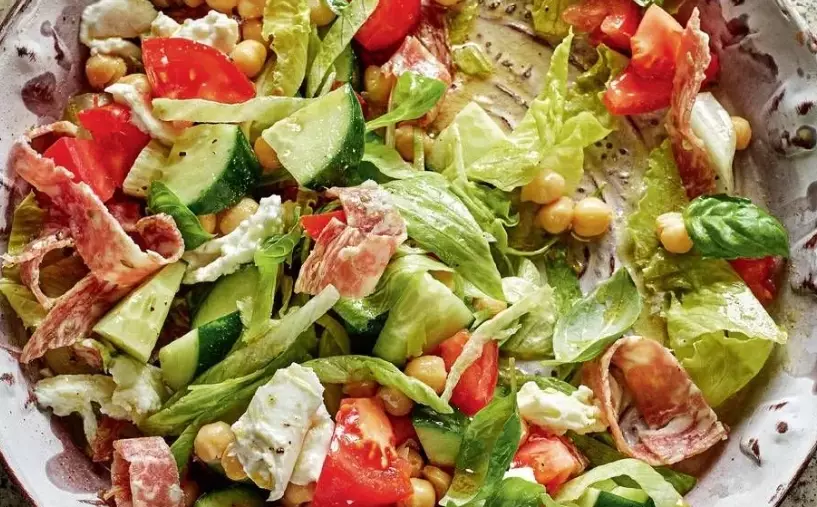
Wrapping It Up: Your Italian Salad Journey
Creating an authentic Italian salad recipe is about embracing simplicity and quality. It's not rocket science, but it does require attention to detail. Start with fresh ingredients, use good olive oil, and don't overcomplicate it. Remember, the best salads I've had in Italy were the simplest—just a few things done right.
I encourage you to try the basic recipe, then play with variations. Share it with friends, adjust to your taste, and don't stress over perfection. Cooking should be fun, not a chore.
If you're looking for more inspiration, explore regional Italian cookbooks or websites like Gustiamo for authentic ingredients. But honestly, you can make a fantastic salad with what's available locally.
Related Articles
Master Italian Pasta Recipes: Classics, Regional Gems & Pro Tips
Top 10 Italian Pasta Dishes: A Guide to Classics
Italy's Most Traditional Dish: The Definitive Guide to Authentic Cuisine
What is a Good Appetizer Before Pasta Dinner? 15+ Expert Picks & Pairing Guide
Chopped Italian Sandwich Recipe: Step-by-Step Homemade Guide

Unique Italian Appetizers: Beyond Bruschetta & Meatballs
Authentic Italian Bolognese Recipe: The Real Ragù from Bologna
Authentic Italian Vegetarian Recipes: Classics Made Simple & Delicious
How to Make Perfect Italian Polenta: Creamy, Grilled & Fried Recipes
Italian Chopped Salad Recipe: The Ultimate Guide to a Perfect Antipasto

What is the dispute over the open and closed source of large models?
Easy Italian Recipes: 5 Classics Anyone Can Master at Home
Sweet Italian Sausage Recipes: From Classic Pasta to Creative Feasts
Authentic Italian Green Beans Recipe: A Classic Nonna's Method
What to Cook for an Italian Christmas: The Ultimate Feast Guide
The Ultimate Guide to a 3 Course Vegetarian Italian Meal
The Heart of Italy on Your Plate: Timeless Traditional Italian Recipes & Kitchen Wisdom

Authentic Italian Stromboli Recipe: Easy Homemade Guide for Perfect Results
Authentic Italian Dinner Recipes: Classics for Your Table
Easy Crusty Italian Bread Recipe: Homemade Ciabatta & Focaccia
Authentic Italian Pasta Sauce Recipes: From Classic Tomato to Rich Ragù
Traditional Italian Vegetarian Recipes: Classics Beyond Pasta

Authentic Italian Cheesecake Recipe: Creamy Ricotta Dessert Guide
Easiest Italian Food to Make: 5 Simple Recipes for Beginners
Authentic Italian Dinner Recipes & Essential Secrets Explained
Italian Meatloaf Recipe: The Ultimate Comfort Food Guide
Real Italian Salad Recipes: Authentic Classics & Modern Twists

The global economy has ushered in a remarkable transformation after the new crow
Ultimate Vegetarian Pasta Recipes: Flavorful & Easy

Leave a Comment