Authentic Italian Meatballs Recipe: Tender, Juicy & Full of Flavor
In This Guide
- The Core Philosophy: Tenderness is Everything
- Deconstructing the Ingredients: Why Each One Matters
- The Step-by-Step Guide: Gentle Hands, Big Flavor
- Cooking Methods: To Fry or To Bake?
- The Sauce Situation: To Simmer or Not to Simmer?
- Beyond Spaghetti: How to Serve Your Masterpiece
- Troubleshooting: Fixing Common Meatball Mistakes
- Frequently Asked Questions (FAQs)
- Wrapping It Up: Your Path to Meatball Mastery
Let's be honest. We've all had those meatballs. The ones that bounce when you drop them, the ones that are so dry you need a glass of water just to get one down, the ones that taste like nothing but seasoned cardboard. I know I have. In fact, my first attempt at an Italian meatballs recipe was a complete disaster. They were dense, they were bland, and they fell apart the moment they hit the sauce. It was a sad day.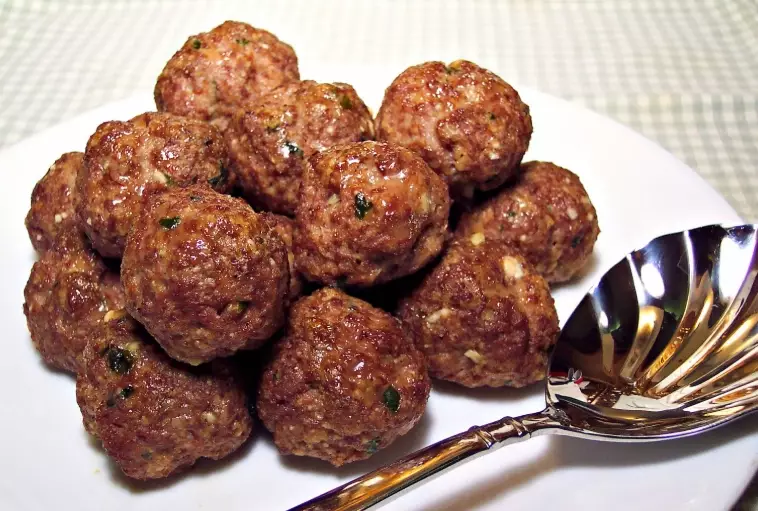
But that failure sent me on a mission. I talked to friends whose Nonnas came from Sicily and Naples. I read old cookbooks until the pages were stained with tomato sauce. I made batch after batch, tweaking and tasting, until I finally cracked the code. What I learned is that a truly great, authentic Italian meatballs recipe isn't about fancy techniques or obscure ingredients. It's about understanding a few simple principles that transform ground meat into something magical: tender, juicy, and bursting with soul-warming flavor.
This isn't just another list of ingredients and steps. This is the culmination of all those lessons. We're going to dive deep into the why behind every choice, so you can not only follow a recipe but truly master it. Whether you're serving them with a mountain of spaghetti, stuffing them into a sub, or just eating them straight from the pan (no judgment here), these meatballs will change your game.
The Core Philosophy: Tenderness is Everything
If I had to pick one goal for this authentic Italian meatballs recipe, it's tenderness. A meatball should melt in your mouth, not give your jaw a workout. Achieving this comes down to three key factors: fat content, mixing technique, and moisture.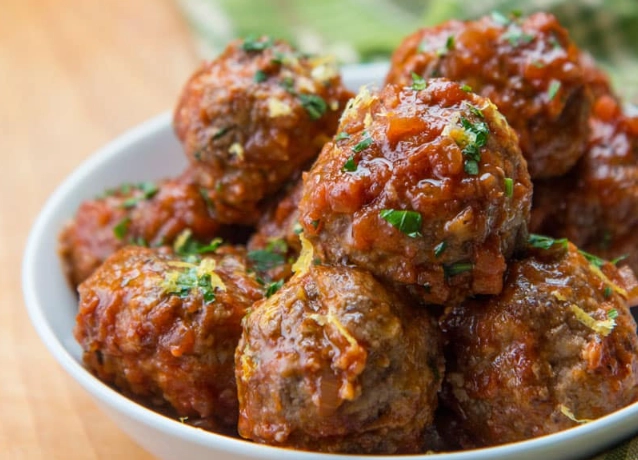
Many recipes get this wrong by being afraid of fat or by overworking the meat. Think of a meatball mixture like a delicate cloud you're trying to hold together, not a brick you're trying to cement. Over-mixing develops the proteins in the meat too much, leading to a tight, rubbery texture. You want to mix just until everything is combined—use your fingers, not a spoon or a mixer. Feel the mixture come together gently.
A Personal Misstep: I used to be a chronic over-mixer. I'd worry about uneven seasoning and just keep squishing it all together. The result was always a tough, springy meatball. It took a friend's Italian grandmother slapping my hand away (gently!) and saying "Basta! Enough!" for me to learn. Now, I mix for maybe 60 seconds, max. The difference is night and day.
The Great Meat Debate: What's the Best Blend?
This is where many Italian meatballs recipes diverge. There's no single "correct" answer, as regions and families have their preferences. However, a blend is almost always better than a single type of meat. Fat equals flavor and moisture, so you need a good balance.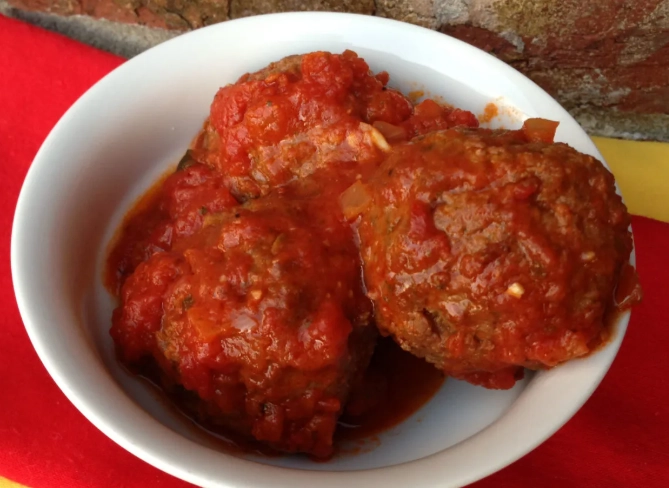
| Meat Type | Fat % (Approx.) | Flavor Profile | Best For | Potential Drawback |
|---|---|---|---|---|
| Ground Beef (80/20) | 20% | Rich, robust, classic | Heartier, more traditional meatballs. Forms a great crust. | Can be a bit heavy on its own. |
| Ground Pork | ~25% | Sweet, savory, juicy | Adding incredible moisture and tenderness. My secret weapon. | Milder flavor than beef. |
| Ground Veal | Low | Delicate, mild, tender | Upscale, ultra-tender texture. Often used in "polpette" in Northern Italy. | More expensive, less accessible. |
| Ground Turkey/Chicken | Low (unless dark meat) | Lighter, leaner | A healthier alternative. Requires extra care to prevent dryness. | Easily becomes dry and lacks richness. |
My go-to blend, and the one I find most reliable for a perfect Italian meatballs recipe, is a 50/50 mix of ground beef (80/20) and ground pork. The beef gives it that deep, meaty flavor and beautiful browning, while the pork brings an unmatched juiciness and a subtle sweetness that balances everything. If you can find it, using some ground pork shoulder (which has more fat) is even better.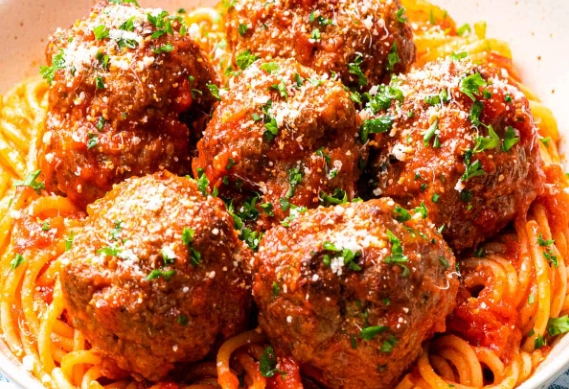
Pro-Tip: Ask your butcher to grind the meats fresh for you if possible. Pre-packaged ground meat can sometimes have a denser texture. Freshly ground makes a noticeable difference in the final tenderness of your authentic Italian meatballs.
Deconstructing the Ingredients: Why Each One Matters
Let's walk through the ingredient list for this authentic Italian meatballs recipe. I'll explain the role of each component, because substitutions aren't always equal.
The Binder: Bread vs. Breadcrumbs
This is a major point of contention. Dry breadcrumbs can work, but they often suck up moisture like a sponge, leaving your meatballs dry. The traditional, and in my opinion superior, method is to use fresh, moist bread.
Take a few slices of stale Italian or French bread (about 2 cups, torn), remove the crusts, and soak them in milk or water for 10 minutes. Then, squeeze out the excess liquid until the bread is just damp, and mash it with a fork into a paste (this is called a "panade"). This panade distributes moisture throughout the cooking process, creating an incredibly tender, almost creamy interior. It's the single best trick for how to make meatballs tender.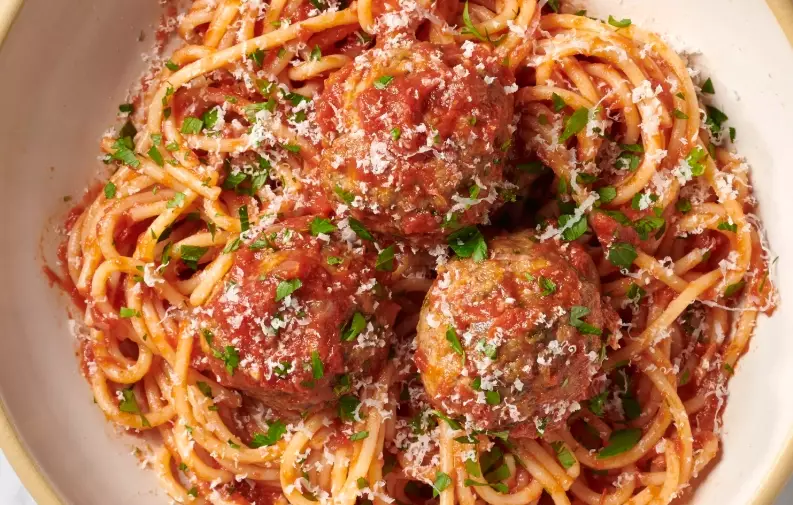
The Cheese: Parmigiano-Reggiano, No Substitutes
Don't even think about the green can. For a true Italian meatballs recipe, you need real Parmigiano-Reggiano, freshly grated. Its sharp, salty, nutty flavor is irreplaceable. Pecorino Romano is a saltier, sharper alternative used in some regions. The cheese isn't just for flavor; the granules also help keep the texture light. Use about a cup of finely grated cheese. Yes, a whole cup. Trust me.
For authoritative information on Parmigiano-Reggiano, its production, and protected status, you can refer to the official Consorzio del Formaggio Parmigiano-Reggiano website.
The Aromatics: Onion and Garlic
Never use raw onion or garlic. The moisture in them can steam the meatballs from the inside, creating pockets and a weird texture, and the raw flavor is too harsh. You must cook them first. Finely mince or grate a yellow onion and a few cloves of garlic, then sauté them gently in olive oil until soft and translucent, not browned. Let this mixture cool completely before adding it to the meat. This step builds a foundational layer of sweet, savory flavor.
The Herbs: Fresh is Best
Flat-leaf parsley (Italian parsley) is non-negotiable. Its fresh, clean taste cuts through the richness. Chop it finely. For dried herbs, a good quality dried oregano is classic. Some recipes use basil, but I find oregano holds up better to the long cooking time if you're simmering the meatballs in sauce.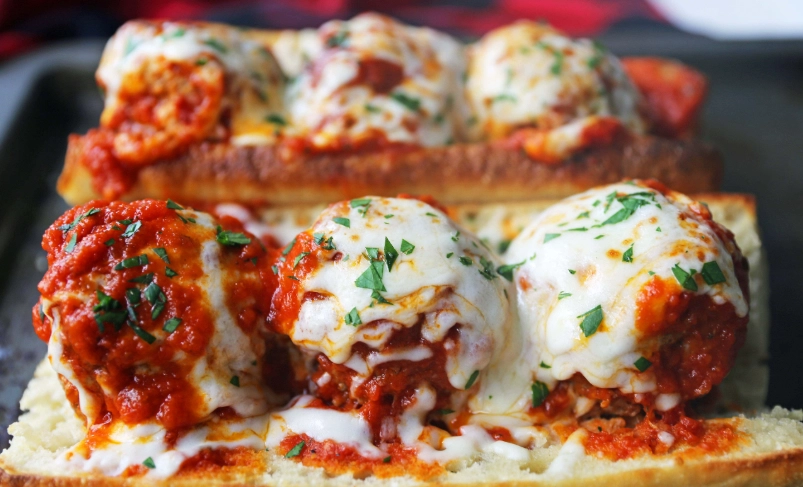
Common Pitfall: Using saltine crackers or oatmeal as a binder. While they work in a pinch, they impart their own flavor and don't provide the same delicate, moisture-retaining quality as a milk-soaked bread panade. Stick to tradition here for the best results in your Italian meatballs recipe.
The Step-by-Step Guide: Gentle Hands, Big Flavor
Alright, let's get our hands dirty. Here's the process, broken down with all the little details that make a big difference.
First, get all your ingredients prepped and ready to go (your "mise en place"). This includes making and cooling your onion/garlic mixture, preparing your panade, grating your cheese, and chopping your parsley. Having everything ready means you can mix quickly and avoid overworking the meat.
In a very large bowl, combine your ground beef and pork. Sprinkle the mixture with salt and black pepper. Now, add your cooled onion/garlic, the bread panade, the grated Parmigiano-Reggiano, the chopped parsley, a couple of eggs, and your dried oregano.
Now, the critical part. With clean hands, gently reach down and start folding the mixture over onto itself. Don't squeeze. Don't knead. Just gently lift, fold, and turn. You're incorporating the ingredients, not developing gluten like bread dough. Do this until you just stop seeing streaks of white bread or cheese—usually less than a minute of mixing. The mixture will be quite soft and moist. That's good!
Test Your Seasoning: Before you shape all the meatballs, cook a small tester. Take a teaspoon of the mixture, flatten it into a small patty, and fry it in a pan for a minute on each side. Taste it. This is your only chance to adjust the salt, pepper, or herbs in your Italian meatballs recipe. It's a game-changer.
To shape, keep a bowl of water nearby. Wet your hands lightly—this prevents sticking and keeps the mixture from warming up in your hands. Gently roll portions of the mixture into balls. Size is up to you; I prefer about 1.5 to 2 inches in diameter (golf ball to slightly larger). Don't pack them tightly. Just cradle and roll them lightly into a round shape. Place them on a parchment-lined tray.
Cooking Methods: To Fry or To Bake?
Another great debate. Both methods have merits for your Italian meatballs recipe.
Pan-Frying (My Preferred Method): This creates a gorgeous, flavorful, caramelized crust through the Maillard reaction. That crust adds tremendous depth of flavor, especially if you're going to finish the meatballs in a sauce. Heat a generous amount of olive oil in a heavy skillet (cast iron is ideal) over medium heat. Don't crowd the pan. Add the meatballs and let them develop a deep brown crust on one side before carefully turning them. You don't need to cook them all the way through—just get them nicely browned on most sides. They'll finish cooking in the sauce. The fond (browned bits) left in the pan is liquid gold for your sauce.
Baking: This is easier, less messy, and hands-off. It's also a bit healthier as the meatballs render fat onto the baking sheet. Preheat your oven to 400°F (200°C). Place the shaped meatballs on a parchment-lined baking sheet (you can give them a very light spray of oil if you want more browning). Bake for about 20-25 minutes, turning once, until browned and cooked through. The flavor is slightly less complex than fried, but it's still excellent and much simpler.
I usually pan-fry when I'm making a special dinner and want that extra flavor dimension. I bake when I'm making a huge batch for a party or for freezing. For the ultimate best meatballs recipe experience, I recommend pan-frying.
For a scientific look at why browning (the Maillard reaction) creates such complex flavors, resources like those from the Serious Eats food science section offer great, accessible explanations.
The Sauce Situation: To Simmer or Not to Simmer?
If you've pan-fried your meatballs, you have a beautiful skillet with those browned bits. Pour off most of the fat, then add your favorite simple tomato sauce (a couple of cans of good San Marzano tomatoes, crushed by hand, with a little of the cooked onion and garlic, and some basil is perfect). Let the sauce simmer for a few minutes in the skillet, scraping up the fond.
Then, gently nestle the browned meatballs into the simmering sauce. Partially cover the pot and let it bubble very gently for at least 30 minutes, or up to 2 hours. This slow simmering allows the meatballs to become incredibly tender and for their flavors to marry with the sauce. The sauce also becomes richer and meatier.
If you baked your meatballs, you can still add them to a simmering sauce for 20-30 minutes to let the flavors blend.
My Opinion: Simmering in sauce is non-negotiable for me. It transforms both the meatball and the sauce. The meatball absorbs the acidity and sweetness of the tomatoes, becoming even more tender, while the sauce takes on a savory, meaty depth you just can't get any other way. It's the heart of a classic Italian meatballs recipe.
Beyond Spaghetti: How to Serve Your Masterpiece
Obviously, piled on top of a bed of al dente spaghetti is iconic. But don't stop there.
- Meatball Subs: Split a long Italian roll, toast it lightly, spread with sauce, add 3-4 meatballs (sliced in half if large), top with more sauce and a generous layer of melted mozzarella and provolone. Broil until bubbly.
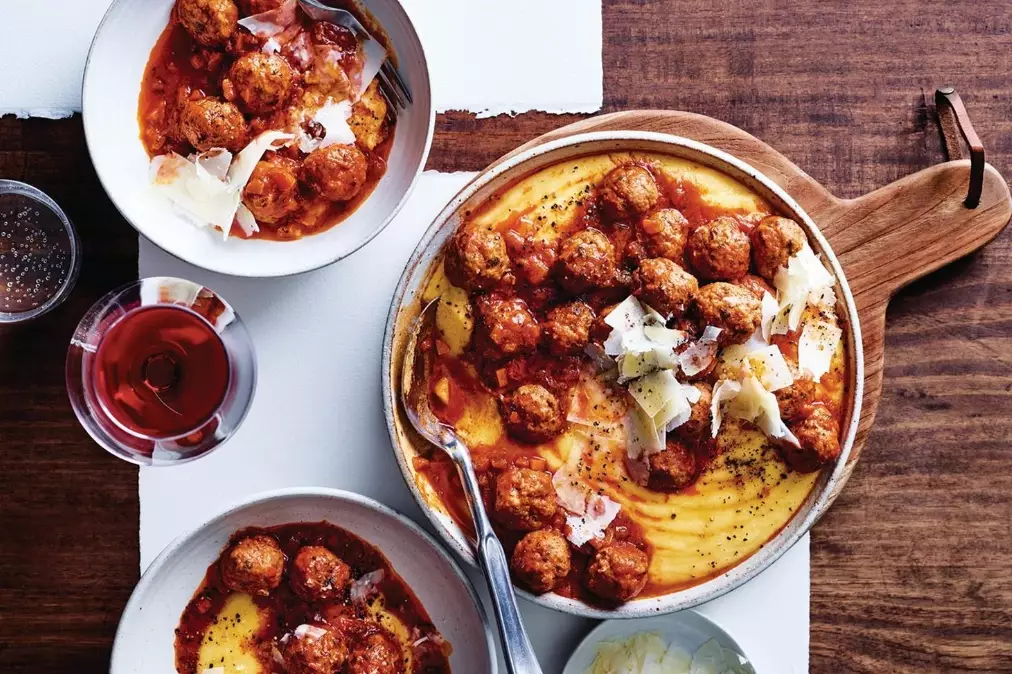
- As a Main Course: Serve 3-4 meatballs with a pool of sauce, a side of creamy polenta or mashed potatoes, and a simple green salad.
- Appetizer: Make smaller, bite-sized meatballs ("polpettini"), simmer in sauce, and serve with toothpicks.
- On Their Own: Honestly, a plate of these meatballs with some crusty bread for mopping up the sauce is a perfect meal.
Troubleshooting: Fixing Common Meatball Mistakes
Even with a great recipe, things can go wrong. Here's how to diagnose and prevent common issues.
Why are my meatballs tough and dense?
You almost certainly overmixed the meat and/or packed the balls too tightly. Remember: gentle folds, wet hands, light shaping. Also, check your meat blend—too lean will also lead to dryness.
Why did my meatballs fall apart in the pan or sauce?
The binder wasn't sufficient, or the meatballs weren't chilled before cooking. The panade is crucial for binding. Also, after shaping, pop the tray of meatballs in the fridge for 30 minutes. This firms them up and helps them hold their shape during the initial sear.
Why are my meatballs bland?
Underseasoning is the culprit. Meat needs salt. Don't be shy. Remember the tester patty trick! Also, ensure you're using enough cheese and that your aromatics (onion/garlic) were properly cooked and cooled.
Can I make them ahead of time?
Absolutely. You can shape the meatballs and refrigerate them on a tray, covered, for up to 24 hours before cooking. You can also fully cook and sauce them, then refrigerate for 3-4 days or freeze for several months. The flavor often improves after a day in the fridge.
Frequently Asked Questions (FAQs)
Let's tackle some of the specific questions people have when searching for the perfect Italian meatballs recipe.
Wrapping It Up: Your Path to Meatball Mastery
So there you have it. The journey from hockey pucks to heavenly bites. This authentic Italian meatballs recipe isn't about rigid rules, but about understanding the principles of tenderness, flavor layering, and gentle handling.
Start with a good meat blend. Embrace the panade. Use real cheese. Cook your aromatics. Mix with a light touch. Don't be afraid of a good sear. And let them have a long, slow date with a robust tomato sauce.
Will it take a bit more effort than dumping ingredients into a bowl? Maybe. But the payoff is immense. You'll end up with meatballs that are tender enough to cut with a fork, juicy enough to make you close your eyes with pleasure, and flavorful enough to make you feel like you're in a trattoria in Rome or a family kitchen in Brooklyn.
Give it a try this weekend. Make a double batch. Freeze half. Your future self, on a busy Tuesday night, will thank you profusely. Now, go forth and make some incredible meatballs.
Related Articles

Sudden bad news! A-shares plunged, Hong Kong stocks fell more than 2%, and there

The reason for the surge in A-shares has been found! The Shanghai Composite Inde

The medium-sized trap of Internet companies
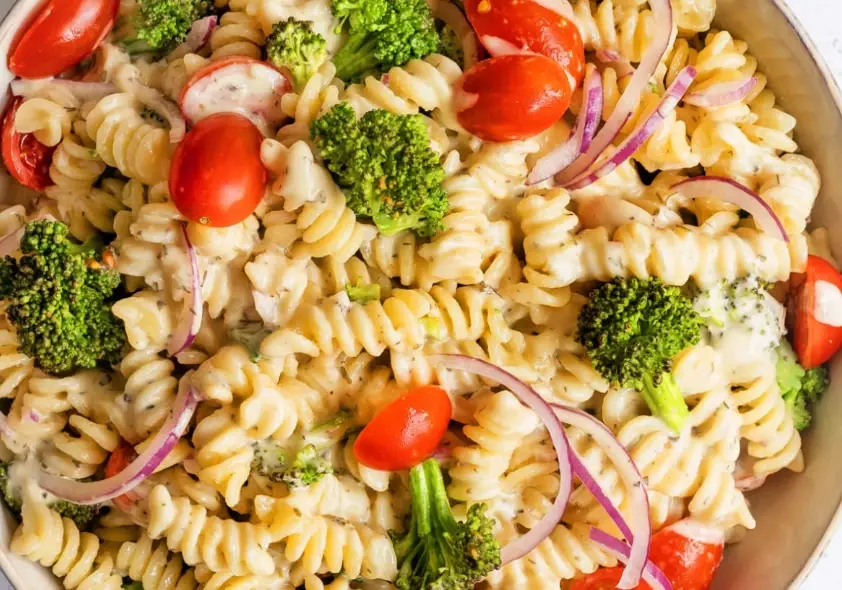
Perfect Pasta Salad Recipe with Homemade Italian Dressing

Authentic Italian Food Recipes: A Home Cook's Guide to Getting It Right
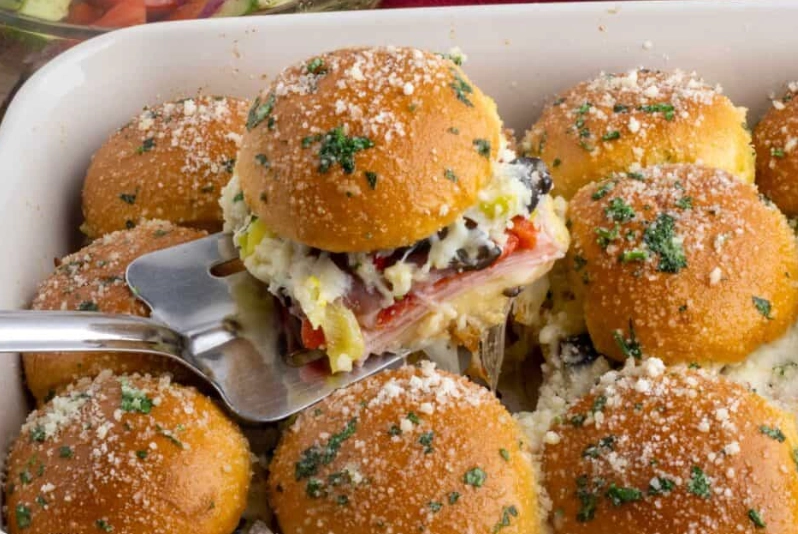
Ultimate Guide to Italian Slider Variations & Recipes

The number has increased nearly fourfold in ten years, and the global digital ba
What Is Authentic Italian Food? A Guide to Regional Classics & Home Cooking
Simple Pasta Recipes for Busy Weeknights: 3 Classics Made Easy

Tesla VS BYD: A new wave of insurance for electric car giants

Paris Notes 10: Visiting Galeries Lafayette, more than half of the "saleswomen"
Authentic Italian Drunken Noodles Recipe (Pasta alla Ubriaca)
Authentic Italian Pasta Recipes: From Carbonara to Pesto
Ultimate Guide to Spaghetti Pasta Recipes: Easy, Authentic & Creative
What to Cook for an Italian Christmas: The Ultimate Feast Guide

Homemade Italian Ice Recipe: Smooth, Grain-Free & Authentic

Modern Italian Cocktails: A Guide to Artisanal Mixology
Traditional Italian Pasta Sauces: A Complete Guide to the Classics

Is Xiaomi Auto dumped?
Italian Cream Cake Recipe: A Southern Classic with Italian Flair

Authentic Italian Cannoli Recipe: Crispy Shells & Sweet Ricotta Filling

Sudden good news! The RMB surged 300 points, 4,100 A-shares rose, and banks that
Ground Italian Sausage Recipes: The Ultimate Guide for Easy & Flavorful Dinners

Authentic Italian Cheesecake Recipe: Creamy Ricotta Dessert Guide
Ultimate Guide to Italian Sandwich Recipes: From Classics to Modern Twists
Authentic Italian Recipes: Secrets from a Roman Kitchen
Master the Classics: The Best Italian Recipes You Need to Know
Master Italian Pasta Recipes: Classics, Regional Gems & Pro Tips
Italian Pasta e Fagioli Soup Recipe: Authentic & Easy
Leave a Comment