Authentic Italian Pasta Recipes: A Complete Cooking Guide
Navigate Your Pasta Adventure
- The Foundation: Three Pasta Recipes You Must Master First
- Leveling Up: From Dried to Fresh & Handmade Pasta
- The Italian Pantry: Your Secret Weapons
- Pasta Shapes & Sauce Pairing: It's Not Random
- Answering Your Pasta Questions (The FAQ Every Cook Needs)
- Common Pasta Pitfalls & How to Fix Them
- Beyond the Basics: Exploring Regional Italian Pasta Recipes
Let's be honest. We've all had that box of dried spaghetti and a jar of sauce. It's fine. It gets dinner on the table. But then you go to a proper Italian restaurant, or better yet, you visit Italy, and you taste pasta that's on a completely different planet. It's not just food; it's an experience. Silky, perfectly textured noodles coated in a sauce that's simple yet somehow profound. You think, "I could never make this at home."
I'm here to tell you that you absolutely can. The secret isn't in fancy equipment or impossible-to-find ingredients. It's in understanding a few non-negotiable principles. This isn't about rigid rules—Italians themselves argue fiercely about them—but about core truths that make the difference between "okay" and "oh my god." We're going to ditch the misconceptions and build your confidence from the ground up, covering everything from the most famous authentic Italian pasta recipes to the little tricks nonnas use.
I learned some of this the hard way. My first from-scratch carbonara was a scrambled egg mess. My early pasta dough was either tough as leather or sticky enough to trap a small animal. But that's part of the fun.
The Foundation: Three Pasta Recipes You Must Master First
Jumping into obscure regional pasta is tempting, but mastering a few classics teaches you 90% of the skills you need. These are the Italian pasta recipes that every home cook should have in their back pocket. They're deceptively simple, which means there's nowhere to hide. Get these right, and you've unlocked the cuisine.
Spaghetti alla Carbonara: The Egg & Cheese Test
This Roman dish is arguably the most botched recipe online. No cream. Ever. I don't care what that viral video said. The magic of carbonara is the emulsion of egg yolks, grated Pecorino Romano cheese, pasta water, and rendered guanciale fat. The heat from the pasta cooks the eggs into a creamy sauce, not scrambled bits.
Here's the real method: Cook your guanciale (pancetta in a pinch) until crispy. Whisk egg yolks (whole eggs can work too, but yolks are richer) with a mountain of Pecorino and lots of black pepper. Cook your spaghetti. Now, the critical dance: Toss the hot pasta with the guanciale and its fat OFF THE HEAT. Then, quickly pour in the egg/cheese mixture, tossing furiously while adding splashes of the starchy pasta water. The residual heat will do the job. If you see curds forming, the pan was too hot. It's a lesson in temperature control.
Pasta al Pomodoro: The Sauce Simplicity Test
This is where you learn that a great tomato sauce doesn't need to simmer all day. The flavor comes from quality canned San Marzano tomatoes (look for the DOP certification from the Italian Ministry of Agricultural, Food and Forestry Policies to ensure authenticity), good olive oil, garlic, and basil. That's it.
Crush the tomatoes by hand for the best texture. Gently cook sliced garlic in olive oil until fragrant but not browned. Add the tomatoes, a pinch of salt, and a few basil leaves. Let it bubble gently for 20-25 minutes, just until it thickens and the raw tomato taste mellows. Toss with your pasta (something like spaghetti or rigatoni), finish with a drizzle of raw olive oil and more fresh basil. The sauce should cling to the pasta, not pool underneath it. This recipe teaches you about ingredient quality and restraint.
Orecchiette con Cime di Rapa: The Vegetable & Bitter Greens Test
This is a staple from Puglia. "Cime di rapa" is broccoli rabe—it's got a wonderful, pleasant bitterness. If you can't find it, regular broccoli works, but it's a different dish. The process is a masterclass in building flavor layers. You sauté anchovy fillets (they melt away, adding umami, not fishiness), garlic, and chili flakes in olive oil. Add the chopped greens and a splash of water to wilt them. Meanwhile, you boil the orecchiette (their "little ear" shape is perfect for trapping bits). Combine everything in the pan, add a handful of toasted breadcrumbs for crunch instead of cheese. It's savory, bitter, spicy, and textured. A perfect example of a traditional Italian pasta dish that's a complete, balanced meal.
See? Already we've covered creamy, tomato-based, and vegetable-forward sauces. That's a solid foundation.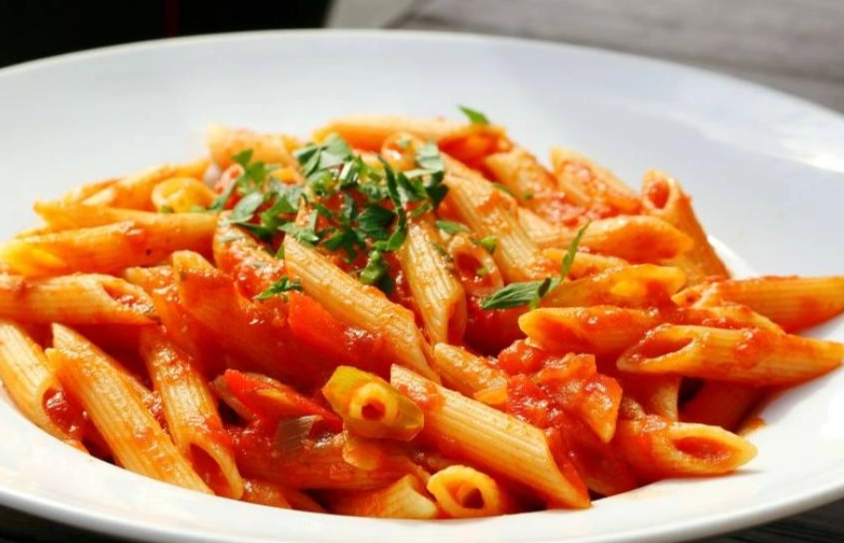
Leveling Up: From Dried to Fresh & Handmade Pasta
Using high-quality dried pasta (De Cecco, Garofalo, Rummo) is absolutely legitimate and preferred for many sauces. But making fresh pasta opens up a new world of shapes and textures. Let's demystify it.
The basic ratio is 100 grams of "00" flour (it's finely milled) to 1 large egg per person. You mound the flour, make a well, add the eggs, and slowly incorporate. Knead for a solid 10 minutes until smooth and elastic. Rest the dough, wrapped, for 30 minutes. Then roll it out—by hand with a rolling pin or, more realistically, with a manual pasta machine.
Now, what to make? Tagliatelle (ribbons) are a great start. Pappardelle (wide ribbons) are even easier. Then you can try stuffed pastas like tortellini. The Academia Barilla, a respected center for Italian gastronomic culture, has excellent visual guides on traditional shaping techniques that are worth checking out.
But here's a hot take: Not every sauce is better with fresh pasta. Hearty ragùs, puttanesca, pesto—they often pair better with dried pasta because its rougher surface grabs the sauce better. Fresh pasta loves simple, creamy, or butter-based sauces. It's about pairing, not superiority.
The Italian Pantry: Your Secret Weapons
You can't build great Italian pasta recipes without the right building blocks. This isn't an exhaustive list, but the essentials.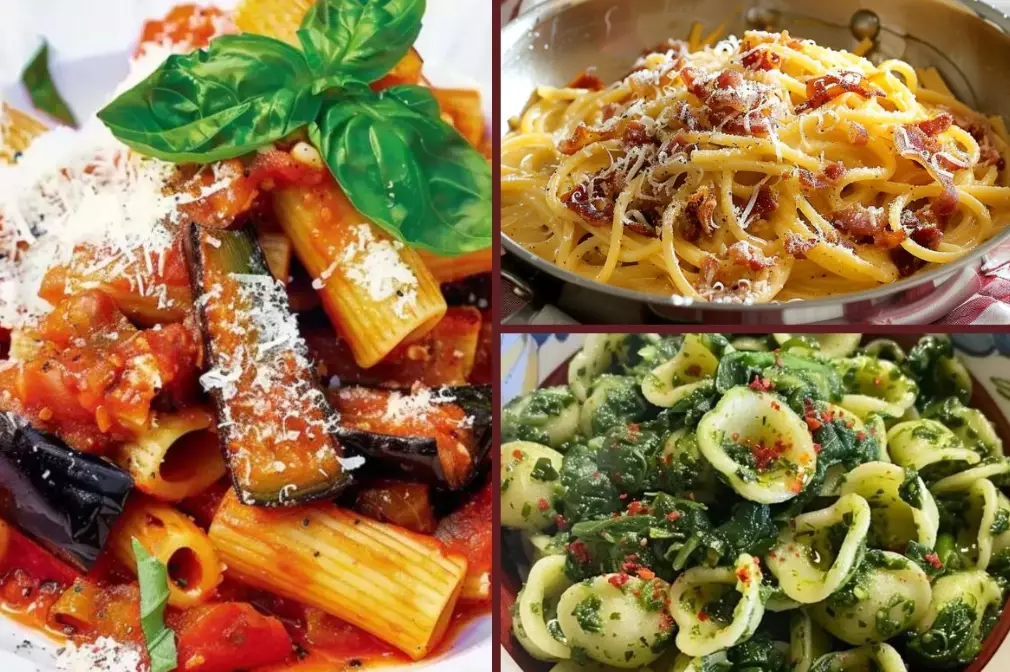
| Ingredient | What It Is & Why It Matters | Brand/Type to Look For |
|---|---|---|
| Pasta | Dried pasta should be made from 100% durum wheat semolina. It gives the perfect al dente bite. | De Cecco, Garofalo, Rummo. Look for bronze-die extruded for a rougher surface. |
| Tomatoes | San Marzano DOP tomatoes are less acidic, sweeter, with fewer seeds. They make a smoother, brighter sauce. | Certified "DOP San Marzano" on the label. Cento, La Valle, etc. |
| Olive Oil | Have two: a robust one for cooking (like Puglian) and a delicate, fruity one for finishing (like Tuscan). | Extra Virgin Olive Oil (EVOO) only. Avoid anything labeled just "olive oil." |
| Cheese (Parmigiano-Reggiano & Pecorino) | Parmigiano (cow's milk, nutty) is from the North. Pecorino (sheep's milk, salty, tangy) is from Central/South. They are NOT interchangeable. | Buy a wedge and grate it yourself. Pre-grated has anti-caking agents that ruin texture. |
| Guanciale | Cured pork cheek, fattier and more flavorful than pancetta. Essential for authentic Carbonara and Amatriciana. | May be found at Italian delis or specialty butchers. Pancetta is the acceptable substitute. |
One more thing on cheese. That green shaker can of "Parmesan" has its place, but it's not Parmigiano-Reggiano. For your pasta, invest in the real stuff. The flavor difference is astronomical, and you need less of it. A report by CNN Travel on Italian food fraud highlights how seriously Italy takes the protection of these names, which tells you something about their importance.
Pasta Shapes & Sauce Pairing: It's Not Random
Italians didn't invent hundreds of pasta shapes just for fun. The shape is a tool to deliver the sauce effectively. Getting this right elevates your dish instantly.
Long, Thin Shapes (Spaghetti, Linguine, Bucatini): Best with oil-based, light tomato, or seafood sauces. The sauce lightly coats each strand. Think Spaghetti alle Vongole (clams), Aglio e Olio, or a simple Pomodoro.
Short, Tubular Shapes (Penne, Rigatoni, Ziti): These are the workhorses. Their ridges and holes capture chunky vegetable sauces, meat ragùs, and baked pasta dishes. The sauce gets inside the tube. A classic Penne all'Arrabbiata is perfect here.
Shapes with Nooks (Fusilli, Casarecce, Orecchiette): These are designed for pesto, thick vegetable purees, or sauces with small bits. The sauce clings into every twist and crevice. That's why Fusilli with pesto is a classic combo.
Stuffed Shapes (Tortellini, Ravioli): The sauce here is usually a simple butter-based (like sage butter) or light cream sauce that complements, rather than competes with, the delicate filling.
Matching the right shape to your sauce isn't a strict law, but it's a principle that makes your easy pasta recipes feel much more professional and satisfying to eat.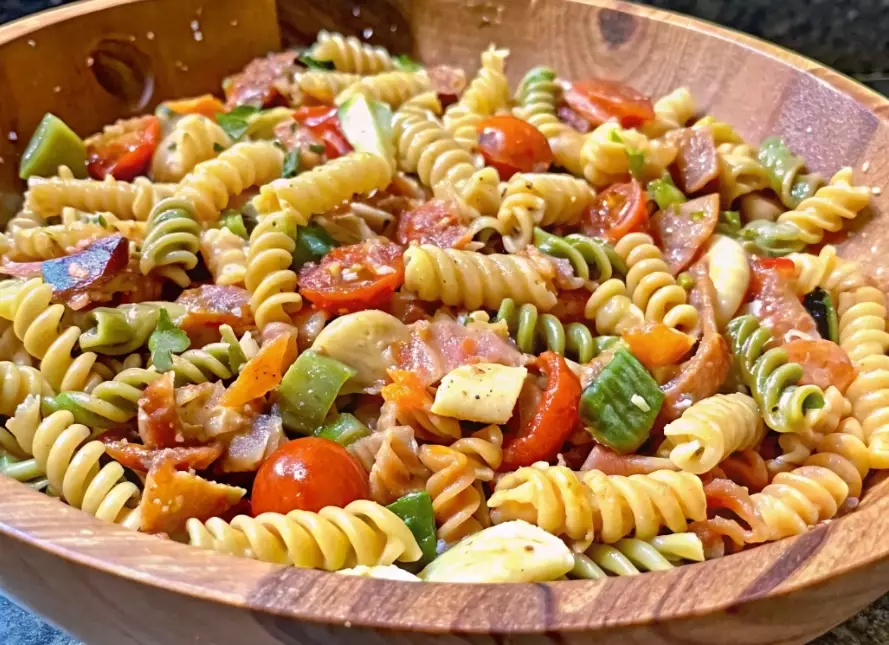
Answering Your Pasta Questions (The FAQ Every Cook Needs)
I get asked these all the time. Let's clear them up.
Common Pasta Pitfalls & How to Fix Them
Things go wrong. Here's your troubleshooting guide.
My sauce is too watery. Let it simmer uncovered to reduce. Or, add a ladle of your starchy pasta water and cook the pasta in the sauce for the last minute—the starch will help thicken it. For a cream sauce, a sprinkle of grated cheese can help bind it.
My sauce is too thick. Easy. Pasta water is your friend again. Add it splash by splash until you reach the desired consistency.
The cheese clumped up in my sauce. You added it to a sauce that was too hot or didn't have enough liquid. Take the sauce off the heat, let it cool for a minute, then whisk in the cheese. Adding it with some pasta water helps too.
My fresh pasta dough is too sticky. Dust it with flour and knead it in. Next time, you might need slightly less egg or a touch more flour, as egg sizes and flour hydration vary.
My fresh pasta dough is too dry and cracking. Dab your fingers in water and knead it into the dough, bit by bit, until it becomes pliable. Humidity matters a lot.
Cooking is problem-solving. Don't panic.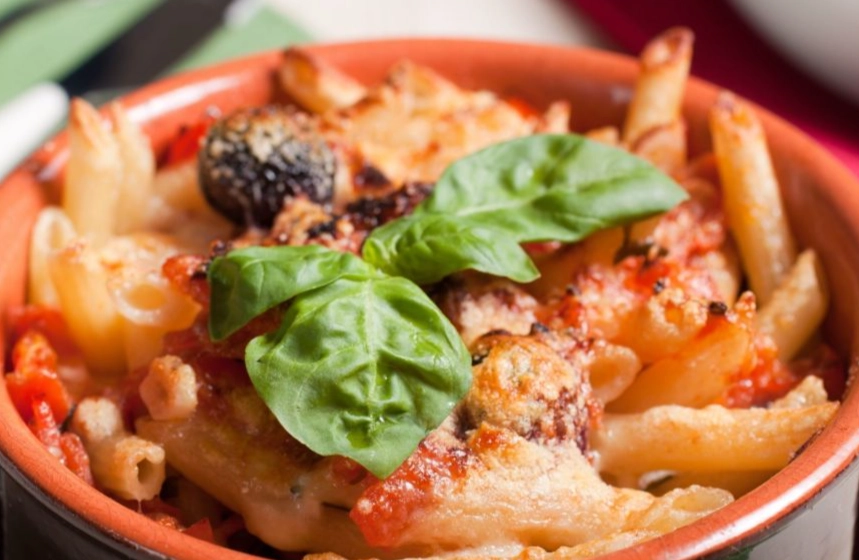
Beyond the Basics: Exploring Regional Italian Pasta Recipes
Once you're comfortable, the real adventure begins. Italy's regions are like different countries when it comes to food.
From the North (Liguria/Piedmont): Think rich, butter-based sauces, cream, and truffles. Tagliatelle al Ragù Bolognese (the *real* slow-cooked meat sauce, not what Americans call "spaghetti bolognese") is king here. Trenette al Pesto from Genoa is the birthplace of that iconic basil sauce.
From Central Italy (Tuscany, Rome, Umbria): This is the heartland of the classics we covered: Carbonara, Amatriciana (tomato, guanciale, Pecorino), Cacio e Pepe (just cheese and pepper—a minimalist masterpiece). Pici, a hand-rolled thick spaghetti from Tuscany, is fantastic with a wild boar ragù.
From the South (Campania, Puglia, Sicily): Vibrant, bold flavors. Tomato reigns supreme. Spaghetti alle Vongole from Naples. Orecchiette from Puglia. In Sicily, you get influences from the sea and the Arab world—pasta with sardines, fennel, and pine nuts (Pasta con le Sarde), or with eggplant (Pasta alla Norma).
Each region tells a story through its ingredients and history. Exploring these authentic Italian pasta recipes is a delicious way to travel from your kitchen.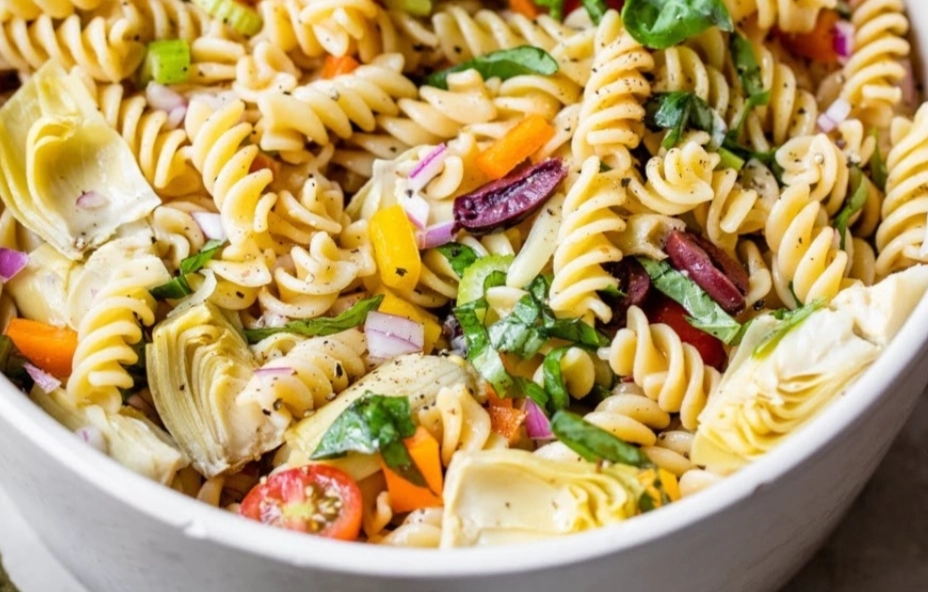
So, where do you start? Pick one of the three foundation recipes. Read it through, get your ingredients (the good stuff!), and just go for it. Don't aim for perfection on the first try. Aim for learning. Taste as you go. Adjust. That jar of sauce will still be there if you need it, but I have a feeling you won't.
Pasta is about joy, about sharing, about turning simple ingredients into something magical. It's one of the most forgiving and rewarding things you can learn to cook well. Now, go boil some water.
Related Articles
Top 10 Pasta Dishes: Must-Try Italian Classics & Expert Tips
Authentic Italian Pizzelle Recipe: Crispy, Classic & Easy
Healthy Italian Vegetarian Recipes: Flavorful Main Dishes Made Easy
Authentic Italian Bolognese Recipe: The Real Ragù from Bologna
How to Make Perfect Italian Polenta: Creamy, Grilled & Fried Recipes
Top 10 Italian Dishes You Must Try: Authentic Flavors Explained
Authentic Italian Pizza Dough Recipe: A Step-by-Step Guide

Three years and five visits to the Hong Kong Stock Exchange, can Wumart realize
Easy Italian Dressing Noodle Salad Recipe: Perfect for Summer

The "half-year report" of the economy of 31 provinces is released: Inner Mongoli
Authentic Italian Vegetarian Recipes: Classics Made Simple & Delicious

The State Administration of Financial Supervision: Commercial banks have release
Authentic Italian Eggplant Recipes: From Parmigiana to Caponata
The Ultimate Homemade Italian Dressing Recipe (Easy & Authentic)
Easy Italian Recipes: 5 Classics Anyone Can Master at Home
What is a Good Appetizer Before Pasta Dinner? 15+ Expert Picks & Pairing Guide
Authentic Italian Love Cake Recipe: The Ultimate 3-Layer Dessert Guide
Italian Casserole Recipes: Easy Family Dinners & Expert Tips
Ultimate Guide to Classic Italian Baked Pasta Dishes
Authentic Italian Family Meal Recipes: From Antipasti to Dolce
Authentic Italian Hot Chocolate Recipe: Rich, Thick & Easy

Why did China Resources take over Tasly?
What to Bring to an Italian Dinner Party: The Ultimate Guest's Guide
Real Italian Salad Recipes: Authentic Classics & Modern Twists
Easy Italian Dinner Recipes You Can Make Tonight
Traditional Italian Holiday Dinner Recipes: A Complete Guide to a Festive Feast
What Are the Top 10 Italian Appetizers? A Taste of Italy's Antipasto Secrets

Unique Italian Cocktails: Beyond the Aperol Spritz
Italian Cream Cake Recipe: A Southern Classic with Italian Flair
Leave a Comment