Authentic Italian Chicken Recipes: From Classics to Modern Twists
Key Sections
- The Heart of the Matter: Core Principles for Authentic Flavor
- The Classics: Italian Chicken Recipes That Built a Reputation
- Beyond the Plate: The Perfect Pairings
- Modern Twists & Dietary Tweaks
- Your Italian Chicken Recipe Quick-Reference Guide
- Answering Your Burning Questions (The FAQ Nonna Isn't Here to Answer)
- Final Thoughts: Your Kitchen, Your Rules
Okay, let's be honest. You search for Italian chicken recipes and you get a million versions of "chicken parm" that, while delicious, sometimes feel about as Italian as a pineapple on pizza in Naples. Not that there's anything wrong with chicken parmigiana—it's a crowd-pleaser for a reason. But there's a whole other world out there. A world of bright lemon, fragrant rosemary, slow-simmered tomatoes, and wine-kissed sauces that feels like a sun-drenched terrace in Tuscany rather than a red-checkered tablecloth chain restaurant.
That's what we're diving into today. I'm not just throwing recipes at you. I want to talk about the why behind the best Italian chicken recipes. The philosophy. Because once you get that, you can freestyle. You can look in your fridge and think, "Hmm, I have some olives, half a lemon, and some herbs... I bet I could make something work." That's the real goal.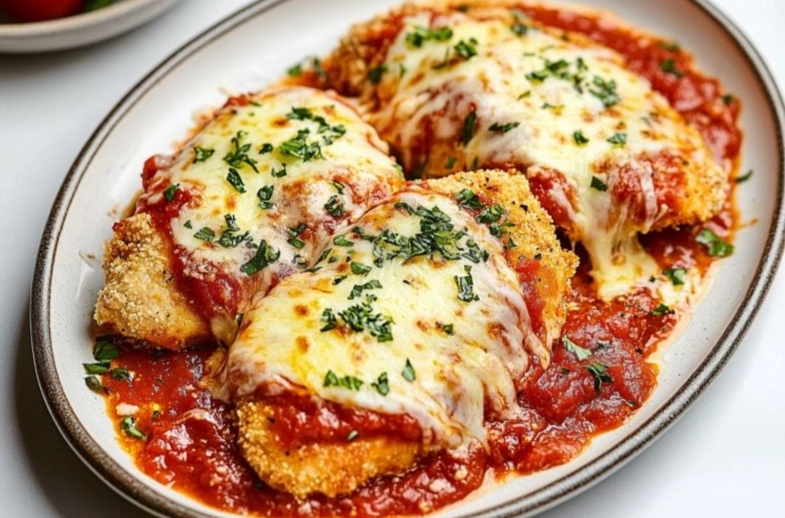
I learned this the hard way, by the way. My first attempt at a "fancy" Italian chicken dish was a disaster. I used boneless, skinless breasts (mistake number one), cooked them on too high heat (mistake two), and drowned them in a jarred marinara (mistake three). The result was dry, bland, and sad. It tasted nothing like the succulent, flavor-packed chicken I'd had in a tiny trattoria in Rome. That experience sent me down a rabbit hole of reading, testing, and bothering Italian friends for their family secrets.
The Heart of the Matter: Core Principles for Authentic Flavor
Before we get to the actual recipes, let's lay some groundwork. Skip this, and you risk ending up with my early dry-breast tragedy. These aren't rigid rules, but more like guidelines that most nonnas would nod along to.
Chicken Choice: Thighs vs. Breasts, Skin-On vs. Skin-Off
This is the big one. For most traditional, slow-cooked or roasted Italian chicken recipes, bone-in, skin-on chicken thighs or a whole chicken cut into pieces are the champions. Why? Fat and collagen. The bones and skin add immense flavor and, more importantly, keep the meat juicy during longer cooking. The skin gets crispy and glorious. Chicken breasts, especially boneless/skinless, are lean and unforgiving. They have a place—in a quick piccata, for instance—but they demand careful attention.
My personal stance? For a weekend pollo al forno (roast chicken) with potatoes, I'd never use breasts. For a quick Tuesday night lemon chicken sauté, a thin-cut breast (a scaloppine) is perfect. Context is everything.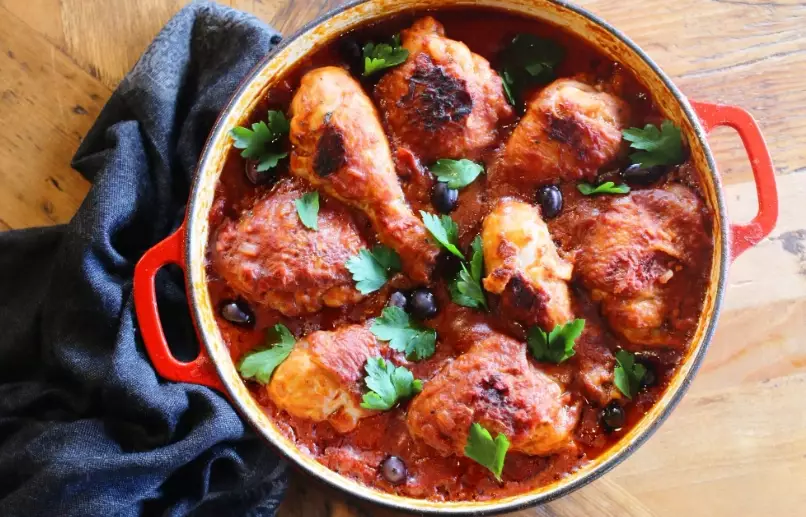
The Holy Trinity (Plus One): Olive Oil, Garlic, Herbs
This is your flavor base for about 70% of these dishes. Good extra-virgin olive oil (EVOO) is non-negotiable. You don't need the $50 bottle for cooking, but get something decent you'd also drizzle on bread. Garlic—use it generously, but don't burn it! Burnt garlic is bitter. Cook it gently until it's just fragrant.
Then, the herbs. Rosemary, sage, thyme, and oregano. Fresh is transformative. A sprig of fresh rosemary tossed in the pan with chicken and potatoes is a game-changer. If you must use dried, use half the amount and add them early to bloom in the oil.
The "plus one"? Wine. A splash of dry white wine for piccata or marsala, a glug of red for cacciatore. It deglazes the pan (lifting all the tasty browned bits) and adds a layer of acidity and depth you can't get otherwise.
The Classics: Italian Chicken Recipes That Built a Reputation
These are the pillars. The dishes you'll find on trattoria menus across regions, each with local variations. Mastering these gives you a fantastic repertoire.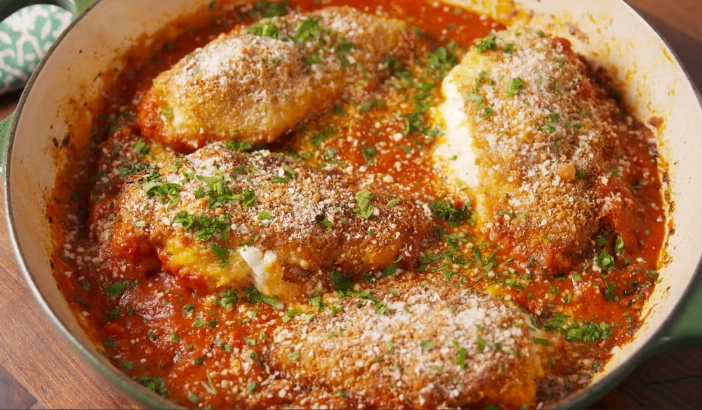
Pollo alla Cacciatora (Hunter's Chicken)
The ultimate comfort food. Chicken pieces braised with tomatoes, onions, garlic, herbs, and often wine, olives, or mushrooms. The name suggests a hunter's wife making do with what was available. It's rustic, hearty, and perfect for sopping up with crusty bread. The key is the braise—low and slow until the chicken is fall-apart tender and the sauce is rich.
My twist: I love adding a handful of pitted Kalamata olives and a teaspoon of capers right at the end for a salty, briny punch. Some recipes use red wine, some white. I prefer red for a deeper flavor. This is one of those easy Italian chicken recipes that feels fancy but is fundamentally simple.
Pollo al Limone (Lemon Chicken)
Bright, fresh, and elegant. This isn't a heavy, creamy lemon sauce. It's a light, vibrant sauce of lemon juice, white wine, broth, and a bit of butter swirled in at the end to make it silky. You typically use chicken cutlets (thinly pounded breasts or thighs) for a quick cook. The sauce comes together in minutes in the same pan.
The trick: Don't let the sauce boil after you add the butter, or it can break. And use fresh lemon juice. Always. Bottled juice has a flat, preservative taste that ruins the vibe. This dish is a testament to how few ingredients you need for a stunning Italian chicken dinner.
Pollo alla Marsala
Rich, nutty, and slightly sweet from the Marsala wine. Marsala is a fortified wine from Sicily. You dredge chicken cutlets (scaloppine) in flour, pan-fry them, then make a pan sauce with Marsala, broth, and mushrooms. It’s luxurious but surprisingly straightforward.
Important note: Use a decent Marsala. They come as "secco" (dry) or "dolce" (sweet). For savory dishes, secco is traditional. Avoid "cooking Marsala" sold next to the vinegar—it often has salt added. Just get a drinkable bottle from the wine aisle. You can use the rest for drinking or in other recipes.
See a pattern? Pan-fry, deglaze, build a sauce. It's a fundamental technique for so many great Italian chicken recipes.
Beyond the Plate: The Perfect Pairings
What do you serve with these stars? Italians think of the meal as a whole.
With Pollo alla Cacciatora: It's a meal in a bowl, but it craves something to mop up the sauce. A thick slice of rustic, grilled pane Pugliese or a heap of soft polenta is perfect. Polenta is a classic Northern Italian pairing that soaks up flavors beautifully.
With Pollo al Limone or Piccata: Something light and clean to complement the citrus. Simple steamed greens (like spinach or chard) tossed with garlic and olive oil, or a side of roasted asparagus. A plain risotto (risotto bianco) also works wonderfully.
With a Roasted Chicken (Pollo al Forno): This is the ultimate one-pan wonder. Toss potatoes (cut into chunks), carrots, onions, and whole garlic cloves in olive oil, salt, and rosemary. Scatter them around the chicken in the roasting pan. The chicken fat and juices will roast the vegetables into gloriousness. Minimal cleanup, maximum flavor.
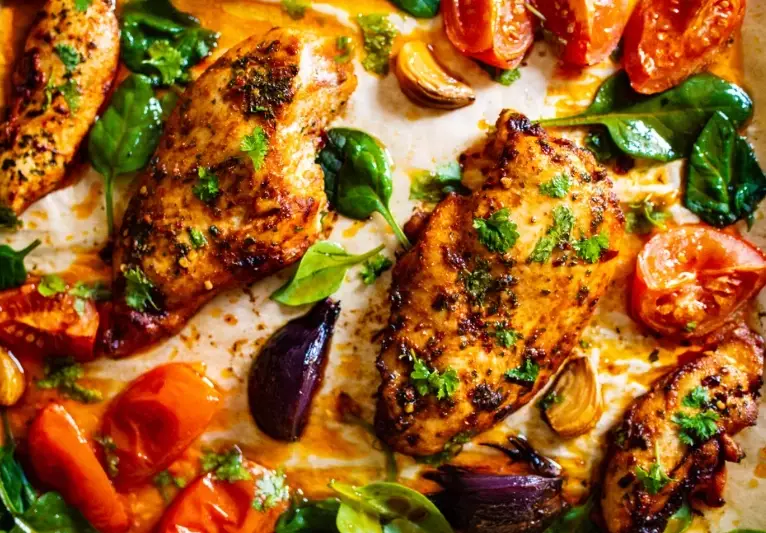 The side dish isn't an afterthought. It's part of the conversation.
Modern Twists & Dietary Tweaks
Traditional Italian chicken recipes are fantastic, but our kitchens today have different needs. Here’s how to adapt without losing the soul.
Lighter, Healthier Takes
You can make almost any of these recipes lighter. For a cream-free sauce, blend soaked cashews or a spoonful of white bean purée into the pan juices for thickness. Air fryer "roasted" chicken thighs with lemon and herbs get incredibly crispy with minimal oil. For a lower-carb option, swap the flour dredge in piccata or marsala for a dusting of almond flour or skip it entirely—you'll get a slightly less thick sauce, but the flavor is all there.
Instant Pot / Slow Cooker Adaptations
Yes, you can. Chicken Cacciatore is a slow cooker dream. Brown the chicken first (this step is crucial for flavor—don't skip it!), then throw everything in the pot on low for 6 hours. The chicken becomes unbelievably tender. For the Instant Pot, use the sauté function to brown, then pressure cook for about 15 minutes. The sauce might be a bit thinner, so reduce it using the sauté function after cooking.
I was skeptical about pressure cookers for these dishes, thinking they'd turn the chicken to mush. But for braised dishes like cacciatore, it's a legit time-saver for a weekday. Just don't try it for a dish that's meant to have crispy skin, like a classic roast.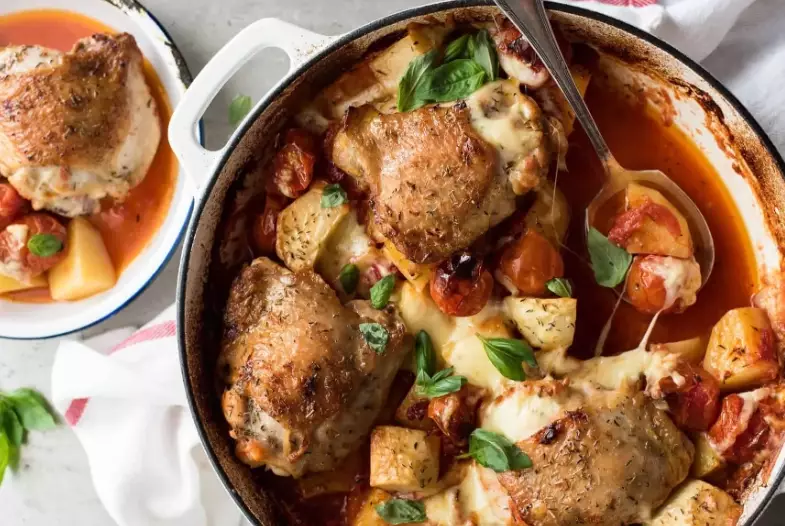
Your Italian Chicken Recipe Quick-Reference Guide
Need to decide what to make tonight? This table breaks down the classics by style, effort, and key flavors.
| Recipe (Italian Name) | Key Characteristics | Best Chicken Cut | Effort Level | Perfect For... |
|---|---|---|---|---|
| Pollo alla Cacciatora | Rustic braise, tomato & herb sauce, often with olives/mushrooms | Bone-in, skin-on thighs or drumsticks | Medium (mostly hands-off braising time) | Cozy Sunday dinner, feeding a crowd |
| Pollo al Limone | Bright, pan sauce with lemon, white wine, butter | Thin cutlets (scaloppine) of breast or thigh | Easy/Quick | A fast, elegant weeknight meal |
| Pollo alla Marsala | Rich, nutty sauce with Marsala wine and mushrooms | Thin cutlets (scaloppine) | Easy | Impressing guests without stress |
| Pollo al Forno (Roast) | One-pan roasting with herbs, lemon, potatoes & veggies | Whole chicken or bone-in pieces | Easy (active prep, then hands-off roast) | Family meal with built-in sides |
| Chicken Piccata | Similar to limone, but with briny capers in the sauce | Thin cutlets (scaloppine) | Easy/Quick | When you crave a tangy, punchy flavor |
Answering Your Burning Questions (The FAQ Nonna Isn't Here to Answer)
Let's tackle the common hiccups and curiosities head-on.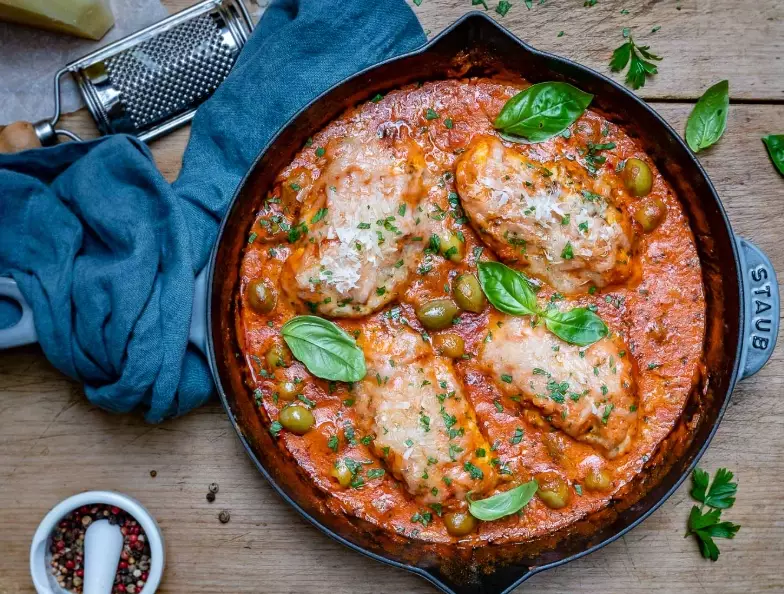
And speaking of resources, when you're curious about a specific ingredient—like what exactly San Marzano tomatoes are and why they're prized—looking at information from Italian agricultural consortia, like the official Consorzio di Tutela del Pomodoro San Marzano DOP, can give you the real story straight from the source.
Final Thoughts: Your Kitchen, Your Rules
At the end of the day, cooking should be enjoyable, not stressful. These Italian chicken recipes are a fantastic starting point because they teach you techniques that go far beyond a single dish. That pan-deglazing move? Use it for pork chops or fish. The herb-and-lemon roast principle? Works on vegetables, too.
Start with one. Maybe the lemon chicken because it's fast. Get comfortable with it. Then try the cacciatore on a lazy weekend. Taste as you go. Adjust. Prefer more garlic? Add it. Not a fan of rosemary? Use thyme. The best Italian cooking, the kind that gets passed down, is alive. It adapts.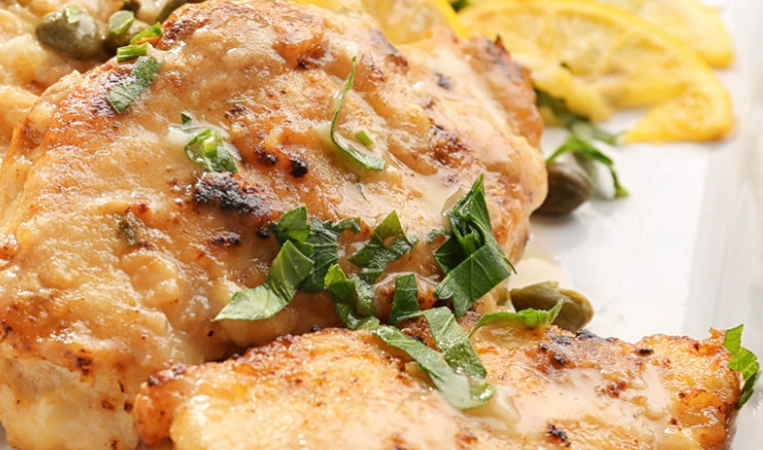
So grab some chicken, some good olive oil, and whatever herbs look good at the market. Don't overthink it. Just start. That's how you make those Italian chicken recipes truly your own. And honestly, that's when the magic really happens—not when you follow a recipe to the letter, but when you understand it well enough to dance with it a little.
Now, if you'll excuse me, all this talk has made me hungry. I think I hear some chicken thighs and a lemon calling my name from the kitchen.
Related Articles
Classic Italian Pasta Recipes: Authentic Dishes You Can Master
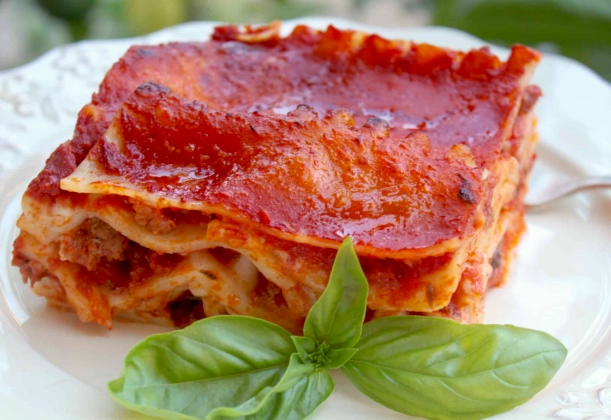
Ultimate Italian Recipes List: From Pasta to Desserts
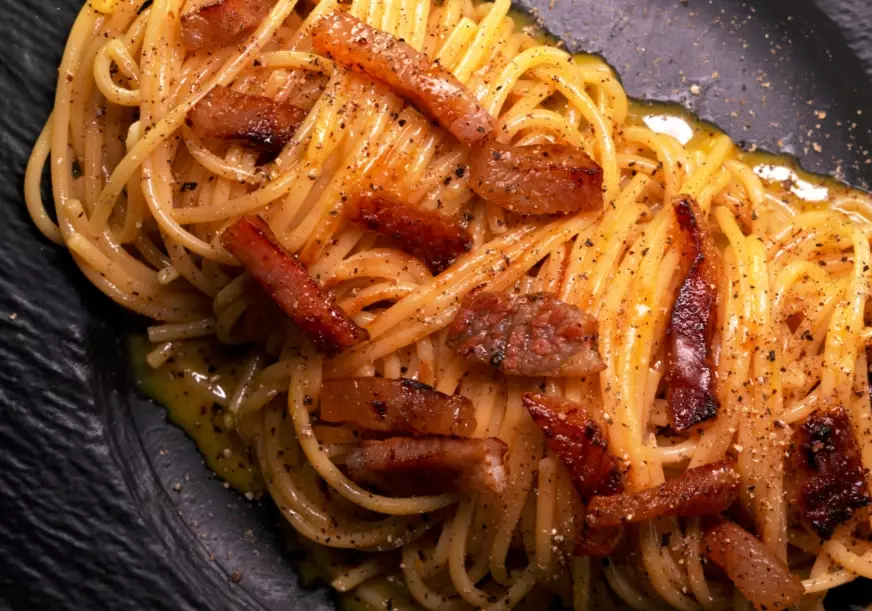
Authentic Carbonara Recipe: The ONLY Way to Make It Right
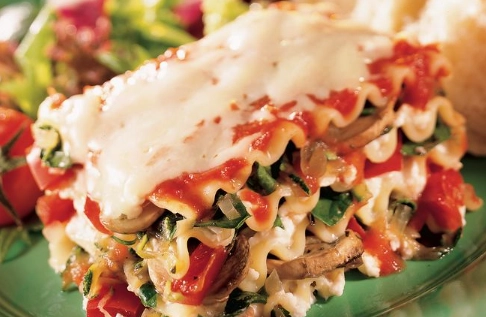
Ultimate Guide to Vegetarian Italian Dinner Party Recipes

Sausage Dinner Ideas: What Meals Can I Make with Sausages?
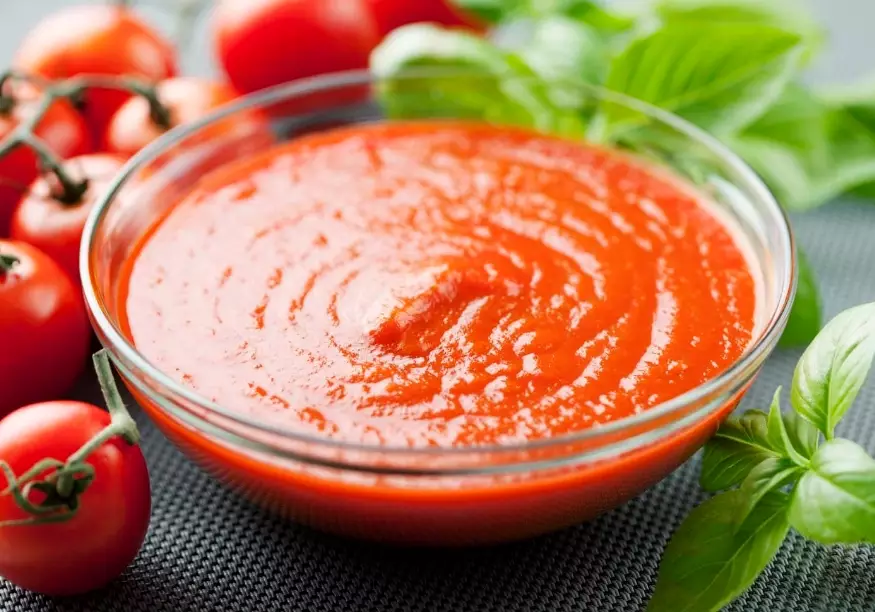
Italian Sauce Recipe: Secrets from a Nonna's Kitchen
Authentic Italian Beef Sandwich Recipe | Easy Homemade Guide

Top 10 Italian Cocktails: From Negroni to Spritz & Beyond
The Ultimate Guide to Making Authentic Italian Lasagna at Home
Ultimate Guide to Spaghetti Pasta Recipes: Easy, Authentic & Creative
Top 10 Pasta Dishes: Must-Try Italian Classics & Expert Tips
Ultimate Italian Pizzelle Recipe: Crispy, Authentic & Easy
Master the Classics: The Best Italian Recipes You Need to Know

Why did China Resources take over Tasly?
Classic Italian Bolognese Recipe: Master the Authentic Ragu
Italian Vinaigrette Recipe: The Only Guide You'll Ever Need

Microsoft hollowed out AI unicorn Inflection AI and paid 650 million US dollars
Authentic Italian Carbonara Recipe: The Only Guide You'll Ever Need

Ultimate Guide to Italian Slider Variations & Recipes
Authentic Italian Pasta Recipes: A Complete Cooking Guide
What to Bring to an Italian Dinner Party: The Ultimate Guest's Guide
Traditional Northern Italian Recipes: Authentic Dishes & Cooking Secrets

The Most Popular Cocktail in Italy: A Deep Dive into the Aperol Spritz

The medium-sized trap of Internet companies
Italian Submarine Sandwich Recipe: The Ultimate Guide to a Classic Hoagie

Paris Notes 10: Visiting Galeries Lafayette, more than half of the "saleswomen"
Healthy Italian Vegetarian Recipes: Flavorful Main Dishes Made Easy
Italian Sausage Soup: Authentic Recipes & Pro Tips
Italian Meatball Recipe: Step-by-Step Guide & Secrets for Tender Meatballs

Leave a Comment