Authentic Italian Beef Recipe: The Ultimate Chicago-Style Sandwich Guide
Quick Navigation
- What Is Italian Beef, Really?
- The Core, No-Fail Italian Beef Recipe
- The Beef Cut Breakdown: Which One Should You Choose?
- Beyond the Basics: The Art of the Giardiniera and the Roll
- Slow Cooker vs. Oven vs. Instant Pot: The Method Showdown
- Answering Your Italian Beef Questions (The FAQ)
- Putting It All Together: The Assembly Line
Let's be honest. Most recipes you find online for Italian beef are just... sad. They tell you to dump a jar of pepperoncini and a packet of seasoning into a slow cooker with a cheap roast and call it a day. What you get is stringy, vinegary meat that tastes nothing like the glorious, juice-dripping-down-your-arms sandwich you'd get from a stand in Chicago.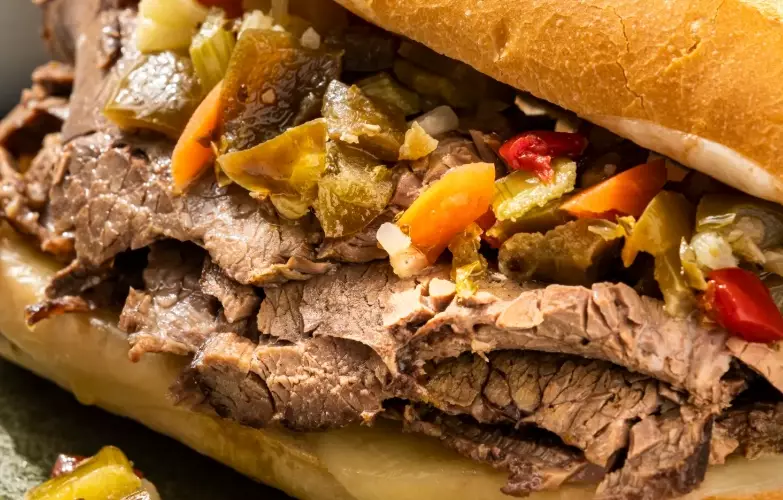
I learned this the hard way. My first attempt was a disaster. The meat was dry, the broth was bland, and my guests were polite but unenthused. It was embarrassing. That failure sent me down a rabbit hole. I talked to butchers, read old community cookbooks from Chicago's Italian neighborhoods, and even bothered a friend's nonna for hints (she mostly waved her spoon at me, but I got the message).
What I discovered is that a truly authentic Italian beef recipe is less about fancy techniques and more about understanding a few non-negotiable principles. It's about layering flavors slowly and choosing the right cut. It's about the broth, or "gravy" as some old-timers call it, being just as important as the meat itself.
This guide is the result of all that obsession. We're not just making beef. We're building the foundation for what might be the most satisfying sandwich you'll ever eat at home.
What Is Italian Beef, Really?
Before we touch a knife, let's clear the air. This isn't a pot roast. It's not French dip. It's its own glorious thing. Born in Chicago in the early 20th century, created by Italian immigrants looking to make tougher cuts of meat tender and flavorful for large weddings and gatherings, the Italian beef sandwich is a study in juicy efficiency.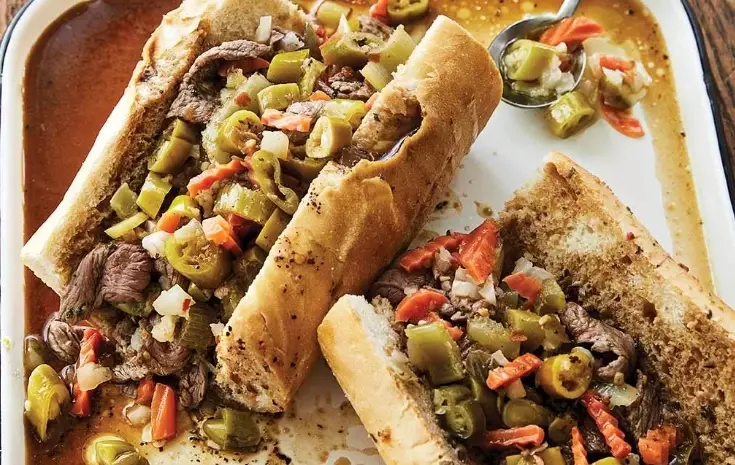
The concept is simple: beef is slowly roasted or simmered with herbs and spices until it's absurdly tender. It's then sliced paper-thin, piled high on a sturdy, slightly sweet Italian roll, and either dipped fully into or ladled with the intensely flavored cooking juices (the "au jus," though purists might just call it "the gravy"). The final, crucial element? Giardiniera. That spicy, tangy, crunchy pickled vegetable mix cuts through the richness like a flavor bomb.
You can have it "dry" (no juice), "wet" (dipped or juiced), or "dipped" (the whole sandwich submerged briefly—my personal favorite, but get extra napkins).
The Core, No-Fail Italian Beef Recipe
This is the baseline, the blueprint. Master this, and then you can start playing with variations. I promise, this authentic Italian beef recipe is more forgiving than you think, as long as you respect the time it takes.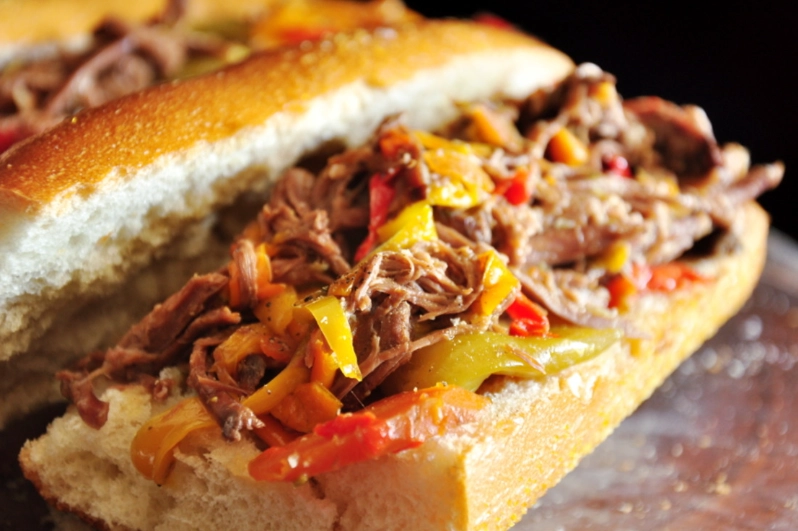
Ingredients You Absolutely Need
This isn't the place to cut corners. Quality here translates directly to flavor.
- The Beef: A 4-5 pound beef roast. Bottom round is the classic, affordable choice with great flavor. Top round is leaner. Sirloin tip is also fantastic. Avoid already tender cuts like chuck roast for this—it can become too mushy. You want a cut that needs slow cooking to shine.
- The Aromatics: 2 large onions (roughly chopped), 1 whole head of garlic (cloves peeled and smashed—yes, the whole head), 4-6 sprigs of fresh oregano (or 2 tbsp dried), 4-6 sprigs of fresh thyme (or 2 tbsp dried).
- The Liquid Foundation: 6-8 cups of low-sodium beef broth. Using low-sodium is key; you're reducing this liquid later, and regular broth will become a salt lick.
- The Flavor Builders: 3-4 tablespoons of olive oil, 2 tablespoons of Italian seasoning blend, 1 tablespoon of onion powder, 1 tablespoon of garlic powder, 2 teaspoons of freshly cracked black pepper, 1-2 teaspoons of red pepper flakes (optional, for heat). Note: We are NOT using a store-bought packet. We are building our own.
- The Acid & Salt: 1/4 cup of red wine vinegar or white wine vinegar. Salt, to be added in stages.
The Step-by-Step Process (It's Mostly Waiting)
Here’s where we separate the good from the great. Patience is your primary ingredient.
- Brown the Beast. Pat your roast completely dry with paper towels. This is the single most important step for getting a good sear. Heat the olive oil in a large Dutch oven or heavy pot over medium-high heat until it shimmers. Generously salt and pepper the roast on all sides. Sear it until you have a deep, dark brown crust on every surface—don't rush this. This isn't just for color; it's the foundation of flavor (the Maillard reaction, if you want to get science-y). This should take a good 10-15 minutes total. Remove the roast and set aside.
- Build the Base. In the same pot, with all those glorious browned bits (the "fond"), add your chopped onions. Cook for 5-7 minutes until they start to soften and pick up the fond. Add the smashed garlic cloves and cook for another minute until fragrant.
- Deglaze and Layer. Pour in the vinegar to deglaze the pot, scraping up every last bit of fond. Let it sizzle and reduce for a minute. Then add the beef broth, all the dried herbs and spices (Italian seasoning, onion/garlic powder, black pepper, red pepper flakes), and the fresh herb sprigs. Bring this to a simmer.
- The Long Haul. Return the seared roast to the pot. The liquid should come about halfway up the sides of the meat. Bring it back to a very gentle simmer. Now, cover it and walk away. If using an oven, preheat to 300°F (150°C) and let it cook there for 3.5-4 hours. On the stovetop, keep it on the lowest possible simmer for the same time. In a slow cooker Italian beef scenario, transfer everything to the cooker and set it on LOW for 8-9 hours. Do not boil it. Gentle heat is what breaks down the connective tissue without drying out the muscle fibers.
- The Test. The beef is done when a fork inserted into the center can be twisted with almost no resistance and the meat wants to shred. It should not be "sliceable" yet—it should be past that point, into "pull-apart" territory.
- The Two Crucial Final Steps. First, remove the beef to a cutting board, tent it with foil, and let it rest for at least 30 minutes. Second, skim the fat from the surface of the broth in the pot. Then, strain the broth into a saucepan and boil it vigorously until it reduces by about one-third to one-half. You're concentrating it into a powerful, savory jus. Taste it and adjust salt if needed. This reduced jus is liquid gold.
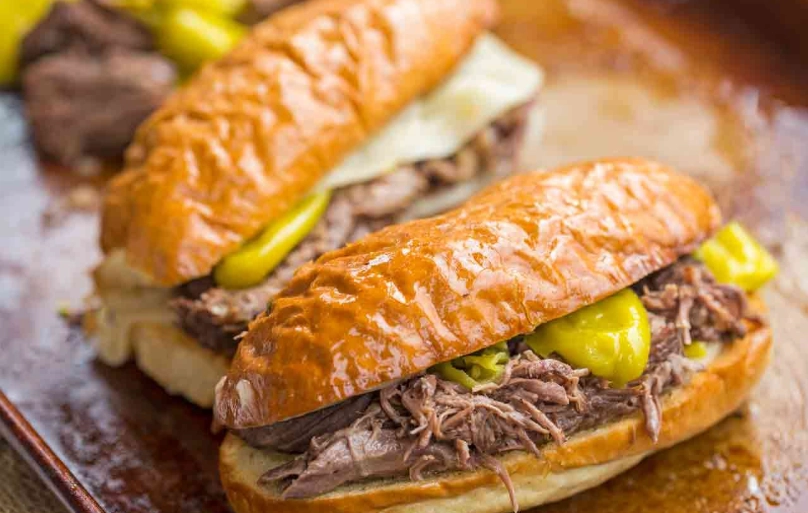
- Slice and Serve. Using a very sharp knife, slice the rested beef against the grain as thinly as humanly possible. This is critical for tenderness. Pile the slices into a bowl and ladle some of the hot, reduced jus over them to keep them moist and flavorful.
That's it. The core Italian beef recipe that actually works.
The Beef Cut Breakdown: Which One Should You Choose?
Not all beef roasts are created equal for this purpose. Here’s a quick comparison to help you decide. This is based on my own trials and some solid info from the Beef. It's What's For Dinner resource, which is a great reference for understanding beef cuts.
| Cut of Beef | Best For... | Watch Out For... | My Personal Take |
|---|---|---|---|
| Bottom Round (Rump Roast) | The classic, affordable choice. Excellent beefy flavor, lean but with some connective tissue that melts beautifully. | Can be slightly less tender than others if not cooked long enough. Needs the full time. | My go-to for a crowd. It's reliable and has that traditional taste. |
| Top Round | A leaner option. Still very flavorful and slices beautifully for those super-thin slices. | Because it's so lean, there's less margin for error. Overcook it and it can dry out. | Great if you're watching fat intake, but you must be diligent about not overcooking. |
| Sirloin Tip | Often underrated. Tender, fine-grained, and very flavorful. A fantastic middle ground. | Can be harder to find in some supermarkets. Might be labeled as "Knuckle" roast. | A hidden gem. Consistently gives me tender, juicy results. My secret favorite. |
| Chuck Roast | Extremely flavorful and forgiving due to high fat and collagen content. | It's so tender it can border on "shreddy" rather than "sliceable." Fat content can make the jus greasier if not skimmed well. | I avoid it for true Italian beef. The texture is wrong—it's better for pulled beef or pot roast. It falls apart too easily when you try to slice it thin. |
Beyond the Basics: The Art of the Giardiniera and the Roll
You can have perfect beef and still ruin the sandwich with the wrong supporting cast.
Hot Giardiniera: The Non-Negotiable Condiment
Store-bought is fine, and in Chicago, brands like Marconi or Vienna are iconic. But making your own? It's a game-changer, and it's easier than you think. The key is the crunch and the balance of heat, vinegar, and oil.
A simple homemade version: Finely chop 1 cup cauliflower florets, 2-3 celery stalks, 1-2 serrano or jalapeño peppers (seeds in for more heat), and a small carrot. Toss them with 2-3 minced garlic cloves, 1 tbsp dried oregano, 1 tsp red pepper flakes, 1 tsp salt, and enough olive oil to coat. Pour in about 1/2 cup of white wine vinegar or pickling brine. Let it marinate in the fridge for at least 24 hours, preferably a week. The flavors meld and the vegetables stay surprisingly crisp.
Why go through the trouble? You control the heat and the crunch. Most store brands are too soggy for my taste.
The Bread: Your Structural Savior
This is the make-or-break element that most home cooks ignore. A flimsy roll will disintegrate into a soggy mess upon contact with the jus.
You need a roll with a sturdy, slightly crisp crust and a soft, but dense, interior. True Italian-style rolls or French rolls are ideal. A hero or sub roll can work in a pinch. What to avoid: Soft, fluffy hot dog buns or burger buns. They will fail you.
Some people swear by toasting the roll lightly to create a moisture barrier. I'm split on this. For a "dipped" sandwich, toasting helps. For a "wet" one, the soft interior of an untoasted roll soaks up the jus beautifully. Try both.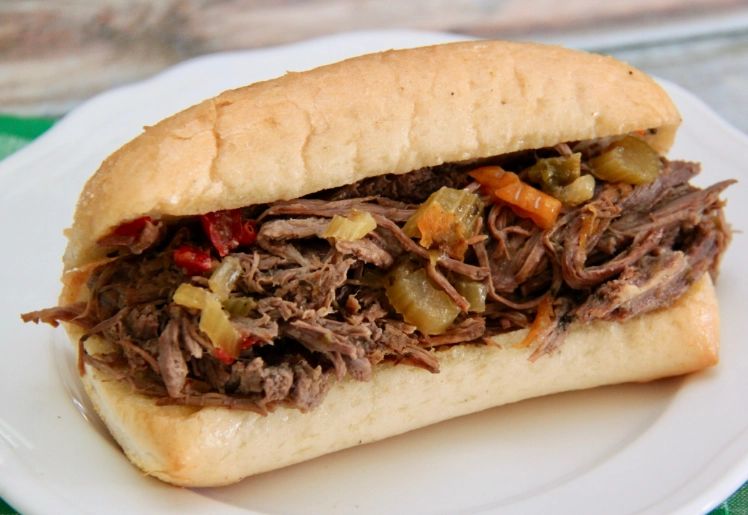
Slow Cooker vs. Oven vs. Instant Pot: The Method Showdown
Everyone has a preferred tool. I've tested them all extensively for this Chicago Italian beef mission.
- Dutch Oven / Oven (My Preferred Method): Gives you the most control. You get a superior sear in the same pot, and the dry heat of the oven provides a more even, gentle cook. The reduction of the jus is also easier. Best flavor development, hands down.
- Slow Cooker: The ultimate in convenience and safety. You can leave it all day. The downside? You almost always have to sear the meat in a separate pan first to get proper browning (though many skip this, to the detriment of flavor). The broth also doesn't reduce as effectively, so you need to reduce it separately on the stove afterward. It makes a very good, very tender beef, but sometimes lacks the deep, concentrated flavor of the oven method.
- Instant Pot / Pressure Cooker: Fast. Incredibly fast. You can have fall-apart tender beef in about 90 minutes total. It's a miracle for a weeknight. But. The texture is different. The high-pressure steam can make the meat almost too soft, more suited to shredding than elegant thin slicing. The broth also doesn't have time to concentrate and develop the same depth. It's a great Plan B, but not Plan A for authenticity.
My ranking? Oven > Slow Cooker > Instant Pot, for final quality. But the slow cooker wins for sheer ease.
Answering Your Italian Beef Questions (The FAQ)
Over the years, I've gotten the same questions again and again. Let's tackle them head-on.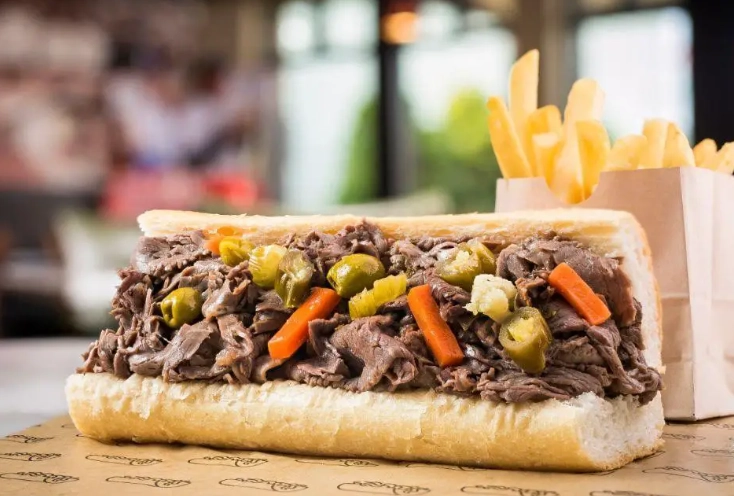
Putting It All Together: The Assembly Line
So you have your thinly sliced, jus-soaked beef. Your reduced, intense au jus in a bowl for dipping. Your crunchy, spicy giardiniera. Your sturdy, perfect roll. Now what?
- Split your roll, but don't cut it all the way through—leave a hinge.
- For a "wet" sandwich: Ladle a spoonful of hot jus directly onto the interior of the roll. For a "dipped" sandwich: Have a deep bowl of jus ready.
- Pile the beef high on the roll. I mean, really pile it. It will compress.
- Top with a generous heap of giardiniera. Don't be shy.
- If you're a heretic like me and want cheese (making it a "cheese beef"), add a few slices of provolone or mozzarella and pop the open sandwich under a broiler for 60 seconds until melted.
- For the "dipped" method: Hold the assembled sandwich with tongs and fully submerge it in the bowl of hot jus for 2-3 seconds. Let the excess drip off.
- Wrap the bottom half of the sandwich in parchment paper or foil. This is essential. It contains the inevitable juice explosion and gives you a handle.
- Eat immediately. Lean over your plate. Embrace the mess. This is not a dainty meal.
There you have it. Not just a recipe, but a system. A understanding. Making a legendary Italian beef recipe at home isn't about one trick; it's about respecting the process, from the sear to the slice to the dip. It's about building layers of flavor that commercial shortcuts can't replicate.
Will it take most of a day? Yes. Is it worth it? When you take that first bite, the rich, savory beef contrasting with the spicy, vinegary crunch, all held together by a roll that's just sturdy enough... you'll know. You'll know why this sandwich has its own cult following. And you made it yourself.
Now go forth and get some beef. And for heaven's sake, buy extra napkins.
Related Articles
Authentic Italian Green Beans Recipe: A Classic Nonna's Method
Ultimate Guide to Italian Slider Variations & Recipes
Quick Italian Starters: 10 Easy Recipes Ready in 30 Minutes
Italian Sausage Recipes: From Classic Pasta to Grilled Skewers
What to Cook for an Italian Christmas: The Ultimate Feast Guide

Authentic Italian Cookies Recipe: A Guide to Classic Biscotti & More
Traditional Italian Vegetarian Recipes: Classics Beyond Pasta
The Ultimate Guide to Authentic Italian Meatballs: A Family Recipe

Authentic Italian Dessert Recipes: Easy Tiramisu, Cannoli & More
Authentic Italian Salad Dressing Recipe: Easy, Zesty & Homemade
Authentic Pasta Carbonara Recipe: The Real Italian Way
Ultimate Italian Recipes List: From Pasta to Desserts
Make-Ahead Italian Appetizers: Stress-Free Recipes & Tips for Any Gathering
Ultimate Guide to the Top 10 Pasta Dishes You Must Try
Perfect Homemade Italian Gnocchi Recipe: Light & Fluffy

The Most Popular Cocktail in Italy: A Deep Dive into the Aperol Spritz

Is it worth it for companies to sponsor the Olympics? | Finance looks at the Oly
Authentic Italian Meatballs Recipe: Nonna's Secret for Tender & Flavorful Polpette
Easy Creamy Italian Dressing Recipe (Better Than Store-Bought)
Authentic Italian Spaghetti Sauce Recipe (Ragù alla Bolognese)

Authentic Italian Zeppole Recipe: Easy Homemade Fried Dough Guide

Sudden good news! The RMB surged 300 points, 4,100 A-shares rose, and banks that

Ten-fold stocks appeared! A-shares set off a "price increase", foreign capital b

When going on a long vacation, are electric cars really more "cowardly" than fue
Simple Italian Vegetarian Recipes: 5 Easy Dishes for Weeknights
Italian Buttercream Recipe: How to Make Perfectly Smooth Frosting
Authentic Italian Pizza Recipe: A Step-by-Step Guide
Authentic Italian Chicken Cacciatore Recipe: A Hunter's Stew
Authentic Italian Recipes: Your Ultimate Guide to Mastering Classics at Home

Leave a Comment