Italian Pasta Salad Recipe: The Ultimate Guide for Perfect Results
Quick Guide
- What Makes an Italian Pasta Salad Recipe Truly "Italian"?
- The Foundation: Choosing and Cooking Your Pasta
- The Heart of the Matter: The Authentic Dressing
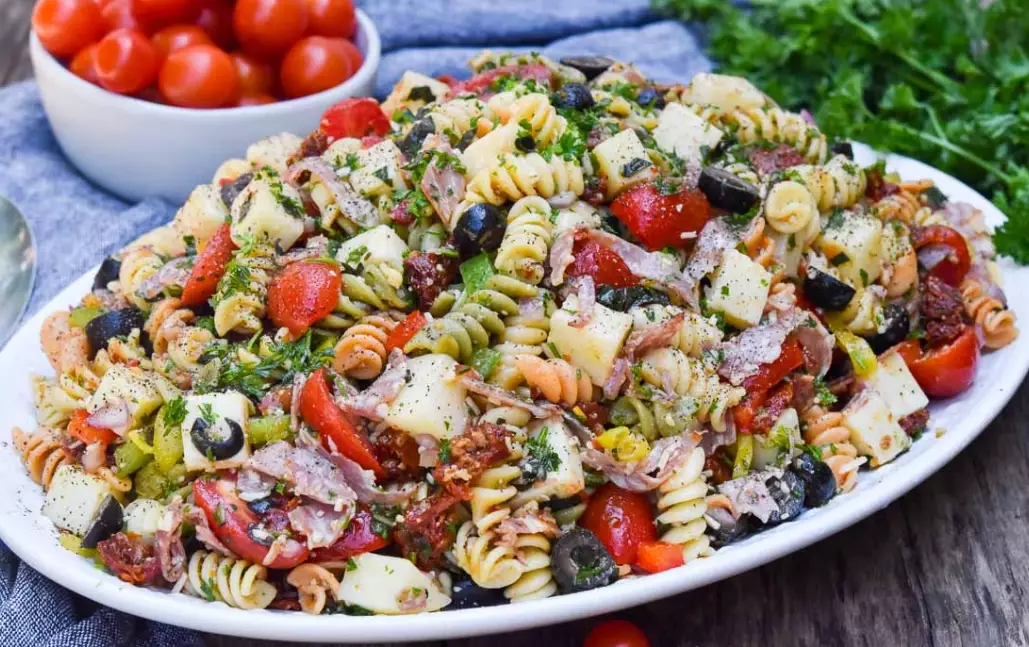
- The Cast of Characters: Vegetables, Cheese, and More
- Step-by-Step: Assembling the Perfect Italian Pasta Salad
- Make-Ahead Magic & Storage Tips
- Creative Twists on the Classic Italian Pasta Salad Recipe
- Answers to Your Italian Pasta Salad Recipe Questions
- Final Thoughts and My Go-To Formula
Let's talk about Italian pasta salad. You know, that glorious bowl of colorful stuff that shows up at every summer BBQ, potluck, and family gathering. It seems simple enough, right? Cook some pasta, chop some veggies, dump some bottled dressing. But if you've ever ended up with a soggy, bland, or just plain sad-looking salad, you know there's more to it.
I've made my share of duds. One time, I used the wrong pasta shape and everything clumped together in a starchy mess. Another time, I got overzealous with the red onion and let's just say my breath could have peeled paint. Through trial and error (lots of it), I've landed on what I think is a pretty foolproof method for an authentic-tasting, crowd-pleasing Italian pasta salad recipe.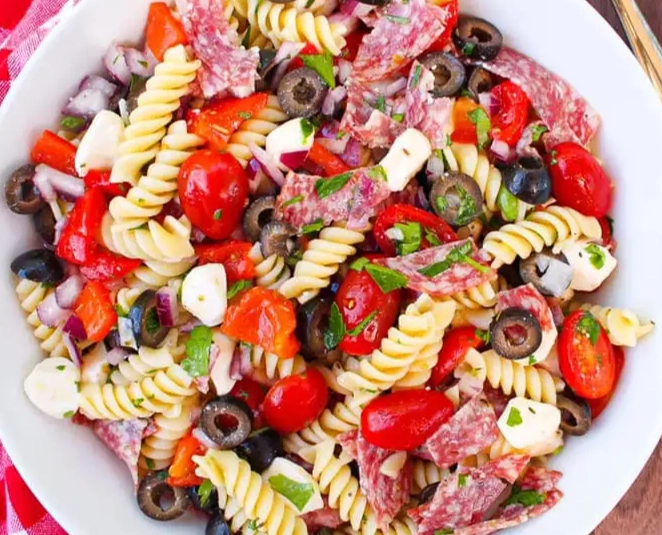
This isn't just a list of ingredients and steps. It's the why behind them. We'll get into the pasta shapes that actually work, how to build a dressing from scratch that's miles better than anything from a shelf, and all those little tricks that turn a good salad into a great one. The kind people ask you for the recipe of.
What Makes an Italian Pasta Salad Recipe Truly "Italian"?
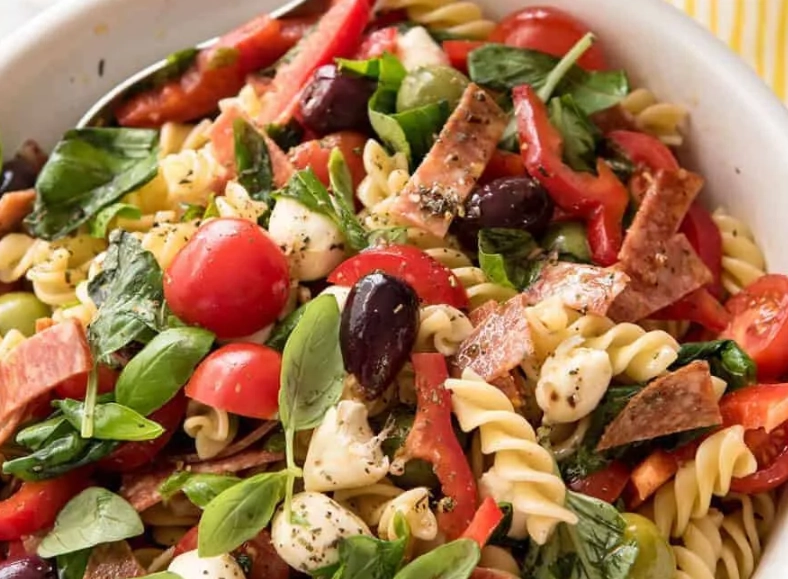
First things first. What separates a true Italian pasta salad recipe from just any old pasta with mayo? It's about balance and specific flavors. Authentic versions, or "pasta fredda" as they're sometimes called in Italy, lean on the bright, fresh flavors of the Mediterranean. Think ripe tomatoes, good olive oil, fresh herbs, tangy cheese, and salty cured meats. It's a celebration of simple, quality ingredients rather than a heavy, gloppy mess.
The dressing is almost always a vinaigrette—oil and vinegar based—not mayonnaise-based. That's a key differentiator. The goal is something that's refreshing, not overly rich, and can stand up to sitting out for a bit without breaking or becoming greasy.
The Foundation: Choosing and Cooking Your Pasta
This is where most people go wrong, and I get it. Any pasta seems fine. But trust me, the shape matters a lot for a salad.
You want a shape with nooks and crannies to catch the dressing and little bits of veggies and cheese. You also need something sturdy that won't turn to mush after soaking in vinaigrette for hours. Smooth, small shapes like ditalini or orzo can get lost and become pasty.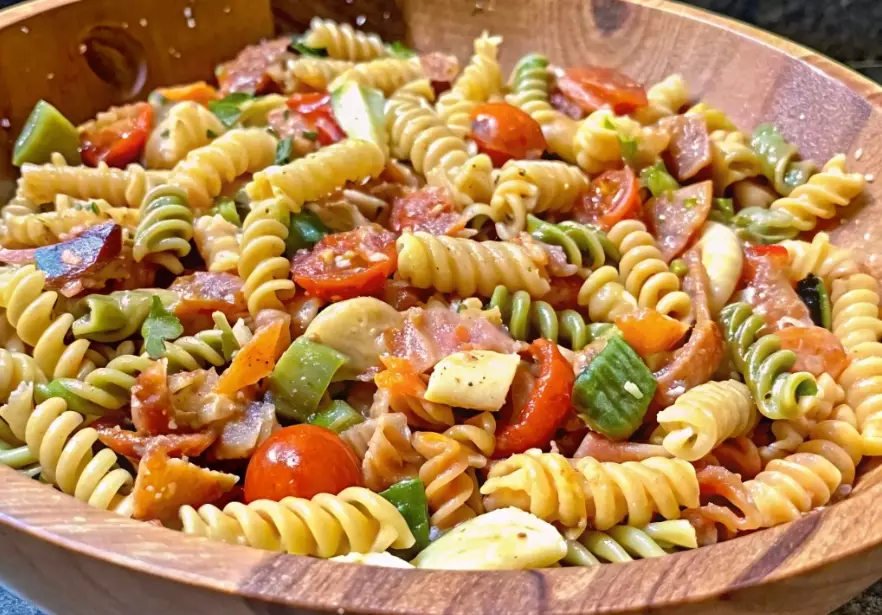
Here’s a breakdown of the top contenders and why they work (or don't).
| Pasta Shape | Why It Works for Salad | Potential Drawback |
|---|---|---|
| Fusilli (Corkscrews) | The spirals are perfect traps for dressing, cheese, and herbs. My personal favorite. | Can sometimes be too thick if not cooked al dente. |
| Farfalle (Bow Ties) | Holds dressing in the pinched center and the ruffled edges grab ingredients. | The thick center pinch can be undercooked if you're not careful. |
| Rigatoni or Penne | The tubes hold little pockets of flavor. Great for a chunkier salad. | Large pieces can be awkward to eat with a fork at a picnic. |
| Rotini | Similar to fusilli, excellent for holding onto everything. | Very common, can feel less special. |
| Orecchiette (Little Ears) | The cup shape is literally designed to hold sauce. A fantastic choice. | Can be more expensive and harder to find. |
| NOT Recommended: Spaghetti, Linguine, Angel Hair | They become a tangled, slippery mess. Just don't do it. | Also, small shapes like Orzo or Acini di Pepe can become mushy and clumpy. |
The Al Dente Rule is Non-Negotiable
This is the single most important step in your Italian pasta salad recipe. You must cook the pasta al dente. Al dente means "to the tooth" in Italian—it should have a slight bite, a firmness in the center.
Why? Because the pasta continues to absorb liquid from the dressing and the moisture from the veggies even after you mix it. If you start with soft, fully cooked pasta, you'll end up with a mushy, bloated salad a few hours later. It's a texture disaster.
My method: Cook the pasta in well-salted water (it should taste like the sea), but shave 1-2 minutes off the package's recommended cooking time. As soon as it's drained, rinse it under cold water to stop the cooking process immediately. This also washes off excess surface starch that can make the pasta gummy. Let it drain really, really well. I sometimes even spread it on a baking sheet for a few minutes to dry off any clinging water. A wet pasta base will dilute your beautiful dressing.
The Heart of the Matter: The Authentic Dressing
Forget the bottled "Italian" dressing. It's usually full of sugar, stabilizers, and artificial flavors that will overpower your fresh ingredients. A classic Italian vinaigrette for a pasta salad is simple, robust, and lets the ingredients shine.
The basic ratio is 3 parts oil to 1 part acid. But it's what you put in those parts that makes the magic.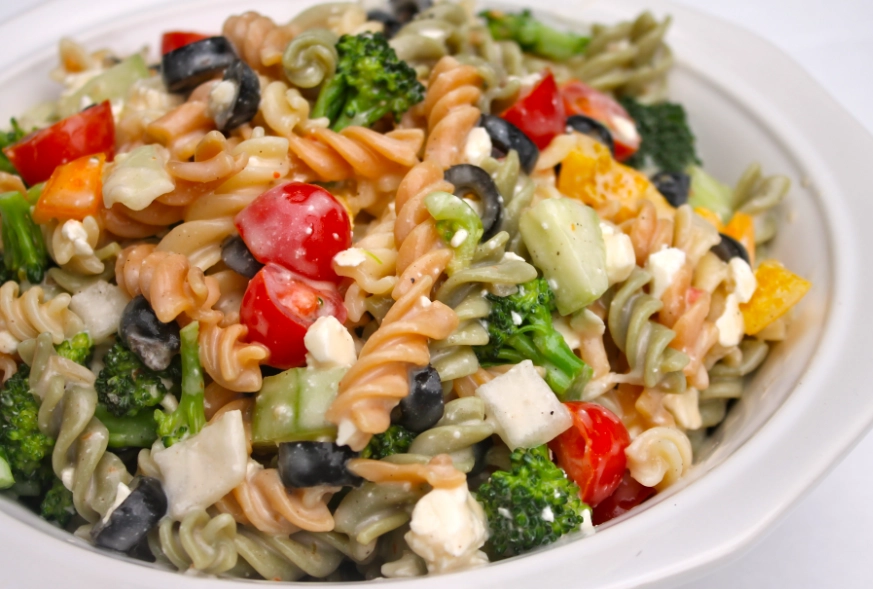
The Ultimate Italian Pasta Salad Dressing Formula
- The Oil (3/4 cup): Use a good quality extra-virgin olive oil. This is the backbone of the flavor. A fruity, peppery oil makes a world of difference compared to a bland, processed one. Resources like the International Olive Council have great info on olive oil quality and types.
- The Acid (1/4 cup): A combination works best. I use 2 parts red wine vinegar for its tangy punch and 1 part fresh lemon juice for brightness. Some people like a touch of balsamic for sweetness, but go easy—it can darken your whole salad.
- The Flavor Bombs: This is where you customize. Must-have: minced garlic (1-2 cloves), dried oregano (1 tsp), salt, and black pepper. Highly recommended: a big spoonful of grated Parmesan cheese, a pinch of red pepper flakes, maybe some dried basil.
- The Emulsifier (Secret Weapon): A teaspoon of Dijon mustard. It helps the oil and vinegar blend together and stay combined, plus adds a subtle depth. No one will taste "mustard," I promise.
Whisk it all together vigorously in a bowl or shake it in a jar until it's creamy and unified. Taste it! Dip a piece of your cooked pasta in and try it. Does it need more salt? More tang? Adjust now, before you dress the whole salad.
How much dressing to use? Start with about 3/4 of it. Toss everything, let it sit for 15 minutes, then check. The pasta will have drunk some up. Add the rest if it seems dry. You can always add more, but you can't take it out.
The Cast of Characters: Vegetables, Cheese, and More
This is the fun part. A great Italian pasta salad recipe is a textural playground. You want crunch, chew, creaminess, and saltiness all in one bite.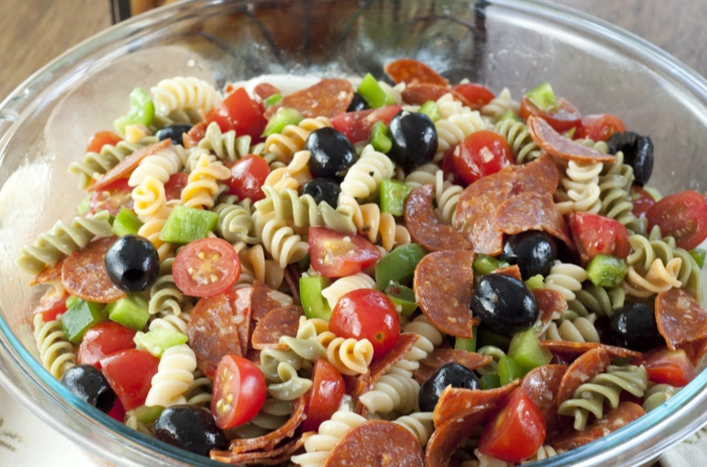
The Classic Lineup (The Must-Haves):
- Cherry or Grape Tomatoes: Halved or quartered. They're sweeter and less watery than big tomatoes. In winter, I'll use sun-dried tomatoes (packed in oil, chopped) for a flavor punch.
- Bell Peppers: Use a mix of colors (red, yellow, orange) for sweetness and visual pop. Green peppers can be a bit bitter raw for some people.
- Red Onion: Thinly sliced or diced. Soak the slices in ice water for 10 minutes before adding—it tames the harsh bite significantly.
- Pepperoni or Salami: Cut into small cubes or thin slices. Genoa salami is classic. It adds a salty, fatty, savory element.
- Cheese: Cubed mozzarella (the firmer, low-moisture kind works better than fresh) is essential. Parmesan or Pecorino Romano should be in the dressing and/or grated on top.
- Fresh Herbs: A huge handful of chopped fresh basil is non-negotiable. Parsley is great too. Add these right before serving to keep them bright green.
The Supporting Cast (Mix & Match):
- Artichoke Hearts: Marinated ones, chopped. They add a fantastic briny, tangy note.
- Black or Green Olives: Sliced. Kalamata olives are a personal favorite for their bold flavor.
- Roasted Red Peppers: Jarred is fine. Chop them up. Adds a sweet, smoky depth.
- Peppadew Peppers: If you can find them, they're a sweet-spicy revelation.
- Chickpeas or White Beans: For extra protein and heartiness.
- Cucumber: Add this at the very last minute if you must, as it releases a ton of water and can make the salad soggy. I often skip it.
Step-by-Step: Assembling the Perfect Italian Pasta Salad
Okay, you've got your crisp-tender pasta, your killer dressing, and a mountain of chopped goodies. Now, let's put it together the right way. Order matters!
- The Big Bowl: Find your largest mixing bowl. You need room to toss without making a mess.
- Pasta First: Add the completely cooled and well-drained pasta.
- Dress the Pasta Alone: Pour about half of your dressing over the pasta and toss it well. This coats each piece and starts the flavor penetration from the inside out. Let it sit for 5 minutes.
- Add the Sturdy Stuff: Now add your vegetables (except fresh herbs), meats, and cheeses (except fresh-grated Parmesan for topping). Pour most of the remaining dressing over everything.
- The Gentle Toss: Use a large spoon and fork to gently fold everything together. You're not trying to puree it, just distribute evenly.
- The Rest: Cover the bowl and refrigerate for at least 2 hours, preferably 4-6. This is the marinating time where the flavors marry and become something greater than the sum of their parts.
- Finish Strong: Right before serving, take it out of the fridge. Give it a good stir. The pasta may have absorbed more dressing, so add a small splash of olive oil or the last of your dressing if it looks dry. Now fold in all your fresh, chopped basil and parsley. Taste for seasoning—add more salt or pepper if needed. Transfer to a serving bowl and top with a final shower of grated Parmesan.
Make-Ahead Magic & Storage Tips
This Italian pasta salad recipe is a dream for planning. In fact, it's almost better the next day.
You can assemble the entire salad (minus the fresh herbs and final cheese topping) up to 24 hours in advance. Keep it tightly covered in the fridge. The flavors will deepen beautifully.
For storage, use an airtight container. It will keep well for 3-4 days in the refrigerator, though the vegetables will lose a bit of their crunch after day two. The pasta itself holds up remarkably well because of the al dente start and the oil in the dressing.
If you're taking it to a potluck or picnic, keep it cool. A simple trick is to freeze a few water bottles solid and place them around your serving bowl in the cooler. They'll keep the salad cold without watering it down like ice would.
Creative Twists on the Classic Italian Pasta Salad Recipe
Once you've mastered the classic, the world is your oyster (or maybe your artichoke heart). Here are some popular variations to try.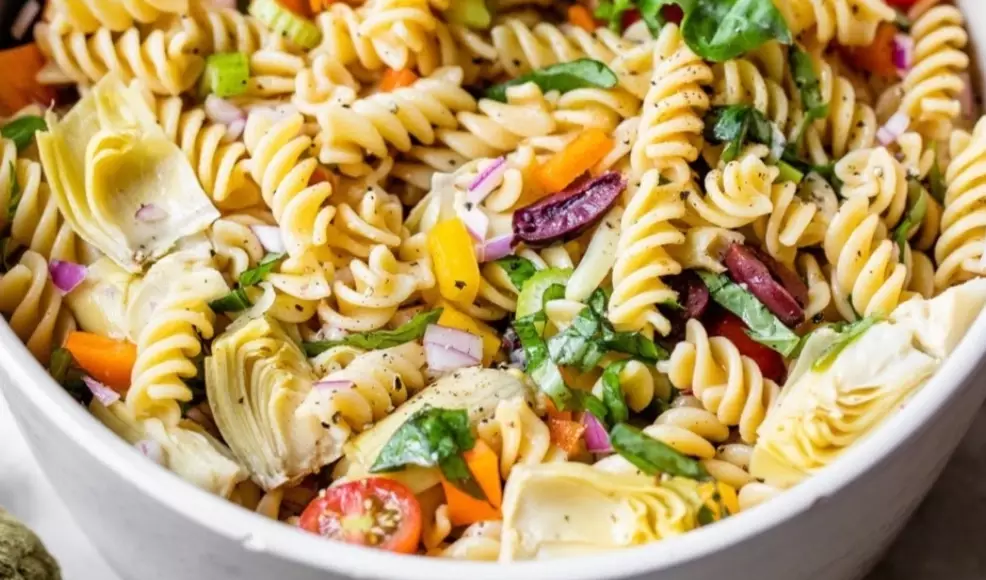
Antipasto Pasta Salad
Go all-in on the Italian deli flavors. Add cubed provolone cheese, chopped mortadella, spicy soppressata, marinated mushrooms, and maybe even some chunks of grilled eggplant. It's a meal in itself.
Mediterranean Pasta Salad
Swap the Italian dressing for a lemon-oregano vinaigrette. Use feta cheese instead of mozzarella, add kalamata olives, chopped spinach or arugula, and maybe some grilled chicken. Fresh dill is amazing here.
Vegetarian/Vegan Italian Pasta Salad
Skip the meat. Load up on roasted vegetables (zucchini, eggplant, red onion), sun-dried tomatoes, cannellini beans, and pine nuts. Use a vegan Parmesan substitute or just rely on nutritional yeast in the dressing for that cheesy flavor. Check out resources from groups like Oldways for inspiration on traditional plant-based Mediterranean eating.
Spicy Italian Pasta Salad
Kick it up with hot Calabrian salami, add diced pepperoncini or banana peppers, and increase the red pepper flakes in the dressing. A touch of hot honey drizzled at the end can create an incredible sweet-heat balance.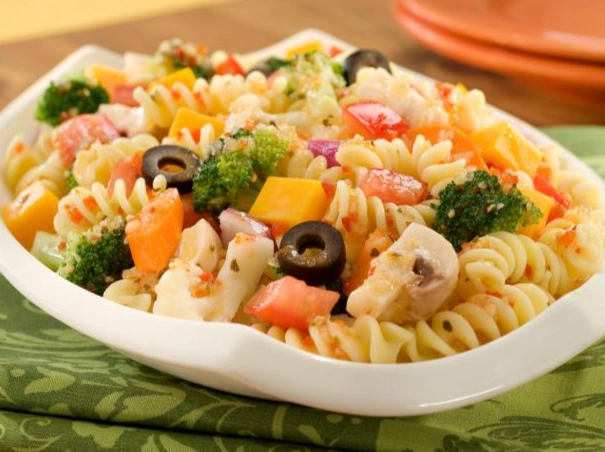
Answers to Your Italian Pasta Salad Recipe Questions
I get asked these all the time. Let's clear them up.
Final Thoughts and My Go-To Formula
Look, at the end of the day, the best Italian pasta salad recipe is the one you'll actually make and enjoy. Don't get paralyzed by perfection. Use good ingredients, cook your pasta right, make a simple dressing from scratch, and have fun with the add-ins.
My absolute, no-fail, back-pocket formula when I'm in a hurry?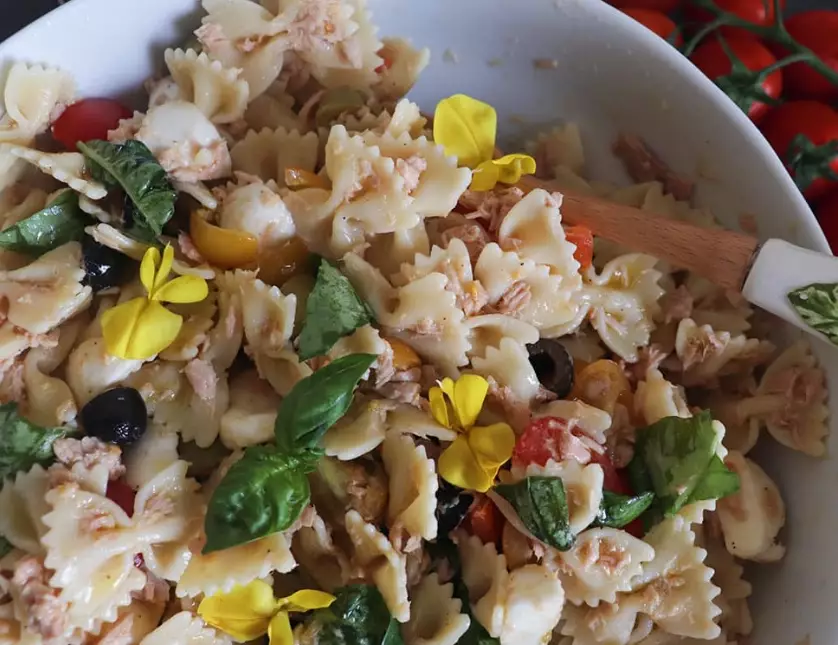
1 pound of fusilli, al dente.
1 cup of that 3:1 oil/vinegar dressing with garlic and oregano.
A pint of cherry tomatoes, halved.
One red bell pepper, diced.
Half a red onion, thinly soaked and sliced.
8 ounces of cubed mozzarella.
6 ounces of diced pepperoni.
A big handful of fresh basil at the end.
Mix, marinate, and serve. It never lets me down.
The beauty of this dish is its flexibility. It's a canvas. Maybe you love capers. Throw them in! Have some leftover grilled asparagus? Chop it up! Once you understand the core principles—the al dente pasta, the balanced vinaigrette, the order of operations—you can create an endless variety of delicious Italian pasta salad recipes that are perfect for any occasion. Now go forth and toss!
Related Articles
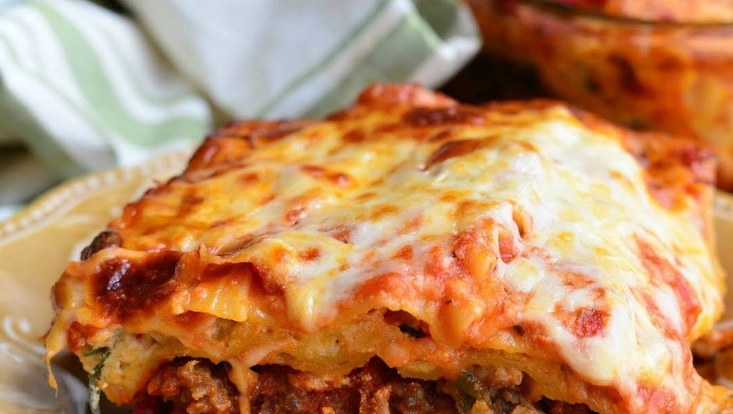
Authentic Ricotta Lasagna Recipe: Creamy Layers & Pro Tips
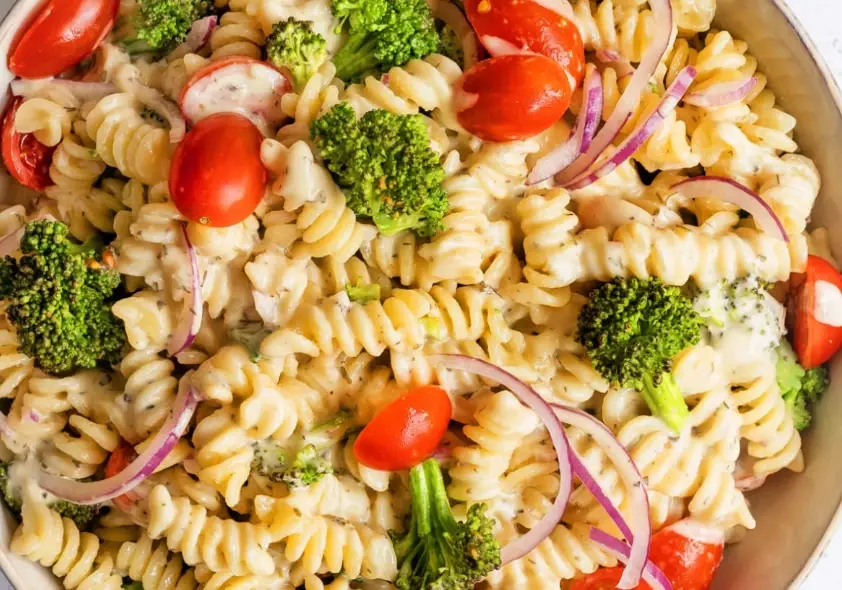
Perfect Pasta Salad Recipe with Homemade Italian Dressing
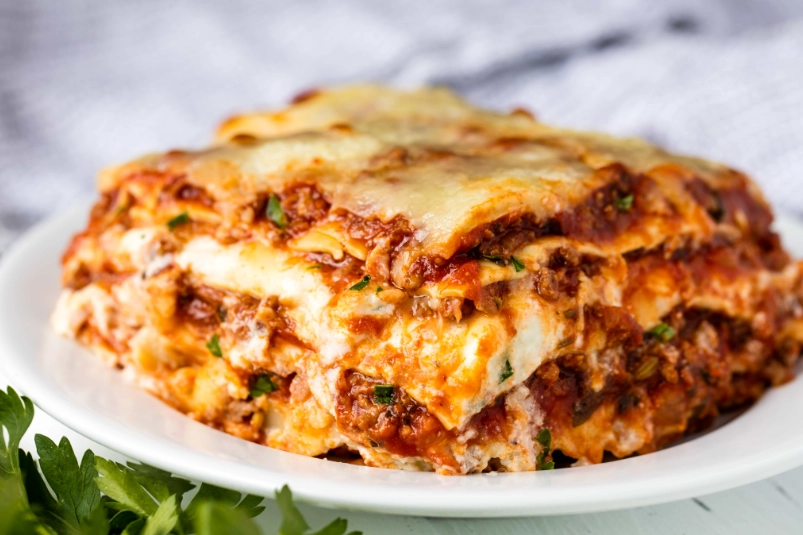
Mastering Classic Italian Baked Dishes: Recipes & Secrets
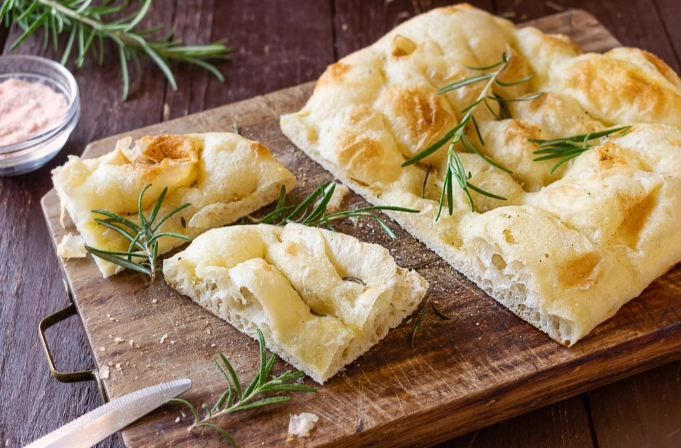
What Are the Most Popular Italian Appetizers? A Complete Guide to Antipasti
Authentic Italian Spaghetti Sauce Recipe (Ragù alla Bolognese)
Ultimate Guide to Classic Italian Baked Pasta Dishes

Classic Italian Bread Recipe: Authentic & Easy Homemade Loaf

Ultimate Guide to Italian Sausage Recipes: From Classic to Creative
Real Italian Salad Recipes: Authentic Classics & Modern Twists
Italian Salad Recipe: Authentic, Easy & Delicious Step-by-Step Guide
Authentic Italian Steak Recipe: Bistecca alla Fiorentina Guide
Best Italian Regional Recipes: Top 5 Dishes to Master at Home

Geely and Zeekr have the best semi-annual reports, half of which rely on sales g
What are the 4 Classic Italian Dishes? A Food Lover's Guide
Authentic Italian Carbonara Recipe: The Only Guide You'll Ever Need
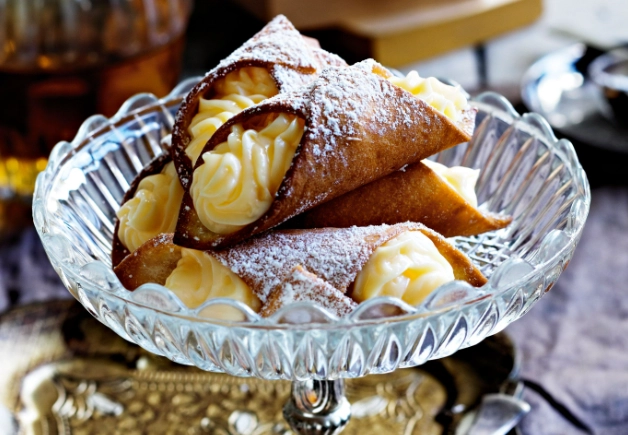
Authentic Italian Dessert Recipes: From Tiramisu to Cannoli
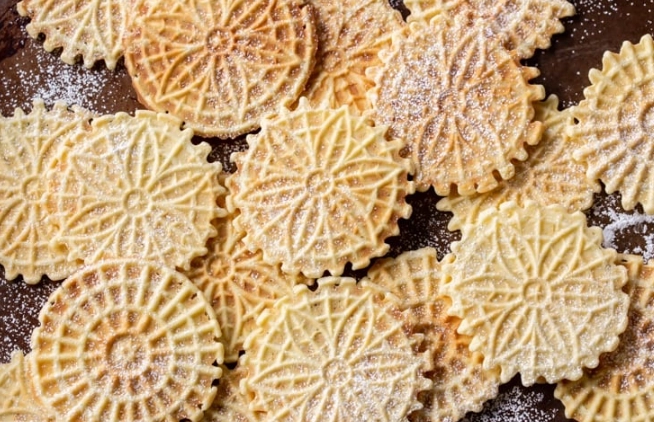
Authentic Italian Pizzelle Recipe with Anise: A Family Tradition
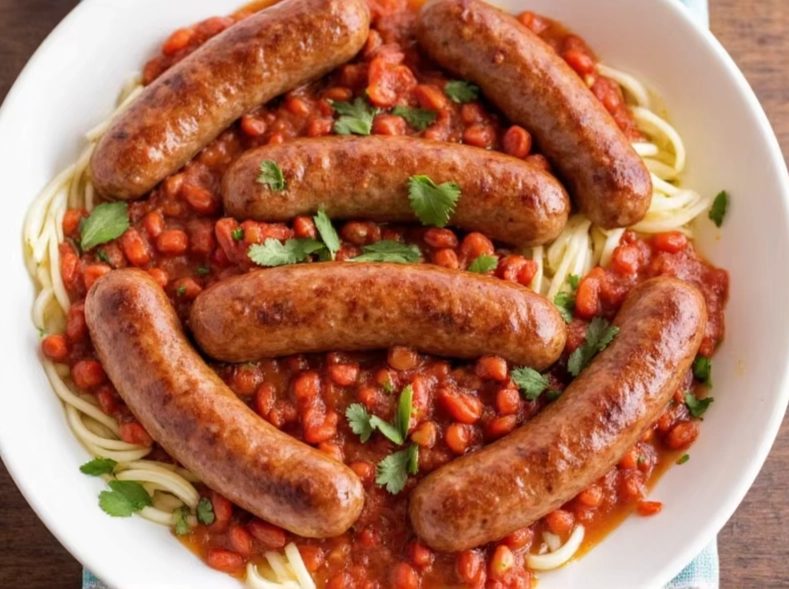
Ground Italian Sausage Recipes: The Ultimate Guide for Easy & Flavorful Dinners

What is the dispute over the open and closed source of large models?
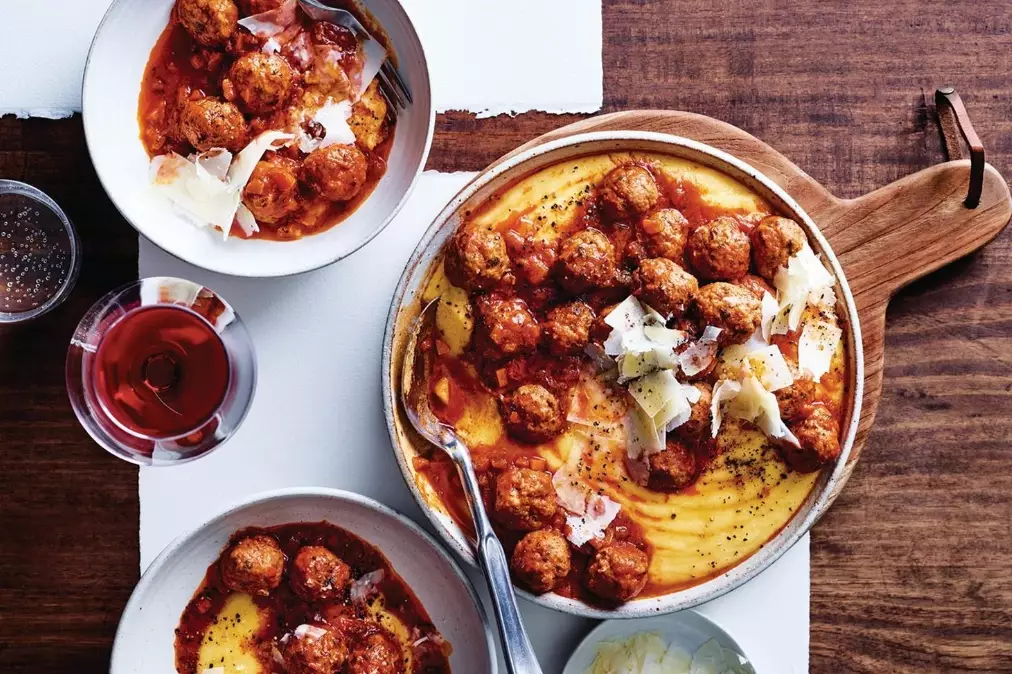
Authentic Italian Recipes: Secrets from a Roman Kitchen
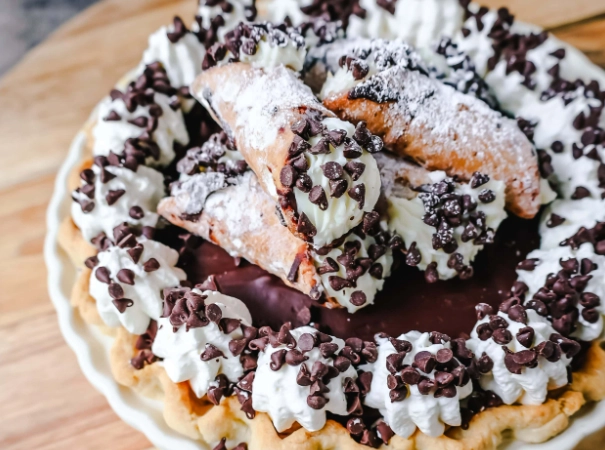
Authentic Italian Dessert Recipes: Easy Tiramisu, Cannoli & More
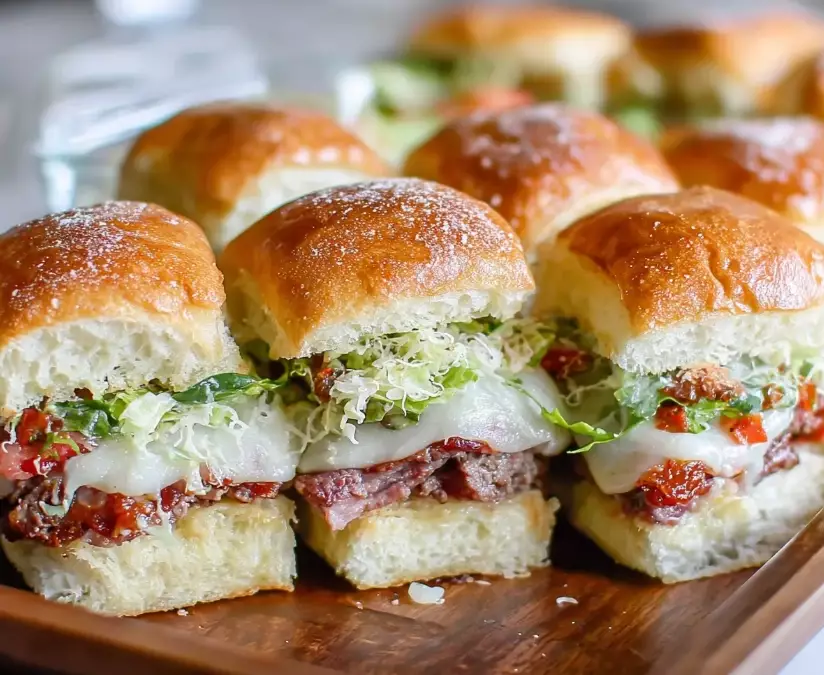
Ultimate Italian Sliders Recipe: Party-Perfect and Irresistible
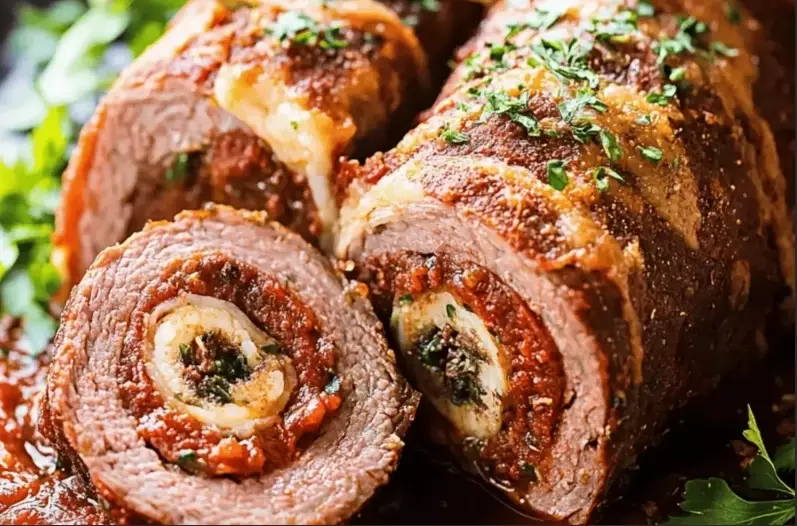
Authentic Italian Braciole Recipe: Slow-Cooked Beef Rolls
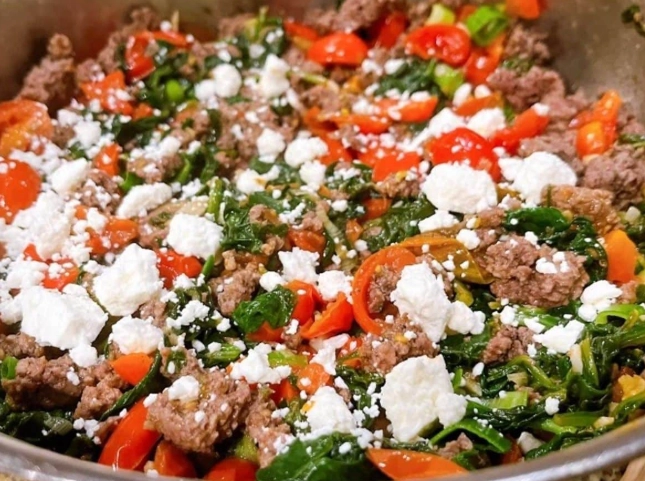
Ultimate Guide to Italian Baked Ground Beef Recipes
Authentic Italian Pizzelle Recipe: Crispy, Classic & Easy
Traditional Italian Holiday Dinner Recipes: A Complete Guide to a Festive Feast
Pasta Italian Dressing Salad Recipes: The Ultimate Guide

Tesla VS BYD: A new wave of insurance for electric car giants
Authentic Spaghetti Carbonara Recipe: The Real Italian Method (No Cream!)
Leave a Comment