Classic Italian Bread Recipe: Authentic & Easy Homemade Loaf
Quick Guide
Let's talk about real Italian bread. Not the stuff you sometimes find in plastic bags at the supermarket, but the honest, crusty, soul-satisfying loaf that makes you think of a small bakery on a side street in Rome or Florence. That's what we're after. And guess what? You don't need to be a professional baker to pull it off. I've messed this up enough times in my own kitchen to learn the hard way, so you don't have to. This isn't about fancy techniques or obscure ingredients. It's about flour, water, yeast, salt, time, and a bit of feel. That's it. That's the magic of a true Italian bread recipe.
When I first tried making it, I thought it would be complicated. All those terms – biga, poolish, autolyse – can sound intimidating. But after burning a few loaves and ending up with more than one dense brick, I realized the core of it is stunningly simple. The simplicity is what makes it beautiful. It's about letting good ingredients do their thing. So, if you've ever wondered how to make Italian bread that actually tastes like it's from Italy, you're in the right place. We're going to walk through it step-by-step, no mysteries.
What Makes Italian Bread... Italian?
Before we dive into the flour, let's get our heads around what we're aiming for. What separates a great Italian loaf from other breads? It's not one thing, but a combination.
First, the crust. It should be crackly, crisp, and substantial. You should hear it sing – a soft crackling sound – as it cools down. That crust is a result of high heat and steam in the oven. Then there's the crumb, the inside. It should be soft, airy, and have an irregular, open structure with lots of holes. It shouldn't be dense or cake-like. The flavor is the third pillar. It's subtly tangy, wheaty, and complex, not bland. This comes from slow fermentation. No sugar, no milk, no butter. Just the pure, amplified flavor of fermented wheat.
The Foundation: Choosing Your Ingredients
You only need four ingredients. But the choice you make for each one matters more than you might think.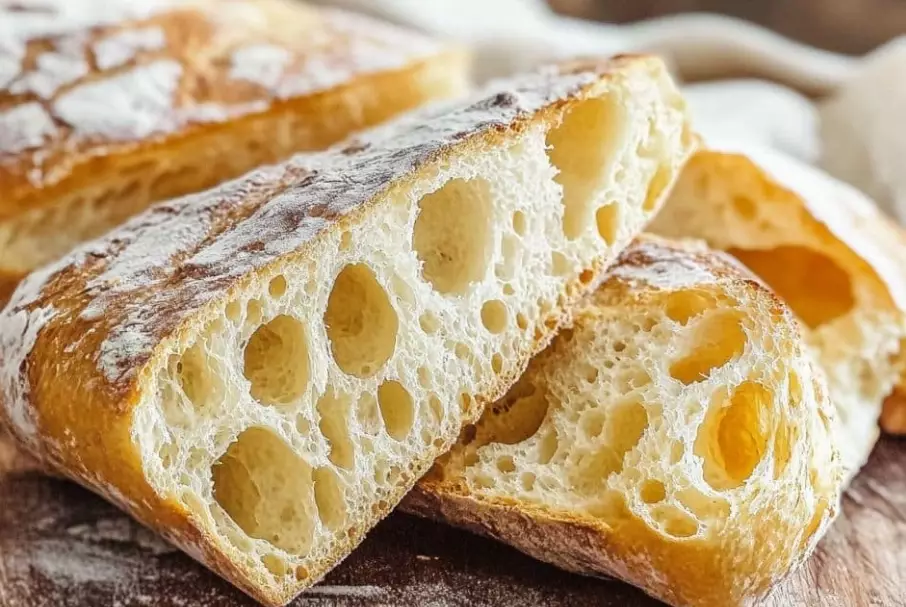
The Flour: The Heart of the Matter
This is the most important decision. In Italy, they often use "tipo 00" flour. It's a very finely milled white flour with a medium protein content (around 11-12%). It creates a tender, light crumb. But here's the thing – you can make fantastic bread with other flours. Bread flour (higher protein, 12-14%) will give you a chewier crumb with more structure. All-purpose flour (10-12% protein) works perfectly fine too, especially for your first few tries. It's more forgiving.
I personally like a blend. Sometimes I use 80% bread flour and 20% all-purpose. The bread flour gives it strength and those nice big holes, while the AP softens it up a bit. Don't stress too much. The best flour is the one you have, as long as it's not cake flour. For a deep dive on flour types and their protein content, the resources from the Bread Bakers Guild of America are incredibly helpful. They break down the science without the jargon.
Water, Yeast, and Salt
Water: Use lukewarm water, not hot. Hot water will kill the yeast. Think baby-bottle warm. If your tap water is heavily chlorinated, you might want to use filtered or bottled water, as chlorine can inhibit yeast activity slightly.
Yeast: You can use active dry yeast or instant yeast. I prefer instant yeast because you can mix it right in with the flour – no need to proof it in water first. It's one less step. If you only have active dry, that's fine. Just dissolve it in your warm water for 5-10 minutes until it gets foamy before adding it to the flour.
Salt: Fine sea salt or kosher salt. Salt does more than flavor; it tightens the gluten structure and regulates yeast activity. Don't skip it. And don't let the salt touch the yeast directly at the beginning, as it can dehydrate it. Mix it into the flour first.
Here’s a quick look at your ingredient options:
| Ingredient | Best Choice | Good Alternative | Purpose & Tip |
|---|---|---|---|
| Flour | Italian "Tipo 00" or Bread Flour | All-Purpose Flour | Provides structure. Bread flour gives more chew. |
| Water | Filtered, lukewarm (~95°F/35°C) | Tap water (if not strong chlorine) | Hydrates flour, activates yeast. Too hot kills yeast. |
| Yeast | Instant Yeast | Active Dry Yeast | Leavening agent. Instant is more convenient. |
| Salt | Fine Sea Salt | Kosher Salt | Flavor & strengthens gluten. Use scale for accuracy. |
The Step-by-Step Italian Bread Recipe
Okay, let's get our hands dirty. This is my go-to, no-fuss method. We're not making a sourdough starter today (that's a different adventure), so we're using commercial yeast for reliability.
Ingredients You'll Need:
- 500g (about 4 cups + 2 tbsp) bread flour or tipo 00
- 360g (about 1.5 cups) lukewarm water
- 7g (2 1/4 tsp) instant yeast (one standard packet)
- 10g (about 1 3/4 tsp) fine sea salt
- Extra flour for dusting
A digital kitchen scale is a game-changer here. Cups can vary; grams don't lie.
Step 1: Mixing and Autolyse (The Rest)
In a large bowl, whisk the flour and yeast together. Add the salt and whisk that in too. Now, pour in the lukewarm water. Mix with a wooden spoon or your hand until there's no dry flour left. It will be a shaggy, messy, sticky mass. That's perfect. Don't aim for a smooth ball yet.
Now, cover the bowl with a damp kitchen towel or plastic wrap and let it sit for 30 minutes. This is called autolyse (pronounced auto-leez). It's just a fancy word for letting the flour and water hang out. During this time, the flour fully hydrates, and gluten begins to form naturally. It makes the dough much easier to handle later. Trust me, this little wait saves you a lot of kneading effort.
Step 2: The Fold (Not a Knead)
After 30 minutes, your dough will look a bit more settled. Wet your hand (so the dough doesn't stick) and grab one side of the dough, stretch it up, and fold it over the top to the other side. Give the bowl a quarter turn and do it again. Do this 4-6 times, going around the bowl. This is your "kneading." It takes about a minute. You'll feel the dough start to smooth out and become more cohesive.
Cover the bowl again. Now, we enter the bulk fermentation stage. This is where the flavor develops. Let the dough rise at room temperature for about 1.5 to 2 hours. During this time, perform the same stretch-and-fold routine every 30 minutes. So, you'll do it 3 or 4 times total. You don't need to be precise with the timing. Just set a rough reminder.
Step 3: Shaping and Final Proof
Once the dough has roughly doubled in size and is full of bubbles, it's ready. Lightly flour your work surface. Gently tip the dough out. You don't want to punch it down aggressively. You want to preserve those air bubbles.
Shape it into a round (boule) or an oval (batard). To shape a round: fold the edges into the center, turn it over so the seam is on the bottom, and use your hands to gently cup and rotate it, tightening the surface. For an oval, do a similar fold but into a log shape. There are great videos online if you're a visual learner.
Place the shaped loaf seam-side up into a well-floured proofing basket (banneton) or a bowl lined with a heavily floured kitchen towel. Cover it and let it rise again for about 45 minutes to 1 hour. Meanwhile, put a Dutch oven or heavy baking pot with its lid into your oven and preheat it to 450°F (230°C). This preheating is crucial for that explosive oven spring and crispy crust.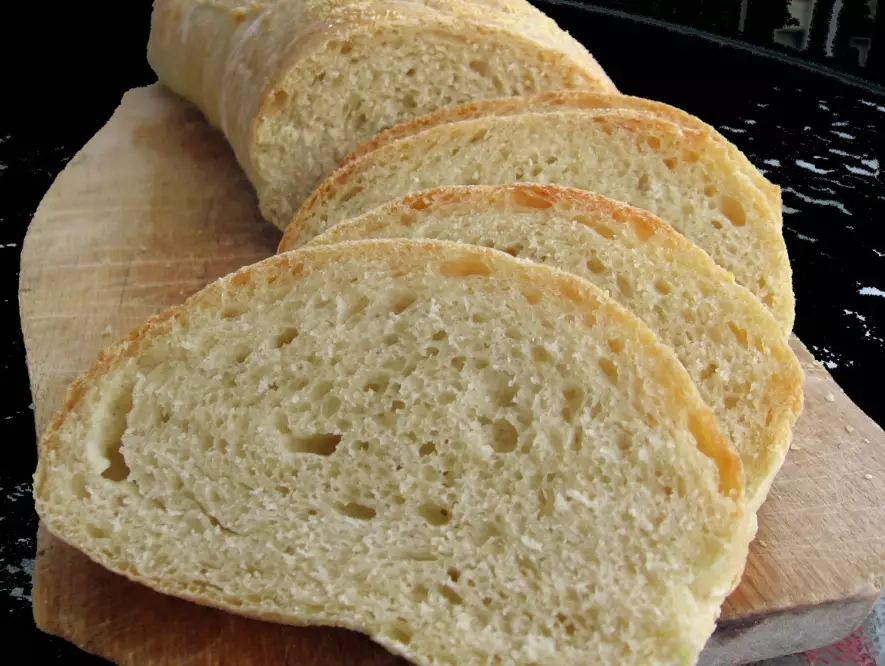
Step 4: Baking for the Perfect Crust
When the dough looks puffy and passes the "poke test" (poke it gently; if the indentation slowly springs back halfway, it's ready), it's bake time. Carefully take the screaming hot Dutch oven out of the oven. Remove the lid.
Turn your proofed dough out onto a piece of parchment paper (the seam side is now down). You can slash the top with a sharp razor blade or lame in one or two quick, confident strokes. This controls where the bread expands. Then, lift the dough by the parchment paper and lower it into the hot Dutch oven. Put the lid back on.
Bake with the lid on for 25 minutes. This traps steam, which is the secret to the crust. After 25 minutes, remove the lid. The bread will be pale but risen. Bake for another 15-20 minutes, uncovered, until it's a deep, glorious golden brown.
That sound when you take it out? That's the sound of success.
Step 5: The Crucial Wait
This is the hardest part. Let the bread cool completely on a wire rack for at least 2 hours before you cut into it. I know, it's torture. The bread is still cooking internally as it cools, and cutting it warm makes the crumb gummy. Plan your baking so you can resist.
Common Problems & Solutions (Your Italian Bread FAQ)
Baking is part science, part art. Things can go a bit sideways. Here are answers to the questions I get asked most, and the ones I had myself.
Taking Your Italian Bread Further
Once you've mastered the basic loaf, the world opens up. This simple Italian bread recipe is a blank canvas.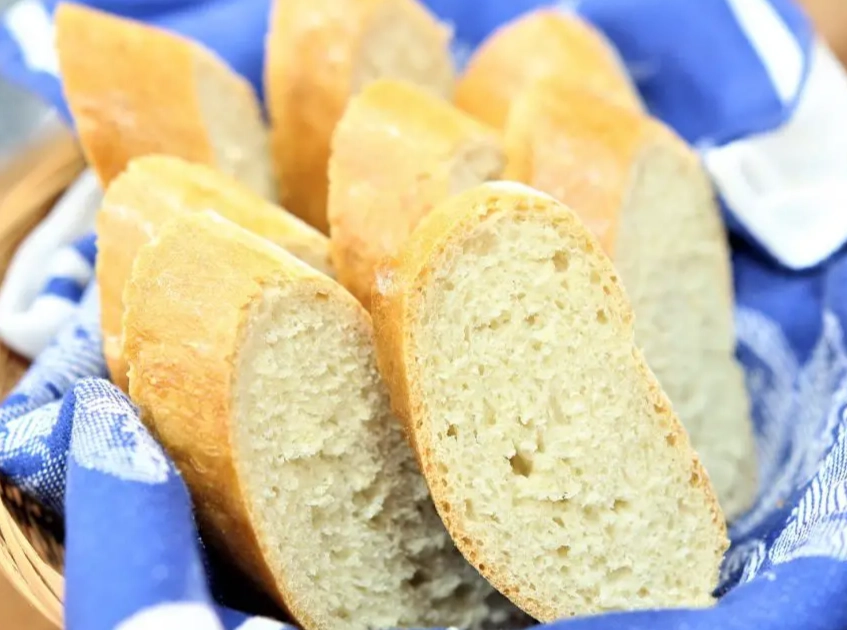
You can add a tablespoon of olive oil to the dough for a slightly richer flavor and softer crumb. Sprinkle in some chopped rosemary and sea salt flakes before the final fold. Or mix in some whole wheat or rye flour for a portion of the total (start with 20%). For a more authentic, complex flavor profile, you can look into creating a "biga" – a stiff pre-ferment used in many Italian bakeries. The technical resources from institutions like the Italian Institute for Agricultural and Food Market Services (ISMEA) provide fascinating context on traditional grains and methods, though their site is in Italian.
The key is to bake often. Your hands will learn the feel of the dough. You'll start to recognize when it's perfectly proofed by sight and touch, not just by the clock. You'll develop a relationship with your oven. This Italian bread recipe is a starting point, a reliable friend. Tweak the water by 10 grams, try a different flour, adjust the salt. Make it yours.
And remember, even a less-than-perfect loaf of homemade bread is almost always better than a perfect loaf from the store. It has your time and care in it. That's the real secret ingredient.
So, preheat that oven, get your flour out, and start. The only thing standing between you and a perfect, crusty, airy loaf of homemade Italian bread is a bit of time and the courage to try. You've got this.
Related Articles

The reason for the surge in A-shares has been found! The Shanghai Composite Inde

The "big test" for joint venture car companies has arrived
Authentic Italian Chicken Cacciatore Recipe: A Hunter's Stew
Top 10 Italian Pasta Dishes: A Guide to Classics

Authentic Italian Cookies Recipe: A Guide to Classic Biscotti & More
Ultimate Italian Beef Crock Pot Recipe: Tender & Juicy

Why did China Resources take over Tasly?
Italian Salad Recipe: Authentic, Easy & Delicious Step-by-Step Guide
Italian Seasoning in Minestrone Soup: The Authentic Herb Blend Explained
What are the 4 Classic Italian Dishes? A Food Lover's Guide
Classic Italian Bolognese Recipe: Master the Authentic Ragu

Authentic Italian Salad Dressing Recipe: Easy, Zesty & Homemade

Ultimate Italian Margarita Recipe: How to Make the Perfect Amaretto Sour Twist

The Ultimate Guide to a 3 Course Vegetarian Italian Meal

The RMB exchange rate against the US dollar rose to a high point this year
Top 10 Italian Dishes You Must Try: Authentic Flavors Explained
Simple Italian Sausage Recipes for Dinner: Easy & Flavorful Family Meals
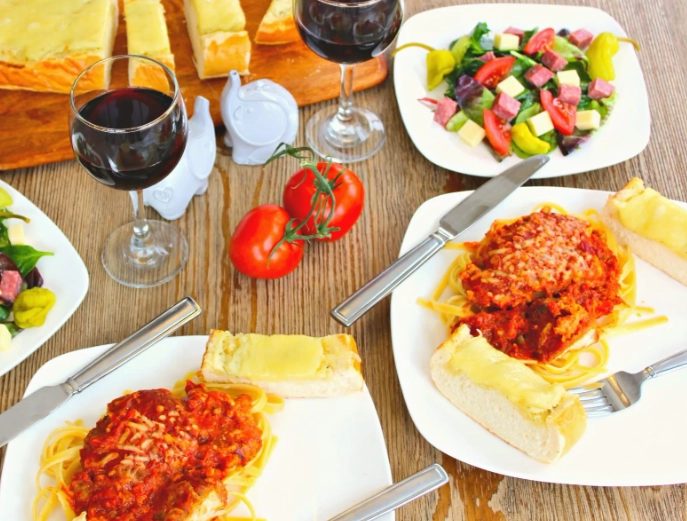
Simple Italian Holiday Dinner Recipes: Effortless & Authentic Feasts
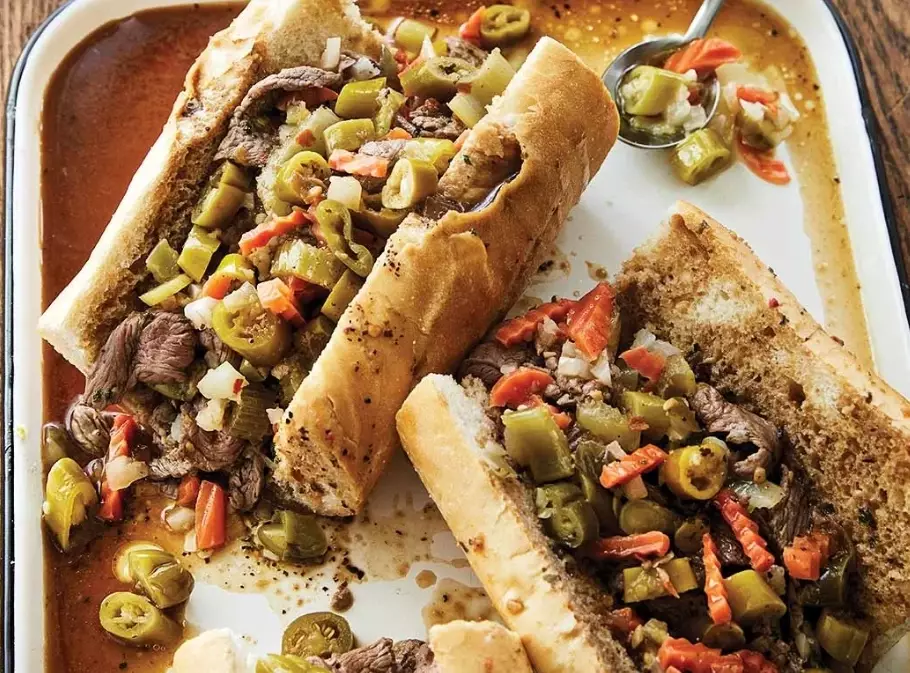
Authentic Italian Beef Recipe: Slow-Cooked Chicago-Style Sandwiches
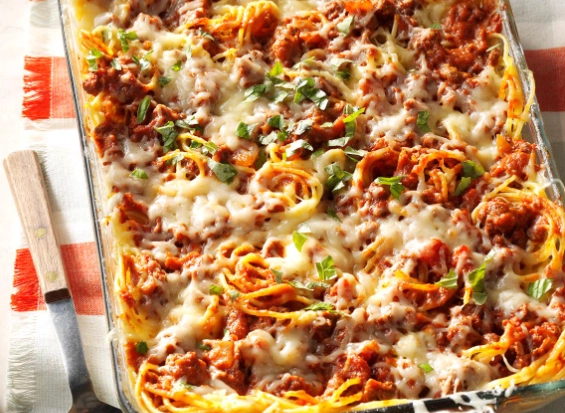
Easy Italian Baked Dinner Recipes: Lasagna, Chicken Parm & More
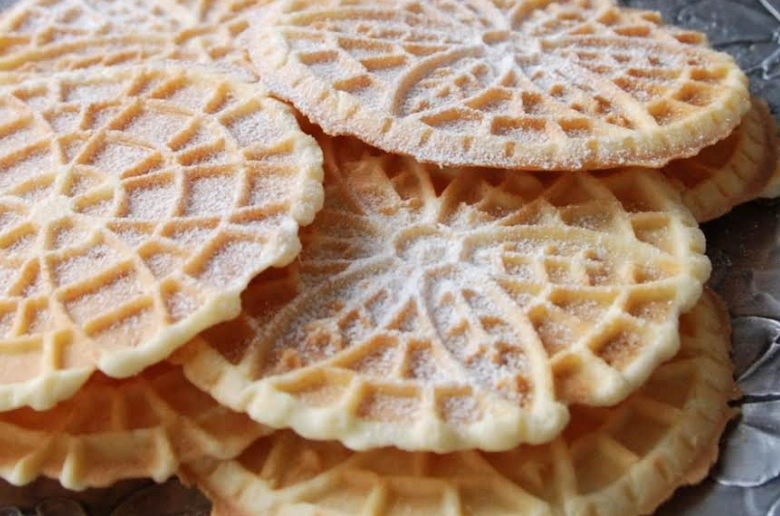
Ultimate Italian Pizzelle Recipe: Crispy, Authentic & Easy
Top 10 Italian Dishes Veg: Best Vegetarian Pasta & Mains Guide

Sudden bad news! A-shares plunged, Hong Kong stocks fell more than 2%, and there
Authentic Italian Steak Recipe: Bistecca alla Fiorentina Guide
Authentic Italian Pizzelle Recipe with Anise: A Family Tradition
Authentic Italian Recipes: Your Ultimate Guide to Mastering Classics at Home
Make-Ahead Italian Appetizers: Stress-Free Recipes & Tips for Any Gathering
Vegetarian Food Guide: What to Eat in Italy

The number has increased nearly fourfold in ten years, and the global digital ba
Leave a Comment