Authentic Italian Dressing Recipe: Easy, Homemade & Better Than Store-Bought
Quick Navigation
- Why Bother Making Your Own Italian Dressing?
- The Foundation: A No-Fail Classic Italian Dressing Recipe
- Beyond the Basics: Customizing Your Homemade Italian Dressing
- Italian Dressing Recipe Showdown: A Comparison Table
- Common Pitfalls & How to Avoid Them (I've Made These Mistakes)
- Storage, Shelf Life, & Food Safety
- Your Italian Dressing Recipe FAQs (All the Things You Were Wondering)
- The Final Shake
Let's be honest. That bottle of Italian dressing sitting in your fridge door? It's probably got a list of ingredients longer than your arm, filled with stuff you can't pronounce, and tastes... well, kind of flat and one-note. I used to buy it too, until I tried making my own. The difference is night and day. It's like hearing a song played on a cheap radio versus live in concert. Once you know how simple it is to whip up a real Italian dressing recipe, you'll never go back.
I'm not talking about a fussy, complicated project. We're talking about 5 minutes, a jar, and a handful of pantry staples. This is about capturing that bright, herby, tangy flavor that actually makes you want to eat a salad. The kind of dressing that can turn a bowl of greens into the star of the meal.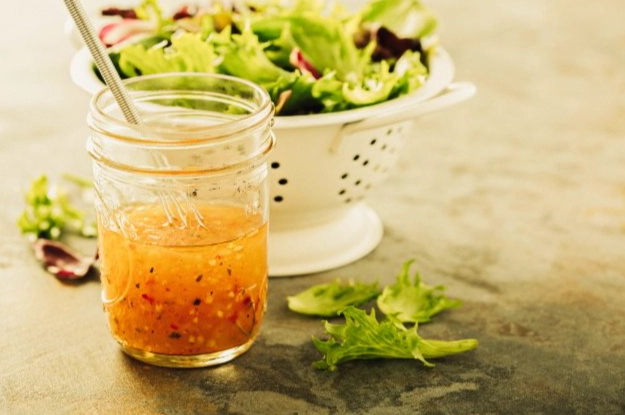
The core idea is simple: Oil, vinegar, flavor. But the magic is in the balance and the quality of what you use. A great homemade Italian dressing is versatile, too. It's not just for lettuce. Think marinades for chicken, a drizzle over roasted veggies, or a dip for crusty bread.
Why Bother Making Your Own Italian Dressing?
You might wonder if it's worth the effort. I get it. The bottled stuff is convenient. But here's the thing—once you see what goes into the real deal, "convenience" starts to taste a lot like compromise.
Most store-bought versions rely on cheap vegetable oils (like soybean or canola), distilled white vinegar for maximum shelf life, and a heavy dose of sugar, salt, and stabilizers like xanthan gum to keep everything from separating in the bottle. The herbs are often dried and lackluster. The flavor is engineered for consistency, not brilliance.
When you make an easy Italian dressing recipe at home, you control everything.
- You choose the oil. A good, fruity extra virgin olive oil makes a world of difference.
- You choose the vinegar. Red wine vinegar has character. White wine vinegar is brighter. You decide.
- You control the sugar and salt. No hidden high-fructose corn syrup here.
- You use fresh aromatics. Real garlic, real dried (or fresh!) herbs.
- It's fresher. The flavors are alive and vibrant, not sitting on a shelf for months.
It's also surprisingly cost-effective. A bottle of decent store-bought dressing can run you $4 or $5. The olive oil is your biggest investment, but you're getting a premium product for a similar price.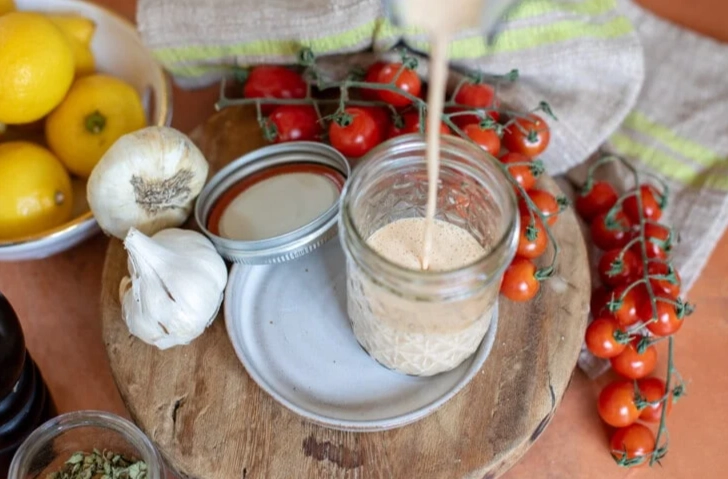
The Foundation: A No-Fail Classic Italian Dressing Recipe
This is my go-to, my workhorse, the recipe I make almost weekly. It's the blueprint. Think of it as the classic little black dress of dressings—simple, elegant, and you can accessorize it a million ways.
Pro Tip: The absolute easiest method is the "shaker jar" technique. Grab a clean mason jar with a tight lid. Add all your ingredients. Screw the lid on tightly and shake like you mean it for a good 30 seconds. Done. No whisk, no bowl to clean. The jar becomes your storage container. It doesn't get simpler.
Here's what you'll need for the foundational recipe. I'll give you the basic ratios, but please, taste as you go. Your palate is the final boss.
- 3/4 cup Extra Virgin Olive Oil: This is the soul of your dressing. Don't use the cheap, flavorless stuff. Get a bottle you'd be happy to drizzle on bread. The quality shines through.
- 1/4 cup Red Wine Vinegar: This provides the essential tang. Some folks prefer white wine vinegar for a lighter touch—both are authentic. I find red wine vinegar has a deeper, more rounded acidity.
- 1 tablespoon fresh lemon juice: A little secret weapon. It brightens everything up and makes the other flavors pop.
- 1-2 cloves garlic, minced: Fresh is non-negotiable here. Garlic powder just won't give you that same pungent kick.
- 1 teaspoon dried oregano: The king of Italian dressing herbs. Crush it between your fingers as you add it to wake up the oils.
- 1/2 teaspoon dried basil: Or use 1 tablespoon chopped fresh if you have it.
- 1/2 teaspoon onion powder: This adds a savory depth without the crunch of raw onion.
- 1 teaspoon Dijon mustard: This is your emulsifier. It helps bind the oil and vinegar together for a minute or two and adds a subtle complexity. Don't skip it.
- 1 teaspoon honey or maple syrup: Just a touch to round off the sharp edges. You can omit it if you're strictly sugar-free, but I find a teaspoon makes the flavor more harmonious.
- 3/4 teaspoon fine sea salt, & 1/2 teaspoon freshly ground black pepper: Season generously. Taste and adjust.
Shake it all in your jar. Taste it. This is the most important step. Dip a lettuce leaf or a piece of bread. Does it need more salt? More tang? More herb? Adjust. Maybe you want another clove of garlic. Go for it. This Italian dressing recipe is now yours.
Let it sit for at least 30 minutes before using. This rest time is crucial—it lets the dried herbs soften and the garlic infuse its flavor throughout the oil. The flavors marry and become something greater than the sum of their parts.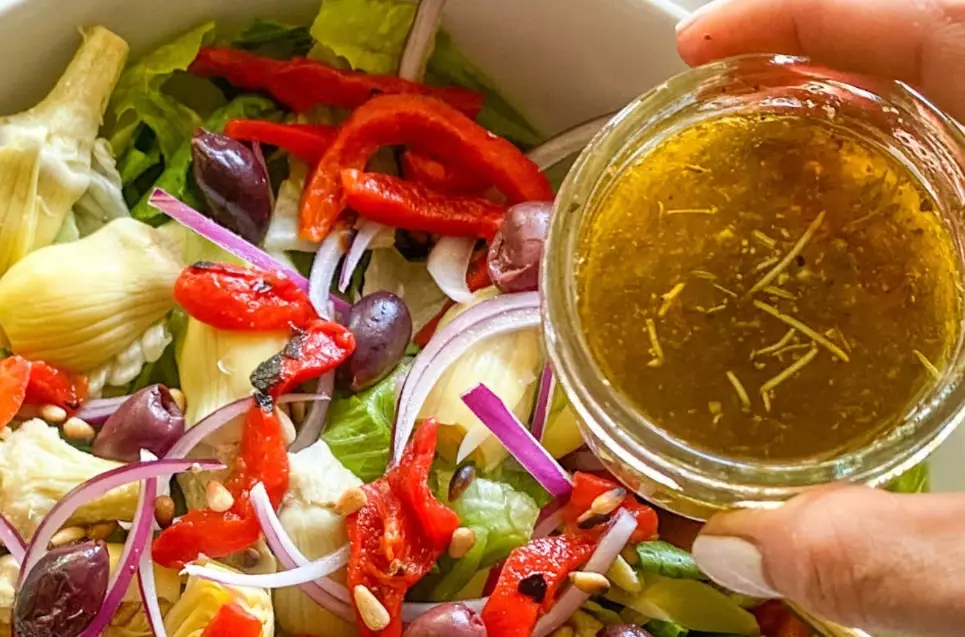
Beyond the Basics: Customizing Your Homemade Italian Dressing
Once you've mastered the classic, the fun begins. This is where a homemade Italian dressing recipe truly outshines anything from a factory. You can tweak it to match exactly what you're craving or what you're serving.
The Acid Swap
Not all vinegars are created equal. Changing your acid changes the whole personality of the dressing.
- White Wine Vinegar: Lighter, sharper, more delicate. Perfect for a summer salad with strawberries and goat cheese.
- Champagne Vinegar: Even more delicate and slightly sweet. Very fancy (but easy).
- Balsamic Vinegar: Use a good aged balsamic, but only substitute for half the vinegar. It's sweeter and thicker, making a rich, almost syrupy dressing. Incredible on a Caprese salad.
- Lemon Juice Only: For a super fresh, vibrant, and pale dressing, use 1/3 cup fresh lemon juice and skip the vinegar altogether. It's bracing and wonderful on grilled fish or a quinoa salad.
The Herb Garden Upgrade
Dried herbs are convenient and work great, but fresh herbs are a revelation.
Try adding 1-2 tablespoons of finely chopped fresh parsley, basil, or chives. If you use fresh herbs, add them right before serving for the brightest color and flavor. A pinch of red pepper flakes? Yes, please. A little dried thyme or rosemary? Go light, as they can be overpowering.
The "Creamy" Italian Dressing Hack
Some people love that creamy, almost ranch-like texture. You can easily get there without weird additives.
Take your classic shaken dressing and add 2-3 tablespoons of plain Greek yogurt, mayonnaise, or even a few tablespoons of grated Parmesan cheese to the jar. Shake again. It becomes luxuriously creamy, clinging to every leaf. This is my guilty pleasure version.
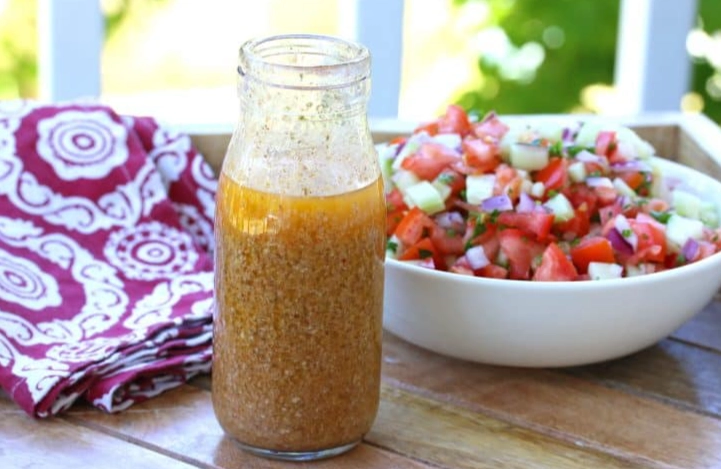 The best Italian dressing recipe is the one you make again and again.
Italian Dressing Recipe Showdown: A Comparison Table
To really see the difference between paths you can take, let's lay it out. This table breaks down the classic homemade version against common store-bought types and a creamy variation.
| Dressing Type | Key Ingredients | Flavor Profile | Best Used For | My Personal Take |
|---|---|---|---|---|
| Classic Homemade (Our Recipe) | EVOO, red wine vinegar, fresh garlic, dried herbs, Dijon | Bright, tangy, herby, robust | Green salads, pasta salads, marinades | The gold standard. Unbeatable freshness. |
| Typical Store-Bought "Zesty" | Soybean oil, water, vinegar, sugar, salt, "spices," calcium disodium EDTA | Sharp, salty, one-dimensional, often overly sweet | When you're in a dire pinch | It gets the job done, but lacks soul. Tastes artificial to me now. |
| Homemade Creamy Variation | Classic recipe base + Greek yogurt or mayo | Tangy, rich, coating, herb-forward | Wedges of iceberg lettuce, as a veggie dip, thick pasta salads | Feels like a decadent restaurant-style dressing. A crowd-pleaser. |
| Fresh-Herb Spotlight | EVOO, white wine vinegar, loads of chopped fresh basil & parsley, shallot | Garden-fresh, light, aromatic, slightly sweet | Tomato salads, grilled vegetables, mozzarella | Summer in a jar. Perfect when your herb garden is overflowing. |
Common Pitfalls & How to Avoid Them (I've Made These Mistakes)
Let's talk about the oops moments so you can skip them. I've had my share of dressing disasters.
The Biggest Mistake: Using rancid or low-quality olive oil. If your oil smells like crayons or old peanuts, it's gone bad. It will ruin your entire dressing with a bitter, off flavor. Taste your oil before you start.
- Dressing won't emulsify/stays separated: This is natural! Oil and vinegar want to separate. The Dijon mustard helps for a short time, but you will always need to give your jar a good shake before using. It's not a flaw; it's a feature of a natural, stabilizer-free product. If you want it thicker, see the creamy hack above.
- Too vinegary/too sharp: Balance it out. Add a bit more oil (a tablespoon at a time) or a tiny bit more sweetener. Sometimes letting it sit for an hour mellows the sharpness.
- Too oily/not enough punch: Add more vinegar or lemon juice, half a teaspoon at a time. Maybe it needs more salt or garlic. Salt amplifies all other flavors.
- Garlic is too harsh/overpowering: You can mellow raw garlic by mincing it and letting it sit in the vinegar for 5-10 minutes before adding the oil. Or, use one small clove instead of two large ones.
My first attempt at a homemade Italian dressing recipe was a vinegar bomb. I used equal parts oil and vinegar, thinking "more tang must be better." It was practically inedible. I had to double the recipe (adding more oil and herbs) to save it. Lesson learned: start with the classic 3:1 oil-to-acid ratio and adjust from there.
Storage, Shelf Life, & Food Safety
This isn't a shelf-stable product like the bottled stuff. That's a good thing, but it means being mindful.
Store your dressing in a sealed jar or bottle in the refrigerator. It will keep for about 1 week. The fresh garlic and herbs are perishable. The olive oil will solidify and become cloudy in the fridge—this is normal. Just let the jar sit at room temperature for 15-20 minutes before using, and give it a vigorous shake. It will return to its beautiful, liquid state.
Can you freeze Italian dressing? Technically, yes, but I don't recommend it. The emulsion will break permanently, and the texture of the herbs and garlic can become weird. It's so quick to make fresh, it's not worth freezing.
For authoritative information on safe home food preservation practices, you can always refer to resources from the USDA's National Institute of Food and Agriculture. They provide science-based guidelines for handling homemade foods.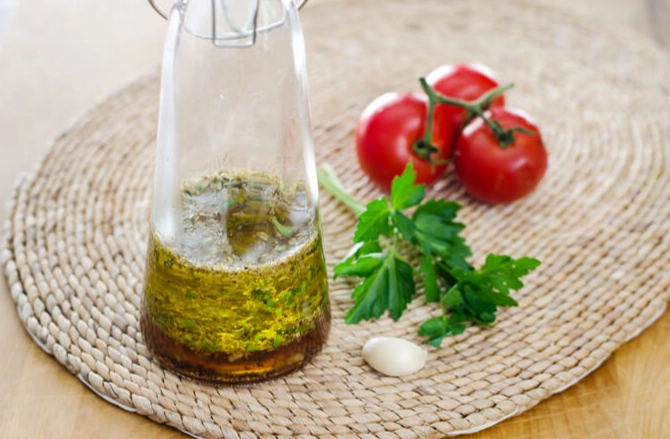
Your Italian Dressing Recipe FAQs (All the Things You Were Wondering)
Can I use all fresh herbs instead of dried?
Absolutely! Dried herbs are more concentrated, so you'll need about three times the amount if using fresh. Instead of 1 tsp dried oregano, use 1 tablespoon chopped fresh. Add fresh herbs just before serving for the best color and flavor.
What's the best oil to use if I don't like a strong olive oil taste?
Try a light-tasting extra virgin olive oil, or use a blend. Half extra virgin olive oil and half a neutral oil like avocado oil or a light olive oil works well. Avoid strong, bitter olive oils.
My dressing tastes bland. What did I do wrong?
You probably under-seasoned. Salt is critical in dressing—it wakes up every other flavor. Add salt in 1/4 teaspoon increments, shaking and tasting after each addition. It might also need more acid (vinegar/lemon) or more garlic.
Is this Italian dressing recipe vegan/gluten-free?
The classic recipe as written is naturally both vegan and gluten-free. Just ensure your Dijon mustard is gluten-free (most are, but check the label if you're highly sensitive). For a vegan version, use maple syrup instead of honey as the sweetener.
Can I use this as a marinade?
It's a fantastic marinade for chicken, pork, or sturdy vegetables like zucchini and mushrooms. The acid helps tenderize. Marinate poultry for up to 4 hours, veggies for 30-60 minutes.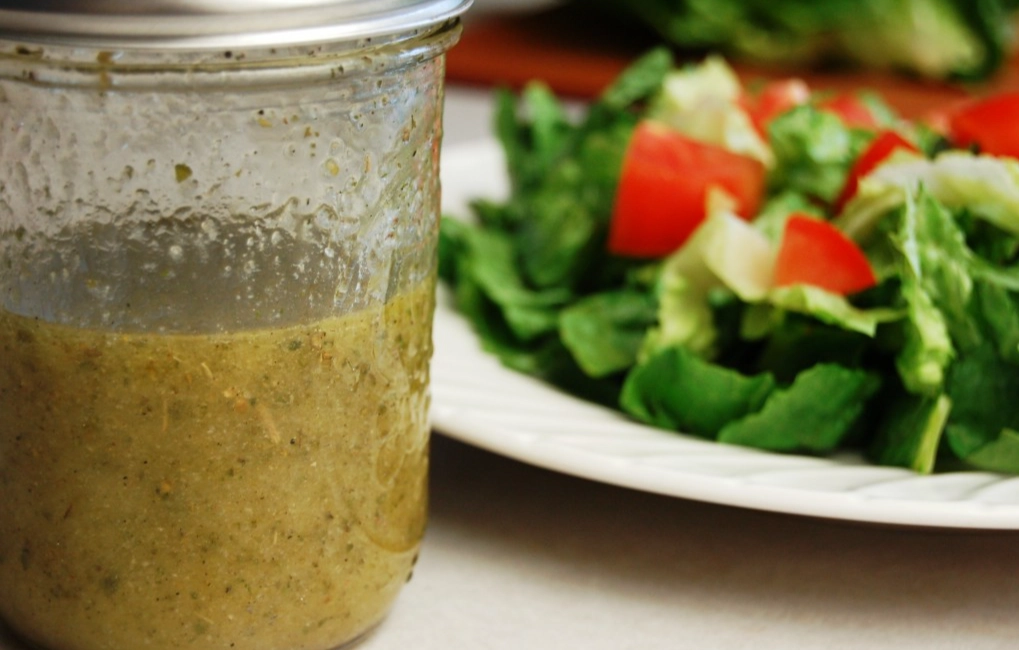
The Final Shake
Look, at the end of the day, cooking should be about joy and flavor, not stress. This easy Italian dressing recipe is a tiny kitchen victory that pays off every time you sit down to eat. It makes your food taste better. It makes you feel like you've done something good for yourself.
You don't need any special skills. Just a jar, a few good ingredients, and the willingness to taste and adjust. Start with the classic formula. Make it once. Then the next time, maybe you'll add an extra herb or try white wine vinegar. Before you know it, you'll have your own signature version.
That bottle in the fridge? It might just find itself permanently replaced by a simple, elegant jar of something you made with your own hands. And your salads will be all the better for it.
Related Articles

Authentic Italian Cookies Recipes: Classic Biscotti, Amaretti & More
Authentic Italian Peasant Food: Simple Recipes & Where to Eat
Mastering Homemade Italian Pasta: A Complete Guide to Fresh Pasta Recipes
Authentic Pasta Carbonara Recipe: The Real Italian Way
Easy Italian Baked Dishes Recipes: Effortless Family Dinners

The State Administration of Financial Supervision: Commercial banks have release
Classic Italian Vegetable Dishes: A Guide to Authentic Recipes

Italian Submarine Sandwich Recipe: The Ultimate Guide to a Classic Hoagie
Authentic Italian Steak Recipe: Bistecca alla Fiorentina Guide
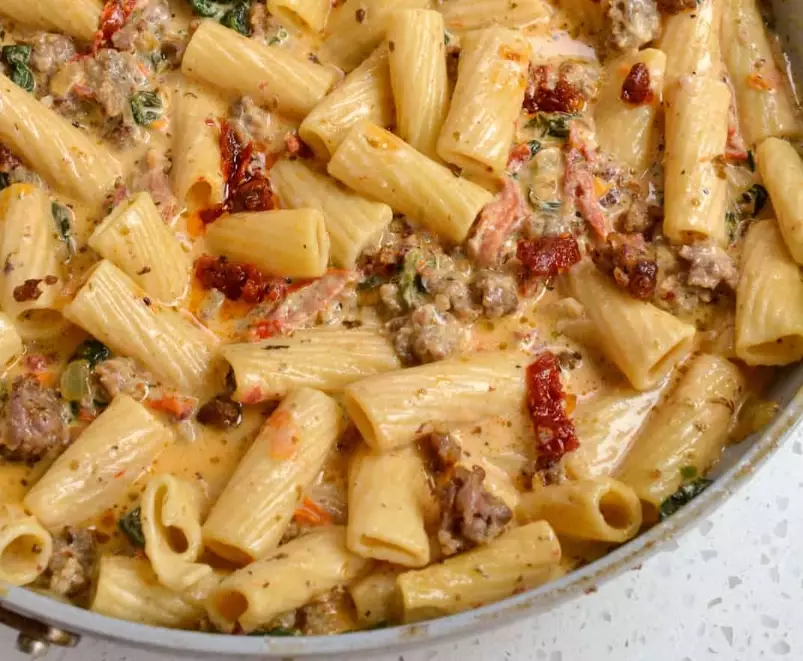
Italian Sausage Dinner Recipes: Easy, Flavorful Family Meals
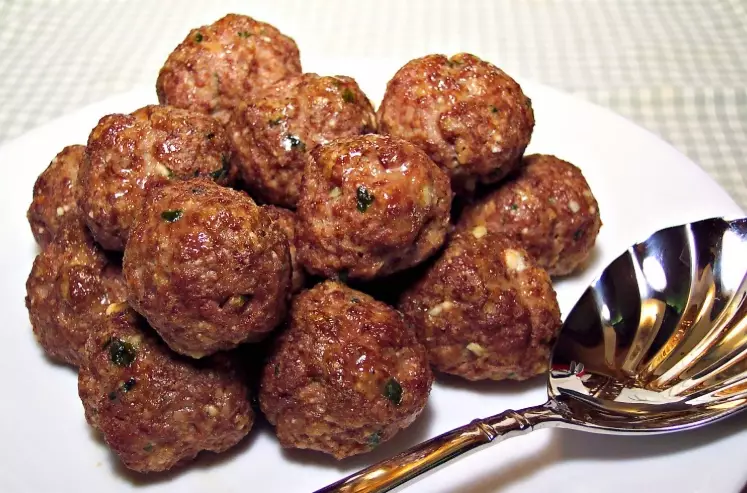
Italian Meatball Recipe: Step-by-Step Guide & Secrets for Tender Meatballs
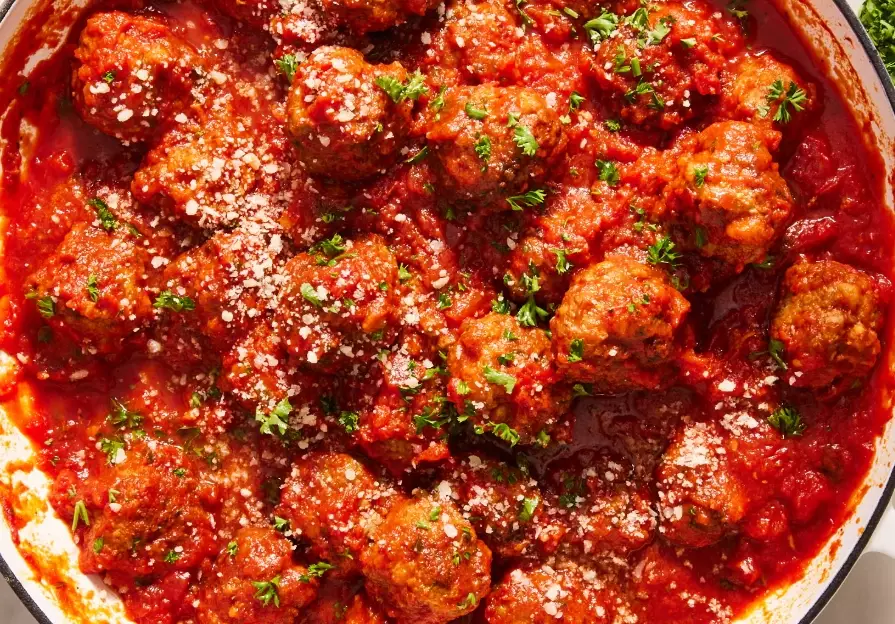
Authentic Italian Meatballs Recipe: Nonna's Secret for Tender & Flavorful Polpette

With an increase of nearly 300%, the leader of "flying cars" took off, fearless
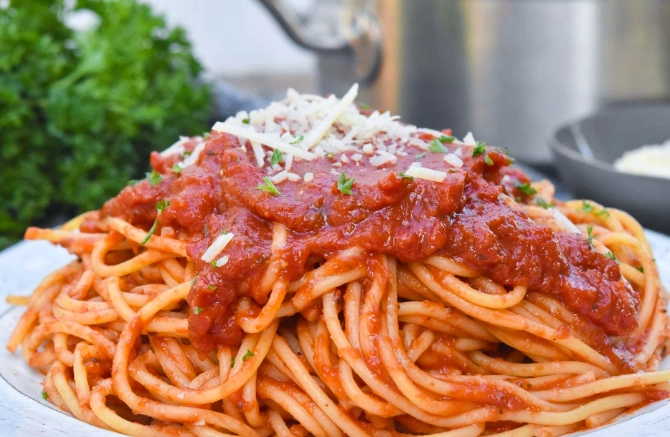
Traditional Italian Pasta Sauce: The Complete Guide to Authentic Recipes & Secrets
Authentic Italian Beef Recipe: The Ultimate Chicago-Style Sandwich Guide
Pasta Recipes: A Complete Guide from Beginner to Pro
Authentic Italian Lasagna Recipe: The Ultimate Guide to Homemade Perfection
A Complete Guide to the Traditional Southern Italian Christmas Dinner Feast
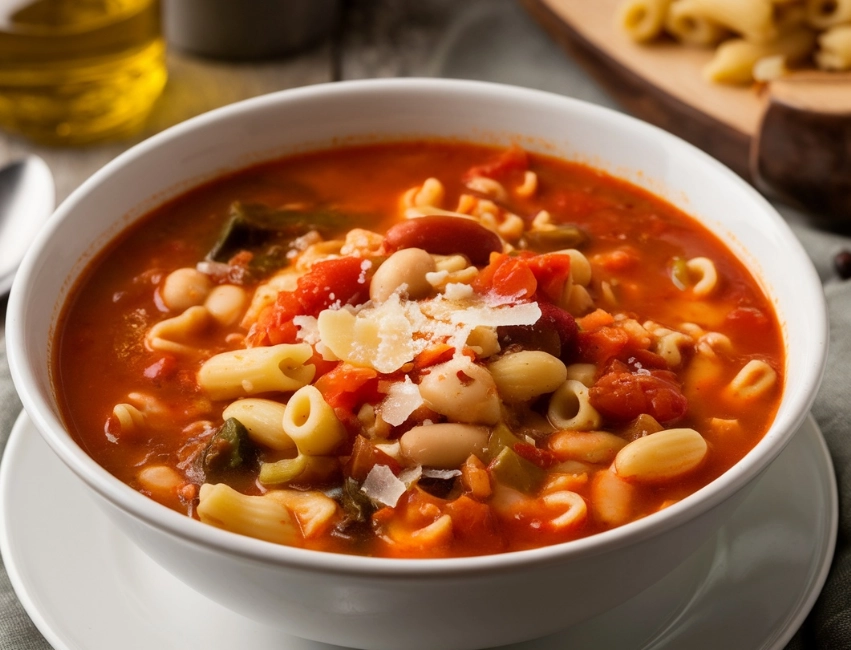
Italian Pasta e Fagioli Soup Recipe: Authentic & Easy
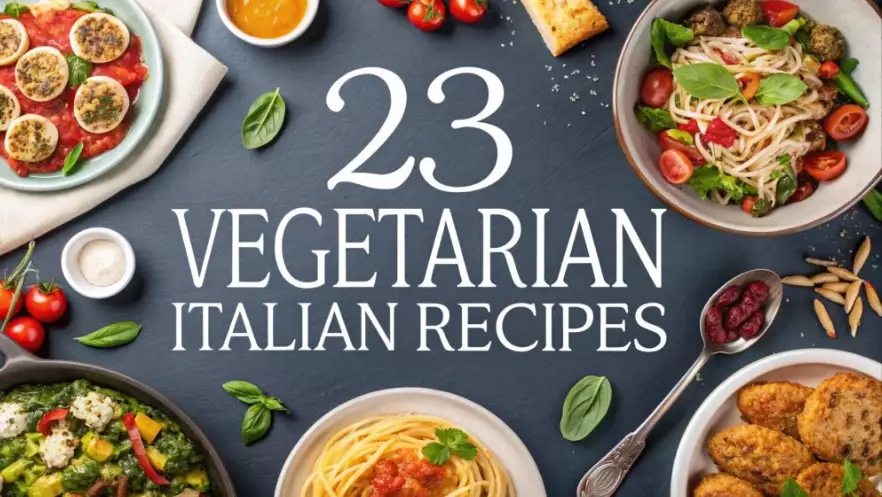
Traditional Italian Vegetarian Recipes: Classics Beyond Pasta

The medium-sized trap of Internet companies

Authentic Italian Hot Chocolate Recipe: Rich, Thick & Easy
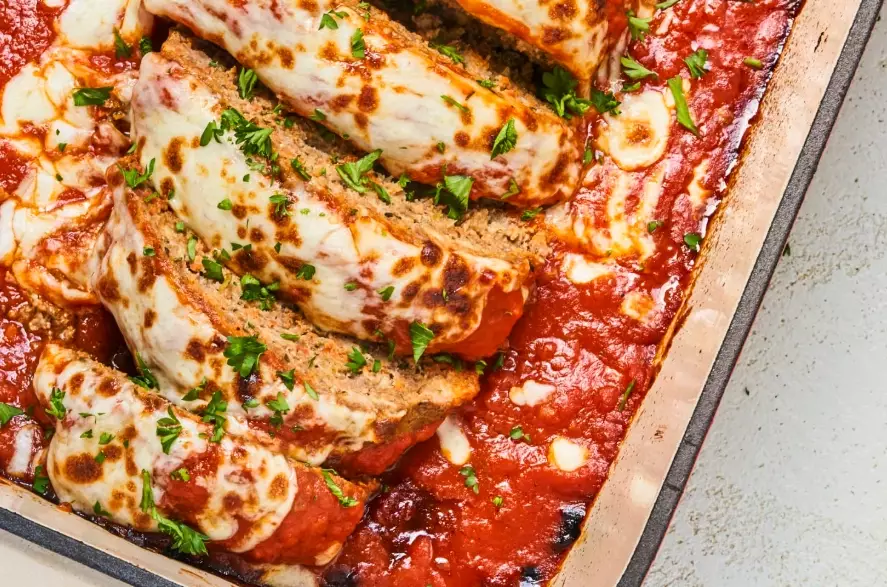
Italian Meatloaf Recipe: The Ultimate Comfort Food Guide
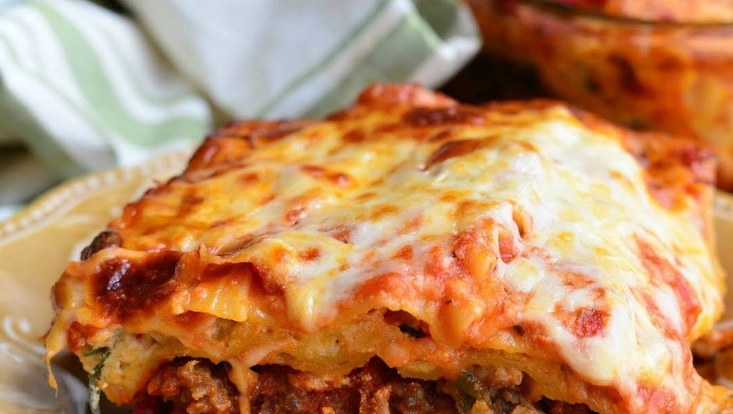
Authentic Ricotta Lasagna Recipe: Creamy Layers & Pro Tips
Traditional Southern Italian Recipes: Authentic Dishes & Secrets

Ultimate Italian Margarita Recipe: How to Make the Perfect Amaretto Sour Twist

Authentic Italian Antipasti Recipes: A Guide to Traditional Appetizers
Ultimate Braciole Recipe: Authentic Italian Beef Rolls in Tomato Sauce

Ground Italian Sausage Recipes: The Ultimate Guide for Easy & Flavorful Dinners

Leave a Comment