Italian Meatball Recipe: Step-by-Step Guide & Secrets for Tender Meatballs
Your Meatball Journey
Let's be honest. We've all had that moment. You follow an Italian meatball recipe to the letter, you fry them up, and... they're dry. Or they fall apart in the sauce. Or they taste more like a seasoned hockey puck than the tender, juicy parcels of joy you were promised. I know I have. My first attempt years ago was so dense you could have used it in a game of catch.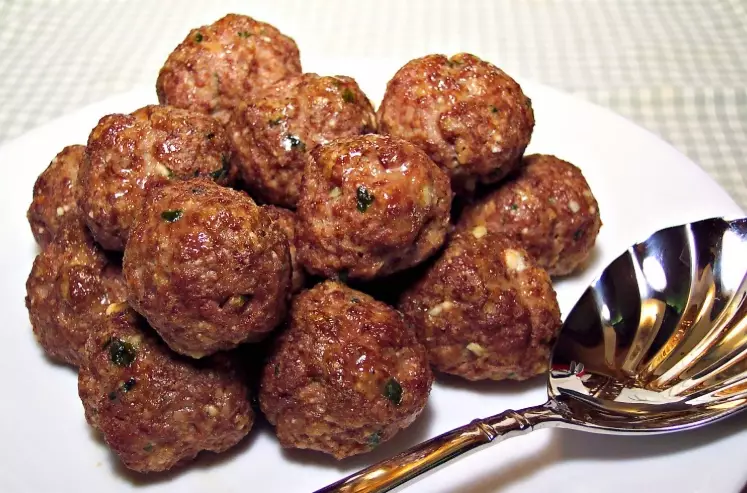
It's frustrating because the idea is so simple: meat, bread, cheese, herbs. How hard can it be?
Turns out, the devil is in the details. And those details are what separate a good meatball from a legendary one. This isn't just about throwing ingredients together. It's about understanding the why behind each step. That's what I learned after talking to a friend's nonna, reading way too many old Italian cookbooks (like the foundational works referenced by the Academia Barilla), and frankly, making a lot of mediocre meatballs myself.
So, let's ditch the guesswork. This guide is my attempt to give you everything I wish I'd known. We'll dig into the core principles, walk through a foolproof method, and tackle all those little questions that pop up. By the end, you'll have more than just a list of steps. You'll have the confidence to make the best Italian meatball recipe you've ever tasted, right in your own kitchen.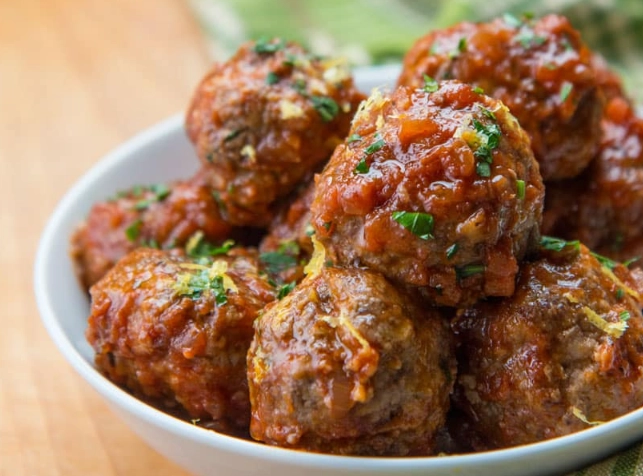
What Makes an Italian Meatball Recipe "Authentic" Anyway?
This is the first big question. "Authentic" is a tricky word in cooking. Italy is a country of regions, and every nonna has her own version. The meatballs in Sicily are different from those in Rome, which are different from the ones in Naples. Some are tiny, served in soup. Some are huge, baked and stuffed. The version we're talking about here—the classic, tender, simmered-in-sauce polpette—is deeply rooted in Italian-American tradition, which itself evolved from Southern Italian roots.
The real goal isn't archaeological purity. It's capturing the soul of the dish: tenderness, deep flavor, and that perfect marriage with a tomato sauce. An authentic Italian meatball recipe, in my book, is one that prioritizes texture and harmony above all else.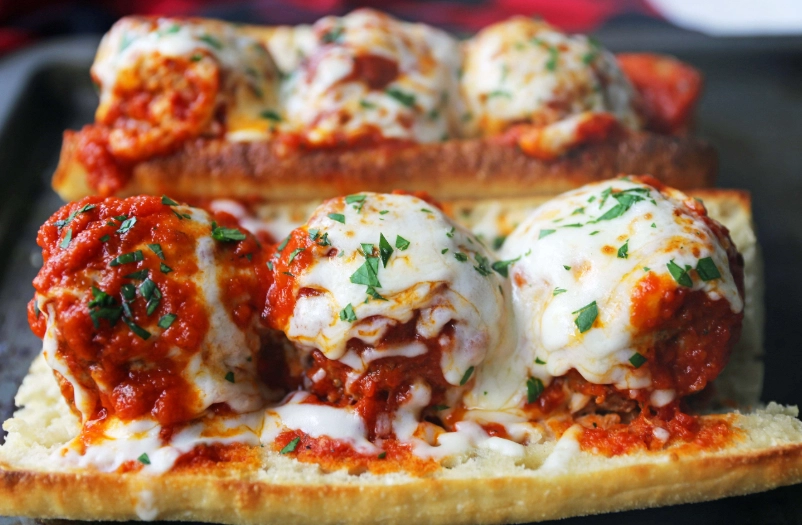
Key Takeaway: Don't get hung up on a single "right" way. Focus on the principles of tenderness and flavor. The best Italian meatball recipe is the one your family asks for again and again.
The Non-Negotiable Pillars of a Great Meatball
Before we touch a single ingredient, let's talk philosophy. These three pillars are the foundation.
Pillar 1: The Meat Blend is Everything. Using just ground beef is the most common mistake. It often leads to a dry, one-note texture. The classic blend is a combination of meats for complexity and fat for juiciness. We'll get into specifics below.
Pillar 2: Tenderness Comes from Panade, Not Overworking. This is the big secret. A panade is a paste of bread and milk (or water) that you mix into the meat. It acts like a gentle binder and, more importantly, it creates a tender, almost creamy texture by retaining moisture. It's the opposite of just adding dry breadcrumbs, which can suck moisture out.
Pillar 3: Flavor is Layered, Not Just Added. You don't just dump garlic powder in. You sauté fresh aromatics. You use good cheese. You let the meatballs simmer slowly in the sauce so they exchange flavors. Every step builds the taste.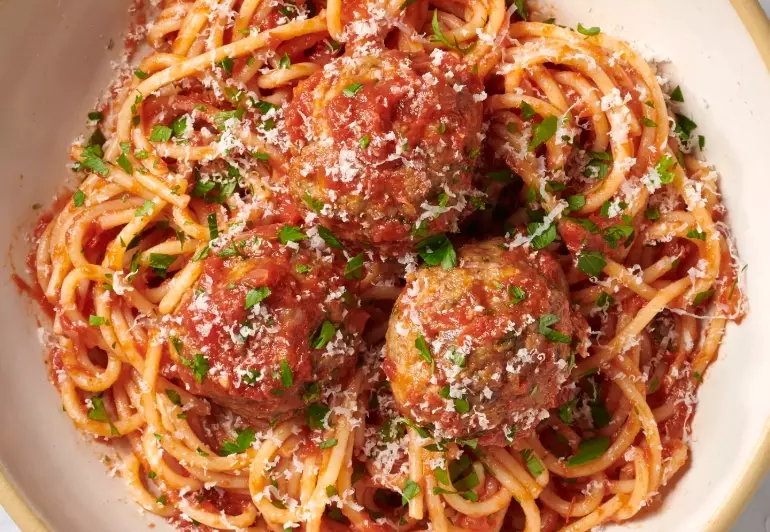
Deconstructing the Ultimate Italian Meatball Recipe: Ingredients
Okay, let's get our hands dirty. Here's what you'll need, and more importantly, why you need it. I've organized this into the core components.
The Meat Trio: Your Flavor and Texture Foundation
This is where you can really customize. A 1:1:1 ratio is a fantastic starting point.
- Ground Beef (80/20 lean-to-fat ratio): Provides the hearty, beefy backbone. The 20% fat is non-negotiable for moisture. Don't go lean here—you'll regret it.
- Ground Pork: Adds sweetness, richness, and a softer texture. It's the secret to a more complex flavor profile.
- Ground Veal: The traditional third act. It gives a delicate, almost gelatinous quality that makes the meatball incredibly tender. If you can't find or don't want to use veal, using all pork and beef is still excellent. Some recipes even use a bit of ground pancetta for a punch.
My personal go-to? I often do half beef, half pork. It's easier and still gives a fantastic result. The veal is a lovely upgrade for special occasions.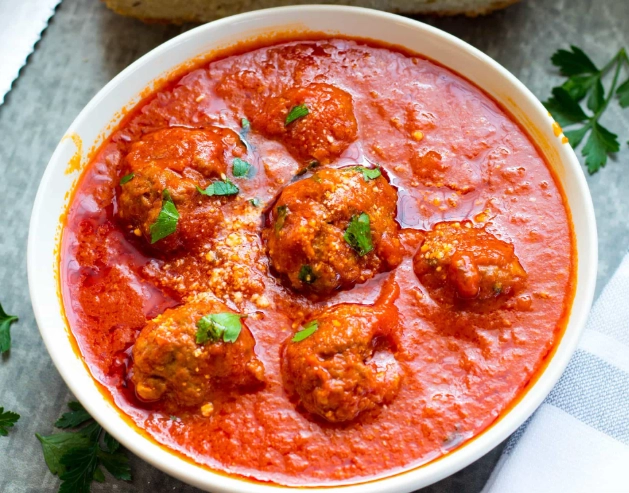
The Tenderness Team: Panade & Binders
- Bread (about 2 slices): Stale Italian or French bread, crusts removed, torn into pieces. This is superior to pre-made breadcrumbs for the panade. It creates a smoother, more integrated texture.
- Milk (about 1/2 cup): Whole milk. It soaks into the bread to create the panade paste. Some use water or broth, but milk adds a subtle richness.
- Egg (1 large): The secondary binder. It helps hold everything together, but the panade is doing the heavy lifting for texture.
- Cheese (1 cup, grated): Freshly grated Pecorino Romano or Parmigiano-Reggiano. Do not use the pre-grated stuff in the canister. It's coated with anti-caking agents and won't melt properly. The cheese adds salty, umami depth. I'm a Pecorino fan for its sharper bite.
The Flavor Builders: Aromatics & Herbs
- Yellow Onion (1 medium), finely minced: Sweetness and aroma. We'll sauté half of it to mellow the raw bite.
- Garlic (3-4 cloves), minced: Essential. Fresh only.
- Fresh Flat-Leaf Parsley (1/2 cup chopped): Provides a bright, grassy note that cuts through the richness. Dried parsley is a sad substitute here.
- Dried Oregano (1 tsp): A classic Southern Italian herb. Rub it between your palms before adding to wake up the oils.
- Kosher Salt & Freshly Cracked Black Pepper: Season aggressively. Meat needs it. Don't be shy.
The Step-by-Step Process: It's All in the Technique
Here's where we put it all together. Read through once before you start.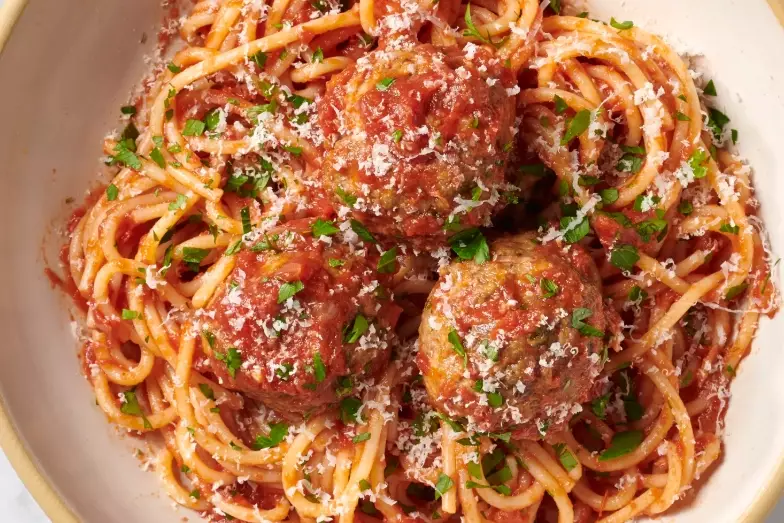
Step 1: Make the Panade & Prep Aromatics
Tear your bread into small pieces into a bowl. Pour the milk over it and let it sit for 10 minutes. Then, mush it with a fork until it's a uniform, pasty glop. This is your magic potion for tender meatballs.
While that's soaking, finely mince your onion. Take half of it and sauté it in a little olive oil over medium heat until it's soft and translucent, about 5 minutes. Let it cool completely. This step is a game-changer—it removes raw onion moisture and concentrates the sweetness. The other half of the onion goes in raw for a little texture pop.
Step 2: The Grand Mixing (With a Light Touch)
In a large bowl, combine your meats. Add the panade, the cooled sautéed onions, the raw onions, garlic, parsley, oregano, cheese, egg, a hefty teaspoon of salt, and many cranks of pepper.
Now, the critical part.
Use your hands. It's the best tool. Gently mix everything together until it's just combined. I mean it. Stop as soon as you no longer see streaks of individual ingredients. Overmixing is the enemy—it develops the proteins in the meat and makes them tough and springy, like a sausage. You want a light, almost loose mixture.
Step 3: Shaping and the Fry vs. Bake Debate
With damp hands (this prevents sticking), roll the mixture into balls. I like them about 1.5 to 2 inches in diameter—golf ball to slightly larger. Consistency in size means even cooking.
To fry or to bake? This is a holy war.
- Frying (My Preference): Heat a 1/4 inch of neutral oil (like vegetable or canola) in a heavy skillet over medium heat. Brown the meatballs in batches, don't crowd them, turning to get a nice crust on all sides. This creates incredible fond (browned bits) in the pan and gives the meatballs a richer, deeper flavor and a better texture. You're not cooking them through, just searing the exterior.
- Baking: Arrange on a parchment-lined baking sheet, drizzle with oil, and bake at 400°F (200°C) for 15-20 minutes until browned. It's easier, less messy, and healthier. The flavor is a bit cleaner, but you miss the fond and the specific crust from frying. It's still a great method.
I usually fry. The flavor difference is worth the splatter cleanup to me.
Step 4: The Simmer - Where Magic Happens
This is non-negotiable for the best Italian meatball recipe. You must simmer them in sauce. If you have a simple tomato sauce simmering in a pot (even a good jarred one, doctored up), gently place your browned meatballs into it.
Let them simmer, covered, on low heat for at least 30 minutes, preferably 45 minutes to an hour. This slow cooking does two things: it finishes cooking the meatballs gently (no dry centers), and it allows a beautiful exchange. The meatballs soak up the flavor of the sauce, and the sauce becomes enriched with the meaty, herby juices from the meatballs. They become one dish.
Pro-Tip: If you fried your meatballs, use that same skillet (with the browned bits) to start your tomato sauce. Deglaze it with a splash of red wine or just some of the tomato sauce, scraping up all the fond. That's pure flavor gold.
Answering Your Italian Meatball Recipe Questions (FAQ)
These are the things I googled when I was learning. Let's clear them up.
Why do my meatballs always fall apart?
Usually one of three reasons: 1) Not enough binder (egg/panade), 2) The mixture was too wet (too much panade or raw onion), or 3) You didn't chill the mixture before shaping. A 15-30 minute rest in the fridge firms everything up and makes shaping easier. Also, browning creates a crust that helps them hold together in the sauce.
Can I make them ahead of time?
Absolutely, and they might even be better. You can:
- Make and shape the raw meatballs, then freeze them on a tray before transferring to a bag. Cook from frozen, just add 10-15 minutes to the simmer time.
- Cook the meatballs completely and store them in their sauce in the fridge for 3-4 days. The flavor improves each day.
- The sauce with meatballs also freezes beautifully for up to 3 months.
What's the best cheese to use?
It's a matter of taste. Here's a quick breakdown:
| Cheese | Flavor Profile | Best For | My Take |
|---|---|---|---|
| Pecorino Romano | Salty, sharp, tangy (sheep's milk) | A more assertive, traditional Southern Italian flavor. | My personal favorite. It stands up to the meat. |
| Parmigiano-Reggiano | Nutty, complex, umami (cow's milk) | A richer, more rounded flavor. More common in Northern Italy. | Also excellent, a bit more subtle and sweet. |
| Grana Padano | Milder, less crumbly than Parmigiano | A good, often more affordable alternative to Parmigiano. | Works perfectly well if it's what you have. |
| A Mix | The best of both worlds | Maximizing complexity. | Sometimes I do half Pecorino, half Parmigiano. Can't go wrong. |
Should I put pasta water in the sauce?
Not specifically for the meatballs, but when you serve the sauce over pasta, absolutely. That starchy, salty pasta water is the key to making the sauce cling to the noodles. It's an essential final step for the whole dish, as any guide from a reputable source like Epicurious will tell you.
Common Pitfalls & How to Avoid Them
Meatball Mistakes to Sidestep:
- Using only lean meat: Fat = flavor and moisture. Embrace the 80/20 blend.
- Overmixing the meat: Gentle hands. Think "combine," not "knead."
- Skipping the panade: Dry breadcrumbs alone won't give you that tender, melt-in-your-mouth quality.
- Not seasoning enough: Taste a tiny bit of the raw mixture (it's safe) and adjust the salt. It should taste good now.
- Crowding the pan when browning: This steams them instead of searing them. Do it in batches.
- Not simmering in sauce: Boiling them hard in sauce will make them tough. A low, gentle simmer is the way.
Serving & The Bigger Picture
So you've made these perfect, tender meatballs. Now what?
The classic is, of course, over spaghetti or another long pasta like linguine or bucatini. But don't stop there. They are incredible in a submarine sandwich (a true meatball sub). Serve them as a main course with just a pile of crusty bread for mopping and a simple green salad. Or, make them smaller and serve as an appetizer with toothpicks.
Remember, a great Italian meatball recipe isn't just about following steps. It's about understanding the goal: creating something comforting, flavorful, and shared. It's forgiving. If you forget the oregano, it's fine. If you only have beef and pork, it's still fantastic. The framework is what matters.
I hope this deep dive gives you the confidence to make your own version. Start with the core principles—the meat blend, the panade, the gentle mix, the slow simmer. Make them once, take notes on what you'd change, and make them again. That's how you make it your own. That's how you end up with a recipe you'll pass down, not just pin.
Now go get some meat and cheese. Your best Italian meatball recipe is waiting to be made.
Related Articles
Pasta Recipes: A Complete Guide from Beginner to Pro
Mastering Homemade Italian Pasta: A Complete Guide to Fresh Pasta Recipes
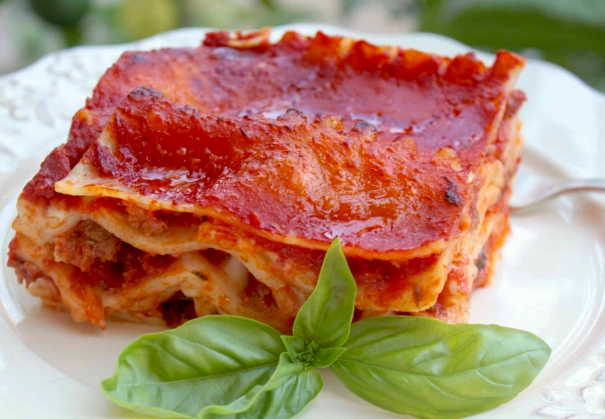
Authentic Italian Recipes: Your Ultimate Guide to Mastering Classics at Home

Top 10 Italian Foods: The Ultimate List of Must-Try Dishes
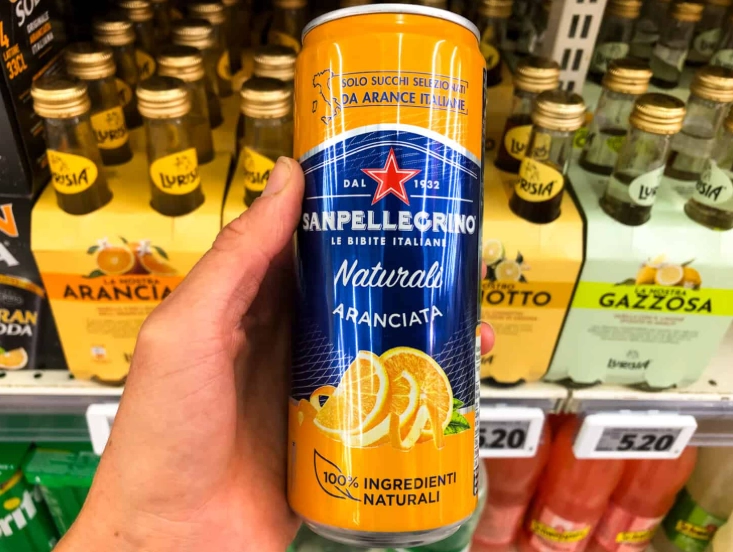
Discover the Best Non-Alcoholic Italian Drinks: From Aperitivo to Digestivo

Master Old School Italian Recipes: Authentic Pasta, Ragù & More
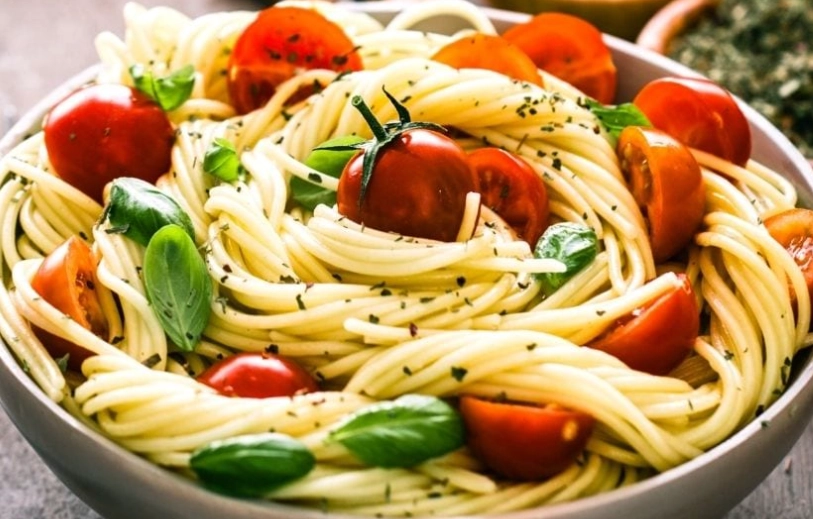
Authentic Italian Vegetarian Recipes: Classics Made Simple & Delicious
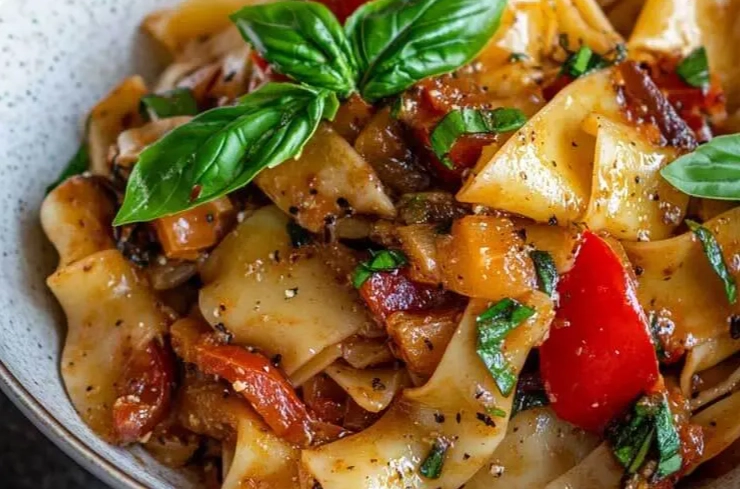
Authentic Italian Drunken Noodles Recipe (Pasta alla Ubriaca)

What Side Dishes to Serve with Sausage? 15 Perfect Pairings & Recipes
What to Bring to an Italian Dinner Party: The Ultimate Guest's Guide

Geely and Zeekr have the best semi-annual reports, half of which rely on sales g
Best Italian Baked Dishes Recipes: Authentic & Easy to Make
Easy Italian Regional Recipes: Authentic Dishes You Can Actually Make

Pinduoduo invested 10 billion to support new quality merchants, and continued to

Authentic Italian Cannoli Recipe: Crispy Shells & Sweet Ricotta Filling
Simple Italian Sausage Recipes for Dinner: Easy & Flavorful Family Meals

The fourth wave of internationalization of global auto companies, how can China
Easy Italian Appetizer Recipes for a Crowd: Make-Ahead & Crowd-Pleasing Ideas
Authentic Italian Carbonara Recipe: The Only Guide You'll Ever Need

Tesla VS BYD: A new wave of insurance for electric car giants
Authentic Italian Pizzelle Recipe: Crispy, Classic & Easy
Authentic Carbonara Recipe: The ONLY Way to Make It Right
Authentic Carbonara Recipe: Traditional Italian Pasta Without Cream
Ultimate Guide to Italian Baked Ground Beef Recipes
Authentic Italian Braciole Recipe: Slow-Cooked Beef Rolls
What Is Authentic Italian Food? A Guide to Regional Classics & Home Cooking

Rescue the market requires real money, not IPO suspension
Authentic Italian Chicken Recipes: From Classic Pollo alla Cacciatora to Modern Favorites
Authentic Carbonara Recipe: How to Make Traditional Italian Pasta
Leave a Comment