Authentic Italian Cookie Recipes: From Biscotti to Amaretti
Your Quick Guide
- What Makes a Cookie "Italian" Anyway?
- The Foundation: Ingredients You Can't Skip
- Top 5 Classic Italian Cookie Recipes You Should Master
- Italian Cookie Recipe Comparison: A Quick Guide
- Baking Day: Tricks, Troubleshooting, and Real Talk
- Beyond the Classics: Regional Gems and Holiday Must-Haves
- Storing, Gifting, and Serving Like a Pro
- Frequently Asked Questions (The Real Ones We All Have)
- Final Thoughts: Your Italian Cookie Journey
So you want to bake Italian cookies. Not the overly sweet, brightly colored things you might find in a generic bakery, but the real stuff. The kind that smells like a nonna's kitchen on a Sunday afternoon, with hints of almond, lemon zest, and maybe a splash of anisette. I get it. There's something magical about Italian cookie recipes. They're often simple in their ingredient list but profound in flavor and texture. They're meant for sharing, for dipping in coffee or wine, and for making any occasion feel a bit more special.
I remember the first time I tried to make biscotti. I followed a recipe from a famous chef's website, and let's just say the results were... rock-like. Edible, but just barely. They were so hard my husband joked we could use them as doorstops. That failure sent me down a rabbit hole. I started reading old Italian cookbooks, watching videos from home bakers in Sicily and Tuscany, and even pestering a friend's Italian grandmother for tips (she told me my hands were too cold, which might actually be true). What I learned is that authenticity isn't about fancy techniques; it's about understanding a few key principles and respecting the ingredients.
This guide is the result of all that trial, error, and delicious research. We're going to move beyond just a list of ingredients and steps. We'll dig into the why behind the methods, tackle common problems before they happen, and explore the wonderful regional variety of Italian cookies. Whether you're a beginner looking for an easy win or an experienced baker wanting to perfect your craft, there's something here for you. Let's get our hands floury.
What Makes a Cookie "Italian" Anyway?
It's a fair question. When you look for Italian cookie recipes online, you find a huge range. Some are soft and cakey, others are twice-baked and crunchy. Some are loaded with nuts, others are delicate and light. The unifying thread isn't a single texture or flavor, but rather a culinary philosophy.
First, Italian desserts, cookies included, often prioritize flavor complexity over sheer sweetness. You'll see ingredients like high-quality almonds, pine nuts, citrus zest (especially lemon and orange), Marsala wine, anise, and espresso. These provide depth. The sugar is a supporting player, not the star.
Second, there's a beautiful practicality to many traditional recipes. Biscotti, for instance, were literally designed to last. The double baking ("biscotti" means "twice-cooked") removed moisture, making them perfect for long journeys, dipping, and storing. Cookies like amaretti use egg whites and almond flour for structure, creating a naturally gluten-free treat centuries before it was a trend.
Finally, regional identity is huge. The cookies from the almond-rich south, like Puglia and Sicily, are different from the butter-based cookies of the north. A recipe isn't just a recipe; it's a little edible piece of history from a specific town or province. The website for Academia Barilla, an organization dedicated to preserving authentic Italian gastronomy, has some fascinating deep dives into regional specialties if you want to go further down that path.
The Foundation: Ingredients You Can't Skip
You can't build a great house with weak bricks, and you can't make great Italian cookies with mediocre ingredients. This is one area where I won't compromise. Let's break down the essentials.
Flours and Meals
All-purpose flour works fine for most recipes. But if you see "00" flour specified, it's worth seeking out. It's a super-fine, soft wheat flour that gives cookies a wonderfully tender crumb. For nut-based cookies like amaretti or ricciarelli, almond flour is non-negotiable. Not almond meal, which is coarser and includes the skins, but fine, blanched almond flour. The texture difference is night and day. I made the mistake of using meal once, and the cookies were gritty and oily. Not good.
The Fat Question: Butter vs. Oil
This is a big regional divider. Northern Italian cookie recipes often use generous amounts of butter, yielding a rich, tender, shortbread-like cookie. Southern Italian traditions, influenced by historical scarcity of dairy, frequently use olive oil or no fat at all, relying on eggs, nuts, and sugar for structure. Neither is "better"—they're just different. For a butter-based cookie, use unsalted, high-fat European-style butter if you can. It makes the flavor incredibly rich.
Flavor Powerhouses
This is where the magic happens. Forget artificial extracts. Use real citrus—zest a lemon or orange right into your sugar and rub them together to release the oils. Use real vanilla beans or a high-quality pure extract. For almond flavor, a drop of pure bitter almond extract (used sparingly!) alongside your almond flour can be transformative. And for liquors like anisette, Sambuca, or Marsala, use a decent brand you'd actually drink. The flavor it imparts is cleaner.
Where do you find some of these more specialized ingredients? I've had good luck with online Italian grocery stores, but also check the resources section on sites like Italian Food Forever, which often has buying guides and reliable substitution advice.
Top 5 Classic Italian Cookie Recipes You Should Master
Let's get practical. Here are five foundational Italian cookie recipes that every baker should have in their repertoire. I've ranked them in a loose order of approachability, but they all have their charms.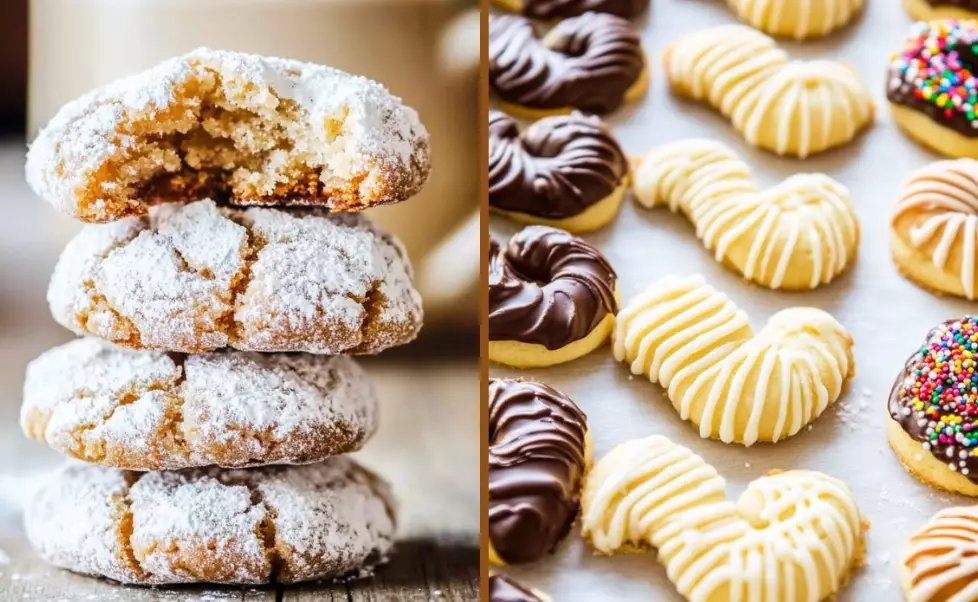
Top 1: Almond Biscotti (Cantucci)
The quintessential dipping cookie. The goal is crisp, not tooth-breaking. The secret? Don't overbake the first loaf. It should be firm and golden but still give a little when pressed. Let it cool completely before slicing, or it will crumble. The second bake is just to dry them out. I like to add a handful of whole almonds for texture, and sometimes a tablespoon of pine nuts.
Common Pitfall: Slicing the loaf while it's too warm. Patience is key here. Wait at least 20-30 minutes.
Top 2: Amaretti
These chewy, fragrant almond macaroons are deceptively simple. The trick is in the meringue. Whip those egg whites to stiff, glossy peaks. Gently fold in the almond flour and sugar. Don't deflate the mixture! I like to use a piping bag to get uniform mounds, but two spoons work just fine. The crackly top is their signature. For a more traditional soft amaretti, you'd use apricot kernel paste, but the almond flour version is a fantastic and accessible starting point.
My Go-To Twist: Press a single sour cherry (like an Amarena) into the center of each cookie before baking. The tang cuts the sweetness perfectly.
Top 3: Pizzelle
These require a special iron, but it's a worthwhile investment if you love thin, waffle-like cookies. The batter is a simple anise-flavored one. The real skill is in the timing—too little and they're pale and limp, too much and they're brittle and dark. The first one is always a test. Pro tip: shape them into cones or bowls while they're still hot if you want to use them for cannoli shells or dessert cups.
Top 4: Ricciarelli (Sienese Almond Cookies)
Think of these as amaretti's more elegant, powdered-sugar-dusted cousin. They're soft, moist, and marzipan-like. The dough is very sticky, so you'll shape them with wet hands. Let them dry uncovered for a few hours before baking—this forms their distinctive wrinkled skin. They're not overly sweet and have a beautiful, delicate texture.
Top 5: Anginetti (Italian Lemon Knot Cookies)
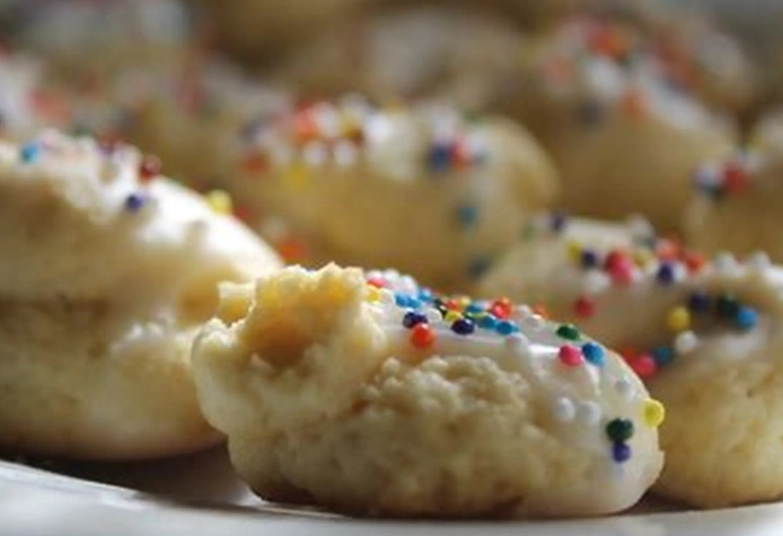
Also known as "Italian wedding cookies," these are soft, cakey, and topped with a simple lemon glaze and nonpareils. The dough is yeasted, which gives them a lovely lightness. Don't be intimidated by the knots—just roll ropes and tie a simple loose knot. They puff up beautifully in the oven. The glaze should be thin enough to drizzle but thick enough to stick.
Mastering these five gives you a fantastic spectrum of textures and techniques. From the crunch of biscotti to the chew of amaretti and the softness of anginetti, you'll be well-equipped.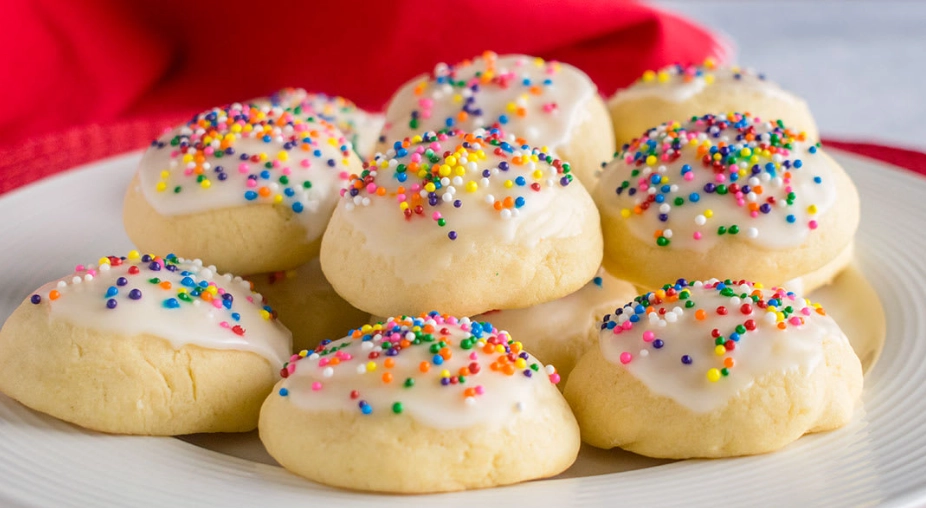
Italian Cookie Recipe Comparison: A Quick Guide
Sometimes you just need to see things side-by-side. This table should help you pick the right recipe for your mood, skill level, and occasion.
| Cookie | Key Ingredients | Texture | Skill Level | Perfect For... |
|---|---|---|---|---|
| Biscotti (Cantucci) | Flour, eggs, sugar, almonds, baking powder | Hard, crunchy, dry | Beginner | Dipping in coffee, vin santo, long storage, gifts |
| Amaretti | Almond flour, egg whites, sugar | Chewy, moist interior, crackly crust | Intermediate (meringue) | Gluten-free treats, elegant dessert plates, with espresso |
| Pizzelle | Flour, eggs, sugar, butter, anise | Thin, crisp, waffle-like | Beginner (needs iron) | Holidays, ice cream sandwiches, cannoli shells |
| Ricciarelli | Almond flour, egg whites, sugar, orange zest | Soft, dense, marzipan-like | Intermediate | Fancy gatherings, Christmas, almond lovers |
| Anginetti (Lemon Knots) | Flour, yeast, milk, butter, lemon, glaze | Soft, light, cakey | Beginner/Intermediate | Weddings, showers, Easter, brunch |
Baking Day: Tricks, Troubleshooting, and Real Talk
Okay, you've picked a recipe and gathered your ingredients. Now for the fun part. Here are some hard-won lessons from my own kitchen disasters and triumphs.
Why is my cookie dough so sticky? This is probably the number one question. For ricciarelli or amaretti dough, it's supposed to be sticky. Use wet hands or wet the parchment paper. For other doughs, you might have measured your flour incorrectly. The scoop-and-sweep method can pack in too much flour. Try spooning flour into your measuring cup and leveling it off. Or, better yet, use a kitchen scale. Grams are your friend for consistent Italian cookie recipes.
Why did my cookies spread into one giant blob? Usually, your dough was too warm. If you used butter, it might have been too soft. Chill your dough! Most cookie doughs benefit from at least 30 minutes in the fridge before shaping and baking. It firms up the fat, giving the cookies time to set before they melt and spread.
My biscotti crumbled when I sliced them. What gives? You either sliced while the loaf was too hot (the most common issue) or you didn't use enough eggs as a binder. Let that loaf cool until it's just warm to the touch. Use a sharp, serrated knife and a gentle sawing motion.
Baking is part science, part art. The first batch might not be perfect, and that's okay. Note what happened, adjust one variable next time (chill longer, bake less, weigh your flour), and try again.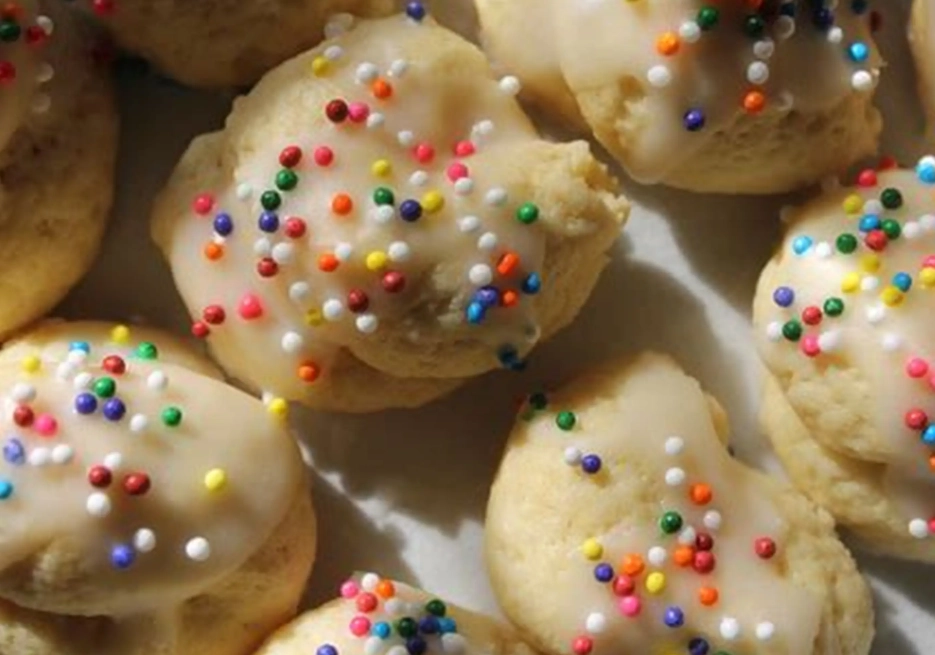
Beyond the Classics: Regional Gems and Holiday Must-Haves
Once you're comfortable with the basics, the world of Italian cookies opens up into a stunning array of regional specialties. This is where you really start to taste the diversity of Italy.
For Christmas, you can't escape the Panforte di Siena (though it's more of a fruitcake) or the chewy, spiced Mostaccioli from the south, often covered in chocolate. In Sicily, you have Buccellati, fig-stilled pastry cookies, and the eerie-but-delicious Ossa di Morto ("bones of the dead") for All Saints' Day.
Then there are the simple, homey cookies. Brutti ma Buoni ("ugly but good") are rustic almond meringue clusters from Piedmont. They look like messy haystacks but taste incredible. Baci di Dama ("lady's kisses") are delicate hazelnut sandwich cookies from the north, often filled with chocolate.
Exploring these is a journey. I rely on sources that focus on regional authenticity. The blog Emiko Davies is fantastic for this—she lives in Tuscany and often shares deep-cut regional recipes with historical context. It feels more personal than a generic recipe aggregator.
The point is, there's no single "Italian cookie." It's a tapestry. Maybe you start with the almond-heavy cookies of the south, then explore the butter-rich cookies of the north. Each one tells a story.
Storing, Gifting, and Serving Like a Pro
You've baked a beautiful batch. Now what? Proper storage is crucial, especially for cookies that are meant to be dry like biscotti.
For crunchy cookies (Biscotti, Pizzelle): Let them cool completely. Store in an airtight container at room temperature. A piece of bread in the container can help if your environment is very dry, but honestly, good biscotti are so low in moisture they can last for weeks. I keep mine in a tin.
For soft/chewy cookies (Amaretti, Ricciarelli, Anginetti): These are more perishable due to their moisture content. Store them in a single layer in an airtight container. You can add a slice of apple to the container to keep them soft (change it every couple of days). They're best eaten within 3-5 days.
Freezing: Most cookie doughs freeze beautifully. Shape biscotti logs, amaretti balls, or portion anginetti dough, freeze on a tray, then transfer to a bag. Bake from frozen, adding a few extra minutes. You can also freeze fully baked cookies; thaw at room temperature.
For gifting, presentation matters. Layer different cookies in a cellophane bag or a pretty box. Tie with a ribbon. Include a little note with the names of the cookies and a suggested pairing (e.g., "These cantucci are perfect for dipping in vin santo or coffee"). It shows care and shares the tradition.
Frequently Asked Questions (The Real Ones We All Have)
Final Thoughts: Your Italian Cookie Journey
Baking these cookies is more than just following steps. It's a way to connect with a rich culinary tradition that values simplicity, quality, and sharing. You don't need every fancy tool or the most expensive ingredient from a specialty store across the ocean. Start with one recipe. Maybe it's a simple batch of almond biscotti. Master it. Understand how the dough should feel, how the logs should look before the first bake, how to get that perfect slice.
Then try another. Maybe you'll fall in love with the chewy simplicity of amaretti, or the festive fun of shaping anginetti.
The best part about these Italian cookie recipes? They're meant to be shared. A plate of homemade cookies with an espresso is an invitation to sit down, talk, and enjoy a moment. That's the real secret ingredient—not some rare spice, but the intention behind the baking.
So go on. Preheat your oven. Zest that lemon. Whip those egg whites. And don't worry if they're not perfect. My first biscotti were doorstops, remember? Now they're one of my most requested treats. The journey is half the fun, and the results are always delicious.
Happy baking!
Related Articles
Classic Italian Pasta Recipes: Authentic Dishes You Can Master
Classic Italian Bolognese Recipe: Master the Authentic Ragu
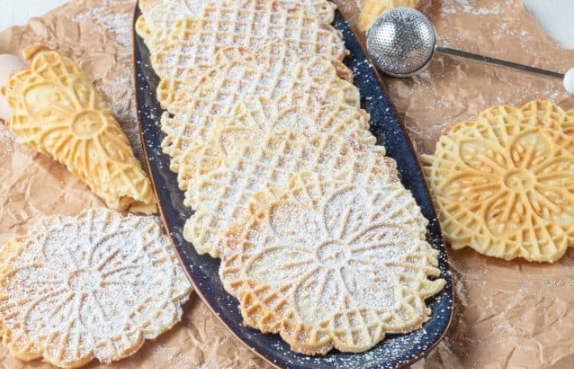
Creative Pizzelle Recipe Variations: From Classic Anise to Chocolate & More
Authentic Italian Cream Cake Recipe: Moist, Nutty & Irresistible
Authentic Italian Braciole Recipe: Slow-Cooked Beef Rolls
Traditional Italian Vegetarian Recipes: Classics Beyond Pasta
Authentic Carbonara Recipe: How to Make Traditional Italian Pasta
The Ultimate Guide to a 3 Course Vegetarian Italian Meal
Cold Italian Appetizers: The Ultimate Guide to Antipasti & Finger Foods

Paris Notes 10: Visiting Galeries Lafayette, more than half of the "saleswomen"

Simple Italian Cocktail Recipes: Easy Classics & Modern Twists
Authentic Italian Dessert Recipes: From Tiramisu to Cannoli
5 Traditional Italian Dishes: Authentic Recipes & Where to Try Them
Authentic Italian Pizza Dough Recipe: A Step-by-Step Guide
Italian Shrimp Recipes: From Classic Scampi to Modern Dishes
Best Italian Baked Dishes Recipes: Authentic & Easy to Make
Perfect Pairings: What to Serve with Italian Sausage for Dinner
Authentic Italian Dressing Recipe: Easy, Homemade & Better Than Store-Bought

Sea freight rates soared! One after another raised sea freight rates, the "king
Authentic Pasta Carbonara Recipe: Original Italian Method (No Cream!)
Authentic Italian Salad Dressing Recipe: Easy, Zesty & Homemade

Thailand car market survey: sales and prices plunged, and Sino-Japanese competit
Simple Italian Vegetarian Recipes: 5 Easy Dishes for Weeknights

Performance exploded! Sungrow Power Supply made a huge profit of tens of billion
What is a Good Appetizer Before Pasta Dinner? 15+ Expert Picks & Pairing Guide
Top 10 Italian Cocktails: From Negroni to Spritz & Beyond
Easy Italian Appetizers: Simple Recipes & Party Platters
Master Old School Italian Recipes: Authentic Pasta, Ragù & More
Vegetarian Food Guide: What to Eat in Italy
Leave a Comment