Master Italian Meatball Recipes: Secrets from Nonna's Kitchen
Quick Navigation
- Why Are These Little Spheres of Meat Such a Big Deal?
- The Anatomy of a Perfect Meatball: Breaking Down the Elements
- Classic Italian Meatball Recipes: Two You Need to Know
- A Tour of Italy: Regional Meatball Variations
- Cooking Method Showdown: Which One Wins?
- Answering Your Meatball Questions (The FAQs)
- Putting It All Together: A Simple Game Plan
Let's be honest. We've all had those dry, bland, hockey pucks masquerading as Italian meatballs. You know the ones I'm talking about. They sit lonely on a plate of spaghetti, looking more like an afterthought than the star of the show. It's a tragedy, really. A good meatball should be a revelation—tender, juicy, packed with herbaceous flavor, and swimming in a sauce that's been its best friend for hours.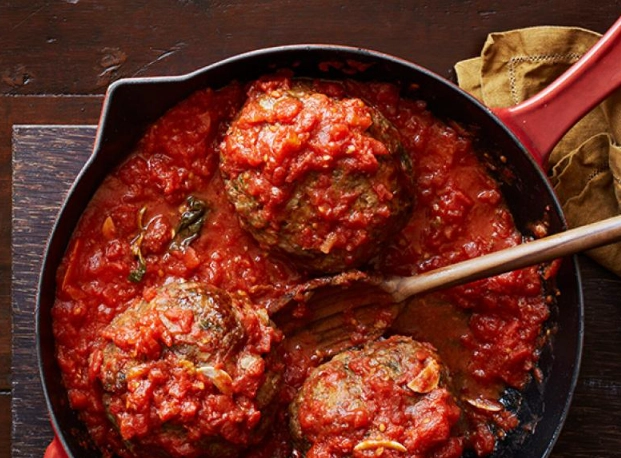
I learned this the hard way. My first attempt at an "authentic" recipe years ago resulted in something so tough my dog hesitated. It was a wake-up call. Since then, I've spent more time than I'd care to admit talking to Italian grandmothers (mine and others'), testing ratios, and figuring out why some Italian meatball recipes sing while others just... thud.
This isn't just another list of ingredients. Consider this your backstage pass to getting it right. We're going deep on the why behind every step, uncovering regional secrets, and I'll even share the one technique that changed everything for me. Forget the frozen aisle. Let's make meatballs that actually taste like something.
Why Are These Little Spheres of Meat Such a Big Deal?
Think about it. Nearly every culture has some form of ground meat shaped into a ball or patty. But Italian meatballs, or polpette, hold a special place. They're a cornerstone of cucina povera—"poor kitchen" cooking—turning humble, affordable ingredients into something extraordinary through care and slow cooking.
Their magic lies in contrast. A crisp, golden-brown exterior from searing gives way to an impossibly soft, almost creamy interior. They're savory, but sweet notes from onions and wine peek through. They're hearty enough to be a meal on their own but become something transcendent when paired with pasta, crusty bread, or a simple salad.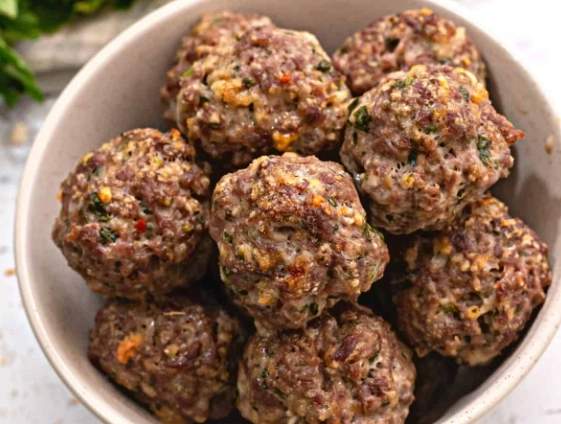
And here's the thing most blogs don't tell you: there is no one authentic Italian meatball recipe. Italy is a country of regions, and each has its own take. What's gospel in Rome might get you a side-eye in Sicily. That's the fun part. Mastering the basics gives you a passport to explore them all.
Key Takeaway: The best Italian meatball recipes are about technique, not just ingredients. It's how you handle the meat, how you build flavor, and the patience you give the simmering pot. Get those right, and you're 90% there.
The Anatomy of a Perfect Meatball: Breaking Down the Elements
Ever wondered why some meatballs are tough while others melt in your mouth? It usually boils down to one of these five core components. Mess one up, and the whole thing suffers.
The Meat: Your Foundation
This is where it all starts. The classic blend is a trio: beef for richness, pork for fat and sweetness, and veal for delicate tenderness. But let's be practical. Veal can be pricey and hard to find. A 50/50 mix of beef and pork is your absolute best bet for a reliably fantastic meatball. I use it more often than not.
Fat content is non-negotiable. You want ground meat with at least 20% fat. Lean meat makes for lean, sad meatballs. Ask your butcher for a coarse grind if you can—it gives a better texture than the pre-packaged supermarket stuff, which can be mushy.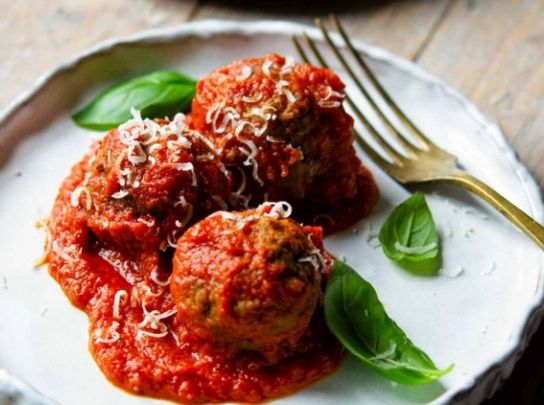
Some folks swear by adding ground pancetta or prosciutto ends for an extra punch of salty, porky goodness. It's a killer move if you have them on hand.
The Binder & Moisture: Bread, Not Just Crumbs
Here's the first big secret. Most recipes call for dry breadcrumbs. And most recipes are wrong. Dry breadcrumbs suck up moisture like a sponge and leave you with a dense, gritty texture.
The traditional, far superior method uses a panade—a paste made from stale bread (crusts removed) soaked in milk or broth. Tear the bread into chunks, soak it until soggy, then squeeze out the excess liquid and mash it with a fork. This panade distributes moisture evenly throughout the meat, creating that tender, almost fluffy interior that defines great Italian meatball recipes. It's a game-changer. I use about 1 cup of torn bread (about 2 slices) soaked in 1/2 cup of milk for every 2 pounds of meat.
Pro-Tip: No stale bread? Toast fresh bread lightly in the oven to dry it out slightly before soaking. And don't waste the leftover soaking milk! A splash of it can help loosen your tomato sauce later.
Aromatics & Seasonings: The Flavor Builders
Onion and garlic are the dynamic duo. But raw onion and garlic can be harsh and may not cook through inside the meatball. The solution? Sauté them gently in a bit of olive oil until soft and translucent, then let them cool completely before adding to the mix. This sweetens them and removes any raw bite.
For herbs, fresh flat-leaf parsley is essential. Dried oregano or basil work well too. Parmesan or Pecorino Romano cheese isn't just a seasoning—it adds savoriness (umami) and helps with binding. Use the good stuff, freshly grated. The pre-grated powder in a canister won't do you any favors.
Season aggressively. Don't be shy with the salt and black pepper. Mix your seasonings into your panade and cooled onions first, then combine with the meat. This ensures even distribution so you don't get a bland bite followed by a salty one.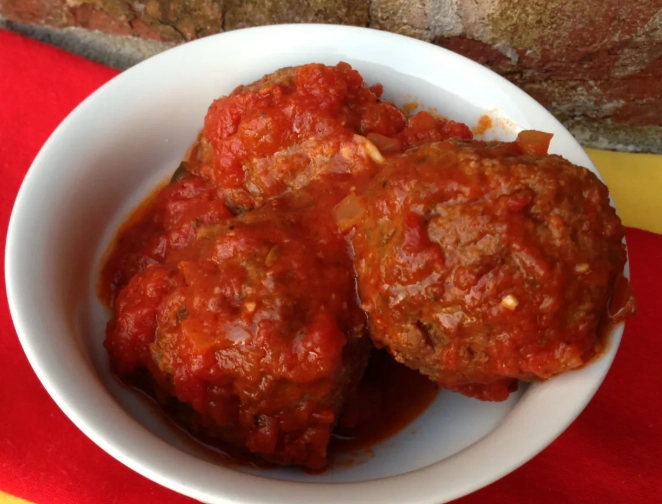
The Cooking Method: To Sear or Not to Sear?
This is a hot debate. Some swear by poaching meatballs directly in the sauce. It's gentler and keeps them incredibly tender. Others (like me) are firmly in the searing camp. Browning in a hot pan with oil creates a flavorful crust via the Maillard reaction—that's just science for "delicious brown bits." Those bits then deglaze into your sauce, adding incredible depth.
My compromise? I sear them hard to get good color, but I don't worry about cooking them through. I then let them finish cooking gently in the simmering sauce for at least an hour. You get the best of both worlds: flavor from the sear and tenderness from the slow braise.
Common Pitfall: The single biggest mistake is overmixing. Once you add the meat to your other ingredients, use your hands and mix just until everything is combined. Overworking the meat activates the proteins, making the meatballs tough and springy. Think gentle folding, not kneading bread dough.
Classic Italian Meatball Recipes: Two You Need to Know
Let's get practical. Here are two foundational Italian meatball recipes that represent different schools of thought. Master these, and you can riff endlessly.
Nonna's "Sunday Gravy" Style Meatballs
These are the big, hearty meatballs meant to simmer for hours in a tomato sauce (the "gravy") alongside sausages and maybe even pork ribs. They're robust, herby, and become one with the sauce.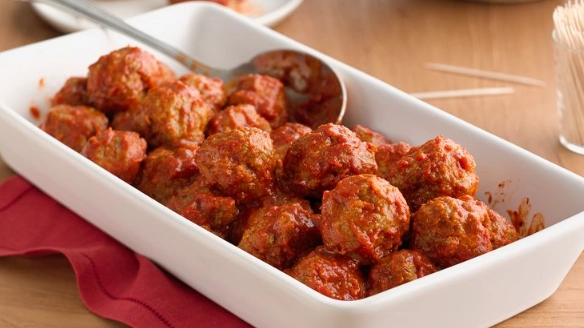
The Mix (for about 20 meatballs):
- Meat: 1 lb ground beef (80/20), 1 lb ground pork
- Panade: 1 cup torn stale Italian bread, 1/2 cup whole milk
- Aromatics: 1 medium yellow onion (finely diced & sautéed), 3 cloves garlic (minced & sautéed)
- Cheese & Herb: 1 cup freshly grated Parmigiano-Reggiano, 1/2 cup finely chopped fresh parsley
- Seasoning: 1 1/2 tsp kosher salt, 1 tsp black pepper, 1 tsp dried oregano
- Egg: 2 large eggs (lightly beaten)
Method: Make your panade and let it soak. Sauté onion and garlic in olive oil until soft; cool. In a large bowl, combine the panade, cooled aromatics, cheese, parsley, and all seasonings. Mix with a fork. Add the meats and eggs. With clean hands, mix gently until just incorporated. Chill the mix for 30 minutes (this helps with shaping). Form into 2-inch balls. Heat 1/4 inch of olive oil in a heavy skillet over medium-high. Sear meatballs in batches until well-browned on all sides. Transfer to your simmering tomato sauce and cook on low, partially covered, for at least 1.5 hours.
The long simmer is non-negotiable here. It transforms everything.
The Lighter, "In-Brodo" (In Broth) Meatball
Not all meatballs live in tomato sauce. These are delicate, often smaller, and poached in a rich chicken or beef broth. They're served in the broth as a soup or as a second course. They highlight the purity of the meat and herbs.
The key differences here are a lighter meat blend (often veal and pork or just turkey), the inclusion of lemon zest for brightness, and sometimes a touch of nutmeg. They're not seared at all—just shaped and gently poached in barely simmering broth until cooked through, resulting in an incredibly tender, almost cloud-like texture. It's a beautiful, elegant take that deserves more attention outside of Italy.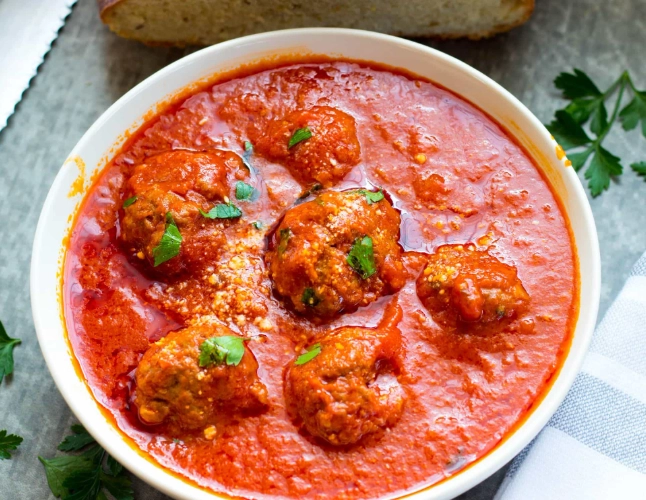
A Tour of Italy: Regional Meatball Variations
Once you've got the classics down, the world (or rather, Italy) opens up. Here's a quick guide to how different regions put their spin on Italian meatball recipes.
- Sicily: Often add pine nuts and raisins for a sweet-and-savory contrast. Sometimes they're baked with a breadcrumb topping.
- Naples: Might include chopped provolone or mozzarella in the center for a molten core.
- Rome: Polpette al sugo are the classic simmered-in-sauce version, often with a hint of mint alongside the parsley.
- Lombardy (Milan): Polpette might be made with leftover boiled meat, bread, and cheese, then fried—a brilliant way to use up leftovers.
- Sardinia: Can include myrtle leaves or saffron, reflecting the island's unique flora and culinary traditions.
See what I mean? The basic principle is adaptable. It invites you to play. Feeling adventurous? Add a pinch of saffron soaked in warm broth to your panade. Or mix in some finely chopped sun-dried tomatoes. The framework is sturdy enough to hold your experiments.
Cooking Method Showdown: Which One Wins?
You've mixed your meat. You've formed your balls. Now how do you cook them? Each method has its champions and its best-use cases. Let's break it down.
| Method | Best For | Texture Result | Flavor Result | My Honest Take |
|---|---|---|---|---|
| Searing then Simmering in Sauce | Classic Sunday gravy, meatballs for pasta. | Firm crust, tender interior. | Deep, complex, integrated with sauce. | My go-to for 80% of my Italian meatball recipes. The flavor payoff is unbeatable. It does create more dishes to wash. |
| Baking | Large batches, healthier prep, meal prep. | Evenly cooked, slightly drier exterior. | Good meat flavor, but lacks the fond (browned bits). | It's convenient, sure. But the meatballs can be a bit... uniform. I broil at the end for color. A good weeknight shortcut. |
| Poaching in Sauce | Ultra-tender texture, one-pot cooking. | Very soft, uniform, no crust. | Clean meat flavor, sauce is less complex. | The texture is undeniably tender. But I miss the caramelized notes. It feels a bit one-dimensional to me. |
| Frying | Smaller meatballs, appetizers (polpette fritte). | Crispy all around, juicy inside. | Rich, indulgent, fantastic on their own. | For a treat, it's divine. But it's messy and I always feel like I need a nap afterwards. A special-occasion move. |
My personal ranking? 1) Sear/Simmer, 2) Bake (for practicality), 3) Fry (for fun), 4) Poach. Your mileage may vary, and that's okay. Try them and see which fits your style.
Answering Your Meatball Questions (The FAQs)
I get a lot of questions from friends trying these recipes. Here are the ones that come up constantly.
How do I keep my meatballs from falling apart?
Three things: 1) Adequate binder (that panade is doing heavy lifting). 2) Chilling the mixture before shaping firms it up. 3) Don't skip the egg—it's a crucial binder. If you're still having issues, roll your shaped meatball in a light dusting of flour before searing; it creates a little skin.
Can I make meatballs ahead of time?
Absolutely, and I often do. You can refrigerate the raw mixture (tightly wrapped) for up to 24 hours—the flavors actually meld and improve. You can also shape and freeze raw meatballs on a parchment-lined tray, then transfer to a bag for up to 3 months. Cook from frozen, just add extra simmering time. Cooked meatballs freeze beautifully in their sauce.
What's the best cheese to use?
Parmigiano-Reggiano (the real stuff, with the pin-dots on the rind) or Pecorino Romano. They're hard, salty, and packed with umami. The official consortiums protect their quality, so you know you're getting the authentic product. Check out the Consorzio del Formaggio Parmigiano-Reggiano website to learn more about its production and DOP status. Using a microplane to grate it ensures it melts seamlessly into the mix.
Why do some recipes have milk or water in the sauce?
This is an old trick to balance the acidity of tomatoes without adding sugar. A splash of whole milk or a bit of water added to the sauce after you've deglazed the meatball pan helps create a smoother, rounder, less sharp flavor profile. It sounds weird, but it works. Try it once.
Can I use all beef or all turkey?
You can, but you'll need to adjust. All-beef meatballs can be denser and gamier. Add an extra tablespoon of olive oil to the mix for moisture. All-turkey (especially breast meat) is very lean and prone to dryness. Use dark meat turkey if possible, and consider adding a tablespoon or two of olive oil or soaked bread to the panade. The texture will be different, but still tasty.
Sauce Wisdom: Your meatballs are only as good as the sauce they live in. A simple, long-simmered tomato sauce is perfect. Sauté some onion, add good canned San Marzano tomatoes (crushed by hand), a basil stem, and let it bubble gently for an hour before the meatballs go in. For a deeper dive into the science of great tomato sauce, resources like Serious Eats have fantastic, well-tested explorations.
Putting It All Together: A Simple Game Plan
Okay, let's stop with the theory and map out a real plan for next Sunday.
- Prep Early: Make your sauce base first. While it simmers, prepare your meatball mix. Sauté those onions and garlic, make your panade, grate your cheese. Combine everything gently, cover, and chuck it in the fridge.
- Shape & Sear: An hour before you want to eat, pull the mix out. Shape your meatballs. Get your skillet screaming hot with oil. Don't crowd the pan—sear in batches to get proper color. This isn't the time to rush.
- The Simmer: Transfer the seared meatballs into your now-simmering sauce. The gentle heat will finish cooking them through and exchange flavors. Let it go for a minimum of 45 minutes. An hour is better. This is when the magic happens. The meatballs relax, the sauce thickens, and everything becomes friends.
- Serve with Love (and Logic): Serve over pasta with extra sauce and cheese. Or pile them into a sub roll. Or just grab a bowl and some crusty bread to mop up the sauce. They're even better the next day.
Look, at the end of the day, the best Italian meatball recipes are the ones that bring people to the table. They're forgiving. They're meant to be shared. Don't stress about perfection. Get your hands in the mix, taste your seasoning as you go (cook a tiny patty in the microwave to test), and enjoy the process. The smell alone is worth the effort.
I still mess up sometimes. Last week I added the salt twice. It happens. We ate them anyway, with a lot of bread and laughter. That's the real secret ingredient, I think.
For more inspiration from legendary cooks who have spent a lifetime perfecting these dishes, exploring the recipes and stories from masters like Lidia Bastianich can provide endless inspiration and connect you to the culinary heart of Italy.
Now go forth and make some meatballs. And save me a plate.
Related Articles

What Are The Three Italian Cocktails? Negroni, Aperol Spritz, Americano
Authentic Italian Appetiser Recipes for Your Next Gathering

With an increase of nearly 300%, the leader of "flying cars" took off, fearless
Top 10 Italian Dishes Veg: Best Vegetarian Pasta & Mains Guide

Breaking through 1.2 billion kilowatts, China has achieved its commitment to win

Best Italian Cocktails: From Classic Negroni to Modern Aperitivo
Minestrone Soup Recipe: An Italian Classic Made Simple
Authentic Italian Green Beans Recipe: A Classic Nonna's Method
Authentic Pasta Carbonara Recipe: The Real Italian Way
Unlock Flavor: 5 Essential Italian Seasoning Recipes & Pro Tips
Authentic Italian Eggplant Recipes: From Parmigiana to Caponata
Traditional Italian Vegetarian Recipes: Classics Beyond Pasta
Traditional Northern Italian Recipes: Authentic Dishes & Cooking Secrets

Authentic Italian Cookies Recipes: Classic Biscotti, Amaretti & More
Easy Pasta Salad Recipes with Italian Dressing for Crowd-Pleasing Meals
Unique Italian Appetizers: Beyond Bruschetta & Meatballs
Simple Italian Holiday Dinner Recipes: Effortless & Authentic Feasts
Easy Braciole Recipe: Authentic Italian Beef Rolls Made Simple
Authentic Italian Beef Sandwich Recipe | Easy Homemade Guide
Master Authentic Italian Recipes: The Ultimate Guide to Real Italian Cooking
Authentic Ricotta Lasagna Recipe: Creamy Layers & Pro Tips

Rescue the market requires real money, not IPO suspension
Top 10 Italian Pasta Dishes: A Guide to Classics

Homemade Italian Ice Recipe: Smooth, Grain-Free & Authentic
The Ultimate Homemade Italian Dressing Recipe (Easy & Authentic)

Is Xiaomi Auto dumped?
Ultimate Guide to Best Italian Appetizer Recipes for Any Occasion
What Is the Most Popular Italian Dish? Top Contenders Revealed
Italian Cream Cake Recipe: A Southern Classic with Italian Flair
Leave a Comment