Unlock Flavor: 5 Essential Italian Seasoning Recipes & Pro Tips
Your Flavor Roadmap
- What's Really in Italian Seasoning? Breaking Down the Basics
- Crafting Your Signature Blend: 5 Can't-Miss Italian Seasoning Recipes
- How to Use Your Homemade Italian Seasoning: Beyond the Pasta Sauce
- Fresh vs. Dried: The Eternal Debate (And When to Use Which)
- Answering Your Italian Seasoning Questions (The FAQ)
- Taking It Further: Sourcing and Growing Your Herbs
Let's be honest. We've all stood in the spice aisle, picked up a jar of "Italian Seasoning," and wondered what exactly makes it so... Italian. Is it just dried oregano? Why does the one from that fancy store taste different from the grocery store brand? And more importantly, why does my homemade pasta sauce never taste quite as rich and layered as my grandmother's (or that little trattoria down the street)?
The truth is, that humble jar holds more power than you think. A great Italian seasoning blend isn't just a single note; it's a chorus of Mediterranean herbs singing in harmony. The real magic, though, happens when you stop buying it and start crafting it. That's where the flavor gets personal, and your cooking transforms.
I learned this the hard way. Years ago, I attempted a "quick" weeknight chicken cacciatore, dumping in a tablespoon of a pre-mixed blend I'd had forever. The result was dusty, slightly bitter, and one-dimensional. It tasted like cardboard with ambitions. That failed dinner sent me down a rabbit hole of Italian seasoning recipes, from the super simple to the complex, and it completely changed how I cook.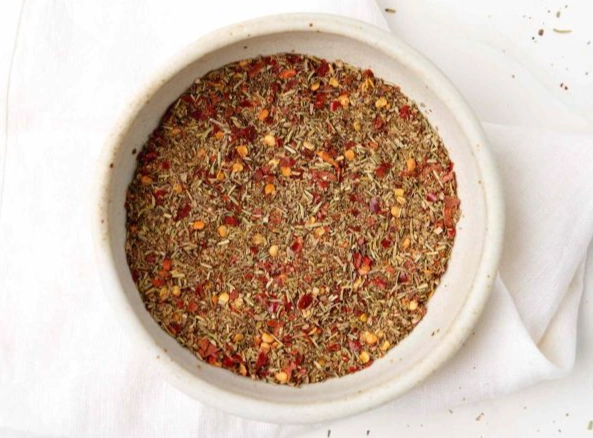
What's Really in Italian Seasoning? Breaking Down the Basics
At its heart, Italian seasoning is a dried herb blend that captures the essence of the Mediterranean kitchen. Think sun-drenched hillsides, not a chemistry lab. While store-bought versions can be convenient, they often have fillers, anti-caking agents, and herbs that lost their soul (and oil) years ago on a warehouse shelf.
The core quartet you'll find in nearly every authentic Italian seasoning recipe is:
- Oregano: The backbone. It's earthy, slightly pungent, and assertive. This is the leader of the band.
- Basil: The sweet melody. It brings a gentle, anise-like sweetness that balances oregano's sharpness. Using dried basil is key here—it has a different, more concentrated character than fresh.
- Marjoram: Oregano's sweeter, milder cousin. It adds a delicate, floral complexity that rounds out the harsher edges. Don't skip it if you can find it.
- Thyme: The subtle depth. Its faintly minty, lemony woodsiness adds a layer of sophistication that prevents the blend from being one-note.
From there, recipes branch out. Some add rosemary for a piney punch (use it sparingly—it's powerful). Others include savory (a peppery, robust herb), crushed red pepper flakes for heat, or garlic powder for an umami kick. Some purists swear by just the dried herbs, while others embrace the convenience of powdered onion or garlic.
Crafting Your Signature Blend: 5 Can't-Miss Italian Seasoning Recipes
Okay, let's get our hands dirty. Here are five foundational Italian seasoning recipes, each with a different personality. I recommend starting with the Classic and then experimenting. The beauty of DIY is that you can adjust the ratios to your taste. Hate thyme? Use less. Love garlic? Add more.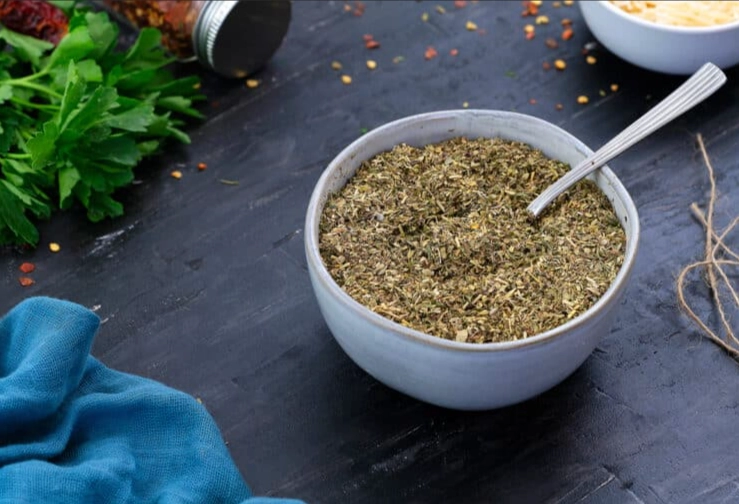
The Classic All-Purpose Blend
This is your workhorse, the one you'll reach for 80% of the time. It's balanced, versatile, and perfect for sprinkling on pizza, stirring into sauces, or rubbing on chicken.
3 tablespoons dried oregano
3 tablespoons dried basil
2 tablespoons dried marjoram
2 tablespoons dried thyme
1 tablespoon dried rosemary, finely crumbled
1 teaspoon garlic powder (optional, but recommended)
1 teaspoon onion powder (optional)
Whisk it all together or give it a few pulses in a spice grinder for a finer consistency. Store in an airtight jar. See? The simplest Italian seasoning recipes are often the best.
I make a big batch of this every few months. The first time I did, I was shocked at the color—a vibrant green, not the dull greyish-green of my old store-bought jar. The aroma alone was worth the effort.
The "No-Marjoram" Substitute Blend
Can't find marjoram? Don't panic. It's not always easy to locate. This blend uses a clever trick to mimic its complexity.
3 tablespoons dried oregano
3 tablespoons dried basil
2 tablespoons dried thyme
1 tablespoon dried savory (this is the secret stand-in for marjoram's floral note)
1 teaspoon fennel seeds, lightly crushed
1/2 teaspoon dried sage
The fennel seed is a game-changer here. It adds a subtle sweetness and complexity that fills the gap left by the marjoram. This is one of those Italian seasoning recipes that proves adaptability is key.
The Spicy Arrabbiata-Inspired Blend
For when you want your sauce to have a kick. This isn't just about heat; it's about building a warm, tingling depth of flavor.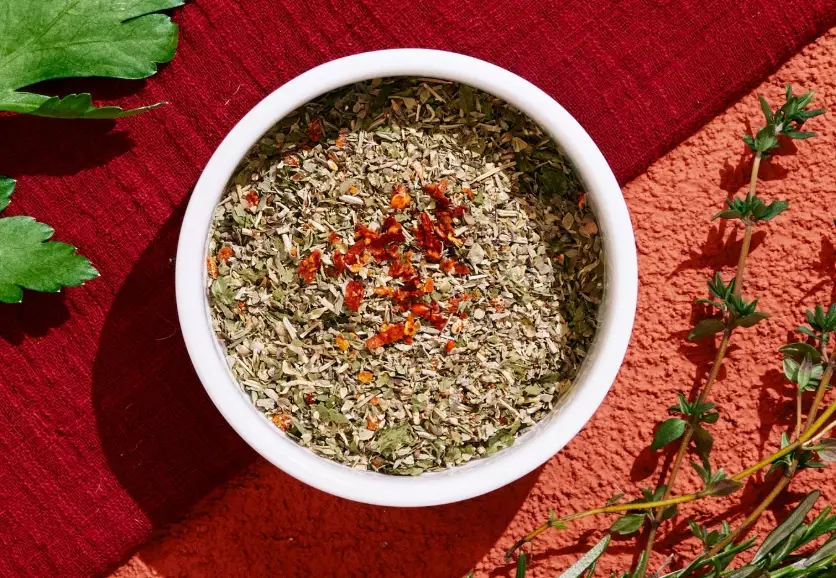
2 teaspoons crushed red pepper flakes (adjust to your pain tolerance!)
1 teaspoon freshly cracked black pepper
1/2 teaspoon smoked paprika (just a whisper—it adds a background warmth, not a BBQ flavor)
The Lemon-Herb Bright Blend
This one is fantastic for seafood, chicken piccata, or dressing a simple white bean salad. It feels lighter and brighter.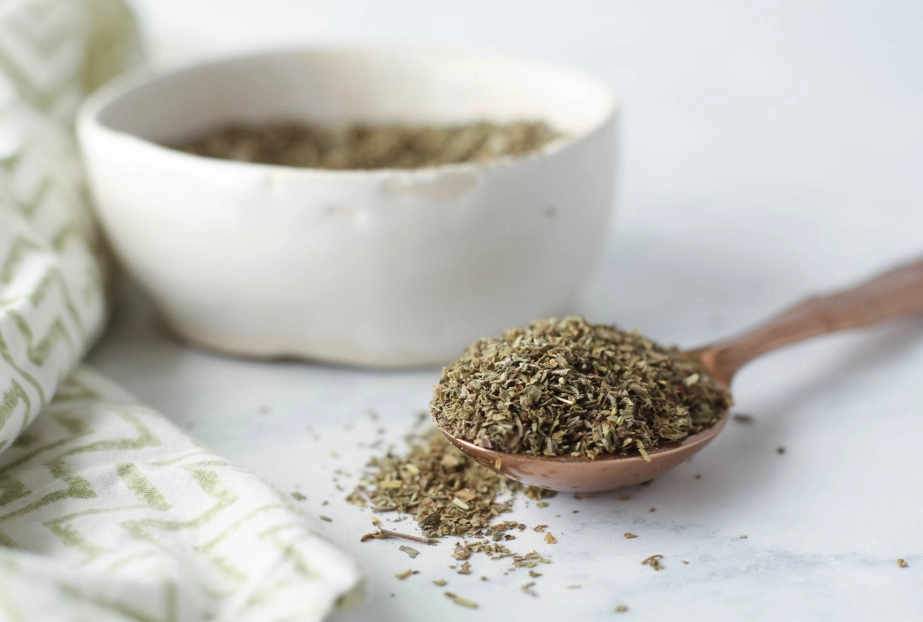
2 tablespoons dried oregano
2 tablespoons dried basil
2 tablespoons dried thyme
2 tablespoons dried lemon zest (this is crucial—dry your own or find a good quality source)
1 tablespoon dried marjoram
1 teaspoon dried parsley (for color and a fresh finish)
The Ultra-Simple 3-Ingredient Emergency Blend
We've all been there. You're mid-recipe and realize you're out of your blend. This is your quick fix, using pantry staples.
2 parts dried oregano
1 part dried basil
1 part dried thyme
It's basic, but it works in a pinch. It proves that even the most straightforward Italian seasoning recipes can save a dinner.
How to Use Your Homemade Italian Seasoning: Beyond the Pasta Sauce
Now that you have these gorgeous jars of homemade flavor, what do you do with them? The applications go far beyond just spaghetti.
Here’s a quick guide I put together based on trial and (many) errors. It shows which of our Italian seasoning recipes works best where.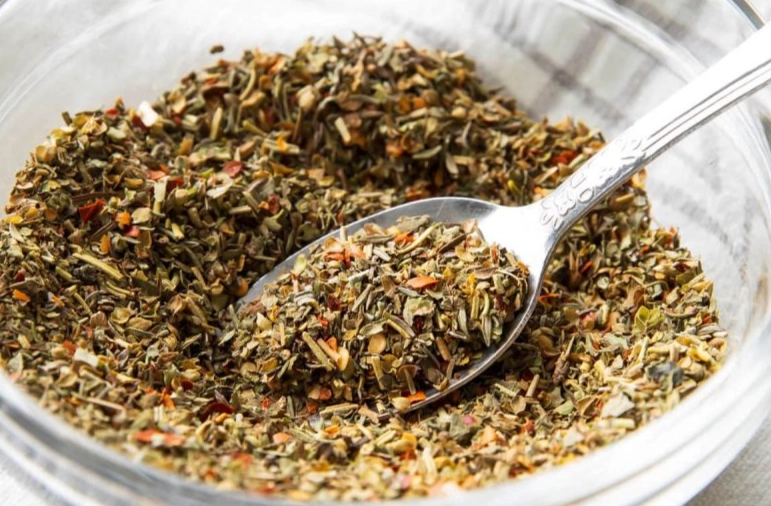
| Dish Type | Recommended Blend | How to Use It | Pro Tip |
|---|---|---|---|
| Tomato-Based Sauces (Marinara, Bolognese) |
Classic All-Purpose or Spicy Arrabbiata | Add 1-2 teaspoons early in the cooking process, sautéing it with your onions and garlic to "bloom" the oils. | Blooming in oil unlocks a deeper, richer flavor than adding it directly to liquid. |
| Roasted Vegetables (Zucchini, Potatoes, Bell Peppers) |
Classic All-Purpose or Lemon-Herb | Toss veggies with olive oil, a generous sprinkle of seasoning, and salt before roasting. | The dry heat of the oven toasts the herbs, creating an incredible aroma and flavor. |
| Grilled or Roasted Meats (Chicken, Pork Chops, Steak) |
Classic All-Purpose or Spicy Arrabbiata | Create a dry rub by mixing seasoning with salt and a touch of sugar. Apply 30+ minutes before cooking. | For chicken, mixing the seasoning into plain Greek yogurt makes an incredible marinade. |
| Seafood (Shrimp, White Fish) |
Lemon-Herb Blend | Use lightly. Sprinkle on just before or after cooking to avoid bitterness. | Pair with a finishing squeeze of fresh lemon juice to make the dried lemon zest pop. |
| Salad Dressings & Dips | Lemon-Herb or Classic | Whisk 1/2 to 1 teaspoon into vinaigrettes, mayo, or sour cream-based dips. | Let herb-infused dressings sit for an hour before serving to allow flavors to meld. |
| Breads & Focaccia | Classic All-Purpose | Mix directly into the dough or sprinkle liberally on top with coarse salt before baking. | Brushing the dough with olive oil first helps the seasoning adhere and bake beautifully. |
My personal favorite hack? I stir a teaspoon of my Classic blend into a can of drained, rinsed white beans, add a glug of good olive oil, and call it a side dish. It's stupidly simple and always gets compliments.
Fresh vs. Dried: The Eternal Debate (And When to Use Which)
This trips up a lot of home cooks. Can you just use fresh herbs instead of seeking out Italian seasoning recipes? Not exactly.
Fresh and dried herbs are different ingredients. Drying concentrates the oils and changes the flavor profile. Dried oregano is stronger and more pungent than fresh; dried basil loses its bright green freshness but gains a deeper, tea-like sweetness.
Use your DRY Italian seasoning blend when: The dish cooks for a while (soups, stews, braises), or when you want the herb flavor to be infused throughout the dish. The drying process makes the flavors more stable and able to withstand longer cooking times.
Use FRESH herbs (basil, oregano, thyme) when: The dish is quick-cooking (sautéed shrimp, a fresh pasta toss) or finished raw (as a garnish on pizza, caprese salad). Fresh herbs provide a burst of bright, green flavor that dried herbs simply can't replicate.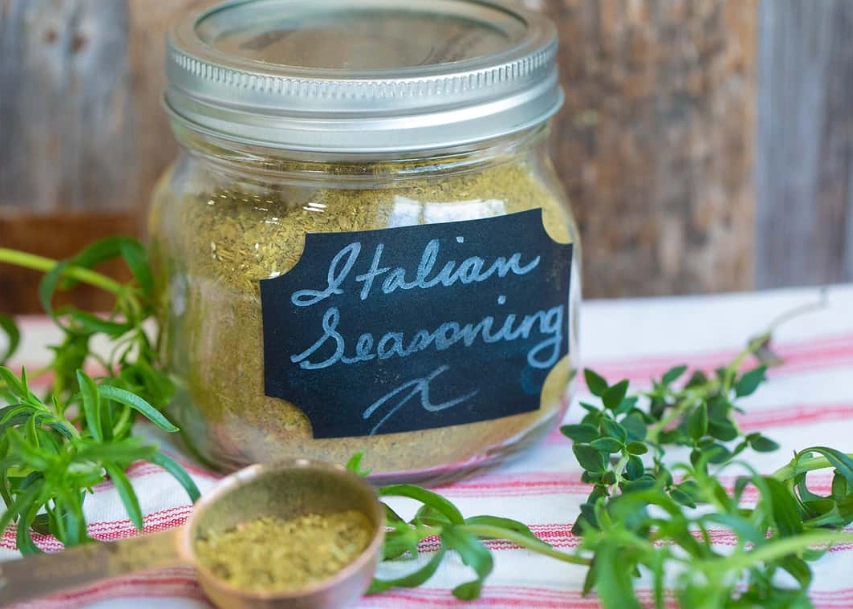
I once made the mistake of trying to make a "fresh herb" blend to substitute for my dry mix in a slow-cooker recipe. After 8 hours, the fresh herbs had completely wilted and lost all character, leaving a vague, grassy taste. Lesson learned.
Answering Your Italian Seasoning Questions (The FAQ)
Taking It Further: Sourcing and Growing Your Herbs
If you really fall down this rabbit hole like I did, you might start thinking about where your herbs come from. The quality leap from mass-market supermarket herbs to those from a specialty spice shop (like Penzey's or The Spice House) is noticeable. These retailers often source whole dried herbs and grind them fresh, and their aroma is incomparable.
For the ultimate control, consider growing and drying your own. Basil, oregano, marjoram, and thyme are all relatively easy to grow in pots on a sunny patio. Harvest them at their peak, just before flowering, and dry them in small bunches hung upside-down in a warm, dry, dark place (an attic or a closet works).
The first time I made a batch of Italian seasoning entirely from herbs I grew, the sense of accomplishment was almost as satisfying as the flavor. It connects you to your food in a way a plastic jar never can.
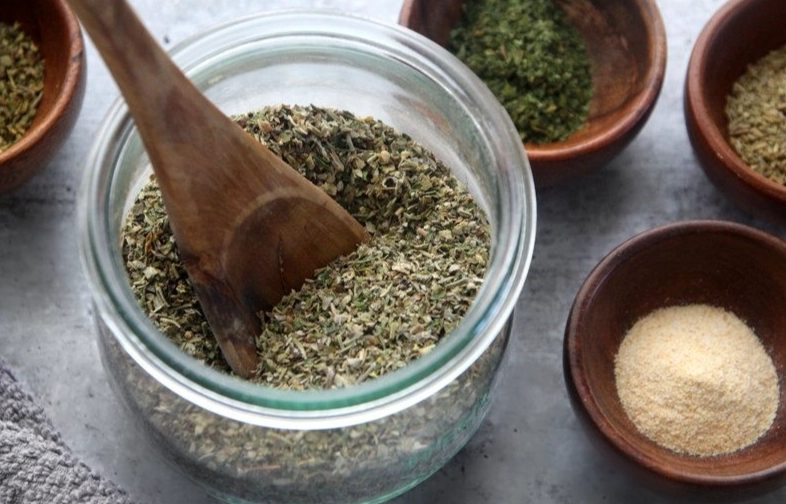 It's more than a spice mix. It's a passport to flavor.
So, the next time a recipe calls for "Italian seasoning," don't just reach for that dusty old jar. See it as an invitation. An invitation to play, to experiment, and to build layers of flavor that are uniquely yours. Whether you start with the simple 3-ingredient fix or go all-in with the lemon-herb variation, you're not just following Italian seasoning recipes—you're creating a staple that will make your everyday cooking taste anything but everyday.
The real secret? There is no single "authentic" recipe. There's only what tastes good to you and brings a little bit of that Italian sunshine to your table. Now go mix something up.
Related Articles
Authentic Italian Pasta Recipes: A Complete Cooking Guide

Authentic Italian Dessert Recipes: From Tiramisu to Cannoli
Master Authentic Italian Recipes: The Ultimate Guide to Real Italian Cooking

Classic Italian Bread Recipe: Authentic & Easy Homemade Loaf
Ultimate Guide to the Top 10 Pasta Dishes You Must Try
Authentic Italian Eggplant Recipes: From Parmigiana to Caponata

The number has increased nearly fourfold in ten years, and the global digital ba
Easy Italian Baked Dinner Recipes: Lasagna, Chicken Parm & More
Authentic Italian Pizzelle Recipe with Anise: A Family Tradition
Traditional Italian Pasta Sauce: The Complete Guide to Authentic Recipes & Secrets
A Complete Guide to the Traditional Southern Italian Christmas Dinner Feast
Easy Italian Sausage Recipes for a Delicious Dinner | Quick & Flavorful
Authentic Spaghetti Carbonara Recipe: The Real Italian Method (No Cream!)
Authentic Italian Drunken Noodles Recipe (Pasta alla Ubriaca)
Easy Italian Baked Dishes Recipes: Effortless Family Dinners

Microsoft hollowed out AI unicorn Inflection AI and paid 650 million US dollars
Authentic Italian Pasta Recipes: From Carbonara to Pesto

Authentic Italian Cookie Recipes: From Biscotti to Amaretti
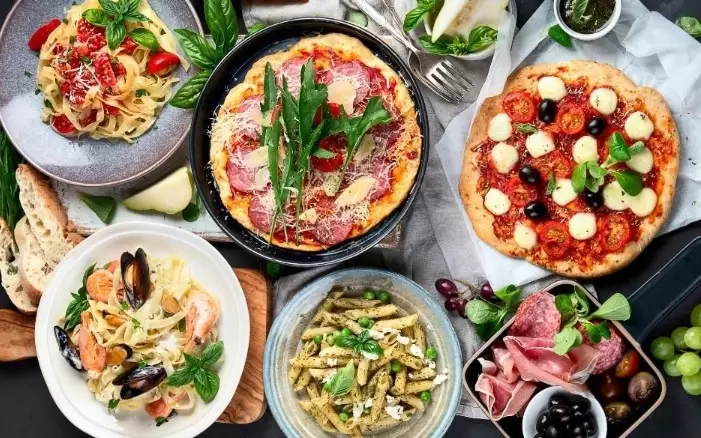
A Guide to Italy's Classic Dishes: Pasta, Pizza & More
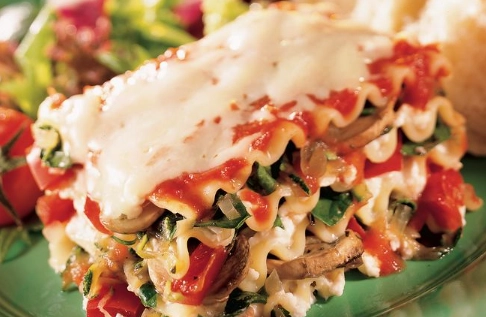
Ultimate Guide to Vegetarian Italian Dinner Party Recipes

The fourth wave of internationalization of global auto companies, how can China
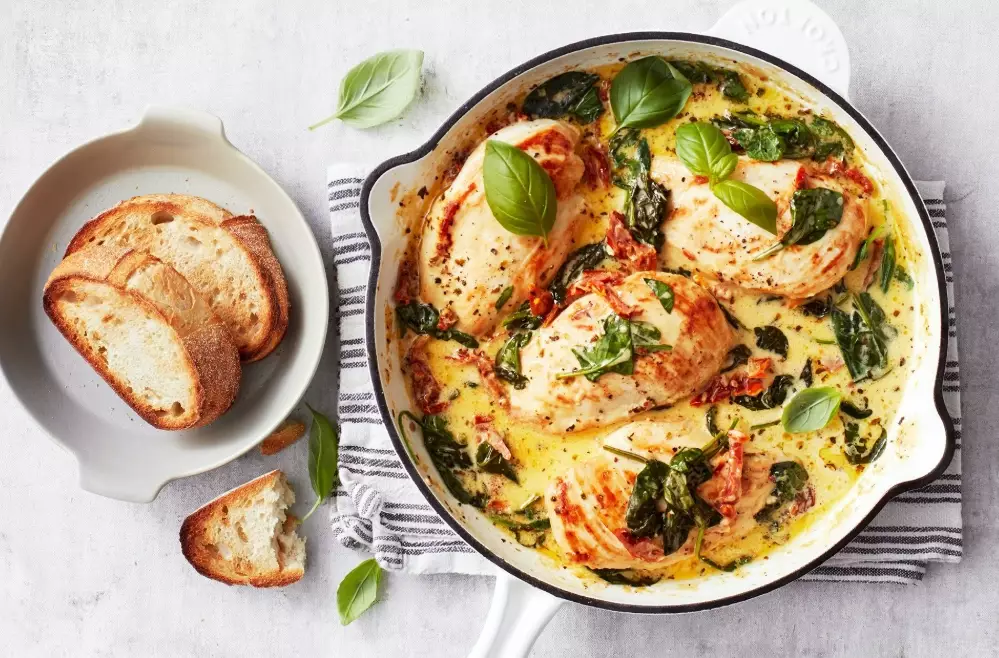
Authentic Italian Chicken Recipes: From Classic Pollo alla Cacciatora to Modern Favorites
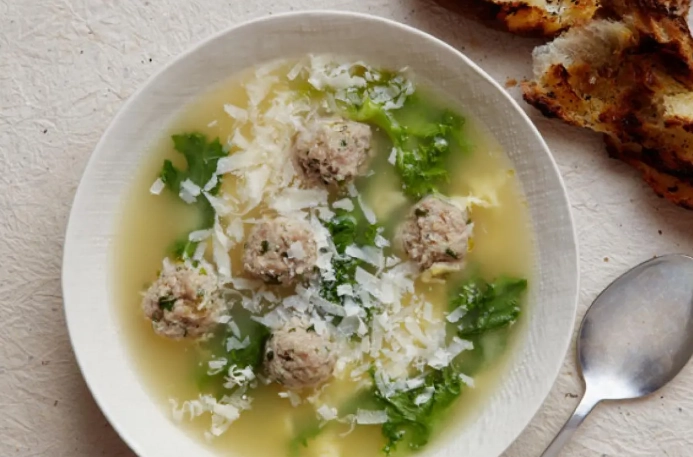
Easy Traditional Italian Wedding Soup Recipe - Authentic & Simple

The only Olympic TOP partner in China's consumer goods industry: Mengniu's pursu

Authentic Italian Hot Chocolate Recipe: Rich, Thick & Easy

Perfect Pairings: What to Serve with Italian Sausage for Dinner
Authentic Gremolata Recipe: The Simple Italian Condiment That Elevates Any Dish

Top 10 Italian Cocktails: From Negroni to Spritz & Beyond

Sudden good news! The RMB surged 300 points, 4,100 A-shares rose, and banks that
Leave a Comment